海康威视

Search documents
计算机周观点第 32 期:上海“十五五”规划发展 AI,计算机 Q4 持仓历史低位
GUOTAI HAITONG SECURITIES· 2026-01-25 07:45
Investment Rating - The report assigns an "Overweight" rating to the computer industry [4]. Core Insights - The Shanghai "14th Five-Year Plan" emphasizes the development of AI and outlines a modern industrial system to enhance core competitiveness, focusing on the digitalization and green transformation of traditional industries, and accelerating the growth of three leading industries: integrated circuits, biomedicine, and artificial intelligence [4]. - Institutional holdings in the computer sector for Q4 2025 stand at 2.1%, reflecting a decrease of 1.1 percentage points from the previous quarter, indicating significant room for increased allocation [2][4]. - The humanoid robot industry is witnessing key advancements in mass production and commercialization, with Yuzhu Technology reporting over 5,500 units shipped in 2025 and Tesla's Optimus robot expected to be available for public sale by the end of 2026 [4]. Summary by Sections Industry Overview - The report highlights the establishment of a multi-layered industrial structure aimed at achieving gradient development through traditional upgrades, leading breakthroughs, cluster development, and future cultivation [4]. Institutional Holdings Analysis - Historical data shows that institutional holdings in the computer sector have fluctuated, with a notable increase to 6.2% in late 2022, followed by a decline to 2.1% in Q4 2025, which is among the lowest levels in the past decade [4]. Recommended Stocks - The report recommends several stocks for investment, including: - Nicheng Technology - Kingsoft Office - Hehe Information - Hikvision - Newland - Daotong Technology - Haiguang Information - Zhongke Shuguang [4][5].
计算机周观点第 32 期:上海“十五五”规划发展 AI,计算机 Q4 持仓历史低位-20260125
GUOTAI HAITONG SECURITIES· 2026-01-25 05:47
Investment Rating - The report assigns an "Overweight" rating to the computer industry [4] Core Insights - Shanghai's "14th Five-Year Plan" emphasizes the development of AI and outlines a modern industrial system to enhance core competitiveness, focusing on the digitalization and green transformation of traditional industries, and accelerating the growth of three leading industries: integrated circuits, biomedicine, and artificial intelligence [4] - The institutional holding in the computer sector for Q4 2025 is at 2.1%, down 1.1 percentage points from the previous quarter, indicating significant room for increased allocation [2][4] - The humanoid robot industry is experiencing key advancements in mass production and commercialization, with Yuzhu Technology reporting over 5,500 units shipped in 2025 and Tesla's Optimus robot expected to be available for sale by the end of 2026 [4] Summary by Sections Industry Overview - The report highlights the establishment of a multi-layered industrial structure aimed at achieving gradient development through traditional upgrades, leading breakthroughs, cluster development, and future cultivation [4] - The focus is on building systemic advantages in information processing infrastructure, algorithms, and applications [4] Institutional Holdings - Historical analysis shows that institutional holdings in the computer sector have fluctuated, with a peak of 6.2% in Q4 2022, followed by a decline to 2.1% in Q4 2025, which is one of the lowest levels in the past decade [4] Recommended Stocks - The report recommends several stocks for investment, including: - Nichicon Technology - Kingsoft Office - Hehe Information - Hikvision - Newland - Daotong Technology - Haiguang Information - Zhongke Shuguang [4][5]
2025年GDP十强城市预估排名出炉:上海第1,苏州远超成都,南京入围?
Sou Hu Cai Jing· 2026-01-24 17:39
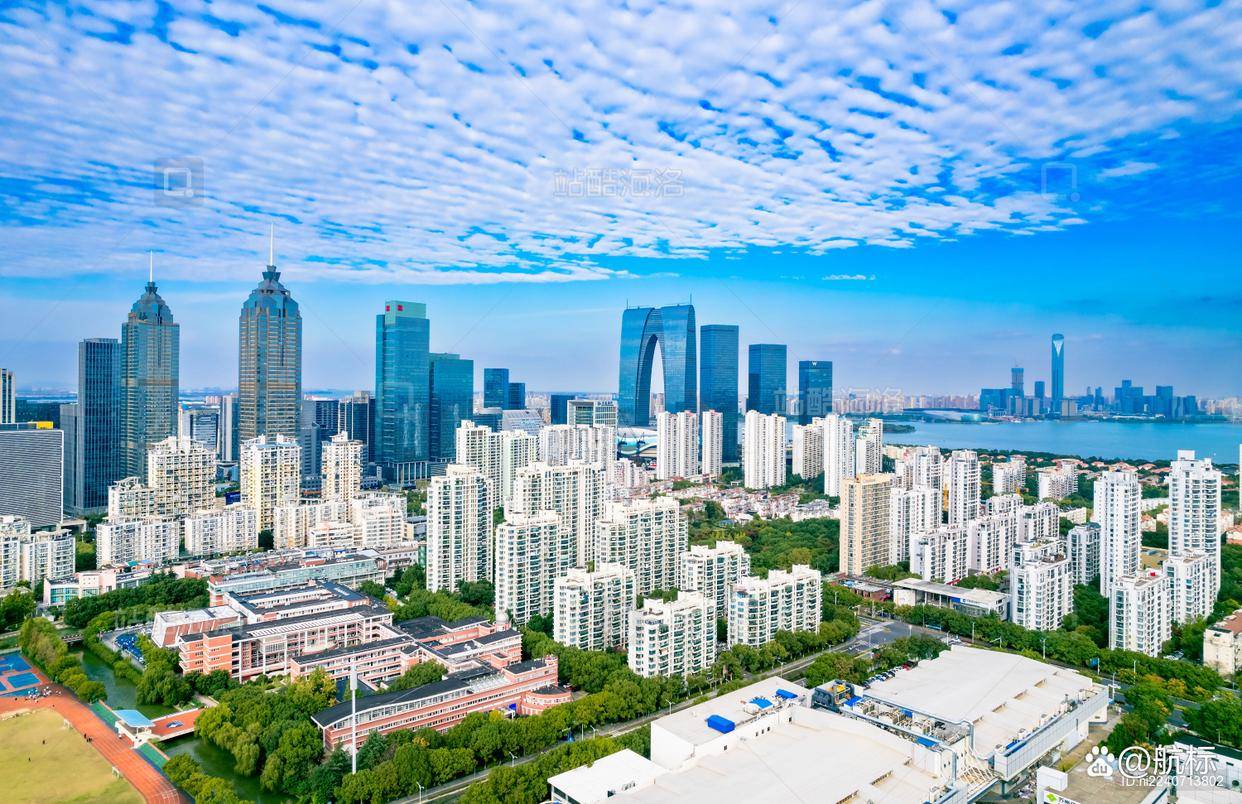
Core Insights - The 2025 GDP forecast for China's top ten cities reveals a competitive landscape, with Shanghai and Beijing maintaining their positions as economic powerhouses, while cities like Shenzhen, Chongqing, and Guangzhou are rapidly advancing [1][3]. Group 1: Shanghai and Beijing - Shanghai's GDP is projected to reach 5.67 trillion yuan, an increase of 278.2 billion yuan from the previous year, with significant contributions from the Zhangjiang Science City and Yangshan Port, which has been the world's busiest container port for 19 consecutive years [1][5]. - Beijing's GDP is expected to surpass 5.2 trillion yuan, growing by 388 billion yuan, driven by a surge in tech startups in Zhongguancun and a digital economy that constitutes over 65% of its GDP [3][5]. Group 2: Emerging Cities - Shenzhen's GDP is forecasted to hit 3.89 trillion yuan, with a growth rate of 5.68%, bolstered by major players like BYD in the electric vehicle market, which holds a 12% global share [5][7]. - Chongqing's GDP is anticipated to reach 3.37 trillion yuan, with a notable contribution from the automotive sector, where companies like Changan and Seres account for 12% of its GDP [7]. - Guangzhou's GDP is projected at 3.23 trillion yuan, supported by investments in AI and digital economy sectors, with local companies contributing significantly to national testing mileage in smart vehicles [7]. Group 3: Other Notable Cities - Suzhou's GDP is expected to be 2.79 trillion yuan, with a strong focus on nanotechnology and a 20% annual growth in patents in biomedicine and integrated circuits [7]. - Chengdu is set to achieve a GDP of 2.5 trillion yuan, with a remarkable growth rate of 6.57%, driven by advancements in electronic information and new energy industries [8]. - Hangzhou's GDP is forecasted at 2.3 trillion yuan, with its digital economy core industries accounting for over 30% of its GDP, showcasing a transition from an e-commerce hub to a smart city [8]. - Wuhan's GDP is projected to reach 2.23 trillion yuan, with significant contributions from the optoelectronic information industry and a resilient economic recovery post-pandemic [8]. - Nanjing's GDP is expected to be 1.93 trillion yuan, with high-tech industries like integrated circuits and new energy vehicles making up over 55% of its GDP [9].

【兴业计算机】2025Q4持仓分析:低配1.46%,环比Q3末下降0.17个百分点
兴业计算机团队· 2026-01-24 15:03
Core Viewpoint - The article discusses the current state and trends in the computer industry, highlighting the allocation of public funds and the performance of key stocks within the sector. Group 1: Industry Allocation and Performance - The relative allocation of public funds in the computer industry shows a significant interest in top stocks, with the most held stocks being Kingsoft Office, Hikvision, and Inspur Information [6][9]. - The top twenty stocks by fund holdings include notable companies such as Kingsoft Office, Keda Xunfei, and Deepin Technology, indicating a concentrated investment strategy among funds [6][9]. - The market value held by funds in these top stocks reflects a strong confidence in their performance, with Kingsoft Office leading with a market value of 184 billion [9]. Group 2: Fund Holdings and Changes - The article lists the top twenty stocks with the highest fund holdings, emphasizing the dominance of companies like Keda Xunfei and Kingsoft Office in terms of both number of funds and market value [9][10]. - The stocks with the highest increase in fund holdings include Keda Xunfei and Zhongke Xingtai, suggesting a growing interest and potential bullish sentiment towards these companies [8][10]. - The analysis of fund holdings indicates a strategic shift towards companies that are perceived to have strong growth potential in the computer sector [6][8].




8省率先公开2025年经济数据:浙江第1,河南第3,上海远超北京!
Sou Hu Cai Jing· 2026-01-24 11:40
Core Insights - Gansu Province leads with a remarkable GDP growth rate of 5.2%, surpassing traditionally strong economies like Shanghai and Zhejiang, challenging the notion of "coastal prosperity and inland stagnation" [1][10] - Each province showcases unique strengths and strategies for economic development, emphasizing differentiated competition rather than simple GDP rankings [11] Group 1: Zhejiang Province - Zhejiang's GDP approaches 10 trillion, with an increase of over 450 billion, driven largely by its robust private sector, which contributes more than two-thirds of the province's GDP [1][11] - The Ningbo-Zhoushan Port has maintained its position as the world's busiest port for 15 consecutive years, supporting a high foreign trade dependency of over 60% [1] - The Hangzhou Future Technology City hosts over 2,000 high-tech enterprises, with AI patents accounting for 12% of the national total, indicating a strong focus on technological innovation [1] Group 2: Sichuan Province - Sichuan's GDP exceeds 6.7 trillion, with an increase of over 300 billion, benefiting from the Chengdu-Chongqing economic circle policy [2][11] - The Chengdu Plain Economic Zone contributes 80% of the province's GDP, with Chengdu acting as a leading force for regional development [2] - The Baihetan Hydropower Station's commissioning has raised the clean energy installed capacity to over 80%, attracting companies like CATL to establish production bases in the region [2] Group 3: Henan Province - Henan maintains a strong position in central China, with a GDP of over 66.6 trillion and an increase of over 300 billion [2][11] - Zhengzhou's cross-border e-commerce business has ranked first in the nation for eight consecutive years, showcasing the province's manufacturing and logistics strengths [2] - Foxconn's Zhengzhou base produces over 120 million iPhones annually, significantly boosting Henan's import and export totals [2] Group 4: Shanghai - Shanghai achieves a GDP growth rate of 5.16%, with a total GDP exceeding 5.6 trillion, despite a general economic slowdown [3][11] - The Tesla factory in the Lingang New Area has a production capacity exceeding 750,000 vehicles, contributing to the city's industrial output [3] - Yangshan Port's automated terminal has surpassed a throughput of 20 million TEUs, maintaining Shanghai's status as the world's busiest port for 13 years [3] Group 5: Beijing - Beijing's GDP exceeds 5.2 trillion, driven by the tech sector in Zhongguancun, which houses over 600 specialized "little giant" enterprises [5][11] - The digital economy accounts for over 40% of Beijing's GDP, highlighting the city's focus on innovation and technology [5] Group 6: Yunnan Province - Yunnan's GDP surpasses 3.2 trillion, with the China-Laos Railway achieving a freight volume exceeding 10 million tons [7][11] - The province's green aluminum-silicon production capacity accounts for 15% of the national total, indicating a focus on sustainable industries [7] Group 7: Guizhou Province - Guizhou's GDP exceeds 2.3 trillion, with the digital economy comprising over 36% of its total [8][11] - The Guiyang Big Data Exchange has an annual transaction volume exceeding 5 billion, showcasing the province's emphasis on data-driven industries [8] - Moutai's revenue reaches 150 billion, indicating the strength of the liquor industry as a key economic driver [8] Group 8: Gansu Province - Gansu's GDP growth rate of 5.2% positions it as a surprising leader among the eight provinces, with a total GDP of approximately 1.37 trillion [10][11] - The "East Data West Calculation" initiative has driven the revenue of the computing power industry to exceed 20 billion [10] - The Jinchuan Group's nickel-cobalt new materials hold a 15% share of the global market, and the province ranks first in potato exports [10]
软东2大豪宅、软西2大新盘!撑起西安丝路软件城2026楼市热度
Xin Lang Cai Jing· 2026-01-24 04:36
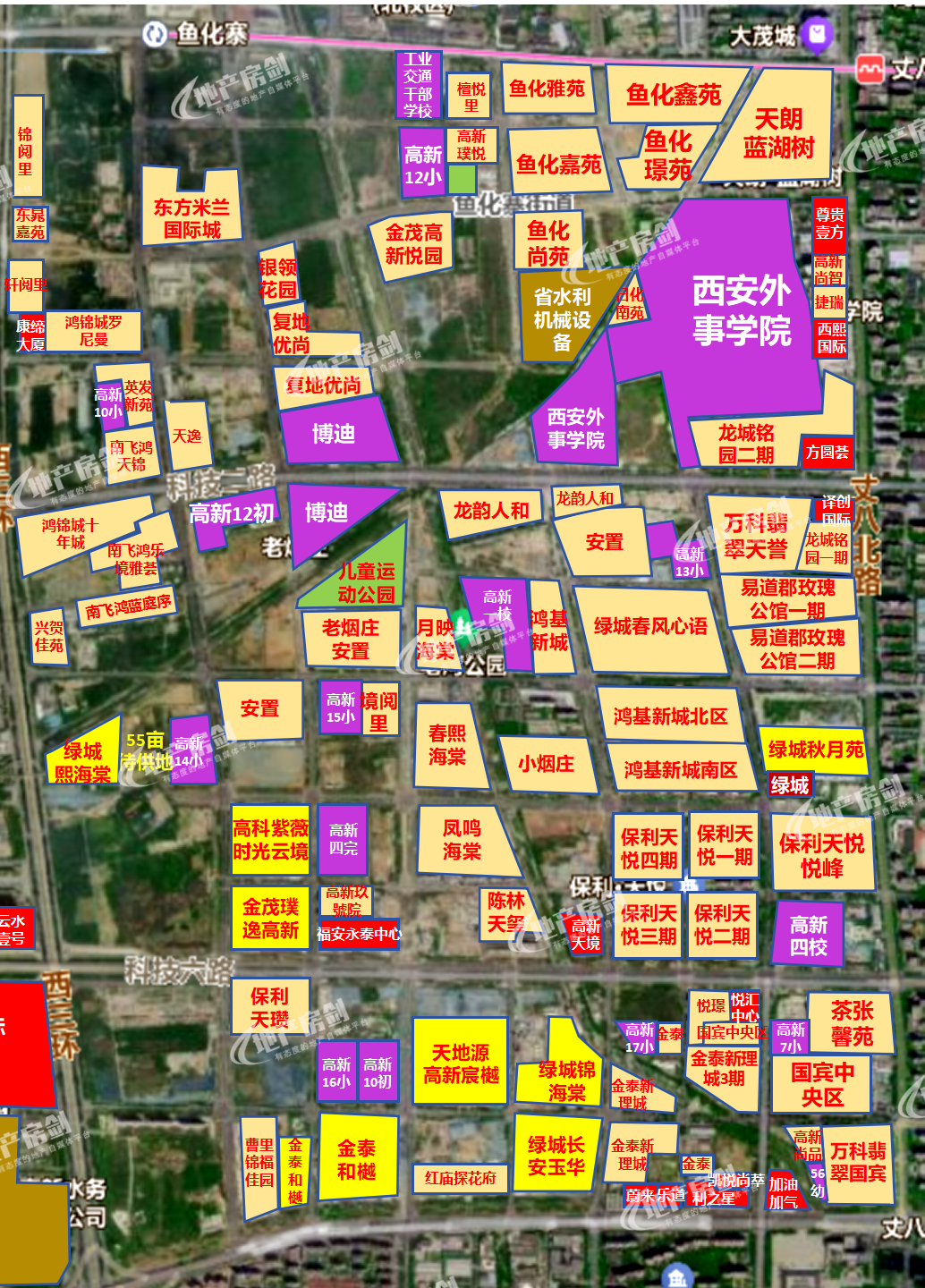
Core Insights - The Silk Road Software City has been one of the hottest real estate markets in Xi'an for the past six years, starting from early 2020, although its heat has slightly decreased in recent years [1] - In 2026, the area will see new supply from multiple new projects while facing competition from the second-hand housing market and the Fengdong High-tech Integration Zone [2][16] Group 1: Market Overview - The Silk Road Software City is divided into "Soft East" and "Soft West," catering to different buyer preferences, with "Soft East" focusing on residential living and "Soft West" on industrial and residential integration [3][4] - In 2025, five new projects were launched in the Silk Road Software City, with Green Town developing eight projects in total, indicating a strong presence in the area [4][5] Group 2: Sales Performance - The top three selling projects in 2025 were Green Town Jin Haitang, Tiandi Source Gao Xin Chen Yue, and Green Town Qiu Yue Yuan, with sales of 1.98 billion, 1.72 billion, and 1.69 billion respectively, ranking them 9th, 11th, and 12th in Xi'an [5] - The land market saw no premium transactions in 2025, with all four residential plots sold at base prices, reflecting the broader market conditions [5] Group 3: Future Supply - In 2026, the Silk Road Software City is expected to introduce two luxury projects and two new residential projects, including Green Town Chang'an Yuhua and Jinmao Puyi Gao Xin [7][8] - The luxury projects are located within 1,000 meters of each other, with Green Town Chang'an Yuhua offering large units priced around 30,000 yuan per square meter and Jinmao Puyi Gao Xin starting at over 40,000 yuan per square meter [11][14] Group 4: Competitive Landscape - The Silk Road Software City faces competition from the second-hand housing market and the Fengdong High-tech Integration Zone, particularly as price differences may influence buyer decisions [16]
招商红利量化选股混合A:2025年第四季度利润612.81万元 净值增长率3.55%
Sou Hu Cai Jing· 2026-01-23 15:21
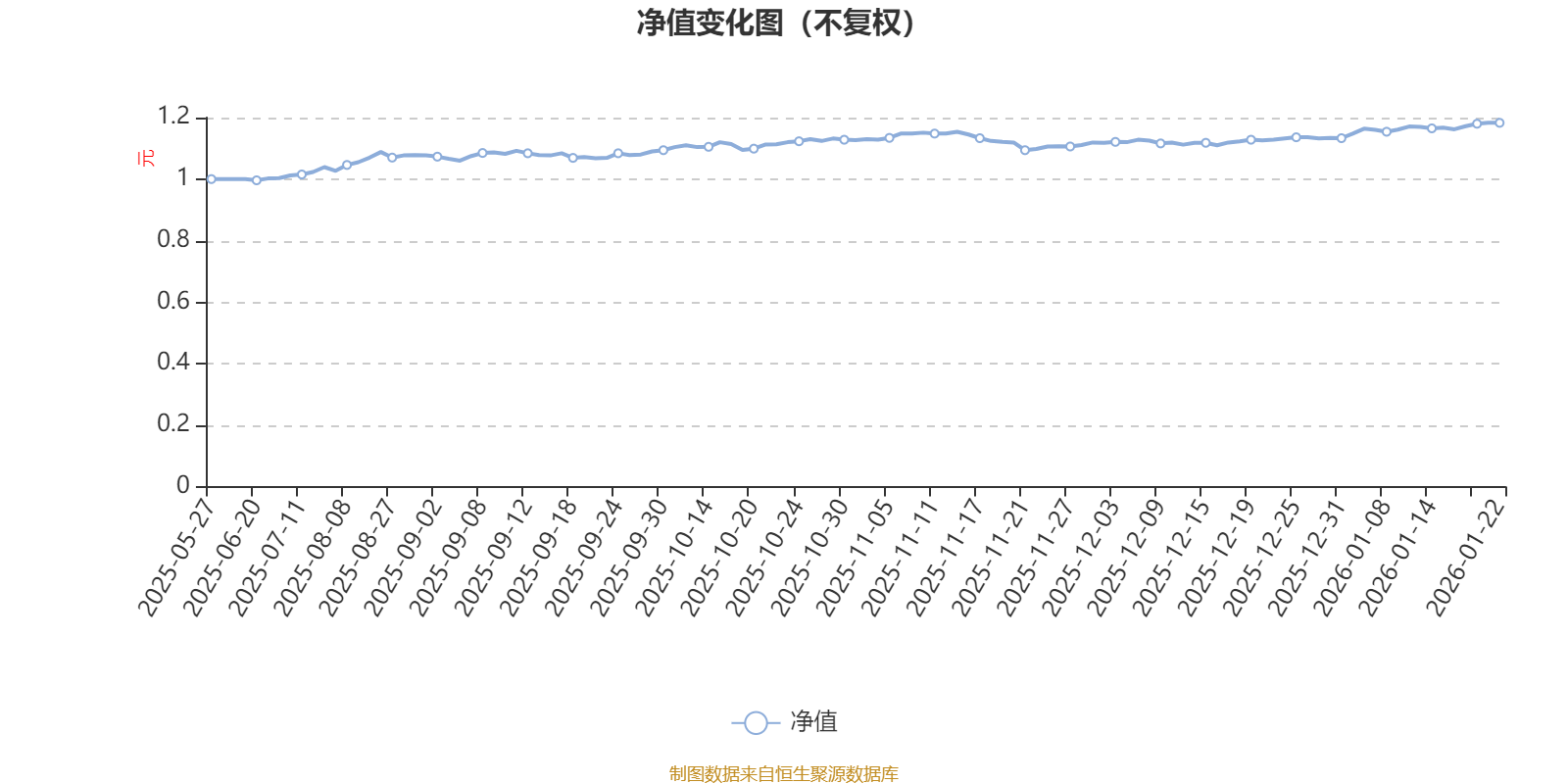
Group 1 - The core viewpoint of the article highlights the performance of the AI Fund, which reported a profit of 6.1281 million yuan in the fourth quarter of 2025, with a net value growth rate of 3.55% [3] - As of January 22, the fund's unit net value stands at 1.183 yuan, and the fund manager, Cai Zhen, oversees 13 funds [3] - The highest one-year return among the funds managed is 54.44% for the Zhaoshang CSI 1000 Enhanced Strategy ETF, while the lowest is 5.32% for Zhaoshang Anyang Bond A [3] Group 2 - The fund management indicated that the highest weight in their portfolio is in the banking sector, with a strategy to keep the allocation to the CSI Dividend Index below 3% [4] - The fund is currently overweight in the machinery and electronics sectors, while underweight in transportation and coal, based on growth potential considerations [4] - The top ten holdings of the fund as of the end of the fourth quarter of 2025 include BOE Technology Group, Sany Heavy Industry, Hikvision, Jiangsu Bank, Shanghai Bank, CRRC Corporation, Haier Smart Home, Ping An Insurance, Weichai Power, and Shanghai Rural Commercial Bank [4]
金融工程日报:A股震荡攀升,太空光伏方向井喷、算力硬件股回调-20260123
Guoxin Securities· 2026-01-23 14:07
- The report discusses the market performance of various indices, highlighting that the CSI 500 Index performed well, while the SSE 50 Index and the CSI 300 Index declined by 0.69% and 0.45%, respectively[8] - The report also notes that the North Exchange 50 Index performed well, with a rise of 3.82%, and the CSI 500 Growth Index increased by 2.65%[8] - The report provides details on the performance of different sectors, with non-ferrous metals, defense, electrical equipment, machinery, and steel industries performing well, while communication, banking, coal, non-bank financials, and home appliances performed poorly[9] - The report includes data on market sentiment, indicating that 120 stocks hit the daily limit up, and 2 stocks hit the daily limit down, with a sealing rate of 82% and a continuous board rate of 23%[15][19] - The report provides information on the financing and securities lending balance, which stood at 27,249 billion yuan as of January 22, 2026, with a financing balance of 27,075 billion yuan and a securities lending balance of 174 billion yuan[21] - The report discusses the premium and discount rates of ETFs, noting that the steel ETF had the highest premium at 0.76%, while the game media ETF had the highest discount at 1.08%[26] - The report includes data on block trading, indicating that the average daily transaction amount of block trading in the past six months was 2.3 billion yuan, with a discount rate of 6.85% on January 22, 2026[29] - The report provides information on the annualized premium and discount rates of stock index futures, with the CSI 500 stock index futures having an annualized premium rate of 5.82% on January 23, 2026[31] - The report includes data on institutional research, noting that Runfeng Co., Ltd. was surveyed by 98 institutions in the past week[33] - The report provides information on the top ten stocks with net inflows and outflows from institutional seats and Northbound funds on January 23, 2026[39][40]
杭州踩线完成“十四五”2.3万亿GDP目标,未来5年要站上3万亿
Sou Hu Cai Jing· 2026-01-23 09:25
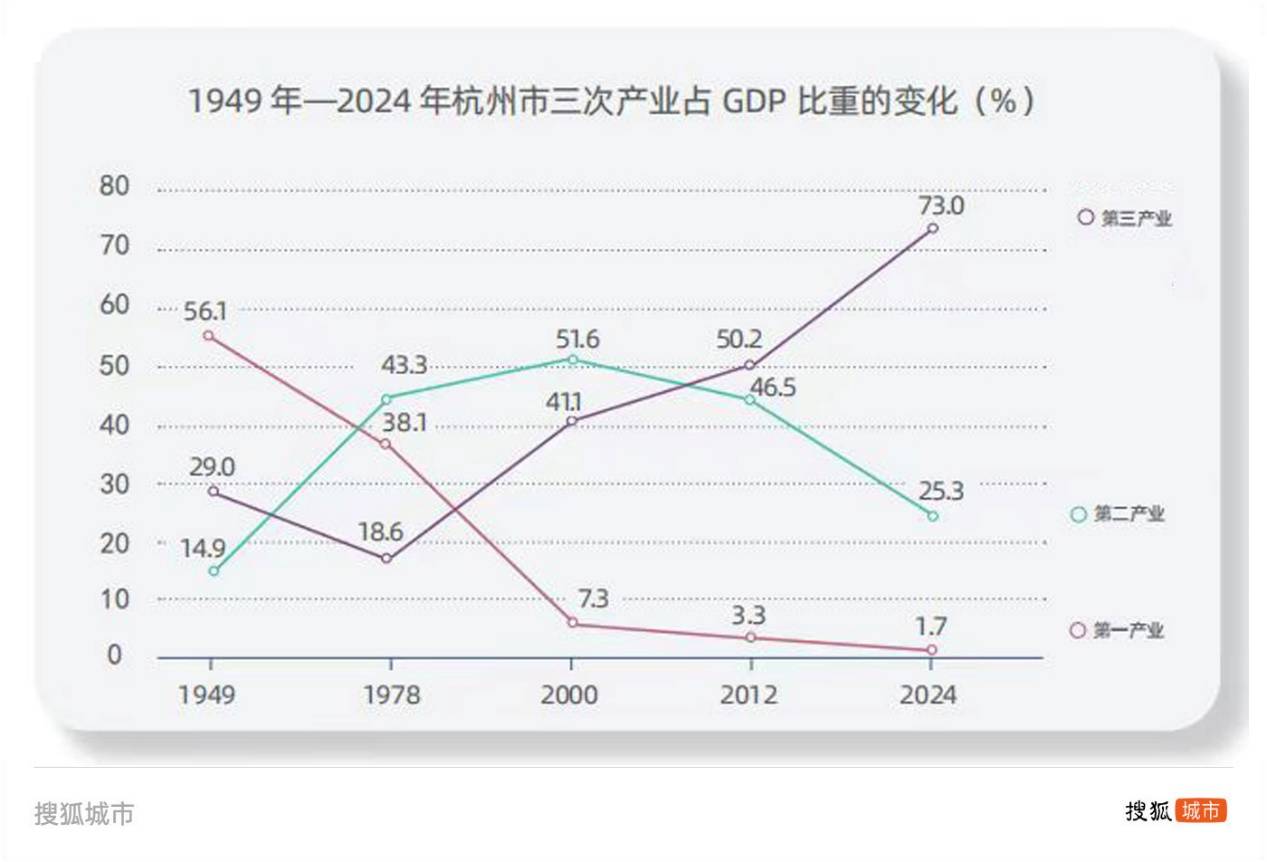
Economic Overview - Hangzhou's GDP is projected to reach 23,011 billion yuan by 2025, aligning with the "14th Five-Year Plan" target of 23,000 billion yuan [1] - The city aims for a GDP of 30,000 billion yuan and a per capita GDP exceeding 30,000 USD by 2030, requiring an average annual growth rate of over 5% in the next five years [1] Economic Structure - The economic growth in Hangzhou is driven by three main sectors: retail, foreign trade, and fixed asset investment, with retail sales expected to reach 9,499 billion yuan, foreign trade at 9,072 billion yuan, and a decline in fixed asset investment growth [1][4] - The service sector contributes significantly to the economy, with a value-added of 16,997 billion yuan and a growth rate of 5.3%, accounting for 73.4% of GDP [4] Sector Performance - The digital economy is a key growth area, with core industries in this sector seeing revenue growth of 13.2% and 12.1% for high-tech services [4] - Industrial output is also on the rise, with a total industrial value added of 4,624 billion yuan, marking a 6% increase, driven by advanced manufacturing clusters [4][10] - The automotive sector, particularly electric vehicles, has shown remarkable growth, with production increasing by 383% [2][4] Investment Trends - Investment in fixed assets is under pressure, with a notable decline in real estate and some infrastructure investments, reflecting a long-term downward trend from 20.3% growth in 2016 to 2.8% in 2023 [5] - Industrial investment has grown by 5.2%, but overall investment growth is expected to be negative in 2024 and 2025 [5] Consumer Market - The retail sales total is projected to reach 10,000 billion yuan by 2026, with a growth rate of around 5% [6] - The retail sales in Hangzhou have been revised upward to 9,151 billion yuan for 2024, reflecting a significant increase from previous estimates [8] - The consumption growth is supported by a stable service economy, with a focus on entertainment and experience-based consumption [10] Challenges and Future Outlook - Hangzhou's service sector, while substantial, still lags behind major cities like Beijing and Shanghai in absolute terms, indicating a need for structural improvements [12] - The manufacturing sector's contribution to GDP has decreased from 47.8% in 2010 to approximately 25% in 2024, highlighting a need for a more robust industrial base [12][14] - The city faces challenges in talent supply and demographic trends, which may impact its ability to achieve its ambitious economic goals [14]
2026年人工智能领域该如何投资?
雪球· 2026-01-23 08:19
↑点击上面图片 加雪球核心交流群 ↑ 风险提示:本文所提到的观点仅代表个人的意见,所涉及标的不作推荐,据此买卖,风险自负。 作者: 围棋投研 以下文章来源于围棋投研 ,作者伟琪 围棋投研 . 业内人士,重点覆盖高端制造 来源:雪球 最近公募基金都在发布2025年四季报 , 我也翻阅着学习下 , 发现有几位人工智能领域的基金经理写得不错 , 尤其提及到三个重要问题 , 分享 给球友们 。 第一个问题 : 人工智能到底有没有泡沫 ? 很多投资者都会把这轮人工智能和当年互联网泡沫做比较 , 基金经理们从投资端和产业端分别给到了观点 : 在投资层面 , 就是看基本面和估值的匹配程度 。 一方面 , 互联网泡沫的时候 , 大部分公司都是没有盈利的 , 靠所谓的点击率和用户数讲故事 , 而现在人工智能巨头都有实实在在的业绩和现金 流 , 而且现金流大多是用来做研发再投入和资本开支 , 继续循环 ; 另一方面 , 当年互联网龙头都给到前瞻市盈率 , 就是预测次年利润再给估值 , 哪怕如此都有50倍甚至百倍PE , 而现在科技巨头普遍是30倍左 右 。 最典型就是英伟达 , 从2023年初到2025年底股价涨了10倍 , 但 ...