三星

Search documents
三星首发2nm手机芯片,科创100指数ETF(588030)涨近1%,机构锚定科技牛市核心主线
Xin Lang Cai Jing· 2025-12-23 05:34
Group 1 - The core viewpoint of the news highlights the performance of the Sci-Tech Innovation Board 100 Index and its ETF, indicating a positive trend with a 0.87% increase in the index and a 0.83% rise in the ETF, marking three consecutive days of gains [1] - The top-performing stocks within the Sci-Tech Innovation Board 100 Index include Jiewa Technology, Huafeng Technology, and Zhongke Feimeng, with respective increases of 13.31%, 11.77%, and 6.78% [1] - Samsung has launched the world's first 2nm process smartphone application processor, the Exynos 2600, which features a new 10-core CPU design and claims a performance improvement of up to 39% [1] Group 2 - The technology sector remains the core theme of the current bull market, with the semiconductor cycle showing an upward resonance pattern driven by sustained demand for AI computing power [2] - The Sci-Tech Innovation Board 100 Index ETF has seen a significant scale increase of 1.46 billion yuan over the past week, ranking second among comparable funds [2] - The ETF has also experienced a notable increase in shares, with a growth of 1.14 million shares over the past two weeks, again ranking second among comparable funds [2] Group 3 - As of November 28, 2025, the top ten weighted stocks in the Sci-Tech Innovation Board 100 Index account for 26.72% of the index, with companies like Huahong Semiconductor and East China Semiconductor leading the list [3] - The Sci-Tech Innovation Board 100 Index ETF is closely tracking the performance of the Sci-Tech Innovation Board 100 Index, which selects 100 securities with medium market capitalization and good liquidity from the Shanghai Stock Exchange's Sci-Tech Innovation Board [2][3]
手机成本趋势非常恶劣?小米、荣耀再发声:刚需别等了
Guan Cha Zhe Wang· 2025-12-23 03:45
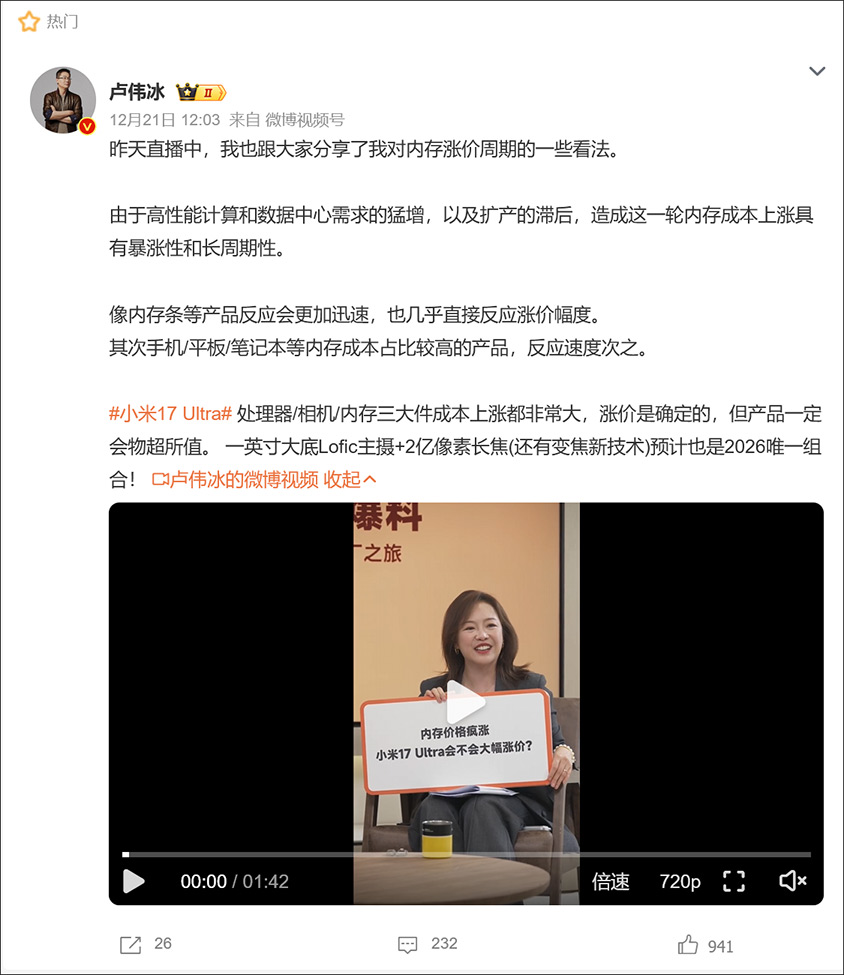
Group 1 - The global memory chip market is experiencing a significant price increase due to tight supply from DRAM manufacturers, impacting consumer electronics pricing [1][4] - Major smartphone manufacturers like Xiaomi, OPPO, and Honor have raised prices for new models by 100 to 600 yuan, with predictions of further price hikes in 2024 [1][3] - Xiaomi's president confirmed that the price of the Xiaomi 17 Ultra series will increase significantly due to rising memory costs, with estimates suggesting a 500 yuan increase to a starting price of 6999 yuan [1][3] Group 2 - The overall cost pressure in the electronics industry is severe and expected to persist for at least one to two years, leading to potential price increases for previously released products [3][4] - TrendForce forecasts a 30.9% increase in DRAM industry revenue in Q3 2025, with contract prices expected to rise by 45-50% in Q4 2025 [4] - Counterpoint Research predicts a 2.1% decline in global smartphone shipments in 2026 due to memory chip shortages and rising prices, with Apple and Samsung positioned to better withstand these challenges [5][7] Group 3 - The rising memory costs are forcing manufacturers to either increase product prices or reduce specifications, with a focus on optimizing product structure to mitigate losses [7][8] - PC manufacturers like Dell have already announced price increases of 10% to 30% for commercial PCs, with other brands likely to follow suit [8][9] - The DIY market is also affected, with some companies offering "no memory" options for custom builds due to skyrocketing memory prices [9][10] Group 4 - The decline in motherboard sales by 40% to 50% indicates a broader impact on the sales of CPUs and SSDs, as consumers are hesitant to purchase components amid rising prices [10] - The consensus within the industry suggests that a price increase across consumer electronics is inevitable, leading to a potential missed opportunity for consumers who delay purchases [11]


龙旗科技港股上市聆讯取得进展:全球化布局提速 AI端侧创新赋能多元增长
财联社· 2025-12-23 03:35
Core Viewpoint - Longqi Technology's IPO on the Hong Kong Stock Exchange marks a significant step in its international capital strategy, aimed at enhancing its capital strength and global brand influence while supporting AI innovation and multi-business collaboration [1] Group 1: Globalization Strategy - The core strategic goal of Longqi Technology's IPO is to enhance capital strength and competitiveness, improve international brand image, and support global business development [2] - The company has established a "China R&D + Global Manufacturing" collaborative system, positioning itself as a leader in the global consumer electronics ODM market [2] - Longqi has set up production centers in Huizhou, Nanchang, Vietnam, and India, and has branches in the US, South Korea, and Japan, allowing for flexible capacity allocation to meet global demand and mitigate geopolitical risks [2] Group 2: R&D and Customer Support - Longqi has optimized global resource allocation by creating a "domestic R&D hub + overseas localized support" system, ensuring 24/7 technical service for overseas clients [3] - The company has established R&D centers in multiple Chinese cities, focusing on core technology and product innovation, which enhances customer loyalty and supports business expansion [3] Group 3: Fundraising and Investment Focus - The IPO funds will be directed towards expanding overseas production capacity, enhancing local production in Vietnam to meet growing demand from European and North American clients [4] - Investments will also focus on improving production efficiency and building overseas R&D and marketing teams to support business development [4] - Strategic investments or acquisitions will be pursued to strengthen technological positioning and expand the ecosystem [4] Group 4: Business Strategy and Growth - Longqi's "1+2+X" product strategy aims to create a growth pattern characterized by core stability, emerging explosions, and diversified collaboration [5] - The company is the second-largest consumer electronics ODM globally and the largest smartphone ODM, with a projected shipment of 173 million smartphones in 2024, capturing a market share of 32.6% [5] - The AI PC and automotive electronics sectors are emerging growth areas, with expectations for significant market expansion by 2026 [6] Group 5: Emerging Technologies and Partnerships - Longqi is actively involved in the smart hardware sector, particularly in smart glasses, and has secured orders for new AI smart glasses projects [7] - The company collaborates with leading internet clients and has established strategic partnerships in the AI/AR industry to enhance technological capabilities [7] - Longqi is also exploring opportunities in AI robotics, partnering with Zhiyuan Robotics to develop industrial-grade intelligent robot solutions [7] Group 6: Future Outlook - As the IPO progresses, Longqi aims to further enhance its global layout and deepen its core and emerging business strategies, benefiting from trends in AI terminal penetration and ODM industry consolidation [8] - The company is transitioning from a traditional ODM leader to a core supplier in the AI sector, with growth potential continuing to expand [8]

苹果公司据悉大幅增加三星DRAM采购比例
Xin Lang Cai Jing· 2025-12-23 03:33
Core Viewpoint - Apple is increasing its procurement of storage chips from Samsung due to the rapid price increase of storage chips, which is expected to result in Samsung supplying approximately 60% to 70% of the low-power dynamic random-access memory (DRAM) used in the iPhone 17 [1] Group 1 - The rise in storage chip prices is influencing Apple's supply chain decisions [1] - Samsung's share in the iPhone 17 DRAM supply is projected to be significant, ranging from 60% to 70% [1]

视涯科技IPO:端侧AI赋能持续深化,国产硅基OLED龙头点亮“新视界”
梧桐树下V· 2025-12-23 03:30
Core Viewpoint - The article highlights the upcoming IPO of Shiya Technology, a leading provider of micro-display solutions, emphasizing its role in promoting domestic alternatives in the XR hardware sector and its potential for capitalizing on the growing XR market [1]. Group 1: Market Position and Technology - XR technology is revolutionizing user interaction by integrating virtual and real-world experiences, moving from flat to spatial interaction [2]. - Major tech companies like Apple, Meta, and Huawei are investing heavily in XR, indicating its emergence as the next computing platform after smartphones [7]. - Silicon-based OLED micro-displays are identified as the essential visual core for XR devices, offering advantages such as lightweight design, high resolution (over 3000 PPI), low latency (under 1ms), and wide color gamut [7][8]. - The market for silicon-based OLED displays has been dominated by foreign companies like Sony and Samsung, but there is a growing need for innovation to meet the high-performance demands of XR applications [8]. Group 2: Company Development and Achievements - Founded in 2016, Shiya Technology focuses on high-performance silicon-based OLED products, overcoming traditional technology limitations [9]. - The company has established the world's first 12-inch silicon-based OLED micro-display production line, positioning itself as one of the few companies with comprehensive self-research capabilities [9]. - According to a report, Shiya Technology is projected to capture 35.2% of the global market share for silicon-based OLED products in XR devices by 2024, ranking second globally and first domestically [11]. Group 3: R&D and Competitive Edge - Shiya Technology has built a strong technical barrier through a top-tier R&D team and significant investment in research, with R&D personnel constituting 31.02% of its workforce [12]. - The company has maintained high R&D expenditure, with amounts reaching 23.7 million yuan in 2022, and has secured 267 patents, establishing a robust technological moat [13]. - Innovations such as strong micro-cavity technology and high-efficiency OLED structures have allowed Shiya Technology to exceed the performance of competitors like Sony [14]. Group 4: Financial Performance and Growth Potential - Shiya Technology's revenue has shown steady growth, with a compound annual growth rate of 21.27% from 2022 to 2024, and a significant increase of 54.67% in the first nine months of 2025 [16]. - The company anticipates revenues of 469 million yuan, 2.26 billion yuan, and 3.73 billion yuan from 2025 to 2027, indicating a potential for exponential growth [18]. - The company is also extending its service offerings to include strategic product development and optical systems, enhancing customer loyalty and pricing power [19]. Group 5: Market Trends and Future Outlook - The rise of AI is expected to significantly boost the XR market, with silicon-based OLED displays being crucial for presenting AI-generated content [20]. - The global silicon-based OLED market is projected to grow at a compound annual growth rate of 94.11%, reaching 67.93 billion yuan by 2030 [20]. - Shiya Technology plans to raise 2.01 billion yuan through its IPO to expand production capacity and enhance R&D, addressing the current supply-demand imbalance [22][23]. - Overall, Shiya Technology is positioned to lead in the AI-driven XR industry, contributing to the advancement of China's new display industry [24].

掩膜公司,宣布涨价10%
半导体行业观察· 2025-12-23 01:18
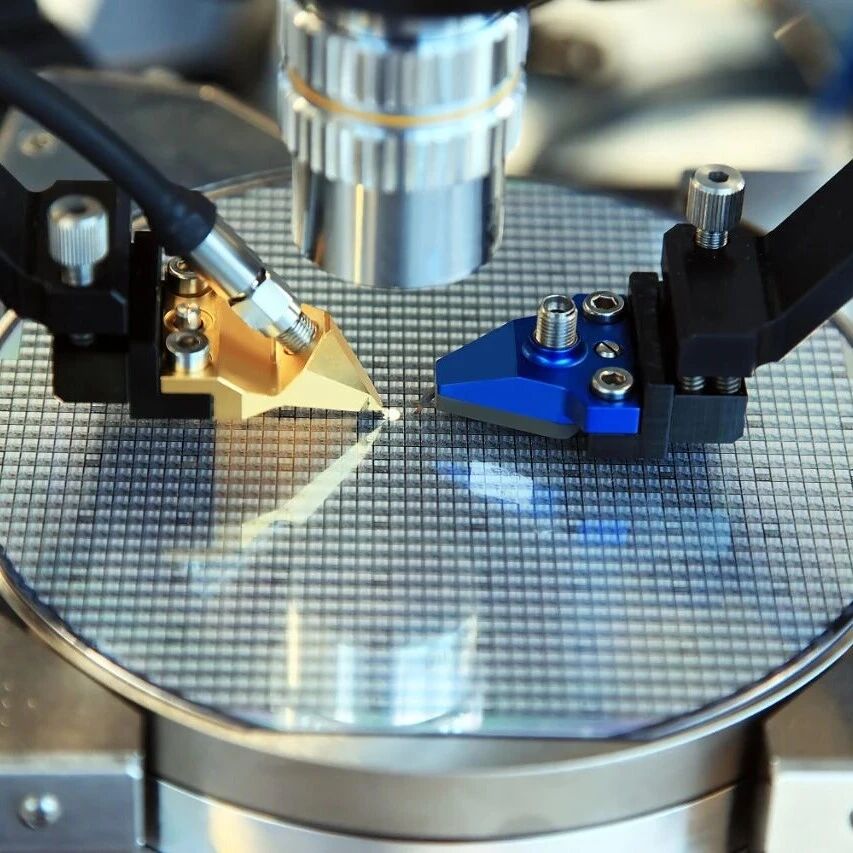
Core Viewpoint - S&S Tech plans to increase the price of its blank masks by approximately 10% in 2024 due to the steady rise in quartz prices, which are expected to continue increasing, thus potentially enhancing the company's profitability [1][2]. Group 1: Company Performance - S&S Tech reported revenue of 176 billion KRW and an operating profit of 29.5 billion KRW in the previous year, marking a growth of 17% and 19% respectively compared to 2023 [1]. - The company is projected to achieve revenue of 240 billion KRW this year, representing a 40% increase from last year, with an expected operating profit margin of 20% [1]. - The growth in revenue is primarily attributed to strong demand from the Chinese market, despite the company not raising mask prices this year [1]. Group 2: Market Dynamics - The supply of high-purity quartz, essential for mask manufacturing, is limited, with American companies The Quartz Corp and Covia holding over 80% of the market share [2]. - The demand for quartz crucibles is surging due to the expansion of wafer fabrication capacity in China and increased demand from the solar panel market [2]. - S&S Tech has expanded its market share in China to 40%, with the Chinese market accounting for over half of its blank mask revenue [2]. Group 3: Strategic Developments - S&S Tech is also expanding its extreme ultraviolet (EUV) lithography mask business, which is currently dominated by Hoya [3]. - Samsung is collaborating with S&S Tech to reduce reliance on Japanese suppliers and aims to save costs and shorten delivery times by sourcing from the Korean company [3].
中国话语权获最强认可:美国认了,俄罗斯也点头了
Sou Hu Cai Jing· 2025-12-23 00:59
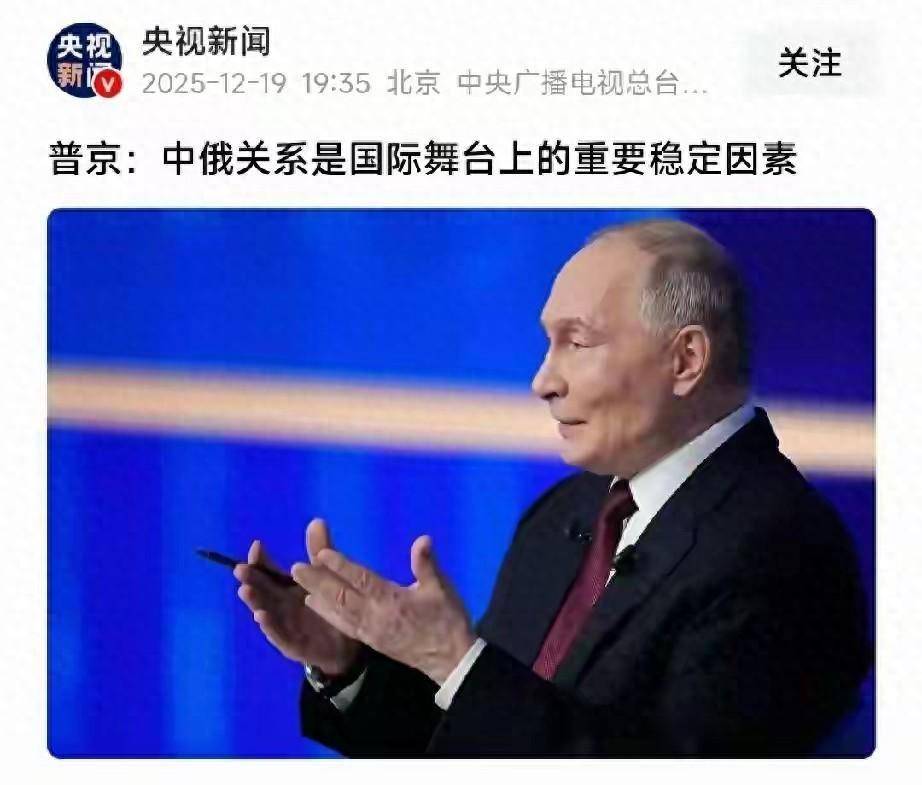
Core Viewpoint - The article discusses the transformation of global power dynamics over the past seven years, culminating in the recognition of China's central role in international affairs by both traditional adversaries and allies [2][35][46]. Group 1: Trade War and Economic Impact - The U.S. initiated tariffs on China in 2018 under the pretext of correcting trade imbalances and protecting intellectual property, but the actual outcome was counterproductive [6][7]. - China's exports did not collapse; instead, they accelerated transformation under pressure, while U.S. consumers bore most of the additional costs, leading to inflation and supply chain disruptions [8][9]. - By 2024, the U.S. economy faced significant challenges, including high fiscal deficits and slowing growth, prompting discussions within the White House to ease trade tensions with China [10][11][12]. Group 2: China's Industrial and Technological Advancements - China has developed a comprehensive, autonomous industrial and technological system, which has allowed it to emerge as a central player on the world stage [3][4]. - In 2024, China recorded a trade surplus exceeding $1 trillion, the highest in history, driven by robust manufacturing capabilities and technological innovation [22][23]. - China dominates the production of critical components, with over 80% of solar panels, 70% of lithium batteries, and 60% of electric vehicles manufactured domestically [24][25]. Group 3: Global Recognition and Strategic Partnerships - The acknowledgment of China's role in global governance has been reinforced by statements from leaders of both Russia and the U.S., indicating a shift in international attitudes towards China [35][46]. - Russia's reliance on China for economic stability amid Western sanctions highlights the strategic partnership that has developed, with China playing a crucial role in supporting the Russian economy [41][42]. - The need for cooperation with China has been recognized even by U.S. officials who previously held anti-China stances, indicating a pragmatic shift in U.S. foreign policy [46][47]. Group 4: China's Role in Global Governance - The article emphasizes that global issues cannot be effectively addressed without China's participation, as seen in various international negotiations and crisis management efforts [48][49]. - China's increasing influence is reflected in its growing share of global payments and its role in international financial stability, with the RMB becoming the third-largest payment currency by 2025 [82]. - The article concludes that China's sustained efforts in production, research, negotiation, and cooperation have led to a significant shift in global power dynamics, establishing it as an indispensable player in international affairs [87][88].
8点1氪:明年1月1日起,向好友发淫秽信息违法;多平台回应陈震账号解封传闻;日本最大核电站将重启,此前因福岛核事故关闭
36氪· 2025-12-23 00:16
Group 1 - The revised "Public Security Administration Punishment Law" will take effect on January 1, 2026, increasing penalties for disseminating obscene information [2][3] - The new law clarifies that using information networks, telephones, and other communication tools to spread obscene information is punishable, regardless of whether it occurs in public groups or private chats [5] - Penalties include detention of 10 to 15 days and fines up to 5,000 yuan for serious cases, while lighter cases may incur detention of up to 5 days or fines between 1,000 and 3,000 yuan [5] Group 2 - The law aims to correct the public misconception that private dissemination of obscene information is merely a moral issue [5] - Even sending inappropriate photos or videos in private chats can lead to legal consequences if reported and verified [6]





8点1氪|明年1月1日起,向好友发淫秽信息违法;多平台回应陈震账号解封传闻;日本最大核电站将重启,此前因福岛核事故关闭
3 6 Ke· 2025-12-23 00:11
Group 1 - The new amendment to the Public Security Administration Punishment Law in China will impose stricter penalties for disseminating obscene information starting January 1, 2026, including fines and detention for both public and private communications [2] - The largest nuclear power plant in Japan, Kashiwazaki-Kariwa, is set to restart operations after receiving approval from the Niigata Prefectural Assembly, marking the first restart of a nuclear plant since the Fukushima disaster in 2011 [3] - Kuaishou has reported a black and gray industry attack on its platform and has taken measures to address the situation, including reporting to law enforcement [4] Group 2 - The weight-based tax on electric vehicles in Japan will be implemented starting May 2028, aiming to compensate for lost fuel tax revenue due to the increasing adoption of electric vehicles [12] - The Italian antitrust authority has fined Apple approximately $115.53 million for allegedly abusing its market dominance in the iOS app distribution sector [7] - Geely Automobile has completed the privatization of its electric vehicle brand Zeekr, with all issued shares acquired and the company now operating as a wholly-owned subsidiary [6] Group 3 - The price of gasoline and diesel in China will decrease by 170 yuan and 165 yuan per ton, respectively, effective December 22, 2023, resulting in a reduction of approximately 0.13 yuan per liter for 92-octane gasoline [5] - Xiaomi has confirmed that its flagship model, Xiaomi 17 Ultra, will see a price increase due to rising memory costs, which have been exacerbated by increased demand for high-performance computing [5] - The first open robot rental platform in China, "Qingtian Rent," has been launched in Shanghai, covering over 50 key cities and offering various robot rental services [9]
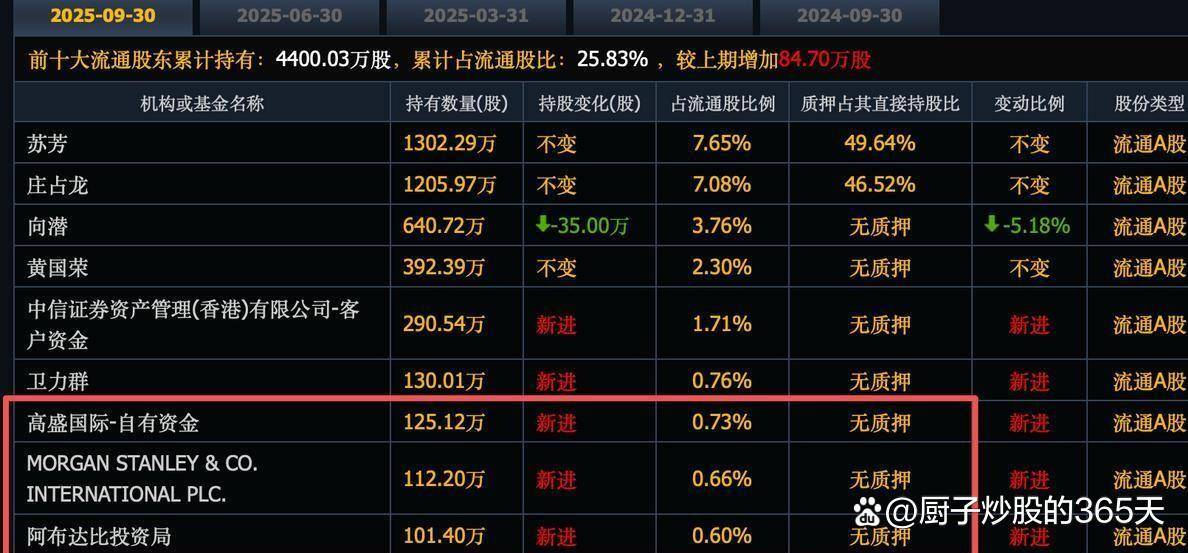
午间利好突袭,散户追涨杀跌时,外资已提前埋伏这四条暗线
Sou Hu Cai Jing· 2025-12-22 18:33
Core Viewpoint - The price of storage chips, particularly DRAM and NAND Flash, has surged over 300% since last September, driven by a significant demand from AI applications, marking a new "super cycle" in the industry [1][3][10]. Group 1: Market Dynamics - The current price increase is not a typical supply-demand fluctuation but is attributed to a transformative shift in AI usage from model training to inference, requiring substantial computational power [3][5]. - Major cloud service providers are aggressively purchasing storage chips to support AI inference, with OpenAI's monthly demand alone potentially equating to 900,000 wafers [6][10]. - The supply chain is heavily concentrated among three manufacturers: Samsung, SK Hynix, and Micron, who are prioritizing high-margin products like HBM (High Bandwidth Memory) for AI servers, leading to a structural shortage for consumer electronics [6][8]. Group 2: Industry Impact - The shift in focus to HBM has resulted in a significant reduction in the production capacity for standard memory products, causing a "structural shortage" that affects consumer electronics like smartphones and laptops [8][17]. - The inventory cycle for major manufacturers has decreased to just 2-4 weeks, indicating a rapid turnover and high demand [9][10]. - The financial performance of leading storage chip manufacturers, such as Micron, has improved dramatically, with optimistic future projections as the industry recovers from previous downturns [10][12]. Group 3: Investment Opportunities - The surge in storage chip prices has led to a collective rise in stock prices across the entire storage chip supply chain, with companies like Kema Technology and Jingzhida seeing significant stock price increases [13][14]. - Major investment firms, including Goldman Sachs and Morgan Stanley, are strategically positioning themselves in the storage chip sector, indicating strong confidence in the industry's growth potential [13][14][15]. - Domestic companies in China, such as Yangtze Memory Technologies and Changxin Memory Technologies, are gaining traction and market share, supported by government policies and funding, which may provide further investment opportunities [17][18].