
吉利汽车

Search documents
越南发展的天花板在哪里?
创业邦· 2026-01-01 10:18
Core Viewpoint - Vietnam is experiencing significant economic growth, with a projected GDP growth rate of 7.4% to 8% by 2025, making it a "star" in global economic development [5][6]. Economic Performance - Vietnam achieved a GDP growth rate of 7.52% in the first half of the year, the highest in 15 years, and aims for an annual target of 8% [6]. - Foreign Direct Investment (FDI) reached $117.2 billion in the first half of 2025, marking an 8.1% increase year-on-year, indicating strong investment interest [6][8]. - The total trade volume is expected to reach $900 billion by 2025, significantly exceeding the GDP of $470 billion in 2024 [6]. Geopolitical and Geographical Challenges - Vietnam's geographical position, while advantageous for trade, limits its market size and resource availability, creating a natural ceiling for economic growth [12][16]. - The country's long and narrow shape complicates infrastructure development, leading to high costs and inefficiencies in transportation [16][18]. - Vietnam faces competition from neighboring countries in manufacturing and agriculture, increasing its reliance on external markets and making it vulnerable to geopolitical shifts [18][21]. Historical Context and Opportunities - Unlike successful countries like South Korea and Japan, Vietnam lacks the historical opportunities that facilitated their industrial growth, such as significant foreign aid and favorable global conditions [19][20]. - The current global economic environment is characterized by rising protectionism and localized supply chains, which pose challenges for Vietnam's export-driven economy [21][23]. Governance and Institutional Challenges - Vietnam struggles with governance issues, including a fragmented political landscape and inefficient policy execution, stemming from historical conflicts [25][27]. - The administrative structure is overly complex, with a high percentage of the budget allocated to public sector salaries, limiting investment in critical areas like education and infrastructure [27][30]. - The lack of skilled labor and inadequate governance capacity hinder Vietnam's ability to transition from an assembly-based economy to one focused on high-value industries [25][30].


吉利汽车:2025年全年汽车总销量超302万部,同比增长约39%
Mei Ri Jing Ji Xin Wen· 2026-01-01 10:15
每经AI快讯,吉利汽车称,2025年12月的汽车总销量为236,817部,较去年同期增长约13%;2025年全 年汽车总销量为3,024,567部,较去年同期增长约39%。 ...
吉利汽车(00175) - 月报表截至31/12/2025
2026-01-01 10:04
股份發行人及根據《上市規則》第十九B章上市的香港預託證券發行人的證券變動月報表 截至月份: 2025年12月31日 狀態: 新提交 致:香港交易及結算所有限公司 公司名稱: 吉利汽車控股有限公司 呈交日期: 2026年1月1日 I. 法定/註冊股本變動 | 1. 股份分類 | 普通股 | | 股份類別 | 不適用 | | | 於香港聯交所上市 (註1) | | 是 | | | --- | --- | --- | --- | --- | --- | --- | --- | --- | --- | --- | | 證券代號 (如上市) | 00175 | | 說明 | | | | | | | | | 多櫃檯證券代號 | 80175 | RMB | 說明 | | | | | | | | | | | | 法定/註冊股份數目 | | | 面值 | | | 法定/註冊股本 | | | 上月底結存 | | | | 18,000,000,000 | HKD | | 0.02 | HKD | | 360,000,000 | | 增加 / 減少 (-) | | | | | | | | HKD | | | | 本月底結存 | | ...
吉利汽车(00175) - 未经审核之二零二五年十二月销量及二零二六年销量目标
2026-01-01 10:01
香港交易及結算所有限公司及香港聯合交易所有限公司對本公佈之內容概不負責,對其 準確性或完整性亦不發表任何聲明,並表明不會就因本公佈全部或任何部份內容而產生 或因倚賴該等內容而引致之任何損失承擔任何責任。 GEELY AUTOMOBILE HOLDINGS LIMITED 未經審核之二零二五年十二月銷量及 - 1 - 除上述所披露的銷量外,寶騰於二零二五年十二月實現汽車銷量15,291部,較去年同期增 長約34%。此外,二零二五年全年 ,寶騰累計實現 汽車銷量162,601部,較去年同期 增長 約7%。 董事會已將本集團二零二六年的銷量目標定為 3,450,000部,較二零二五年所實現 的總銷 量增長約 14% 。其中,吉利品牌 的銷量目標 為2,750,000部,極氪品牌 的銷量目標 為 300,000部,領克品牌的銷量目標為400,000部。此外,新能源汽車 的銷量目標為2,220,000 部,較二零二五年所實現的新能源汽车銷量增長約32%。 敬請注意,本公佈所披露的數 據為未經審核數字,尚未經本公司核數師確認, 相關數據 或會作出調整,並有待最終確認。 股東及潛在投資者 應於本集團刊發財務業績後, 審慎 ...
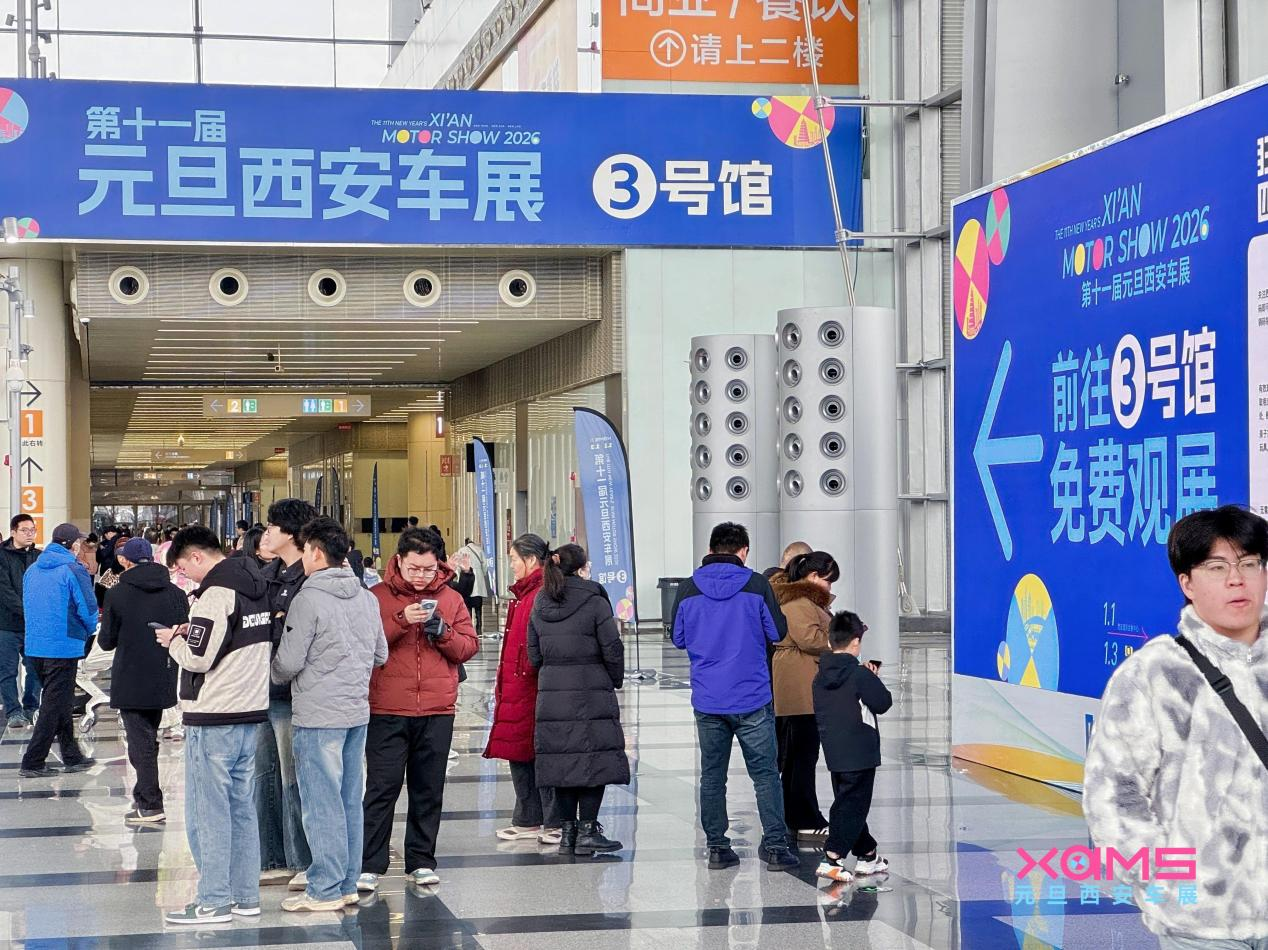
政策赋能促消费 购车正当时 第十一届元旦西安车展启幕
Xin Lang Cai Jing· 2026-01-01 09:28
展会恰逢多项国家促消费政策落地实施的关键节点。自2026年1月1日起,新能源汽车继续享受车辆购置税减半政策,单车最高可减税1.5万元;同时,汽车 以旧换新补贴政策延续执行,对报废更新和置换更新给予明确支持。政策红利与展会期间各品牌推出的金融支持、置换补贴等举措形成协同效应,切实降低 市民购车门槛,营造"新年换新车"的良好消费氛围。 多元互动融入文化体验 2026年1月1日,第十一展届元旦西安车展在西安国际会展中心正式开幕。作为新年伊始西北地区首场大型汽车展会,本届车展以"免票开放、政策叠加、品 牌齐聚、惠民共享"为特色,为期三天的活动集中呈现汽车产业新成果,搭建起集产品展示、消费对接与文化体验于一体的综合性平台,为2026年西安汽车 消费市场开好局、起好步注入新动能,积极服务国家扩内需、促消费战略部署。 免票观展 全民共享 本届车展坚持公益性和普惠性原则,实行免票入场,是全年唯一无需购票即可参与的大型汽车展会。现场汇聚了比亚迪、长安、吉利、广汽、一汽、小鹏、 岚图、阿维塔、林肯、smart、iCAR、深蓝、领克、捷途、北京汽车、东风风神等数十家主流汽车品牌,展品涵盖新能源、智能网联、家用代步、豪华及越 野等多 ...
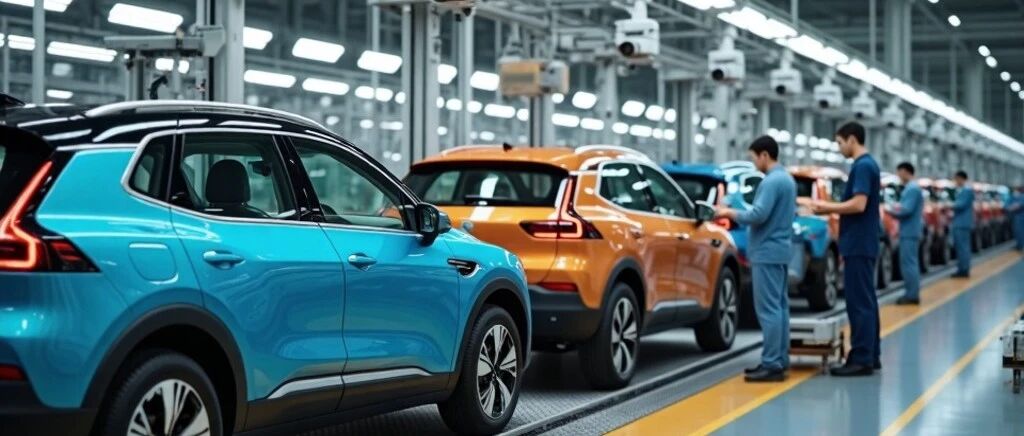
当“蔚小理”跌出头部:2026车企淘汰赛全面加速
首席商业评论· 2026-01-01 04:42
Core Viewpoint - The Chinese automotive market is undergoing a significant transformation, with a shift from traditional fuel vehicles to electric vehicles (EVs), leading to a competitive landscape focused on profitability and safety in the face of potential negative growth in 2026 [2][5][20]. Group 1: Market Transformation - The penetration rate of new energy vehicles in China rose from 5.4% in 2020 to 53.6% by November 2025, indicating a rapid transition compared to Europe [3]. - The automotive industry's value metrics have shifted from traditional components to new standards such as range, smart cabin experience, and assisted driving capabilities [3]. - By 2025, the market dynamics have changed, with new energy vehicles becoming the dominant force, moving from trendsetters to market leaders [3]. Group 2: Competitive Landscape - In 2025, the focus for automotive companies will shift from competing between new energy and fuel vehicles to finding ways to remain profitable in a low-margin environment [5][20]. - The market is witnessing a significant increase in market share for domestic brands, with projections indicating that domestic brands will exceed 65% market share [8]. - The sales performance of new entrants like Xiaomi has been inconsistent, highlighting the challenges of maintaining consumer trust amid safety concerns [10]. Group 3: Safety and Technology - The automotive industry is experiencing a profound value return, with safety becoming a critical factor rather than a cost option [12]. - By 2025, many vehicles are equipped with L2-level smart driving features, and advancements in battery technology have led to significant improvements in range and charging speed [12][14]. - New regulations are set to enforce stricter safety standards for electric vehicle batteries, emphasizing the importance of safety in the competitive landscape [16][18]. Group 4: Future Outlook - The automotive market is expected to face a potential decline in growth, with forecasts suggesting a 1% to 3% increase or a possible 2% negative growth in 2026 [20][21]. - Policy changes, such as the reduction of tax incentives for new energy vehicles, may impact sales growth, particularly in the price-sensitive segment [21][23]. - Companies are encouraged to explore global markets and innovate in technology to create new value, with a focus on L3-level autonomous driving and smart vehicle integration [25][28].

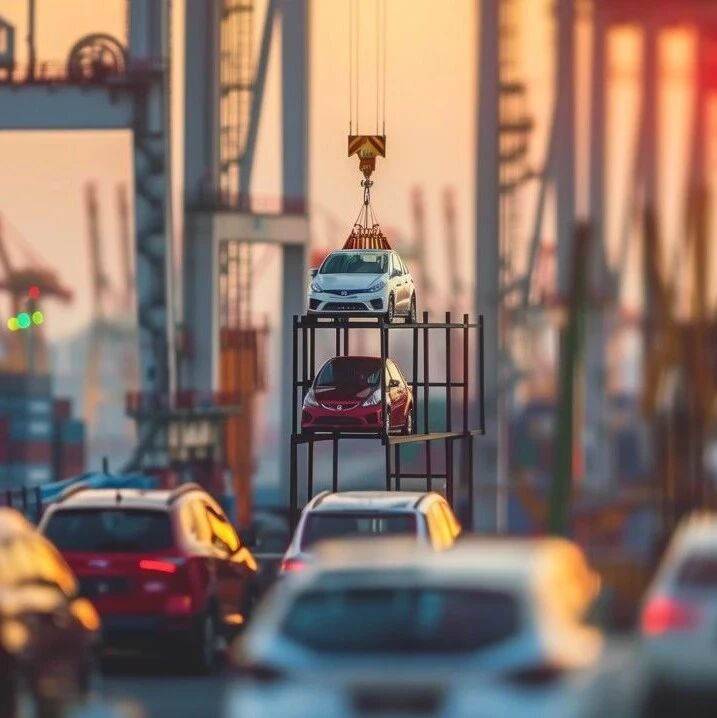
时隔40年的历史呼应:中国汽车开启“技术换市场”时代
经济观察报· 2026-01-01 04:26
Core Viewpoint - The article discusses the challenges and opportunities for Chinese automotive companies as they expand into international markets, particularly Europe, emphasizing the need for compliance with stringent regulations and effective brand building [1][4]. Group 1: Export Performance and Trends - In 2025, China's automotive exports are projected to reach 8 million units, driven primarily by a 62% increase in new energy vehicle exports, totaling 3.01 million units [2]. - The export landscape is shifting, with Chinese automakers aggressively targeting Europe while also expanding into emerging markets [2][6]. - The growth engine for exports is transitioning from pure electric vehicles to hybrid models, which are gaining traction in response to high tariffs on electric vehicles [6]. Group 2: Strategic Shifts and Innovations - Chinese automotive companies are increasingly focusing on local production and resource integration in overseas markets, moving from merely exporting vehicles to establishing local manufacturing capabilities [6][8]. - The trend of "collaborative globalization" is emerging, with companies like BYD and CATL establishing production facilities abroad, indicating a shift towards a more integrated global supply chain [8]. - The automotive industry is witnessing a significant transformation, with a focus on technology output and the establishment of new standards in global markets [7][8]. Group 3: Future Challenges and Compliance - By 2026, the European market will present significant compliance challenges for Chinese automotive companies, with new regulations on materials, safety, and environmental standards set to be implemented [11][12]. - The need for brand reputation management will become critical as Chinese brands enter the European market, with a focus on sustainability and service continuity [12]. - Companies are exploring innovative models to mitigate risks associated with entering the European market, including partnerships with local suppliers and research institutions [12].

智能汽车产业链全景图(2025年12月版)
自动驾驶之心· 2026-01-01 03:05
Group 1: Automotive Manufacturers - Key manufacturers mentioned include Kia, Geely, Volvo, Jaguar Land Rover, and BYD [3][4][5][11][12] - Notable electric vehicle manufacturers include Rivian, VinFast, and NIO [14][11] - The article highlights the growing presence of Chinese automotive brands in the global market [11][12] Group 2: ADAS and Autonomous Driving Technology - Tier 1 suppliers for Advanced Driver Assistance Systems (ADAS) include Desay SV, Huawei, and Baidu Apollo [16][17] - High-precision positioning suppliers mentioned are Qianxun S, Beidou Star, and Huace Navigation [18][19] - Key players in the LiDAR market include Luminar, Innoviz, and Hesai Technology [21] Group 3: Vehicle Connectivity and Cloud Services - Major cloud service providers for automotive applications include AWS, Microsoft, and Huawei [31][32] - Companies involved in data integration and vehicle-to-everything (V2X) communication include Freetech and MAXIEYE [32][33] Group 4: In-Vehicle Technology and User Experience - Tier 1 suppliers for cockpit technology include Bosch, Aptiv, and Visteon [50][54] - The article discusses the importance of user interface and interaction technologies, highlighting companies like iFlytek and Tencent [61] Group 5: Electric and Hybrid Vehicle Components - Key suppliers for electric vehicle components include Bosch, AUMOVIO, and Magna [26][40] - The article emphasizes the role of battery technology and management systems in the growth of electric vehicles [40][41] Group 6: Commercial Vehicle Technologies - Companies providing ADAS for commercial vehicles include Eastsoft and ZF [48] - The article notes the increasing demand for smart logistics and fleet management solutions [48][49]




智通港股通占比异动统计|1月1日



智通财经网· 2026-01-01 00:40
Core Insights - The report highlights the changes in the Hong Kong Stock Connect holdings, indicating significant increases and decreases in ownership percentages for various companies as of December 31, 2025 [1] Group 1: Increased Holdings - Andeli Juice (02218) saw the largest increase in ownership percentage, rising by 2.35% to a total holding of 23.75% [2] - Mengniu Dairy (02319) experienced a slight increase of 0.07%, bringing its holding to 17.52% [2] - The Yingfu Fund (02800) had a minimal increase of 0.02%, resulting in a holding of 1.78% [2] - Other notable increases include Lion Group (02562) with a 3.79% rise to 49.05% and Zhejiang Shibao (01057) with a 3.55% increase to 58.76% [3] Group 2: Decreased Holdings - Country Garden (02007) faced the largest decrease, with a drop of 0.51% to a holding of 15.33% [2] - Geely Automobile (00175) saw a reduction of 0.16%, resulting in a holding of 11.37% [2] - Huaxia Hengsheng Technology (03088) experienced a minor decrease of 0.02%, leading to a holding of 20.19% [2] - Other significant decreases include Jiahe Biotechnology-B (06998) with a 1.74% drop to 0.61% and Chalco International (02068) with a 1.50% decrease to 19.44% [3] Group 3: Five-Day Changes - Over the last five trading days, Lion Group (02562) had the highest increase in ownership percentage, up by 3.79% [3] - Zhejiang Shibao (01057) and Sanhua Intelligent Control (02050) also saw significant increases of 3.55% and 3.46%, respectively [3] - Conversely, Jiahe Biotechnology-B (06998) had the largest decrease of 1.74% over the same period [3] Group 4: Twenty-Day Changes - In the last twenty days, Lion Group (02562) experienced a substantial increase of 23.92% in ownership [4] - Jihong Co., Ltd. (02603) followed with a 22.62% increase, reaching a holding of 54.86% [4] - Red Star Macalline (01528) also saw an increase of 8.47%, bringing its holding to 52.20% [4]
车圈2025:价格战没赢家,但淘汰赛已有出局者
Ge Long Hui· 2025-12-31 20:53
Core Insights - The automotive industry is transitioning from price competition to a focus on systematic and ecological strategies [3][23] - In 2025, the penetration rate of new energy vehicles (NEVs) reached a historic high, indicating a significant shift in consumer acceptance and market dynamics [5][13] - Traditional fuel vehicle manufacturers are struggling to maintain their market position against the rising dominance of domestic brands [6][14] Group 1: Market Dynamics - The price war initiated by domestic brands has continued into 2025, impacting the average profit margins across the industry [8][6] - The penetration rate of NEVs reached 62.2% in early December 2025, marking a significant milestone in the market [13] - Domestic brands are leading the charge in the NEV sector, with a penetration rate of 79.6% for new energy passenger vehicles [13] Group 2: Company Performance - Leading new energy vehicle manufacturers like Xiaopeng and Leap Motor have exceeded their annual sales targets, showcasing strong market adaptability [18][19] - Traditional brands like Geely and BYD are also performing well, with Geely's NEV sales reaching 153.4 million units, a 97% year-on-year increase [19][20] - In contrast, some joint venture brands are struggling, with Nissan and Honda experiencing significant declines in sales [20][21] Group 3: Technological Advancements - The introduction of the new battery safety standard (GB38031-2025) is expected to drive technological upgrades across the industry [11][12] - The focus on intelligent driving technology has intensified, but recent incidents have raised concerns about safety and regulatory standards [9][10] - Companies are increasingly collaborating with tech firms to enhance their smart driving capabilities, as seen with Audi and BMW partnering with Huawei [28][29] Group 4: Strategic Shifts - The competition is evolving from price wars to a comprehensive battle over ecosystem capabilities and technological integration [23][24] - Companies are adjusting their strategies to focus on product-market fit, intelligent configurations, and supply chain efficiency [21][22] - The future of the automotive industry will depend on the ability to integrate diverse technological pathways and create unique value for consumers [30]
