青桔

Search documents
刚扫的单车,没骑几分钟就“车轮抱死”,人被摔骨折,共享单车自动落锁?青桔、哈啰回应:不存在因技术缺陷导致自动落锁情况
3 6 Ke· 2025-09-11 23:55
Core Viewpoint - The frequent incidents of shared bicycle accidents due to automatic locking mechanisms have raised significant safety concerns among users, prompting major companies like Qingju and Hello to respond to allegations of technical defects in their systems [1][2][3]. Company Responses - Qingju stated that the incidents may be attributed to loose chains causing riding difficulties, denying any software-related issues [2][3]. - Hello also confirmed that their technical team found no evidence of automatic locking anomalies and emphasized that all bicycles undergo strict pre-ride inspections [2][3]. Incident Statistics - Reports indicate at least 41 incidents of automatic locking accidents involving shared bicycles over the past two years, affecting multiple platforms [1]. - A specific case involved a user suffering three fractures and soft tissue injuries, highlighting the severity of such incidents [2]. User Concerns and Industry Analysis - Users have expressed skepticism regarding the companies' self-assessments, calling for transparency in testing processes and third-party evaluations to ensure safety [3][6]. - Industry analysts suggest that the current insurance mechanisms for shared bicycles are inadequate, particularly regarding accidents caused by vehicle malfunctions, and recommend adopting a more structured insurance framework similar to that of ride-hailing services [6][7]. Regulatory Perspective - Regulatory bodies have been monitoring the shared bicycle industry, focusing on issues like pricing and safety, but further emphasis on enforcing corporate responsibility and enhancing safety measures is necessary [7]. - The industry is transitioning from rapid growth to refined operations, with a focus on improving user trust through better safety protocols and insurance mechanisms [7].

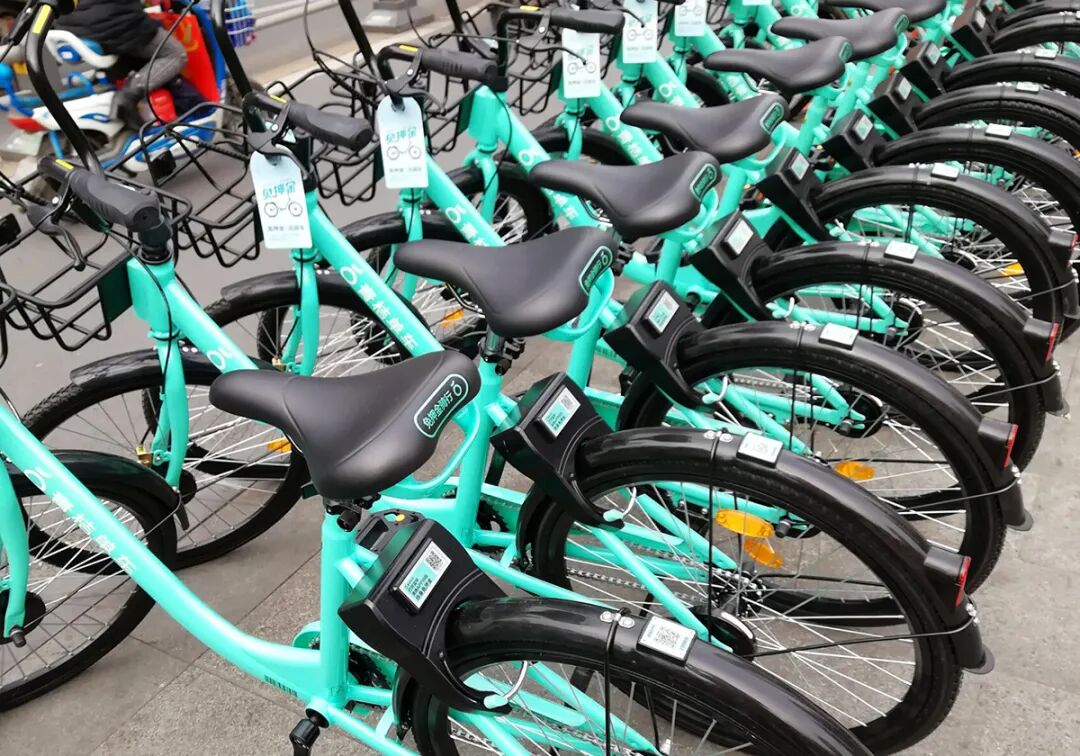
刚扫的单车没骑几分钟就“车轮抱死”,人被摔骨折,青桔、哈啰回应
Mei Ri Jing Ji Xin Wen· 2025-09-11 23:24
Core Viewpoint - The frequent incidents of automatic locking of shared bicycles have raised significant safety concerns among users, prompting major companies like Qingju and Hello to respond to allegations of technical defects while denying any responsibility for the accidents [1][3][4]. Group 1: Incident Reports - There have been at least 41 reported incidents of shared bicycles automatically locking during rides over the past two years, affecting multiple platforms [1]. - A specific case involved a user, Ms. Ma, who suffered three fractures and soft tissue injuries after an unexpected brake while riding a Qingju bicycle [3]. Group 2: Company Responses - Qingju stated that the incidents may be due to a loose chain causing riding difficulties, and they have initiated a hardware and software check on the involved bicycles [3]. - Hello also denied any technical defects, asserting that their system did not detect any anomalies related to automatic locking and emphasized that all bicycles undergo strict testing before use [4]. Group 3: User Concerns and Industry Analysis - Users have expressed skepticism regarding the companies' self-assessments, suggesting that third-party evaluations of vehicle safety should be introduced to enhance public trust [4]. - Industry analysts highlight the need for shared bicycle companies to improve product design and safety measures to mitigate risks and clarify liability in case of accidents [5][9]. Group 4: Insurance and Liability - The current insurance mechanisms for shared bicycles are seen as inadequate, particularly regarding accidents caused by vehicle defects, and there is a call to adopt a more structured insurance system similar to that of ride-hailing services [9][10]. - Recommendations include establishing a consumer protection fund by leading companies to cover damages not addressed by traditional insurance [9][10]. Group 5: Regulatory Perspective - Regulatory bodies have been monitoring the shared bicycle industry, focusing on issues like price hikes, but there is a suggestion to enhance enforcement of corporate responsibility rather than imposing new regulations [10]. - The industry is transitioning from rapid growth to refined operations, emphasizing the importance of transparency, improved insurance mechanisms, and corporate social responsibility to foster a safer riding environment [10].

刚扫的单车,没骑几分钟就“车轮抱死”,人被摔骨折!共享单车自动落锁?青桔、哈啰回应:不存在因技术缺陷导致自动落锁情况
Mei Ri Jing Ji Xin Wen· 2025-09-11 16:35
Core Viewpoint - The safety issues surrounding shared bicycles have come to the forefront due to multiple incidents of sudden locking during rides, leading to injuries. Major companies like Qingju and Hello have denied technical defects but face increasing scrutiny from users and media [1][3]. Company Responses - Qingju stated that the incidents may be due to loose chains causing ride interruptions, not software issues. They have initiated checks on the involved bicycles and are handling insurance claims for affected users [3][4]. - Hello also reported no technical defects and emphasized that all bicycles undergo strict testing before use. They have provided a claims process for users involved in accidents [3][5]. Incident Statistics - Reports indicate at least 41 incidents of shared bicycle accidents due to sudden locking in the past two years, affecting multiple platforms [1]. - A specific case involved a user suffering multiple fractures and soft tissue injuries after a sudden stop while riding a Qingju bicycle [3]. User Concerns and Industry Insights - Users have expressed skepticism regarding the companies' self-assessments, calling for transparency in testing processes and third-party evaluations to ensure safety [5][7]. - Industry analysts suggest that the current insurance mechanisms for shared bicycles are inadequate, particularly regarding accidents caused by vehicle defects. They recommend adopting a more structured insurance system similar to that of ride-hailing services [7][9]. Regulatory and Operational Recommendations - Analysts propose that the industry should focus on enhancing product safety and accountability through improved design and technology. They also recommend establishing a consumer protection fund to cover injuries not addressed by traditional insurance [7][9]. - Regulatory bodies have been monitoring the shared bicycle industry, but there is a call for more emphasis on enforcing corporate responsibility and improving safety management through technology [8][9]. Market Growth - The shared bicycle user base is projected to exceed 600 million in 2024, with a significant increase in riding frequency, indicating a growing market despite safety concerns [6].

8点1氪丨多家电信运营商回应eSIM手机业务;三星手机美国账号嘲讽iPhone 17系列;施华蔻“处女发质”翻译陷辱女争议
3 6 Ke· 2025-09-11 00:06
Group 1 - Wahaha's subsidiaries have recently changed their names to Hongsheng [6] - Apple has launched the iPhone 17 series and iPhone Air, with prices ranging from 5999 to 17999 yuan [9] - The iPhone 17 Pro features the new A19 Pro chip, achieving significant performance improvements over the previous generation [18][19] Group 2 - China Telecom and China Unicom are preparing to launch eSIM services, supported by the new iPhone Air [1][2] - Xiaomi's president predicts that this year will see significant changes in smartphone design and functionality [10] - Suning.com plans to sell 12 subsidiaries of Carrefour China for 1 yuan each, potentially increasing net profit by approximately 3.83 billion yuan [8] Group 3 - The short drama industry in China is expected to reach a market size of 10 billion USD as it expands globally [10] - Neuralink has successfully implanted brain chips in 12 individuals as part of its trials [11] - Nvidia has announced a new GPU designed for AI workloads, enhancing efficiency for applications requiring long context windows [11]

8点1氪:多家电信运营商回应eSIM手机业务;三星手机美国账号嘲讽iPhone 17系列;施华蔻“处女发质”翻译陷辱女争议
36氪· 2025-09-10 23:54
Group 1 - The core point of the article is the upcoming launch of eSIM services by major Chinese telecom operators, including China Unicom, China Telecom, and China Mobile, following Apple's introduction of the iPhone Air, which exclusively supports eSIM [5][7]. - China Telecom has stated that its eSIM mobile service is fully prepared and will soon be available to users after receiving official approval from the Ministry of Industry and Information Technology [5][7]. - China Mobile has also submitted an application for eSIM services and is expected to provide these services once it receives approval [7]. Group 2 - The iPhone Air, launched during Apple's fall event, is noted for being the lightest iPhone ever and features a dual eSIM card design, emphasizing the shift towards eSIM technology [5]. - The iPhone 17 series, including the iPhone 17 Pro, has been released with significant performance upgrades, particularly with the new A19 Pro chip, which surpasses the previous generation in both single-core and multi-core performance [25][26]. - The global market for short dramas from China is projected to reach a scale of $10 billion, with significant growth in overseas applications and downloads [15].

中国共享电单车行业研究报告
艾瑞咨询· 2025-08-29 00:02
Core Viewpoint - The shared electric bike industry is experiencing upward momentum driven by government support, market demand, and technological advancements [1][2][3] Industry Development - The government is promoting a unified national market, which will provide clearer market access standards for the shared electric bike industry [1] - The industry is witnessing intensified competition, with national brands like Qingju, Meituan, and HelloBike gaining significant advantages in user scale and revenue [2] - Shared electric bikes have become popular among young users aged 16-34, particularly in lower-tier cities, due to their convenience for commuting and leisure [3] Regulatory Environment - The new national standards for electric bicycles are expected to enhance product quality and safety, driving technological innovation and green development [4][16] - Policies are increasingly supportive of shared electric bikes as part of the public transport system, addressing the "last mile" issue in urban transportation [12][21] Economic Context - The national economy is steadily growing, with transportation and communication spending increasing, indicating a robust market for shared electric bikes [7] - The demand for low-carbon and environmentally friendly transportation options is rising, with shared electric bikes playing a crucial role in this transition [10][13] User Insights - Users favor shared electric bikes for their convenience, affordability, and environmental benefits, with a high satisfaction rate reported in key operational aspects [3][49][73] - The average riding distance is approximately 2.91 kilometers, with peak usage times in the evening [60][53] Technological Innovations - Advancements in autonomous driving technology are expected to address operational challenges and reshape the industry landscape [5][89] - The implementation of smart technologies and improved vehicle features is enhancing user experience and operational efficiency [40][87] Market Trends - The industry is moving towards a more regulated and competitive environment, with a focus on product innovation and operational efficiency [80][82] - User preferences are shifting towards comfort and practical features in electric bikes, prompting companies to innovate [85] Competitive Landscape - The shared electric bike market is consolidating around a few national brands, which are focusing on differentiated services and improved user experiences [2][82] - Companies are leveraging technology to enhance their operational capabilities and meet diverse user needs [87][89]

中国共享电单车行业研究报告
艾瑞咨询· 2025-08-17 00:04
Core Insights - The shared electric bike industry is experiencing upward momentum driven by government support and market demand, with a focus on establishing a unified national market and breaking down local barriers [1][24][79] - Competition is intensifying, with national brands like Qingju, Meituan, and HelloBike emerging as leaders due to their scale and operational efficiency [2][81] - Young consumers, particularly those aged 16-34 in lower-tier cities, are becoming the backbone of the shared electric bike market, driven by the need for convenient commuting options [3][46] - The implementation of national standards is crucial for industry development, emphasizing product upgrades and technological innovation as key competitive factors [4][16] - Advancements in autonomous driving technology are expected to address operational challenges and reshape the industry landscape [5][88] Market Dynamics - The economic environment is stable, with a significant increase in consumer spending on transportation, indicating a robust growth trajectory for the shared electric bike sector [7][24] - Shared electric bikes are gaining popularity as a sustainable transportation option, contributing to the reduction of carbon emissions and enhancing urban mobility [10][13] Policy Environment - The government is adopting a supportive stance towards shared electric bikes, promoting their integration into urban transportation systems and encouraging the use of new technologies [21][79] - Recent policies aim to address the "last mile" issue in public transport, facilitating the development of green and efficient transportation networks [12][21] Industry Structure - The shared electric bike industry has evolved through various stages, with over 700 cities now participating and a total of approximately 7.13 million bikes deployed [27][30] - The industry value chain includes component manufacturers, assembly firms, and operational companies, with some leading brands establishing their own production capabilities [30] User Insights - The primary user demographic consists of young individuals, with a balanced gender ratio, predominantly located in warmer regions of China [46] - Users value convenience, affordability, and safety, with a significant portion of rides occurring during peak evening hours [49][53] Competitive Landscape - National brands are focusing on operational efficiency and product innovation to enhance user experience and maintain market share [81][84] - The competitive focus is shifting from quantity to quality, with an emphasis on improving hardware and service delivery [82][86] Technological Advancements - The integration of cutting-edge technologies, such as AI and autonomous systems, is expected to enhance operational efficiency and user satisfaction [5][88] - The new national standards for electric bikes will facilitate the adoption of smart technologies, improving safety and user experience [16][17]

以法治之力铲除城市“牛皮癣”
Huan Qiu Wang· 2025-07-20 22:48
Core Viewpoint - The article discusses the comprehensive governance of illegal advertisements on shared bicycles in Chengdu, highlighting the significant reduction in the problem from 16.5% to below 2% through a combination of criminal prosecution, administrative penalties, and civil lawsuits [1][2][3]. Group 1: Governance Measures - Chengdu has implemented a multi-faceted approach to address illegal advertisements on shared bicycles, involving various city departments such as transportation, urban management, public security, and market regulation [2][3]. - A total of 2,289 urban management personnel and 2,047 operational staff were mobilized to inspect over 211,000 shared bicycles, resulting in the removal of more than 83,700 illegal advertisements [2]. - The city identified eight categories of illegal advertisements, including those related to pornography, fraud, and false sales, which pose risks to public order and safety [2][3]. Group 2: Legal Actions - The Chengdu High-tech Zone People's Court heard a case involving a shared bicycle company suing individuals for damages due to illegal advertisements, resulting in a ruling that required the defendants to apologize and pay 2,500 yuan in compensation [4][5]. - Law enforcement has intensified efforts, leading to the arrest of 300 individuals and the investigation of 17 criminal cases since May 8 [5]. Group 3: Corporate Responsibility - Chengdu has urged shared bicycle operators like Meituan, Qingju, and Hello to take responsibility for managing their vehicles throughout the entire lifecycle, including the removal of illegal advertisements [3][6]. - The city has adjusted the operational quotas of these companies, reducing a total of 4,857 bicycles from the market due to non-compliance [7]. Group 4: Community Involvement - The local government has encouraged public participation in reporting illegal advertisements by offering rewards such as discount coupons to users who help in the cleanup efforts [7].
外卖大战背后,需要怎样的市场竞争?
Sou Hu Cai Jing· 2025-07-14 00:15
Core Viewpoint - The external delivery industry is undergoing a significant transformation, moving from price wars to a focus on quality and service, emphasizing the need for sustainable business practices and fair competition among stakeholders [2][3][6]. Group 1: Market Dynamics - The external delivery market has shifted dramatically, with intense competition leading to a "price war" scenario, reminiscent of previous battles in the shared economy sector [3]. - Major players like JD.com, Meituan, and Taobao are engaging in aggressive promotional strategies, including substantial discounts and cash vouchers, to capture market share [2][3]. - The current market environment is characterized by a "buying frenzy," where consumers are eager to take advantage of low prices, benefiting merchants and delivery personnel in the short term [4]. Group 2: Challenges and Risks - The intense focus on low prices may lead to irrational consumer behavior, reduced profit margins for merchants, and a decline in service quality [4]. - The historical context of similar price wars in the shared economy, such as the downfall of Ofo and the acquisition of Mobike by Meituan, highlights the potential risks of unsustainable business practices [3]. Group 3: Strategic Recommendations - Companies should prioritize quality and service improvements over merely competing on price, suggesting a need for internal motivation and a shift in strategic thinking [5]. - A dual-track system combining full-time and gig workers could enhance rider rights and reduce turnover, while integrating supply chain management could lower costs and benefit both merchants and consumers [6]. - The industry should aim for a transition from price competition to value competition, fostering a collaborative ecosystem that benefits all parties involved [6].



2025中国两轮车共享换电电池TOP排行榜及行业白皮书重磅发布!
起点锂电· 2025-07-12 10:07
Core Viewpoint - The article discusses the development and trends of the electric two-wheeler industry in China, focusing on the shared battery swapping model and the lithium battery market, highlighting the impact of policies, market dynamics, and technological advancements on growth opportunities and challenges in the sector [2][4][26]. Group 1: Electric Two-Wheeler Industry Development - The electric two-wheeler shipment volume in China is projected to reach 54 million units in 2025, driven by the implementation of "old-for-new" policies and increased exports [8][9]. - In 2024, the shipment volume of lithium electric two-wheelers is expected to be 4.62 million units, with significant growth attributed to exports [8][9]. - The shared electric two-wheeler market has evolved through various stages, including rapid development, policy tightening, and recent policy relaxation, indicating a shift towards a more supportive regulatory environment [9][15]. Group 2: Shared Electric Two-Wheeler - The shared electric two-wheeler market in China saw a 21.1% increase in new deployments in 2024, with expectations for continued growth in 2025 [15]. - Major players in the shared electric two-wheeler market include Hello, Meituan, and Qingju, which collectively accounted for over 65% of new deployments in 2024 [15]. - The development of shared electric two-wheelers is supported by a growing acceptance of the shared economy model, with increasing demand for efficient urban mobility solutions [9][15]. Group 3: Battery Swapping for Electric Two-Wheelers - The battery swapping model is gaining traction due to its efficiency and safety advantages over traditional charging methods, with several cities implementing supportive policies [12][29]. - In 2024, the battery swapping market is expected to see a deployment of 1.51 million battery packs, with a projected increase in the coming years as policies become more favorable [25][29]. - The demand for battery swapping is particularly strong among delivery riders, who require quick and reliable battery solutions to meet their operational needs [16][19]. Group 4: Lithium Battery Market - The total shipment of lithium batteries for electric two-wheelers in China is projected to reach 9.42 million units in 2024, with a significant portion attributed to shared and swapping applications [48][49]. - The market is witnessing a shift towards lithium iron phosphate batteries due to their safety and longevity, while the share of ternary lithium batteries is gradually decreasing [49][52]. - The export market for lithium batteries is expanding, with a notable increase in demand from Southeast Asia and other regions, indicating a growing international presence for Chinese manufacturers [48][49]. Group 5: Industry Trends and Challenges - The electric two-wheeler industry is expected to benefit from supportive government policies aimed at promoting green transportation and improving safety standards [27][29]. - The market is becoming increasingly concentrated, with smaller players facing challenges due to stricter regulations and competition from larger, more established companies [27][29]. - The development of standardized battery specifications and interfaces is crucial for the growth of the battery swapping industry, facilitating interoperability and expanding service availability [29][30].