韩束

Search documents
快手电商启动“心动情人节”活动,联合大牌美妆打造节日礼赠消费狂欢
Sou Hu Cai Jing· 2026-02-11 07:54
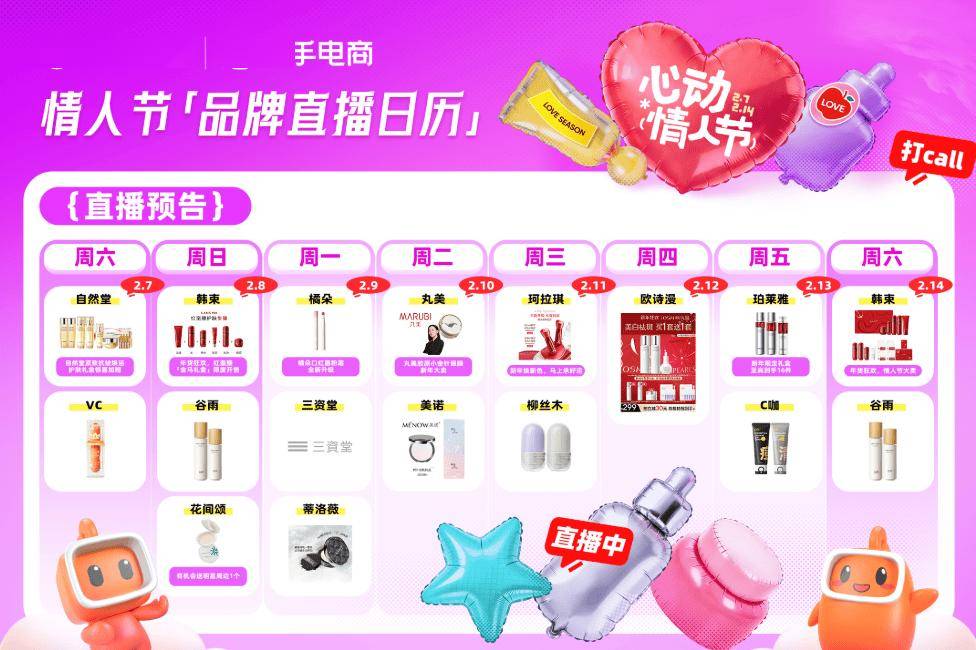
Core Insights - The upcoming Valentine's Day has led to a surge in consumer demand for gifting, particularly in the beauty sector, which is seen as a key medium for expressing emotions and intentions [1][5] - Kuaishou E-commerce is launching a themed campaign titled "New Spring, New Look, Big Brand Gifts for Loved Ones" from February 7 to 14, featuring various promotions and live-streaming events with major beauty brands [1][5] Group 1: Campaign Details - The campaign includes participation from numerous beauty brands such as Naturando, Han Shu, Gu Yu, Orange Du, Marubi, Oushiman, and Proya, offering special live-streaming events and discounted beauty products [1][3] - Users can engage in interactive activities on Kuaishou, such as sharing videos related to Valentine's Day gifts, with opportunities to win prizes like gold bracelets and Kuaishou merchandise [3][4] Group 2: Consumer Behavior and Trends - Kuaishou reported significant growth in Valentine's Day-related metrics, with a 310.8% month-over-month increase in total video views and a 70.7% increase in GMV for beauty purchases driven by search behavior [2][4] - The demand for beauty products is strong, with notable increases in searches for gift sets and practical items like facial cleansers and sunscreens, reflecting a trend towards more refined and practical gift choices [4][5] Group 3: Market Insights - The Valentine's Day celebration has evolved into a significant marketing opportunity, intertwining emotional expression with consumer behavior, as evidenced by the rising popularity of related topics and search terms [3][4] - The "he economy" is gaining traction, with men's skincare sets emerging as a notable category, indicating potential growth in this segment during Valentine's Day [4]


快手电商启动“心动情人节”活动 联合大牌美妆打造节日礼赠消费狂欢
Sou Hu Cai Jing· 2026-02-11 07:48
Core Insights - The upcoming Valentine's Day has led to a surge in consumer demand for gifting, particularly in the beauty sector, which is seen as a key medium for expressing emotions and intentions [1][3] - Kuaishou E-commerce is launching a themed event titled "New Spring, New Look, Big Brand Gifts for Loved Ones" from February 7 to 14, featuring various promotions and live broadcasts from major beauty brands [1][3] Group 1: Event Details - Kuaishou E-commerce is collaborating with numerous beauty brands to create a Valentine's Day shopping extravaganza, offering subsidies and various promotional activities [1][3] - Brands such as Naturando, Han Shu, Gu Yu, Ju Duo, Marubi, Oushiman, and Proya will host special live broadcasts featuring discounted beauty products, including makeup gift boxes and skincare sets [1][3] Group 2: Consumer Engagement - Users can participate in the HeartfeltValentine'sDay topic on Kuaishou, sharing videos about gifting ideas and Valentine's moments, with opportunities to win prizes like gold bracelets [3][4] - The platform has seen a significant increase in engagement metrics related to Valentine's Day, with topic playback volume rising by 310.8% and search frequency increasing by 64.4% month-over-month [3][4] Group 3: Consumer Trends - The demand for beauty products during Valentine's Day is strong, with a notable increase in searches for gift sets and practical items like cleansers and sunscreens, reflecting a trend towards more refined and practical gift choices [5] - The "he economy" is gaining traction, with men's skincare sets emerging as a popular choice, indicating a shift in gifting dynamics during Valentine's Day [5]
1月黑猫投诉服饰红黑榜:韩束红蛮腰售价399元成本仅26
Xin Lang Cai Jing· 2026-02-11 07:39
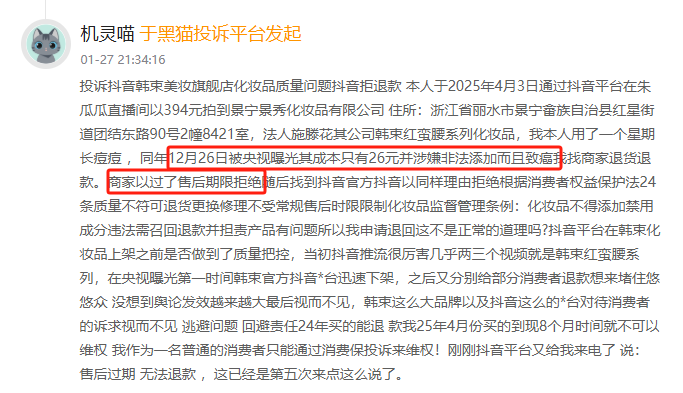
黑猫投诉 【下载黑猫投诉客户端】发布1月企业投诉处理红黑榜单,数据均来源于黑猫投诉平台,反映 了企业在黑猫投诉平台的投诉处理解决情况。 截至2026年1月底,黑猫投诉平台累计收到消费者有效投诉近3274万件,1月有效投诉近79万件。 为了更加精准、及时地展现不同细分消费领域企业在黑猫平台的客诉处理情况,红黑榜单除了按行业划 分,还会根据近期热点消费事件设置"最受关注领域榜单",为消费者提供更有价值的消费参考。 关键词:韩束红蛮腰售价399元成本仅26 本月,有消费者在黑猫投诉平台反映,其于2025年4月3日通过抖音直播间购买了韩束红蛮腰系列化妆 品,使用后出现长痘现象。此外,该系列产品于同年12月26日被央视曝光,称其成本仅约26元,并涉嫌 非法添加生长因子。消费者随后向商家及抖音平台提出退货退款申请,但双方均以"超过售后期限"为由 拒绝处理。本月韩束品牌累计投诉量高达4428件,回复率为0%。 黑猫投诉1月行业红黑榜单 共享服务 黑榜:光宇科斯特换电、智慧笑联、云马科技、哈啰、小电科技、咻电、悦快闪充、悟空快充、南瓜 侠、来电 红榜:怪兽充电、街电、松果电单车、倍电、搜电、聚宝充 红榜:深圳优数智汇科技有限 ...
1月黑猫投诉企业红黑榜:Agoda暴力取消订单差价损失无人赔
Xin Lang Cai Jing· 2026-02-11 07:06
Core Insights - The article discusses the January complaint handling red and black list published by the Black Cat Complaint platform, highlighting the performance of various companies in addressing consumer complaints [1][13]. Group 1: Complaint Statistics - As of the end of January 2026, the Black Cat Complaint platform has received nearly 32.74 million valid consumer complaints, with approximately 790,000 complaints recorded in January alone [1][13]. - The red and black lists categorize companies based on their complaint handling performance across different consumer sectors, aiming to provide valuable consumer references [1][13]. Group 2: Notable Complaints - Agoda faced multiple complaints for unilaterally canceling orders without compensation, leading to significant price differences for consumers when rebooking hotels, with a complaint response rate of 0% [2][14]. - Capital Airlines received complaints regarding flight cancellations without compensation, with a total of 7,779 complaints and a response rate of only 54%, dropping to 4.5% in the last 30 days [3][15]. - Vienna Hotels was criticized for poor service quality, including non-functional air conditioning and hot water, with staff refusing to resolve issues or provide refunds [4][16]. - The precious metals trading market saw complaints about delayed shipments and issues with product authenticity, with consumers facing difficulties in obtaining refunds [5][18]. - Consumers reported issues with Han Shu cosmetics, which were found to have a low production cost and alleged illegal additives, resulting in a high volume of complaints and a 0% response rate [6][19]. - Old Temple Gold faced complaints for not disclosing the weight of gold jewelry, leading to discrepancies in value and refusal to process refunds, with a response rate of 0% in the last 30 days [7][20]. Group 3: Industry Red and Black Lists - In the shared services sector, companies like Guangyu Koste and Hello were placed on the black list, while Monster Charging and Street Electric made it to the red list [8][21]. - In the shopping platform category, major platforms like Taobao and JD.com were listed on the black list, while Heart Joy Mall and Tmall Supermarket were recognized on the red list [8][21]. - The travel and accommodation sector saw Capital Airlines and several others on the black list, while companies like Fly Easy and Jinjiang Star were highlighted on the red list [8][21]. - In the entertainment and lifestyle sector, platforms like WeChat and Tencent were blacklisted, while companies like iQIYI and Cloud Technology were recognized positively [8][21]. - The education and training sector included companies like Zhonggong Education on the black list, while brands like Yuantong Education were acknowledged on the red list [22].
2025 线上护肤市场新品与成分趋势洞察
Sou Hu Cai Jing· 2026-02-08 04:41
Core Insights - The online skincare market in China is transitioning from a "traffic-driven" model to a "value-driven" approach, with a market size exceeding 190 billion yuan and a year-on-year growth of nearly 10% from January to September 2025 [1][16]. Market Overview - The overall sales in the skincare market are steadily increasing, with a total sales figure of 190.8 billion yuan (+9.3%) and a volume of 1.62 billion units (+0.6%) during the specified period [15][16]. - Despite the growth in sales, the volume of skincare discussions on social media has slightly decreased, indicating a shift from generalized discussions to more specialized and refined consumer needs [2][16]. Consumer Focus - Ingredients and efficacy remain the core selling points for skincare products, with Chinese consumers showing significantly higher attention to these aspects compared to overseas markets [2][17]. - The competition among brands is increasingly centered on ingredient research and efficacy validation, as traditional marketing strategies are becoming less effective [2]. Brand Landscape - The market is witnessing a stable head brand landscape, with domestic brands performing well. The top ten brands have only seen a slight increase in market share, while mid-tier brands (ranked 11-20) have achieved over 20% sales growth, indicating strong growth potential [3][18]. - Notably, Douyin has emerged as a key growth engine for many high-growth brands, with most of them pricing their products between 100 to 200 yuan [3][21]. New Product Strategies - The logic behind new product launches has fundamentally changed, with a decline of over 10% in the number of new products registered in 2025. However, the average price of launched new products has significantly increased, indicating a shift towards fewer, more specialized, and higher-value core products [4][21]. - Interest e-commerce platforms like Douyin are becoming crucial for product launches and market testing, while traditional e-commerce platforms focus on long-term brand value and stable sales of classic high-priced products [4]. Ingredient Trends - The ingredient landscape is evolving with diverse trends, including the maturation of "acid" skincare concepts and the cross-border migration of high-growth ingredients from oral beauty to skincare markets [5]. - "Food-grade" ingredients are gaining attention due to their natural and safe perception, although they currently dominate basic product categories [5]. - Traditional Chinese herbal ingredients are becoming popular in high-end anti-aging and repair products, helping brands establish differentiated images [5]. Protein Ingredients - Protein-related ingredients such as hexapeptide and collagen are closely associated with anti-aging effects, with hexapeptide seeing significant growth driven by leading domestic brands [6]. - The market for collagen is relatively fragmented, while the restructured collagen segment shows higher market concentration [6]. Conclusion - The online skincare market is entering a phase of deep value competition, driven by precise responses to consumer core needs through ingredient innovation, efficacy focus, and product refinement. Brands that can continuously delve into core technologies and express differentiated value while flexibly utilizing channel strategies are likely to achieve sustained growth in an increasingly rational and professional market [6].
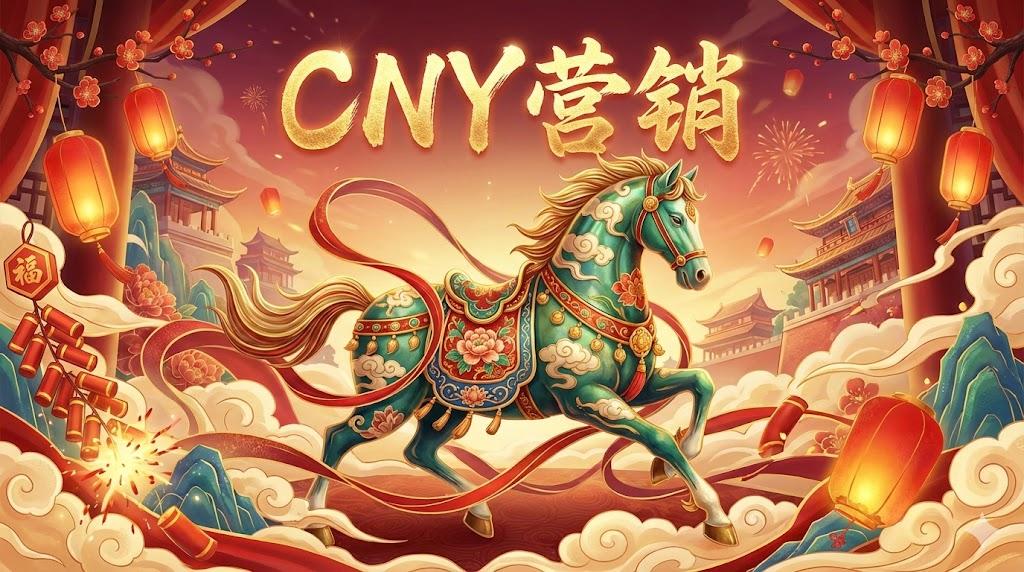
马年 CNY 营销,当谐音梗开始失效,靠什么继续成立
3 6 Ke· 2026-02-08 02:24
Group 1 - The core idea of the article is that the marketing strategies for the Chinese New Year (CNY) are evolving, with brands focusing on emotional narratives, cultural significance, and innovative engagement methods to resonate with consumers during this competitive period [1][30] - This year's CNY marketing is characterized by a shift from traditional methods to more personalized and emotionally driven campaigns, reflecting changes in consumer sentiment and expectations [23][30] - Brands are increasingly leveraging celebrity endorsements, with a focus on names that resonate with the zodiac theme, such as those with the surname "Ma," to create engaging and relatable content [3][24] Group 2 - The use of emotional storytelling is prominent, with brands like Apple and Pepsi focusing on themes of companionship and family reunions, which align with the sentiments of the CNY [9][10] - Limited edition products are a common strategy, with brands like Mixue Ice City and Lancôme incorporating cultural elements into their offerings, enhancing both sales and brand identity [16][19] - The marketing landscape is shifting towards a deeper understanding of cultural nuances, with brands moving beyond superficial symbols to create meaningful connections with consumers [27][30] Group 3 - The article highlights the importance of adapting to changing consumer behaviors, with brands embracing humor and relatability to connect with younger audiences facing social pressures during the CNY [26][30] - There is a growing trend of brands focusing on individual emotional experiences rather than grand narratives of success, reflecting a societal shift towards personal well-being [25][30] - The competitive nature of CNY marketing is leading brands to seek innovative and authentic ways to engage consumers, moving away from formulaic approaches to more genuine expressions of understanding and empathy [31][30]
4541.8亿美妆护肤全景扫描:从规模竞争到技术竞争
FBeauty未来迹· 2026-02-07 10:54
Core Viewpoint - The beauty and skincare industry is undergoing a transformation where consumers are redefining what is worth spending on, shifting from impulsive buying to more rational decision-making focused on efficacy and long-term value [3][4]. Market Overview - By 2025, the beauty and skincare market is projected to reach a sales volume of 454.18 billion yuan, with a year-on-year growth of 9.7%, driven by both volume and price increases [5]. - The market growth is characterized by structural price changes, with a notable increase in the average transaction price due to a rise in the share of functional and mid-to-high-end products [8]. Consumer Behavior - Consumers are increasingly focused on efficacy, experience, and certainty of value, leading to a multi-tiered market with diverse price segments and consumer needs [4][8]. - The low-price segment (0-300 yuan) accounts for 74.1% of the beauty market, while the skincare market sees 56.3% in the same range, with the sub-100 yuan segment experiencing the fastest growth at 20.6% year-on-year [8]. Brand Dynamics - Leading brands are shifting from scale expansion to product innovation, with high-end anti-aging products becoming a significant growth driver, resulting in increased market concentration and share [11][12]. - Mid-tier brands face pressure but can achieve growth through targeted strategies, such as focusing on specific consumer needs like sensitive skin repair or anti-aging for younger demographics [14]. Anti-Aging Market Insights - The anti-aging market is entering a new phase driven by precise technology and widespread demand, with sales expected to reach 129.83 billion yuan in 2025, reflecting a year-on-year growth of 26.3% [15][17]. - Facial anti-aging products dominate the market, with facial care sets and serums leading in sales, emphasizing the importance of ingredient efficacy [19]. Product Trends - The demand for anti-aging products is increasingly focused on core functions such as hydration, wrinkle reduction, and skin repair, indicating a blend of basic skincare and anti-aging needs [24]. - New product innovations in the anti-aging segment are centered around collagen enhancement and multi-functional benefits, with brands like L'Oréal and Estée Lauder leading the way [28][29]. Makeup Market Trends - The makeup market is seeing a shift towards natural beauty and health-focused aesthetics, with sales growth of 15.8% year-on-year, reflecting changing consumer preferences [30]. - The demand for lightweight, hydrating makeup products is rising, with cushion foundations experiencing significant growth, indicating a balance between efficiency and effectiveness [35]. Marketing and Consumer Engagement - Social media platforms are becoming crucial for trend amplification, with discussions around natural beauty and individual expression reshaping consumer decision-making [43][44]. - The beauty and skincare industry is moving towards a competitive landscape focused on technology credibility, efficacy perception, and user understanding, indicating a shift from price-based competition to value-driven strategies [44].

调查 | 00后真的愿意为美妆代言人买单吗?
FBeauty未来迹· 2026-02-07 10:54
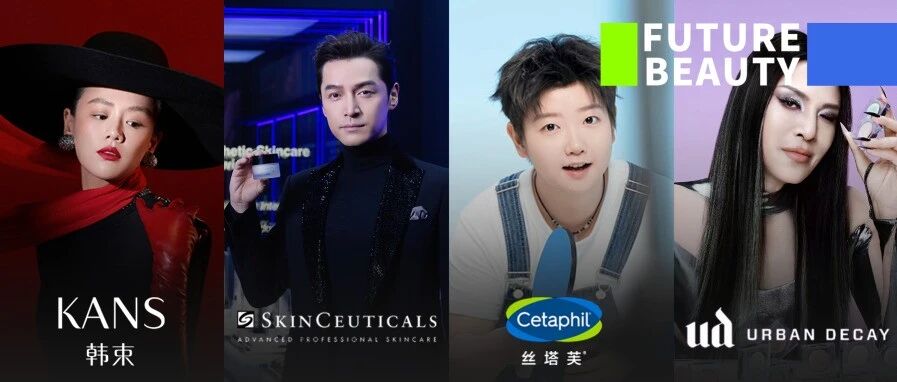
美妆代言正在变成一件"不好判断对错"的事。 官宣还在继续,明星也没有退场,但效果却越来越难以预期——有的代言被疯狂转发,却不一 定带来购买;有的合作看似波澜不惊,却在很长一段时间里持续发挥作用。代言依然重要,却 不再等同于有效。 这种不确定性,首先体现在消费者这一端。 《FBe a u t y未来迹》近期针对近1 0 0 0位0 0后消费者展开调查发现:超过七成的受访者仍然认为 美妆品牌"有代言人很重要",但真正会因为代言人直接下单的比例,已经明显降低。代言更像 一个被看见的入口,而不是决定购买的理由。 当0 0后逐渐成为美妆消费的主力,这种变化正在倒逼品牌重新思考一个问题:在今天的市场环 境中,代言人究竟还能为品牌解决什么,又不能替品牌完成什么。 从2 0 2 6年开年的几次标志性代言选择开始,这个问题被摆到了台前。 2 0 2 6年刚刚开始,美妆行业的代言人营销就显得格外热闹。 如果仔细看,会发现品牌们在"怎么用代言人"这件事上,已经走向了两条明显不同的方向。一 条路看起来喧哗、抽象、甚至有点失控;另一条路则显得克制、稳定,几乎不打算参与热闹本 身。 春节前夕,韩束发布的马年广告片,很快成为讨论中心。 画 ...
韩束、李子园、多邻国...品牌为何都把"搞怪"当成流量密码?
3 6 Ke· 2026-02-06 12:51
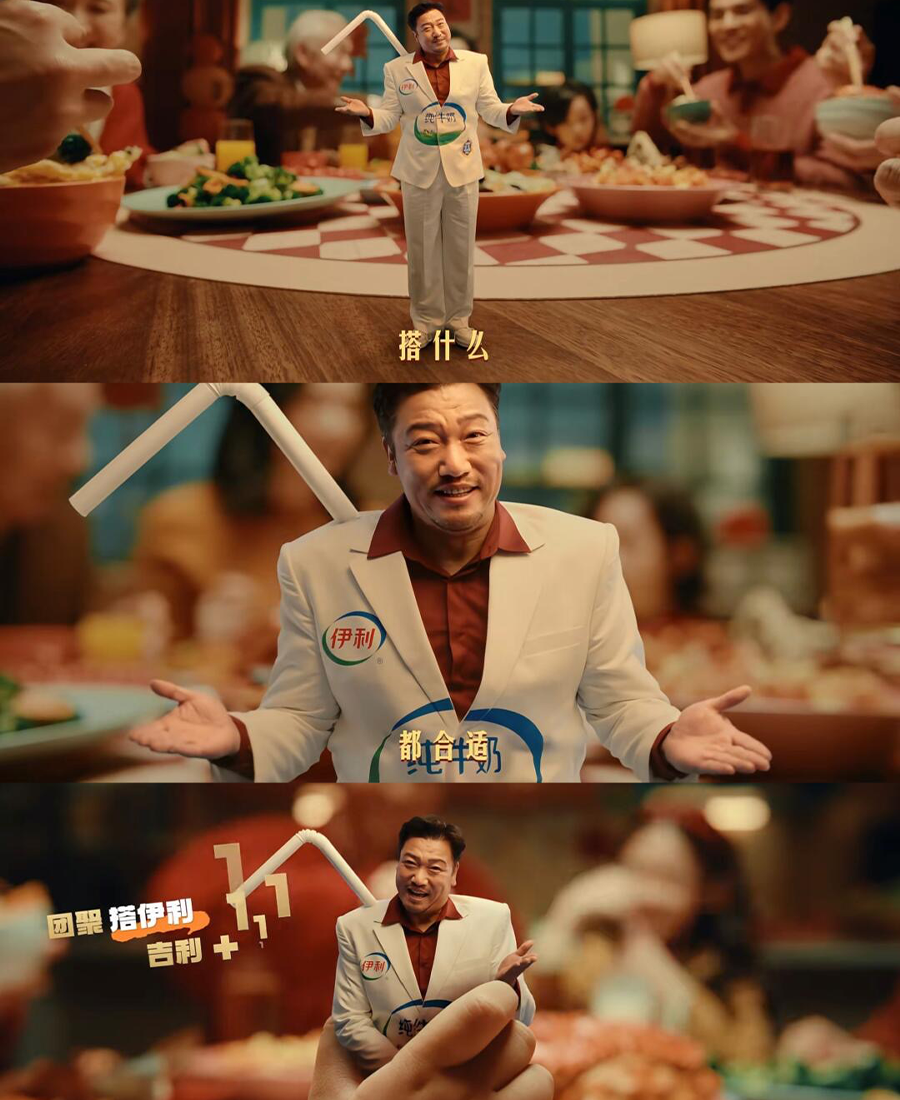
论整活儿,这届网友必须有发言权。 拿惯例的春节营销来说,就着马年,网友在线喊话伊利和蒙牛,点名要让马伊琍来代言。给伊利拟出的 slogan是"我是马伊琍,马年喝伊利",转头又建议蒙牛签下马伊琍,slogan则是"伊琍(伊利)都说蒙牛 好"。或许是因为脑洞大得恰到好处,伊利很"听劝",顺势签下了马伊琍,将网友的脑洞变成了马年春 节的营销实景。 不只网友,品牌们也自发地搞起了抽象。 跳出传统营销框架的品牌们,试图以荒诞、无厘头的画风抢占用户注意力。从春节档的流量炸场到日常 营销的持续破圈,抽象早已不是小众玩法,而是成为品牌对话年轻群体的主流语言之一。 几乎同期,老牌牛奶食品品牌李子园,尝试挣脱"登味饮品"的刻板标签,用一场"粉色液体风暴"席卷全 网。 这次李子园选择不走常规温情怀旧路线,而是融入嘻哈元素,邀请60多岁出道的说唱"法姥"桂香阿姨, 推出了一首说唱MV。MV中,桂香阿姨唱着"我和姊妹们一起喝点粉色的液体,一种甜甜的液体,一种 粉色的液体",直白的歌词搭配上头的旋律,网友评价:"从'质疑'到'成为',只需将视频循环3次"。 还有早已刻入大众记忆、主打"年轻态"的脑白金。 这个深耕中老年市场的营养品品牌, ...


“抽象”营销走红,但它的内核并非“发疯”
Xin Lang Cai Jing· 2026-02-05 05:51
Core Insights - The article discusses the rise of "abstract" marketing as a new trend in the advertising industry, particularly in the context of the Chinese New Year (CNY) marketing campaigns for 2024, highlighting its effectiveness in capturing consumer attention and engagement [1][2][4] Group 1: Abstract Marketing Trend - "Abstract" has emerged as a key term on platforms like Xiaohongshu, with related posts exceeding ten million and topic views surpassing 2.8 billion [1] - Major fast-moving consumer goods (FMCG) brands like Mengniu, Yili, and RIO are adopting abstract marketing strategies to engage younger audiences by breaking conventional advertising norms [1][2] - The trend is now influencing the beauty industry, which faces unique challenges due to its focus on brand identity and emotional connections [1] Group 2: Case Studies - Yili's CNY marketing campaign features an abstract narrative with a humorous twist, exemplified by the short film "Finding Ma Yili," which plays with audience expectations and engages them interactively [2][4] - KANS's CNY advertisement, featuring Ma Sichun, employs absurdist humor and unexpected visuals to create a memorable and shareable experience, resulting in over 13 million views [4][6] - The clothing brand Semir invites user-generated content by posing an open-ended question, encouraging creative interpretations of its brand name [8] Group 3: Emotional and Psychological Factors - Abstract marketing serves as a response to societal pressures, allowing consumers to express their emotions and frustrations in a playful manner [9][11] - The strategy aims to break through consumer apathy by using unexpected and absurd imagery, creating a space for public engagement and conversation around the brand [9][11] - The rise of abstract marketing reflects a broader cultural shift towards seeking emotional release and individuality in a highly structured society [9][11] Group 4: Industry Perspectives - Industry insiders note that the popularity of abstract content is driven by "traffic anxiety," as brands seek low-cost ways to maintain visibility without significant budget increases [11] - There is debate within the industry regarding the appropriateness of abstract marketing for emerging brands versus established ones, with concerns about potential dilution of brand value [11][12] - The effectiveness of abstract marketing hinges on its ability to resonate with the brand's core identity, rather than merely serving as a superficial gimmick [19][20]