
Lululemon

Search documents
胖东来的第一批学徒,已经挂科了
远川研究所· 2026-01-21 13:03
Core Viewpoint - The article discusses the challenges and complexities faced by companies in the retail sector, particularly in learning from the successful model of "胖东来" (Pang Donglai), highlighting the difficulties in replicating its success due to deep-rooted operational and management issues within traditional supermarket structures [9][14][73]. Group 1: Industry Challenges - The retail industry is undergoing significant adjustments, with companies like 美特好 (Meitehao) announcing plans to learn from Pang Donglai while struggling with operational issues, including store closures and financial instability [3][6]. - Major players in the supermarket sector, such as 永辉超市 (Yonghui Supermarket), are facing severe financial challenges, including projected annual losses and significant revenue declines [6][11]. - The traditional supermarket model relies heavily on fees from brands and suppliers, which can create conflicts and inefficiencies in operations [16][20]. Group 2: Learning from Pang Donglai - Companies attempting to adopt the "Pang Donglai model" often fail to grasp its core principles, which emphasize a fundamental shift in how supermarkets operate, moving away from reliance on key accounts (KA) to focusing on direct consumer sales [15][21]. - The success of Pang Donglai is attributed to its ability to redefine product offerings and supplier relationships, allowing for greater control over inventory and pricing [22][23]. - The challenges of implementing such a model include overcoming entrenched procurement practices and the complexities of managing supplier relationships [24][27]. Group 3: Management and Employee Dynamics - Pang Donglai's approach includes high employee compensation and generous benefits, which are seen as strategies to reduce corruption and improve operational integrity [35][43]. - The management practices at Pang Donglai are characterized by strict performance standards and a focus on efficiency, which may be difficult to maintain as the company scales [49][50]. - The article highlights the importance of aligning employee incentives with company goals to foster a culture of accountability and performance [46][47]. Group 4: Historical Context and Market Dynamics - The evolution of the retail market has seen many once-dominant players fade, illustrating the challenges of sustaining success in a rapidly changing environment [60][62]. - The article emphasizes that successful business models are often context-specific and may not be easily replicated across different markets or conditions [73]. - The historical perspective on retail evolution suggests that many companies may fall into the trap of believing that they can easily replicate the success of others without understanding the underlying factors that contributed to that success [64][66].



「逃离北上广」不可耻,回流年轻人正在撬动新市场
雷峰网· 2026-01-16 10:44
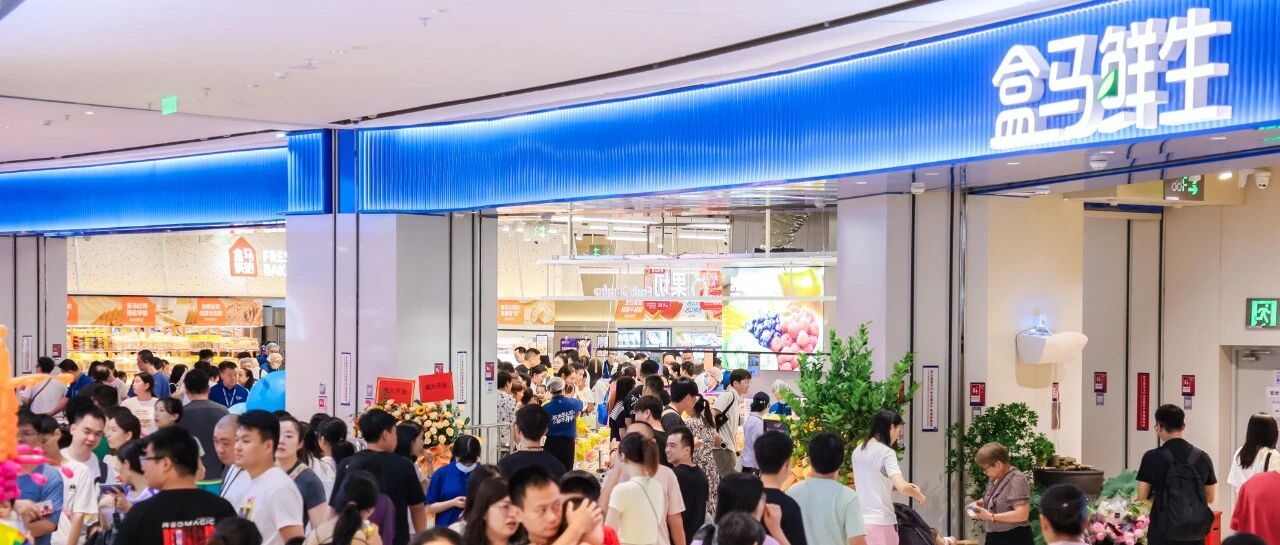
Core Viewpoint - The article discusses the shift in consumer spending from first-tier cities to emerging markets, highlighting the structural changes in China's economy and consumer behavior, as well as the strategies of high-end brands adapting to this trend [2][5][6]. Group 1: Economic Trends and Consumer Behavior - The Chinese economy is experiencing a structural transformation, with consumer spending growth engines shifting from first-tier cities to emerging cities, as evidenced by a 4% year-on-year increase in national retail sales from January to November 2025 [2][3]. - In 2025, 98.7% of 306 non-first-tier cities reported positive retail sales growth, with over 60% of cities in second, third, and fourth tiers outperforming the national average [3][4]. - The trend of "X drifters" returning to their hometowns is reshaping local consumption ecosystems, as these individuals prioritize quality of life over the pressures of first-tier cities [5][12]. Group 2: Brand Strategies and Market Adaptation - High-end brands are increasingly targeting emerging markets, recognizing the significant purchasing power and demand in these areas, as seen with brands like Hema expanding into 40 new cities by 2025 [22][23]. - The phenomenon of "first store economy" is gaining traction, with brands like Lululemon and others establishing a presence in second and third-tier cities, reflecting a shift in consumer preferences and brand strategies [24][25]. - The concept of "emotional price-performance ratio" is emerging, with consumers in smaller cities seeking products that enhance their quality of life, indicating a shift towards more personalized and meaningful consumption [27][29]. Group 3: Supply Chain and Market Dynamics - Hema has developed a robust supply chain network, with over 300 direct sourcing bases and 8 logistics centers, enabling it to effectively cater to the diverse needs of consumers in emerging markets [29][30]. - The entry of brands like Hema into new cities is revitalizing local economies and extending shopping hours, thereby enhancing the overall consumer experience and driving economic growth in these regions [30][32]. - The article emphasizes that the evaluation of a city's commercial vitality is evolving from traditional metrics like GDP to more nuanced indicators such as "living radius," reflecting changing consumer lifestyles [32].
The hottest fashion item for women on Wall Street? Really expensive pants.
Business Insider· 2026-01-14 10:45
Core Insights - The current trend in women's business attire in finance is focused on high-quality, comfortable pants rather than traditional accessories or shoes [1][2] Company Highlights - **Aritzia**: The Effortless Pant priced at $148 has significantly contributed to Aritzia's growth, with a share price increase of 119% over the past year [4] - **Lululemon**: Known for initiating the expensive pants trend, Lululemon's Daydrift High-Rise Trouser, also priced at $148, has become a popular choice among women [7] - **Abercrombie & Fitch**: The Sloane Tailored Pant priced at $63 reflects the brand's strategic shift towards more sophisticated attire, despite signs of slowing growth [9] - **Arc'teryx**: The Veilance Khara Pant priced at $350 indicates the brand's expansion into women's pants, gaining traction in the market [11] - **Club Monaco**: The High-Rise Fluid Crepe Trouser priced at $248 is noted for its appeal to an upscale demographic, aligning with the brand's old-money aesthetic [14]

贝恩资本收购Andar母公司:韩国“Lululemon”如何引爆亚洲运动消费赛道?
Xin Lang Cai Jing· 2026-01-14 05:48
Core Insights - Bain Capital announced the acquisition of EcoMarketing, the parent company of South Korean sportswear brand Andar, for 500 billion KRW (approximately 344 million USD), marking a significant move in the South Korean sportswear market and the global consumer investment landscape [1][9] - The acquisition will be executed in two phases: first, acquiring 43.66% of shares from the largest shareholder for 216.6 billion KRW (approximately 10 million RMB), followed by a tender offer for the remaining 56.4% at a price of 16,000 KRW per share, representing a 49.5% premium over the closing price prior to the transaction [1][9] Strategic Context - The acquisition reflects Bain Capital's investment logic and highlights structural changes in the global consumer market, betting on Andar's potential as the "Asian version of Lululemon" [2][10] - Since its founding in 2015, Andar has rapidly gained a user base in South Korea by offering products at a lower price point compared to Lululemon, with sales reaching 135.8 billion KRW (approximately 656 million RMB) in the first half of 2025, a historical high [2][11] - EcoMarketing's unique business model and growth potential are key values in the acquisition, having transitioned from an online advertising agency to a major player in sportswear after acquiring 75% of Andar in 2021 [2][11] Market Dynamics and Future Challenges - The acquisition is expected to significantly impact the Asian sports consumer market, providing Andar with resources for global expansion, as it has already established retail operations in Japan, Australia, and Singapore [4][13] - The competitive landscape in the Asian sportswear market is intensifying, with similar brands like MAIA ACTIVE being acquired, indicating a closing window for "Lululemon imitators" [5][13] - Bain Capital faces challenges in maximizing Andar's value amid a slowing global sports consumer market and balancing global expansion with local cultural relevance [14][15] - The transition to a private company may reduce short-term performance pressure but also limits access to public market financing and transparency, posing operational challenges for Bain Capital [14][15]
妙可蓝多,经销商数量为何下滑?
2 1 Shi Ji Jing Ji Bao Dao· 2026-01-13 02:56
Group 1 - The core viewpoint of the article highlights that Miaokelan Duo (妙可蓝多) has maintained growth amidst market fluctuations, with a revenue increase of 14.22% year-on-year to 1.39 billion yuan and a net profit increase of 214.67% to 42.97 million yuan in Q3 2025 [1] Group 2 - The growth is primarily driven by the B-end market, with liquid milk, cheese, and dairy product trade revenues showing mixed results: liquid milk down 8.55% to 87.15 million yuan, cheese up 22.44% to 1.166 billion yuan, and dairy products down 7.27% to 130 million yuan [2] Group 3 - The company is optimizing its distribution channel by reducing the number of distributors, focusing on quality over quantity, and enhancing efficiency through strategies like "store effect multiplication" and "BC dual-wheel drive" [3] - The integration of Mengniu's cheese business has led to synergies, allowing for a unified B-end operation system and improved service capabilities for core distributors [3] Group 4 - The demand for cheese in the catering market is significantly influenced by foreign brands, but Miaokelan Duo's products are gradually achieving domestic substitution [4] Group 5 - The temporary anti-subsidy measures on EU dairy products by the Ministry of Commerce in December 2025 are expected to accelerate the domestic substitution process, leveraging domestic raw milk price advantages to strengthen competitiveness [5]

妙可蓝多,经销商数量为何下滑?丨消费参考
2 1 Shi Ji Jing Ji Bao Dao· 2026-01-13 02:48
Group 1 - Miaokelan maintains growth amidst market fluctuations, with Q3 2025 revenue increasing by 14.22% to 1.39 billion yuan and net profit attributable to shareholders rising by 214.67% to 42.97 million yuan [1] - The B-end market is driving growth, with liquid milk, cheese, and dairy product trade revenues for Q3 2025 at 87.15 million yuan, 1.166 billion yuan, and 130 million yuan, showing year-on-year changes of -8.55%, +22.44%, and -7.27% respectively [2] - The company is optimizing its distribution channel quality, leading to a decrease in the number of distributors, which is part of a strategic shift from scale coverage to efficiency enhancement [3] Group 2 - The integration of Mengniu's cheese business has created synergies, allowing for a unified B-end operation system and improved revenue from baking and tea coffee channels [3] - The demand for cheese in the catering market is significantly influenced by foreign brands, but Miaokelan's products are gradually achieving domestic substitution [4] - The temporary anti-subsidy measures on EU dairy products by the Ministry of Commerce in December 2025 are expected to accelerate the domestic substitution process, enhancing the company's competitive position [5]
全球扩张的Alo何时入华
Bei Jing Shang Bao· 2026-01-12 14:32
Core Viewpoint - Alo, a rising sportswear brand, is planning to open its first stores in China by the second quarter of 2026, following the appointment of a former Dior executive as CEO for international business, indicating a strategic push for global expansion [1][3][9]. Group 1: Company Background and Growth - Alo was founded in 2007 in Los Angeles, initially focusing on high-quality yoga apparel and has since expanded into various categories, targeting high-income Gen Z consumers [4]. - The brand gained significant popularity starting in 2020, leveraging celebrity endorsements to resonate with Gen Z, resulting in a revenue increase from approximately $200 million in 2020 to $1 billion in 2022, marking a fivefold growth [6][7]. - As of 2024, Alo's annual revenue has stabilized around $1 billion, with rapid global expansion, including new stores in the UK, Thailand, Indonesia, and a flagship store in Seoul [7]. Group 2: Global Expansion Strategy - Alo's recent appointment of Benedetta Petruzzo, a former executive from Dior and Miu Miu, as CEO for international business aims to enhance global operations, focusing on customer experience, market strategy, and brand positioning [3][4]. - The brand's global expansion is driven by the need to capture growth opportunities in markets like China, especially as the North American market faces economic challenges [3][5]. Group 3: Market Entry Challenges - Despite the anticipation surrounding Alo's entry into China, the brand faces significant competition from established players like Lululemon, which has a strong foothold in the Chinese market with over 151 stores and substantial revenue [11]. - Alo's entry may be complicated by the prevalence of counterfeit products in China, which could impact brand perception and necessitate additional investment in brand protection [10][11].

Lululemon(LULU.O)预计第四季度净收入在35亿美元至35.9亿美元的高端区间,市场预测为35.8亿美元。
Jin Rong Jie· 2026-01-12 11:50
Core Viewpoint - Lululemon (LULU.O) expects its fourth-quarter net revenue to be in the range of $3.5 billion to $3.59 billion, with market predictions at $3.58 billion [1] Summary by Relevant Categories - **Company Performance** - Lululemon anticipates fourth-quarter net revenue between $3.5 billion and $3.59 billion, indicating a strong performance outlook [1] - The company's expected revenue range is slightly above the market forecast of $3.58 billion, suggesting positive market sentiment [1] - **Market Expectations** - The market prediction for Lululemon's fourth-quarter revenue stands at $3.58 billion, reflecting investor confidence in the brand's growth trajectory [1]
贝恩砸20多亿买下韩版Lululemon
第一财经· 2026-01-08 15:36
Core Viewpoint - The acquisition of EcoMarketing by Bain Capital for 500 billion KRW (approximately 2.4 billion RMB) highlights the ongoing potential in the yoga apparel market, particularly for brands like Andar, which is positioned as a more affordable alternative to Lululemon [3][4]. Group 1: Company Overview - EcoMarketing, the parent company of the Korean activewear brand Andar, was founded in 2015 by yoga instructor Shin A-rin and initially focused on women's products before expanding into men's apparel [3]. - Andar has been likened to the Korean version of Lululemon, gaining popularity among Korean celebrities and offering products at a more accessible price point, typically in the hundreds of yuan range [3][4]. - In the first half of 2025, Andar's cumulative sales reached 135.8 billion KRW, with an estimated annual sales scale of around 1 billion RMB [3]. Group 2: Market Trends - The global sportswear industry is experiencing a slowdown, with annual growth rates expected to decline from 7% (2021-2024) to 6% (2024-2029) due to inflationary pressures and changing consumer behaviors [6]. - Consumers are becoming more price-sensitive, favoring high-cost performance products and showing reduced brand loyalty, which is reshaping the competitive landscape [6]. - Emerging brands like Lululemon and On have surpassed traditional giants in revenue growth and market share, prompting established companies to reassess their growth strategies and market positioning [6].

贝恩砸20多亿买下韩版 Lululemon 瑜伽裤生意为何成资本眼中的香饽饽
Di Yi Cai Jing· 2026-01-08 12:37
Group 1: Acquisition and Company Overview - Bain Capital announced the acquisition of EcoMarketing, the parent company of the South Korean activewear brand Andar, for 500 billion KRW (approximately 2.4 billion RMB) [1] - The acquisition involves purchasing a 43.66% stake from the largest shareholder and subsequently making a tender offer for the remaining shares, with plans for the company to go private [1] - Andar, founded in 2015, initially focused on the female market and has expanded into men's apparel, drawing comparisons to the Canadian brand Lululemon [1] Group 2: Market Trends and Consumer Behavior - The global sportswear industry is experiencing a slowdown, with annual growth rates expected to decline from 7% (2021-2024) to 6% (2024-2029) [3] - Consumers are becoming more price-sensitive due to inflation, favoring high-cost performance products and showing reduced brand loyalty [3] - The competitive landscape is shifting, with emerging brands like Lululemon and On gaining market share at the expense of traditional giants, which have lost approximately 3 percentage points in market share [3] Group 3: Strategic Insights - Industry experts suggest that local brands in South Korea must expand internationally to grow, with many already targeting the Chinese market [2] - Companies are advised to diversify their product offerings beyond single verticals like yoga apparel to reach a broader consumer base [2] - A report by McKinsey and the World Sports Goods Federation highlights the need for companies to adopt balanced strategies to navigate the challenges and opportunities in the evolving market [2][3]