
LG

Search documents
新一轮上升周期下面板行业信用风险研究
Lian He Zi Xin· 2025-12-16 11:43
1. Report's Industry Investment Rating The provided content does not mention the industry investment rating. 2. Core Viewpoints of the Report - Since 2024, the panel industry has entered a new upward cycle. The demand for high - end consumer electronics is the medium - to - long - term core driver for the industry's upward movement from 2026 - 2028, but the uncertainty of national subsidy policies may lead to demand fluctuations. - High - end panel production capacity is expanding rapidly, while low - end capacity remains stable, and panel prices are relatively stable. - Leading enterprises are expected to maintain stable profits and reduce leverage through demand recovery, technological iteration, and production control. In contrast, most small and medium - sized manufacturers have high leverage, low profitability due to the squeeze from leading enterprises, and some may be eliminated [1]. 3. Summary by Relevant Catalogs 3.1 Introduction - In the past few decades, the panel manufacturing industry has shifted to China. In 2024, the share of mainland China's LCD panels exceeded 70%. The industry's production capacity structure has been optimized, and high - end panel products have strong downstream demand. The future panel industry will feature multiple technological paths such as LCD, OLED, and Mini - LED [4]. 3.2 Panel Industry Cycle and Key Factors Affecting Credit Risk 3.2.1 Panel Industry Cycle - Since 2012, the panel industry has experienced three complete cycles and entered the fourth upward cycle since 2024. The industry is highly cyclical, with supply - demand changes, technological iteration, and competition pattern changes running through its development. In the upward phase, supply - demand and corporate performance improve; in the downward phase, there is over - supply, price decline, and an increase in the number of loss - making enterprises [5]. - **First cycle**: The upward phase was from September 2014 to June 2015, with growing LCD demand and rising prices. The downward phase was from July 2015 to August 2016, with over - supply due to the concentrated launch of LCD 8.5 - generation production lines and falling prices [6]. - **Second cycle**: The upward phase was from September 2016 to November 2017, driven by the demand for large - size LCD TVs and mobile phone OLED screens, and the contraction of Korean enterprises' LCD capacity. The downward phase was from December 2017 to December 2019, with over - supply due to the concentrated launch of high - generation LCD production lines and falling prices [6]. - **Third cycle**: The upward phase was from April 2020 to July 2021, due to the "stay - at - home economy" during the pandemic and the exit of Korean enterprises from the LCD field. The downward phase was from August 2021 to October 2022, with the decline of the "stay - at - home economy" and over - supply. The adjustment phase was from November 2022 to the end of 2023, with panel manufacturers controlling production and prices starting to rise in March 2023 [6][7]. - **Fourth cycle**: Since 2024, the upward cycle has been driven by the "trade - in" policy, with the demand for medium - sized OLED applications in vehicles and tablets continuously released. Leading panel manufacturers control production, and panel prices are stable [11]. 3.2.2 Core Factors Affecting Panel Industry Credit Risk - **Supply - demand situation**: Supply - demand changes cause panel price fluctuations, affecting corporate revenue, cash flow, and solvency. In the upward cycle, demand is strong, prices rise, and credit risk is low; in the downward cycle, over - supply leads to price drops and increased credit risk [12]. - **Technological iteration**: It helps reduce production costs and improve efficiency but also accelerates the elimination of old - technology production lines. Enterprises that fail to keep up with technological trends face product backlogs and increased credit risk [13]. - **Market competition**: In the upward cycle, competition is mild, and credit risk is controllable. In the downward cycle, leading enterprises squeeze the living space of small and medium - sized manufacturers, increasing their credit risk [15]. - **Financial leverage and profitability**: The panel industry is capital - intensive, and enterprises rely on debt financing for expansion, leading to high asset - liability ratios. In the upward cycle, profitability is strong, and credit risk is low; in the downward cycle, over - supply and high debt pressure increase credit risk [16]. 3.3 Changes in Credit Risk Factors in the Current Upward Cycle (2024 - present) 3.3.1 Supply - demand Situation - In the current upward cycle, panel demand is driven by the demand upgrade of consumer electronics and the national "trade - in" policy. The overall supply - demand is in a tight balance, with stable low - end capacity and rapidly expanding high - end capacity. Panel prices are basically stable [17]. - In 2024, the global display panel market size reached 1.3 trillion yuan, a 9.41% increase from the previous year, and is predicted to reach 1.4 trillion yuan in 2025. The average size of global LCD TV panels increased to 51.4 inches, the sales of Mini - LED TVs increased by 490.6%, the shipment of tablets increased by 9.2%, the shipment of monitors increased by 1.5%, and the shipment of smartphone display panels increased by 7%, with the shipment of OLED smartphones increasing by 26% [17][18][19]. - The government has issued a series of policies to support the development of the panel industry, including promoting technological research and expanding the scope of "trade - in" subsidies [20][21]. - In the future, high - end panel supply may face over - capacity risks after 2028 if new production capacity continues to be launched and demand growth is lower than expected [23]. - Panel prices are expected to start a general decline in November 2025, with mainstream - size panel prices expected to drop by $2 and larger - size panels having a more significant decline [24][26]. 3.3.2 Technological Iteration - The global display panel market shows a diversified development of technological routes. LCD dominates the low - to - mid - end market, OLED penetrates the mid - to - high - end market, Mini - LED fills the gap between them, and Micro LED has not been commercialized [28]. - In 2024, the market share of TFT - LCD was 56.25%, and that of OLED was 14.51%. In 2025, the demand for OLED panels in mobile phones and mid - sized IT products increased [31]. - Mini - LED has the advantages of long life and low cost, and its TV shipments exceeded those of OLED in 2025. Micro LED has excellent performance but is limited by high cost and technical bottlenecks [33]. 3.3.3 Market Competition - The panel industry is mainly dominated by Korean and Chinese enterprises, with a stable and highly concentrated competition pattern. Chinese enterprises have the right to speak in the LCD field, Korean manufacturers dominate the OLED field, and the competition situation between Chinese and Korean enterprises in the Mini - LED field varies in different industrial chain links [34]. - In the LCD field, mainland China's capacity accounted for 72.7% in 2024, and the concentration is increasing. In the OLED field, Korean manufacturers still have an advantage, while Chinese enterprises are making technological breakthroughs. In the Mini - LED field, Chinese and Korean enterprises are competing, and Chinese enterprises have achieved a breakthrough in the upstream of the industrial chain [34][35][36]. 3.3.4 Financial Leverage and Profitability - In the current upward cycle, panel enterprises' financial leverage remains high, with leading enterprises' total debt - to - capital ratio at around 50% and mid - to - tail enterprises' exceeding 60%. Profitability has improved through production control and price stabilization, but the gross profit margin is still low [38]. - In the first half of 2025, 4 out of 8 mainland Chinese panel enterprises achieved profitability. The gross profit margins of leading enterprises are between 13% - 16%, while those of mid - to - tail enterprises are below 7% or even negative [40][42]. - The new OLED 8.6 - generation production lines under construction by some enterprises will drag down their profitability in the short term but will have cost advantages in the long term, squeezing the profit space of non - layout enterprises [44]. 3.4 Summary and Outlook of Panel Industry Credit Risk in the Current Upward Cycle - The demand for high - end consumer electronics is the medium - to - long - term core driver for the industry's upward movement, but the uncertainty of national subsidy policies may lead to demand fluctuations [45]. - Low - end panel capacity is stable, and high - end capacity is expanding rapidly. High - end panels are expected to achieve supply - demand balance from 2026 - 2028, but there may be over - capacity risks after 2028 [45]. - The panel industry will present a multi - technology parallel pattern for a long time. LCD will maintain its mainstream position, OLED will penetrate the mid - to - high - end market, Mini - LED will fill the high - end niche market, and Micro LED will be difficult to become the mainstream in the short term [46]. - In the current upward cycle, Chinese enterprises monopolize the LCD market, and the concentration will continue to increase. The years from 2026 - 2028 will be crucial for the competition between Chinese and Korean high - generation OLED production lines. Chinese enterprises will expand their leading edge in the Mini - LED field [47]. - The financial leverage shows a differentiated trend. Leading enterprises will gradually reduce leverage, while most mid - to - tail enterprises have high leverage and high risks [48]. - The profitability is concentrated in leading enterprises. Leading enterprises' profitability will continue to increase, while mid - to - tail enterprises' profitability is low, and some may be eliminated [48][49].
Sony, LG, major TV makers sued by Texas AG for alleged spying (SONY:NYSE)
Seeking Alpha· 2025-12-15 20:01
Group 1 - The article does not contain relevant content regarding company or industry insights [1]


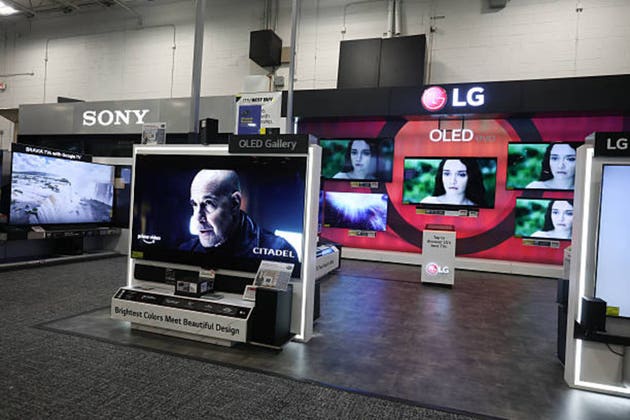
电视多大尺寸合适:京东携知乎等权威机构发布《2025电视观看距离标准》
Xin Lang Cai Jing· 2025-12-15 13:44
Core Insights - The article discusses the launch of the "2025 Television Viewing Distance Standard," which aims to provide a scientific basis for selecting television sizes, moving away from outdated practices and enhancing consumer experience [1][2][12] - The standard encourages a shift from price competition to value competition within the industry, promoting higher quality and better user experiences [1][10][20] Group 1: Standard Overview - The "2025 Television Viewing Distance Standard" integrates parameters such as human eye field of view, screen resolution, HDR dynamic range, and source quality to create a dual model of "comfortable viewing + immersive experience" [2][13] - The assertion that "3 meters allows for a 100-inch TV" is based on rigorous validation, indicating that at this distance, a 100-inch TV can cover 30°–40° of the human eye's main visual field, essential for a cinematic experience [2][13][14] Group 2: Market Impact - Following the standard's release, major brands like Hisense, TCL, and Sony have actively adopted it, with JD.com ensuring full brand coverage of compliant models [5][17] - The sales data from JD.com's 2025 11.11 event shows that the 100-inch TV sales exceeded 60,000 units, indicating a significant market shift towards larger screens [10][20] Group 3: Consumer Experience - The standard provides clear recommendations for viewing distances, allowing consumers to make informed decisions and enhancing their overall viewing experience [3][14] - The introduction of a "100% free delivery and installation" service by JD.com addresses consumer concerns regarding the logistics of purchasing large TVs, ensuring a seamless experience [6][18] Group 4: Industry Transformation - The standards have shifted the focus of competition in the television and display industry from price wars to value-driven enhancements, encouraging brands to prioritize picture quality and scene adaptability [10][20] - The successful implementation of the "2025 Conference Flat Panel/TV Adaptation Guide" further supports the office display market, driving steady demand for related products [10][20]


微软Copilot“强推”至电视端?LG用户反映应用预装且无法卸载
Huan Qiu Wang· 2025-12-15 09:17
Core Viewpoint - Microsoft's Copilot AI chatbot is becoming a controversial feature in Windows 11 and is now extending its reach into the television sector, indicating a broader trend of AI integration in everyday products [1] Group 1: AI Integration in Television - Users have reported that their LG TVs received an update that installed Microsoft's Copilot AI application without an uninstall option, highlighting the growing trend of AI integration in consumer electronics [1] - Although users can choose to ignore the application, the integration of AI into televisions is seen as an inevitable trend [1] Group 2: Market Strategy - Microsoft appears to be promoting Copilot on televisions to capture a larger share of the AI application market, aiming to establish Copilot as the preferred platform for AI queries [1] - The webOS system used by LG TVs is based on Linux, suggesting that Microsoft may be preparing for a broader rollout of Copilot AI applications to the Linux user base, which currently holds a 3% share of the PC market [1] Group 3: Risks for Other Platforms - Other television operating systems may also face the risk of integrating Microsoft's Copilot AI application, which could be problematic for users who prefer not to have AI processing tasks on their televisions [1]

ReelTime's RLTR Stock Surges Past AI Giants Following LG Smart TV Debut of Reel Intelligence
Accessnewswire· 2025-12-12 22:05
RLTR Outperforms NVIDIA (NVDA), Alphabet (GOOGL), Palantir (PLTR), and Meta (META) Amid Surge in Investor Interest following LG Content Announcement. BOTHELL, WASHINGTON / ACCESS Newswire / December 12, 2025 / ReelTime Media (OTCID:RLTR) announced that its stock price surged in trading today, dramatically outperforming major artificial intelligence (AI) equities after the company revealed that content created entirely by its proprietary intelligence platform, Reel Intelligence "RI", has begun featured place ...

特朗普的政策“逆行”,能否让全球燃油车复兴?
Guan Cha Zhe Wang· 2025-12-12 05:09
(文/观察者网 张家栋 编辑/高莘) 日前,英国会计师事务所安永发布一份报告称,由于政策逆转、贸易战以及对电动汽车基础设施和成本 日益增长的怀疑,全球汽车买家正在回归燃油车。 该报告重点提到了美国政策"逆转"是燃油车复苏的关键,事实上,自本月初特朗普政府宣布将放松美国 燃油经济性(CAFE)标准的监管力度,并重新评估上一届政府制定的节能要求后,行业内便普遍将之 看作是特朗普为燃油车提供政策松绑的关键一步。 Pixabay 从今年就任美国总统以来,特朗普对于电动车的打压以及电动车的扶持早已成为公开的战略,但这份单 一市场的政策推动,究竟能否让燃油车在全球"复兴",恐怕仍需要打上一个大大的问号。 从全球市场规模结构和车企的运营与投资逻辑来看,美国市场在短期内或将因政策的变更带来燃油车的 销量回升,但无论在产业还是市场层面,汽车行业电动化的全球趋势显然已经是不可逆的状态。 9月全球电动汽车销量统计 MOTORWATT 值得一提的是,尽管特朗普政府百般阻挠电动化,甚至唱衰电动车市场前景,但全球各主销市场的电动 车销量依然在稳步增长。今年前三季度,全球新能源汽车销量同比大幅增长32%。其中,纯电动车占据 主导地位,销量 ...

智能电视狂卷2025:RGB成新变量,AI和大屏跑出来了
3 6 Ke· 2025-12-11 09:55
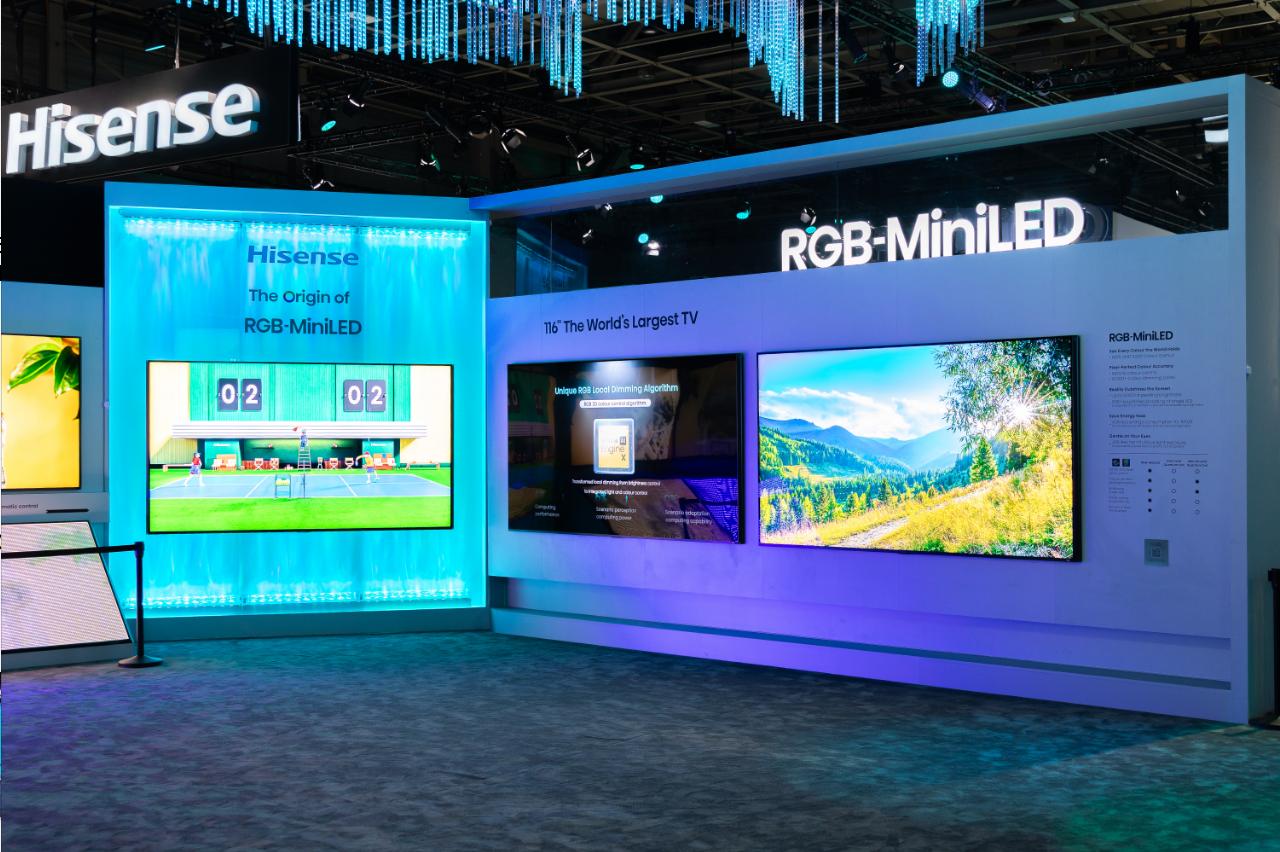
从数据来看,2025 年很难被称作一个电视行业的「好年份」。 TrendForce 发布的报告显示,今年第三季度全球电视出货量仅约 4973 万台,同比下降 4.9%,也是历年同期首度跌破 5000 万台,相比上半年同比增长 2%肯 定难看了一点。而具体到全年,多家调研机构的判断趋于一致:全球电视市场整体承压。 以 Omdia 为例,早期报告预计 2025 年全球电视出货量约 2.08 亿台,同比几乎持平(约 -0.1%)。TrendForce 的最新调查(11 月)则预计全年出货量约 1.95 亿台,同比下滑 1.2%。在消费者换机周期延长、提前透支需求以及国内市场补贴红利的逐步消退,电视市场进入了一个明显的缓冲期。 唯二的市场亮点在太平洋两岸。但今年北美市场相对稳定,但增长有限,国内市场在补贴效应退坡后回归理性,换机节奏明显放缓。 从结果来看,2025 年确实很难说是一个电视大年。但也正是在这样的背景下,今年的电视市场并非无话可说。 按照海信给出的数据,RGB-Mini LED 可以达到 100% 的 BT.2020 超高色域,比 QD-OLED 提升 6%以上,比 QD-Mini LED 提升 16%以 ...

整车厂走向固态电池话语权中枢
新财富· 2025-12-11 08:09
多个方面报道,2024年5月底,我国工信部和财政部拟牵头60亿元专项研发资金支持固态电池技术攻关。据悉,宁德时代、比亚迪、一汽、上汽、卫蓝 新能源和吉利等六家企业获得了政府的基础研发支持,并将于今年9月进行研发专项的中期审查评估。根据消息,预计今年9月完成中试线的验收,并于 2027年完成装车验收。 六家企业中包含了四家车企,这是过去传统电解液锂电池时代不曾出现的。这意味着什么?整车厂是否正在逐步走向固态电池话语权的中枢? 0 1 多维阵营 全球 固态电池 主要玩家分布 来源: IDTechEx 我们把这些公司根据技术路线和参与主体两个维度进行划分,可以得到一张二维的表格。两个维度交叉在一起,才能真正看清当前固态电池产业的力量 分布、竞争结构与主导权所在。 | | 整车厂 | 电池厂 | 上游材料厂 | | --- | --- | --- | --- | | | 丰田、本田、目产、 | 宁德时代、国轩高科、 | | | | 比亚迪、一汽、广汽、 | 孚能科技、亿纬锂能、 | 住友化学、出光兴产、 | | 硫化物 | 现代、宝马、奔驰、 | 松下、三星SDI、LG、 | Solid Power、 | | | | ...


百战百败:欧洲动力电池的时代泥潭
远川研究所· 2025-12-10 13:14
以下文章来源于远川科技评论 ,作者徐珊珊 今年6月的欧洲电池展,大众旗下电池公司 PowerCo 的COO Sebastian Wolf 面对在场同胞毫不客气,表示欧洲在动力 电池环节已经被东亚人远远甩在了后面[1]: 我们正在从老师变成学生。 入职大众前,Sebastian Wolf在博世爬过技术的雪山,在孚能科技趟过业务的草地。这番话的背景是欧洲电池公司接二 连三垮台,2020年至今,中国电池公司在欧洲市场的份额从10%提高到了65%,仅宁德时代一家就占了45%。 作为动力电池产业的老革命,Sebastian Wolf可谓看在眼里,痛在心上。 欧洲车企在电动化上步履蹒跚,但在动力电池这个赛道上,欧洲可谓起步早、决心强、投入大。动力电池既承载着减 碳环保的大义,又肩负着欧洲汽车工业再续辉煌的重任,精神文明物质文明两手都要抓。 过去几年,欧洲大陆围绕动力电池量产开启了浩浩荡荡的制造业复兴运动,既艰苦卓绝、又筚路蓝缕,遗憾的是直到 今天,Made by Europe的量产电芯依然为零。 远川科技评论 . 刻画这个时代(的前沿科技) 目前,全球动力电池装机量TOP10榜单中,中国公司占据六席,日韩公司占据四席,前 ...


【财经分析】中国家电品牌在南美最大市场的竞逐与挑战
Xin Hua Cai Jing· 2025-12-10 08:07
Core Insights - Chinese home appliance companies are transitioning from traditional manufacturers to participants in the green energy transformation, particularly in Brazil, which is the largest appliance market in South America [1][2] - The COP30 conference highlighted the focus on green technologies, with Gree Electric Appliances launching a global initiative to accelerate green alternatives across various sectors [1][2] - The Brazilian market presents significant growth potential for Chinese brands, driven by rising middle-class consumption and ongoing upgrades in air conditioning and television markets [2][10] Group 1: Market Dynamics - Brazil is the largest white goods market in Latin America and a key emerging consumer market globally, with high temperatures and rising energy costs driving demand for air conditioning and televisions [2][10] - The air conditioning penetration rate in Brazil is below 25%, indicating substantial market potential compared to the global average [1] - The competitive landscape is shifting from price-based advantages to value competition focused on technological innovation, localized manufacturing, and brand building [1][2] Group 2: Company Strategies - Gree Electric Appliances has established a strong local presence since 2001, with a production base in Manaus, and reported a 38% revenue growth in 2024, maintaining its leading position in the air conditioning sector [4][10] - TCL has rapidly expanded its air conditioning business, leveraging its television channel advantages, with a projected growth rate exceeding 40% in 2025 [5][6] - Hisense, despite entering the Brazilian market later, achieved approximately 1 billion Brazilian Reais in sales in its first year and plans to expand its product offerings significantly by 2025 [6][7] - Midea operates multiple production bases in Brazil and is investing heavily in local manufacturing, with a goal to become a leading brand in the refrigerator sector within four years [8][10] Group 3: Challenges and Opportunities - The Brazilian market is considered one of the most challenging for home appliance companies due to complex tax systems, high labor costs, and fluctuating currency rates [10][11] - Companies must navigate a fragmented retail structure and establish robust after-sales service networks to build consumer trust [10][11] - The next two to three years are critical for reshaping the competitive landscape in Brazil, with companies needing to excel in energy-saving technologies and localized service networks to gain market share [11][12]