古茗

Search documents
1777家门店,年入63亿!国内最大的中式快餐店,三战港股IPO!
Sou Hu Cai Jing· 2026-01-18 05:16
上市之家获悉,中式快餐品牌老乡鸡近期第三次向港交所递交招股书,中金公司与国泰海通担任联席保荐人。 这一轨迹并非个例,近年来九毛九、蜜雪冰城等餐饮企业均因A股审核严苛转战港股,2025年以来小菜园、古茗、绿茶餐饮等相继登陆港股,推动消费赛 道"港股热"升温。 01 坎坷上市路 老乡鸡的资本化征程堪称"屡败屡战"。2022年5月,其首次向上交所递交A股申请,彼时市场给出180亿元估值,却因证监会直指实际控制人行贿风险、社 保缴纳不规范等45条核心问题,当年8月审核被终止。2023年2月二次冲击A股后,公司于8月主动撤回申请,坦言A股上市周期与战略规划不匹配。 转战港股后,进程依旧坎坷。2025年1月首次递表因未按期更新材料失效,7月更新招股书二次递表仍未能成功推进。截至2026年初第三次递表,胡润研究 院数据显示其估值已腰斩至90亿元。 港股审核对餐饮企业相对宽松,但并非毫无门槛。有券商分析师指出,港股对管理层诚信要求严格,老乡鸡需参考小菜园经验,通过引入职业经理人、设 立独立董事会提升治理透明度,方能应对监管审视。此次募资拟用于供应链强化、门店扩张、数字化升级及品牌推广等,试图借助资本加速全国布局。 02 短板 ...


古茗戚侠:年轻人的消费动机正从为身份买单转向为情绪价值付费
Xin Lang Cai Jing· 2026-01-17 17:24
专题:第27届北大光华新年论坛 1月17日,"第27届北大光华新年论坛"在北京举行,主题为"内需主导,聚力增长:开启'十五五'新征 程"。古茗联合创始人戚侠出席并演讲。 戚侠表示,越来越多的年轻人消费行为转向明显,从几年前热衷讨论名牌包、限量鞋,转向如今更愿意 为能给办公桌增添趣味的好玩"小物件"买单,消费动机正从为身份买单转向为情绪价值付费。 专题:第27届北大光华新年论坛 1月17日,"第27届北大光华新年论坛"在北京举行,主题为"内需主导,聚力增长:开启'十五五'新征 程"。古茗联合创始人戚侠出席并演讲。 戚侠表示,越来越多的年轻人消费行为转向明显,从几年前热衷讨论名牌包、限量鞋,转向如今更愿意 为能给办公桌增添趣味的好玩"小物件"买单,消费动机正从为身份买单转向为情绪价值付费。 他坦言,面对消费不足的行业环境,他对其所在的食品饮料行业依然保有信心,信心根源在于食品饮料 领域仍存在巨大的"价值升级空间"。 戚侠认为,通过聚焦产业升级,能够创造被消费者认可的价值,而"有价值就有付费"。 新浪声明:所有会议实录均为现场速记整理,未经演讲者审阅,新浪网登载此文出于传递更多信息之目 的,并不意味着赞同其观点或证 ...

内需主导,聚力增长丨第二十七届北大光华新年论坛圆满举行
Xin Lang Cai Jing· 2026-01-17 13:45
Core Viewpoint - The 27th Peking University Guanghua New Year Forum focuses on "domestic demand-led growth" as a key theme, aligning with the central economic work conference's emphasis on strengthening the domestic market for the new phase of the 14th Five-Year Plan [1][19]. Group 1: Forum Overview - The forum was held on January 17, 2026, at Peking University, featuring prominent speakers including university officials and industry representatives [3][21]. - The event aims to contribute to the theoretical framework for the 14th Five-Year Plan and stimulate discussions on building a robust domestic market [1][19]. Group 2: Keynote Speeches - Liu Shijun discussed the shift from supply constraints to demand constraints in China's economic growth, emphasizing the need for a focus on consumption and human capital investment [7][24]. - Gao Peiyong highlighted the importance of stimulating residents' consumption as a key driver of economic growth, addressing challenges such as weak consumer confidence and the need for systemic reforms [10][26]. - Liu Qiao analyzed the paradox of low consumer spending in relation to high per capita consumption, suggesting policy reforms to enhance disposable income and consumer rates [12][29]. Group 3: Roundtable Discussion - The roundtable featured discussions on how new supply can create new demand, with industry leaders addressing the structural mismatches in consumer markets [14][32]. - Ma Tiemin pointed out the need for agricultural product market reforms to address supply-demand mismatches, advocating for digital tools and innovative production methods [15][33]. - Other participants emphasized the importance of understanding consumer behavior shifts and the need for companies to adapt their strategies to meet evolving market demands [16][34][35]. Group 4: Future Directions - Zhang Zheng summarized that creating new demand through new supply is a comprehensive process involving value creation, technological empowerment, and supply chain upgrades [18][36]. - The forum underscored the necessity for collaborative efforts among policymakers, capital providers, and entrepreneurs to foster a sustainable environment for innovation and growth [18][36].

东北夫妇卖披萨,要IPO了
3 6 Ke· 2026-01-17 08:41
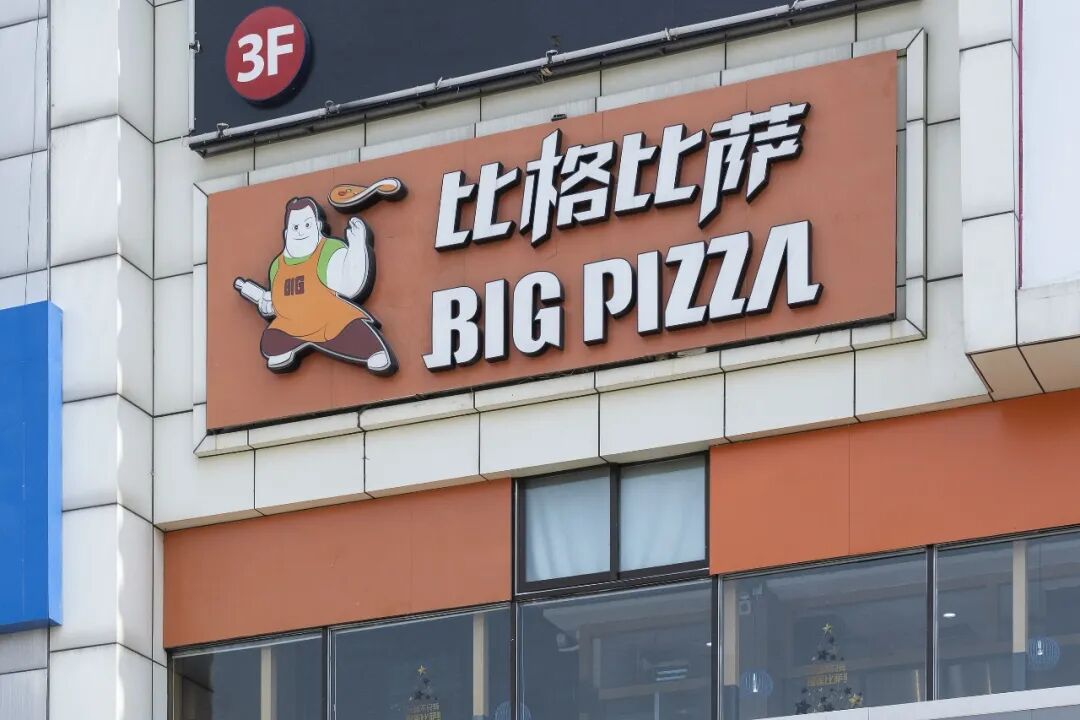
Core Viewpoint - Big Pizza, a local pizza buffet brand founded by a couple from Northeast China, is preparing for an IPO on the Hong Kong Stock Exchange, with CCB International as the sole sponsor [1][4]. Company Overview - Big Pizza was established in 2002 by Zhao Zhiqiang and his wife after they moved from Heilongjiang to Beijing, where they opened their first pizza store near the Beijing Zoo [4]. - The brand focuses on affordable pricing, offering a single buffet meal for around 39 yuan, significantly lower than competitors like Pizza Hut [4][5]. - As of September 2025, Big Pizza operates 342 stores, with 265 being self-operated and a membership base of approximately 9.3 million [9]. Financial Performance - Big Pizza's revenue for 2023, 2024, and the first nine months of 2025 was 944.5 million yuan, 1.147 billion yuan, and 1.389 billion yuan, respectively, with net profits of 47.52 million yuan, 41.74 million yuan, and 51.65 million yuan [9][10]. - The company maintains a gross profit margin of around 80% and has a net profit margin of approximately 5% to 3.7% over the same period [9]. Market Position - Big Pizza is ranked first among local pizza restaurants in China and third overall in the pizza market, holding a market share of 1.2% [9]. - The brand is often compared to "China's version of Salia," appealing to younger consumers with innovative menu items and a family-friendly atmosphere [5][9]. Expansion Plans - The company aims to open over 160 new stores in 2025, nearly matching its total openings over the past 22 years, and plans to reach 1,000 stores by 2028 [5][11]. - Big Pizza is set to enter the competitive Shanghai market, which poses challenges due to higher operational costs and established competitors [11]. Product Strategy - Big Pizza offers a diverse menu with around 130 to 140 SKUs, including unique items like durian pizza and mini pizzas priced at 19.9 yuan [7][9]. - The company follows a product innovation strategy, introducing new items every four months and replacing the least popular ones to achieve a 30% SKU turnover annually [7].
社服行业2026年投资策略:消费复苏分化,关注结构性机会
EBSCN· 2026-01-16 12:05
Core Insights - The report highlights a differentiated recovery in consumer spending, emphasizing structural opportunities within the service sector, particularly in dining, education, and travel industries [3][5]. Group 1: Sector Review - The consumer confidence index in China has shown a slight recovery, but consumer willingness remains cautious, with a notable increase in savings and a decline in credit consumption [9][10]. - Service consumption is growing significantly faster than goods consumption, with a widening gap in growth rates, indicating a shift towards experience and service-oriented spending [21][25]. - Lower-tier cities are outperforming higher-tier cities in terms of consumption growth, driven by rising disposable incomes and stable property values [28][35]. Group 2: Dining Sector - The dining sector is experiencing a weak recovery, with a focus on cost-effectiveness and freshness. Recommendations include high-value brands like Xiaocaiyuan and Guming, as well as industrialized tea brands like Mixue [5][73]. - The average dining price has been under pressure, with a decline from 85 yuan in October 2023 to 73 yuan in November 2025, reflecting a shift towards more affordable dining options [72][76]. - The market share is increasingly concentrated among leading dining enterprises, with the revenue share of large-scale dining businesses rising from 20.2% in 2019 to 28.6% in 2025 [72][73]. Group 3: Education Sector - The education sector is witnessing strong demand, with improved competitive dynamics and reduced uncertainty due to clearer policies. Key players include TAL Education and Xueda Education, which leverage AI capabilities [5]. Group 4: Travel and Hospitality Sector - The domestic leisure travel market is growing, with inbound tourism contributing to incremental growth. Recommendations include focusing on scenic areas with strong operational capabilities like Emei Mountain and Changbai Mountain [5]. - The hotel sector is seeing a gradual recovery, with mid-to-high-end hotels performing better than budget hotels. The average daily rate (ADR) for high-end hotels has returned to pre-pandemic levels [60][63].
“最热闹的地方都不一定能赚到钱了”,茶饮离规模天花板还有多远?
3 6 Ke· 2026-01-16 03:23
Core Insights - The tea beverage industry is experiencing a significant shift from rapid growth to intense competition, with many brands struggling to maintain profitability as the market approaches saturation [2][11][24]. Industry Overview - The tea beverage market has seen a surge in the number of listed companies, with brands like Gu Ming, Mi Xue Ice City, and Ba Wang Tea Sister joining the ranks, bringing the total to six publicly traded companies [2]. - Mi Xue Ice City has expanded to an impressive 47,000 global stores, while Gu Ming has become the second tea brand to reach 10,000 stores [2]. - The market growth rate is projected to slow down significantly, with an expected increase of only 6.4% in 2025, compared to over 20% in previous years [11]. Market Dynamics - The competition has intensified, leading to a phenomenon where many stores are closing or struggling to find tenants, with rental prices dropping by 30% in some areas without attracting new businesses [10][11]. - The average density of tea beverage stores is high, with one store for every 700 people in the target demographic of 15-35 years old [11]. Financial Performance - Major tea brands have reported substantial revenue growth, with Mi Xue Group achieving a revenue increase of 39.3% to 14.87 billion yuan and Gu Ming's revenue rising by 41.2% to 5.66 billion yuan [15][17]. - Despite overall revenue growth, many franchisees are experiencing declining profit margins due to increased competition and the impact of the delivery service wars [20][21]. Delivery Wars Impact - The fierce competition among delivery platforms has led to significant spending, with approximately 65 billion yuan burned in the third quarter alone, benefiting tea brands through increased order volumes [13][14]. - However, the profitability of individual stores is under pressure, as the shift towards delivery often results in lower profit margins compared to in-store sales [20][21]. Investment Trends - Investors are increasingly adopting a speculative approach, focusing on new brands with the potential for high returns, while established brands are seen as less profitable [24][25]. - The emergence of new brands and trends, such as Thai milk tea, is driving interest among franchisees, who are eager to capitalize on the next big opportunity [27][28]. Consumer Behavior - The delivery wars have changed consumer habits, with a growing preference for ready-to-drink beverages, which may have long-term benefits for the industry [23]. - However, there are concerns that the price sensitivity created by heavy discounting during the delivery wars could persist even after subsidies are reduced [21].
受伤的加盟商,狂欢的二手设备贩子——乐乐茶败走中原,一场关于新式茶饮的昂贵清算
3 6 Ke· 2026-01-16 02:30
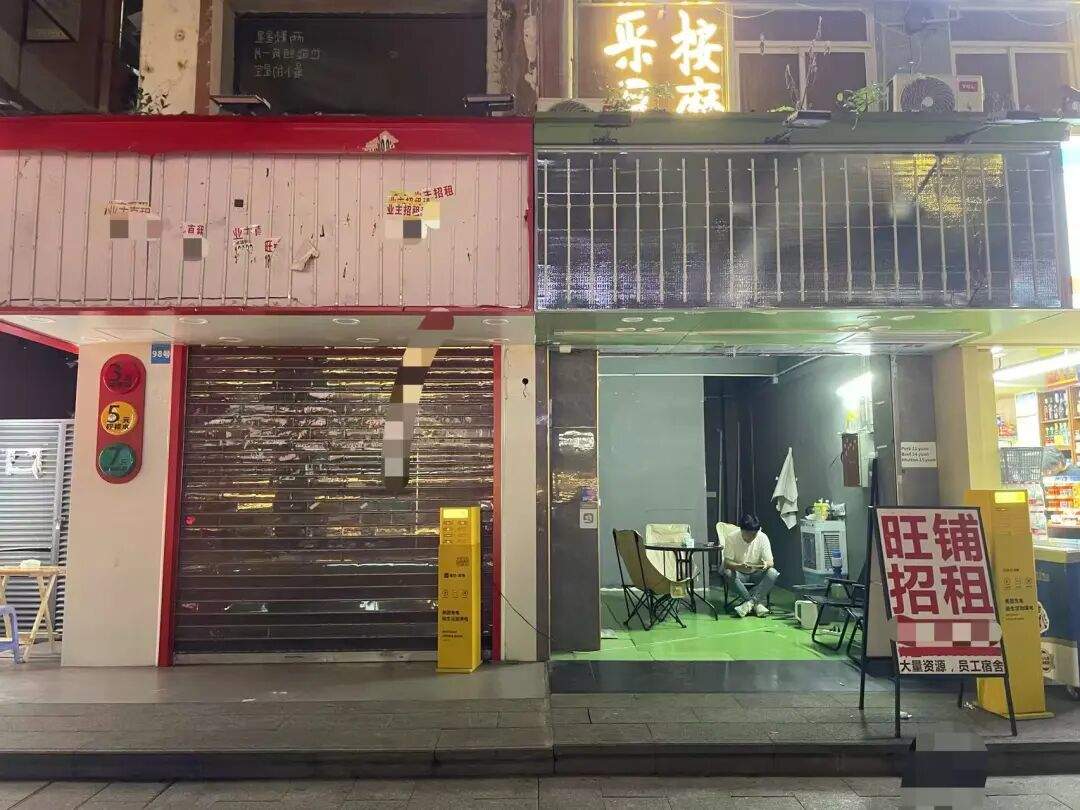
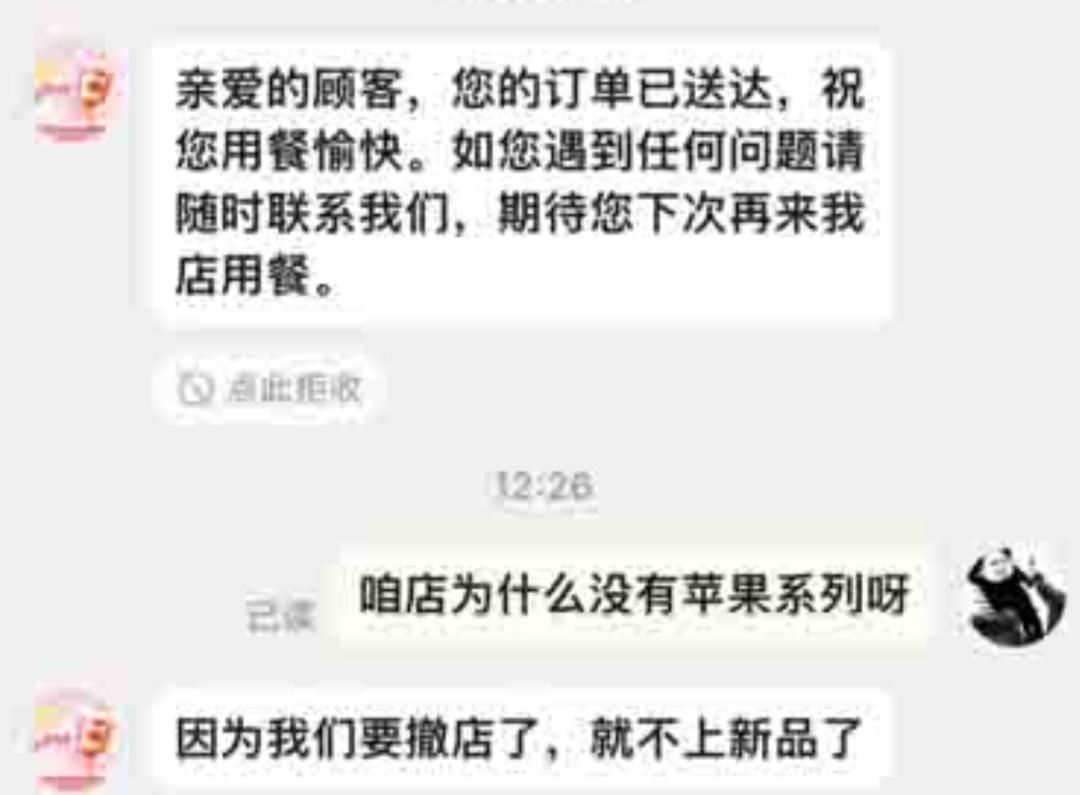
Core Viewpoint - The tea brand Lelecha is facing significant challenges, including store closures and financial losses, leading to concerns about its future in the market [1][3][15] Group 1: Company Performance - Lelecha has officially closed its store in Zhengzhou, with claims from the company that it is not exiting the market but rather adjusting its store presence [1] - The brand has seen a negative net growth in stores, closing 132 locations in 2025, leaving approximately 399 operational stores [2] - Lelecha's financial struggles are compounded by its association with Nayuki, which acquired a 43.64% stake in Lelecha for 5.25 billion yuan, but this partnership has not yielded positive results [3][5] Group 2: Market Dynamics - The new tea beverage market is experiencing a shift from premium offerings to a focus on supply chain efficiency, with competitors like Mixue Bingcheng thriving by minimizing costs [9][15] - The industry is witnessing a significant decline, with over 35,000 stores closing in 2025, indicating a negative net growth despite the opening of over 90,000 new stores [12][15] - Lelecha's attempts to pivot to a franchise model with a low entry cost of 200,000 yuan are criticized as misleading, with actual costs often reaching 400,000 to 500,000 yuan [11] Group 3: Financial Implications - Nayuki's financial reports indicate a substantial adjusted net loss of 917 million yuan in 2024, with Lelecha's losses directly impacting Nayuki's financial health [3][5] - The partnership with Lelecha has turned into a liability for Nayuki, with the potential for significant financial repercussions if performance targets are not met [5][15] - The operational challenges faced by Lelecha, including high logistics costs and a fragmented supply chain, further exacerbate its financial difficulties [10][15]
鸣鸣很忙上市背后:万店连锁告别草莽
Sou Hu Cai Jing· 2026-01-16 02:25
Core Insights - The article emphasizes that after reaching a network of 20,000 stores, the focus shifts from mere expansion to efficiency advantages in the retail sector [3][12][14] Group 1: Company Performance - As of September 30, 2025, the company achieved a GMV of 66.1 billion RMB, a year-on-year increase of 74.5%, and revenue of 46.371 billion RMB, up 75.2% [7] - The adjusted net profit for the same period was 1.81 billion RMB, reflecting a significant increase of 240.8%, with operating cash flow netting 2.19 billion RMB [7][8] - The company’s revenue is projected to grow from 4.286 billion RMB in 2022 to 39.344 billion RMB in 2024, with adjusted net profit rising from 0.081 billion RMB to 0.913 billion RMB [10] Group 2: Store Network and Market Strategy - The company operates 19,517 stores across 28 provinces and all major cities, with approximately 59% located in county towns and rural areas, indicating a strategic focus on high-frequency, cost-sensitive markets [10][12] - The company has signed contracts for over 20,000 stores as of September 2025, positioning itself as the largest chain retailer in the Chinese snack food and beverage sector [12][14] - The membership base exceeds 180 million, with a 77% repurchase rate over the past 12 months, indicating strong customer loyalty [10] Group 3: Efficiency and Supply Chain Management - The company’s operational efficiency is highlighted by a stock turnover period of 11.6 days and logistics costs accounting for approximately 1.7% of revenue [16] - The company collaborates with over 2,500 suppliers and maintains a SKU count of 3,997, with about 34% being custom products, which helps stabilize price differences [16][20] - The company employs a digital infrastructure that integrates procurement, warehousing, transportation, and store operations, enhancing overall efficiency [22] Group 4: Franchise Model and Management - The company has shifted its franchise model by eliminating franchise and management fees, focusing on long-term operational quality rather than short-term revenue [26][28] - The company emphasizes a comprehensive support system for franchisees, including site selection, standardized training, and ongoing operational guidance, aiming to ensure franchisee profitability [28] - The approach to franchising is evolving, with a focus on making the franchise process a controllable system, thereby challenging the traditional negative perceptions associated with franchising in the industry [26][28]

创始人张勇,“重新”掌舵870亿海底捞
Sou Hu Cai Jing· 2026-01-16 01:50
Core Insights - The changing consumer preferences are reflected in the shifts within the dining market, indicating that no single restaurant format can remain dominant indefinitely [1] - The current best solution for the restaurant industry is a focus on supply chain and standardization, which has led to higher valuations for supply chain companies compared to traditional restaurant businesses [1] - The capital market's preference has shifted towards tea beverage companies, which are currently valued higher than traditional dining establishments, a trend unlikely to reverse in the short term [1] Company Analysis - Despite achieving record performance, leading restaurant chain Haidilao has not seen a recovery in its valuation, indicating a disconnect between operational success and market perception [3] - Haidilao's rapid expansion from over 300 stores at its IPO to 1,300 stores by 2022 did not translate into proportional revenue growth, resulting in a net loss of 4.163 billion yuan in 2021 [6] - Under the leadership of Yang Lijuan, Haidilao shifted from aggressive expansion to a more conservative approach, leading to a revenue recovery to 41.453 billion yuan and a net profit of 4.499 billion yuan by 2023 [9] Market Dynamics - The restaurant industry is experiencing accelerated rotation effects, with the tea beverage sector expanding more easily and attracting more capital due to lower investment requirements compared to the hot pot industry [12] - Haidilao's attempts to diversify through the "Red Pomegranate Plan" and the introduction of multiple brands have not yielded the expected results, with revenue and net profit showing only slight increases and subsequent declines [10] - The valuation of tea beverage companies like Mixue Ice City is nearly double that of Haidilao, despite Haidilao's larger revenue scale, highlighting the market's preference for lighter asset models [12] Consumer Behavior - Changes in consumer preferences are causing significant impacts on the restaurant industry, with a noted decline in the performance of previously popular snack brands due to shifting tastes [14] - Haidilao's table turnover rate increased to 4.1 times per day in 2024 but fell to 3.8 times in the first half of 2025, indicating a decrease in customer traffic and average daily sales [14] - The higher price point of hot pot compared to tea beverages makes consumers more sensitive to pricing, contributing to the challenges faced by Haidilao [14]

财经观察|“手工现包”的水饺,冲击港股IPO!消费品牌密集登陆资本市场
Sou Hu Cai Jing· 2026-01-15 10:46
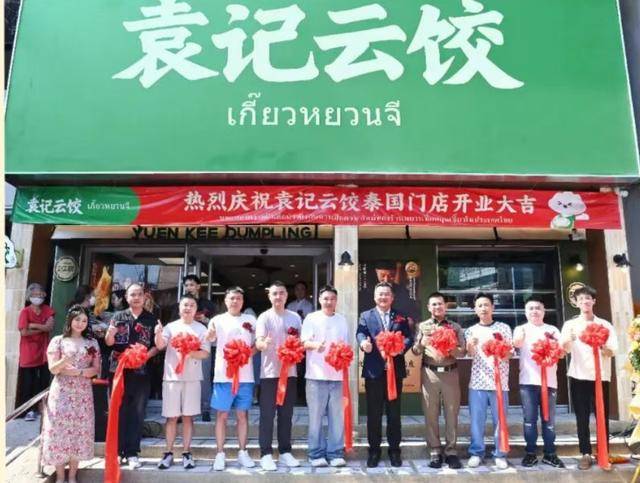
"我很喜欢他家的饺子""我觉得很普通""但小朋友爱吃""我觉得有点小贵"⋯⋯ 袁记云饺的口碑到底如何,十个消费者,答案可能都不一样。但这家成立不到9年的连锁饺子店,如今 已经在全球拥有4266家门店,成为门店最多的中式快餐企业。 1月12日,袁记食品集团股份有限公司(以下简称袁记云饺)正式向香港联合交易所递交招股书,开启 港股IPO冲刺之路。 不到9年的"饺子王国"成长记 袁记云饺的故事始于2017年4月,创始人袁亮宏在广东佛山注册成立佛山市袁亮宏餐饮管理有限公司, 最初的注册资本仅10万元,由其配偶杨煜女士全资持有。彼时,中式快餐市场虽已初具规模,但"手工 现包"的细分赛道仍属蓝海,袁记云饺凭借"新鲜可见、性价比高"的定位,迅速在当地站稳脚跟。 2018年是袁记云饺的首个关键节点:门店总数突破100家,同时苏州袁记工厂正式投产,为后续规模化 扩张奠定了供应链基础。2020年,佛山元宏工厂投入生产,进一步强化了核心食材的自主供应能力。 2021年,品牌迎来爆发式增长,门店总数突破1000家,从区域品牌一跃成为全国性连锁品牌。 2023年,袁记云饺完成A轮融资,引入黑蚁资本等机构,资本的注入加速了其扩张步伐。2 ...