
极氪

Search documents
王石回应离婚传闻:假的;雷军回应“小米续航电耗超特斯拉”:标题不完整容易引误解;豆包相关负责人否认“豆包AI眼镜”即将出货丨邦早报
创业邦· 2026-01-06 00:07
Group 1 - ByteDance's "Doubao" AI glasses are rumored to be entering the shipping stage, but the company denies any sales plans at this time [2] - Xiaomi's founder Lei Jun clarified that his statement regarding Xiaomi's performance in battery life and energy consumption compared to Tesla was misrepresented [3] - Alibaba is launching a service to help restaurants utilize AI for showcasing their environments, aiming to compete with Meituan in the dining sector [8] Group 2 - Tesla's Shanghai Gigafactory is projected to contribute over 50% of Tesla's global deliveries in 2025, with an estimated 851,000 units delivered from this facility [10] - Xpeng Motors announced that the 2026 model of the P7+ has completed trial assembly in Austria and will be launched in China on January 8 and in Europe on January 9 [10] - Honor's executive responded to skepticism about Android's capability to produce better products than Apple's Air, asserting that Honor has achieved comparable results [9] Group 3 - McDonald's in Hong Kong announced an average salary increase of 3% for management staff and will distribute HKD 500 bonuses to over 12,000 employees [11] - Beijing's AI core industry is expected to reach a scale of 450 billion yuan by 2025, with over 2,500 companies in the sector [23] - The film "Zootopia 2" has become the highest-grossing imported film in Chinese history, surpassing 4.2502 billion yuan in total box office [23]

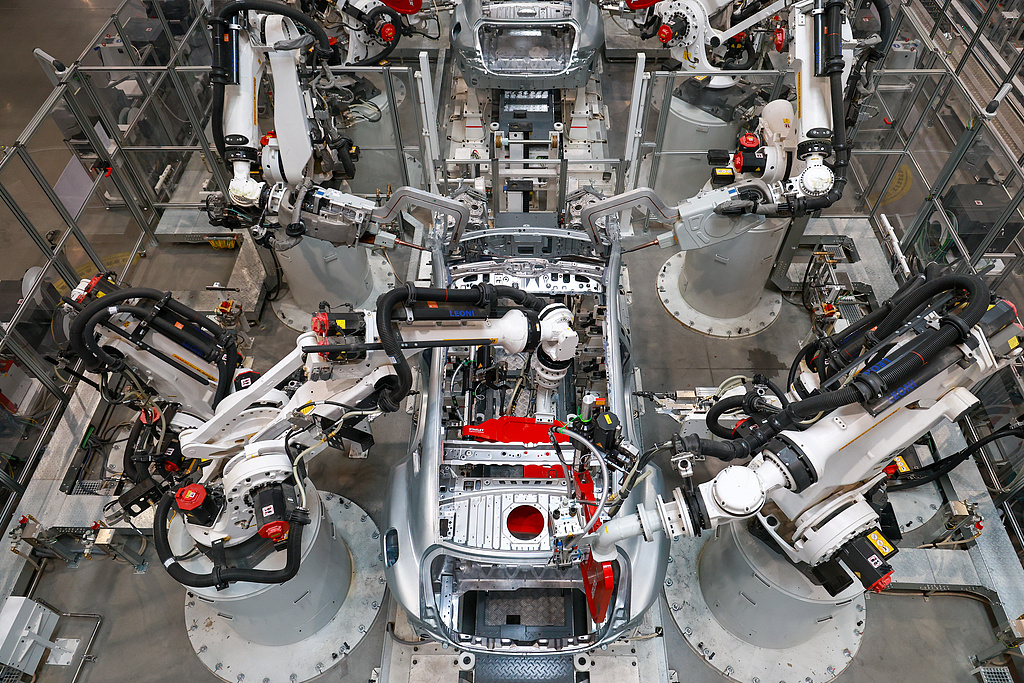
财经观察:德媒反思欧洲错过“黑灯工厂”时代
Huan Qiu Shi Bao· 2026-01-05 23:00
Core Viewpoint - The article highlights the urgent need for European policymakers to recognize and adapt to the transformative concept of "dark factories," which are highly automated and require minimal human intervention, as Europe risks falling behind in the global industrial landscape [1][6]. Group 1: Definition and Characteristics of "Dark Factories" - "Dark factories" refer to modern manufacturing facilities that operate almost entirely without human intervention, utilizing robots, sensors, AI systems, and digital twin technology for real-time coordination [3]. - These factories can run 24/7 without the need for traditional lighting, heating, or human shifts, significantly reducing operational costs while achieving quality standards that traditional manufacturing struggles to meet [3][4]. Group 2: Global Competition Landscape - The competition in the "dark factory" and smart manufacturing sector shows a clear divide: China has made significant advancements in technology application, particularly in electronics, automotive, and home appliances, supported by a large market and government backing [4]. - The U.S. leads in research and application, especially in high-precision manufacturing sectors like aerospace, while Europe has a strong foundation in automation technology but is lagging in practical application [4][5]. Group 3: Challenges Facing Europe - Europe has historically relied on outsourcing labor-intensive production to low-wage countries, but "dark factories" challenge this logic as production is now shifting towards locations with reasonable energy prices and stable regulatory environments [4][5]. - High energy costs, insufficient policy coordination, and societal concerns about unemployment hinder the widespread implementation of "dark factories" in Europe, which remains largely limited to pilot projects [5][9]. Group 4: Economic Implications and Future Outlook - The core advantages of "dark factories" include high energy efficiency and low operational costs, which are crucial for addressing Europe's energy crisis and labor shortages due to an aging population [7]. - The market for "dark factories" is projected to grow from $120 billion to nearly $200 billion by 2030, indicating a significant opportunity for industries that successfully implement automation [10]. Group 5: Strategic Recommendations for Europe - European policymakers and industry leaders are urged to support small, flexible automation enterprises that cater to local markets, rather than attempting to replicate China's large-scale industrial model [12]. - A cohesive political consensus and accelerated decision-making processes are essential for Europe to adapt to the new competitive landscape, which has shifted from labor cost competition to energy and automation collaboration [12].
德系豪华车新年搞“突袭”?宝马开年官降最高30万
Zhong Guo Jing Ji Wang· 2026-01-05 11:49
Core Viewpoint - BMW has initiated a significant price reduction across 31 key models, with discounts reaching up to 300,000 yuan, marking a departure from its previous stance against price wars in the luxury car market [1][4]. Group 1: Price Reduction Details - The price cuts affect a wide range of models, with reductions generally exceeding 10%, and 24 models seeing cuts over 10%, while 5 models have reductions over 20% [2]. - The model with the largest price drop is the BMW i7 M70L, which saw a reduction from 1.899 million yuan to 1.598 million yuan, a decrease of 301,000 yuan [3][4]. - The entry-level BMW 225L M Sport model's price was reduced from 259,900 yuan to 208,000 yuan, lowering the entry barrier for consumers [2]. Group 2: Market Context and Strategy - BMW's price reduction is framed as a "value upgrade" rather than a price war, indicating a strategic response to market dynamics [4]. - The luxury car market in China is undergoing rapid restructuring, with traditional German brands like BMW, Mercedes-Benz, and Audi facing declining sales, as evidenced by a 14.7% drop in BMW's sales from January to November 2025 [6]. - The rise of Chinese brands, which have seen significant sales growth, poses a challenge to established luxury brands, with companies like Hongmeng Zhixing and Zeekr achieving sales of 589,000 and 575,000 units respectively in 2025 [7][8]. Group 3: Regulatory Environment and Implications - The Chinese government has been actively regulating price wars in the automotive sector, emphasizing compliance with pricing guidelines to promote healthy market development [9]. - BMW's decision to lower prices may attract consumer interest in the short term but could undermine its brand's pricing integrity and consumer perception in the long run [9]. - The competitive landscape may prompt other luxury brands like Mercedes-Benz and Audi to reconsider their pricing strategies in response to BMW's actions, potentially reshaping the market dynamics further [10].
元旦新能源车市:购置税正式开收,车企花式“兜底”
第一财经· 2026-01-05 08:26
Core Viewpoint - The article discusses the impact of the new electric vehicle (EV) purchase tax policy and subsidy changes in 2026, highlighting how these changes are prompting car manufacturers to increase promotions to attract buyers during the New Year period [3]. Group 1: Policy Changes - Starting in 2026, the EV purchase tax incentive has been reduced from full exemption to a 50% reduction (5% tax rate) [3][5]. - The "Two New" policy has shifted from fixed subsidies to a percentage-based subsidy based on vehicle price, although the maximum subsidy remains unchanged [3][5]. - The new purchase tax policy is expected to increase the cost of purchasing EVs, with the tax for a vehicle priced at 31.98 million yuan being approximately 14,200 yuan [11]. Group 2: Market Response - Car manufacturers are ramping up promotions to attract hesitant buyers, with many offering cash discounts and trade-in subsidies [5][6]. - For example, Xiaopeng Motors is offering a cash discount of 3,000 yuan and a trade-in subsidy of 3,000 yuan, totaling around 6,000 yuan in discounts [5]. - Li Auto has different discount policies for various models, with the L6 model seeing a price drop of 38,000 yuan [6]. Group 3: Consumer Behavior - There has been an increase in consumer inquiries and test drives during the New Year period, indicating heightened interest due to the policy changes [4][5]. - Many consumers are still in a wait-and-see mode, comparing different brands' promotions before making a purchase decision [6][8]. - Despite the increased costs from the new tax, many consumers are still purchasing vehicles, as seen in the sales performance of brands like NIO and Hongmeng Zhixing [8][11]. Group 4: Sales Performance - NIO's sales during the New Year period were robust, with reports of high foot traffic and test drive requests [7][8]. - In Guangzhou, a store sold over 10 units of the new Aion model in a single day, demonstrating strong demand despite the new tax [11]. - Overall, the article indicates that while the new tax has raised costs, many brands are successfully maintaining sales momentum through strategic promotions and consumer engagement [9][11].



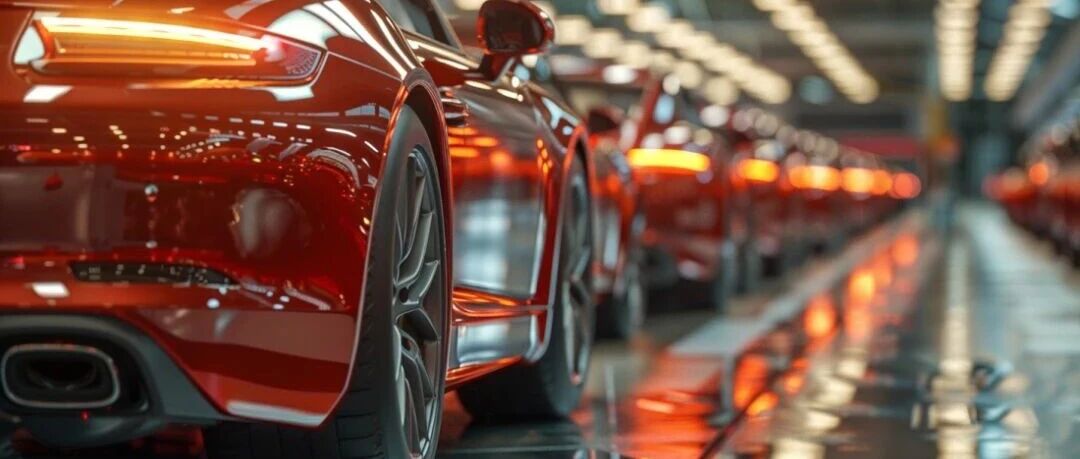
极氪8X官宣:超级电混高性能旗舰SUV
Feng Huang Wang· 2026-01-05 07:53
不同于极氪9X的"超豪华旗舰"路线,极氪8X主打高性能旗舰SUV标签,强调公路操控与越野能力。 2025年12月31日,极氪在一则预告中展示了新车的尾部设计。其尾灯造型与品牌旗舰SUV极氪9X高度 相似,但新车尾部线条更为圆润、弧度更大,整体采用了流线型设计。 凤凰网科技讯1月5日,极氪官方宣布,"2026年最值得期待的车"来了:超级电混高性能旗舰SUV——极 氪8X。 ...

元旦新能源车市:购置税正式开收,车企花式“兜底”
Di Yi Cai Jing· 2026-01-05 07:47
Core Insights - The new policy for electric vehicle (EV) purchase tax has been implemented in 2026, reducing the previous full exemption to a 50% reduction, resulting in a 5% tax rate for consumers [2][4] - The subsidy policy has shifted from fixed amounts to a percentage of the vehicle price, although the maximum subsidy remains unchanged, leading to a decrease in support for lower-priced models [2][4] Group 1: Market Reactions - Car manufacturers and dealerships are increasing promotional efforts to attract hesitant buyers, aiming for a strong start to the 2026 market [2][3] - During the New Year holiday, there was a notable increase in customer inquiries and test drives, with sales staff working in larger numbers to accommodate demand [3][5] - Many dealerships are advertising their sales achievements to draw in more customers, with some offering cash discounts and trade-in subsidies [3][4] Group 2: Specific Company Strategies - Li Auto is offering varying discounts based on model, with significant reductions for popular models like the L6 and L7 [4] - NIO and other new energy brands are implementing "bottom line" measures to offset the increased purchase tax, such as cash subsidies and price reductions [6][7] - Tesla has not introduced any compensatory measures for the new tax policy but continues to see strong customer interest and sales [7] Group 3: Sales Performance - Some dealerships reported high sales volumes during the holiday, with one store selling over 10 new energy vehicles in a single day [8][9] - Despite the increased costs from the new tax, many brands are still experiencing robust sales, indicating strong market demand [8][9] - The introduction of new models and promotional strategies is expected to maintain consumer interest and sales momentum in the coming months [10][11]
“试驾排到凌晨一两点”,20余家车企推购置税托底
Di Yi Cai Jing· 2026-01-05 04:29
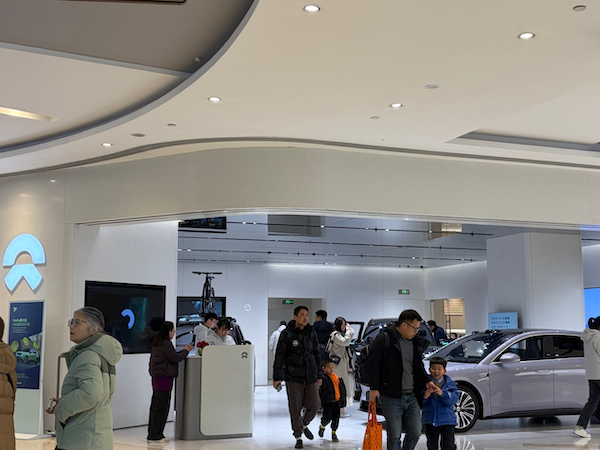
Core Viewpoint - The sales performance of new energy vehicle (NEV) brands, including NIO, Tesla, and Zeekr, remains strong despite upcoming policy changes regarding purchase tax and subsidies in 2026 [3][4][5] Group 1: Sales Performance - NIO's store in Shanghai experienced high customer traffic and demand for test drives during the New Year holiday, indicating robust consumer interest [1] - Other new energy vehicle brands, such as Tesla and Zeekr, also reported increased customer flow during the same period, suggesting a general trend across the industry [3] Group 2: Policy Changes - In 2026, two significant policy changes will affect the NEV market: the reduction of the vehicle purchase tax from full exemption to a 5% rate, and a shift in subsidy structure from fixed amounts to percentage-based subsidies [3] - Despite these changes, sales data from the New Year period indicate that the impact on market sales has been limited, as many new energy vehicles fall within the price range that still qualifies for full subsidies [3] Group 3: Manufacturer Responses - NIO has introduced a subsidy of 2,000 yuan to offset the increased purchase tax for its models, such as the Firefly priced at 119,800 yuan [4] - Zeekr has implemented a direct price reduction strategy to counteract the tax increase, offering significant discounts on tax payments [4] - Xiaomi Auto is focusing on attractive financing options, particularly for SUV models, to mitigate the impact of the new tax policy [4] Group 4: Market Coverage - Over 20 car manufacturers, including major players like Li Auto, NIO, and Zeekr, have adopted purchase tax "safety net" policies to support consumers [5] - Tesla, while a leading player in the NEV market, has not introduced any such measures, yet its sales performance remains unaffected during the holiday period [5]

“试驾排到凌晨一两点”,20余家车企推购置税托底
第一财经· 2026-01-05 04:08
Core Viewpoint - The article discusses the impact of new policies on the electric vehicle (EV) market in China, highlighting that despite changes in tax incentives and subsidies, consumer demand remains strong, as evidenced by high foot traffic in EV showrooms during the New Year holiday [5][6]. Group 1: Market Demand - NIO's showroom in Shanghai experienced high customer traffic and test drive requests during the New Year holiday, indicating robust consumer interest in EVs [3][5]. - Other new energy vehicle brands, including Tesla and Zeekr, also reported increased customer flow, suggesting a general trend of strong demand across the sector [5]. Group 2: Policy Changes - In 2026, two significant policy changes were introduced: the reduction of the new energy vehicle purchase tax from full exemption to a 5% rate, and a shift in subsidy structure from fixed amounts to a percentage of vehicle price [5][6]. - Despite these changes, many new energy vehicle sales representatives indicated that the impact on sales was limited, as many vehicles priced above 16.67 million yuan still qualify for full subsidies [5][6]. Group 3: Manufacturer Responses - NIO has implemented a 2,000 yuan subsidy to offset the increased purchase tax for consumers, demonstrating proactive measures to maintain sales [6]. - Zeekr has introduced direct price reductions to counteract the tax changes, while other brands like Xiaomi are offering attractive financing options to enhance vehicle affordability [7]. - Over 20 manufacturers, including NIO, Li Auto, and Changan, have adopted purchase tax "safety net" policies to mitigate the impact of the new tax regulations [7]. Group 4: Tesla's Position - Tesla, despite being a leading player in the EV market, has not introduced any "safety net" policies in response to the new tax regulations, yet its sales performance remains strong, with no decline in customer traffic reported during the holiday period [7].
元旦假期乘用车需求情况跟踪
数说新能源· 2026-01-05 03:02
Group 1: Demand Situation During New Year - Overall passenger car demand during the 2026 New Year holiday was relatively weak, with only a few brands like Geely Galaxy, Zeekr, and Tesla seeing some customer flow [1] - New energy vehicle orders saw a significant decline, with daily electric vehicle orders dropping by 30%-50% and gasoline vehicle orders down by 20%-30% [1] - The main reason for the decline was consumer reaction to the half-price vehicle purchase tax policy, with many customers from the previous year not quickly converting their orders [1] Group 2: Future Outlook - Many automakers have set significant growth targets for 2026, but with current weak orders, manufacturers are likely to implement promotional policies to ensure sales [2] - There is still demand for car purchases during the New Year, and combined with promotions from manufacturers and dealers, a gradual recovery is expected [2] Group 3: Price Outlook - The first quarter is expected to see downward pricing and inventory clearance, with current discounts being reasonable [3] - The single vehicle subsidy from the purchase tax policy is around 4%-5%, and as long as it does not lead to losses for manufacturers and dealers, it should comply with regulations [3] Group 4: Impact of Raw Material Price Increases - In January, automakers are focused on inventory digestion, and end consumers have not yet felt the impact of price increases [4] - Any potential price hikes are expected to occur after March, coinciding with the new car release cycle [4] Group 5: Annual Demand Outlook - The total domestic passenger car registration volume in 2026 is expected to decline slightly by 2%-3%, making it difficult to match 2025 levels [5] - Gasoline vehicle sales are projected to drop by 1.5-1.8 million units, creating additional space for new energy vehicles, which are expected to grow by 5%-10% [5] - The market share of plug-in hybrids is anticipated to increase from 20% to 25%, while pure electric vehicles are expected to maintain around 35% market share, with plug-in hybrids having a greater impact on conservative gasoline vehicle users [5]

观车 · 论势 || 疾风知劲草,新局自此开
Zhong Guo Qi Che Bao Wang· 2026-01-05 01:24
Core Viewpoint - The Chinese automotive industry in 2025 is characterized by a "reversal," with a shift from irrational competition and price wars to a more regulated and innovative landscape [1][5]. Group 1: Industry Regulation and Order - The internal forces seeking order have awakened, leading to a collective consensus against "involution" in the industry, with various government departments implementing measures to regulate competition [1][2]. - The Ministry of Industry and Information Technology and other agencies have introduced comprehensive governance measures to address irrational competition, resulting in a significant reduction in promotional pricing and discounts in the passenger car market [1][2]. Group 2: Corporate Integration and Efficiency - Major automotive companies are undergoing integration to enhance efficiency and reduce costs, as seen with Geely's integration of Zeekr and NIO's consolidation of brands [2]. - The trend of corporate integration reflects a consensus among automakers to pool resources and strengthen their competitive positions in the market [2]. Group 3: Innovation and Technology - Innovation is driving the industry forward, with advancements in technology making features like assisted driving more accessible, as evidenced by a 64% penetration rate of combined assisted driving vehicles in the new car market [3]. - The automotive industry's boundaries are blurring as companies expand into areas like robotics and smart devices, indicating a long-term evolution of technology and business models [3]. Group 4: Market Expansion and Globalization - Incentive policies such as trade-in programs are effectively stimulating the existing market, while the expansion of charging networks and sales channels is awakening the potential of county-level markets [4]. - China's automotive exports reached 6.343 million units in the first 11 months of the year, marking an 18.7% year-on-year increase, with a shift towards new export models like technology and localized production [4]. Group 5: Future Outlook - The automotive industry is expected to continue addressing "involution" in 2026, with new guidelines being introduced to ensure compliance in pricing behavior [5]. - The industry aims to achieve stable growth while navigating uncertainties such as policy changes and international market conditions, striving for a more competitive and resilient automotive landscape [6].