
安踏

Search documents
美团管理层两次会见圣保罗市长,加速进攻巴西;30亿美元预估市值,东南亚企业在美国规模最大上市交易或诞生丨Going Global
创业邦· 2025-09-14 11:38
Core Insights - The article highlights significant developments in the global expansion of various companies, focusing on their strategies, market performance, and regulatory challenges. Group 1: Company Developments - SHEIN responded to allegations of tax evasion in the UK, asserting compliance with local laws and reporting a global sales figure of $38 billion in 2024, an 18% increase from the previous year [5][6] - TikTok has initiated a new data center project in Finland to comply with EU regulations, with its monthly active users in Europe surpassing 200 million, a significant increase from 175 million the previous year [8] - Temu reported over 115 million monthly active users in the EU, with Germany and France being key markets, while also implementing price reductions in the US to regain market share after a sales decline [10][11] Group 2: Market Expansion and Investments - Meituan's Keeta is accelerating its entry into the Brazilian market, with plans to invest $1 billion over five years and expand its team to 1,000 employees by year-end [18][22] - Cainiao's CEO announced plans to replicate Chinese supply chain expertise in overseas markets, with a 200% increase in external orders for local express services since April [23][25] - Anta plans to open 1,000 stores in Southeast Asia over the next three years, with a focus on expanding its brand presence in the region [32][34] Group 3: Regulatory and Trade Issues - Nearly half of US companies surveyed are calling for the elimination of tariffs on Chinese goods, citing significant uncertainty in trade relations [37][39] - Mexico plans to impose a 50% tariff on key imports from countries without trade agreements, directly impacting Chinese imports [40][41] Group 4: Financing and IPOs - GIC and SoftBank are considering selling their stakes in Vietnamese fintech company VNLife, which could be valued at over $1 billion [51][52] - Carro, a major Southeast Asian used car platform, is planning to enter the Australian market and pursue a dual listing [53][55] - Lendbuzz has filed for an IPO in the US, reporting a 38% increase in revenue for the first half of 2025 [58]



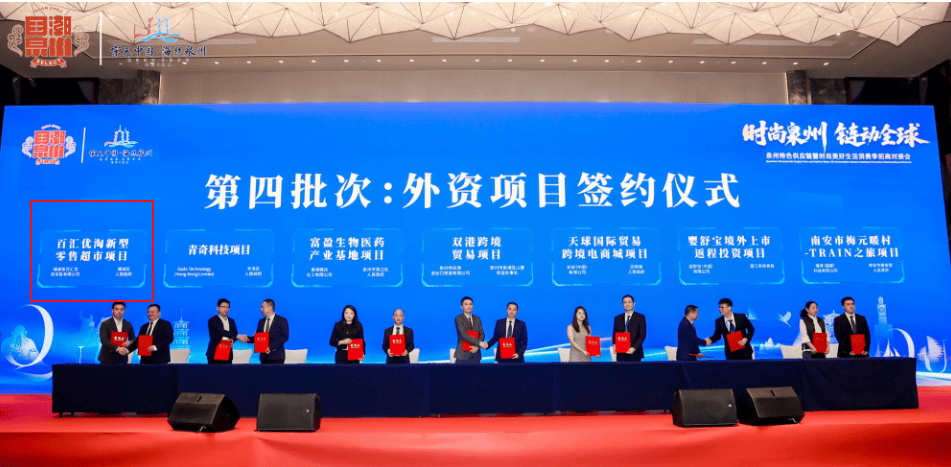
泉州即时零售市场热潮涌动!「百汇优淘」超市将进驻鲤城江南!朴朴、元初、大润发……
Sou Hu Cai Jing· 2025-09-13 00:16
Group 1 - The core viewpoint of the article highlights the rapid growth and competition in the instant retail market in Quanzhou, driven by new projects like the Baihui YouTao supermarket and the increasing demand for fast delivery services [1][3] - Baihui YouTao, a new retail supermarket project, is set to invest $20 million in the renovation and management of the Baihui Building in Quanzhou, focusing on community discount supermarkets [1][3] - The Quanzhou area is experiencing a surge in instant retail, with major players like Meituan, Alibaba, and JD.com heavily investing in marketing and operational strategies to capture market share [5][8] Group 2 - Instant retail platforms like Pupu Supermarket have gained significant traction, achieving over 16,000 orders on its opening day in Quanzhou, showcasing the demand for quick delivery services [10] - Traditional supermarkets, such as RT-Mart, are also adapting to the instant retail trend by enhancing their online services and implementing efficient delivery systems [11] - The overall instant retail market in China is projected to reach a scale of 1.5 trillion yuan by 2025, with an annual growth rate of approximately 25% [12] Group 3 - Brands are increasingly leveraging instant retail to enhance customer experience, with companies like Anta and Aokang achieving rapid delivery times, thus transforming consumer purchasing habits [16][17] - The integration of logistics technology is crucial for the success of instant retail, allowing for efficient order processing and delivery [17] - The future of instant retail is expected to focus not only on speed but also on service quality, with innovations like AR for customer engagement and flexible return policies being tested [18]


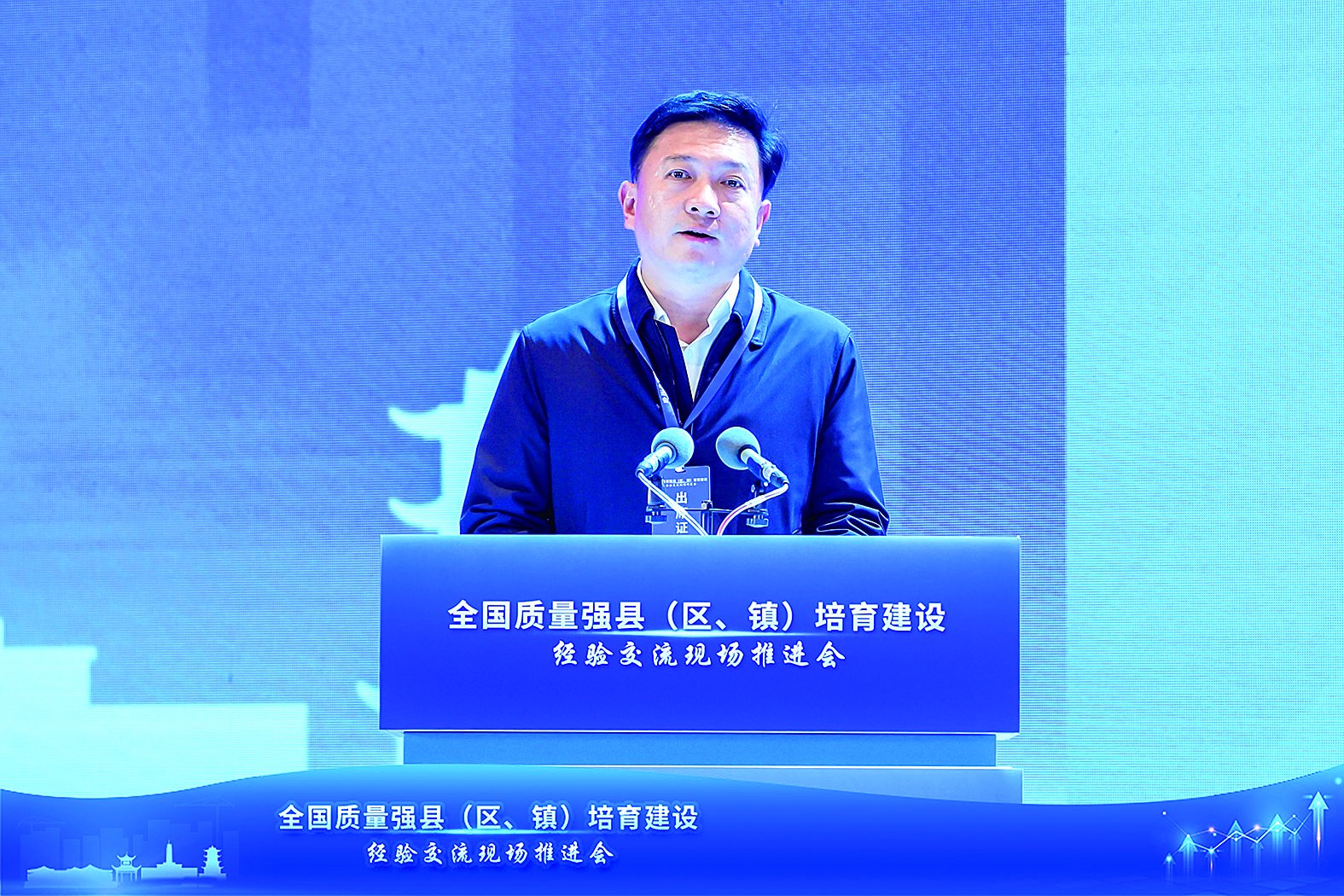
创新发展“晋江经验” 乘风破浪再续辉煌—— 福建晋江质量强市工作纪实
Zhong Guo Zhi Liang Xin Wen Wang· 2025-09-12 05:51
Core Viewpoint - Jinjiang City is recognized as a model for quality development in China, emphasizing the integration of quality into urban development and the promotion of high-quality economic growth through strategic initiatives and policies [1][5][28]. Group 1: Quality Development Strategy - Jinjiang has transitioned from a "Quality First" approach to a "Brand Strong City" strategy, focusing on quality as the core driver of economic growth [5][6]. - The city has established a modern industrial system centered around four leading industries (textiles, footwear, building materials, and food) and three emerging industries (integrated circuits, smart equipment, and healthcare) [8][9]. - Jinjiang's commitment to quality has led to the establishment of a "Quality Strong City" leadership group to enhance coordination and resource allocation for quality initiatives [7][9]. Group 2: Brand and Standardization - Jinjiang has cultivated a strong brand presence, with notable companies like Anta and Hengan leading the way, contributing to a significant increase in brand value and market recognition [12][13]. - The city has implemented a "Standard Leader" initiative, encouraging enterprises to develop advanced standards, resulting in participation in the formulation of numerous national and international standards [13][14]. Group 3: Innovation and Intellectual Property - Jinjiang has been recognized as a national model for intellectual property protection, with a focus on transforming intellectual property into tangible assets for businesses [14][18]. - The city has established a rapid intellectual property rights protection center and a knowledge property operation service platform to facilitate innovation and commercialization [14][18]. Group 4: Financial Support and Services - Jinjiang has introduced innovative financial products like "Quality Loans," integrating quality and brand value into credit assessments, resulting in substantial funding for local enterprises [18][19]. - The city provides tailored services for businesses, including quality management training and support for small and micro enterprises, enhancing their operational capabilities [17][19]. Group 5: Collaborative Innovation and Industry Resilience - Jinjiang promotes a collaborative model among leading enterprises, research institutions, and regulatory bodies to address common industry challenges and enhance overall quality [26][27]. - The city has established industry alliances to foster cooperation and innovation, particularly in the footwear sector, enhancing the resilience of the supply chain [21][26]. Group 6: Green Transformation - Jinjiang is actively pursuing green development initiatives, aligning with national carbon reduction goals and establishing a carbon footprint certification system for the textile industry [27][28]. - The city aims to position itself as a leader in sustainable manufacturing, enhancing its competitiveness in the global market [27][28].
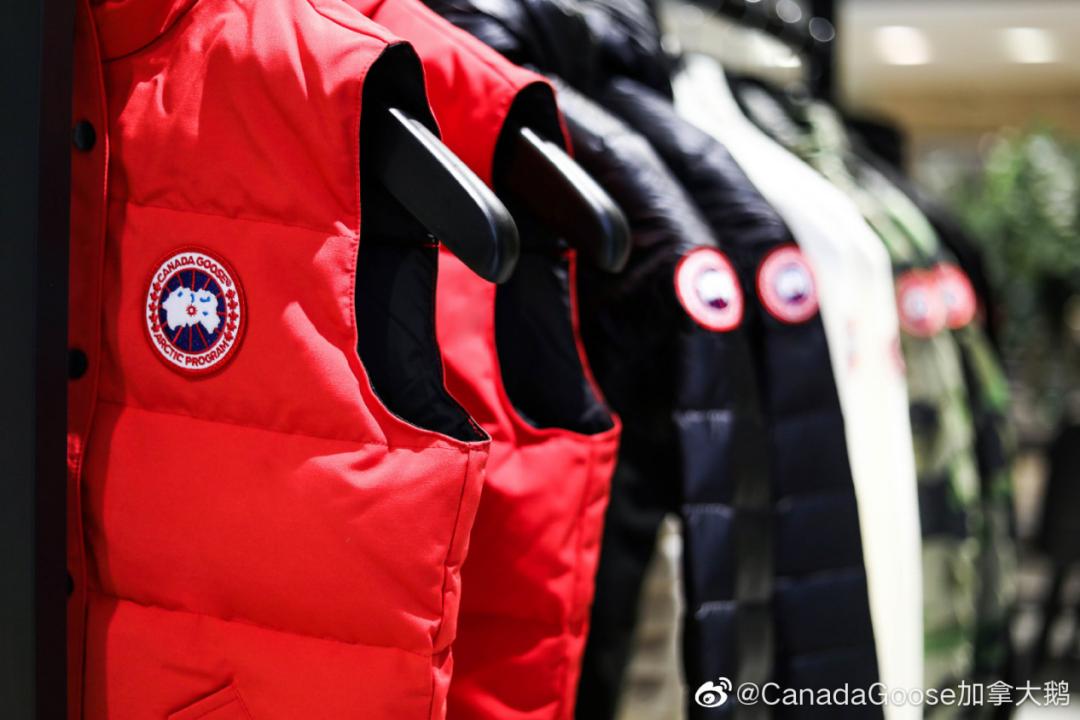
谁“杀死”了加拿大鹅?
3 6 Ke· 2025-09-11 11:25
Core Viewpoint - The news discusses the potential sale of Canada Goose by its controlling shareholder Bain Capital, amidst declining market performance and increasing competition in the high-end down jacket segment [1][2]. Group 1: Company Background and Market Entry - Canada Goose was founded in 1957 and gained initial recognition in the 1980s with the introduction of down-filled jackets, officially rebranding in 2001 [1]. - The brand saw significant growth after Bain Capital acquired it for $250 million in 2013, leading to a global marketing push and a successful IPO in 2017, with a peak market valuation exceeding $7.8 billion [2]. Group 2: Market Performance and Challenges - From 2019 to 2023, Canada Goose opened an average of six stores annually, with 30 out of 74 global stores located in Greater China, contributing 35% to its revenue by 2023 [4][6]. - Sales growth has stagnated, with projected revenue growth rates of 21.54%, 10.84%, 9.6%, and 1.1% from 2022 to 2025, indicating a significant decline in consumer interest [6]. Group 3: Pricing and Quality Issues - Canada Goose's pricing strategy, with jackets priced between 9,000 to 15,000 RMB, has been criticized as excessive, especially as competitors offer more affordable options [7][8]. - Quality concerns have emerged, with reports of poor craftsmanship and insufficient down filling, leading to increased consumer complaints and negative publicity [7][8]. Group 4: Competitive Landscape - Domestic competitors like Bosideng have increased their market share by offering high-quality down jackets at lower prices, with Bosideng's average price rising from 1,000 RMB in 2018 to 1,800 RMB by 2025 [8][9]. - International brands such as Arc'teryx and Lululemon are also gaining traction in the market, further intensifying competition for Canada Goose [8][9]. Group 5: Future Outlook - Despite the challenges, the overall down jacket market in China is projected to grow from nearly 1 trillion RMB in 2017 to 2.5 trillion RMB by 2025, presenting both opportunities and challenges for Canada Goose [13][14]. - The brand may need to adapt its strategy to focus on quality and consumer value perception to regain market position [15].
交银国际每日晨报-20250911
BOCOM International· 2025-09-11 01:45
Group 1: MOMO US - The operating profit exceeded expectations, with overseas new products maintaining strong growth momentum [1] - Revenue for Q2 2025 was 2.62 billion yuan, a year-on-year decrease of 3%, while adjusted operating profit was 450 million yuan, surpassing the expected 390 million yuan due to better-than-expected cost control and marketing channel optimization [1] - Overseas revenue continued to expand, increasing by 73% year-on-year, accounting for 17% of total revenue [1] Group 2: Future Outlook for MOMO US - Revenue for Q3 2025 is expected to decline by 2% year-on-year, with the impact of stricter compliance on streamer taxes leading to potential increases in revenue-sharing incentives [2] - Overseas revenue is projected to grow by 62% year-on-year, with products like Amar and Yaahlan expected to maintain strong growth [2] - Adjustments to net profit expectations for 2025/26 have been made due to potential new product marketing investments and changes in dividend withholding tax rates [2] Group 3: SF Express (9699 HK) - The company is experiencing continuous profit release under diversified layouts, with a buy rating maintained [3] - Revenue growth for 2025-27 has been revised upward by 14%/12%/12% to 22 billion - 30.4 billion yuan, with year-on-year growth rates of 40%/20%/15% [3] - Profit forecasts for 2025-27 have been increased by 26%/23%/27% to 340 million - 760 million yuan, with Non-IFRS net profit margins of 1.5%/2%/2.6% [3] Group 4: Future Outlook for SF Express - SF Express is expected to benefit from a rational return of subsidies in the takeaway market, with significant business space remaining [4] - The target price has been adjusted to 15.4 HKD based on a rolling valuation to 2026, corresponding to 0.5 times the sales ratio [4] Group 5: Consumer Industry Overview - The consumer market in mainland China showed moderate recovery in the first half of 2025, with structural differentiation in performance across segments [8] - Key trends include the leading performance of experiential consumption, revenue growth from global expansion strategies, and operational efficiency becoming a critical factor for profit differentiation [8][9] - Recommendations include focusing on players capturing consumer trends with high growth potential, such as Pop Mart (9992 HK), and industry leaders with stable fundamentals like Midea (000333 CH), Anta (2020 HK), and Yili (600887 CH) [8] Group 6: Automotive Industry Overview - The penetration rate of new energy vehicles reached 55.2% in August, with retail sales of passenger cars hitting a historical high of 1.995 million units [12] - The export of passenger cars, including new energy vehicles, maintained good growth momentum, with 204,000 new energy vehicles exported in August, accounting for 40.9% of total exports [13] - The upcoming launch of multiple new models in Q3-Q4 2025 is expected to enrich market supply and boost sales during the traditional peak season [13][14]





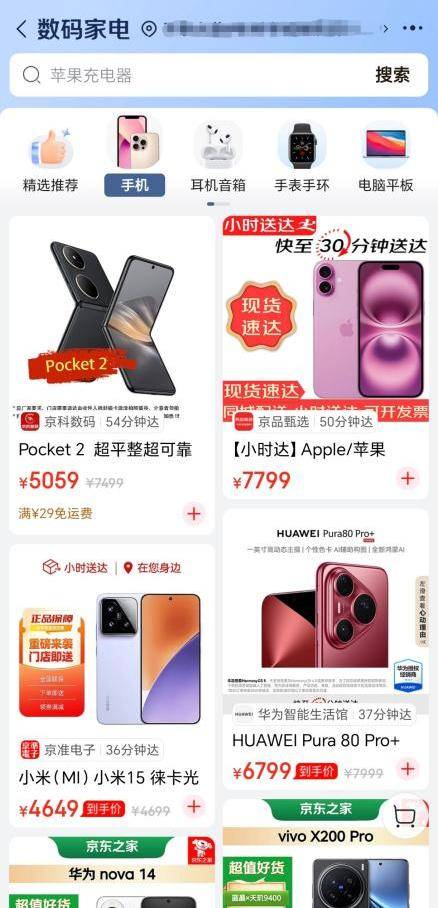
即时零售,再猛也颠覆不了商场
Sou Hu Cai Jing· 2025-09-06 05:23
Core Insights - The rise of instant retail in China is driven by a combination of technological advancements, changing consumer habits, and innovative business models, filling the gap between online and offline retail [2][3][4] - The instant retail market in China is projected to grow at a compound annual growth rate of 10%, reaching 3.8 trillion yuan by 2029 [2] Group 1: Consumer Demand - Consumers increasingly expect immediate satisfaction, leading to a shift from traditional e-commerce to instant retail, where delivery times can be as short as 30 minutes [4][5] - The demand for instant retail is particularly strong among urban professionals and young parents who prefer to "buy time" with their money, seeking both the certainty of offline products and the variety of online platforms [4][5] Group 2: Supply Side Evolution - Traditional retailers are transitioning from being disrupted to actively participating in instant retail, leveraging existing inventory and expanding service areas without increasing physical space [6][20] - Digital transformation is essential for brands, as partnering with instant retail platforms allows them to focus on products and supply chains while benefiting from enhanced logistics and technology [6][20] Group 3: Capital Investment - Major players like Meituan, JD, and Alibaba are heavily investing in instant retail, viewing it as a multi-trillion yuan market, which accelerates market maturity and user habit formation through subsidies and technological advancements [7][8] Group 4: Competitive Landscape - The competition among major platforms is intensifying, with Meituan, JD, and Alibaba each launching aggressive initiatives to capture market share, such as Meituan's "Meituan Flash Purchase" and JD's "JD Seconds" service [8][9] - Instant retail is reshaping consumer behavior, with non-food orders on platforms like Taobao Flash Purchase accounting for 75% of transactions, indicating a shift in consumption patterns [8][9] Group 5: Brand Strategies - Brands are not merely adding sales channels but are undergoing strategic transformations to meet the evolving consumer landscape, utilizing platform infrastructure to enhance customer engagement and satisfaction [17][18] - The collaboration with instant retail platforms allows brands to optimize inventory management and marketing strategies, enhancing their overall operational efficiency [19][20] Group 6: Impact on Traditional Retail - Instant retail poses challenges to traditional shopping malls, as it disrupts the convenience and sales logic that malls have relied on, leading to potential declines in foot traffic and sales [29][30] - Malls must adapt by enhancing their value propositions, focusing on experiential and social aspects of shopping that instant retail cannot replicate [35][36]
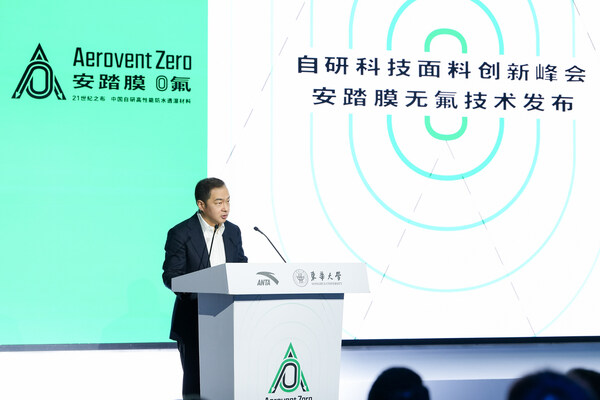
无氟安踏膜全球发布 将重塑科技面料竞争格局
Zhong Guo Jin Rong Xin Xi Wang· 2025-09-05 03:34
Core Viewpoint - The article highlights the significant breakthrough in the high-performance waterproof and breathable materials sector with the launch of the fluorine-free Anta membrane, marking a pivotal moment for China's sustainable material innovation [1][10]. Group 1: Product Innovation - Anta, in collaboration with Donghua University, has developed the fluorine-free Anta membrane, which is the first domestically produced high-performance waterproof and breathable material in China [1]. - The Anta membrane utilizes self-researched high moisture-permeable biopolymers and micro-nano structural adjustments, significantly enhancing moisture permeability while ensuring waterproofing through innovative surface modifications and adhesives [7][8]. - The membrane has achieved international advanced levels in key performance indicators, with a static water pressure of 18,000 mmH₂O and a moisture permeability rate of 7,000 g/m²•24h, as verified by third-party laboratories [7]. Group 2: Sustainable Development - The Anta membrane incorporates biobased polymers, with a biobased content of 20%, replacing petroleum-based polymers, aligning with future sustainability trends [8]. - Anta aims to increase the proportion of sustainable products to 50% and use 50% sustainable raw materials by 2030, marking a significant step in its sustainable development strategy [10]. Group 3: Market Impact and Strategy - The successful transition from laboratory to market for the Anta membrane involved extensive testing and optimization, achieving high standards in product performance and yield rates [9]. - The pricing of the Anta membrane is set at one-third of similar international materials, facilitating broader access to high-performance waterproof and breathable technology [9]. - The new generation of "Storm Armor" featuring the Anta membrane is expected to launch in overseas markets, with projected sales exceeding 500,000 units by 2026, positioning it as a landmark product in the high-performance fluorine-free jacket market [10].
从央视广告到拼多多,晋江制造如何称霸“鞋柜”与“零食柜”
3 6 Ke· 2025-09-04 01:25
Core Insights - Jinjiang is a small city in China with a significant concentration of businesses, housing 52 listed companies and a total market value of nearly 500 billion yuan [1] - The city is known for its diverse manufacturing capabilities, producing a wide range of products including sports shoes, umbrellas, zippers, and more, with notable brands like Anta and Yake [1][2] - The success of the shoe and snack industries in Jinjiang can be attributed to a combination of suitable industrial conditions, entrepreneurial spirit, and supportive government policies [11][12] Industry Overview - Jinjiang is recognized as "China's Shoe Capital," producing one in every five pairs of sports shoes in the country, and also as "China's Umbrella Capital," with one in every three umbrellas made there [1] - The city boasts 16 national-level regional brands and has formed industrial clusters with annual outputs exceeding 300 billion yuan in footwear and apparel, over 100 billion yuan in textiles, and significant outputs in building materials and food [1][11] Entrepreneurial Dynamics - Entrepreneurs in Jinjiang have demonstrated a keen ability to identify market opportunities and pivot quickly, as seen in the founding stories of Anta and Yake [9][10] - The local workforce is characterized by a strong work ethic and adaptability, which has facilitated the transition from traditional craftsmanship to modern manufacturing [6][11] Market Strategies - Jinjiang companies have effectively utilized CCTV advertising to build brand recognition, with Anta being a pioneer in leveraging sports endorsements [13][14] - A robust distribution network has been established through exclusive regional agents, allowing for rapid national expansion while maintaining brand standards [15][18] Competitive Positioning - Jinjiang firms have adopted a strategy of industry chain integration, focusing on critical production processes while outsourcing less critical components to maintain flexibility and cost control [19] - The approach of "grabbing both ends and letting go of the middle" has been employed by snack companies to control R&D and quality while outsourcing distribution [19] Adaptation to Market Changes - Post-2010, Jinjiang companies have embraced new sales channels and platforms, adapting to the rise of e-commerce and changing consumer behaviors [20][21] - Strategies such as seeking blue ocean markets and leveraging new platforms like Pinduoduo have allowed these companies to find growth opportunities amidst fierce competition [22][30] Conclusion - The success of Jinjiang's shoe and snack industries serves as a microcosm of China's manufacturing transformation, highlighting the importance of aligning industry choices with local resources, adapting to market trends, and fostering collaborative industrial clusters [33][34] - The story of Jinjiang illustrates that traditional manufacturing can thrive through innovation and responsiveness to consumer needs, emphasizing the significance of finding suitable development paths rather than merely replicating successful models from other regions [34][35]

美股异动|耐克股价五连跌市值承压管理层变动能否逆转颓势
Xin Lang Cai Jing· 2025-09-02 22:57
Group 1 - Nike's stock price fell by 3.98% on September 2, marking a decline for five consecutive trading days, with a total drop of 6.16% over this period, reflecting market concerns about the company's recent performance and future direction [1][2] - The appointment of Elliott Hill as CEO is seen as an attempt to boost company performance through management changes, while hedge fund Pansing Square Capital Management significantly increased its stake in Nike, showing confidence in the company's long-term potential despite the short-term stock decline [1][2] - Nike's recent earnings report fell short of market expectations, particularly in the Greater China region, where net profit plummeted by 86% year-over-year due to excessive promotions, declining foot traffic, and slow product updates [1] Group 2 - The global macroeconomic environment poses challenges for Nike, with weak international demand and intense competition from other brands necessitating adjustments in product pricing and market strategies, especially in China where local brands like Anta are gaining market share [2] - Investors are advised to cautiously consider Nike's long-term potential, as short-term market volatility and global economic uncertainties may impact stock performance, highlighting the importance of monitoring Nike's strategic adjustments and market responses in emerging markets [2] - The effectiveness of Nike's management changes and market strategy adjustments in the coming quarters will be crucial for assessing its investment potential [2]
