米哈游

Search documents
米哈游,投出两个IPO
Xin Lang Cai Jing· 2026-01-05 08:13
Core Viewpoint - The article highlights the recent IPO activities of MiHoYo, showcasing its significant investments in companies like MiniMax and Suplay, positioning itself as a key player in the venture capital space within the gaming and technology sectors [2][3][19]. Investment Activities - MiHoYo is a major investor in MiniMax, holding a 7.34% stake prior to its IPO, and has been involved since its angel round of funding [2][18]. - MiHoYo also holds an 11.86% stake in Suplay, which recently submitted its IPO application, making it the largest external investor [2][19]. - The company has been actively investing in various sectors, including AI and gaming, to enhance its technological capabilities and reduce development costs [6][18]. Strategic Partnerships - MiHoYo has established itself as a client of MiniMax, utilizing its AI models for game development, including character behavior control and NPC dialogue in titles like "Honkai: Star Rail" [7][18]. - The partnership with Suplay allows MiHoYo to expand its IP derivative product offerings and reach a broader Gen Z consumer base [19]. Historical Context - MiHoYo was founded in 2011 with initial funding from a government loan and has since evolved into a significant player in the gaming industry, leveraging its cash flow to explore venture capital opportunities [20][21]. - The company began its venture capital activities around 2018, initially focusing on familiar gaming sectors before branching into cutting-edge technologies [20][22]. Future Directions - MiHoYo's recent leadership changes indicate a strategic shift towards enhancing its focus on frontier technologies and new project development [23]. - The company is also investing in AI-driven projects, with plans to release an AI-native game in 2025, reflecting its commitment to innovation in the gaming industry [23][24].


MiniMax或将IPO价格定在指导价区间高端,并提前结束认购
Hua Er Jie Jian Wen· 2026-01-05 07:56
Core Viewpoint - MiniMax, a Chinese AI startup, plans to price its Hong Kong IPO at the high end of the range, reflecting renewed investor enthusiasm for Chinese tech startups and strong demand for its shares [1] Group 1: IPO Details - MiniMax aims to sell shares at HKD 165 each, with strong subscription demand leading to an early closure of orders for institutional investors [1] - The IPO is expected to raise at least HKD 4.2 billion (approximately USD 538 million) if priced at the high end [1] - The company has attracted several times the amount of shares available in subscription demand, with a diverse investor base including sovereign wealth funds and long-only funds [1][2] Group 2: Valuation and Investor Composition - The IPO will issue approximately 25.39 million shares, with a valuation range of HKD 461.23 billion to HKD 503.99 billion if priced at HKD 165 [2] - A total of 14 cornerstone investors have committed around HKD 2.723 billion, including major asset management firms and well-known institutions like Alibaba and E Fund [2] - The participation of long-only funds indicates market confidence in MiniMax's business model and financial sustainability [2] Group 3: Business Growth and Capital Efficiency - MiniMax has shown rapid growth, with over 212 million personal users across more than 200 countries and regions as of September 2025 [3] - The company reported a revenue increase of over 170% year-on-year for the first nine months of 2025, with over 70% of revenue coming from international markets [3] - Since its establishment in early 2022, MiniMax has invested approximately USD 500 million to develop a comprehensive suite of AI models and products [3] Group 4: Market Environment and Industry Outlook - MiniMax's IPO marks a busy start for the Hong Kong IPO market, with around 11 companies expected to raise a total of USD 4.1 billion this month [4] - Support from the Chinese government for the domestic AI industry is encouraging companies to expand and seek financing [4] - The global AI market is projected to grow from USD 189 billion in 2023 to USD 4.8 trillion by 2033, presenting significant opportunities for companies like MiniMax [4]
米哈游,投出两个IPO
投资界· 2026-01-05 07:55
Core Viewpoint - MiHoYo is actively investing in and partnering with emerging companies in the AI and gaming sectors, positioning itself as a significant player in the venture capital landscape while preparing for multiple IPOs [2][3][4]. Investment in MiniMax - MiHoYo holds a 7.34% stake in MiniMax, which is set to IPO on January 9, and has been a key investor since early 2022, aligning with its strategy to integrate advanced AI technologies into gaming [2][4]. - The relationship between MiHoYo's founder Liu Wei and MiniMax's CEO Yan Junjie dates back to 2021, indicating a long-standing connection that facilitated this investment [3]. Investment in Supply - MiHoYo is the largest external investor in Supply, holding an 11.86% stake, and has been involved since leading its A+ round financing in November 2021 [5][7]. - This investment supports MiHoYo's strategy to expand its IP merchandise ecosystem and reach the Z-generation consumer market [7]. Strategic Partnerships - MiHoYo has transitioned from being merely an investor to becoming a customer of MiniMax, utilizing its AI models in various gaming applications, thereby creating a symbiotic relationship [5][6]. - The company has also opened its IPs for collaboration, enhancing its product offerings and market reach [7]. Venture Capital Approach - Since 2018, MiHoYo has been actively engaging in venture capital, making numerous investments across various sectors, including cutting-edge technologies [8][11]. - The company’s investment strategy is characterized by a focus on young, innovative founders who share a vision of technological advancement [11][12]. Future Directions - MiHoYo's recent leadership changes indicate a shift towards prioritizing research and development in frontier technologies, with a focus on attracting top talent in the AI field [12][13]. - The company is also developing its proprietary AI model, which is expected to enhance game production efficiency by over 30% [12].

文明交流互鉴|做强对外文化交流的“上海品牌”
Xin Lang Cai Jing· 2026-01-05 00:09
Core Perspective - Shanghai is focusing on cultivating globally competitive cultural entities, enhancing brand building, and innovating communication mechanisms to effectively tell China's story and promote cultural exchange, providing a replicable "Shanghai model" for global engagement [1]. Group 1: Cultivating Diverse Cultural Entities - The internationalization of cultural entities is the core support for cultural outreach, with Shanghai having a number of leading cultural enterprises like Oriental Pearl, Shanghai Film Group, and MiHoYo, which are evolving from "content export" to "ecosystem export" [2]. - Support for small and medium-sized cultural enterprises is essential, encouraging the development of cultural IP derivatives and providing a "lightweight" empowerment model, including a public service platform for overseas expansion [2]. - A collaborative matrix of cultural enterprises is being constructed to enhance the synergy between large and small entities in the international market, promoting a more vibrant and layered approach to cultural outreach [2]. Group 2: Strengthening Brand Building - Shanghai has strong capabilities in film, performing arts, design, digital entertainment, and art trading, which provide a solid industrial foundation for cultural outreach [3]. - There is a need to create a globally recognizable "Shanghai brand" that combines local cultural resources with international market demands, encouraging the creation of works that feature "Chinese narratives" and "Shanghai expressions" [3]. - The identification of Shanghai's cultural symbols is crucial, focusing on core values that can be globally disseminated, and developing sub-brands that resonate internationally, such as "Shanghai Design" and "Shanghai Light and Shadow" [3]. Group 3: Innovating Communication Mechanisms - Cultural communication is shifting from broad outreach to precise targeting, requiring Shanghai to build a new communication mechanism that emphasizes data-driven approaches and emotional connections [4]. - The integration of culture with other sectors like tourism, commerce, and technology is essential to expand the influence of cultural brands and enhance user engagement through innovative scene design [4]. - Major cultural events in Shanghai, such as the Shanghai International Film Festival and the Shanghai Book Fair, are being upgraded to global cultural events to enhance their international impact and attract top cultural projects [4]. Group 4: Enhancing International Cultural Exchange - Strengthening the "Shanghai brand" in cultural exchange is a systematic project aimed at transforming local cultural resources into international cultural appeal and competitiveness [5]. - This initiative is designed to elevate Shanghai's status as an international cultural metropolis, facilitating mutual understanding and exchange among civilizations [5].
米哈游刘伟:千星奇域将重点做好三件事“开放度、收益和生态”
Xin Lang Cai Jing· 2026-01-04 12:49
Core Insights - The first creator exchange conference for "Genshin Impact: Starry Sky" was held in Shanghai on January 3, showcasing that over 30,000 creators from around the world have contributed to the platform, resulting in a total of over 150 million gameplay instances [1] Group 1 - The founder of miHoYo, Liu Wei, outlined three key focuses for 2026 regarding the "Starry Sky" platform: openness, revenue, and ecosystem [1] - The platform will continue to upgrade its editor to provide creators with more powerful production tools and greater creative freedom [1] - There will be a comprehensive enhancement of the commercialization model and incentive policies to encourage high-quality creations to receive substantial rewards [1] - Upgrades in promotion and traffic will ensure that quality works are seen by more players [1]
又有米哈游投资的公司拟上市:单品爆卖5000万,5年做到行业第一
Sou Hu Cai Jing· 2026-01-04 11:33
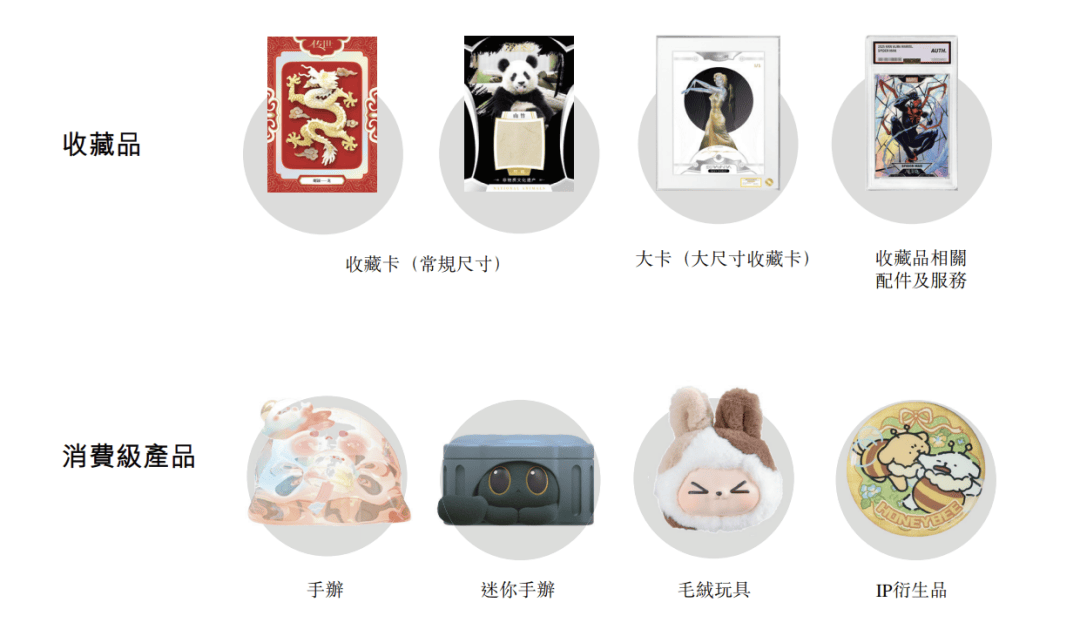
Core Viewpoint - Suplay, a collectible card company backed by miHoYo, has submitted its IPO application to the Hong Kong Stock Exchange, aiming to capitalize on its strong market position and growth potential in the collectible and consumer product sectors [1][13]. Company Overview - Suplay was established in 2019 and operates globally, focusing on IP collectibles and consumer products, with brands including Kakawoo, Heyfen, and Letao Valley [1]. - The company primarily engages in the sale of blind box toys through its mini-program on WeChat and direct sales via Tmall, as well as through retail and specialty card stores [2]. Business Model and Market Position - Suplay's CEO, Huang Wanjun, and CFO, Li Jing, have significant experience in operations and investment analysis, contributing to the company's strategic direction [5]. - As of September 30, 2025, Suplay's flagship brand Kakawoo ranks first in China's collectible non-combat card market, holding a market share greater than the combined total of its second and third competitors [5]. Consumer Demographics and Engagement - The company targets young consumers, with over 99% of its customers aged 18 and above, and maintains a high repurchase rate exceeding 75% for its collectible cards [8]. - Suplay's products are noted for their craftsmanship and collectible value, with approximately 80% of its cards receiving the highest PSA rating, compared to an industry average of 44.6% [8]. Financial Performance - Suplay's revenue has shown significant growth, with 2023 revenue at 146 million RMB, projected to increase by 92.5% to 281 million RMB in 2024, and 2025 revenue for the first nine months already surpassing the previous year's total [9]. - The company's gross profit margin has improved from 41.7% in 2023 to 54.5% in the first nine months of 2025, indicating a successful strategic shift towards higher-margin collectible card sales [10]. Revenue Composition - The revenue from collectibles has increased from 32.9% in 2023 to 70.0% in the first nine months of 2025, highlighting the growing importance of this segment to Suplay's overall business [10][11]. - Suplay also engages in the production of various IP-based consumer products, which complement its high-end collectibles [10]. Strategic Partnerships - MiHoYo is a significant strategic investor in Suplay, holding approximately 11.86% of the company after leading an $8 million investment in 2021 [13]. - The partnership has led to the development of various products based on MiHoYo's IPs, including popular franchises like Genshin Impact and Honkai Impact [15][17].
李飞飞踢馆游戏圈:Unity们,该退场了
3 6 Ke· 2026-01-04 09:35
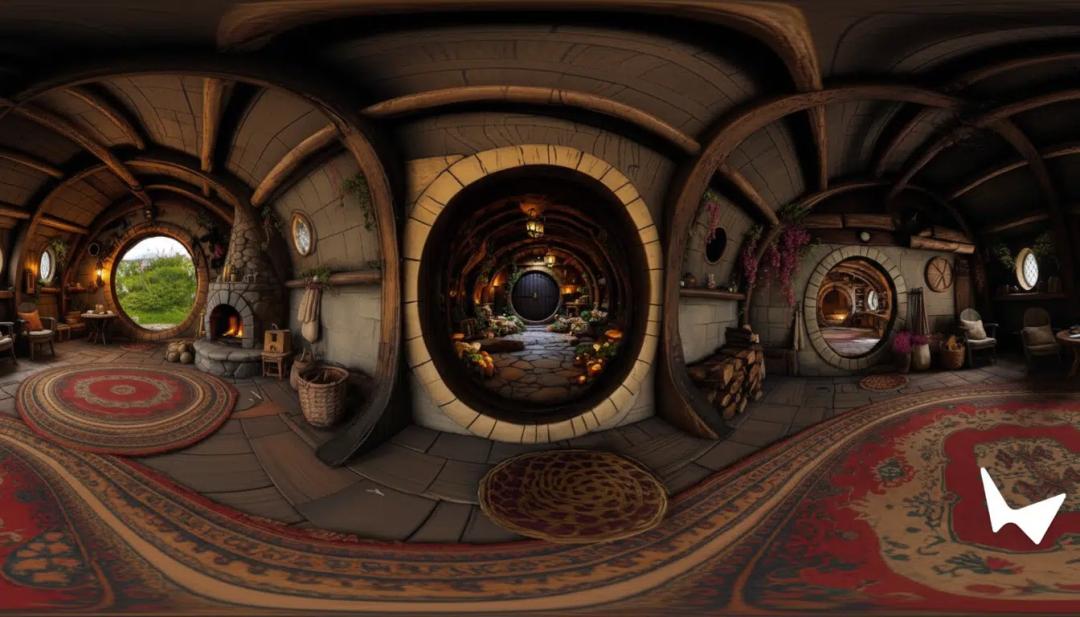
Core Viewpoint - The gaming industry, valued at $190 billion, is facing a crisis as development costs for AAA titles soar, leading to burnout among developers. AI innovations, particularly through Li Feifei's "world model," are set to revolutionize game development by significantly increasing efficiency and reducing costs [1][20]. Group 1: Industry Challenges - The development of high-profile games like MiHoYo's "Genshin Impact" and "GTA 6" has become increasingly burdensome, with annual operational costs exceeding $200 million and lengthy development cycles [1]. - AAA game development costs can reach billions, creating a stagnation in creativity and innovation within the industry [1][20]. Group 2: AI Innovations - Li Feifei's World Labs is introducing a "world model" that enables AI to understand and reconstruct 3D physical spaces, drastically improving development speed by four times [3][4]. - AI-generated complex 3D environments can be created with minimal input, allowing developers to focus on creativity rather than technical constraints [6][11]. Group 3: Future of Game Development - The traditional game engines, reliant on complex coding and predefined rules, are being replaced by AI systems that understand physical interactions intuitively [9][12]. - As AI tools mature, the barriers to game development will lower, enabling more individuals to create personalized gaming experiences without extensive technical knowledge [15][17]. Group 4: Emotional and Creative Implications - The democratization of game creation through AI could lead to a resurgence of creativity, allowing developers to focus on enjoyment and exploration rather than technical limitations [21][22]. - Concerns exist regarding the potential for low-quality content flooding the market as the cost of creating virtual worlds approaches zero, raising questions about the future of artistic integrity in gaming [20].
万万没想到!2025年买房最狠的是这几个
Sou Hu Cai Jing· 2026-01-04 05:20
Core Viewpoint - The real estate market is witnessing significant purchases from various sectors, particularly from gaming and energy companies, despite a general downturn in property prices [1][10]. Group 1: Gaming Companies - The gaming sector, particularly companies like "Kawoo," is aggressively investing in real estate, with Kawoo purchasing properties in Shanghai at prices exceeding double the current market rate, indicating a 200% premium [2][4]. - Other gaming companies, such as "Yanyu Games" and "Feiyu Technology," are also making substantial real estate investments, including a 3.31 billion yuan purchase of a commercial complex and a 5.03 million yuan acquisition of a large property in Beijing [4][5]. Group 2: Energy Companies - Energy companies, often referred to as "coal bosses," are making bold investments in real estate during a market downturn, with firms like "Jinfeng Cement" spending over 2.4 billion yuan on a hotel in Shanghai [5][6]. - Notable purchases include "Manshi Coal" acquiring three apartments in Shanghai for 4.142 billion yuan and "Ordos Group" purchasing a comprehensive office property for 2.67 billion yuan [7][8]. Group 3: Diverse Investors - A wide range of investors from various industries, including food, clothing, and logistics, are also entering the real estate market, with companies like "Mondelez" and "Anta" making significant purchases [10]. - These investments serve multiple purposes, such as asset allocation, brand enhancement, and cash flow management, highlighting the strategic importance of real estate for businesses [10].

3200亿丁磊,年末再“失”一员老将
创业家· 2026-01-03 10:12
Core Viewpoint - The retirement of Ding Yingfeng, a veteran executive at NetEase, marks a significant transition for the company, which faces challenges in maintaining its market position amid internal talent loss and external competition [5][12][8]. Group 1: Leadership Transition - Ding Yingfeng, who has been with NetEase for 23 years, will officially retire on December 31, 2025, but will continue as a consultant [5][12]. - Under Ding's leadership, NetEase's Interactive Entertainment division launched several successful games, solidifying the company's position in the gaming industry [6][12]. - Ding's retirement is seen as the end of an era in the Chinese gaming industry, as he played a crucial role in the development of iconic games like "Fantasy Westward Journey" [12][17]. Group 2: Financial Performance - In the first three quarters of 2025, NetEase reported revenues of 85.079 billion yuan, an increase of 8.32% year-on-year, and a net profit of 27.518 billion yuan, up 31.47% [6][19]. - The gross margin reached 64.3%, reflecting a year-on-year increase of 1.24 percentage points [19]. - The gaming segment, which is NetEase's core business, generated net revenues of 23.3 billion yuan in the third quarter, accounting for over 80% of total revenue [19][20]. Group 3: Challenges Ahead - Despite strong financial results, NetEase faces declining growth rates in its gaming and related services, with some business segments experiencing negative growth [7][8]. - The company is also dealing with internal challenges, including the loss of key talent and increased competition from rivals like Tencent and MiHoYo [8][23]. - The gaming industry is becoming increasingly competitive, making it harder for companies to develop new hit games, as evidenced by a significant reduction in the number of new mobile games launched by NetEase in 2025 compared to the previous year [23].

不盈利也敢抢着上市?智谱MiniMax竞速IPO,全球大模型之争!
Sou Hu Cai Jing· 2026-01-03 07:46
Core Viewpoint - The competition between Zhiyuan AI and MiniMax for the title of "the world's first large model stock" reflects the recovery of technology stocks in the Hong Kong market, presenting both opportunities and challenges for investors [1][3]. Group 1: Company Overview - Zhiyuan AI, founded six years ago from Tsinghua University, plans to launch its IPO on January 8, aiming to raise $560 million at a price of HKD 116.2 per share [3]. - The company has developed the ChatGLM series, serving 12,000 enterprises and over 80 million individual users, achieving a valuation exceeding RMB 20 billion [5]. - MiniMax, another competitor, is also preparing for an IPO in early January with a target of raising $700 million, backed by major players like miHoYo and Tencent [7]. Group 2: Market Context - The competition for IPOs indicates a resurgence in the Hong Kong stock market, with Deloitte predicting that IPO financing could reach HKD 286.3 billion by 2025, with technology stocks leading the charge [7]. - The current low rate of IPO failures, the lowest in five years, enhances the attractiveness of new listings, particularly for AI companies [9]. Group 3: Strategic Implications - The race for the title of "first stock" is not just a matter of prestige; it symbolizes a significant milestone for Chinese companies in the AI commercialization race, potentially securing a competitive edge over U.S. giants like OpenAI [9][12]. - Both companies face challenges, including the high costs of model training and rapid technological advancements, which could render current advantages obsolete [11].