蒙牛乳业

Search documents
妙可蓝多创始人遭免职!
Shen Zhen Shang Bao· 2026-01-25 12:30
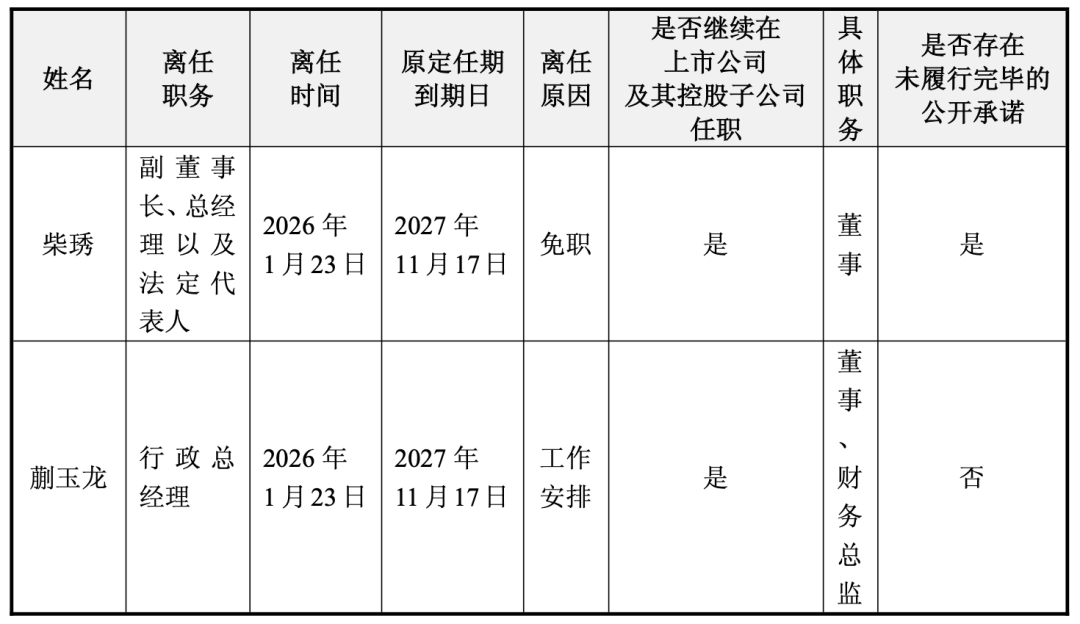
内蒙蒙牛所享有的该等债权,在并购基金所持长春市联鑫投资咨询有限公司(简称"长春联鑫")99.99%股权、长春联鑫所持吉林芝然乳品科技有限公司(简 称"吉林芝然")90%股权经拍卖或变卖后所得价款享有优先受偿权。内蒙蒙牛后续将根据该仲裁案件的执行情况、接管程序的落实情况,酌情依法申请强 制执行,包括但不限于可能通过启动对祥民基金所持长春联鑫99.99%股权、长春联鑫所持吉林芝然90%股权等担保物的拍卖、变卖程序实现债权清偿。 据了解,柴琇曾出具《关于并购基金相关事项的说明》并承诺: 由于并购基金上述担保事项导致公司面临直接或间接损失的(包括但不限于无法在合伙协议约定期限内足额、及时回收在并购基金中的出资及应得收益), 其本人承诺将向公司足额补偿,并确保公司不至于因担保事项而出现损失。 1月25日,妙可蓝多(600882)公告,公司副董事长、总经理以及法定代表人柴琇离任,辞职后继续担任公司董事。 值得一提的是,柴琇离职的原因不是通常所见到的主动离职,而是"免职",其还存在未履行完毕的公开承诺。 同时,公司聘任蒯玉龙为总经理,法定代表人亦相应变更为蒯玉龙,其不再兼任公司行政总经理。 | 妙可蓝多在公告中依然对柴琇表 ...


行业周报:春节旺季备货催化,大众品迎来布局窗口-20260125
KAIYUAN SECURITIES· 2026-01-25 08:42
Investment Rating - The industry investment rating is "Positive" (maintained) [1] Core Viewpoints - The food and beverage sector is currently at a low position in terms of fundamentals and valuations, presenting significant investment opportunities as the peak season approaches [4][12] - The food and beverage index experienced a decline of 1.4% from January 19 to January 23, ranking 25th among 28 sectors, underperforming the CSI 300 by approximately 0.8 percentage points [12][13] - The Consumer Price Index (CPI) rose by 0.8% year-on-year in December 2025, indicating a mild recovery trend, and has returned to relatively high levels compared to recent years [4][12] - The upcoming Spring Festival is expected to catalyze performance in the sector, with strong demand for consumer goods, particularly in the snack segment, which continues to show upward momentum [4][12] Summary by Sections Weekly Insights - The food and beverage sector is positioned for a recovery as it approaches the peak season, with a notable increase in demand expected during the Spring Festival [4][12] - The sector's current valuation aligns with policy support aimed at boosting consumption, providing a safety margin for investments [4][12] Market Performance - The food and beverage index's performance was weaker than the broader market, with specific sub-sectors like snacks (+6.1%), processed foods (+4.9%), and baked goods (+4.3%) showing relative strength [12][13] Upstream Data - Recent data indicates a decline in some upstream raw material prices, with whole milk powder prices down 13.5% year-on-year as of January 20, 2026 [19][21] - The price of fresh milk was reported at 3.03 CNY per kilogram, reflecting a year-on-year decrease of 2.6% [19][21] Alcohol Industry Data - In December 2025, the production of liquor (65-degree equivalent) decreased by 12.1% year-on-year, with a total production of 354.9 million liters for the year [42][43] Recommended Investment Targets - Key investment opportunities identified include raw milk/dairy products, the snack sector, and the restaurant supply chain, with specific companies highlighted for their growth potential [4][5][12]



对话专家-共叙肉奶周期
2026-01-23 15:35
Summary of Conference Call on Dairy and Beef Industry Industry Overview - The conference call discusses the dairy and beef industries, focusing on supply, demand, pricing trends, and market dynamics. Key Points on Dairy Industry 1. **Dairy Cow Inventory Decline**: In 2025, the dairy cow inventory is expected to decrease by approximately 200,000 heads year-on-year, indicating potential future supply issues for raw milk due to insufficient heifer numbers [1][4]. 2. **Deep Processing Projects Impact**: By 2027-2028, deep processing projects are anticipated to significantly increase milk usage to 3-5 million tons, potentially reversing supply-demand dynamics and leading to a notable price increase by the end of 2027 [1][5]. 3. **Consumer Behavior Shift**: There is a noticeable shift in consumer preferences towards private labels and other products, benefiting small factories while putting pressure on large enterprises [1][10]. 4. **Fluid Milk Price Trends**: The price of raw milk is expected to rebound in the second half of 2025, indicating a potential future increase in overall milk prices, albeit with fluctuations [1][11]. 5. **Profitability of Small vs. Large Enterprises**: Small factories are currently more profitable due to lower raw material costs and successful new retail strategies, while large companies face significant pressure due to high asset burdens [1][8][9]. 6. **Milk Price Forecast**: A turning point for milk prices is expected in the second half of 2025, with steady increases anticipated through 2027 and significant rises by 2028 [3][12]. Key Points on Beef Industry 1. **Beef Import Trends**: In 2025, beef imports are projected to decline by 2.52%, with a further decrease of over 7% expected in 2026 due to overseas production cuts and domestic quota restrictions, exacerbating supply shortages and supporting price increases [1][42][43]. 2. **Beef Price Projections**: Beef prices are expected to rise in 2026, with conservative estimates suggesting an increase of 5-10 yuan per kilogram, and live cattle prices averaging over 30 yuan per kilogram [2][37]. 3. **Market Dynamics**: The beef market is characterized by a significant supply gap, with the overall beef supply expected to decrease by over 10% in 2026, impacting pricing and profitability across the industry [1][36][40]. 4. **Ranching Trends**: The trend towards larger-scale beef ranching is evident, with the proportion of enterprises raising over 50 cattle increasing to 37.2% by 2024, although smallholders still have a presence in the market [1][44]. Additional Insights 1. **Consumer Market Dynamics**: The consumer market is not declining overall but is experiencing a shift, with many consumers moving away from established brands to private labels, impacting profitability for larger companies [1][10]. 2. **Deep Processing Demand**: The introduction of deep processing projects is expected to significantly boost demand in the dairy sector, with several major companies planning to launch projects that will consume substantial amounts of milk [1][21]. 3. **Regulatory Environment**: There have been limited significant policy changes affecting the dairy industry, with only minor local subsidies for dairy farming, indicating a need for more targeted support [1][27]. This summary encapsulates the critical insights from the conference call, highlighting the current state and future outlook of the dairy and beef industries.
华西证券:汇率升值利好国内资产 重视食品饮料板块三重共振机会
智通财经网· 2026-01-23 03:56
Core Viewpoint - The recent appreciation of the RMB is expected to benefit the food and beverage sector through reduced import costs, improved domestic demand, and increased foreign investment allocation [1][2]. Group 1: Recent Developments - The RMB has accelerated its appreciation, breaking the 7 mark offshore on December 25 and reaching 6.96 onshore by January 22, indicating enhanced economic momentum and improved export competitiveness [1]. - Historical analysis shows that during previous RMB appreciation cycles (May-November 2020 and November-December 2022), the food and beverage sector outperformed the CSI 300 index by 18% and 12%, respectively [2]. Group 2: Cost, Demand, and Valuation Dynamics - Cost: The appreciation of the RMB reduces the converted prices of imported raw materials, leading to lower manufacturing costs and improved profitability. Key raw materials affected include soybeans, palm oil, oats, barley, and tree nuts [2]. - Demand: The recovery of domestic demand is a fundamental support for the strong RMB, which will further lower companies' restocking costs, shifting the industry from passive destocking to active restocking, thus reinforcing demand resilience [2]. - Valuation: The liquidity remains ample during the RMB appreciation cycle, enhancing the inflow of foreign capital into A-shares, which is expected to bring liquidity premiums to the food and beverage sector, known for its high foreign ownership [2]. Group 3: Investment Recommendations - The report highlights three main lines of focus for investment: 1. Cost benefits, recommending companies such as Ximai Food, Lihigh Food, Miaokelando, Qiaqia Food, and H&H [3]. 2. Demand recovery, recommending companies like Anjijia Food, Qianwei Central Kitchen, Youran Dairy, Modern Farming, New Dairy, and Wancheng Group [3]. 3. Valuation recovery, recommending companies including Yili Group, Mengniu Dairy, Xianle Health, Weilong Delicious, and Yanjinpuzi [3].




中国乳业「老三」要IPO了
投资界· 2026-01-23 02:19
Core Viewpoint - Junlebao Dairy Group has officially submitted its IPO application to the Hong Kong Stock Exchange, marking a significant milestone for the company after over 30 years of development in the dairy industry [5][6]. Company History - Founded in 1995 by Wei Lihua with an initial investment of 90,000 yuan, Junlebao started as a small workshop with limited resources [6]. - The company faced early challenges, including a lack of market acceptance, leading to continuous losses in its first two years [6]. - A pivotal moment occurred in 1999 when Sanlu Group acquired a 34% stake in Junlebao, which helped the company gain market credibility [7]. - The 2008 Sanlu milk powder scandal created a trust crisis in the dairy industry, but Junlebao managed to recover by launching successful products like "Daily Active Bacteria" [8]. - In 2010, Mengniu acquired a 51% stake in Junlebao, providing new capital and resources [8]. - Junlebao regained full independence in 2019 by repurchasing shares from Mengniu, positioning itself as a strong competitor in the dairy market [8]. Product Portfolio and Market Position - Junlebao's product range includes low-temperature liquid milk, milk powder, and ambient liquid milk, ranking third among comprehensive dairy companies in China by retail sales [9]. - The company reported revenues of 17.54 billion yuan in 2023, projected to reach 19.83 billion yuan in 2024, with adjusted net profits of 6.03 billion yuan and 11.61 billion yuan respectively [9][10]. - Junlebao has launched several successful products, including the first red date yogurt and the "Jianchun" brand, which emphasizes zero added sugar [11]. - The company holds a 10.6% market share in the fresh milk sector and is the leading brand in high-end fresh milk with a 24.0% market share [11]. Financial Overview - As of the IPO submission, Junlebao's total liabilities exceeded 17.5 billion yuan, with a debt-to-asset ratio of 75%, indicating significant financial pressure [12]. - The company has a robust sales network covering 31 provincial-level regions and approximately 2,200 counties [11]. Investment and Future Prospects - Junlebao has attracted significant investment from major institutions, including Sequoia China and Spring Capital, positioning it for future growth [12][13]. - The company aims to expand its market presence in Hong Kong and Macau, with plans to penetrate Southeast Asian markets as part of its international strategy [13]. Industry Context - The article highlights a growing trend of consumer companies pursuing IPOs in Hong Kong, with Junlebao joining a wave of listings that includes various food and beverage brands [14][15]. - The competitive landscape in the dairy industry is intensifying, necessitating strategic maneuvers for growth and market share acquisition [12].

蒙牛劲敌要IPO了
Xin Lang Cai Jing· 2026-01-23 02:01
Core Viewpoint - Junlebao Dairy Group has officially submitted its IPO application to the Hong Kong Stock Exchange, marking a significant step in its growth journey from a small workshop to a major player in the dairy industry [3][21]. Company History - Founded in 1995 by Wei Lihua with an initial investment of 90,000 yuan, Junlebao started with limited resources, including three small houses and one yogurt machine [5][19]. - The company faced early challenges, including a lack of market acceptance, but gradually built a reputation through quality improvements and innovative marketing strategies [5][19]. - In 1999, Junlebao transformed into a comprehensive liquid milk enterprise, and by 2007, it launched the first red date yogurt in China [6][20]. - The company navigated a significant crisis during the 2008 Sanlu milk powder scandal, which did not directly involve Junlebao, and subsequently regained independence by repurchasing shares from Sanlu in 2009 [6][20]. - In 2019, Junlebao repurchased a 51% stake from Mengniu for 4.011 billion yuan, achieving full independence in the competitive dairy market [6][20]. Financial Performance - Junlebao's revenue is projected to reach 175.46 billion yuan in 2023 and 198.33 billion yuan in 2024, with adjusted net profits of 6.03 billion yuan and 11.61 billion yuan respectively [8][22]. - For the first three quarters of 2025, the company reported revenue of 151.34 billion yuan and a net profit of 9.45 billion yuan [8][22]. Market Position - According to a report by Frost & Sullivan, Junlebao ranks third among comprehensive dairy product companies in China, with a market share of 10.6% in the fresh milk segment and 17.2% in the low-temperature yogurt market [10][24]. - The company has established a strong sales network across 31 provincial-level administrative regions, penetrating approximately 2,200 districts and counties [10][24]. Product Innovation - Junlebao has launched several successful products, including the pioneering red date yogurt and the "Daily Active Bacteria" yogurt, which became a bestseller [10][24]. - The company emphasizes low-temperature liquid milk products, with its premium brand "Yue Xian Huo" leading the high-end fresh milk market with a 24.0% market share [10][24]. Investment and Future Plans - Junlebao has attracted significant investment from major firms, including Sequoia China and Springhill Capital, with Sequoia holding an 8.59% stake as of the IPO [11][25]. - The company aims to expand its market presence in Hong Kong and Macau, using these regions as a springboard for further international expansion [11][25]. Industry Context - The IPO wave among consumer companies in Hong Kong has been notable, with various brands seeking to capitalize on the market's current enthusiasm for consumer goods [4][26]. - The competitive landscape in the dairy industry is intensifying, necessitating that Junlebao capture market share from its rivals to sustain growth [12][26].

负债近80%却巨额分红26亿,茅台也分一杯羹!君乐宝上市前“掏空”自己
Sou Hu Cai Jing· 2026-01-23 01:25
Core Viewpoint - Junlebao Dairy Group has submitted its listing application to the Hong Kong Stock Exchange after 753 days of IPO counseling, marking a significant step in overcoming the shadow of the melamine scandal [1] Group 1: Company Background and Development - Junlebao has evolved from relying on partnerships with Sanlu and Mengniu to becoming the third-largest player in the industry, establishing a full industry chain and breaking into the low-temperature fresh milk market with its "Yuexianhuo" brand [2][10] - The company faced significant challenges post-2008 melamine scandal, which damaged its brand image despite its products not being affected [3][4] - After separating from Sanlu, Junlebao received substantial investment from Mengniu, which helped it recover and expand nationally [6] Group 2: Financial Performance and Challenges - Junlebao's financial situation is characterized by high debt levels and aggressive dividend policies, raising concerns about its financial health as it approaches its IPO [15][19] - As of the first three quarters of 2025, the company's total liabilities reached 175.66 billion RMB, with a debt ratio of 77.1%, significantly higher than industry averages [15][17] - Despite high debt, Junlebao has maintained a substantial dividend payout, totaling 2.625 billion RMB from 2023 to 2025, which exceeds its net profit during the same period [19][20] Group 3: Market Position and Growth - Junlebao's revenue growth has outpaced that of its competitors, with a 13% increase in 2024 and a 92.5% rise in adjusted net profit [26] - The company has successfully positioned itself in the low-temperature fresh milk segment, with its revenue share from liquid milk products increasing from 55.1% in 2023 to 61.1% in the first three quarters of 2025 [29][30] - However, its milk powder segment has seen a decline, with revenue share dropping from 30.9% to 22.1% during the same period, indicating a struggle in this category [31][32] Group 4: Strategic Initiatives and Future Outlook - Junlebao has engaged in multiple acquisitions since 2021 to enhance its scale and market presence, although it has not yet achieved its ambitious sales target of 50 billion RMB by 2025 [33] - The company aims to continue its growth trajectory and solidify its position as a major player in the dairy industry, despite the challenges posed by high debt and market competition [16][28]
百龙创园(605016):25Q4再加速 全年业绩预计超预期兑现 关注国内阿洛酮糖需求释放
Xin Lang Cai Jing· 2026-01-23 00:31
Core Viewpoint - The company is expected to achieve significant revenue and profit growth in 2025, driven by optimized product structure and increased sales of high-margin products [1][2]. Group 1: Financial Performance - The company anticipates total revenue of 1.379 billion yuan in 2025, representing a year-on-year increase of 19.8% [1] - The projected net profit attributable to shareholders is 366 million yuan, up 48.9% year-on-year [1] - The expected net profit after deducting non-recurring items is 361 million yuan, reflecting a 55.9% increase compared to the previous year [1] - For Q4 2025, the company forecasts revenue of 410 million yuan, a year-on-year growth of 23.8% [1] - The projected net profit for Q4 2025 is 101 million yuan, showing a 60.6% increase year-on-year [1] - The expected net profit after deducting non-recurring items for Q4 2025 is also 101 million yuan, with a year-on-year growth of 72.0% [1] Group 2: Product and Market Development - The company has increased the sales proportion of high-margin resistant dextrin, contributing to profit growth [2] - The company is leveraging its production capacity from projects like the 30,000-ton soluble dietary fiber and 15,000-ton crystalline sugar projects to enhance efficiency and reduce costs [2] - The first batch of D-allulose products has been launched, with domestic demand expected to grow rapidly [3] - The company has a leading production layout for D-allulose, with a current capacity of 15,000 tons of crystalline sugar and plans for a new smart factory in Thailand, expected to add 12,000 tons of crystalline D-allulose and 7,000 tons of liquid D-allulose by 2026 [3] - The domestic demand for D-allulose is projected to reach 150,000 to 200,000 tons in the next 3-5 years, indicating a strong market potential [3] Group 3: Profit Forecast and Investment Rating - The company is projected to achieve net profits of 365 million, 471 million, and 607 million yuan for 2025, 2026, and 2027, respectively, with year-on-year growth rates of 49%, 29%, and 29% [4] - The current stock price corresponds to a price-to-earnings ratio (PE) of 26X, 20X, and 16X for 2025, 2026, and 2027 [4] - The investment rating is maintained at "strongly recommended" [4]

汇率升值利好国内资产,重视板块三重共振机会
HUAXI Securities· 2026-01-22 13:25
Investment Rating - Industry rating: Recommended [5] Core Insights - Recent appreciation of the RMB is expected to continue, enhancing domestic asset attractiveness and improving the competitiveness of export products [1] - Historical analysis shows that during previous RMB appreciation periods, the food and beverage sector outperformed the CSI 300 index by 18% and 12% respectively, indicating strong performance potential in the current cycle [2] - The current RMB appreciation is anticipated to create a triple resonance effect in the sector, leading to cost reduction, increased demand, and valuation recovery [2] Summary by Sections Cost Side - RMB appreciation reduces the import cost of raw materials, leading to lower manufacturing costs and improved profitability. Key raw materials affected include soybeans, palm oil, oats, barley, and tree nuts [2] Demand Side - Domestic demand recovery is a fundamental support for the strengthening RMB. The appreciation will lower inventory replenishment costs for companies, shifting the industry from passive destocking to active replenishment, thus reinforcing domestic demand resilience [2] Capital Side - The liquidity remains ample during the RMB appreciation cycle, increasing foreign capital inflow into A-shares. The food and beverage sector, with a high proportion of foreign holdings, is expected to benefit from valuation recovery driven by increased foreign allocation [2] Investment Recommendations - Focus on three main lines of investment: 1. Cost benefits: Recommended companies include Ximai Food, Lihigh Food, Miaokelando, Qiaqia Food, and H&H [3] 2. Demand recovery: Recommended companies include Anjijia Food, Qianwei Central Kitchen, Youran Livestock, Modern Dairy, New Dairy, and Wancheng Group [3] 3. Valuation recovery: Recommended companies include Yili, Mengniu Dairy, Xianle Health, Weilong Delicious, and Yanjinpuzi [3] Earnings Forecast and Valuation - Key companies and their respective ratings, earnings per share (EPS) forecasts, and price-to-earnings (P/E) ratios for the years 2024 to 2027 are provided, indicating a positive outlook for several companies in the sector [7]
河北石家庄乳制品公司冲击IPO,年入近200亿!三鹿、蒙牛曾入股
格隆汇APP· 2026-01-22 12:04
格隆汇新股 河北石家庄乳制品公司冲击IPO,年入近200亿!三鹿、蒙牛曾入股 原创 阅读全文 ...