米哈游

Search documents
上海推出“游戏沪十条” 赋能电竞产业
Xin Lang Cai Jing· 2025-12-27 16:36
Core Viewpoint - Shanghai has announced ten measures to support the development of the gaming and esports industry, aiming for high-quality growth and the establishment of a globally influential industrial ecosystem [1][2] Group 1: Industry Support Measures - The "Game Shanghai Ten Measures" will provide an annual special support fund of 50 million yuan, focusing on enterprise cultivation, cluster construction, international cooperation, IP innovation, and esports upgrades [1] - The measures are designed to create a systematic support policy to promote the gaming and esports industry's development [1] Group 2: Market Performance - The actual sales revenue of the domestic gaming market reached 350.79 billion yuan this year, with a user base of 683 million, indicating strong industry growth [1] - The Xuhui District has gathered over 70 leading gaming companies, including Tencent, NetEase, and miHoYo, with an expected revenue of over 70 billion yuan in 2024, accounting for nearly 50% of the city's total [1] Group 3: Ecosystem Development - Xuhui District has formed a "large enterprises leading + new forces rising + international layout" golden ecosystem, housing nearly 60% of the city's gaming companies [1] - The "Meta Universe Neo World" area connects research, distribution, and consumption, serving as a benchmark for industrial integration [1] Group 4: Future Integration and Collaboration - Future plans include deep integration of the gaming industry with healthcare, education, and new infrastructure, amplifying the industry's spillover effects [1] - Support will be provided for gaming companies to collaborate with Shanghai's time-honored brands to create themed consumption scenarios and brand activities [1] Group 5: Esports Development - The focus will be on creating a globally influential proprietary event system for esports, continuously attracting top international esports events [2] - Support will be given to esports clubs, with special rewards for those achieving significant rankings in major domestic and international competitions [2]
她做出的129亿独角兽,要IPO了
投中网· 2025-12-27 07:02
Core Viewpoint - Soul App has successfully carved a niche in the crowded social media landscape of China by focusing on "soul socializing" that emphasizes emotional connection over physical appearance, leveraging AI technology to create a unique user experience [5][10]. Company Overview - Founded by Zhang Lu in 2015, Soul App addresses the need for genuine emotional expression among young people, particularly the Z generation, who feel constrained by traditional social media platforms [8][10]. - As of August 2025, Soul has approximately 390 million registered users and 11 million daily active users, primarily from the Z generation [10]. Financial Performance - Soul's revenue for the first eight months of 2025 reached 1.683 billion yuan, marking a year-on-year growth of 17.8% [6][12]. - The company achieved adjusted net profit in 2023 and continued to be profitable in 2024 and the first eight months of 2025, with an adjusted net profit of 286 million yuan, a significant increase of 73% year-on-year [12]. Investment and Valuation - Soul has completed seven rounds of financing, with notable investments from Tencent and MiHoYo, leading to a valuation of approximately 2 billion USD (about 12.9 billion yuan) after the last round in 2021 [6][13]. - Tencent's investment in 2020 was a turning point, providing not only capital but also strategic resources and potential traffic [14]. Market Position and Trends - Soul operates in a mature market characterized by a shift towards "emotional economy," where approximately 90% of its revenue comes from AI-driven emotional value services, including virtual goods and memberships [18]. - The rise of AI technology has led to increased interest in AI companionship, with various startups exploring similar paths to Soul's "AI + emotional social" model [19][20].


国游出海这一年:夺科隆、拿TGA,给老外一点武侠震撼
创业邦· 2025-12-26 09:06
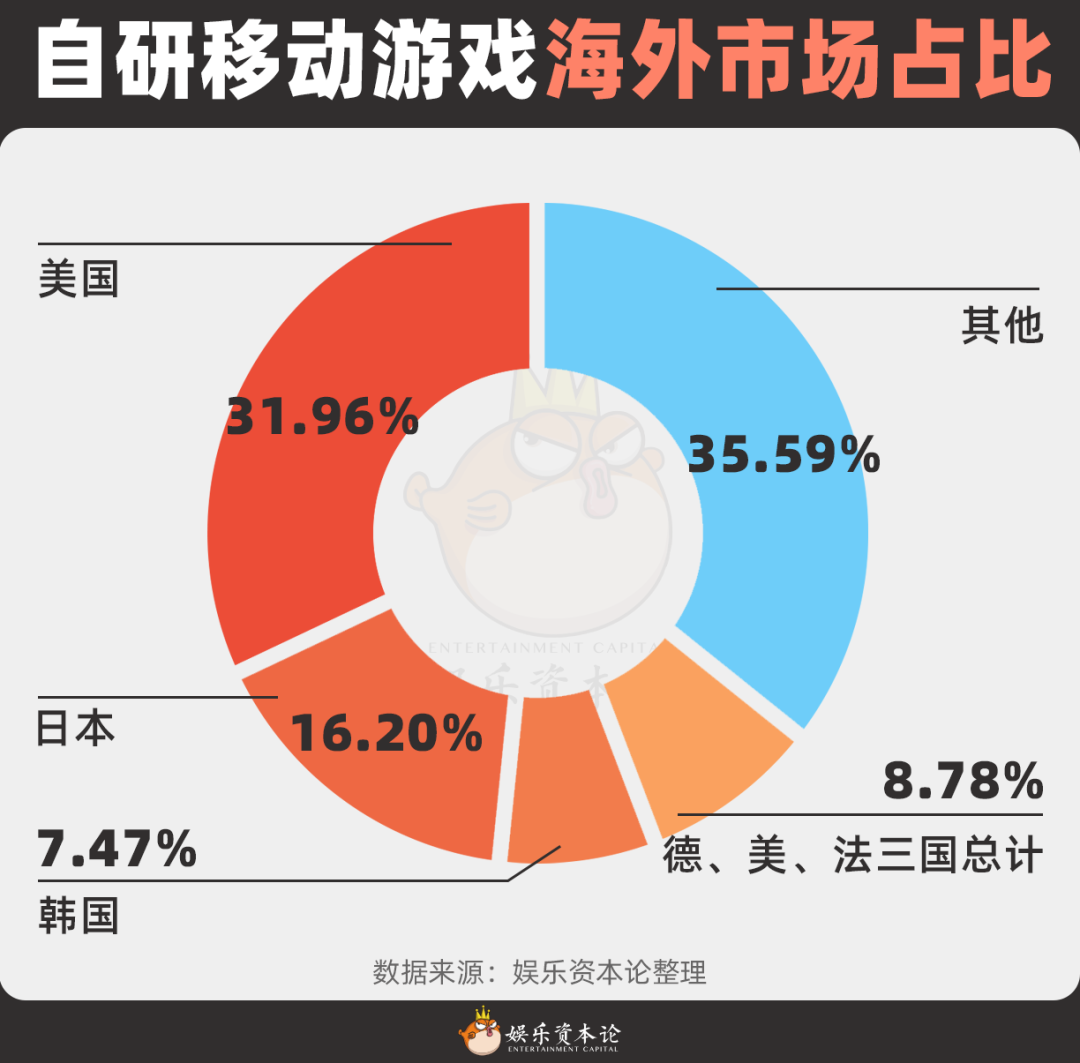
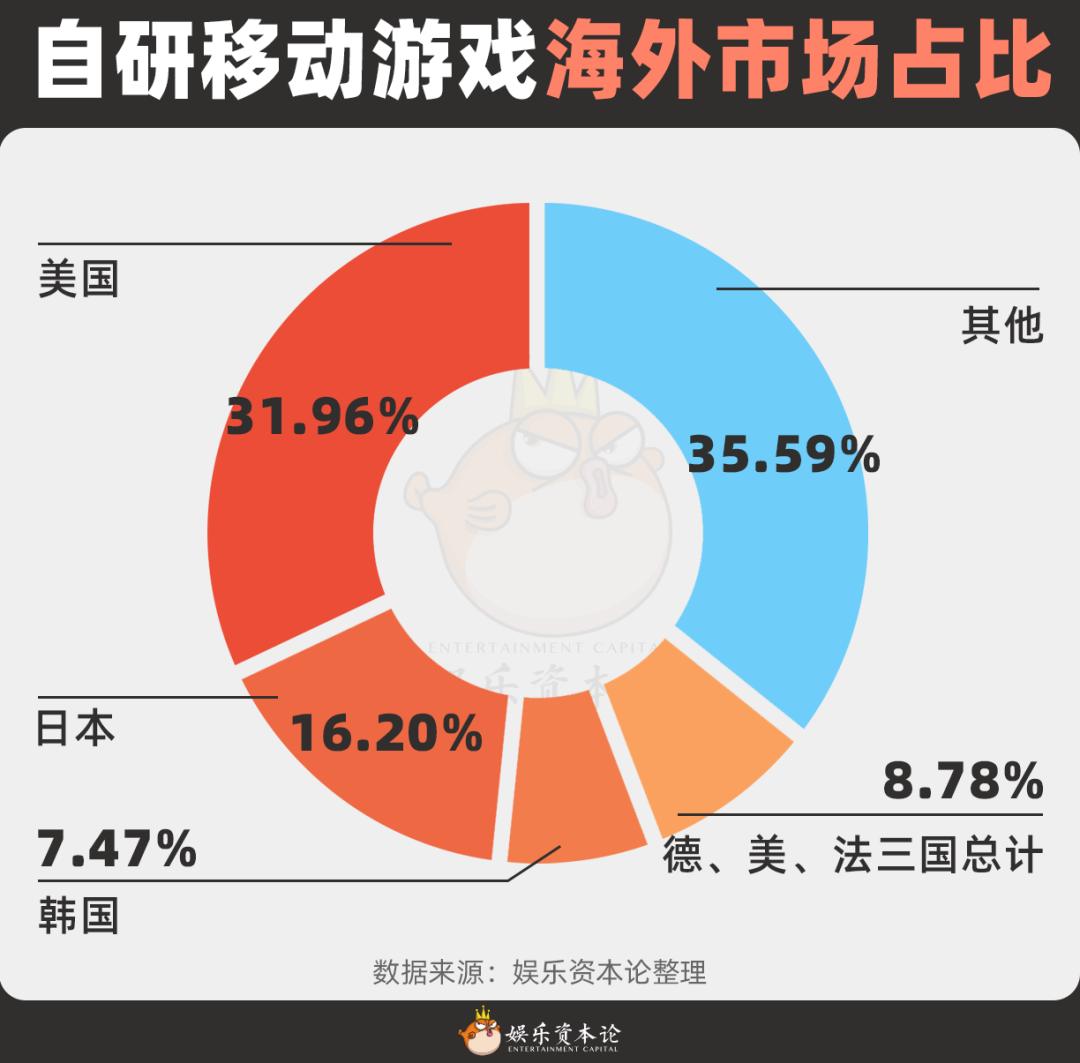
Core Viewpoint - The article emphasizes the growth of China's gaming industry in overseas markets, highlighting that the actual sales revenue of self-developed games reached $9.501 billion, a year-on-year increase of 11.07% [6]. Group 1: Market Performance - Tencent's international market revenue grew by 43%, marking the highest growth rate since the segment's performance was disclosed [9]. - NetEase's overseas deferred revenue increased by 25.3% to 19.47 billion yuan, indicating that the overseas market is becoming a second growth curve for its gaming business [9]. - By 2025, China's self-developed game overseas revenue is expected to exceed $20 billion, reflecting a significant upward trend in overseas income [9]. Group 2: Leading Companies - Century Games has been identified as the "first factory" for overseas expansion, ranking first in the global mobile game manufacturers list, with notable titles like "Endless Winter" and "Kingdom of Bouncing" contributing to its success [12][13]. - Other companies like FunPlus and Lilith Games also continue to perform well in the overseas market, particularly in the SLG genre, which is popular in emerging markets [14]. Group 3: Game Genres and Player Demographics - SLG games remain a popular category for Chinese games going abroad, appealing to a wide range of players, including those in conflict zones seeking escapism [14]. - Casual games from companies like Habby, which include titles like "Archero" and "Dungeon of the Endless," have also shown strong performance in overseas markets due to their low entry barriers and engaging gameplay [16]. - Lemon Microfun targets ultra-casual players, primarily women, with games like match-3 and simulation genres, catering to players looking for quick entertainment during daily routines [19]. Group 4: Trends in Game Development - The article notes that shooting games continue to be a traditional strong category for overseas markets, with Tencent's "Delta Force" performing exceptionally well [20]. - The second dimension (二游) games, while not mainstream, have a dedicated following in overseas markets, with players attending conventions to connect with others [22]. - The success of titles like "Ming Tide" and "Yuan Yun Sixteen Sounds" indicates a growing interest in Chinese cultural themes, particularly in the martial arts genre, which has gained traction among overseas players [41][43]. Group 5: Future Directions - The article suggests that the combination of martial arts, immersive experiences in second dimension games, and detailed narratives in female-oriented games will shape the future landscape of Chinese games going abroad [48]. - The industry is transitioning from a rough expansion phase to a more refined competition stage focused on quality, culture, and gameplay [49]. - Companies will need to balance global adaptation with local expression to maintain competitive advantages in the international market [49].




2025年全年版号发放正式收官,创下自2019年以来近七年新高,游戏行业持续回暖
Mei Ri Jing Ji Xin Wen· 2025-12-26 06:43
Core Viewpoint - The gaming sector is experiencing a resurgence, with significant capital inflow into gaming ETFs and a record number of game licenses issued in 2025, indicating a positive outlook for the industry [1] Group 1: Market Performance - The gaming sector showed strength in midday trading on December 26, with gaming ETFs experiencing a slight increase [1] - Gaming ETFs have seen net inflows for five consecutive trading days, accumulating a total of 1.156 billion [1] - As of December 25, the total size of gaming ETFs reached 12.486 billion, providing investors with a convenient tool for exposure to leading A-share gaming companies [1] Group 2: Regulatory Developments - The National Press and Publication Administration announced the issuance of online game licenses for December, marking the end of the annual license issuance for 2025 [1] - The total number of game licenses issued this year reached 1,771, the highest in nearly seven years since 2019, representing an increase of over 20% compared to 2024 [1] Group 3: Industry Outlook - According to Open Source Securities, the gaming industry's upward cycle continues due to supply-demand resonance, with adjusted valuations becoming attractive [1] - CITIC Construction Investment Securities noted that the gaming industry's prosperity and profit margins are on the rise, supported by the growth in license supply [1] - Major companies like Tencent, NetEase, and miHoYo are launching new games, while mid-sized firms are innovating in categories such as SLG + elimination and creative card games, indicating strong potential [1] - The gaming sector is catalyzed by multiple factors including AI, content, and commercialization model transformations, with gaming ETFs tracking the CSI Animation and Gaming Index reflecting the overall performance of A-share listed companies in the animation and gaming industry [1]
200亿出海市场,谁在闷声赚大钱?
Xin Lang Cai Jing· 2025-12-26 05:22
Core Insights - The overseas market for Chinese self-developed games is showing strong growth, with actual sales revenue reaching $9.501 billion in the first half of 2025, a year-on-year increase of 11.07% [1] - Major companies like Tencent and NetEase are experiencing significant revenue growth in international markets, with Tencent's international market revenue increasing by 43% and NetEase's deferred revenue growing by 25.3% to 19.47 billion yuan [3] - By 2025, the overseas revenue of Chinese self-developed games is expected to exceed $20 billion, indicating a robust demand for Chinese games abroad [3] Group 1: Leading Companies in Overseas Markets - Century Huatong has been identified as the leading company in overseas markets, outperforming competitors like Tencent and miHoYo [5] - The 2025 Global Mobile Game Publishers Top 50 list includes nine Chinese companies, highlighting the competitive landscape [6] - Century Huatong's success is attributed to several hit mobile games, including "Endless Winter" and "Truck Star," which are popular in emerging markets [9] Group 2: Game Genres and Player Demographics - Strategy games (SLG) remain a popular genre for Chinese games in overseas markets, appealing to players in regions like the Middle East [9] - Casual games from companies like Haipi Games and Lemon Microfun are targeting light players, particularly women, who play during downtime [11][13] - The overseas player base for SLG games is often described as a "silent group," primarily playing for social interaction rather than gameplay depth [9] Group 3: Trends in the Overseas Market - The overseas market for second-dimensional (2D) games is growing, with companies like miHoYo maintaining a loyal player base despite a decline in spending willingness [15] - The success of games like "恋与深空" (Love and Deep Space) indicates a rising trend among young female players, driven by social media engagement [20] - The emergence of martial arts-themed games, such as "燕云十六声" (Yanyun Sixteen Sounds), suggests a potential new direction for Chinese games in international markets, capitalizing on the popularity of Chinese culture [25][26] Group 4: Future Directions and Challenges - The gaming industry is transitioning from a broad approach to a more refined competition focused on quality, culture, and gameplay [33] - Companies must balance global adaptation with local expression to leverage cultural advantages into sustainable competitive advantages [33]
5000万元年度扶持落地,上海“游戏沪十条”来了
Guo Ji Jin Rong Bao· 2025-12-26 05:13
Core Viewpoint - Shanghai has officially launched the "Game Shanghai Ten Measures" to support the development of the gaming and esports industry, with an annual special funding of 50 million yuan as the core, aiming to create a comprehensive and systematic support system for the industry [1] Group 1: Policy Overview - The "Game Shanghai Ten Measures" breaks the previous district-level support model and covers ten areas including industrial cluster construction, high-quality creation, technological innovation, cultural export, and financial support [1][2] - The policy aims to build a world-class gaming and esports cluster, enhance the industry ecosystem, and promote international cooperation [2][5] Group 2: Financial Support and Investment - The policy includes the establishment of an industrial investment fund to support key enterprises and small teams in the industry, providing systematic support for small and medium-sized gaming companies [3][6] - The investment fund will help identify and nurture talent and teams in the gaming and esports sectors, benefiting the entire industry [4] Group 3: Industry Growth and Projections - Shanghai's gaming industry is projected to achieve sales revenue of 170.7 billion yuan by 2025, with a year-on-year growth of approximately 9.6%, and overseas revenue expected to reach 30.3 billion yuan, growing by 13.7% [2][3] - The city has already formed a complete ecosystem with major companies like Tencent and NetEase leading, and international firms like Blizzard and EA establishing a presence [3] Group 4: Talent and Innovation - The policy emphasizes talent cultivation and innovation incentives, including the establishment of a knowledge property rights protection mechanism to combat infringement [6] - Shanghai aims to create a supportive environment for startups through incubators and one-stop services for new gaming enterprises [3][6] Group 5: International Expansion - The "Game Shanghai Ten Measures" focuses on facilitating the international expansion of gaming companies, addressing challenges such as copyright infringement and complex processes in overseas markets [9] - A comprehensive overseas service platform will be established to support localization, compliance, and financial services for gaming products [9] Group 6: Cultural Integration and Industry Events - The policy encourages the integration of original gaming content with traditional Chinese culture and Shanghai's urban characteristics, promoting cross-industry collaboration [9] - It aims to enhance the level of industry exhibitions, such as the China International Digital Interactive Entertainment Expo, to build bridges for domestic and international industry exchanges [9]

2025年版号收官,1771款,创6年新高,都透露出什么信息?
3 6 Ke· 2025-12-26 00:18
Core Insights - The issuance of game licenses in December 2025 marks a significant increase, with 1,676 domestic and 95 imported game licenses, totaling 1,771, representing over a 20% growth compared to 2024 [3][4]. Group 1: License Issuance - In December 2025, 144 domestic and 3 imported game licenses were issued, including notable titles like Tencent's "QQ Classic Farm" and the imported "Prince of Persia: The Lost Crown" [1][22]. - The total number of licenses issued from January to November 2025 reached 1,624, with 1,532 being domestic and 92 imported [3]. - The issuance of domestic game licenses saw a significant increase, with a record high of 178 licenses in November 2025 [4]. Group 2: Industry Trends - The approval process for game licenses has improved, with the average time for self-applied licenses reduced to 4-6 months, and potentially shortened by over 20% with professional assistance [4]. - The trend in 2025 shows a diversification in game genres, with various categories like SOC, anime, SLG, console, and single-player games being represented, indicating a mature market [17]. Group 3: Major Players - Tencent emerged as the leading company in terms of game licenses for 2025, including those from its subsidiaries and agency products [7][9]. - NetEase follows as the second-largest player, with its subsidiaries and agency products also included in the count [9]. - 4399 ranked as the highest non-Tencent or NetEase company, focusing on overseas markets and showing strong performance in the mini-game sector [11]. Group 4: Notable Absences - Several well-known companies, such as Paper Games and Deep Blue, did not receive licenses in 2025 but are actively preparing for future projects [12][16]. - miHoYo only secured one license for "Honkai: Inheritance Spirit," with other anticipated titles delayed [14]. Group 5: Future Outlook - The industry is expected to maintain a positive momentum, with hopes for continuous surprises each month [6]. - The competition is shifting from merely obtaining licenses to winning market share, emphasizing product quality and long-term strategies [17].

胡润:一张财富排行榜里的二十五年|我们的四分之一世纪
Jing Ji Guan Cha Wang· 2025-12-25 12:11
Core Insights - The article reflects on the evolution of the "Hurun Rich List" over 25 years, highlighting the transformation of wealth perception and the changing landscape of China's economy [2][3][12]. Group 1: Historical Context - In 1999, the first "Hurun Rich List" was created, featuring 50 individuals, with the founder of CITIC Group, Rong Yiren, ranked first [2][3]. - The list initially faced skepticism and fear among entrepreneurs, as many listed individuals later faced legal troubles, leading to the term "killing pig list" being used to describe it [5][6][9]. Group 2: Changes in Wealth Dynamics - By 2025, the list expanded to 1,434 individuals, with the threshold for inclusion set at 5 billion RMB, indicating significant growth in China's private economy [3][13]. - The composition of the list has shifted dramatically, with real estate moguls dominating in the early years, but by 2025, only one real estate entrepreneur, Wu Yajun, remains in the top 100 [20][21][24]. Group 3: Emerging Industries - The industrial products sector now leads the list with 16.5% representation, followed by consumer goods and life sciences, reflecting a shift in wealth creation from real estate to technology and innovation [24][25]. - Notable figures in 2025 include Zhong Shanshan, Zhang Yiming, and Ma Huateng, with wealth derived from sectors like bottled water, technology, and pharmaceuticals [25][26]. Group 4: Globalization and New Generations - The article discusses the new generation of entrepreneurs who are inherently globalized, with many starting their businesses with a global market focus, unlike previous generations [36]. - The transition of leadership to the next generation is highlighted, with examples of heirs taking over large enterprises, indicating a potential for continuity in business values and networks [37][39]. Group 5: Cultural Shifts - There is a notable cultural shift among Chinese entrepreneurs, with a growing emphasis on education and networking, as many pursue advanced degrees even after achieving success [28][30]. - The article emphasizes the importance of transparency in wealth, with Hu Run advocating for wealth to be openly discussed and legally recorded as a sign of a mature business society [12][26].

年终总结②:200亿出海市场,谁在闷声赚大钱
3 6 Ke· 2025-12-25 12:11
Core Insights - The overseas market remains a key focus for the Chinese gaming industry, with actual sales revenue from self-developed games reaching $9.501 billion in the first half of 2025, marking an 11.07% year-on-year growth [1] - Major companies like Tencent and NetEase have reported significant revenue growth from international markets, with Tencent's international market revenue increasing by 43% and NetEase's deferred revenue growing by 25.3% to 19.47 billion yuan [3] - The trend indicates that by 2025, the overseas revenue from Chinese self-developed games is expected to exceed $20 billion, highlighting the increasing demand for Chinese games abroad [3] Group 1 - Tencent is recognized as a leading player in the overseas market, but Century Huatong has been named the "first factory" for overseas expansion in 2025 [4] - The "Top 50 Global Mobile Game Publishers" list includes nine Chinese companies, showcasing the competitive landscape and the presence of Chinese firms in the global market [5] - Century Huatong's success is attributed to several hit mobile games, particularly in the SLG genre, which remains popular in emerging markets [8] Group 2 - Companies like Haipi Games and Lemon Microfun are capitalizing on casual gaming trends, targeting light players, particularly women, with games that are easy to pick up and play [10][12] - The second dimension of gaming, particularly in the overseas market, is still developing, with companies like MiHoYo maintaining a loyal player base despite not being as dominant as in previous years [16] - The success of games like "Yanyun Sixteen Sounds" on platforms like Steam indicates a growing interest in Chinese martial arts games, suggesting a potential new direction for Chinese games in international markets [30][32] Group 3 - The overseas gaming market is evolving, with trends showing a shift towards quality, culture, and gameplay, moving away from a more crude approach [37] - The combination of martial arts themes, immersive experiences in second-dimensional games, and detailed narratives in female-oriented games are shaping the new landscape of Chinese games abroad [37] - Future challenges for companies will include balancing global adaptation with local expression while leveraging cultural advantages for sustained commercial competitiveness [37]
高中学历加入米哈游,离职后他跟蔡浩宇都搞AI,路线不同
3 6 Ke· 2025-12-24 11:41
Core Insights - Ding Shenghao, a prominent figure in the gaming industry, transitioned from miHoYo to establish Youyi Technology, focusing on developing an AI narrative engine for games [6][8][28] - The narrative engine aims to enhance storytelling in games, allowing for more dynamic and player-responsive narratives compared to traditional linear storytelling methods [33][40] - Youyi Technology's first game demo, "Yingge," showcases the potential of this new narrative approach, emphasizing player agency and interaction [28][34] Company Background - Ding Shenghao's background includes significant achievements at miHoYo, where he demonstrated exceptional technical skills despite initially having a high school education [3][6] - After leaving miHoYo in 2023, he secured funding to create Youyi Technology, which has since developed its first game demo [6][28] - The company is located in the Caohejing incubation base, collaborating with several independent studios [6] Technology and Innovation - The AI narrative engine developed by Youyi Technology utilizes "storylets," allowing for a more flexible narrative structure that adapts to player choices and actions [33][40] - This approach contrasts with traditional narrative methods, which often lead to "narrative dissonance" when player actions conflict with the intended story [34][40] - The engine is designed to facilitate collaboration among multiple writers, enabling them to create interconnected narratives that can be dynamically adjusted by AI [40][42] Market Context - The gaming industry is projected to surpass $200 billion in global revenue by 2024, yet many companies still struggle with efficient narrative integration in gameplay [27][28] - The current market lacks robust tools for narrative design, often leading to inefficient and disjointed storytelling processes [27][28] - Youyi Technology aims to fill this gap by providing a comprehensive toolset for narrative creation, potentially revolutionizing how stories are crafted in games [28][40] Future Prospects - The narrative engine is expected to be publicly available by mid-2024, allowing more creators to experiment with its capabilities [42] - Youyi Technology envisions itself as a technology company in the long run, focusing on the intersection of AI and game development [42][44] - The company is committed to continuous development and adaptation, believing that the essence of gaming lies beyond mere industrialization [44]