
北京SKP

Search documents
“并购破局:存量时代的投退博弈”闭门研讨会即将举办
2 1 Shi Ji Jing Ji Bao Dao· 2025-07-04 10:09
Group 1 - The core viewpoint of the articles highlights the transition of China's economy from high-speed growth to high-quality development, leading to increased merger and acquisition (M&A) activities among companies to better meet market demands [1] - Chinese companies are increasingly capable of engaging in M&A and expanding globally, driven by a shift in management power from the "first generation" to the "second generation" or professional managers, along with a greater emphasis on management incentives [1][2] - Since 2023, regulatory bodies have encouraged M&A and implemented various optimization measures, with multiple supportive policies introduced in 2024, including the new "National Nine Articles" and the revision of management regulations for major asset restructuring [1][2] Group 2 - The domestic M&A market has been heating up, with notable transactions such as Anta's acquisition of Jack Wolfskin and Tencent Music's proposed acquisition of Himalaya, alongside significant involvement from private equity and venture capital firms [2] - Local state-owned enterprises are increasingly establishing M&A funds, with Shenzhen launching a 4 billion yuan fund and Shanghai's state-owned fund matrix totaling over 50 billion yuan, indicating a growing trend in state-backed M&A initiatives [2] - The high valuations in emerging industries have begun to correct, creating favorable conditions for companies and investors seeking M&A opportunities, while the pressure on fund managers to exit investments is rising due to regulatory scrutiny [3]
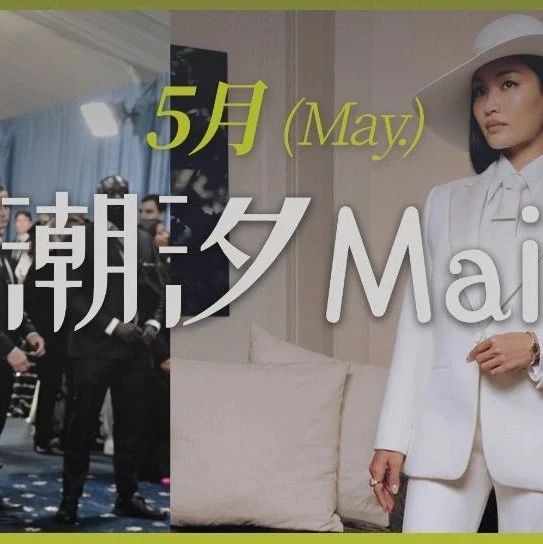
Met Gala红毯撞衫之战,DIOR输给LV了?|5月潮汐Mail
36氪· 2025-06-06 00:26
Group 1 - The article discusses the evolving trends in food and beverage, highlighting how young consumers are creatively using products like "Mixue Ice City" in cooking, transforming drinks into culinary ingredients [4][5][6] - The rise of unique food presentations, such as the "Prince Charming Soup," showcases the trend of visually appealing dishes gaining popularity on social media [8] Group 2 - The opening of LE LABO's new store in a traditional Beijing courtyard marks a significant move for the brand, integrating local architectural styles with its fragrance offerings [9][11][14] - The competitive landscape of high-end retail is shifting, with Beijing SKP undergoing a partial ownership change, raising questions about its future amidst a cooling luxury market [20][22][23] Group 3 - The collaboration between outdoor brand Outopia and China Rocket Company reflects a trend of brands merging functionality with cultural values, appealing to younger consumers [25][27] - The launch of IKEA's second-hand platform "IKEA preowned" aligns with sustainability goals, allowing users to buy and sell used IKEA products [60][62] Group 4 - GAP's marketing campaign for the 520 event emphasizes emotional connections and inclusivity, contrasting with the quieter responses from luxury brands in the same period [65][68]

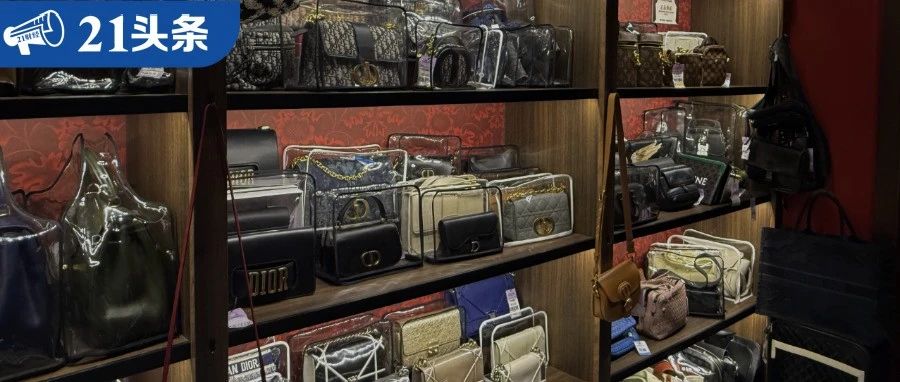
奢品包卖不动了?LV等巨头利润大跳水!“做二手奢品包的都在疯狂清库存”,买包理财神话终结
21世纪经济报道· 2025-05-28 11:12
Core Viewpoint - The luxury goods market is experiencing a significant downturn, with major brands like Chanel and LVMH reporting declines in sales and profits, indicating a shift in consumer behavior and a reevaluation of luxury items as investment assets [1][2][3]. Group 1: Industry Performance - Richemont reported a 4% increase in revenue to €21.4 billion for the fiscal year 2025, but a 1% decline in operating profit to €3.76 billion, with the Asia-Pacific market suffering a 13% revenue drop, particularly in China where it fell by 23% [3]. - LVMH's revenue decreased by 2% to €84.683 billion, with net profit down 17% to €12.25 billion, while Kering's revenue fell by 12% to €17.194 billion and net profit dropped by 62% [3]. - Chanel's sales for 2024 were $18.7 billion, a 4.3% decrease year-on-year, with operating profit down 30% [3]. Group 2: Market Trends - The luxury goods market in China is projected to decline by 18%-20% in 2024, returning to 2020 levels, with leather goods expected to drop by 20%-25% [4]. - High-end commercial properties are also affected, with Beijing SKP's sales plummeting 17% to ¥22 billion, and other malls experiencing a 6% revenue decline [4]. - The second-hand luxury market is seeing increased demand as consumers seek value, with significant price drops reported in the resale of luxury items [7][9]. Group 3: Consumer Behavior - Consumers are becoming more cautious, focusing on practicality and value rather than viewing luxury items as investment tools, with many preferring traditional investment options like ETFs and bank deposits [13][15]. - The perception of luxury goods as financial assets is shifting, with consumers recognizing the marketing illusion behind the idea of luxury items as reliable investments [15]. - The second-hand market is gaining traction, with consumers looking for high-value items at lower prices, and classic brands like Chanel and Hermes being viewed as more stable investments [10][14]. Group 4: Investment Shifts - The average annual price increase for Chanel's Classic Flap bag from 2015 to 2023 was 8.5%, while Hermes Birkin crocodile skin bags saw annual appreciation rates of 10%-15% [12][14]. - As traditional investment returns decline, gold is becoming a preferred investment choice among high-net-worth individuals, with 15.7% still considering it their top investment option [15].

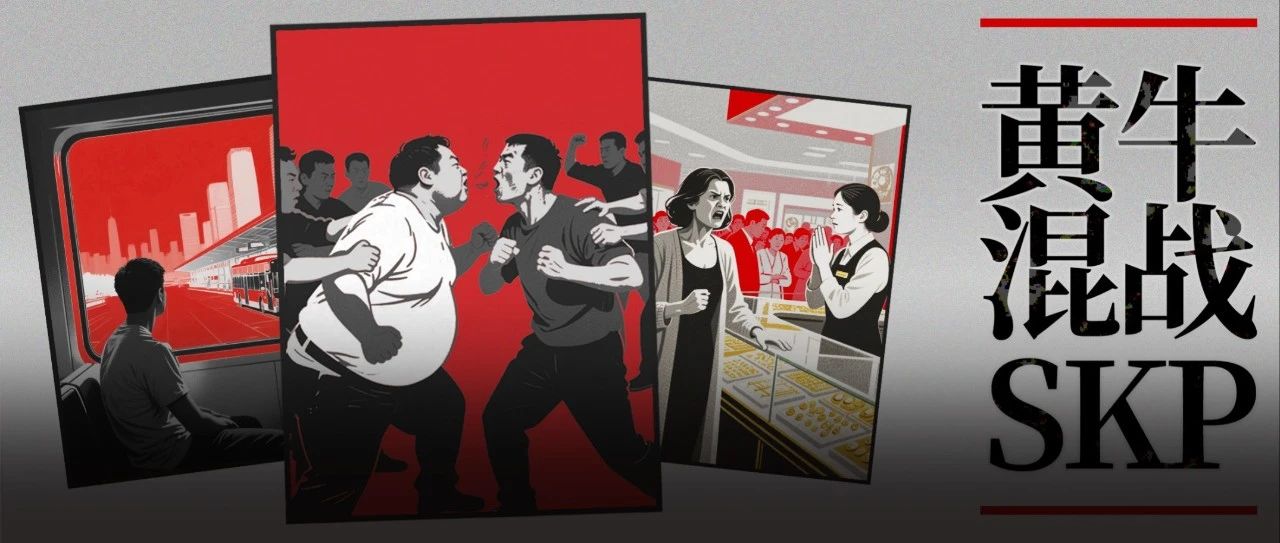
SKP黄牛江湖:薅富人的羊毛,月入10万
36氪· 2025-05-24 09:22
Core Viewpoint - The article discusses the ongoing issues with scalpers at Beijing SKP, a luxury department store, highlighting the dynamics between scalpers, customers, and the store's management, as well as the impact of promotional strategies on scalper activities [3][9][36]. Group 1: Scalper Activities - Scalpers, such as "Fa Fa," have been operating at SKP, with some making significant profits, like 300,000 yuan in sales [3][5]. - The presence of security has increased, leading to scalpers being escorted out and required to sign agreements to cease disruptive activities [5][6]. - Conflicts among scalpers have risen, with reports of physical altercations occurring in front of the store [6][8][32]. Group 2: Customer Experience - Customers have expressed frustration with the chaotic shopping environment, particularly during promotional events, where scalpers dominate the space, leading to long wait times and dissatisfaction [8][21]. - The promotional strategies of SKP, such as point redemption systems, have created a "consumption trap," pushing customers to rely on scalpers for discounts [12][13]. Group 3: SKP's Business Model - SKP has introduced complex promotional policies, including a tiered point redemption system that incentivizes high spending, which scalpers exploit to offer discounts to customers [11][12][14]. - The store has historically been a leader in luxury retail, with sales exceeding 10 billion yuan in a single day, but is now facing challenges as competition increases [11][36]. Group 4: Changes and Future Outlook - Recent changes in SKP's promotional policies, including adjustments to large customer incentives, suggest a targeted approach to curb scalper activities [36]. - The impending acquisition of a significant stake in SKP by a private equity firm indicates potential shifts in management and strategy, which could further impact scalper dynamics [36][37].
「店王」SKP的惊人流水为何换不来资本信心?
36氪· 2025-05-08 09:49
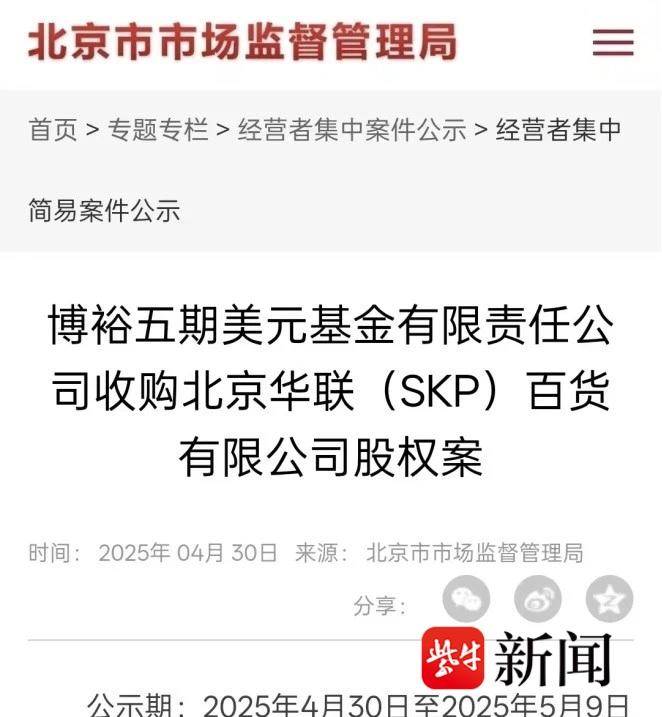
Core Viewpoint - The acquisition of a stake in Beijing SKP by Boyu Capital is seen as a strategic move amidst a cooling luxury market, with implications for both the seller, Beijing Hualian, and the buyer, Boyu Capital [4][5][17]. Group 1: Transaction Details - Boyu Capital, through its affiliates, plans to acquire 42%-45% of Beijing SKP's shares, previously held by Beijing Hualian and Radiance Investment Holdings [4]. - The overall value of Beijing SKP's management and operations is estimated between $4 billion to $5 billion, approximately 290 billion to 364 billion RMB [5]. - The transaction is interpreted as Beijing Hualian's attempt to divest from a declining luxury market, leading to a significant drop in its stock price [5]. Group 2: Beijing SKP's Performance - Beijing SKP has achieved remarkable sales, with a record revenue of 26.5 billion RMB in 2023, maintaining its position as the top-performing single-store shopping center in China for ten consecutive years [9][10]. - The store's sales peaked at 10.1 billion RMB in a single day in 2017, showcasing its strong market presence [9]. - Despite its success, the luxury retail environment is shifting, with forecasts suggesting a 17% revenue decline for SKP in 2024, potentially dropping to 22 billion RMB [18]. Group 3: Market Trends and Strategic Shifts - The luxury market is experiencing a contraction, with brands focusing on strategic placements in second- and new-tier cities, leading to a more cautious expansion approach [14]. - The operational model of SKP, which combines high-end retail with experiential offerings, is under scrutiny as consumer preferences evolve towards more engaging shopping experiences [18]. - The shift towards experience-driven retail is evident as luxury brands diversify into services beyond traditional shopping, indicating a broader trend in consumer expectations [18]. Group 4: Financial Context of Beijing Hualian - Beijing Hualian reported a total revenue of 1.398 billion RMB in the past year, ranking 32nd among its peers, with a net profit decline of 26.28% [15]. - The company’s asset-liability ratio increased to 45.56%, indicating financial pressures that may have influenced the decision to sell SKP [15]. - The strategic divestment aligns with Hualian's focus on core business operations and asset optimization, as evidenced by the recent separation of its community retail segment [15][16]. Group 5: Boyu Capital's Investment Strategy - Boyu Capital's interest in acquiring SKP is part of a broader strategy to enhance its high-end consumer ecosystem, complementing its existing investments in various sectors [17]. - The acquisition could enable Boyu Capital to establish a comprehensive presence in the luxury retail market, integrating online and offline consumer experiences [17].
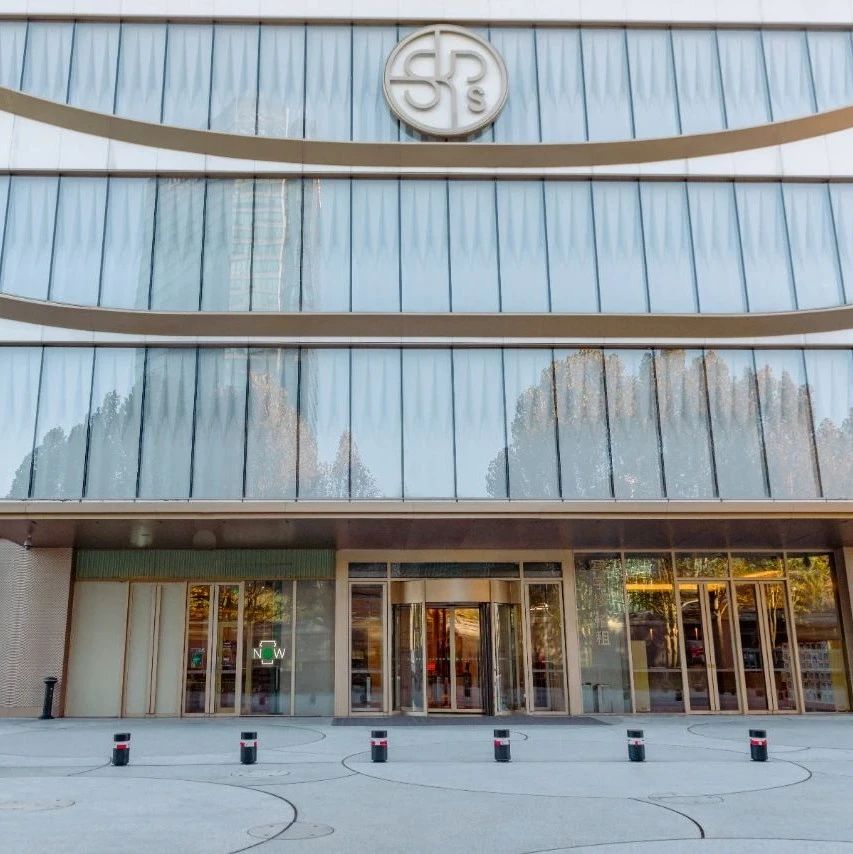
SKP的惊人流水为何换不来资本信心?
3 6 Ke· 2025-05-08 01:56
Core Viewpoint - The acquisition of a stake in Beijing SKP by Boyu Capital is seen as a strategic move amidst a cooling luxury market, with implications for both the seller, Hualian, and the buyer, Boyu Capital [1][2][10]. Company Overview - Beijing SKP, originally known as Shin Kong Place, opened in 2007 and quickly became a premier destination for luxury shopping in Beijing, attracting over 700 luxury brands [2][3]. - The mall has consistently achieved high sales performance, with a record single-day sales of 1.01 billion yuan in 2017 and total sales reaching 26.5 billion yuan in 2023 [3][10]. Transaction Details - Boyu Capital, through its affiliates, is set to acquire 42%-45% of Beijing SKP's equity, previously held by Hualian and Radiance Investment Holdings [1]. - The overall value of the management and operational business of Beijing SKP is estimated between 4 billion to 5 billion USD (approximately 29 billion to 36.4 billion yuan) [1]. Market Context - The luxury goods market in China is experiencing a downturn, prompting Hualian to divest from SKP, which may be interpreted as shedding a burden [1][2]. - Hualian's financial performance has been declining, with a reported revenue of 1.398 billion yuan and a net profit drop of 26.28% year-on-year [8]. Strategic Implications - The acquisition aligns with Boyu Capital's strategy to build a comprehensive high-end consumer ecosystem, complementing its existing investments in various sectors [10]. - The shift in luxury retail dynamics, with brands focusing on second-tier and new first-tier cities, indicates a changing landscape for high-end retail [7]. Future Outlook - Projections suggest that Beijing SKP's revenue may decline by 17% in 2024, potentially falling to 22 billion yuan, as competition from other high-end malls increases [10]. - The evolving consumer preferences towards experiential retail and personalized services will challenge traditional luxury retail models, necessitating strategic adjustments from Beijing SKP [11].

美联储按兵不动!鲍威尔:降息不急;美股收涨,谷歌跌7%;普京:“胜利日停火”生效;央行:全力推进一揽子金融政策加快落地丨每经早参
Mei Ri Jing Ji Xin Wen· 2025-05-07 22:09
Group 1 - China is committed to expanding high-level opening-up and supports foreign financial institutions to deepen cooperation with China [2] - The Abu Dhabi Investment Authority is optimistic about China's economic prospects and looks forward to cooperation in various fields [2] Group 2 - The Federal Reserve decided to maintain the federal funds rate target range at 4.25% to 4.5%, marking the third consecutive month of no change [3] - Economic uncertainty in the U.S. has increased, with rising risks of unemployment and inflation [3] Group 3 - U.S. stock indices collectively rose, with the Dow Jones up 0.7%, S&P 500 up 0.43%, and Nasdaq up 0.27% [4] - International oil prices weakened, with WTI crude oil down 1.93% to $57.95 per barrel [4] - International gold prices fell, with spot gold down 1.95% to $3364.07 per ounce [4] Group 4 - The Chinese central bank is accelerating the implementation of a package of financial policies to support economic recovery [6] - China's gold reserves increased for the sixth consecutive month, reaching 73.77 million ounces by the end of April [7] Group 5 - The China Securities Regulatory Commission issued an action plan to promote the high-quality development of public funds [8] - The Shanghai Stock Exchange announced a "green channel" mechanism for the financing review of technology innovation bonds [10] - The Shenzhen Stock Exchange expanded support for financial institutions to issue technology innovation bonds [11] Group 6 - China decided to impose anti-dumping duties on imported chlorpyrifos from India, with rates ranging from 48.4% to 166.2% for five years [12] - Shanghai announced a reduction in personal housing provident fund loan rates, effective May 8, 2025 [13] Group 7 - Li Auto's CEO's reported annual salary of 639 million yuan was clarified to be a special accounting treatment for stock options, not actual salary [21] - JD.com announced that its 2025 "618" shopping festival will officially start on May 31 [22] Group 8 - Geely proposed to privatize Zeekr and delist it from the New York Stock Exchange, offering $2.57 per share [24] - Bee Capital announced the complete divestment of its shares in Pop Mart due to the expiration of its fund [26] Group 9 - AMD reported Q1 revenue of $7.4 billion, with the data center division achieving $3.7 billion in revenue, a 57% year-over-year increase [30] - Uber plans to invest an additional $100 million in WeRide to expand its Robotaxi operations [32]

突发:博裕资本拟收购北京SKP近半股权 奢侈品零售格局生变
Yang Zi Wan Bao Wang· 2025-05-07 11:38
Group 1 - Beijing SKP is undergoing a significant equity restructuring with the acquisition of 42%-45% stake by Boyu Capital, which may reshape the high-end commercial landscape in China [1][2] - The valuation of the entire SKP business is estimated between $4 billion to $5 billion, with sales reaching 26.5 billion yuan in 2023, but projected to decline to approximately 22 billion yuan in 2024, a year-on-year decrease of about 17% [4] - The performance of Nanjing Deji Plaza has shown resilience, achieving a sales figure of 24.5 billion yuan in 2024, a 2.5% increase from 23.9 billion yuan in 2023, surpassing Beijing SKP to become the new national sales champion [5] Group 2 - The shift in SKP's ownership and Deji Plaza's rise to the top reflects new trends in China's high-end consumer market, with SKP facing performance pressure while Deji Plaza demonstrates stronger risk resilience [6] - The high-end retail market in Nanjing is evolving into a "dual oligopoly" with the opening of new IFC mall, projected to generate sales of around 3 billion yuan in 2024 [6] - The industry is transitioning into a stock competition era, with traditional luxury sales growth models facing challenges, prompting new entrants like JLC Jinling Central to adopt innovative strategies targeting younger consumers through unique cultural and social experiences [6]
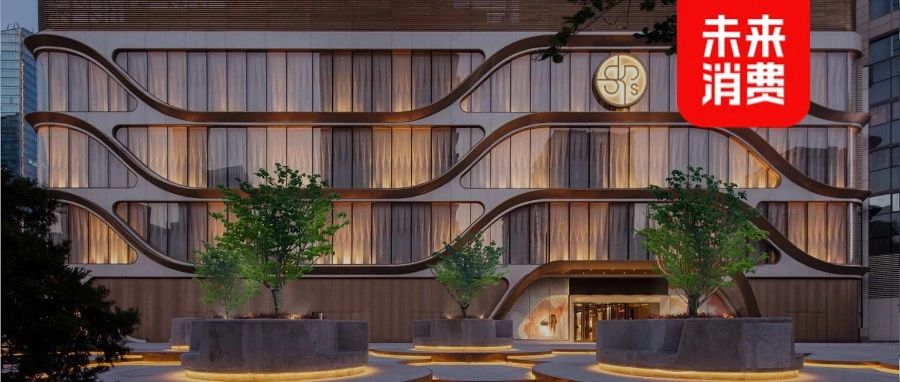
「店王」SKP的惊人流水为何换不来资本信心?
36氪未来消费· 2025-05-07 09:32
Core Viewpoint - The acquisition of a stake in Beijing SKP by Boyu Capital is seen as a strategic move amidst a cooling luxury market, with implications for both the seller, Beijing Hualian, and the buyer, Boyu Capital [3][4][12]. Group 1: Transaction Details - Boyu Capital, through its affiliates, plans to acquire 42%-45% of Beijing SKP's equity, previously held by Beijing Hualian and Radiance Investment Holdings [3]. - The overall value of Beijing SKP's management and operations is estimated between $4 billion to $5 billion, equivalent to approximately 290 billion to 364 billion RMB [3]. - The transaction is interpreted as Beijing Hualian's attempt to divest from a declining asset, as evidenced by a significant drop in its stock price following the announcement [3][4]. Group 2: Performance of Beijing SKP - Beijing SKP has achieved remarkable sales, with a record revenue of 26.5 billion RMB in 2023, maintaining its status as the top-performing single-store shopping mall in China for ten consecutive years [7][8]. - The mall's innovative approach, including the introduction of a buyer system and experiential retail, has contributed to its success, although a significant portion of its revenue still comes from rental income [9][10]. - Despite its past success, projections indicate a potential revenue decline of 17% in 2024, with expected earnings of 22 billion RMB [17]. Group 3: Market Context and Strategic Considerations - The luxury retail market in China is experiencing a contraction, with brands shifting focus to second-tier and new first-tier cities, indicating a strategic realignment in the industry [12]. - Beijing Hualian's decision to sell SKP aligns with its broader strategy to focus on core operations and optimize assets, as evidenced by its declining financial performance [13][14]. - Boyu Capital's interest in acquiring SKP is part of a larger strategy to create a comprehensive high-end consumer ecosystem, enhancing its investment portfolio across various sectors [15][16].
斯凯奇被投资公司3G资本收购;新茶饮“五一”假期销售火热丨消费早参
Mei Ri Jing Ji Xin Wen· 2025-05-06 23:36
Group 1: Beijing SKP Share Sale - Beijing SKP is set to sell a stake to the Boyu Capital's fifth USD fund, which will acquire 42% to 45% of the shares through its affiliates [1] - The transaction amount has not been disclosed, but it reflects capital's recognition of high-end retail's resilience amid economic challenges [1] - SKP has been a leader in high-end retail, but faces challenges from luxury market growth bottlenecks and competition from new projects [1] Group 2: Skechers Acquisition by 3G Capital - Skechers has agreed to be acquired by 3G Capital for $63 per share, a 30% premium over its 15-day volume-weighted average price [2] - The transaction is expected to close in the third quarter of this year, after which Skechers will become a private company [2] - This acquisition represents a strategic move for Skechers to restructure and adapt, with a focus on supply chain, market expansion in China, and brand rejuvenation [2] Group 3: New Tea Beverage Sales During May Day Holiday - New tea beverage brands experienced significant sales growth during the May Day holiday, with Tea Baidao reporting a 50% increase in overall sales and some stores seeing sales up by 3000% [3] - Nayuki's Tea also reported a surge in orders, with some locations experiencing over 300% increase compared to pre-holiday levels [3] - The new tea beverage sector has become a popular choice among young consumers, but the industry must continue to innovate and operate efficiently as the flow of consumer traffic diminishes [3] Group 4: May Day Film Box Office Performance - The total box office for the May Day film season was 747 million yuan, less than half of last year's figures, marking the lowest daily average box office in nearly a decade [4] - The number of moviegoers decreased by 44%, and there was low pre-release interest in new films [4] - Changes in consumer logic and audience demands are impacting cinema consumption, with higher expectations for production quality, emotional resonance, and content innovation [4]