
吉利

Search documents
日产-奔驰墨西哥工厂获多家中国车企青睐,消息称比亚迪、吉利等有意竞标
Xin Lang Cai Jing· 2026-02-12 12:17
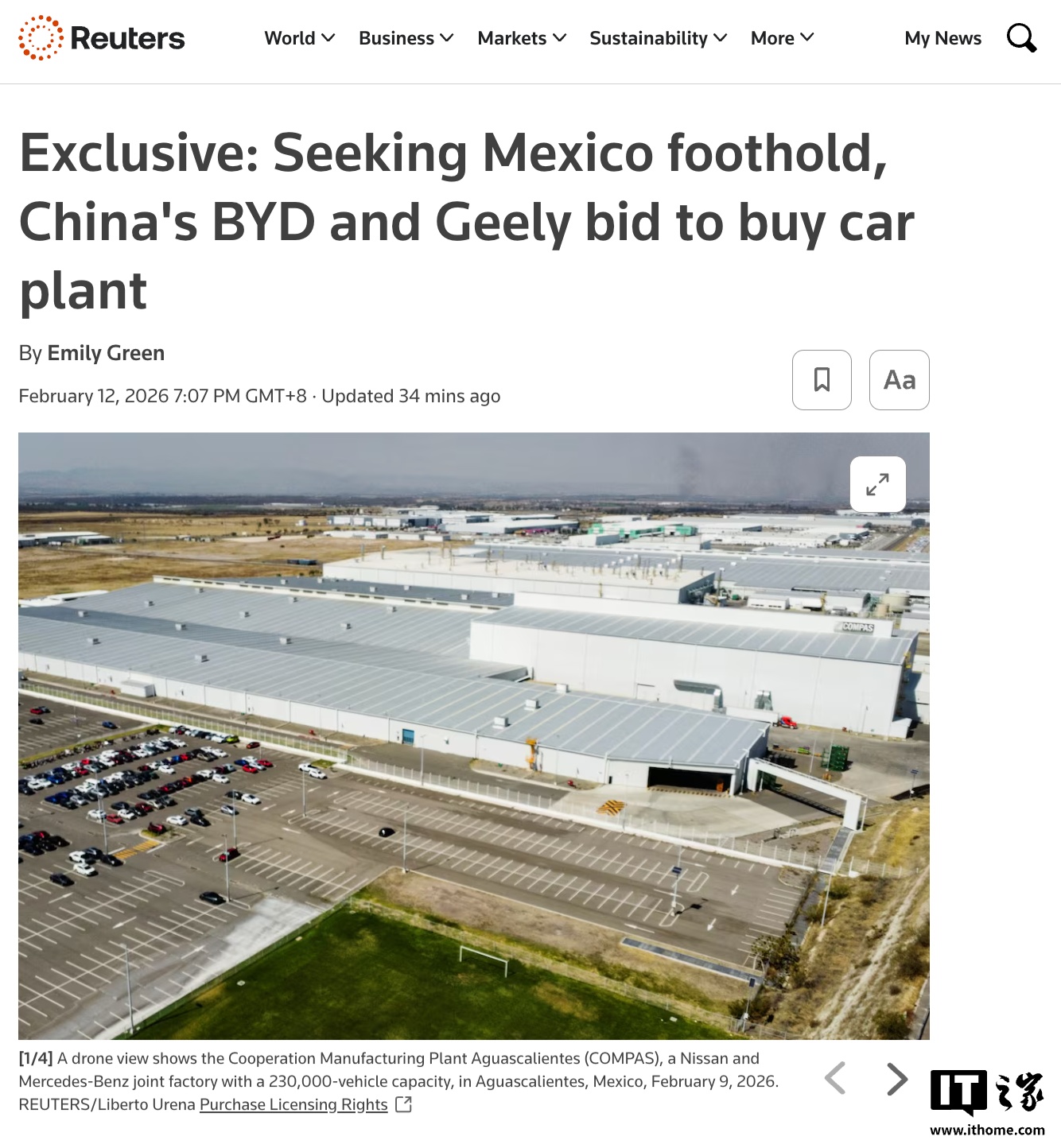
Core Viewpoint - Chinese automakers, including BYD and Geely, are in the final competition to acquire the Nissan-Benz factory in Aguascalientes, Mexico, as they seek to establish a manufacturing foothold in the region amid increasing factory closures and layoffs due to U.S. tariffs [1][7]. Group 1: Market Dynamics - Mexico has become a significant export market for Chinese automakers, with market share rising from zero in 2020 to approximately 10% last year, according to AutoForecast Solutions [4][10]. - The annual vehicle sales in Mexico are around 1.5 million units [4][10]. Group 2: Industry Challenges - The Mexican automotive industry is heavily reliant on the U.S. market, with projections indicating that out of 4 million vehicles produced in 2024, 2.8 million will be exported to the U.S. [6][11]. - The imposition of a 25% tariff by the U.S. on Mexican-made vehicles since March of last year has put continuous pressure on the industry [6][11]. Group 3: Factory Closure and Acquisition - The Nissan-Benz factory, which began operations in 2017, is set to close due to multiple factors, with U.S. tariffs being a significant contributor [6][11]. - The factory has an annual production capacity of 230,000 vehicles and is equipped with skilled labor and robust transportation infrastructure [7][11]. - Nine companies, including Chinese firms Chery and Great Wall, as well as Vietnam's VinFast, have expressed interest in acquiring the factory, which primarily produces hybrid and electric vehicles for the Mexican and Latin American markets [10][11].


曝荣耀前CEO将出任千里科技联席董事长 负责AI商业
Sou Hu Cai Jing· 2026-02-12 08:49
Group 1 - Zhao Ming, former CEO of Honor, will join Qianli Technology's board as co-chairman, marking a key move in the company's AI business strategy [1] - During his tenure at Honor, Zhao Ming successfully led the company to regain market share and developed an AI strategy focused on "edge AI and platform-level AI" [3] - Qianli Technology is undergoing a strategic transformation, with shareholders including Geely, Mercedes-Benz, and the Chongqing government, facing challenges in resource integration for its smart driving business [5] Group 2 - In the first three quarters of 2025, Qianli Technology achieved revenue of 6.95 billion yuan, but its profit margin was below 1%, with profits mainly from automotive manufacturing [5] - Analysts believe that the collaboration between Zhao Ming and the current CEO, Yin Qi, will create a deep synergy between technology and business, enhancing Qianli Technology's commercial strategy [5] - Zhao Ming's involvement is expected to strengthen Qianli Technology's commercial logic in the terminal field and support the development of a global brand and operational system [6]


菱电电控2025年业绩预增超6倍,终止重大资产收购
Jing Ji Guan Cha Wang· 2026-02-12 03:42
Group 1 - The core viewpoint of the article highlights that Lingdian Electric Control (688667.SH) expects a significant increase in net profit for 2025, projecting a year-on-year growth of 640.16% to reach between 118 million and 144 million yuan [1] - The company's performance growth is attributed to multiple factors, including supply chain optimization, cost reduction in R&D, an increase in new customer orders, and a decrease in equity incentive expenses [1] - On the same day as the earnings forecast announcement, the company decided to terminate a long-planned acquisition of a peer company, Aoyikes, which analysts believe is a rational choice given the strong turnaround in the company's own performance [1] Group 2 - As of January 31, the number of shareholders in the company was 4,154, a decrease of 325 from January 20, representing a 7.26% decline, marking the third consecutive period of decline in shareholder numbers [1] - The company's margin balance as of February 6 was 220 million yuan, indicating ongoing investor interest despite the decline in shareholder numbers [1] - The stock price has recently experienced significant increases, with a daily rise of 9.53% on February 11 and an 8.05% increase on February 2, driven by the positive impact of the earnings forecast and breakthroughs in hybrid power business [1] Group 3 - The company has demonstrated strong growth in the hybrid power sector, with products deeply integrated with leading new energy vehicle manufacturers such as Ideal and Leap Motor, and has successfully secured large-scale orders from mainstream manufacturers like Changan and Geely [1] - Additionally, the company is actively exploring applications of its electric control systems in new scenarios, such as low-altitude flying vehicles [1]

历史性时刻!出口乘用车中,新能源占比首次超一半
第一财经· 2026-02-12 02:07
Core Viewpoint - In January 2026, China's automobile exports continued to grow rapidly, with a total of 681,000 vehicles exported, marking a year-on-year increase of 44.9% [3] Group 1: Export Performance - Passenger car exports reached 589,000 units in January, up 48.9% year-on-year [3] - Commercial vehicle exports totaled 93,000 units, reflecting a year-on-year increase of 23.6% [3] - The export of new energy vehicles (NEVs) significantly contributed to this growth, with 302,000 units exported in January, a year-on-year increase of 100% [3] Group 2: New Energy Vehicle Insights - Among the NEVs, 295,000 were passenger vehicles, which accounted for over 50% of total passenger car exports for the first time, representing a year-on-year growth of 110% [3] - The export of pure electric vehicles reached 202,000 units, also doubling year-on-year, while plug-in hybrid vehicle exports were 99,000 units, up 97.3% [4] Group 3: Market Dynamics - The growth in plug-in hybrid vehicle exports has been notable, with these vehicles becoming a new growth point for exports, particularly in the pickup segment [4] - Despite previous challenges due to EU tariffs on electric vehicles, plug-in hybrids remain competitive in the European market due to a lower tariff rate [4] - The overall export performance is expected to remain strong, with a projected total of 8.32 million vehicles exported in 2025, a 30% increase year-on-year [5] Group 4: Leading Companies - In January, the top ten exporting companies included Chery (119,000 units), BYD (100,000 units), SAIC (97,000 units), Geely (77,000 units), and Tesla (51,000 units), all exceeding 50,000 units [5] - Nine out of the top ten companies experienced positive growth in exports, with only Changan showing a decline [5] Group 5: Future Outlook - The export markets are shifting towards regions like the Middle East and developed countries, indicating a trend of high-quality development in exports [4][6] - As long as the international market environment remains stable, there is significant potential for further growth in China's automobile exports [6]
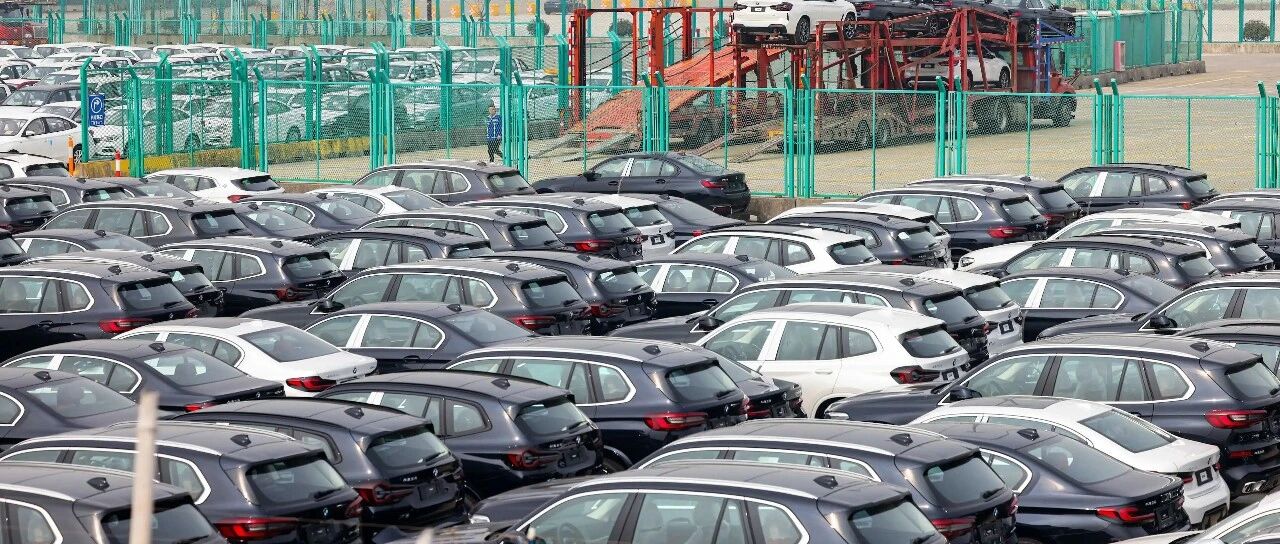
中泰国际:美股方面,美国1月非农就业人数增加13.5%
ZHONGTAI INTERNATIONAL SECURITIES· 2026-02-12 01:40
Market Overview - On February 11, Hong Kong stocks opened higher and expanded gains, with the Hang Seng Index closing up 83 points (0.3%) at 27,266 points[1] - The Hang Seng Tech Index rose by 48 points (0.9%) to close at 5,499 points, with total market turnover reaching HKD 217.2 billion[1] - Southbound capital saw a net inflow of HKD 4.82 billion, compared to a previous day's net inflow of HKD 84.66 million[1] Key Stock Movements - Semiconductor company SMIC reported a 61% year-on-year increase in Q4 net profit, but its Q1 gross margin guidance fell short of expectations, leading to a 2.1% drop in its stock price[1] - Precious metal stocks saw gains, with Zijin Mining up 2.8%, Shandong Gold up 4.4%, and Zijin Gold International up 9.1%[1] - Xiaomi's stock rose 4.3% after it invested in a humanoid robot parts supplier, while other automotive stocks like BYD and Geely also saw increases of 2.7% to 3.9%[4] Economic Indicators - In the U.S., January non-farm payrolls increased by 130,000, significantly above the expected 65,000, with the unemployment rate dropping to 4.3% from 4.4% in December[2] - China's January PPI fell by 1.4% year-on-year, slightly better than the expected 1.5% decline, while CPI rose by 0.2% year-on-year, below the expected 0.4%[3] Sector Performance - The healthcare sector saw a 0.7% increase in the Hang Seng Healthcare Index, with WuXi Biologics forecasting a 16.7% revenue growth to HKD 21.79 billion for 2025[4] - The renewable energy and utilities sector generally rose, with Huaneng International and Datang Power increasing by 1.7% to 2.4%[5]
历史性时刻!出口乘用车中,新能源占比首次超一半
Di Yi Cai Jing· 2026-02-12 00:48
Group 1 - In January, China's new energy vehicle (NEV) exports reached 302,000 units, a year-on-year increase of 100%, with new energy passenger car exports at 295,000 units, accounting for over 50% of total passenger car exports, marking a 111% increase year-on-year [1] - The overall automobile exports in January were 681,000 units, representing a year-on-year growth of 44.9%, with passenger car exports at 589,000 units (up 48.9%) and commercial vehicle exports at 93,000 units (up 23.6%) [1] - The export structure of NEVs shows that pure electric vehicle exports were 202,000 units (up 100%), while plug-in hybrid vehicle exports were 99,000 units (up 97.3%) [1] Group 2 - The export growth of plug-in hybrid vehicles has been significant, with expectations for 2025 indicating that plug-in hybrids and hybrids will become new growth points, particularly in the pickup segment [2] - Chinese plug-in hybrid vehicles are rapidly gaining market share due to technological advantages and cost competitiveness, especially in the European market where they face lower tariffs compared to pure electric vehicles [2] - Despite potential trade policy disruptions, the growth of Chinese automobile exports has shown resilience, with a projected total export of 8.32 million vehicles in 2025, reflecting a 30% year-on-year increase [3] Group 3 - In January, among the top ten vehicle exporters, nine companies reported positive growth, with Chery leading at 119,000 units, followed by BYD (100,000 units), SAIC (97,000 units), Geely (77,000 units), and Tesla (51,000 units) [3] - The Chinese automotive industry has seen a significant increase in export volume since 2021, with a strong focus on building overseas channels and brand investments [3] - The export performance has shifted towards regions like Central and South America and Europe, with strong growth expected as long as the international market environment remains stable [4]
AI助力,新产品密集投放,2026年“油电同智”驶入快车道
Zhong Guo Qi Che Bao Wang· 2026-02-11 02:45
Core Viewpoint - The "Oil-Electric Intelligence" strategy is gaining momentum among Chinese automotive brands, with significant advancements expected in 2026 following successful implementations in 2025 [1][4][5]. Group 1: Industry Trends - The "Oil-Electric Intelligence" strategy is seen as a key approach for traditional fuel vehicle manufacturers to enhance their market competitiveness and meet consumer demands for intelligent features [10][11]. - Major automotive brands, including Audi, Volkswagen, and Mercedes-Benz, are accelerating the rollout of models that incorporate this strategy, indicating a shift towards intelligent fuel vehicles [4][6][9]. - The integration of AI technology is crucial for bridging the intelligence gap between fuel and electric vehicles, allowing fuel vehicles to offer advanced features previously exclusive to electric models [7][9]. Group 2: Company Strategies - Audi's launch of the new Q5L model, equipped with Huawei's advanced driving assistance system, marks a significant step in implementing the "Oil-Electric Intelligence" strategy [4]. - Volkswagen's "Oil-Electric Progress" strategy has led to a recovery in sales, with plans for a diverse range of new models in 2026 to cater to various consumer needs [5]. - Mercedes-Benz is committed to providing multiple OTA upgrades for its vehicles equipped with the MB.OS system, enhancing the user experience and driving assistance features [6]. Group 3: Market Insights - A significant percentage of consumers prioritize intelligent cockpit features and interactive experiences when purchasing vehicles, highlighting the importance of the "Oil-Electric Intelligence" strategy [10]. - The market is witnessing a trend where intelligent features are becoming standard in fuel vehicles, thus leveling the playing field with electric vehicles [11]. - The anticipated slowdown in the growth rate of new energy vehicles suggests that fuel vehicles will continue to hold competitive advantages, prompting traditional manufacturers to deepen their focus on intelligent fuel vehicle strategies [11].

插混车型增程化行得通吗?
Zhong Guo Qi Che Bao Wang· 2026-02-11 02:01
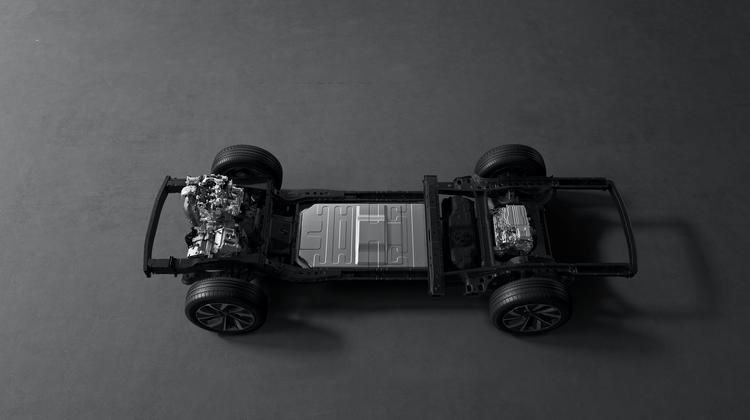
Core Viewpoint - The emergence of range-extended vehicles is becoming a significant trend in the automotive industry, with various manufacturers launching new models, leading to a blurring of lines between plug-in hybrids and range-extended vehicles [1][3]. Group 1: Market Trends - Numerous car manufacturers, including XPeng and Volkswagen, are introducing range-extended models, indicating a growing interest in this segment [1]. - The market is witnessing a convergence in product experience between plug-in hybrids and range-extended vehicles, driven by consumer preferences for electric driving experiences [3][5]. - The share of plug-in hybrid vehicles in the new energy vehicle market is approximately 30%, while range-extended vehicles account for less than 10% [6]. Group 2: Technical Differences - Plug-in hybrids combine electric and internal combustion engine (ICE) power, while range-extended vehicles use the ICE solely to generate electricity for the electric motor [3][9]. - The structural simplicity of range-extended vehicles allows for a more focused integration of smart cabin and comfort features, enhancing product appeal [7]. - Despite the convergence in user experience, fundamental differences in technology and cost structures remain between the two types of vehicles [9][10]. Group 3: Consumer Preferences - Range-extended vehicles are particularly successful in the mid-to-high-end market, addressing consumer concerns about range anxiety with extended driving ranges exceeding 1000 kilometers [7]. - The trend of "range extension" in plug-in hybrids is driven by both market demand and policy changes, such as increased electric range requirements for tax incentives [8]. - Consumers are encouraged to choose vehicles based on practical use cases rather than technical specifications, with range-extended vehicles being preferable for urban commuting and plug-in hybrids for long-distance travel [10].
总销量154万台,国民神车复活!纯电小车时代来了?
电动车公社· 2026-02-10 16:02
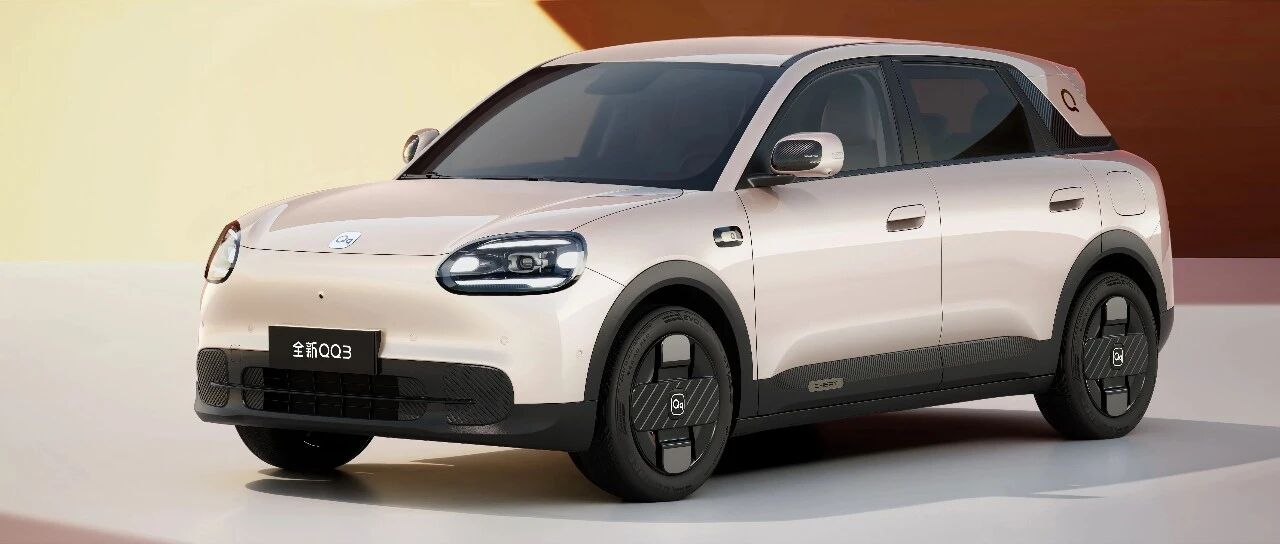
Core Viewpoint - The small car market is set to experience significant changes and growth, highlighted by the successful launch of new models like the Honda Fit and Chery QQ3, indicating a shift in consumer preferences and market dynamics [1][5][7]. Group 1: Market Dynamics - The new Honda Fit sold out its limited 3,000 units within a short period, showcasing a successful marketing and sales strategy [2][4]. - In contrast, the Chery QQ3 received 27,319 blind orders within just 3 hours of its launch, indicating a strong demand for electric small cars [5][7]. Group 2: Historical Context of Small Cars - Small cars have historically been defined by their size and affordability, catering to essential transportation needs while gaining popularity for their practicality [8][11]. - The evolution of small cars has been influenced by their low entry barriers and ease of imitation, allowing emerging automotive markets to adopt and adapt successful designs [15][16][20]. Group 3: Changes in Chinese Small Car Market - The Chery QQ, launched in 2003, became a market sensation with a starting price below 40,000 yuan, offering features that were competitive for its time [27][30]. - The market for small cars in China has shifted as consumer preferences evolved, with a growing demand for larger, more comfortable vehicles and the rise of compact cars and SUVs [35][37]. Group 4: The New Era of Electric Small Cars - The introduction of the Wuling Hongguang MINI EV in 2020 marked a turning point for electric small cars in China, offering an affordable and practical solution for urban transportation [43][44]. - The competitive landscape for electric small cars is rapidly evolving, with numerous models emerging that emphasize original design and local supply chain capabilities [52][54]. Group 5: Future Outlook - The Chery QQ3 represents a new chapter for the brand, combining modern technology and design to meet the demands of today's consumers [62][65]. - The strong initial demand for the QQ3, evidenced by its blind orders, suggests a promising future for small electric cars in the Chinese market [73].
QQ停产12年后再“复活”!
Mei Ri Jing Ji Xin Wen· 2026-02-10 10:55
Core Viewpoint - Chery's classic QQ model has officially returned after a 12-year hiatus, with significant initial demand indicated by over 27,000 orders within three hours of opening for blind booking [1][2]. Group 1: Product Launch and Strategy - The new QQ3 model aims to become a symbol of Chinese automotive culture, akin to MINI and Smart, as stated by Chery's chairman [1]. - The revival of the QQ model is part of Chery's strategic brand positioning, filling a gap in the small car segment after the brand has diversified into multiple sub-brands like Exeed, Jetour, and iCAR [2][3]. - The QQ model was a significant success in its original run, selling 1.54 million units and becoming a core model during Chery's early years [2]. Group 2: Sales Goals and Market Context - Chery has set an ambitious sales target of 3.2 million vehicles for 2026, a 14% increase from 2.806 million in 2025, with the QQ model expected to contribute to this growth [4]. - The A0 segment, where the QQ will compete, is experiencing rapid growth, with a projected total sales of 1.1 million units in 2025, marking a 61.7% increase [5]. - The competitive landscape for A0-class vehicles is intense, with domestic brands dominating the market, and new models from joint ventures further intensifying competition [6].