
宇树机器人

Search documents
Moltbook的闹剧,是一场被低估的演习
财富FORTUNE· 2026-02-06 13:06
科技界越来越像一个"秀场"。 历史上,很多真正改变社会结构的技术,在第一次走进大众视野时,都更像节目,而非工具。19世纪的 电力最初是展厅里的电火花和科学魔术;早期电影是咖啡馆里的新奇影像,观众被火车进站的画面吓得 大呼小叫;计算机图形技术是在游戏厅里被一代人所熟悉。那时没人断言"这是未来的基础设施",人们 只是围观、娱乐、惊叹。 这类场景真正重要的意义,从来不是技术是否已经成熟,而是它第一次让未来"看起来像真的",是一场 认知预演。 社会在这个阶段学习的,不是技术参数,而是叙事框架。 而叙事,拥有重塑现实的能力。 只要一种未来形态被足够多人认为很可能发生,它就会开始产生影响:钱往哪里流,规则如何建,组织 怎么改。企业会调整战略,监管会预留规则空间,行业会围绕新的叙事形成共识。这一切并不需要成熟 的技术,只需要一个模糊的判断——它看起来终将到来。 Moltbook引发的这场认知预演,已经在现实世界中,反映为对AI监管和治理的再思考。 继蛇年春晚,宇树机器人一曲秧歌舞之后,马年春晚,更多机器人企业开始争抢这一昂贵的舞台,竞争 愈发白热化。其中一家头部机器人公司,刚刚宣布放弃央视,转而自办春晚。 过去一周,社交平 ...


海通国际研究中国策略周报:春季行情蓄力更健康,春节大红包更靠结构
Sou Hu Cai Jing· 2026-02-02 05:10
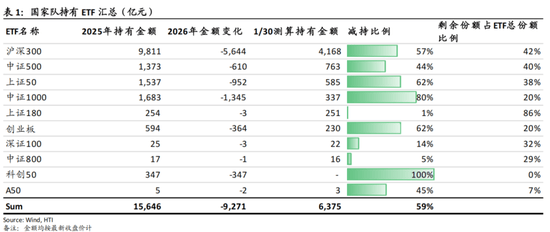
Market Overview - The current market is in a phase of upward trend with periodic fluctuations, emphasizing a balanced allocation between technology and value sectors, focusing on structural aspects rather than short-term index movements [1] - The market is expected to stabilize and rise before the Spring Festival, driven by fundamental and liquidity factors, with significant political and economic catalysts anticipated [1] Investment Strategy - Focus on sectors benefiting from the Spring Festival effect and macroeconomic catalysts in February, particularly in technology and value assets [1][3] - Maintain value assets as a core holding while increasing exposure to cyclical industry leaders showing improved sentiment [3] Sector Highlights - AI applications are gaining traction, with major tech companies competing for market share during the Spring Festival, including initiatives from Tencent, Baidu, and Alibaba [2] - High-performing technology manufacturing sectors include AI hardware, energy storage, and pharmaceuticals [2] - Future industries of interest include defense, domestic computing power, and controlled nuclear fusion [2] Liquidity and Market Data - The dollar index experienced significant fluctuations, impacting market expectations regarding the Federal Reserve's policies [5] - A notable outflow of approximately 370 billion yuan from broad-based ETFs, while sector-specific ETFs saw inflows, particularly in metals and semiconductors [5] - In the Hong Kong market, short-selling activity has returned to historical averages, with net inflows from southbound funds decreasing [6] ETF Holdings Summary - Significant reductions in holdings of major ETFs, with the CSI 300 seeing a decrease of 5,644 million yuan, leaving a remaining share of 42% [7] - Other ETFs also experienced notable reductions, indicating a shift in investment strategies among institutional investors [7]
2.2盘前速览 | SpaceX百万卫星计划震撼,光通信与AI应用引领节前轮动
Sou Hu Cai Jing· 2026-02-02 01:09
美联储提名:特朗普提名前理事凯文·沃什担任下任美联储主席,市场解读此举强化2026年降息预期。 地缘动态:围绕格陵兰岛的谈判据称进展顺利;美乌俄三边会谈、伊朗谈判架构均在推进中。 国内经济:卖方指出1月PMI放缓略超季节性,原材料价格上涨形成抑制。 相关ETF: 国债政金债ETF(场内:511580)、有色矿业ETF招商(场内:159690,场外:026477) 【卫星互联网】 SpaceX激进计划:向FCC申请部署最多100万颗卫星用于AI推理与数据中心,被解读为对近地轨道资源 的极限挤压。 商业进展:路透披露SpaceX财务状况,并称其可能与XAI商讨合并。 【宏观与政策】 应用热潮:腾讯"元宝"下载量剧增,并推出社交新玩法,重现红包盛况;人类无发言权的AI社交平台 Moltbook受关注。 巨头动态:黄仁勋透露英伟达将参与OpenAI下一轮融资,并看好台积电产能及存储需求;谷歌推出世 界模型原型Project Genie。 硬件与需求:网传谷歌新方案因HBM短缺探讨独立DRAM内存机柜;卖方强调2026年为CPO突破关键 年,LightCounting大幅上调远期出货预测。 基础设施:变压器工厂满产,订 ...

春季行情蓄力更健康,春节大红包更靠结构
Haitong Securities International· 2026-02-01 23:30
Investment Focus - The report emphasizes a balanced allocation between technology and value sectors, focusing on market structure rather than short-term index fluctuations [1][11] - Recent market movements show a stronger rebound in value sectors compared to high-tech, with increased expectations for policies supporting the real estate sector [1][12] - Rising commodity prices and stabilization in certain product prices are aiding valuation recovery in undervalued sectors like real estate and baijiu [1][12] Market Outlook - The report anticipates stabilization and upward movement in Chinese equities (A-shares and Hong Kong stocks) leading into the Lunar New Year, driven by domestic fundamentals and liquidity conditions [2][13] - A series of political and economic catalysts, including local and national meetings and the rollout of the 15th Five-Year Plan, are expected to enhance market sentiment [2][13] Investment Strategy - The report suggests positioning for the Lunar New Year "red packet" rally by focusing on industries benefiting from holiday effects and macroeconomic catalysts [2][14] - Key areas of focus include AI applications, high-quality tech manufacturing, and future industries such as defense and domestic chip production [2][14] Sector Analysis - Non-bank financials, particularly brokers and insurers, are expected to recover from previous outflows due to their strong fundamentals [3][19] - The holiday consumption chain, including sectors like gaming, food and beverage, and travel, is highlighted as a potential growth area [3][19] - Hong Kong dividend assets with earnings leverage, such as real estate and chemicals, are also noted for their potential upside following policy support [3][19] Liquidity Data - A-share ETF flows show a divergence, with broad-based ETFs experiencing significant outflows while sector-specific ETFs saw inflows, particularly in metals and chemicals [4][16] - In Hong Kong, short-selling activity has returned to historical averages, with notable inflows into energy and property sectors [5][17]


中机认检:尚未与宇树机器人开展合作
Mei Ri Jing Ji Xin Wen· 2026-01-29 13:31
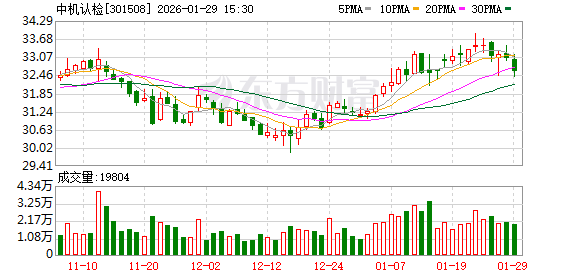
(文章来源:每日经济新闻) 每经AI快讯,有投资者在投资者互动平台提问:董秘你好,宇树机器人第三次登台春晚,贵公司有参 与宇树机器人的检测业务吗 中机认检(301508.SZ)1月29日在投资者互动平台表示, 截至目前,尚未与宇树机器人开展合作。公 司正积极布局相关检测技术与业务体系,未来将持续深耕检测主业,不断拓展业务范围、提升技术与服 务水平,积极响应市场和客户的多样化需求。 ...

中机认检(301508.SZ):截至目前尚未与宇树机器人开展合作
Ge Long Hui· 2026-01-29 13:12
格隆汇1月29日丨中机认检(301508.SZ)在投资者互动平台表示,截至目前,尚未与宇树机器人开展合 作。公司正积极布局相关检测技术与业务体系,未来将持续深耕检测主业,不断拓展业务范围、提升技 术与服务水平,积极响应市场和客户的多样化需求。 ...
春晚机器人凉了?2026年,机器人要少跳舞,多干活
3 6 Ke· 2026-01-29 08:53
Core Insights - The Chinese robotics industry is experiencing a shift from showcasing technical capabilities to focusing on practical applications and commercial viability, as investors and customers demand tangible results rather than mere demonstrations [1][2][3] Group 1: Industry Trends - The 2026 outlook report emphasizes that the industry no longer wants to see robots performing tricks but rather engaging in useful tasks, indicating a paradigm shift towards commercial deployment [2][3] - The report highlights a significant disparity between soaring valuations and actual sales, with humanoid robot shipments only increasing by 17% despite a 300% rise in valuations, signaling a potential bubble [2][3] - As the number of robots deployed increases, companies are becoming less tolerant of flashy capabilities and more focused on reliability, predictability, and total cost of ownership [3][4] Group 2: Investment Dynamics - Investment logic is shifting, with a concentration of capital towards a few companies deemed to have commercial validation capabilities, as evidenced by the fact that 88% of funding in 2024-2025 went to large deals [4][5] - The report predicts that only 3-4 companies will emerge as clear winners in the humanoid robot sector, while others may face acquisition or closure due to an inability to balance high technical uncertainty with limited commercial validation [4][5] Group 3: Evaluation Metrics - The evaluation criteria for robots are evolving, with a focus on investment payback periods, task-switching capabilities, and operational data rather than just technical prowess [5][6] - Companies are now required to demonstrate clear task lists, performance metrics, and verifiable operational times before procurement, moving away from vague future potential descriptions [9][10] Group 4: Market Dynamics - The report notes a significant trend towards leasing and Robot-as-a-Service (RaaS) models, with 50% of companies preferring leasing to mitigate upfront costs and risks associated with technology [11][15] - The shift in decision-making power from technical teams to financial and operational departments reflects a growing demand for comprehensive total cost of ownership analyses [11][12] Group 5: Future Predictions - The report forecasts a major reshuffling in the investment landscape, with a predicted doubling of IPOs in the robotics sector in 2026, indicating a rush to lock in valuations before a potential downturn [12][24] - The report identifies a critical opportunity for Chinese companies in the global supply chain, as they possess a complete robotics industry chain despite facing policy barriers in overseas markets [14][15] Group 6: Safety and Standards - The establishment of safety standards is anticipated to be a crucial factor in the industry, with the potential to significantly impact market dynamics and competitive advantages [17][18] - Companies that participate in the development of these standards are likely to gain a first-mover advantage, while those that wait may find their technologies non-compliant [18][24]
中国企业出海的三种制胜路径
Di Yi Cai Jing· 2026-01-28 02:25
Core Insights - China's GDP reached 140,187.9 billion yuan in the previous year, marking a 5.0% year-on-year growth at constant prices, with overseas contributions from Chinese enterprises accounting for approximately 10% to 15% of GDP [1] - The trend of Chinese companies going global is becoming a necessity, with a shift from merely exporting goods to providing services [3][15] - The CES event showcased a significant presence of Chinese brands, with TCL and Hisense leading in various product categories, indicating a shift in the global consumer electronics landscape [2][8] Industry Trends - The CES attracted over 4,000 companies and 140,000 attendees, highlighting the importance of networking and collaboration among Chinese enterprises [3] - Chinese brands are increasingly dominating the CES, with TCL and Hisense occupying key exhibition spaces, showcasing a range of products from AI robots to home appliances [3][8] - The AI sector is witnessing rapid advancements, with Chinese companies leading in robotics and AI applications, as evidenced by the positive reception of their products at CES [4][5] Market Dynamics - Shenzhen's startups are focusing on understanding Western consumer needs and leveraging local hardware advantages to penetrate overseas markets [7] - The food industry is adopting a different approach, with established products being introduced directly to the U.S. market, emphasizing local production to meet regulatory standards [12] - The overall participation of Chinese companies at CES reflects a strategic long-term investment in global branding and market presence [14] Future Directions - There is a growing emphasis on service capabilities alongside product exports, with companies like Xcotton providing cross-border e-commerce insurance services [15] - The U.S. manufacturing revival presents significant opportunities for Chinese enterprises, with many already establishing local operations to enhance competitiveness [13][15] - The disparity in innovation mechanisms between the U.S. and China highlights the need for improved support for scientific research and commercialization in China [16]


AI时代“新BAT”正在崛起
3 6 Ke· 2026-01-27 11:07
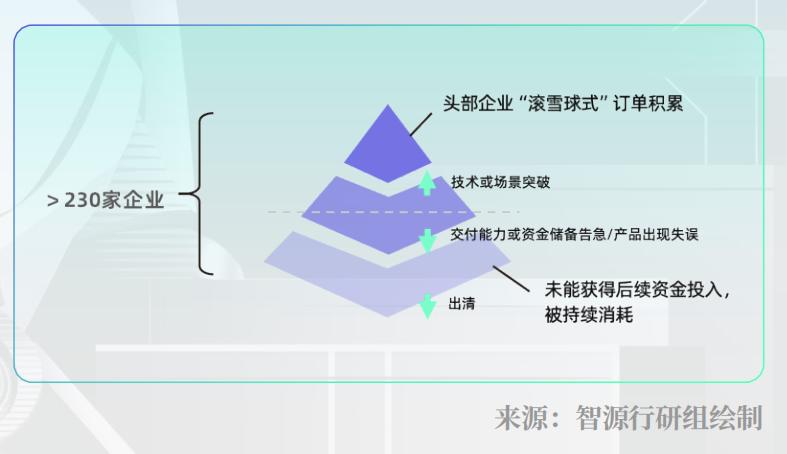
Group 1 - The core focus of the article is on the future of artificial intelligence (AI) and the potential reshaping of the Chinese internet landscape, particularly in the context of embodied intelligence and the emergence of new super apps [1][19][20] - The embodied intelligence sector is expected to undergo a significant reshuffle by 2026, with over 230 companies currently in the market, including more than 100 humanoid robot firms [2][4] - The industry is transitioning from experimental phases to mass production, with humanoid robot sales surpassing 10,000 units, indicating a move towards initial commercialization [4][9] Group 2 - Major players in the global humanoid robot market include Zhiyuan, Yushun, and Ubtech, with Zhiyuan leading with an annual shipment of over 5,100 units, capturing 39% of the global market share [6] - The competition for AI super apps is intensifying, with companies like OpenAI and Alibaba striving to create comprehensive platforms that integrate various services into a single interface [10][11] - The article highlights the emergence of vertical players in specific domains, such as Ant Group's "Antifor Health" and MiniMax's AI companionship applications, which have successfully established business models and attracted significant user bases [14] Group 3 - The AI industry is predicted to enter a "trough of disillusionment" in 2026, with many AI projects failing to deliver measurable impacts, leading to a potential delay in AI investments [15][19] - The market for synthetic data is experiencing rapid growth, with projections indicating that by 2030, the scale of synthetic data will surpass that of real data, becoming the primary fuel for model training [17] - The advancements in data quality and the evolution of AI technologies are expected to drive significant changes in the operational dynamics of the real economy [19]

魔法原子联合创始人顾诗韬谈行业痛点:具身智能高训练成本难转嫁于客户
Mei Ri Jing Ji Xin Wen· 2026-01-25 13:32
宇树机器人在2025年春晚大放异彩之后,众多机器人企业正在抢登马年春晚舞台。 1月23日,中央广播电视总台与具身智能科技公司魔法原子联合宣布,具身智能科技公司——魔法原子 成为中央广播电视总台《2026年春节联欢晚会》智能机器人战略合作伙伴。这也是2026年春晚首家被官 宣的机器人企业。 过去一年,具身智能在政策、资本与技术进展的共振下加速升温。随着2026年的到来,行业内部逐渐形 成共识,人形机器人正从实验室演示,走向量产与真实场景验证的关键节点。 魔法原子联合创始人顾诗韬接受《每日经济新闻》记者等媒体记者的采访时表示,具身智能是一个长周 期、高投入的行业,还处于商业化早期,目前行业的痛点在于,训练出来的模型,成本往往很难直接转 嫁给终端客户并获得高溢价。因此,一家优秀的具身智能公司,如果只讲算法逻辑或数据逻辑,是远远 不够的。 产业重心转向落地应用 放大到整个行业的背景下,当前具身智能产业最显著的变化,是讨论重心正在转向落地应用。 魔法原子联合创始人顾诗韬表示,具身智能要走向商业化,必须先找到可以被复制的落地路径,在商业 化初期,并非所有场景都适合引入机器人,场景本身的筛选,往往比技术选择更重要。顾诗韬说 ...