途虎

Search documents
滴滴出行20250811
2025-08-11 14:06
Summary of Didi Chuxing Conference Call Company Overview - Didi Chuxing operates in three main segments: domestic business (ride-hailing), international business (ride-hailing, food delivery, finance), and new business (Robotaxi, energy) [2][4][10] Key Financial Insights - Domestic business has achieved breakeven, expected to contribute 12 billion RMB in profit this year, with revenue growth around 10% and GTV margin reaching 3.7%, projected to reach 4% next year [2][6] - International business is expected to incur losses of 1.5 to 1.8 billion RMB this year, primarily due to food delivery losses, with overall breakeven anticipated around 2027 [2][10] - New business is projected to lose 3 billion RMB this year, with Robotaxi losses at 1.5 billion RMB, maintaining potential for significant future growth [6][10] - Overall EBITDA for the year is estimated at 7.2 billion RMB, with net profit around 7.3 to 7.4 billion RMB, and a projected compound annual growth rate of nearly 30% over the next 3 to 5 years [7] Market Position and Growth - Didi holds a strong market position in Latin America, particularly in Mexico and Brazil, competing closely with Uber [11] - In Mexico, Didi's food delivery market share exceeds 50%, while in Brazil, it faces strong competition from iFood, which holds a 90% market share [12] - Didi's international ride-hailing GTV is approximately 100 billion RMB, about one-third of the domestic GTV, with a significant growth rate of 25% compared to 10% domestically [10] Robotaxi Development - The market has varying expectations for the Robotaxi sector, with companies like Xiaoma Zhixing leading in technology. However, as licensing becomes more equitable, operational capabilities and user perception will become key competitive factors [13] - The BOM cost for the latest Robotaxi model is around 300,000 RMB, with future models expected to maintain similar cost levels [13] Listing Plans - Didi initially planned to submit a Hong Kong listing application in April 2025, but this has been delayed, with expectations now set for 2026. The company is adjusting accounting standards to meet Hong Kong requirements [14] Additional Insights - The domestic ride-hailing business has a daily order volume of approximately 30 million, with a GTV of over 300 billion RMB, growing at about 10% annually [9] - The international ride-hailing business has achieved profitability, but overall remains affected by food delivery losses [10] - The company is exploring new business opportunities, including self-developed community group buying [5]

理想i8宣布统一配置,午后大涨近3%,港股通汽车ETF(159323)午后上扬
Mei Ri Jing Ji Xin Wen· 2025-08-05 05:28
Group 1 - The Hong Kong stock market indices collectively rose on August 5, with the Hong Kong Stock Connect Automotive ETF (159323) following the upward trend, gaining over 1% at one point [1] - Li Auto announced a unified configuration adjustment for the Li Auto i8, reducing the price from 349,800 yuan to 339,800 yuan, while offering additional features valued at 10,000 yuan [1] - Morgan Stanley projects that the Li Auto i series (i8 and i6) will contribute 50,000 units in sales by 2025, with the i8 expected to sell approximately 5,000 to 7,000 units monthly [1] Group 2 - The Hong Kong Stock Connect Automotive ETF (159323) is based on the Hong Kong Stock Connect Automotive Index (931239.CSI), which focuses on the Hong Kong vehicle sector and includes a higher proportion of passenger vehicles compared to similar indices [2] - The index includes new energy vehicle manufacturers and companies involved in the intelligent driving industry, providing a better alignment with the trends in the automotive sector [2] - As of August 4, the index's price-to-earnings ratio (TTM) was 19.97, significantly lower than various A-share automotive theme indices, indicating potential valuation attractiveness [2]
大行评级|里昂:上调途虎目标价至23港元 预计上半年收入将按年加快增长至11%
Ge Long Hui· 2025-07-29 10:51
里昂发表研究报告指,由于途虎的店铺访客量及同店销售在次季逐步恢复,预计集团上半年收入将按年 加快增长至11%,超过行业表现,并将重回扩大利润的轨道。该行上调估值基础,由预测明年经调整市 盈率15倍升至18倍,目标价相应由20.5港元上调至23港元,维持"跑赢大市"评级。 ...
“汽车越来越多,生意越来越少”:谁在冲击传统汽修店?
第一财经· 2025-07-07 13:53
Core Viewpoint - The traditional auto repair industry in China is undergoing significant transformation due to the rapid growth of the electric vehicle (EV) market, leading to a decline in maintenance demand for internal combustion engine (ICE) vehicles and increased competition from online platforms [2][6][8]. Group 1: Industry Changes - The number of traditional auto repair shops in China decreased by 18.7% from 2023 to 2025, dropping from 423,000 to 344,000 [6]. - In major cities with high EV penetration, traditional repair shops saw a reduction of over 25% [6]. - The average monthly revenue for a repair shop has plummeted from 137,000 yuan in 2023 to 16,000 yuan in 2024, a decline of over 750% [6]. Group 2: Impact of Electric Vehicles - The maintenance demand for EVs is significantly lower than for ICE vehicles, with five EVs requiring maintenance equivalent to just one ICE vehicle [8][9]. - The average annual maintenance value per vehicle remains stable at 2,500 to 2,600 yuan, but consumer willingness to spend is declining, with the percentage of customers opting for only one service item increasing from 62% in 2021 to 66% in 2024 [8] [9]. Group 3: Competitive Landscape - The entry of internet companies like Tuhu and JD into the auto repair market has increased transparency and competition, leading to lower profit margins for traditional repair shops [5][8]. - Insurance revenue, which used to contribute 30% to 40% of profits for repair shops, has now dropped to less than 10% due to insurance companies reducing repair costs [9]. Group 4: Transformation Strategies - Many repair shop owners are turning to social media to attract customers by sharing repair knowledge and success stories [11]. - Some shops are focusing on community services and reducing operational costs to achieve growth, with monthly revenues of 50,000 to 100,000 yuan and net profits of around 20,000 yuan [11]. - The industry is encouraged to invest in EV maintenance training, establish partnerships with EV manufacturers, and enhance digital capabilities to adapt to the changing market [12].

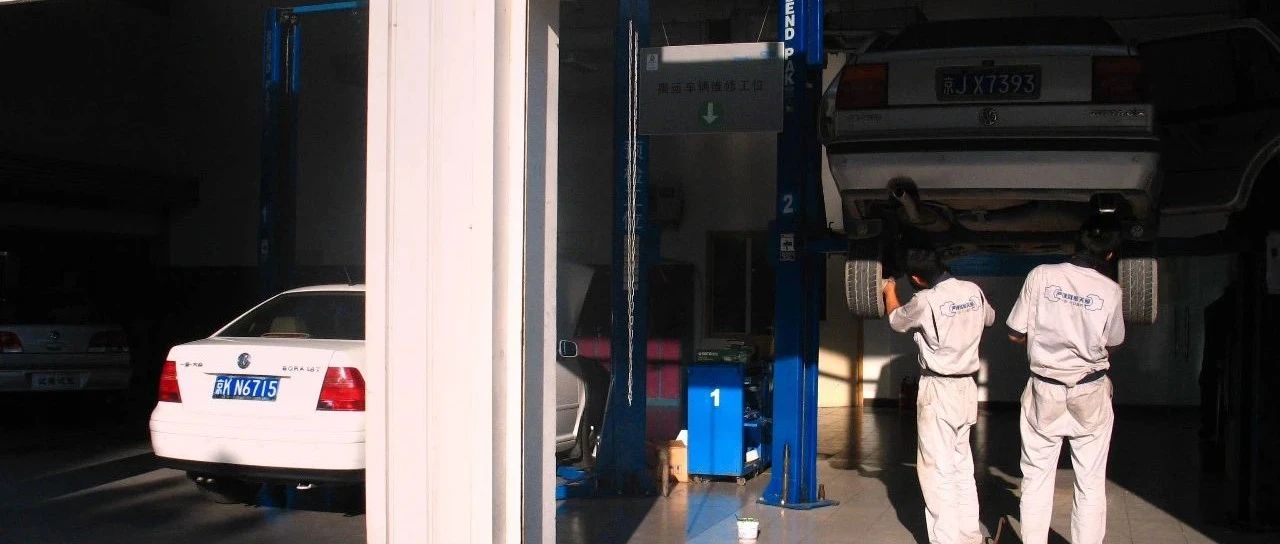
“汽车越来越多,生意越来越少”:传统汽修店的起落与转型
Di Yi Cai Jing· 2025-07-07 11:01
Core Insights - The Chinese automotive aftermarket is undergoing a profound transformation, with traditional repair shops facing significant challenges due to the rapid growth of the electric vehicle (EV) market and increased competition from online platforms [1][2][4] Group 1: Market Dynamics - The number of traditional repair shops in China is projected to decrease by 18.7% from 2023 to 2025, dropping from 423,000 to 344,000 [3] - In major cities with high EV penetration, such as Beijing and Shanghai, the reduction in traditional repair shops exceeds 25% [3] - The average monthly cash revenue for a repair shop has plummeted from 137,000 yuan in 2023 to 16,000 yuan in 2024, a decline of over 750% [3] Group 2: Impact of Electric Vehicles - The maintenance demand for traditional fuel vehicles is declining, with the average annual maintenance value per vehicle stabilizing at 2,500 to 2,600 yuan, while consumer spending willingness is decreasing [4][5] - The maintenance needs for EVs are significantly lower, with five EVs requiring maintenance equivalent to that of one fuel vehicle, leading to a shrinkage in core services like maintenance and repair for traditional shops [5] Group 3: Competitive Landscape - The entry of internet companies like Tuhu and JD into the automotive repair market has increased transparency, intensifying competition and reducing profit margins for traditional repair shops [2][4] - Promotions for basic maintenance services, such as 199 yuan or 299 yuan offers, have further eroded profit margins, with some shops reporting monthly net profits of only 20,000 yuan [2][4] Group 4: Adaptation Strategies - Traditional repair shops are increasingly turning to social media and short video platforms to attract customers and share repair knowledge, indicating a shift towards digital engagement [6] - Some shops are focusing on community services and reducing operational costs to achieve growth, with certain "couple-run" shops transitioning to "studios" that cater to familiar customers [6] - The industry is encouraged to invest in EV maintenance training, establish partnerships with EV manufacturers, and enhance digital capabilities to adapt to the changing market [7]
孚创总经理刘霄:新能源汽车维修走向开放是不可逆的趋势
Jing Ji Guan Cha Wang· 2025-06-28 13:45
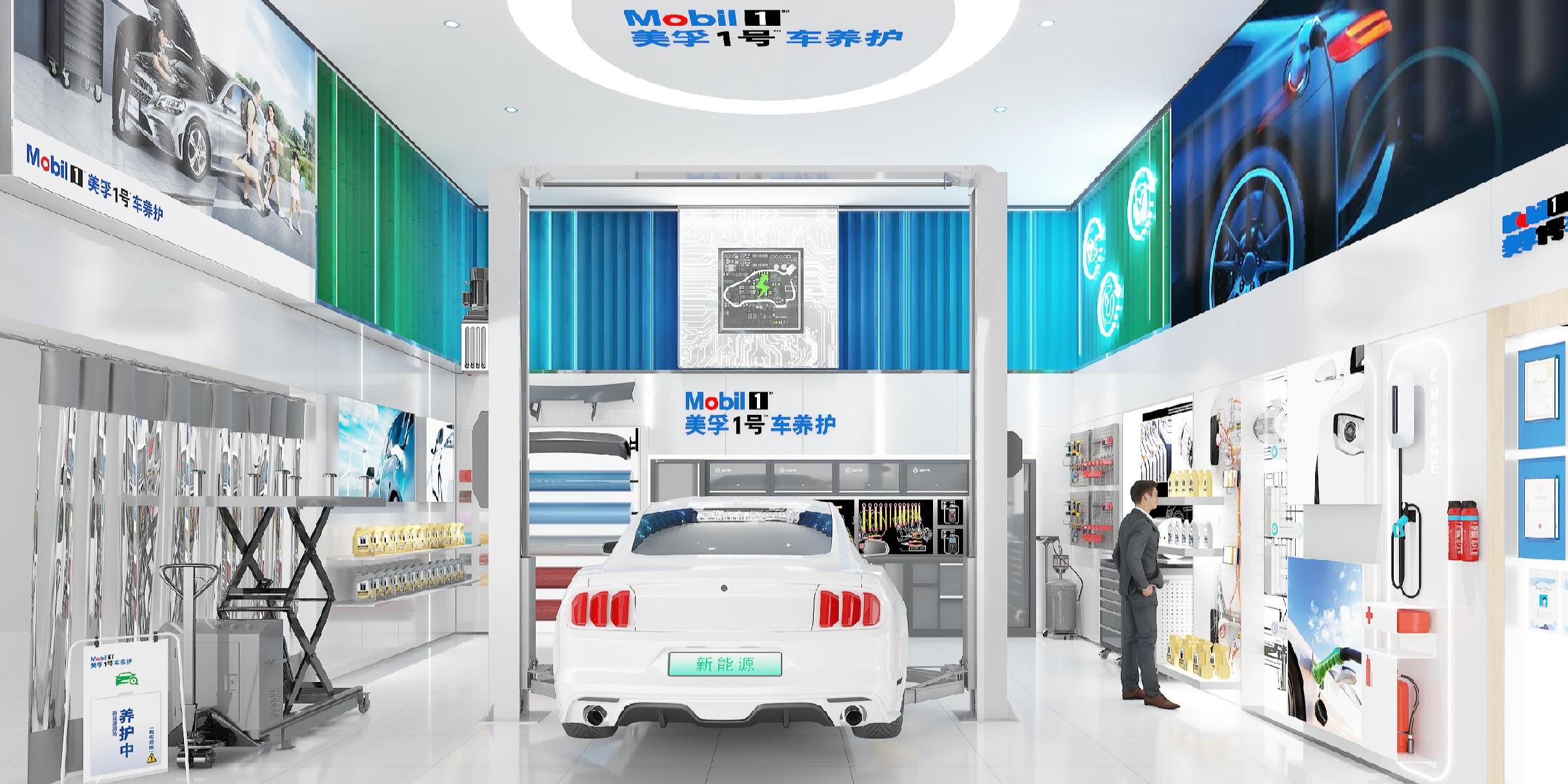
Core Viewpoint - The current challenges in the maintenance of electric vehicles (EVs) are primarily due to the monopolization of battery packs and software technology by automakers, leading to limited competition for third-party repair services [2][3]. Group 1: Industry Trends - The maintenance market for electric vehicles is expected to become more open and diversified as consumer demands for convenience increase, similar to the evolution seen in the fuel vehicle maintenance market [2][3]. - ExxonMobil's subsidiary, Mobil 1 Car Care, is planning to enhance its presence in the EV maintenance sector through specialized products, service upgrades, store development, and standardization efforts [2][4]. Group 2: Company Strategy - Mobil 1 Car Care aims to improve its brand influence in the EV maintenance market by incorporating new energy elements into its store image and offering specialized training for technicians [4]. - The company has announced a collaboration with the China Automotive Maintenance Industry Association to establish the first industry standard for "electric vehicle oil product service specifications," which will standardize maintenance procedures for EVs [4]. Group 3: Business Performance - Currently, the volume of EV-related services at Mobil 1 Car Care is relatively low, accounting for less than 10% of overall business, primarily focused on car washing and maintenance for hybrid models [4]. - As of the first quarter of this year, Mobil 1 Car Care has over 1,300 selected stores across 251 cities, with more than half of the vehicles serviced being mid-to-high-end models priced at 200,000 yuan and above [4]. Group 4: Future Expansion Plans - The company plans to continue expanding its store network, particularly in key cities, to enhance customer attraction and supply chain efficiency [5].

海外2025中期策略:稳定币跑步入场,虚拟资产趋势已成
SINOLINK SECURITIES· 2025-06-23 05:24
Group 1: Virtual Assets and Stablecoins - The trend of virtual assets is continuously improving due to the enhancement of regulatory frameworks and increased institutional participation, with expectations of liquidity easing [2][18][25] - The global stablecoin market is projected to grow significantly, from approximately $5 billion in 2020 to around $200 billion by the end of 2024, indicating a clear expansion path for trading scenarios [25][26] - Various regions are implementing stablecoin policies, such as the U.S. passing the "Genius Act" and Hong Kong enacting the "Stablecoin Ordinance," which will take effect on August 1, 2025 [25][29] Group 2: Streaming Platforms - Music streaming platforms are identified as high-quality internet assets driven by domestic demand, with continuous scale effects driving profit leverage [2] - The market for music subscriptions is expected to grow, with major players like Spotify and Tencent Music holding significant market shares [33] Group 3: O2O Service Platforms - The trend of strong players becoming stronger is evident, with major platforms like Beike and Tuhu expected to increase market share amid a shrinking real estate and automotive aftermarket demand [2][39] - The used housing transaction volume in key cities showed a month-on-month decline, indicating a buyer's market, which may benefit established platforms [39] Group 4: Coffee, Tea, and E-commerce Delivery Platforms - The online retail sales of physical goods grew by 6.3% year-on-year from January to May 2025, indicating a competitive landscape where marketing expenses are rising [2][56] - The coffee and tea segment is highlighted as a key beneficiary in the delivery battle, with significant growth in order volumes and city coverage [68][75] Group 5: K12 Education and Training - The K12 education sector is experiencing a resurgence in non-subject training demand, with a significant reduction in subject-based training institutions, leading to a scarcity of quality compliant products [2][86] - Major players in the K12 sector, such as New Oriental and TAL Education, are showing strong performance with revenue growth exceeding 20% year-on-year [91]


苏超,彻底暴露了江苏的家底
36氪· 2025-06-22 23:52
Core Viewpoint - The Jiangsu Provincial Urban Football League (referred to as "Su Chao") has gained significant popularity and sponsorship interest, showcasing its remarkable ability to attract both local and national sponsors, including international brands like Heineken [4][5][12]. Sponsorship Growth - The number of sponsors for Su Chao has surged from 6 to 19, with the official sponsorship seat price rising to 3 million yuan, indicating high demand [3][12]. - Major sponsors include Jiangsu Bank, JD.com, KFC, and Heineken, reflecting a mix of local and national brands [11][12][17]. - The total market capitalization of the listed companies among the sponsors exceeds 4 trillion yuan, highlighting the financial strength behind the league [19][21]. Economic Impact - The league has stimulated local tourism and consumption, with a reported increase of over 48% in visitor numbers to host cities and a 15% rise in tourism spending [29]. - The attendance for matches has set records, with one game attracting over 30,000 spectators, surpassing the average attendance of top-tier leagues [30][31]. Regional Economic Strength - Jiangsu's GDP surpassed 13 trillion yuan in 2024, with all 13 cities in the province ranking among the top 100 in the country, showcasing the region's economic prowess [34][36]. - The economic diversity within Jiangsu, with multiple cities achieving significant GDP milestones, contributes to the league's attractiveness to sponsors [34][35]. Cultural Dynamics - The league reflects the competitive spirit among Jiangsu's cities, with local rivalries and humor contributing to its popularity [8][34]. - The phrase "scattered Jiangsu" encapsulates the regional pride and competitive nature that fuels the league's success [37].


一周一刻钟,大事快评(W111):重点公司更新:比亚迪、途虎、长城、零跑、双环、巨一、福达
Shenwan Hongyuan Securities· 2025-06-18 05:43
Investment Rating - The report maintains a positive outlook on the automotive industry, recommending a focus on strong domestic manufacturers such as BYD, Geely, and XPeng, as well as companies involved in smart technology and state-owned enterprise reforms [3][4]. Core Insights - BYD is expected to see a significant increase in overseas sales, with exports projected to exceed 800,000 units due to strong demand for hybrid products and improved cost efficiency [4]. - Tuhu has shown a U-shaped recovery following strategic adjustments, with same-store revenue accelerating and market share increasing despite industry pressures [3][4]. - Great Wall Motors is anticipated to maintain stable profitability through new model launches and strong contributions from its Tank series and overseas markets [3][5]. - Leap Motor's sales are rapidly growing, driven by new models and cost reductions, with expectations for improved margins from localized production in Europe next year [3][5]. - Dual Ring Transmission is solidifying its market position with a focus on high-speed, high-end products and successful overseas expansion [3][6]. - Ju Yi Technology is seeing improved order quality and profitability, with expectations for its electric drive business to exceed forecasts [3][6]. - Fuda's crankshaft business is positioned well in the hybrid market, with a strong demand outlook and potential for breakeven in its electric drive gear segment [3][7]. Summary by Relevant Sections BYD - Expected to resolve account period issues without significant cash flow impact, with Q2 single-vehicle profitability remaining stable due to cost reduction and scale effects [4]. Tuhu - After strategic adjustments, Tuhu's same-store revenue is recovering, with plans to continue expanding its store network by approximately 1,000 stores annually [3][4]. Great Wall Motors - The company is focusing on new model launches to enhance its market presence, particularly in the mainstream vehicle market [3][5]. Leap Motor - The introduction of three new models is driving rapid sales growth, with cost control measures in place to maintain overall gross margins [3][5]. Dual Ring Transmission - The company is expanding its overseas market presence and solidifying its position in high-end gear products [3][6]. Ju Yi Technology - The company is experiencing improved order quality and profitability, with expectations for its electric drive business to perform better than anticipated [3][6]. Fuda - Positioned well in the hybrid market with a strong demand outlook, the company is also making progress in its robotics segment [3][7].




中国车市,如此美妙?
Ge Long Hui· 2025-05-22 02:31
久违的"高增长"背后,一点不简单! 中国汽车市场已经很久没有如此高歌猛进了。各家上市车企2025年以来纷纷发力,市场激烈竞争下,经销商也只能陪太子读书,全面跟进。 5月11日,中国汽车流通协会乘用车市场信息联席分会(简称"乘联分会")发布最新数据显示,4月中国乘用车市场零售175.5万辆,同比增长14.5%,环比 下降9.4%,成为仅次于2018年4月181万辆的历史同期第二高位。 01 今年以来,中国乘用车零售销量已累计达687.2万辆,同比增长7.9%。中汽协统计数据则显示,1-4月,中国汽车产销量已经双双超过1000万辆大关。 与此同时,4月新能源乘用车市场零售90.5万辆,同比增长33.9%,环比下降8.7%;新能源车国内零售渗透率达51.5%,环比增长0.4个百分点,为年内新 高;1-4月累计零售332.4万辆,增长35.7%,是推动中国汽车产销增长的主要动力。 乘联分会秘书长崔东树指出,由于今年国家"以旧换新"政策启动早,补贴政策一步到位,年初市场增长较好,价格战因此相对温和,行业内卷状态因市场 增长而改善,今年4月零售同比增速是近十年正常年份同期的"最高增速"。 02 《汽车K线》从商务部获悉, ...