优必选科技

Search documents
SNEC展新品频出,海风项目稳步推进
Huaan Securities· 2025-06-15 07:29
Investment Rating - Industry Rating: Overweight [1] Core Views - The recent public tender for 4,354.33 MW wind turbine units by the National Energy Group indicates a steady advancement in offshore wind projects, with a focus on tower and pile segments [3] - The SNEC exhibition showcased a surge in new energy storage products, with Guangdong's 2025 energy storage construction plan expected to grow over 140% year-on-year [3] - The hydrogen energy sector is experiencing positive development, with an accelerated establishment of a supporting system for the industry [3] - The State Grid has emphasized enhancing power supply security ahead of the summer peak, with new emergency dispatch management proposals being discussed [3] - The electric vehicle sector is facing challenges as multiple regions suspend local vehicle replacement subsidy policies, suggesting a continued focus on high-profit companies [3] - The humanoid robot sector is gaining traction, with significant developments from key players like Tesla and Ideal, indicating a promising future for AI applications [3] Summary by Sections 1.1 Photovoltaics - June production of silicon wafers, battery cells, and modules is expected to decline, indicating short-term demand weakness [10] - The photovoltaic sector underperformed the market, with a decrease of 0.98% [10] 1.2 Wind Power - The National Energy Group announced a public tender for 4.4 GW of wind turbines, signaling a positive shift in offshore wind fundamentals [18][19] 1.3 Energy Storage - The SNEC exhibition highlighted numerous new energy storage products, with Guangdong's 2025 energy storage plan projected to exceed 41.8 GW/84.6 GWh, a 147.6% increase from 2024 [22][25] 1.4 Hydrogen Energy - The hydrogen energy industry is developing well, with a focus on the entire supply chain from production to application [27] - Significant investments are being made in hydrogen projects, such as the 346 million yuan investment in a wind-solar hydrogen methanol project [28] 1.5 Power Grid Equipment - The State Grid is enhancing power supply security measures ahead of the summer peak, with new emergency dispatch management proposals being discussed [32][34] 1.6 Electric Vehicles - Multiple regions have suspended local vehicle replacement subsidy policies, prompting a recommendation to focus on high-profit companies [35] 1.7 Humanoid Robots - The humanoid robot sector is entering a small-scale production phase, with significant investments and developments from leading companies [40][42]

聚焦落地场景应用!2025年第二届中关村具身智能机器人应用大赛启幕
机器人大讲堂· 2025-06-15 04:41
6月14日,"2025年第二届中关村具身智能机器人应用大赛"正式拉开帷幕。本次大赛以"具身引智、应用未来"为主题,由北京市科委中关村管委会、北京市经信 局指导,中关村科学城管委会主办,将在接下来的五个月时间内,持续汇聚全球顶尖科技成果与产业项目,推动具身智能技术迭代与产业融合。 中关村科学城管委会副主任、海淀区副区长唐超宣布大赛启动,介绍了大赛主题、赛程、专家委员会、奖项设置、配套政策等基本情况,并全面阐述了大赛的背 景、目标与亮点,为这场科技盛宴奠定了坚实基调。 作为全国科技创新高地,北京市海淀区始终以推动科技进步为己任。回溯 2024年首届赛事,101支海内外团队竞逐前沿技术,一批商业应用场景落地生根,为产 业发展积淀了宝贵经验。时值"十四五"收官与"十五五"开局的历史交汇点,海淀具身智能产业发展的生态活跃、要素齐全、前景广阔,本届大赛顺应人工智能技术 爆发式增长的时代浪潮,呼应具身智能行业对场景落地的迫切需求,再度锚定"以赛促产"的战略路径,通过赛事激发技术创新突破,促进产学研深度融合,打造标 杆性场景,旨在构筑具身智能领域的创新策源地与产业制高点,提升海淀区在具身智能领域的领先地位。 场景应用是具身智 ...

人形机器人“深水区”的老问题和新问题
机器人大讲堂· 2025-06-15 04:41
根据《 2025 人形机器人与具身智能产业 研究报告》数据显示, 2025 年中国具身智能市场规模预计达 52.95 亿元,占全球份额约 27% ;人形机器人市场规模更有望突破 82.39 亿元,占据全球半壁江山 。 中国 在 人形机器人 领域正在积极布局, 2025 年 已有超 100 家相关企业,融资总额超过百亿元 ,量产有望突破 万台 。其中, 工业、服务 等细分赛道成为资本追逐的热点。 在热潮下,解决人形机器人的一个个问题仍是产业迈向发展 "深水区"的关键。 ▍ 热点下的新问题 虽然部分人形机器人出货量已经千台,但有投资人指出, 人形机器人的这一阶段的爆单,很大程度上并非场 景真实需求的体现 ,本质上是热钱叠加政策带来的泡沫,目前产业对人形机器人和具身智能的心态还是 fomo (错失焦虑)。当客户采购后真的尝试把机器人耦合进场景,可能会发现和当初的设想完全不一样,这时候就 一定会有泡沫和滤镜的破碎,会带来一波产能的过剩和闲置, 返修比例就成为 厂商 极大的拖累,对于硬件和 质量 、 供应链管理的考验 会加大 , 因为 新技术从产生到具备普适性都逃不过 Gartner 的技术成熟曲线路 径,泡沫是产业实 ...
人形机器人“发疯”警报:1.8米巨物安全失控,新安全设计亟待出台
机器人大讲堂· 2025-06-14 04:27
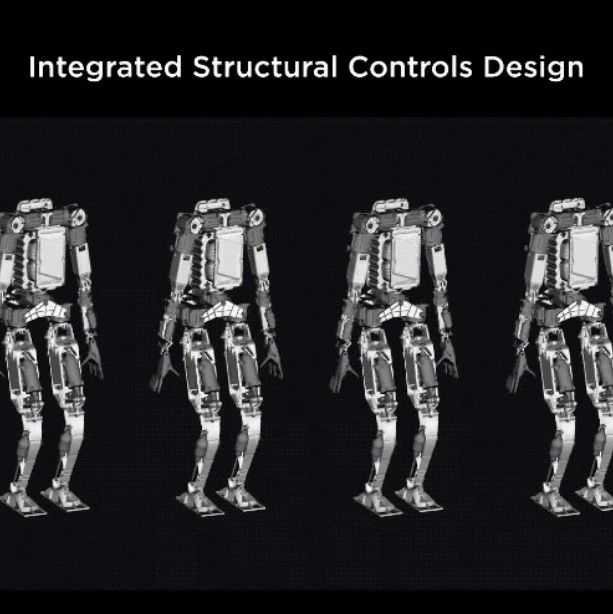
Core Viewpoint - The article highlights the inherent risks associated with humanoid robots, particularly their physical instability and safety challenges when interacting with humans in various environments [2][3][4]. Group 1: Safety Challenges - Humanoid robots like Digit face significant safety risks due to their human-like form, which can lead to physical instability and potential accidents [2]. - In the event of a technical failure, humanoid robots pose a danger not only to themselves but also to nearby humans, especially in sensitive areas where human interaction occurs [3]. - The dynamic performance of humanoid robots necessitates a reevaluation of safety strategies as they become more capable and human-like [4]. Group 2: Emotional and Psychological Risks - Beyond physical risks, humanoid robots may create psychological challenges, particularly for vulnerable groups such as the elderly and children, if they fail to provide a sense of safety [10]. - The tendency for humans to anthropomorphize robots can lead to overestimating their capabilities and underestimating their risks, creating a gap between user expectations and actual performance [12]. - The mismatch between a robot's appearance and its functionality can lead to disappointment and mistrust among users, especially in caregiving scenarios [10][12]. Group 3: Regulatory and Standardization Needs - There is a pressing need for new safety standards and protocols to govern the deployment of humanoid robots in sensitive environments like healthcare and elder care [12][16]. - Experts suggest that humanoid robots should be classified based on their capabilities and intended use rather than their human-like appearance, to better manage safety expectations [15]. - The establishment of universal safety standards is crucial for the healthy development of the humanoid robotics industry, despite the challenges in creating such standards [16][18]. Group 4: Future Directions - The article emphasizes the importance of iterative testing and gradual integration of humanoid robots into real-world environments to identify common characteristics and safety protocols [13]. - Companies are encouraged to innovate safety mechanisms, such as implementing smoother shutdown processes to prevent accidents during emergencies [15]. - The overarching goal is to create a clear and reliable safety framework that can adapt to various scenarios while ensuring public trust in humanoid robots [22].
陪你养老的机器人来了
Su Zhou Ri Bao· 2025-06-12 10:11
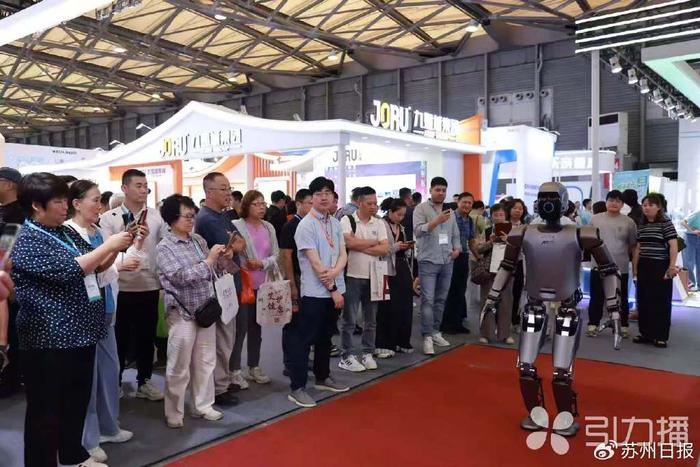
Core Insights - The Shanghai International Elderly Care, Aids, and Rehabilitation Medical Expo showcases advancements in elderly care technology, with around 500 exhibitors from 16 countries [1][6] - The introduction of the "Xiao Mai" robot by Suzhou Meidi Technology is a highlight, designed specifically for elderly care scenarios, featuring capabilities such as visual recognition and voice interaction [3][5] Industry Overview - The aging population in China has surpassed 300 million, leading to a burgeoning silver economy projected to reach 30 trillion yuan, making "smart elderly care" a pressing social demand [6] - The establishment of Suzhou Youmai Robot Co., a joint venture between Meidi Technology and UBTECH, aims to focus on the development and industrialization of service robots in healthcare and elderly care [6] Product Features - "Xiao Mai" is a lightweight and agile robot, standing at 1.63 meters and weighing 43 kilograms, capable of performing various tasks such as greeting, health education, emotional interaction, and behavior monitoring [5][6] - The robot operates on a comprehensive solution that integrates a specialized AI model for elderly care with a smart management platform, facilitating data integration across healthcare systems and enhancing service delivery [6][8] Market Application - "Xiao Mai" is currently undergoing application testing in several elderly care institutions in Zhejiang and Shanghai, with plans to develop a smart elderly care solution characterized by platform-driven and model-enabled collaboration [8]


四问人形机器人(“融”观中国)
Ren Min Ri Bao Hai Wai Ban· 2025-06-08 22:50
Core Insights - The year 2023 marks a significant breakthrough for humanoid robots in China, with various events and competitions highlighting their development and increasing public interest [4] - KPMG reports that China has filed nearly 6,000 patents in humanoid robot technology over the past five years, making it the leading country in patent applications [4] - The financing scale of the humanoid robot industry in China is projected to grow from 1.58 billion yuan in 2020 to 7.23 billion yuan by 2024, with a compound annual growth rate of 35.6% [4] Group 1: China's Advantages - China possesses a robust and comprehensive supply chain, being the only country with all 41 major industrial categories recognized by the UN [5] - The extensive industrial ecosystem allows for rapid assembly and integration of components, providing a unique advantage in producing humanoid robots [5] - China has the largest application scenarios globally, particularly in smart manufacturing, which generates valuable data for training humanoid robots [5][6] Group 2: Reasons for Industry Explosion - The decline in hardware costs and advancements in intelligent capabilities are driving the explosive growth of the humanoid robot industry [7] - Breakthroughs in hardware production have led to cost-effective and high-quality solutions, enabling mass production of humanoid robots [7][8] - The development of artificial intelligence and machine learning has significantly reduced the costs associated with training robots, enhancing their capabilities [9] Group 3: China's Position in the Global Market - China is positioned in the first tier of the humanoid robot industry, excelling in hardware production while relying on North America for advanced AI development [10] - Over 80% of components for leading international robot companies are sourced from China, indicating a strong foothold in the hardware sector [10] - However, challenges remain in high-precision components and intelligent computing, where China still lags behind [10][11] Group 4: Future Development Trends - The initial focus for humanoid robots will be on industrial applications, followed by commercial and eventually household uses [12] - Achieving practical applications in household settings will require significant advancements in task understanding and cost-effectiveness [12][13] - The industry must prioritize creating robots that deliver tangible productivity value in various environments to gain public acceptance [13]
一文回顾2025年5月机器人领域大事件
Sou Hu Cai Jing· 2025-06-06 21:06
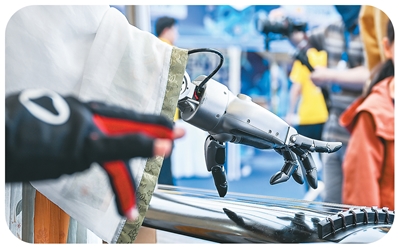
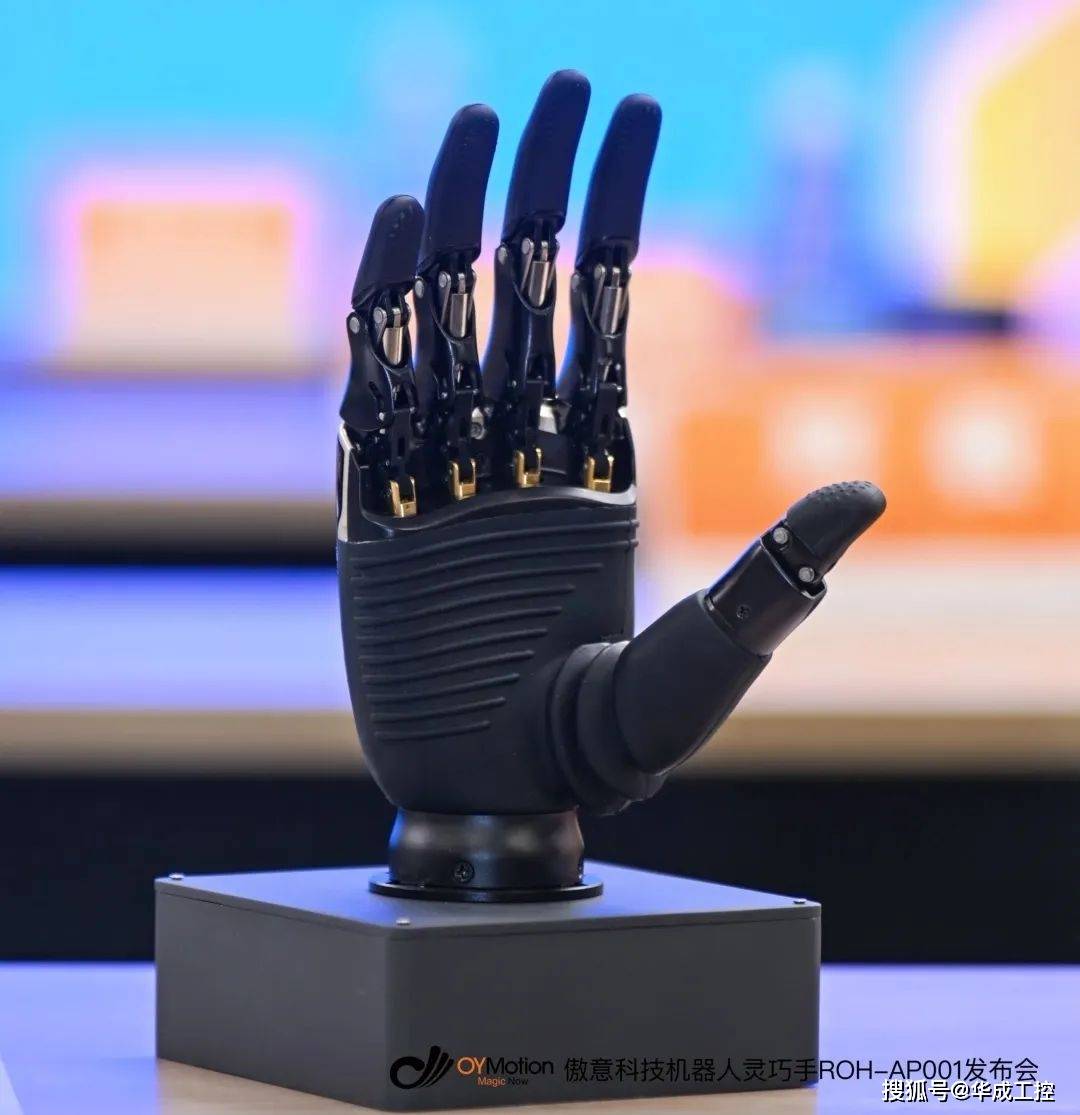
Group 1: Industry Standards and Collaborations - The world's first "Humanoid Robot Intelligence Level" standard has been released, establishing a framework for evaluating humanoid robots based on four dimensions: perception, decision-making, execution, and interaction, categorized into five levels from L1 to L5 [2] - Huawei and UBTECH Technology signed a comprehensive cooperation agreement to innovate in the fields of embodied intelligence and humanoid robots, focusing on product technology development and application scenarios [3] - Yujian Technology and Tencent Cloud have deepened their strategic cooperation to accelerate the large-scale implementation of embodied intelligent robots across various industries [5] Group 2: Financing and Investments - Diguo Robot completed a $100 million Series A financing round, with participation from over ten investment institutions, aiming to build a complete product system for embodied intelligence [4] - Self-Variable Robot secured several hundred million yuan in Series A financing, led by Meituan, to accelerate the development of its self-research embodied intelligence model and robot body [9] - Aoyi Technology announced nearly 100 million yuan in B++ round financing to enhance the development of its tactile dexterous hands and expand its production capacity [10] Group 3: Product Launches and Innovations - Aoyi Technology launched the second generation of its dexterous hand, featuring high-density tactile sensors and lightweight design, attracting significant industry attention [11] - UR15, a high-speed collaborative robot from Universal Robots, was introduced, achieving a TCP speed of 5 m/s, making it the fastest collaborative robot to date [13] - The "Yunxia" series of high-speed SCARA robots was launched by New Times, achieving a cycle time of only 0.24 seconds, positioning it among the fastest in the industry [18] Group 4: Strategic Partnerships and Market Developments - Mechanical Ninth Institute and Mairui Robot reached a strategic cooperation agreement to promote new developments in intelligent manufacturing [25] - Tianchuang Robot and Zongheng Co., Ltd. signed a strategic cooperation agreement to collaborate on integrated intelligent inspection solutions [26] - Xian Gong Intelligent submitted its prospectus for a Hong Kong IPO, aiming to leverage its leading position in the global robot controller market [27]
国泰海通 · 晨报0604|策略、海外科技、化妆品、机械、交运
国泰海通证券研究· 2025-06-03 14:53
Group 1: Market Overview - The overall trading activity in the market has slightly decreased, with a decline in industry rotation intensity. The average daily trading volume in the A-share market dropped from 1.17 trillion to 1.09 trillion, and the turnover rate for the Shanghai Composite Index fell to 58% [1] - The proportion of stocks that gained in value has decreased to 60%, with the median weekly return for A-share stocks falling to 0.75% [1] - The concentration of trading has increased, with the top five sectors by trading volume showing a slight recovery from the bottom, indicating a historical turnover rate above the 90th percentile for the financial and food & beverage sectors [1] Group 2: A-Share Fund Flows - Various funds have flowed into the A-share market, with ETF inflows exceeding 12.29 billion yuan, marking the first inflow in six weeks. The proportion of passive trading has increased to 5.3% [2] - Public funds saw a marginal decrease in new issuance to 9.23 billion yuan, while existing public fund positions decreased by 0.5% [2] - Foreign capital inflow reached 3.9 million USD, with the Stock Connect trading volume accounting for 13.1% [2] Group 3: A-Share Industry Allocation - The computer sector saw significant net inflows, while the electronics and communications sectors experienced net outflows [3] - The ETF sector showed widespread net inflows across primary industries, with electronics, electric new energy, and non-bank financials leading the inflows [3] - The top three industries on the trading leaderboard were machinery, basic chemicals, and environmental protection [3] Group 4: Hong Kong and Global Fund Flows - Southbound capital inflows increased, with a net inflow of 28.07 billion yuan, representing the 85th percentile since 2022. Foreign capital inflow into Hong Kong stocks reached 470 million USD [4] - Developed markets experienced a net outflow of 7.5 billion USD in active funds, while emerging markets saw a net inflow of 3.36 billion USD in passive funds [4] - Foreign capital has shifted from inflows into US stocks to outflows, with China and the UK being the primary beneficiaries of foreign capital inflows [4] Group 5: AI Social Networks - The future of mixed AI social networks is expected to enhance social network value, providing greater social value and network utility [6] - The evolution of social networks in the AI era will lead to a mixed structure, strengthening network effects and ensuring high certainty in demand and business models [7] - The recommendation is to focus on global social network leaders due to their advantages in user base, ecosystem, model capabilities, and data [7] Group 6: Cosmetics Industry - The cosmetics sector is experiencing stable demand, with domestic brands gaining market share, particularly in skincare, makeup, and personal care [9] - The industry is witnessing a trend of product innovation and emotional consumption, with a focus on high-quality domestic brands [10] - The outlook for 2025 indicates a significant recovery in market risk appetite, with domestic brands leading new consumption trends [10] Group 7: Robotics Industry - Tesla's Optimus humanoid robot is expected to reach Mars by 2027, with significant advancements in robotics technology being reported [12] - The launch of the first household AI robot by UBTECH and the entry of Honor into the robotics industry highlight the growing interest and investment in robotics [13] - The 2025 Zhangjiang Embodied Intelligence Developer Conference successfully showcased advancements in humanoid robotics and the industry ecosystem [13] Group 8: Transportation Industry - OPEC+ is accelerating production increases, which is expected to enhance oil transportation demand certainty [15] - The oil transportation market is experiencing fluctuations due to trade rhythms, with the average TCE for VLCC from the Middle East to China dropping to 32,000 USD [15] - The outlook for refined oil transportation remains positive, with expectations of continued price recovery due to improved refinery efficiency [18]

中企出海阿联酋攻略,揭秘中东门户的“黄金赛道”与高增长机遇
Feng Huang Wang Cai Jing· 2025-06-03 08:42
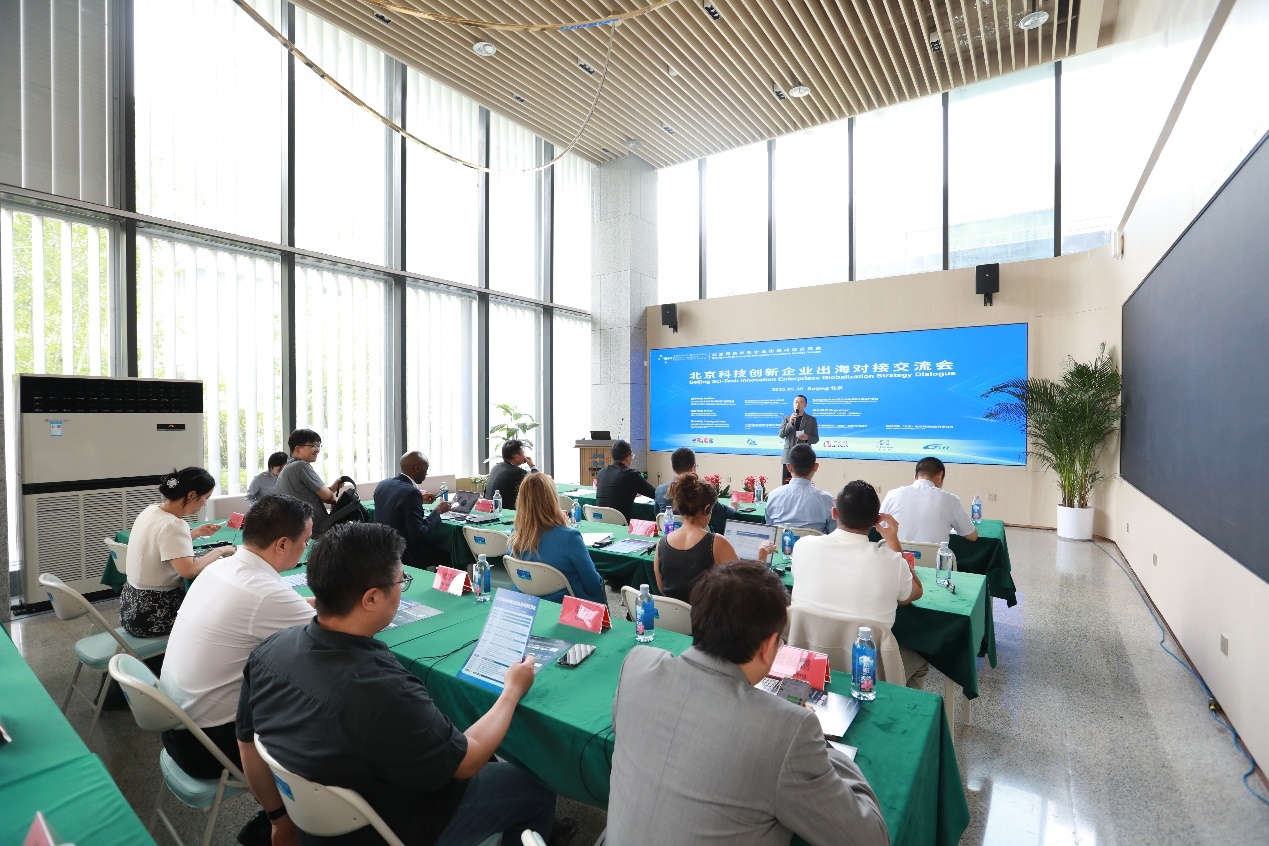
Core Insights - The article discusses the new phase of Chinese companies going global, focusing on technology empowerment and ecosystem co-construction, in the context of global supply chain restructuring and China's "dual circulation" strategy [1] Group 1: Event Overview - The "Beijing Technology Innovation Enterprises Going Global Exchange Conference" was held on May 30, 2025, in Beijing, aimed at helping Chinese tech companies expand into international markets [1] - The event focused on cutting-edge fields such as biomedicine and artificial intelligence, featuring representatives from countries like the UAE, Mexico, Russia, and South Africa [1] - The conference included four main segments: policy interpretation, case sharing, resource matching, and corporate roadshows to analyze international market rules and share practical experiences [1] Group 2: UAE-China Cooperation - Chinese companies are injecting vitality into the UAE's economic transformation through collaboration in key sectors, particularly in renewable energy and electric vehicles [5] - Examples include Shanghai Electric's construction of the world's tallest solar tower and the establishment of the largest solar power plant in the region by China Machinery Engineering Corporation [5] - Chinese electric vehicle manufacturers like NIO and BYD are leading innovations in the UAE, contributing to the goal of having 50% electric and hybrid vehicles by 2050 [5] Group 3: Economic Contributions of Startups - The contribution of new startups to the UAE's economy has increased from 8.5% to 19.5% over the past decade, now accounting for over 34% of national income and 63.5% of non-oil GDP [7] - Startups are responsible for creating 86% of jobs in the private sector, serving as a major driver of innovation, economic diversification, and employment [7] - The UAE aims to increase the digital economy's contribution to GDP from 9.7% to 19.4% within ten years through strategic government initiatives and a strong startup ecosystem [7] Group 4: Recommendations for Chinese Companies - Chinese companies are advised to leverage the UAE as a strategic gateway to the Middle East, Africa, and beyond, focusing on high-growth sectors like renewable energy, financial services, infrastructure, AI, and life sciences [8] - Participation in various exhibitions in the UAE is recommended to explore emerging markets [8] - Establishing strategic partnerships with local entities is crucial for navigating the regulatory environment and contributing to the UAE's economic diversification initiatives [8]
2025年第21周:数码家电行业周度市场观察
艾瑞咨询· 2025-06-03 08:21
Group 1: Air Conditioning Industry - Midea and Gree are competing for the title of "number one in the air conditioning industry," with differing data perspectives [1] - In 2024, China's air conditioning sales are projected to reach 189 million units, a growth of 20.9%, indicating increased concentration among leading companies [1] - Xiaomi's online presence in air conditioning is growing, but its offline market remains weak, making it difficult to challenge the dominance of Midea and Gree in the short term [1] - Future competition will focus on smart technology, green initiatives, and globalization, with consumer preferences determining the true "industry leader" [1] Group 2: Robotics Industry in Shenzhen - Shenzhen is establishing the world's first "robot innovation community," leveraging its complete industrial chain and high manufacturing efficiency to drive the robotics industry [2] - The city currently has 51,100 robotics companies, with a projected output value exceeding 200 billion yuan in 2024 and a core component localization rate exceeding 90% [2] - The government is opening 50 fields as testing grounds, creating a closed-loop of "technology verification - scenario feedback - iterative upgrade" to accelerate innovation and application [2] Group 3: Robotaxi and Autonomous Driving - The autonomous driving industry is in a phase of deep integration of technology and capital, with Robotaxi becoming a focal point of competition [4] - Tesla plans to launch fully unmanned services by 2025, with its Full Self-Driving (FSD) system having driven over 1.6 billion miles [4] - The global market for autonomous driving could exceed $2 trillion by 2030, with China focusing on technology export and localized operations to overcome barriers [4] Group 4: AI Agents and Development Challenges - The development of AI agents is being propelled by third-party large model packaging, despite safety and practical demand challenges [5] - Major companies like ByteDance, Baidu, and Alibaba are investing in AI agent products and embracing the MCP mechanism to build ecosystems [5] - There are significant challenges in safety, demand matching, and multi-agent collaboration management, necessitating advancements in technology and risk assessment [5] Group 5: AI Model Evolution - The competition in AI is shifting from pure technical comparisons to systematic capability contests, marking a transition from the "laboratory era" to the "engineering platform era" [6] - The MaaS market in China is expected to reach 9 billion yuan by 2029, with a compound annual growth rate of 66.1% [6] - Major players like Baidu, Alibaba, and Tencent are adjusting strategies to focus on model performance, training efficiency, and user experience [6] Group 6: AI Education Market - Competition in AI education is intensifying, with companies like Yuanfudao and Quark focusing on personalized learning paths and leveraging vast data [10] - The core of the competition lies in combining vertical education expertise with general AI capabilities, emphasizing the transformation of technological advantages into user perception [10] - The rise of educational hardware, such as question-answering software and learning machines, is driving the trend of educational technology integration [10] Group 7: AI Toys Market - The AI toy market is projected to exceed 30 billion yuan in China by 2025 and reach 60 billion USD globally by 2033, with Asia leading the market [11] - AI and embodied intelligence technologies enhance interactivity and emotional connections in toys, with products like ByteDance's "Eye-catching Bag" gaining popularity [11] - High gross margins of over 60% and subscription models are expected to boost profitability, positioning AI toys as potential industry disruptors [11] Group 8: Tencent's Financial Performance - Tencent's total revenue for Q1 2025 reached 180.022 billion yuan, a year-on-year increase of 12.87%, with a gross margin of 55.82% [18] - Net profit grew by 22.01% to 63.129 billion yuan, with significant revenue growth in gaming and video marketing services [18] - Tencent is expanding into new areas while consolidating its core business, indicating a focus on future performance [18] Group 9: Fourth Paradigm's Growth - Fourth Paradigm reported total revenue of 1.077 billion yuan for Q1 2025, a year-on-year increase of 30.1%, with a gross profit margin of 41.2% [19] - The core business, "Prophet AI Platform," generated 805 million yuan, growing by 60.5% and contributing 74.8% to total revenue [19] - The company is deepening its presence in 14 industries and plans to expand into consumer electronics and new energy sectors [19] Group 10: Apple’s AI Strategy - Apple plans to introduce a "dual-core drive" AI model for the Chinese market, collaborating with Baidu and Alibaba to enhance data ecosystem and user experience [20] - This strategy aims to create a closed loop from "product consumption" to "information consumption," addressing local policy requirements and competition [20] - Apple's approach reflects a renewed understanding of the Chinese market's uniqueness, indicating a global adjustment experiment [20]