三星

Search documents
天工股份20260211
2026-02-11 15:40
Summary of Conference Call on Tiangong Co., Ltd. Company Overview - **Company Name**: Tiangong Co., Ltd. - **Industry**: Titanium processing and manufacturing - **Core Products**: Titanium alloys, including titanium plates, pipes, ingots, and rods - **Market Position**: Leading supplier of titanium materials for the consumer electronics sector, particularly for major clients like Apple and Samsung [3][20] Key Points and Arguments Industry Focus - The conference is part of a series aimed at highlighting key companies in the Beijing Stock Exchange (北交所), particularly those with significant market capitalization and unique assets not found in the Shanghai and Shenzhen markets [1][2] - The focus is on companies with high growth potential, scarcity barriers, and internationalization potential [2] Tiangong Co., Ltd. Specifics - Tiangong specializes in titanium processing, transitioning from rough processing to precision and deep processing [3] - The company is a critical supplier in the consumer electronics supply chain, particularly for high-end products like smartphones and watches [4][5] - Tiangong is also expanding into 3D printing applications and aerospace sectors, which are expected to drive future growth [5][6] Market Trends and Demand - Anticipated demand for titanium materials is expected to rise with the introduction of next-generation products in the consumer electronics sector [6][7] - The company is positioned to benefit from the increasing use of titanium alloys in high-end consumer electronics, with a focus on 3D printing technologies [7][8] Financial Performance - Tiangong's revenue for 2024 is projected to be around 800 million, with a net profit of approximately 170 million [13] - The company has a healthy balance sheet with a low debt ratio and strong cash flow [15] - The gross margin for titanium wire is expected to reach 41.19% in 2024, while the margins for plates and pipes are significantly lower [12][13] Competitive Advantages - Tiangong has established significant technical barriers, including advanced production techniques like electron beam melting and plasma atomization, which enhance material recovery and reduce waste [9][10] - The company has a strong customer base, with major clients accounting for a significant portion of its revenue [14][15] - Tiangong's products are positioned in the high-end market, with a focus on high-performance applications in consumer electronics and aerospace [17][18] Future Growth Potential - The company is expanding its production capacity, with plans to increase output to over 10,000 tons, focusing on high-end titanium products [23][24] - The growth in the 3D printing sector and the increasing penetration of titanium in consumer electronics are expected to drive future revenue growth [21][22] - Tiangong is also exploring opportunities in the medical device sector, further diversifying its application areas [9][10] Market Outlook - The titanium processing industry in China is experiencing a structural shift towards high-end applications, with increasing demand from sectors like aerospace and consumer electronics [30][31] - The global market for titanium materials is expected to grow, particularly in high-end consumer electronics, with a projected increase in the use of titanium alloys in products like foldable smartphones [35][36] Additional Important Insights - The company is actively working on enhancing its ESG (Environmental, Social, and Governance) profile by investing in sustainable production technologies [9][10] - Tiangong's strategic partnerships and joint ventures, such as with Jiangsu Tiangong Titanium Crystal, are aimed at expanding its capabilities in 3D printing materials [8][11] - The competitive landscape shows that Tiangong is well-positioned against peers, with a focus on high-margin products and innovative applications [17][18] This summary encapsulates the key points discussed during the conference call regarding Tiangong Co., Ltd., highlighting its market position, growth potential, and strategic initiatives within the titanium processing industry.
超科林半导体股价创60日新高,行业景气度与资金面支撑强劲
Jing Ji Guan Cha Wang· 2026-02-11 14:27
Group 1 - The core viewpoint is that UCTT's stock price has recently performed strongly, driven by industry improvement, funding support, and technological advancements [1] Group 2 - UCTT's stock closed at $54.33 on February 10, 2026, with a single-day increase of 6.99%, reaching a 60-day high [2] - From January 12 to February 10, the stock saw a price increase of 58.81%, and a year-to-date rise of 114.49% [2] Group 3 - The semiconductor component market is expected to grow from $31.53 billion in 2025 to $52.96 billion by 2032, with a compound annual growth rate of 7.8% [3] - On February 3, 2026, UCTT's trading volume reached 2.61 million shares, with a turnover rate of 5.75%, indicating increased market interest [3] - Samsung launched the world's first 2nm smartphone chip, Exynos2600, at the end of 2025, enhancing performance by 39%, which positively impacts the semiconductor supply chain [3] - ASE Investment announced a $1.5 billion expansion plan on February 6, 2026, focusing on advanced processes, further boosting industry growth expectations [3] Group 4 - For the third quarter of fiscal year 2025, UCTT reported revenues of $510 million with a gross margin of 16.12%, but a net loss of $10.9 million, resulting in a net margin of -2.14% [4] - As of February 10, 2026, UCTT's price-to-sales ratio (TTM) is 0.57, below the industry average, while the price-to-book ratio is 3.47, indicating a market premium [4]
大摩“暴力”上调美光目标价至450美元:只要AI需求强劲,中国产能冲击、资本开支过热统统不是问题!
美股IPO· 2026-02-11 13:03
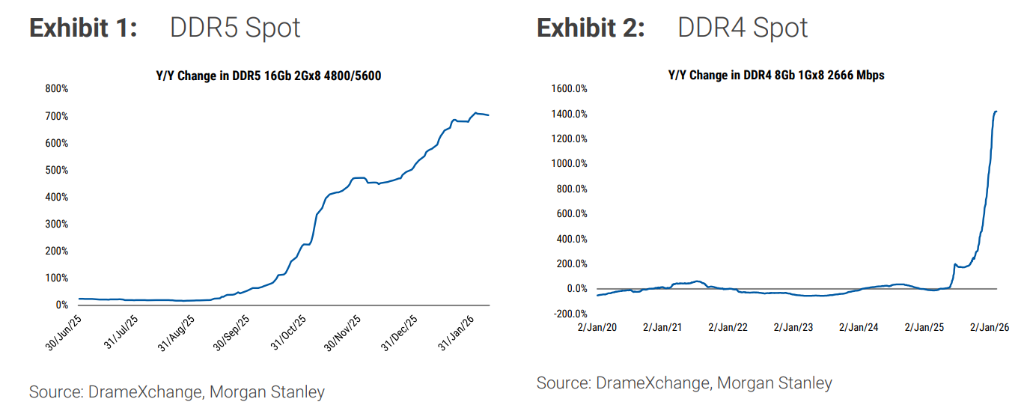
Core Viewpoint - Morgan Stanley has significantly raised Micron's target price from $350 to $450, indicating an implied upside of approximately 28.6% from the current stock price, driven by a supply shortage in memory chips across all end markets and a shift in pricing power to sellers [1][3]. Group 1: Market Dynamics - The current memory chip supply shortage is underestimated by the market, with both DRAM and NAND prices expected to continue rising in Q1 and Q2 of 2026 [4]. - Micron's guidance for Q2 suggests a 37% quarter-over-quarter revenue growth, with an implied average selling price (ASP) increase of about 30% [4]. - Competitors like SanDisk have reported a staggering 60% quarter-over-quarter increase in NAND ASP, while teams covering Samsung and Hynix predict DRAM price increases of 48% and 55%, respectively [5]. Group 2: Profitability and Earnings Forecast - Morgan Stanley projects Micron's earnings per share (EPS) to soar to over $52 in the calendar year 2026, indicating a significant increase in profitability [3][9]. - The consensus expectation for Micron's earnings is considered overly conservative, with predictions suggesting a peak EPS of around $12 in late 2027, which Morgan Stanley believes will be exceeded in the next 18 months [9]. Group 3: Valuation Logic - Morgan Stanley argues that using traditional cyclical valuation frameworks for Micron is misguided, as the current price corresponds to a price-to-earnings (P/E) ratio of only 8 times the projected earnings of $48, which is significantly undervalued [10]. - The firm has adjusted its cross-cycle EPS estimate from $14 to $18, leading to a new target price of $450 based on a 25 times P/E ratio [11]. Group 4: Supply and Demand Imbalance - The structural supply-demand imbalance driven by AI is expected to create an additional $200 billion in annual revenue demand within the next 12 months, surpassing the entire semiconductor market revenue in 2020 [12]. - The slow growth in wafer output is projected to be only 7% year-over-year by the end of 2026, while demand is expected to grow explosively, with companies like Nvidia and AMD significantly increasing their revenue forecasts [12]. Group 5: Addressing Market Concerns - Concerns regarding the impact of Chinese memory chip companies and HBM4 production issues are deemed exaggerated by Morgan Stanley, which maintains that Micron's production timeline for HBM4 remains unchanged [13][14]. - Even if Micron faces unforeseen challenges in ramping up HBM4 production, the existing HBM3e will continue to dominate the market and will not negatively impact profitability [13].


大摩“暴力”上调美光目标价至450美元:只要AI需求强劲,中国产能冲击、资本开支过热统统不是问题!
Hua Er Jie Jian Wen· 2026-02-11 12:25
Core Viewpoint - Morgan Stanley believes the market has significantly underestimated the current shortage of memory chips, driven by the AI supercycle, making traditional cyclical valuation frameworks obsolete. Micron is at a sweet spot of both profitability and valuation expansion [1][2]. Group 1: Pricing Power and Profitability - The current tightness in the memory chip market is underestimated, with both DRAM and NAND prices expected to rise significantly in Q1 and Q2 of 2026. Micron's guidance suggests a 37% quarter-over-quarter revenue growth, with an implied average selling price (ASP) increase of about 30% [2]. - Competitors are also seeing substantial price increases, with SanDisk projecting a 60% ASP increase for NAND, while teams covering Samsung and Hynix predict DRAM price increases of 48% and 55% respectively [2]. - Morgan Stanley projects Micron's earnings per share (EPS) to reach $52.53 in the calendar year 2026, indicating a significant increase in profitability [7]. Group 2: Valuation Logic - The current market valuation of Micron is considered extremely low, with a price-to-earnings (P/E) ratio of only 8 times the projected earnings of $48. This is significantly below the peak profitability levels seen in previous cycles [8]. - Morgan Stanley has revised its cross-cycle EPS estimate from $14 to $18, which, when multiplied by a 25x P/E ratio, leads to a new target price of $450 for Micron [9]. Group 3: Supply and Demand Dynamics - The AI-driven structural supply-demand imbalance is a key factor supporting this supercycle, with manufacturers' inventories at historically low levels. Even with premium pricing, customers struggle to secure sufficient supply [10]. - Demand is expected to surge, with Nvidia projecting an additional $30 billion in quarterly revenue by 2026, and the entire storage industry facing nearly $200 billion in annualized incremental revenue needs over the next 12 months [10]. Group 4: Market Concerns Addressed - Concerns regarding the impact of Chinese memory chip companies and HBM4 production issues are deemed exaggerated by Morgan Stanley. Micron is on track to begin HBM4 mass production in Q2 2026, and any potential challenges in ramping up HBM4 production will not negatively impact profitability due to the continued dominance of HBM3e in the market [11].
英伟达抛弃+谷歌降维打击,游戏业黄昏将至?
美股研究社· 2026-02-11 11:06
以下文章来源于字母AI ,作者苗正 字母AI . 聚焦前沿科技,抢先看到未来。 这让全球游戏产业正在经历一场前所未有的危机。 祸不单行,AI技术的革新换代,也让游戏开发者们感到了危机。 生成式AI正以超出预期的速度替代游戏开发的每一个环节。从美术素材到NPC对话,从关卡生成到音效配 乐,AI工具正在大规模替代传统人力。 谷歌发布Genie 3世界模型的那一天,甚至直接引起了游戏公司股价集体暴跌。 如果AI能在一分钟内生成"类塞尔达"游戏,那么开发一款游戏就需要好几年的游戏厂商们,还有存在的必要 吗? 正是这两股力量同时作用,才让整个行业出现了重塑的先兆。 来源 | 字母AI(ID:faceaibang) 作者 | 苗正 过去三十年,英伟达的显卡一直在推动游戏产业向前发展。《赛博朋克 2077》、《荒野大镖客 2》这些 3A 大作,都建立在显卡性能不断进步的基础上。 没有英伟达这三十年的持续研发,就没有今天规模超过3000亿美元的全球游戏产业。 但这个故事突然停止了。英伟达宣布无限期推迟新一代游戏显卡的研发,官方给出的理由是"内存供应受限, 优先供应数据中心"。 然而,恐慌之下,游戏行业真正的护城河也在显现,因 ...



透过ASML 2025全年财报,看增长背后的结构变化
半导体芯闻· 2026-02-11 10:59
Core Viewpoint - The semiconductor industry is transitioning from a traditional cycle dominated by mobile and PC devices to a multi-driven evolution represented by "AI computing infrastructure" as of early 2026 [1] Group 1: ASML's Financial Performance - In 2025, ASML achieved a record net sales of approximately €32.7 billion, a gross margin of about 52.8%, and a net profit of around €9.6 billion [4] - ASML's order backlog reached approximately €38.8 billion by the end of 2025, providing high visibility for revenue growth in 2026 and beyond [4] - The sales of ASML's EUV (Extreme Ultraviolet) systems reached €11.6 billion in 2025, a year-on-year increase of 39%, with EUV accounting for 48% of the company's system revenue [4] Group 2: Equipment Demand Dynamics - EUV systems are becoming the core production tool for advanced processes, while DUV (Deep Ultraviolet) systems remain essential in the semiconductor manufacturing ecosystem [7] - DUV systems are expected to continue playing a major role in the industry, with significant demand for ArFi, ArF Dry, KrF, and i-line systems [7] - DUV's application boundaries are expanding from "front-end wafer manufacturing" to "advanced packaging and 3D integration" [8] Group 3: Market Resilience in China - ASML's net system sales in the Chinese market accounted for 33% of total sales in 2025, exceeding previous expectations [9] - The strong demand in China is driven by the growth of mature processes (28nm and above) and the urgent need for domestic chip production [10] - AI's demand is creating a "spillover effect," with many supporting chips being produced using DUV processes [11] Group 4: Advanced Packaging and System Performance - The acceleration of 2.5D/3D packaging production lines in China is driving ASML's growth in advanced packaging equipment [12] - ASML expects its revenue share from China to stabilize around 20% in 2026, reflecting a return to "normalization" rather than a decline in demand [12] Group 5: Transition to a Platform Company - ASML is evolving from a "cyclical equipment vendor" to a "structural platform company," providing comprehensive solutions around lithography [14] - The company's measurement and inspection systems saw a 28% year-on-year increase in sales, reaching €825 million in 2025 [15] - ASML's installed base revenue reached approximately €8.2 billion in 2025, growing over 25% year-on-year, indicating a shift towards a balanced revenue structure [15] Group 6: Future Growth Projections - ASML projects net sales for 2026 to be between €34 billion and €39 billion, with a gross margin maintained at 51%-53% [18] - The company aims to reach total revenue of €44 billion to €60 billion by 2030, with AI as a key driver of future growth [18] - A €12 billion stock buyback plan has been announced, reflecting management's confidence in future cash flow strength [19]

“冷屏”受热捧,LED驱动IC身价进阶?
Xin Lang Cai Jing· 2026-02-11 10:33
Core Insights - The LED display industry is shifting from a focus on physical performance to energy efficiency, driven by the need to address heat issues associated with high power consumption in ultra-high-definition displays [1][18] - Major companies like Leyard, Absen, and others are promoting "cool screens" to enhance system stability and lifespan, while brands like Hisense and TCL emphasize energy-saving features in their latest products [1][18] - The implementation of the national energy efficiency standard GB 21520-2023 is pushing the industry towards adopting energy-efficient technologies, redefining the value and importance of LED driver ICs [1][22] Industry Trends - The transition to ultra-high-definition displays has led to a geometric increase in pixel density, compressing heat dissipation space and exacerbating thermal issues [2][19] - The efficiency of red LED chips is highly temperature-sensitive, with a 1°C increase resulting in approximately a 1% decrease in light output efficiency [2][19] - The traditional 16-channel driver ICs are becoming a bottleneck for energy efficiency as their power consumption share is rising significantly [2][20] Driver IC Importance - In ultra-high-definition micro-pitch products, the power consumption of driver ICs can rise from 15-30% to over 50% under different brightness applications [3][20] - Improving the conversion efficiency of driver ICs can have a more significant impact on overall screen energy efficiency than merely enhancing LED chip light output [21][22] - The new XM11206G driver IC from Lingyang Huaxin is designed to save 20% in power per pixel compared to its predecessor, significantly contributing to energy savings in large displays [22][29] Policy and Standards - The GB 21520-2023 standard sets clear energy efficiency thresholds for the LED display industry, mandating the adoption of energy-efficient driver ICs as a compliance requirement [22][23] - The energy efficiency grading system categorizes products into three levels, with Level 1 being the highest standard for international leading products [23] Company Strategy - Lingyang Huaxin has embedded energy-saving technology into its core, focusing on high integration and common cathode architecture for its driver ICs [24][27] - The company is diversifying its product offerings to include direct display drivers and automotive display drivers, with successful integration into high-end products from Samsung [27][28] - Lingyang Huaxin aims to expand its market share by balancing cost and performance, targeting a 40% growth rate in the coming years [33][34] Future Outlook - The integration of AI with display technology is expected to open new application boundaries for LED displays, enhancing the demand for advanced driver ICs [33][34] - The current LED driver IC market is highly concentrated, with the top five manufacturers expected to hold about 83% market share by 2025 [33] - Lingyang Huaxin is optimistic about its growth prospects, anticipating revenue to exceed 150 million yuan by 2026 [34][36]

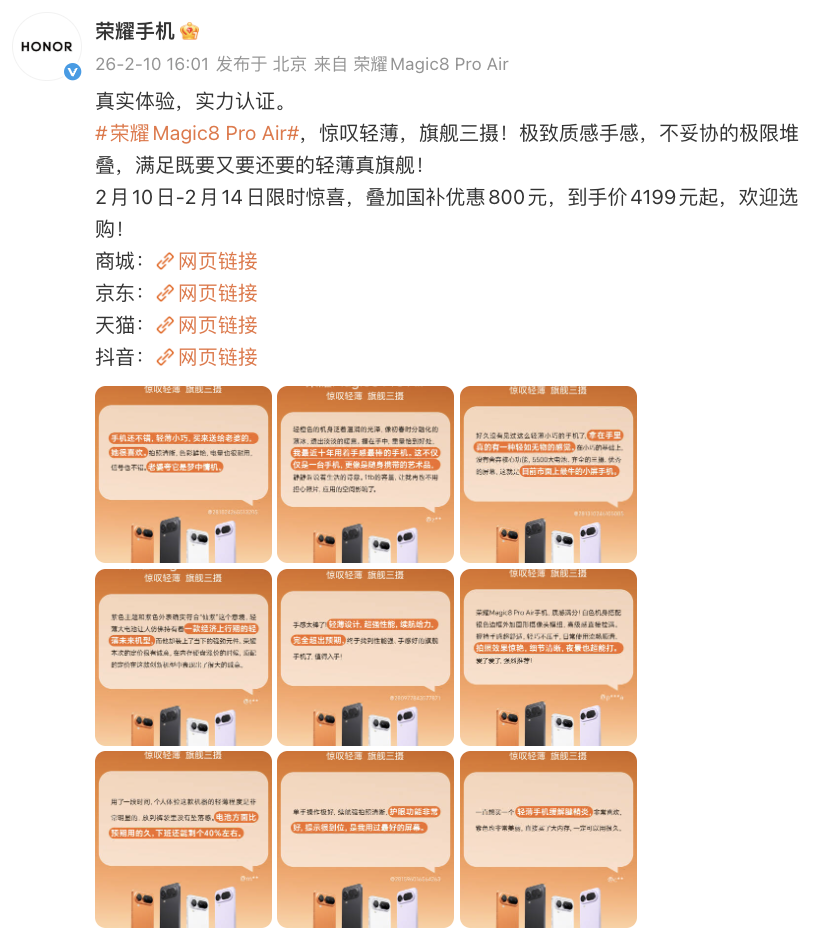
荣耀Magic8ProAir降价300 | 曝某大厂新机要做阔屏幕 16:10复古回归?
Xin Lang Cai Jing· 2026-02-11 10:33
Core Insights - The recent price drop of Apple's ultra-thin flagship iPhone Air by 2000 yuan has sparked discussions, leading to a promotional price cut of 300 yuan for Honor's Magic8 Pro Air [1][7]. Group 1: Promotional Activities - Honor Magic8 Pro Air is running a Valentine's Day limited-time promotion from February 10 to February 14, offering a discount of 300 yuan, which, when combined with national subsidies, totals an 800 yuan discount [2][8]. - The promotional prices for the Magic8 Pro Air after the discount are as follows: - 12+256GB version originally priced at 4999 yuan is now 4699 yuan, with a final price of 4199 yuan after subsidies - 12+512GB version originally priced at 5299 yuan is now 4999 yuan, with a final price of 4499 yuan after subsidies - 16+512GB version originally priced at 5599 yuan is now 5299 yuan, with a final price of 4799 yuan after subsidies [5][11]. Group 2: Product Specifications - The Honor Magic8 Pro Air features a lightweight design at 155g, a slim profile of 6.1mm, and a 6.31-inch display with a 1.5K resolution and 1-120Hz LTPO technology [5][11]. - It is powered by the MediaTek Dimensity 9500 processor, equipped with a 5500mAh battery, and supports 80W wired and 50W wireless charging. The camera setup includes a 50MP front camera and a triple rear camera system [5][11]. Group 3: Industry Trends - There is a growing interest in "wide foldable" devices, with expectations that three smartphone brands will launch such models by 2026, following the trend initiated by Huawei's Pura X [11][12]. - Additionally, a new "wide screen" straight phone with a 16:9 or 16:10 aspect ratio is reportedly in development by a top five smartphone manufacturer, indicating a shift in design trends within the industry [12].
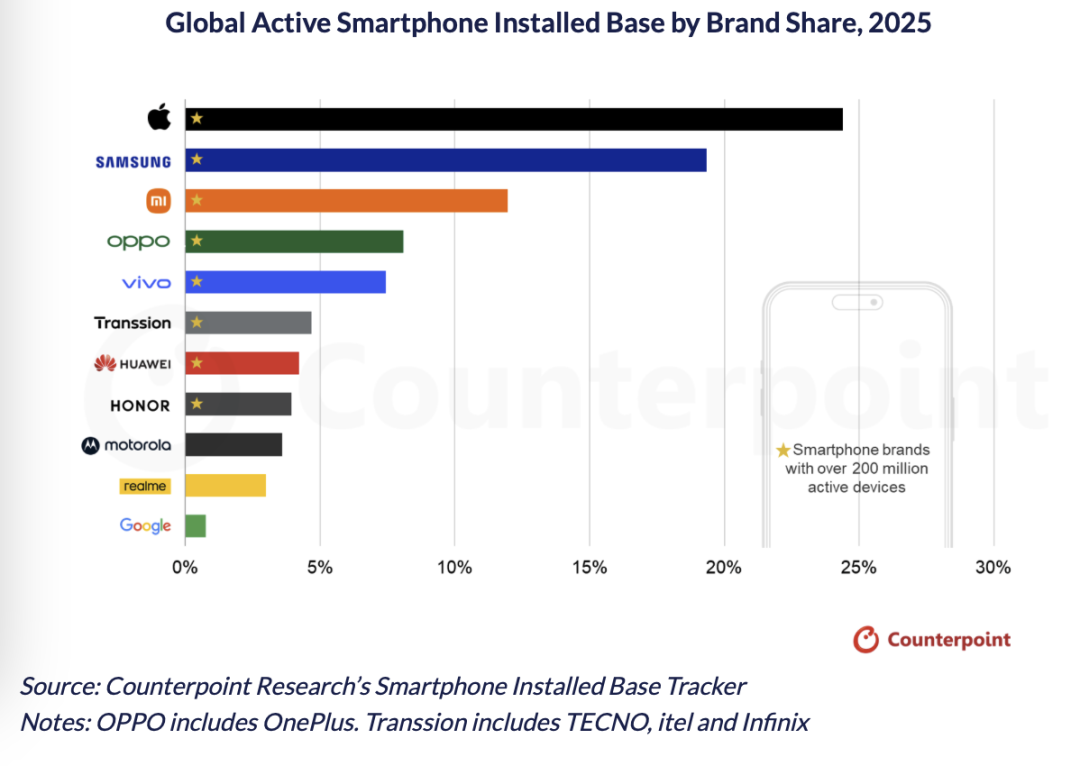
【行情】全球每4部手机就有1部iPhone?最新用户设备情况出炉
Xin Lang Cai Jing· 2026-02-11 10:32
如上图所见,报告显示2025年全球智能手机设备活跃量来说,TOP10依次是:苹果、三星、小米、OPPO、vivo、传音、华为、荣耀、摩托罗拉、realme、 谷歌。 报告还提到TOP8品牌人均有2亿台以上设备,苹果和三星超10亿台,也就是近四分之一的手机是iPhone,近五分之一是三星手机。报告还提到2025年苹果 新增的手机设备比后面7家品牌加起来还多,问问大家,你现在用的哪家手机? 研究机构Counterpoint近日发布了一份2025年全球智能手机设备活跃情况。 研究机构Counterpoint近日发布了一份2025年全球智能手机设备活跃情况。 如上图所见,报告显示2025年全球智能手机设备活跃量来说,TOP10依次是:苹果、三星、小米、OPPO、vivo、传音、华为、荣耀、摩托罗拉、realme、 谷歌。 报告还提到TOP8品牌人均有2亿台以上设备,苹果和三星超10亿台,也就是近四分之一的手机是iPhone,近五分之一是三星手机。报告还提到2025年苹果 新增的手机设备比后面7家品牌加起来还多,问问大家,你现在用的哪家手机? ...

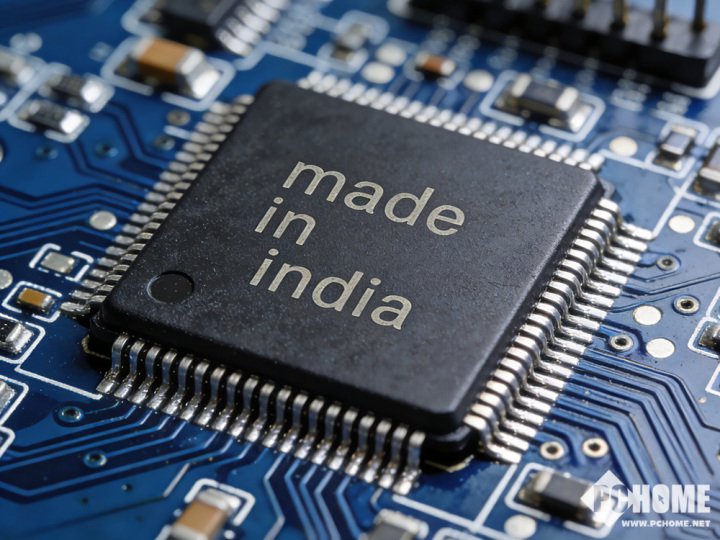
印度本土实现2nm芯片流片 真相令人相当无语
Xin Lang Cai Jing· 2026-02-11 10:32
据网传消息显示,印度方面宣布成功进行2nm流片,该消息给人的感觉就是假新闻,毕竟现在能实现 2nm工艺的只有三星和台积电,印度不可能凭空出现2nm工艺的制造能力。 在2月7日,高通方面宣布成功流片2nm芯片,高通印度 方面确认,印度班加罗尔、金奈、海德拉巴三大研发中 心参与了该芯片的设计。也就是说,印度方面只参与到 了设计,真正的制造还是在台积电完成的,与印度的制 造能力毫无关联。 印度方面对此则表示,此举标志着印度芯片设计能力正 式升级为核心研发枢纽,下一步还将推动制程节点向 7nm及以下先进制程节点过渡。这也再次验证了,印度 现在根本不具备2nm工艺的制造能力,甚至连7nm工艺 都无法完成。 因此,印度方面具备了出色的芯片设计能力,这在业界 中并不罕见,华为、小米在这方面都是世界顶级水平。但在先进工艺制造能力上,依然与领先者存在巨 大差距。 在我们深入了解后发现,这显然是一场以讹传讹的谣言闹剧。 据网传消息显示,印度方面宣布成功进行2nm流片,该消息给人的感觉就是假新闻,毕竟现在能实现 2nm工艺的只有三星和台积电,印度不可能凭空出现2nm工艺的制造能力。 在我们深入了解后发现,这显然是一场以讹传讹的谣言 ...