
中国宏桥

Search documents
氧化铝有必要设置产能天花板吗?
Xin Lang Cai Jing· 2026-01-04 01:29
Core Viewpoint - China's aluminum oxide industry is facing a significant challenge of overcapacity, despite being the largest producer globally, with major companies dominating the market [1][8]. Group 1: Current Capacity and Demand - China's aluminum oxide production capacity has reached 110.85 million tons, a 66.82% increase since 2015, and is expected to see an additional 10 million tons by 2026, exacerbating the overcapacity issue [2][9]. - Approximately 95% of aluminum oxide is used for producing electrolytic aluminum, with a theoretical maximum demand of about 86.63 million tons based on a consumption rate of 1.925 tons of aluminum oxide per ton of electrolytic aluminum [4][11]. - The current overcapacity stands at approximately 2.42 million tons, leading to an expected operating rate of 81% in 2024, indicating that nearly 20% of the capacity will remain idle [4][11]. Group 2: Historical Context and Policy - The historical development of China's electrolytic aluminum industry has seen significant growth, with a production increase from 342,000 tons in 2001 to a controlled capacity of around 4.5 million tons due to government policies aimed at curbing overcapacity [5][12]. - The introduction of policies in 2013 and subsequent years established a capacity ceiling for electrolytic aluminum, effectively controlling the expansion of production and ensuring a more stable industry environment [6][12]. Group 3: Industry Response and Future Considerations - There is a call for intervention in the aluminum oxide sector to prevent blind investments and promote consolidation among major enterprises to enhance competitiveness [13]. - However, the necessity of establishing a capacity ceiling for aluminum oxide is debated, as the existing demand already reflects a "hidden" ceiling based on electrolytic aluminum production needs [13][14].


2026年度策略:物少天成贵,势来价自高
GOLDEN SUN SECURITIES· 2026-01-03 07:50
Precious Metals - The report highlights that gold remains a strong investment, with central banks continuing to increase their gold holdings, and gold ETFs experiencing sustained inflows during the interest rate cut cycle, indicating a bullish trend for gold prices [1][20] - Silver is expected to see significant price increases, driven by financial demand rather than industrial demand, with the gold-silver ratio indicating that silver is undervalued compared to gold [1][20] Industrial Metals - Copper is projected to experience a bullish market due to a clear supply-demand gap, supported by macroeconomic factors such as tariff reductions and increased capital expenditures, alongside strong demand from the energy and AI sectors [2][3] - Aluminum supply may face constraints due to high demand from data centers, with potential production risks and a tightening global supply-demand balance expected in 2026 [3] - Tin supply is limited due to global resource scarcity, while demand is expected to rise from the semiconductor and AI sectors, leading to a price increase [4] - Nickel prices are anticipated to recover as supply disruptions in Indonesia continue to impact the market [4] Energy Metals - Lithium demand is expected to surge, particularly from energy storage applications, with supply growth projected to slow down due to reduced capital expenditures by producers [7] - Cobalt prices are likely to rise due to export controls from the Democratic Republic of Congo, which will create a supply gap that cannot be compensated by increases in Indonesian production [8] Minor Metals - Tungsten prices are expected to rise due to persistent supply-demand imbalances, with limited new supply expected before 2027 [9] - Antimony prices are projected to remain high due to rigid supply constraints and potential easing of export controls, which could enhance price elasticity [10] - The rare earth sector is expected to see improved supply-demand dynamics, with prices likely to rise as demand from electric vehicles and robotics increases [11]





港股异动 有色股涨幅进一步扩大 中国宏桥(01378)涨超4% 紫金矿业(02899)涨超3%
Jin Rong Jie· 2026-01-02 07:24
Group 1 - The core viewpoint of the articles highlights the significant rise in the prices of non-ferrous metal stocks, driven by new policies from the National Development and Reform Commission aimed at optimizing traditional industries, particularly in alumina and copper smelting [1] - Ganfeng Lithium (01772) increased by 4.04% to HKD 54.05, China Hongqiao (01378) rose by 4.17% to HKD 33.98, Shandong Gold (01787) gained 4.1% to HKD 36.02, Luoyang Molybdenum (03993) went up by 3.9% to HKD 19.99, and Zijin Mining (02899) increased by 3.76% to HKD 37 [1] - Morgan Stanley anticipates that the new policies may restrict the planning of new alumina production capacity and expects capacity consolidation to benefit industry leaders, while lower annual copper concentrate processing and refining fees may lead to a reduction in refined copper output by 2026 [1] Group 2 - CITIC Securities points out that insufficient capital expenditure, limited resource supply, strong AI demand prospects, expanding fiscal deficits, and declining interest rates are creating a new resource pricing paradigm globally, leading to a feast in the non-ferrous sector [2] - The article notes that the distribution of physical resources between the US and non-US regions is uneven due to threats from US tariffs on key minerals, resulting in liquidity shortages in certain markets and increased capital inflow to long positions [2]
有色股涨幅进一步扩大,中国宏桥涨超4%,紫金矿业涨超3%
Zhi Tong Cai Jing· 2026-01-02 06:23
Group 1 - The core viewpoint of the article highlights the significant rise in non-ferrous metal stocks, driven by new policies from the National Development and Reform Commission aimed at optimizing traditional industries, particularly in alumina and copper smelting [1] - Ganfeng Lithium saw a rise of 4.04% to HKD 54.05, China Hongqiao increased by 4.17% to HKD 33.98, Shandong Gold rose by 4.1% to HKD 36.02, Luoyang Molybdenum increased by 3.9% to HKD 19.99, and Zijin Mining rose by 3.76% to HKD 37 [1] - Morgan Stanley suggests that the new policies may limit the planning of new alumina production capacity and that capacity consolidation will benefit industry leaders, while lower annual copper concentrate processing and refining fees may lead to a reduction in refined copper output by 2026 [1] Group 2 - CITIC Construction pointed out that insufficient capital expenditure, limited resource supply, strong AI demand prospects, expanding fiscal deficits, and declining interest rates are creating a new resource pricing paradigm globally, leading to a surge in non-ferrous metal investments [1] - The article indicates that the distribution of physical resources between the US and non-US regions is uneven due to threats from US tariffs on key minerals, resulting in liquidity issues in certain markets [1] - The combination of these factors is expected to support copper prices at high levels, with stable demand contributing to this trend [1]
港股有色股涨幅进一步扩大 中国宏桥涨超4%
Mei Ri Jing Ji Xin Wen· 2026-01-02 06:20
Group 1 - The Hong Kong stock market for non-ferrous metals has seen significant gains, with several companies experiencing notable increases in their stock prices [1] - Ganfeng Lithium (01772.HK) rose by 4.04%, reaching HKD 54.05 [1] - China Hongqiao (01378.HK) increased by 4.17%, trading at HKD 33.98 [1] - Shandong Gold (01787.HK) saw a rise of 4.1%, with a stock price of HKD 36.02 [1] - Luoyang Molybdenum (03993.HK) gained 3.9%, priced at HKD 19.99 [1] - Zijin Mining (02899.HK) experienced a 3.76% increase, with shares at HKD 37 [1]

年终盘点:港股收官,恒指全年飙升28%,有色领跑涨幅榜
Sou Hu Cai Jing· 2026-01-02 06:15
Core Viewpoint - The Hong Kong stock market experienced a strong upward trend in 2025, with the Hang Seng Index rising by 27.77% and the Hang Seng Tech Index increasing by 23.45%, driven by active trading and improved market sentiment [1][12]. Market Performance - The trading volume in the Hong Kong stock market significantly increased compared to previous years, indicating heightened trading activity and a broad release of market profit potential [1]. - The year saw a clear phase rotation in the market, with different sectors driving the market's upward movement at various times, including AI technology, innovative pharmaceuticals, and non-competitive policies leading to industrial optimization [3][5]. Sector Analysis - The technology sector was a major player in the market, with the Hang Seng Tech Index rising by 20.74% in Q1 2025, outperforming the Hang Seng Index's 15.25% increase during the same period [4]. - The innovative pharmaceutical sector gained momentum due to a surge in business development (BD) transactions, benefiting from improved global liquidity as the Federal Reserve began its rate-cutting cycle [4][5]. - The metals sector, particularly non-ferrous metals, emerged as the strongest performer by year-end, with copper stocks rising by 261.85%, gold and precious metals by 197.85%, and other metals and mining stocks by 187.91% [6][7]. Individual Stock Performance - Notable individual stock performances included Zijin Mining (02899.HK) rising by 162%, Shandong Gold (01787.HK) increasing by over 183%, and Jiangxi Copper (00358.HK) climbing nearly 281% [9]. - The stock of珠峰黄金 (01815.HK) skyrocketed by over 1286%, marking it as a rare "tenfold" stock in a year [9]. Investment Drivers - The rise in non-ferrous metals was attributed to multiple favorable factors, including the global trend of "de-dollarization," supply-demand imbalances in industrial metals, and domestic policies optimizing supply structures [6][10]. - The rapid development of emerging industries such as AI, new energy, and innovative pharmaceuticals provided a wealth of high-growth investment opportunities, supporting long-term stock price increases [12][13]. Future Outlook - Analysts expect the Hong Kong stock market to continue its upward trend in 2026, driven by improved liquidity and corporate profit recovery, with a potential shift in market driving logic from valuation recovery to profit growth [13].

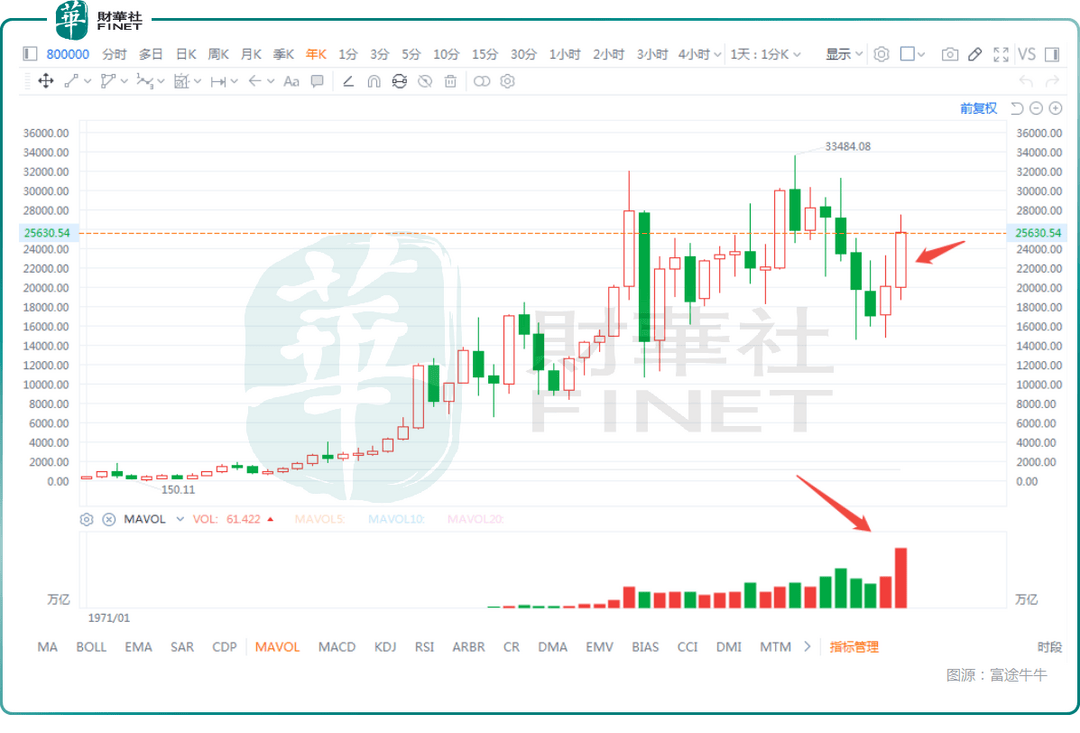
港股异动 | 有色股涨幅进一步扩大 中国宏桥(01378)涨超4% 紫金矿业(02899)涨超3%
智通财经网· 2026-01-02 06:09
Group 1 - The core viewpoint of the articles highlights the significant rise in the prices of non-ferrous metal stocks, driven by new policies from the National Development and Reform Commission aimed at optimizing traditional industries, particularly in alumina and copper smelting [1] - Major non-ferrous metal companies such as Ganfeng Lithium, China Hongqiao, Shandong Gold, Luoyang Molybdenum, and Zijin Mining have seen substantial stock price increases, with Ganfeng Lithium rising by 4.04% to HKD 54.05, and China Hongqiao increasing by 4.17% to HKD 33.98 [1] - Morgan Stanley anticipates that the new policies may limit the planning of new alumina production capacity and that capacity consolidation will benefit industry leaders, while lower annual copper concentrate processing and refining fees may lead to reduced refined copper output by 2026 [1] Group 2 - CITIC Securities points out that insufficient capital expenditure, limited resource supply, strong AI demand prospects, expanding fiscal deficits, and declining interest rates are creating a new resource pricing paradigm globally, leading to a feast in the non-ferrous sector [2] - The article notes that the distribution of physical resources between the US and non-US regions is uneven due to threats from US tariffs on key minerals, resulting in liquidity shortages in certain markets and increased capital inflow to long positions [2]
中国宏桥(01378) - 截至2025年12月31日止月份之股份发行人之证券变动月报表
2026-01-01 23:54
呈交日期: 2026年1月2日 I. 法定/註冊股本變動 | 1. 股份分類 | 普通股 | 股份類別 | 不適用 | | | 於香港聯交所上市 (註1) | 是 | | | | --- | --- | --- | --- | --- | --- | --- | --- | --- | --- | | 證券代號 (如上市) | 01378 | 說明 | | | | | | | | | | | 法定/註冊股份數目 | | | 面值 | | | 法定/註冊股本 | | | 上月底結存 | | | 20,000,000,000 | USD | | 0.01 | USD | | 200,000,000 | | 增加 / 減少 (-) | | | | | | | USD | | | | 本月底結存 | | | 20,000,000,000 | USD | | 0.01 | USD | | 200,000,000 | 本月底法定/註冊股本總額: USD 200,000,000 FF301 股份發行人及根據《上市規則》第十九B章上市的香港預託證券發行人的證券變動月報表 截至月份: 2025年12月31日 狀態: 新提交 致 ...
智通港股通持股解析|1月1日



智通财经网· 2026-01-01 00:35
Core Insights - The top three companies by stockholding ratio in the Hong Kong Stock Connect are China Telecom (71.90%), GCL-Poly Energy (69.96%), and Da Zhong Public Utilities (68.75%) [1][2] - The companies with the largest increase in stockholding over the last five trading days include SMIC (+1.092 billion), China Merchants Bank (+1.052 billion), and Hong Kong Exchanges and Clearing (+790 million) [1][2] - The companies with the largest decrease in stockholding over the last five trading days include China Mobile (-3.216 billion), Tencent Holdings (-1.107 billion), and the Tracker Fund of Hong Kong (-465 million) [1][2] Stockholding Ratios - China Telecom (00728) holds 99.79 million shares with a stockholding ratio of 71.90% [2] - GCL-Poly Energy (01330) holds 28.3 million shares with a stockholding ratio of 69.96% [2] - Da Zhong Public Utilities (01635) holds 36.7 million shares with a stockholding ratio of 68.75% [2] - Other notable companies in the top 20 include China Shenhua (66.39%) and China Merchants Energy (64.43%) [2] Recent Trading Activity - The top three companies with increased holdings in the last five trading days are: - SMIC (00981): +1.092 billion, +15.28 million shares [2][3] - China Merchants Bank (03968): +1.052 billion, +19.92 million shares [2][3] - Hong Kong Exchanges and Clearing (00388): +790 million, +1.93 million shares [2][3] - The top three companies with decreased holdings in the last five trading days are: - China Mobile (00941): -3.216 billion, -39.36 million shares [2][3] - Tencent Holdings (00700): -1.107 billion, -1.84 million shares [2][3] - Tracker Fund of Hong Kong (02800): -465 million, -18.01 million shares [2][3]
盐和铝-电解铝行业2026年度投资策略
2025-12-31 16:02
Summary of Key Points from the Conference Call Industry Overview - The conference call focuses on the aluminum industry, particularly the electrolytic aluminum sector, and its investment strategy for 2026, highlighting the impact of various macroeconomic and geopolitical factors on aluminum supply and demand [1][2]. Core Insights and Arguments - **Supply Constraints**: China's electrolytic aluminum production capacity is limited by dual carbon policies, power shortages, and technological constraints, leading to a long-term tight supply situation that supports high aluminum prices [1][2]. - **Global Manufacturing Recovery**: The global manufacturing PMI has remained above 50 for four consecutive months, indicating a recovery in manufacturing activity, particularly in Europe and emerging industrialized countries, which is expected to drive aluminum demand [4]. - **Geopolitical Risks**: Increased geopolitical risks and environmental uncertainties are raising the demand for strategic resource reserves, leading to more conservative mineral investments and stricter export controls, which further exacerbate supply uncertainties [1][5]. - **Interest Rate Impact**: A declining interest rate cycle typically boosts industrial metal prices. With low global inventory levels, a sustained decline in interest rates is expected to stimulate restocking, positively impacting aluminum prices [6]. - **North American Supply Issues**: Energy supply constraints in North America, exacerbated by AI development, may lead to further production cuts in the U.S. and Canada, affecting global supply-demand balance [12]. - **Recycling Challenges**: Progress in aluminum recycling is slow, with reduced subsidies for scrap aluminum and a lack of significant increases in scrap supply, maintaining a tight balance in domestic and international supply [15]. Additional Important Insights - **Historical Price Comparisons**: The aluminum market shows similarities to historical salt price trends, where both commodities have abundant reserves but face price pressures due to technological and regulatory constraints [3]. - **Future Demand Trends**: The demand for industrial metals, including aluminum, is expected to steadily increase in the coming years, driven by developments in AI, renewable energy, and infrastructure upgrades [4][8]. - **Valuation and Investment Outlook**: The aluminum sector has undergone debt repair, with an average dividend yield of 5%, making it attractive for long-term investments. The sector's valuation is currently around 8-9 times earnings, with potential to rise to 13-15 times [16][18]. - **Company Recommendations**: For companies with strong resilience, recommendations include Tianshan, Hongchuang, and Nanshan Aluminum, which are noted for their cost advantages and integrated operations [20]. For companies with flexibility, Yun Aluminum and Zhongfu are highlighted due to their benefits from marginal changes [19]. Conclusion - The aluminum industry is poised for growth due to a combination of supply constraints, recovering demand, and favorable macroeconomic conditions. Investment opportunities exist in companies with strong fundamentals and strategic positioning within the sector [21][22].