长江存储

Search documents
欧洲芯片巨头发出悲观警告,芯片打成白菜价,中国横扫全球
Sou Hu Cai Jing· 2025-11-17 16:50
Core Insights - STMicroelectronics reported a revenue of $3.19 billion for Q3 2025, a 2% decline year-over-year, with earnings per share of $0.29 exceeding expectations, but facing significant pressure on gross margins [1] - The company anticipates Q4 revenue of $3.28 billion, a modest increase of 2.9% from the previous quarter, falling short of analyst expectations of $3.4 billion [1] - The automotive sector, which constitutes a significant portion of STMicroelectronics' business, is experiencing weak demand, compounded by high energy costs and low factory efficiency in Europe [1][3] Company Performance - STMicroelectronics' CEO indicated that Q1 revenue was only $2.52 billion, with a bleak outlook for annual net income [3] - The company has reduced its capital expenditure by 20% for 2025, focusing on more efficient areas, but recovery is slow [3] - The automotive chip customer base has reduced orders, and demand for industrial microcontrollers has dropped by 30% [3][7] Industry Trends - European semiconductor companies, including STMicroelectronics, are facing similar challenges, with a second-quarter order-to-delivery ratio of 0.97, indicating more shipments than orders [3] - The European semiconductor market is struggling with structural issues, including a talent shortage and geopolitical tensions, leading to a loss of market share to Asian competitors [3][8] - The global semiconductor market is projected to grow by 15% in 2025, but Europe is expected to lose market share, with Chinese suppliers exerting downward pressure on pricing [3][5] Chinese Semiconductor Landscape - In contrast, China's semiconductor industry is experiencing growth, with a projected market size of $455 billion in 2025, despite a 9.8% investment decline in the first half of 2025 [5] - China's semiconductor production is expected to increase by 10% in 2025, with a self-sufficiency rate approaching 30% [5][7] - The competitive landscape is shifting, with Chinese companies covering the entire semiconductor supply chain and increasing their market share, particularly in mature nodes [5][8]


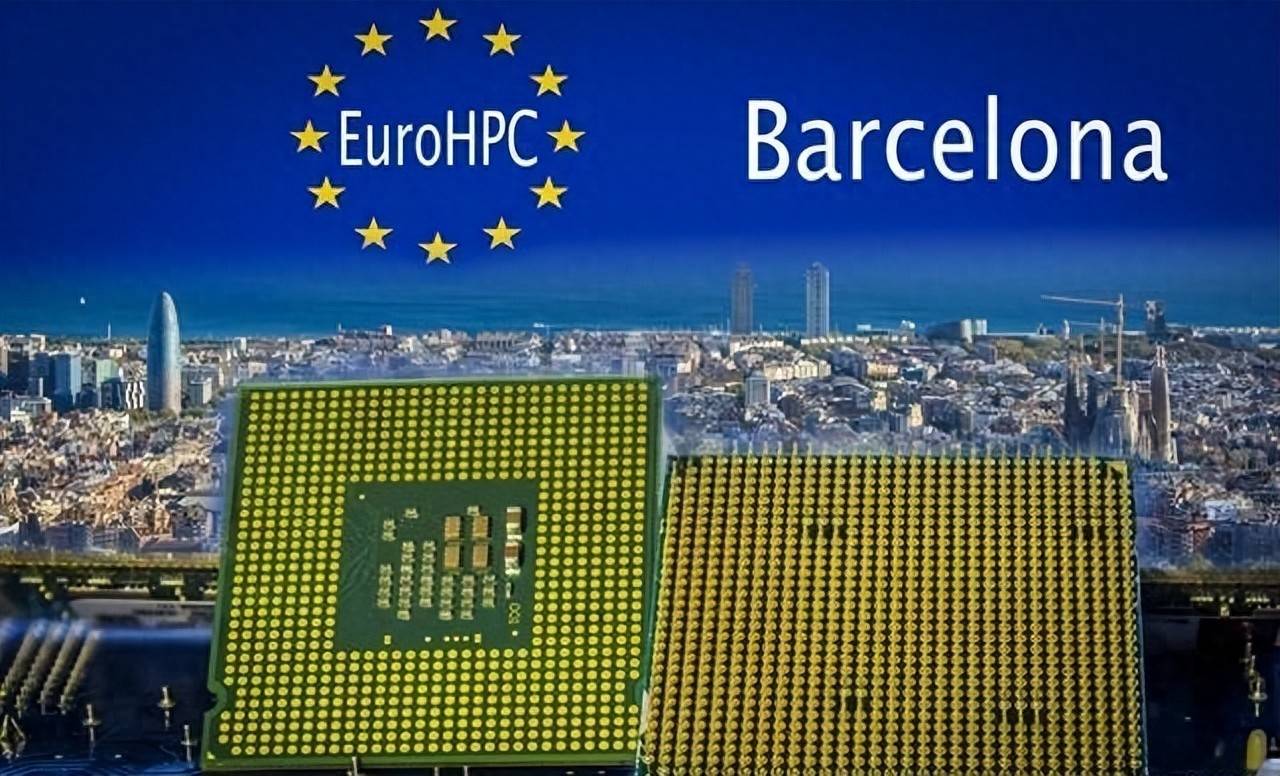
半导体与半导体生产设备行业周报、月报:SK海力士订购HBM4设备,长江存储持续扩大产能-20251117
Guoyuan Securities· 2025-11-17 09:16
Investment Rating - The report maintains a "Recommended" investment rating for the semiconductor and semiconductor production equipment industry [7]. Core Insights - The overseas AI chip index increased by 0.3% this week, with AMD and NVIDIA rising by 5.7% and 1.1% respectively, while domestic AI chip index fell by 6.1% [1][10]. - Significant price increases in storage chips were noted, with Samsung's prices rising by up to 60% in October due to global demand for AI data centers [3][37]. - Long-term growth is anticipated in the CSP capital expenditure, projected to grow over 30% in 2026, with high-end cloud AI accelerator shipments expected to reach 15.22 million units, a year-on-year increase of 30.6% [2][24]. Market Index - The overseas AI chip index saw a 0.28% increase this week after a previous decline of 6.36% [10]. - The domestic A-share chip index decreased by 6.1% this week, following a 0.4% increase last week [10]. - The storage chip index fell by 0.7%, with significant declines in several companies, while Beijing Junzheng and Jiangbolong saw increases of 6.3% and 4.6% respectively [11][15]. Industry Data - Global laptop shipments are expected to reach 47.88 million units in Q3 2025, with a slight decline anticipated in Q4 2025 to 44.99 million units [2][25]. - Advanced process nodes (5/4/3/2nm) are projected to account for nearly 50% of smartphone SoC shipments by 2025, indicating a shift towards more advanced technology [2][30]. Major Events - Google plans to invest $40 billion in building three new data centers in Texas, with the project extending to 2027 [3][38]. - SK Hynix and NVIDIA are accelerating equipment investments, with plans to order HBM4 equipment starting in November 2025 [3][39]. - Longjiang Storage is constructing a third factory in Wuhan, expected to be operational by 2027, while also increasing capacity at its second factory [3][39].


手机厂商叫苦不迭!
是说芯语· 2025-11-17 00:44
Core Viewpoint - A sudden surge in storage chip prices is impacting the consumer electronics sector, particularly affecting major domestic smartphone manufacturers like Xiaomi, OPPO, and vivo, who are facing inventory shortages and rising costs due to nearly 50% price increases from major suppliers [1][2]. Group 1: Price Surge and Inventory Challenges - The price increase in storage chips is a result of a combination of industry cycles and supply-demand dynamics, following a prolonged downtrend where prices fell over 60% from 2023 to mid-2024 [1]. - Major smartphone manufacturers have adopted a conservative procurement strategy due to previous price declines, leading to an average inventory cycle of 1.5 to 2 months, with some DRAM inventories dropping to less than three weeks [2][4]. - The 50% price increase translates to an additional cost of 100 to 200 yuan per mid-range smartphone, significantly impacting profit margins already under pressure [2]. Group 2: Manufacturer Responses and Supply Chain Adjustments - Manufacturers are responding cautiously, with many opting to delay large-scale procurement and instead reallocating internal inventory and optimizing product configurations [4]. - Some manufacturers are negotiating with upstream suppliers for better pricing or installment agreements, while others with sufficient inventory are making small-scale purchases to mitigate future price increases [4]. - The price surge is prompting manufacturers to reassess their supply chain strategies, accelerating partnerships with domestic storage chip companies to reduce reliance on foreign suppliers [5]. Group 3: Broader Industry Implications - The price increase is affecting the entire supply chain, compressing margins for storage module manufacturers and leading to difficulties in order fulfillment for smaller firms [5]. - If smartphone manufacturers cannot absorb the increased costs, there may be price hikes for mid-range smartphones in the next 1 to 2 quarters, potentially affecting consumer purchasing behavior [5]. - Future price trends will depend on supply-demand dynamics, with predictions suggesting that prices may remain high through late 2024 to early 2025 due to ongoing production cuts by major suppliers [5].


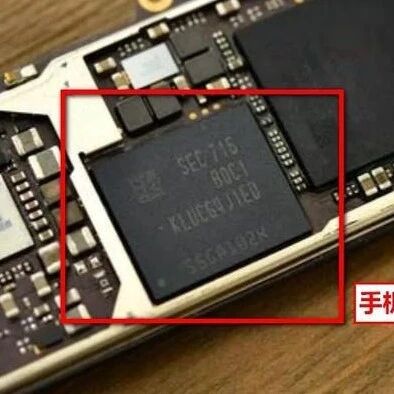
内存条变身「电子茅台」,谁买单?
36氪· 2025-11-17 00:10
Core Viewpoint - The article discusses the significant price increase in memory products, particularly DRAM and SSDs, driven by a "super cycle" in the memory supply chain, influenced by the rise of AI and structural changes in global production capacity [5][17]. Group 1: Price Trends - The price of 16GB DDR4 memory has surged from around 200 RMB to over 400 RMB within a year, with some models increasing by more than 300% [10]. - High-end DDR5 memory prices have also doubled, with some models reaching nearly 2000 RMB, reflecting a 100% increase compared to two months prior [12]. - The average price of 1TB PCIe4.0 SSDs has risen over 60% since the beginning of the year, with some popular models seeing price hikes of 80% or more [14]. Group 2: Supply and Demand Dynamics - The demand for DRAM has surged due to the AI industry's growth, with AI servers requiring eight times more DRAM than standard servers [18]. - Major memory manufacturers like Samsung and SK Hynix are shifting production towards high-end chips, reducing the supply of DDR4, which is expected to remain tight until mid-2026 [21][23]. - The recovery of the consumer electronics market and the growth in smart vehicle technology are further exacerbating the supply-demand imbalance [24]. Group 3: Market Speculation - Speculative behavior in the memory market has amplified price volatility, with some dealers hoarding memory products in anticipation of price increases [25][27]. - The article warns that while there may be opportunities for profit, the risks associated with speculation in the memory market are significant, likening it to past gold market experiences [30][33]. Group 4: Future Outlook - The transition from DDR4 to DDR5 and HBM is irreversible, suggesting that prices will continue to rise as demand outstrips supply [29]. - Domestic memory manufacturers are expected to increase their market share significantly by 2025, indicating a potential shift in the competitive landscape [35].
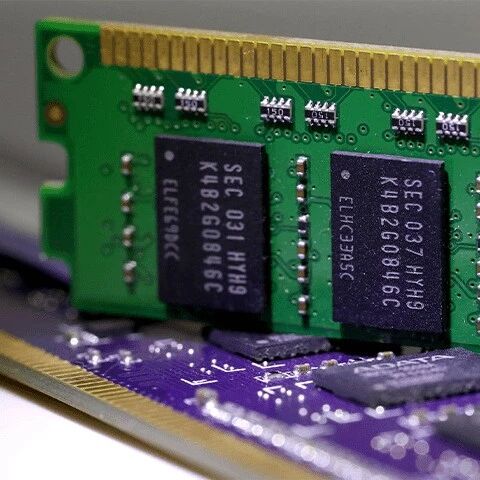
A股哪家存储模组公司能在周期中行稳致远?
Ju Chao Zi Xun· 2025-11-16 15:49
Group 1 - The core viewpoint of the articles highlights a structural and long-term shortage in the global storage industry due to increased AI investments by North American cloud service providers, leading to a significant supply gap in HDDs and a surge in demand for high-capacity QLC SSDs [2] - Major DRAM manufacturers such as SK Hynix, Samsung, and Micron, along with NAND manufacturers like Kioxia and Yangtze Memory Technologies, have seen their capacities fully utilized, indicating that the shortage issue is unlikely to be resolved in the short term, with relief expected only by the end of 2026 [2] - A-share storage module companies are currently prioritizing inventory management over order fulfillment, as the production cycle from wafer procurement to sales impacts profit margins positively when storage wafer prices rise, making inventory a critical asset [2] Group 2 - Among A-share storage module companies, Jiangbo Long leads in inventory with 8.51687 billion yuan, followed by Baiwei Storage, Demingli, Wanrun Technology, Langke Technology, and Tongyou Technology with inventories of 5.69514 billion yuan, 5.93952 billion yuan, 386.74 million yuan, 290.83 million yuan, and 138.24 million yuan respectively [3] - A-share storage module companies have been increasing R&D investments in enterprise storage, high-end consumer storage, overseas business, and self-developed main control chips, which are expected to drive profitability through internal growth factors [3] - Jiangbo Long has the highest R&D investment of 700.86 million yuan for the first three quarters of 2025, followed by Baiwei Storage with 409.93 million yuan, while Demingli, Wanrun Technology, Tongyou Technology, and Langke Technology have significantly lower investments [3] Group 3 - In terms of year-on-year growth rates for R&D investments, Langke Technology shows a notable increase of 32.2264%, followed by Demingli at 25.7229% and Baiwei Storage at 20.9762%, while Jiangbo Long, Wanrun Technology, and Tongyou Technology have much lower or negative growth rates [4] - Jiangbo Long and Baiwei Storage are positioned as leading companies in the industry, with both high inventory levels and R&D investments, which significantly exceed their peers, allowing them to build a competitive moat and widen the gap with competitors [4]
存储和储能超级周期存在吗?
2025-11-16 15:36
Summary of Conference Call Notes Industry Overview - The storage and energy sector is experiencing a potential supercycle driven by AI demand, although consumer electronics growth is below expectations. Major global manufacturers are still expanding production, with 2026 projected as a peak year, testing whether AI demand can break the 30-year semiconductor cycle pattern [1][3][5]. Key Points and Arguments - **AI Demand and New Technologies**: The future of the storage industry hinges on sustained AI demand and support from new technologies like AIDC and HBM. The actual demand will become clearer after new products adapt to the supply chain by March 2026, potentially validating the current cycle [1][6]. - **Current Market Conditions**: Despite a shortage in 2025, the utilization rate for ordinary storage products is around 80%. The DDR5 introduction is not the main cause of shortages. The large customer market shows stable prices, while the channel market has seen significant price increases but reduced transaction volumes, indicating weak consumer market rigidity [1][7]. - **Challenges Ahead**: The main challenges for the storage industry include maintaining strong AI demand, the speed of new technology iterations, and the impact of major manufacturers' expansion plans on supply-demand balance. Effective management of these factors is crucial for healthy industry development [1][8]. - **Consumer Market Dynamics**: The consumer market shows strong but volatile demand. For instance, switching from a 1TB to a 2.5TB hard drive could halve demand. The current supercycle is causing rapid price increases due to mismatches between supply and demand [1][9]. - **China's Technological Advancements**: Chinese storage companies like Hefei Changxin and Yangtze Memory Technologies have made significant technological breakthroughs, bypassing patents and developing unique technology routes, thus entering the global supply chain [1][15]. Additional Important Insights - **AI Capital Expenditure Drivers**: The drivers of AI capital expenditure are complex, with a shift from viewing it as a military competition to a demand-driven phenomenon. The growth of cloud computing is critical, and if Kubernetes grows by 50%-60% in 2026 and maintains a 30%-40% growth rate, the supercycle will become more evident [1][18]. - **Inflation Impact**: Rising inflation affects the consumer electronics market significantly, with consumers willing to pay premiums for certain products, while demand for mobile devices may be suppressed due to limited AI attributes [1][17]. - **Future Outlook**: The supercycle for AI development is likely to be established, but it requires a significant explosion in downstream applications. Without this, the supercycle may not materialize, making downstream applications or indispensable platforms direct investment opportunities [1][26][28]. This summary encapsulates the key insights from the conference call, focusing on the storage industry's dynamics, challenges, and the implications of AI on future growth and investment strategies.
【公告全知道】存储芯片+人形机器人+英伟达+储能+卫星导航+人工智能!公司代理长江存储、美光等全球头部存储芯片厂商产品
财联社· 2025-11-16 15:12
《公告全知道》每周日至每周四推送明日股市重大公告!内容包含"停复牌、增减持、投资中标、收 购、业绩、解禁、高送转"等一系列个股利好利空公告,其中重要公告均以红色标注,帮助投资者提前 寻找到投资热点,防范各类黑天鹅事件,并且有充足的时间进行分辨和寻找合适的上市公司。 ①存储芯片+人形机器人+英伟达+储能+卫星导航+人工智能+央企改革!这家公司代理长江存储、美光等 全球头部存储芯片厂商产品;②芯片+锂电池+人形机器人+固态电池+储能!这家公司拟25亿投建锂电池 关键核心材料项目;③储能+绿电+央企改革!公司拟超110亿收购煤电资产。 前言 ...

半导体硅片行业全景图:从材料到芯片的底层密码
材料汇· 2025-11-16 14:08
Core Insights - The article emphasizes the critical role of semiconductor silicon wafers in modern technology, highlighting their importance in the global tech competition and national security [2][5][12] - It provides a comprehensive overview of the semiconductor industry, including market trends, technological barriers, and future opportunities driven by AI and self-sufficiency [8][12][61] Industry Overview - The semiconductor industry is foundational to the information industry, characterized by high production complexity, rapid technological iteration, and significant investment risks [5][7] - The global semiconductor market is projected to grow from $335.2 billion in 2015 to $627.6 billion by 2024, with a compound annual growth rate (CAGR) of 7.22% [10] - China's semiconductor market is expected to expand from $98.2 billion in 2015 to $182.2 billion by 2024, driven by national policies and increasing domestic demand [11][12] Semiconductor Materials Overview - The global semiconductor materials market is projected to grow from $43.3 billion in 2015 to $67.5 billion by 2024, with a CAGR of 5.06% [14] - China's semiconductor materials market is expected to grow from $6.8 billion in 2016 to $13.5 billion by 2024, outpacing global growth [19] Semiconductor Silicon Wafers - Semiconductor silicon wafers are essential for producing integrated circuits and sensors, with a complex manufacturing process involving multiple scientific disciplines [22][23] - The main types of silicon wafers include 2-inch, 3-inch, 4-inch, 6-inch, 8-inch, and 12-inch, with 12-inch wafers being the most prevalent due to cost advantages [26][28] - The demand for 12-inch wafers has increased significantly, with their market share rising from 1.69% in 2000 to 76.39% in 2024 [51] Market Dynamics - The global silicon wafer market is expected to experience a downturn in 2024, with a projected decline of 7.50% to $11.5 billion, but is anticipated to recover in 2025 due to demand from sectors like AI and electric vehicles [55][57] - The market for silicon epitaxial wafers is also growing, driven by applications in high-performance devices, with the market size increasing from $3.68 billion in 2015 to $6.06 billion in 2022, reflecting a CAGR of 7.39% [59] Challenges and Barriers - The semiconductor silicon wafer industry faces significant barriers, including customer onboarding challenges, technological complexities, talent shortages, and high capital investment requirements [41][45][46] - The industry is characterized by a high concentration of market share among a few key players, particularly in advanced wafer sizes [63] Future Outlook - The semiconductor industry is expected to enter a golden period of growth in the next decade, driven by advancements in 5G, AI, and other emerging technologies [12][67] - China's semiconductor industry is poised for rapid growth, with a projected market size increase from $0.5 billion in 2016 to $1.7 billion in 2023, indicating a robust development trajectory [62]


内存条变身「电子茅台」,谁买单?
Xin Lang Ke Ji· 2025-11-16 00:49
Core Viewpoint - The recent surge in memory prices, driven by increased demand from the AI industry and supply chain constraints, has led to significant price hikes in DRAM and SSD products, creating a "super cycle" in the memory supply chain [2][8][10]. Group 1: Price Trends - The price of 16GB DDR4 memory has increased from around 200 yuan to over 400 yuan within a year, with some models seeing price increases of over 300% [5][7]. - High-end DDR5 memory prices have also surged, with some models doubling in price, such as the G.Skill Royal 32GB DDR5-6000, which has reached 2500 yuan [6][7]. - TrendForce reported a staggering 171.8% year-over-year increase in DRAM prices by Q3 2025, outpacing traditional safe-haven assets like gold [7][10]. Group 2: Supply Chain Dynamics - The memory market is experiencing a structural supply shortage, exacerbated by major manufacturers like Samsung and SK Hynix prioritizing high-end products over DDR4, leading to a significant reduction in DDR4 production [10][11]. - The demand for memory from the AI sector is a primary driver, with AI servers requiring eight times more DRAM than standard servers, significantly increasing overall demand [8][10]. - The shift in production focus from traditional consumer electronics to high-performance server memory is expected to continue, impacting the availability of DDR4 and LPDDR4 products until at least mid-2026 [13][22]. Group 3: Market Speculation - Speculative behavior in the memory market has intensified, with some dealers hoarding memory products in anticipation of further price increases, leading to artificial price inflation [14][16]. - The phenomenon of "memory speculation" has drawn parallels to past gold market behaviors, where rapid price fluctuations can lead to significant financial risks for uninformed investors [17][20]. - The current market dynamics suggest that while there are opportunities for profit, the risks associated with speculation are high, particularly for average consumers [20][22]. Group 4: Future Outlook - The memory market is expected to stabilize as domestic manufacturers like Changxin Technology and Yangtze Memory Technologies ramp up production, potentially alleviating supply constraints [22]. - The ongoing demand from AI and emerging technologies will continue to shape the memory market, but a return to rational pricing is anticipated as production capacities increase [22]. - Companies that focus on core technology and steady production expansion are likely to emerge as long-term winners in this evolving landscape [22].
雷军都喊贵,AI害你买不到便宜的手机了
芯世相· 2025-11-15 04:11
Core Viewpoint - The article discusses the recent surge in memory prices, particularly for NAND flash and DRAM, and attributes this trend to a combination of factors including supply-demand dynamics, technological advancements, and the growing influence of AI companies on the memory market [10][11][24]. Summary by Sections Memory Price Trends - The price of 1TB solid-state drives (SSDs) has increased from around 300 yuan to over 600 yuan, while the price of 32GB DDR5 memory modules has also risen significantly, costing several hundred to over a thousand yuan more than before [11][12]. - The memory price increase is expected to affect nearly all consumer electronic devices, as noted by industry leaders like Lei Jun, who cited rising memory costs as a reason for higher product prices [14][15]. Causes of Price Increase - The memory market has experienced cycles of price fluctuations, often influenced by supply-demand imbalances and production adjustments by manufacturers [19][22]. - The current price surge is partly due to the memory industry's traditional cycles but is also driven by the increasing demand from AI companies, which are willing to pay premium prices for high-bandwidth memory (HBM) [25][26][28]. AI Influence on Memory Market - AI companies are shifting the focus of memory manufacturers from consumer products to high-margin AI applications, leading to a significant reallocation of production capacity towards HBM and enterprise SSDs [28][39]. - The demand from AI firms has resulted in longer delivery times for traditional HDDs, pushing manufacturers to prioritize SSD production, which offers better performance and profitability [41][44]. Consumer Impact - Ordinary consumers are facing a decline in their purchasing power for memory products as they compete with AI giants for limited production capacity [45]. - Despite the rising prices, there are indications that manufacturers like Samsung and SK Hynix are reconsidering their production strategies in response to the changing market dynamics [47].