阿迪达斯

Search documents
PUMA要卖了?安踏或参与竞购
Huan Qiu Lao Hu Cai Jing· 2025-11-27 05:56
Core Viewpoint - Anta Sports is exploring a potential acquisition of PUMA, which has been rumored since August when discussions about selling PUMA's shares were initiated by the Pinault family, the largest shareholder of PUMA's parent company, Artémis [1][2] Group 1: Company Overview - PUMA, founded in 1948 in Germany, is a multinational company focused on producing shoes and sportswear, ranking fifth in the global sports brand value list for 2025, following Nike, Adidas, and Lululemon, with a projected revenue of €8.817 billion for the fiscal year 2025 [1] - The Pinault family holds a 29% stake in PUMA through Artémis, making them the controlling shareholder, with PUMA's current market value estimated at approximately €2.47 billion [2] Group 2: Financial Performance - PUMA's sales growth was only 1.3% in the first half of the year, totaling €4.212 billion, while net profit fell significantly by 25% to €129 million, with forecasts indicating a potential sales decline of at least 10% and a shift from profit to loss for 2025 [2] - In contrast, Anta Sports reported strong financial results for the first half of 2025, achieving a revenue of ¥38.544 billion, a year-on-year increase of 14.3%, and an operating profit of ¥10.131 billion, up 17.0%, with an operating profit margin of 26.3% [3]

对话萧家乐:从「在中国、为中国」再到「爱中国」,阿迪达斯的下一个Big Thing
36氪· 2025-11-26 13:39
Core Viewpoint - Adidas aims to recover from its low point in three years, with recent quarterly performance showing a 10% year-on-year revenue increase to €947 million in Greater China, attributed to the "In China, For China" strategy [1][3]. Group 1: Localization Strategy - The localization strategy has led to nearly 95% of products sold in China being locally produced, with 60% designed in China, surpassing the global CEO's targets [1]. - The shift from "For China" to "Love China" signifies Adidas's deeper commitment to the Chinese market, emphasizing emotional connections with consumers [3]. - True localization involves integrating the brand into the daily narratives of consumers, aiming for 100% emotional resonance rather than just numerical metrics [7][10]. Group 2: Product Development and Consumer Engagement - The Shanghai Creative Center (CCS) has been pivotal in creating culturally relevant products, with over 80% of showcased items set to be commercialized [8][10]. - Adidas focuses on continuous product iteration based on consumer feedback, enhancing its connection with local users [8][10]. - The brand is shifting its marketing approach to emphasize lifestyle and enjoyment in sports, particularly targeting the growing female consumer segment through initiatives like street dance [12][14]. Group 3: Market Expansion and Future Outlook - Adidas is expanding into third- and fourth-tier cities and the children's market, with plans to open 700 new stores in collaboration with local partners [22]. - The establishment of the Adidas University Sports Community reflects a long-term commitment to youth sports in China, providing comprehensive support to university teams [19][21]. - The company maintains a strong focus on sustainability, aiming to lead in environmental indices despite broader industry cost-cutting trends [22].


东方财富证券:中国户外消费品牌增速亮眼 关注纺服制造产业链复苏
Zhi Tong Cai Jing· 2025-11-26 11:06
Core Insights - The outdoor consumption market in China is expected to experience strong and sustained growth, with 96% of outdoor consumers planning to continue their spending, and 27% intending to invest more in the future [1][2]. Group 1: Outdoor Consumption Trends - As of early April 2025, the number of outdoor sports participants in China has surpassed 400 million, indicating a participation rate of approximately 30%, which still has room to double compared to the U.S. [1] - The outdoor footwear and apparel market for Chinese brands is projected to grow at a CAGR of 17.4% from 2020 to 2024, significantly outpacing international brands' CAGR of 9.4% [1]. Group 2: Key Product Categories - For jackets, affordable options priced between 349-699 yuan dominate the market, while higher-priced jackets (699-1599 yuan and above) are experiencing sales growth rates of 26% and 24% respectively [3]. - Sunscreen clothing is primarily represented by new brands, with mainstream prices mostly below 200 yuan, while established brands like Camel and Bosideng are also entering this segment [3]. - Running shoes are becoming a focal point for brand competition, with performance being a key purchasing factor. The domestic running shoe market is expected to grow due to increased participation in running events and the rise of local brands offering competitive pricing [3]. Group 3: Seasonal Demand and Market Dynamics - A forecasted cold wave in China is expected to boost demand for down jackets, with the market projected to reach 2400-2500 billion yuan by 2025, indicating significant growth potential [4]. - The upcoming leap year in 2026 will extend the effective sales period for winter products, further benefiting down jacket sales [4]. Group 4: Manufacturing and Brand Recovery - The recovery of Nike's supply chain is anticipated, with improvements in inventory and gross margins expected by 2026, following a restructuring process similar to Adidas's recent reforms [5][6]. - Nike's revenue and net profit showed slight improvements, with a 1.1% increase in revenue but a 30.8% decline in net profit, indicating ongoing challenges during the inventory reduction phase [5]. Group 5: U.S. Apparel Market Inventory - As of July 2025, U.S. apparel inventory stands at approximately $86.5 billion, down 14.2% from its peak in August 2022, suggesting a healthier inventory situation [7]. - Recent tariff reductions on apparel from ASEAN countries are expected to alleviate concerns regarding brand ordering sentiment, as tariffs have decreased to around 20% [7].

Z世代消费力量崛起,体育品牌竞相布局校园市场
第一财经· 2025-11-25 13:50
Core Insights - The article highlights the increasing popularity of campus sports events, driven by both policy support and the demand from youth, particularly the Z generation [6][9] - Major sports brands are actively sponsoring campus sports events, establishing deep connections with educational institutions to enhance brand loyalty among students [4][8] Group 1: Campus Sports Events - The 2025CURA National Relay Finals recently took place, featuring 42 universities, showcasing the growing trend of campus sports events [4] - The implementation of the "Student Physical Fitness Plan" has led to a significant increase in sports participation among university students, with 85% meeting weekly exercise standards [7] - Over 60% of university students actively follow campus sports events, indicating a strong interest in athletic activities [7] Group 2: Brand Involvement - Adidas has initiated the China University Student Road Running League, with over 40 universities participating and more than 40,000 student participants in various running events [8] - Other brands like Nike, Under Armour, Anta, and Xtep are also entering the campus market through sponsorships and partnerships with university sports events [8][10] - The competition for the Z generation as a consumer base is intensifying, with the annual consumption scale of university students projected to reach approximately 850 billion yuan in 2024 [9] Group 3: Future Trends - The article predicts that more sports brands will invest in youth and campus sports in the near future, recognizing the potential of this demographic [8] - The sponsorship model is evolving from a simple "event + sponsorship" to a more integrated ecosystem involving universities, brands, media, and technology companies [10][11] - This collaborative approach aims to create sustainable sports IPs, enhancing the overall value of campus sports events and addressing funding and resource challenges [11]


Z世代消费力量崛起,体育品牌竞相布局校园市场
Di Yi Cai Jing· 2025-11-25 12:37
Core Insights - The popularity of college sports events is on the rise, driven by policy support and the demand from youth [4][6] - Sports brands are increasingly sponsoring college sports events and engaging in collaborative projects with educational institutions [3][4][9] Group 1: Market Trends - The "Student Physical Fitness Strengthening Plan" has led to a significant increase in college sports participation, with over 85% of students meeting weekly exercise standards [4] - Adidas has organized over 10,000 running events in collaboration with more than 40 universities, engaging over 300,000 students in the past two years [4][8] - The annual consumption scale of college students in China is estimated to be around 850 billion yuan, indicating a substantial market potential [7] Group 2: Brand Strategies - Major sports brands like Nike, Under Armour, and Anta are actively entering the campus market through sponsorships and partnerships [4][5][8] - Nike focuses on college running events to reach a large student runner demographic, while Under Armour has partnered with the Asian University Basketball League [4][5] - The collaboration between brands and universities is evolving into an ecosystem involving media and technology companies, enhancing the sustainability of college sports events [8][9] Group 3: Consumer Behavior - Generation Z is becoming a significant consumer group, with a strong interest in sports and fitness, as well as a desire for personalized and social experiences [3][7] - College sports events serve as a platform for young people to express themselves and build connections, providing brands with valuable engagement opportunities [7][9] - The integration of sports brands into college culture is seen as a way to foster brand loyalty that extends into students' professional lives [3][6]
总部集聚、科创加码、供应链扎根:上海外资的“三重进阶”
Guo Ji Jin Rong Bao· 2025-11-25 11:47
Group 1: Foreign Investment in Shanghai - As of September 2023, Shanghai's actual foreign investment during the "14th Five-Year Plan" period exceeded $100 billion, reaching $100.33 billion, surpassing the target ahead of schedule [1] - In the first three quarters of this year, 4,764 new foreign enterprises were established, marking a year-on-year increase of 5.5% [1] - The total number of foreign-funded enterprises in Shanghai has surpassed 79,000, contributing over $380 billion in cumulative actual foreign investment, which is crucial for the city's high-quality economic development [1] Group 2: Headquarters Economy - Shanghai has recognized 44 new regional headquarters of multinational companies this year, bringing the total to 1,060, with 21% at the Greater China level or above [2] - The business services sector, supported by headquarters economy, accounted for $5.883 billion in actual foreign investment in the first three quarters, increasing its share of total foreign investment from 40.7% in 2024 to 48.8%, with a year-on-year growth of 68.8% [2] - Over 1/4 of Shanghai's GDP and about 1/3 of its tax revenue are contributed by foreign-funded enterprises [2] Group 3: Technological Innovation and R&D - By September 2025, Shanghai had recognized 631 foreign-funded R&D centers, with over 50% concentrated in key industries such as biomedicine, information technology, and automotive parts [3] - The development of headquarters economy is supported by policies aimed at enhancing the capabilities of regional headquarters, encouraging diverse functions and providing targeted support [3] Group 4: High-tech Industry Focus - Foreign investment in Shanghai is increasingly shifting towards high-end, intelligent, and green industries, with high-tech sectors becoming a new focus for multinational companies [4] - During the "14th Five-Year Plan" period, actual foreign investment in high-tech industries accounted for 33.5%, a 2.6 percentage point increase from the end of 2020, with high-tech manufacturing making up 52% of foreign investment in manufacturing [5] Group 5: Supply Chain Localization - Multinational companies are increasingly localizing their supply chains in China, which has become essential for global operations [6] - Panasonic has achieved 100% localization in design and R&D for home appliances and residential equipment in China, sourcing from over 3,000 local suppliers [6] - The supply chain's resilience and efficiency in China are recognized as significant advantages, contributing to global operations and market responsiveness [7] Group 6: Retail and Consumer Trends - Adidas reported a 10% year-on-year revenue growth in the third quarter, with over 60% of products sold in China designed locally [8] - The continuous growth in supply chain investment by multinational companies is enhancing China's technological capabilities and solidifying its core position in the global supply chain [8]
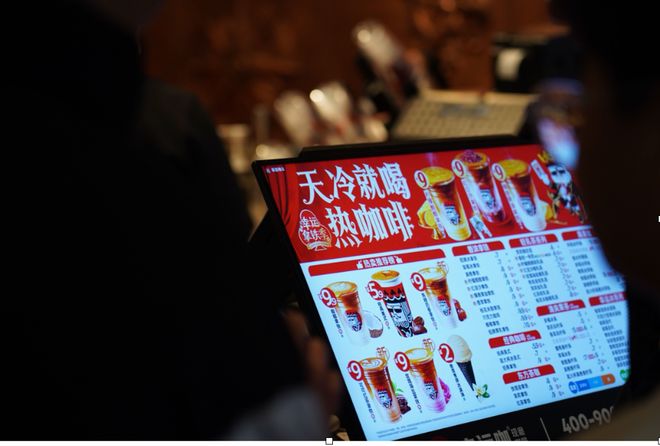
幸运咖门店数破万家:咖啡价格战会加剧吗?丨消费参考
2 1 Shi Ji Jing Ji Bao Dao· 2025-11-25 03:03
Group 1 - Luckin Coffee has surpassed 10,000 stores globally as of November 24, 2025, with pricing primarily between 6-8 yuan, making it cheaper than its competitor, Kudi, which has a flat price of 9.9 yuan [1][2] - As of the end of Q3, Luckin Coffee operates 29,214 stores, while Kudi has 18,000 stores. Luckin Coffee has expanded to over 300 cities, including more than 1,000 stores in first-tier cities [2] - The rapid growth of Luckin Coffee is attributed to the competitive landscape driven by delivery service wars, with a 164% year-on-year increase in new store openings in Q2 [2] Group 2 - The reduction of delivery subsidies is impacting the coffee market, with Luckin Coffee's same-store sales growth facing short-term pressure as noted by its executives [3][4] - The coffee price war may stabilize as delivery subsidies decrease, with expectations that prices will settle in a certain range, potentially around 6-8 yuan for Luckin Coffee [6][9] - Luckin Coffee's growth trajectory positions it as a strategic competitor to established players like Luckin and Kudi, especially as it reaches a significant scale [8][9]
从两个“超一千”看外资对上海“信任票”
Jie Fang Ri Bao· 2025-11-25 01:33
Group 1 - BASF integrates its Asia-based tetrahydrofuran business into its Caojing facility in China, ceasing production in Ulsan, South Korea, reflecting confidence in China's development amid global economic challenges [1] - Shanghai's foreign investment performance is strong, with 4,764 new foreign enterprises established in the first three quarters of the year, a 5.5% year-on-year increase, and actual foreign investment exceeding $380 billion [1] - Shanghai's actual foreign investment during the "14th Five-Year Plan" period has surpassed $100 billion, reaching $100.33 billion, ahead of schedule [1] Group 2 - Shanghai has the highest concentration of regional headquarters for multinational companies in mainland China, with 44 new recognitions this year, totaling 1,060 [2] - The business services sector, driven by headquarters economy, accounted for 58.83 billion USD in actual foreign investment, with its share rising from 40.7% to 48.8%, a year-on-year increase of 68.8% [2] - Policies supporting multinational company headquarters have been implemented to enhance their capabilities in various functions, including R&D and financial management [2] Group 3 - Roche invested 2.04 billion CNY in a biopharmaceutical base in Shanghai, expected to be completed by 2029 and operational by 2031, highlighting ongoing foreign investment in China's healthcare sector [3] - High-tech industries are becoming a new focus for foreign investment in Shanghai, with the share of high-tech industry investment rising from 23% during the "13th Five-Year Plan" to 33% during the "14th Five-Year Plan" [3] Group 4 - The establishment of the only Asian technology center by Evonik in Shanghai's Songjiang District signifies the city's attractiveness for foreign investment in new materials [4][5] - Zeiss signed a land use agreement for its largest infrastructure investment in China, marking significant progress for its Greater China headquarters project [5] Group 5 - Shanghai's consumer market is vibrant, with 848 new flagship stores opened from January to October, including 498 in the food and beverage sector and 275 in retail [6] - The opening of the world's largest LEGO theme park in Jinshan and the upcoming "Harry Potter Studio Tour" in Shanghai reflect the city's growing appeal in the tourism sector [6] Group 6 - The opening of the Waldorf Astoria in Shanghai adds to the city's status as a major destination for high-end tourism, with confidence expressed by Hilton's Asia-Pacific president [7]
韩剧女主穿火的鞋,这回真成美国足力健了
3 6 Ke· 2025-11-25 01:08
Core Insights - Skechers is shifting its focus towards the elderly market, aiming to attract "parent fans" as it faces challenges in growth and customer acquisition [3][5][15] - The company's sales in the Asia-Pacific region have shown a positive growth of 15.8% year-on-year, while the Chinese market has seen a decline of 12.1% in the first half of 2025 [3][12] - Skechers has appointed actor Tony Leung as its brand ambassador in the Asia-Pacific region, but the marketing strategy has received mixed reactions from younger consumers [3][5] Sales Performance - In the first half of 2025, Skechers generated $4.85 billion in global sales, marking a 10% year-on-year increase [3] - The Chinese market, however, has been a drag on overall performance, with sales declining by 11.5% in Q4 2024 and 12.1% in the first half of 2025 [3][12] Market Positioning - Skechers has historically positioned itself as a "comfortable alternative" in the footwear market, differentiating itself from major brands like Nike and Adidas [7][12] - The brand has seen significant growth in China, with sales increasing from 74 million yuan in 2008 to 10.43 billion yuan in 2017, averaging a 73% annual growth rate [12] Target Demographics - The core customer group for Skechers in China is individuals around 45 years old, indicating a shift towards appealing to middle-aged and elderly consumers [15][20] - The brand's marketing strategy has included targeting family-oriented consumption, with products designed for all age groups [20][22] Competitive Landscape - Skechers faces increasing competition from local brands like Anta and Li Ning, which have gained popularity among younger consumers [12][27] - The brand's traditional appeal to comfort is being challenged by competitors offering more stylish and technologically advanced options [27][31] Marketing Strategy - The recent marketing campaign featuring Tony Leung emphasizes comfort and ease of use, targeting older consumers but potentially alienating younger audiences [20][22] - Skechers has been criticized for its outdated designs, which do not resonate with the aesthetic preferences of younger consumers [15][24] Future Outlook - The company is at a crossroads, needing to decide whether to adapt to younger consumers' preferences or continue focusing on its established comfort-oriented strategy [15][27] - Skechers' recent privatization and acquisition by 3G Capital may lead to strategic shifts in its operations and marketing approach [15][27]


韩剧女主穿火的鞋,这回真成美国足力健了
36氪· 2025-11-25 00:09
Core Viewpoint - Skechers is shifting its focus from targeting younger consumers to appealing to the middle-aged and elderly demographic, as evidenced by its recent marketing strategies and brand endorsements [4][22][30]. Group 1: Company Performance - In the first half of 2025, Skechers achieved global sales of $4.85 billion, a year-on-year increase of 10%, with the Asia-Pacific market growing by 15.8%. However, the Chinese market saw a decline, with sales dropping by 12.1% [6][22]. - Skechers' sales in China rose from 74 million yuan in 2008 to 10.43 billion yuan in 2017, averaging a remarkable annual growth rate of 73% over ten years [17]. Group 2: Market Positioning - Skechers has historically positioned itself as a "comfortable alternative" in the footwear market, focusing on practicality rather than competing directly with high-end brands like Nike and Adidas [12][34]. - The brand has been criticized for its aesthetic appeal, with many consumers perceiving its designs as unattractive compared to competitors [20][32]. Group 3: Target Demographic Shift - Skechers is increasingly targeting middle-aged consumers, with 60.17% of respondents aged 36 to 45 expressing a desire for easy-to-wear shoes [24][26]. - The brand's recent marketing campaigns, including the endorsement of actor Tony Leung, are aimed at appealing to older consumers, which has led to a perception of Skechers as "American elder shoes" [8][22]. Group 4: Competitive Landscape - The rise of domestic brands like Anta and Li Ning has intensified competition, challenging Skechers' market share and forcing it to reconsider its strategies [18][38]. - Skechers faces challenges in maintaining its market position as competitors invest heavily in research and marketing, with leading brands allocating 3% to 4% of their annual revenue to R&D [36].