科沃斯

Search documents
科沃斯:“科沃转债”转股价格调整,将停牌后恢复转股
Xin Lang Cai Jing· 2026-01-05 08:08
Core Viewpoint - The company has announced the issuance of 1.04 billion yuan in "Kewo Convertible Bonds" with an initial conversion price set at 178.44 yuan per share, which will be adjusted due to stock options and restricted stock repurchase [1] Group 1 - The adjustment of the conversion price from 173.81 yuan to 173.80 yuan is a result of the first exercise period of the 2024 incentive plan, where 301,848 shares were exercised and 243,400 shares were repurchased [1] - The "Kewo Convertible Bonds" will cease conversion on a specified date in 2025 and will resume conversion starting from a specified date in 2026 [1] - The adjustment complies with the provisions of the prospectus and does not impact the company's operational or debt repayment capabilities [1]

招商证券家电行业2026年度策略:内需国补续期 出海科技成长
智通财经网· 2026-01-05 07:47
Group 1 - The core viewpoint is that the home appliance industry is expected to underperform the market in 2025 due to multiple factors including a preference for growth styles, a decline in domestic subsidies, and disruptions from overseas tariffs [1] - The home appliance sector achieved a positive return of 9% in 2025, ranking 22nd among all industries, influenced by the increasing share of TMT transactions and the reduction of domestic subsidies post-618 [1] Group 2 - For domestic sales in 2026, the government will continue to support the "trade-in" subsidy program, with an estimated total subsidy fund of 250-300 billion yuan, including 80 billion for home appliances [2] - The six major categories of home appliances will continue to receive subsidies, with new AI products being added to the 3C category [2] Group 3 - The company sees opportunities in technology exports, supply chain advantages, and hardware innovation in sectors like 3C consumption, consumer robotics, and 3D printing [3] - The transition to new national standards for power banks and the expected growth in the European balcony solar storage market are anticipated to drive hardware innovation in AI applications [3] Group 4 - Investment recommendations include focusing on high-dividend value leaders like Midea Group and Haier Smart Home, and paying attention to Gree Electric and other brands in the white goods sector [4] - For technology exports, companies like Anfu Technology and Anker Innovations are highlighted, along with opportunities in 3D printing and consumer robotics [4] - The tool export chain is recommended, with companies like Juxing Technology and Quanfeng Holdings being favored due to expected demand growth in North America [4]

科沃斯参股基金投了一家柔性触觉感知公司,产品已上车头部新势力|硬氪首发
3 6 Ke· 2026-01-05 01:34
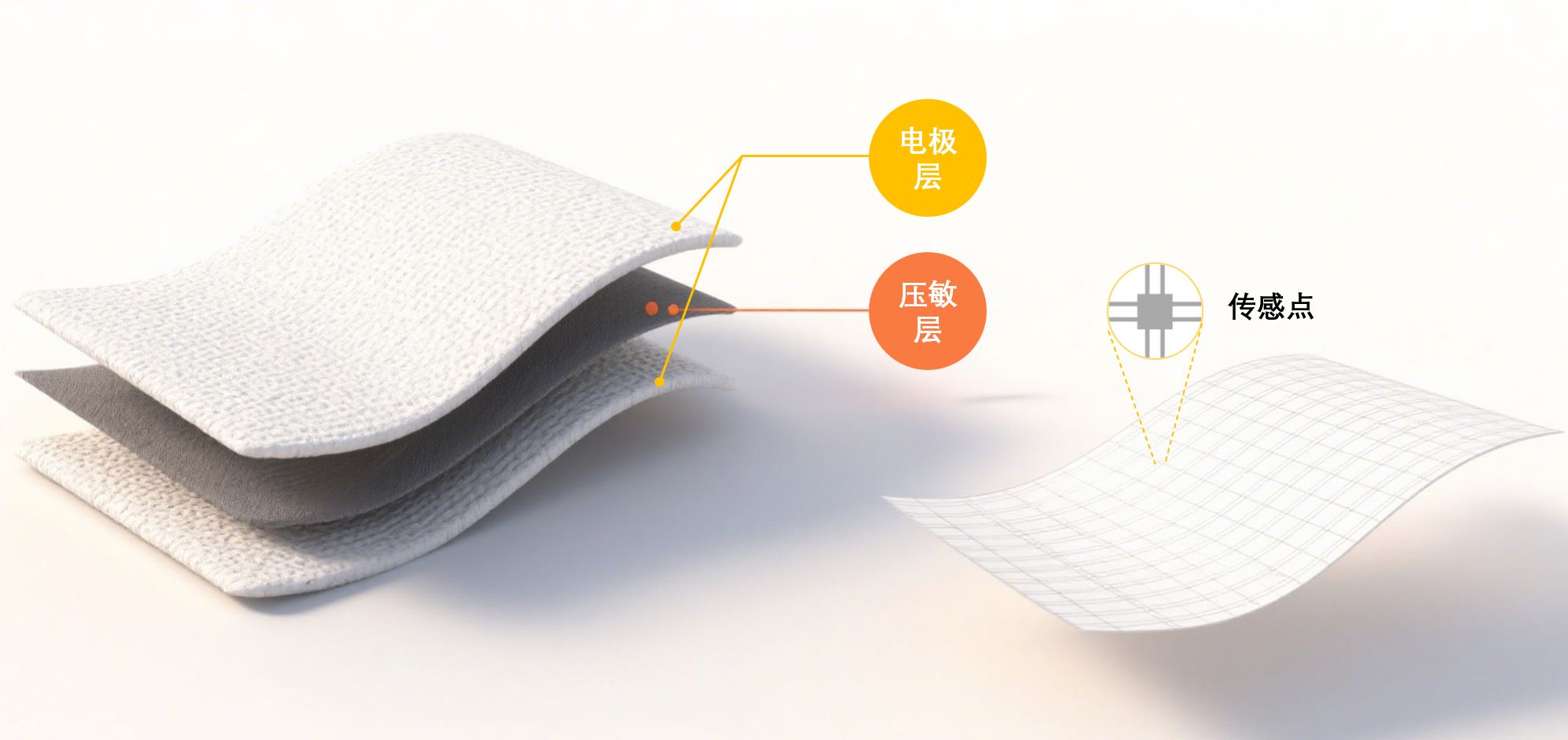
Financing Information - Shanghai Zhi Shi Intelligent Technology Co., Ltd. (Yao Le Technology) has completed nearly 100 million yuan in Pre-A round financing, with Cloud Road Capital serving as the long-term exclusive financial advisor [1] - The funding round was led by Yinfeng Lanxiu Fund, which is backed by Ecovacs, with participation from Silicon Harbor Capital and Chuhui Capital [1] - The funds will be primarily used for core technology iteration, overseas market expansion, and large-scale hardware production [1] Company Overview - Established in 2015 and located in Xuhui District, Shanghai, Yao Le Technology focuses on the research and development of flexible fabric pressure sensors [1] - The company provides one-stop intelligent sensing solutions, including sensor design, software and hardware, and algorithms, targeting B-end clients while also developing a health sensing product matrix for C-end and overseas markets [1] - The founder and CEO, Lv Liyun, has extensive experience in automotive electronics, having previously worked at Harman as a chief architect engineer [1] Technology Highlights - Yao Le Technology has developed a vertically integrated capability from fiber yarn to finished sensors, introducing the concept of "fabric as a sensor" [2] - The core technology employs a "sandwich" structure with a pressure-sensitive design, allowing for high-density and consistent pressure point measurements [2] - The sensors exhibit skin-like properties, including high sensitivity, stretchability, and fatigue resistance, making them suitable for dynamic wear and long-term use [2] Market Potential - The global smart sensor market is projected to reach $51.42 billion in 2023, with a compound annual growth rate (CAGR) of 19.0% from 2024 to 2030 [4] - The flexible sensor segment is expected to experience explosive growth, with a predicted CAGR of approximately 18.5% from 2024 to 2030 [4] Business Progress - Yao Le Technology has established a clear dual business model targeting both B-end and C-end markets [5] - The company has entered the supply chains of several leading automotive manufacturers, providing intelligent cockpit pressure sensing solutions for high-volume models [5] - Products have achieved stable mass production in automotive and two-wheeler sectors, with expansion into overseas markets including Italy, South Korea, and North America [5] Unique Selling Proposition - The fabric-based tactile sensor solution offers advantages in installation and maintenance, allowing for flexible replacement without modifying the robot's structure [10] - The direct integration of the sensing layer with the fabric surface enhances signal capture speed and accuracy, crucial for precise robotic grasping [10] - The solution supports large-area seamless coverage, addressing issues of signal blind spots and connection failures common in traditional sensor solutions [10] Industry Insights - The automotive sector is a critical area for the growth of flexible intelligent sensors, serving as a testing ground for technology validation and commercialization [7] - The demand for tactile sensing capabilities is expected to rise significantly as robots enter various applications, particularly in environments requiring frequent human interaction [14] Investor Perspectives - Investors highlight Yao Le Technology's competitive advantages in stability, durability, and cost-effectiveness of its fabric tactile solutions, which have gained recognition and bulk procurement from numerous automotive clients [15] - The company is positioned to capitalize on the growing demand for intelligent hardware and flexible sensing solutions across various industries, including automotive, healthcare, and robotics [16]

电商家电专家空调铝代铜专家周日双交流
2026-01-04 15:35
Summary of Conference Call Notes Industry Overview - The conference call primarily discusses the home appliance industry, focusing on sales performance and trends in 2025 and projections for 2026 [2][4][5]. Key Points and Arguments Sales Performance in December 2025 - December 2025 recorded the lowest absolute sales for the year, with total payments for home appliances at 52.9 billion yuan, a year-on-year decrease of 8.3% [2]. - Specific category sales included: - Air conditioners: 13.2 billion yuan, down 9.7% - Washing machines: 8.5 billion yuan, down 5.1% - Refrigerators: 11.3 billion yuan, down 10.9% - Black electronics (e.g., TVs): 12.6 billion yuan, down 7.2% [3][2]. Market Trends and Projections - The overall home appliance market is expected to decline by 9% in Q4 2025, though the decline is not as severe as initially feared [4]. - For Q1 2026, a modest growth target of 4% is set, with expectations of maintaining low single-digit growth [8][2]. National Subsidy Policy Changes for 2026 - Starting January 1, 2026, the national subsidy policy will expand to over 20 provinces, covering six major categories of home appliances [5]. - Although the first quarter will have sufficient funding, the total annual budget is expected to be lower than in 2025 [5]. - Priority will be given to energy-efficient products, with local governments and platform merchants expected to increase subsidies [5][6]. E-commerce and Consumer Engagement - JD.com aims to break regional barriers and expand its reach into first-tier and rural markets, expecting to add 30-40 million new users to the subsidy program [7]. - Over 100 million users benefited from JD.com's promotional policies in the first half of 2025 [7]. Recent Sales Trends - Recent sales data shows a slight recovery, with home appliance sales reaching nearly 10 billion yuan in three days, a year-on-year increase of 1.4% [8]. - However, air conditioners and refrigerators are still experiencing negative growth [8]. Price Trends and Material Changes - The average price of air conditioners rose to 2,900 yuan in December, a month-on-month increase of nearly 12% [10]. - The shift from copper to aluminum in air conditioning units is being driven by rising raw material costs, with significant cost savings projected [13][15][21]. - The air conditioning industry is expected to see price increases due to ongoing material cost pressures, with Midea announcing a 3-4% price hike [21]. Aluminum-Copper Transition in Air Conditioning - Major manufacturers are transitioning to aluminum in air conditioning units, with North American markets leading the way [13][20]. - The use of aluminum is expected to save costs significantly, with potential for replacing 100,000 tons of copper annually in the industry [15][17]. - Concerns about product reliability have been addressed through improved testing standards, ensuring that aluminum does not compromise product lifespan [14]. Competitive Landscape - Major brands like Midea, Gree, and Haier are facing challenges with declining sales across various categories, with specific negative growth rates reported for each brand [9]. - The competitive landscape is shifting as companies adapt to new materials and market demands, with Gree's stance on aluminum usage being particularly noteworthy [20]. Additional Important Insights - The home appliance market is experiencing a significant transformation driven by material cost changes and evolving consumer preferences, with a focus on energy efficiency and sustainability [5][21]. - The impact of local government subsidies and e-commerce strategies will play a crucial role in shaping market dynamics in 2026 [7][5].



CES 2026前瞻:英伟达或重塑物理AI,中美韩机器人齐“秀肌肉”
美股研究社· 2026-01-04 11:22
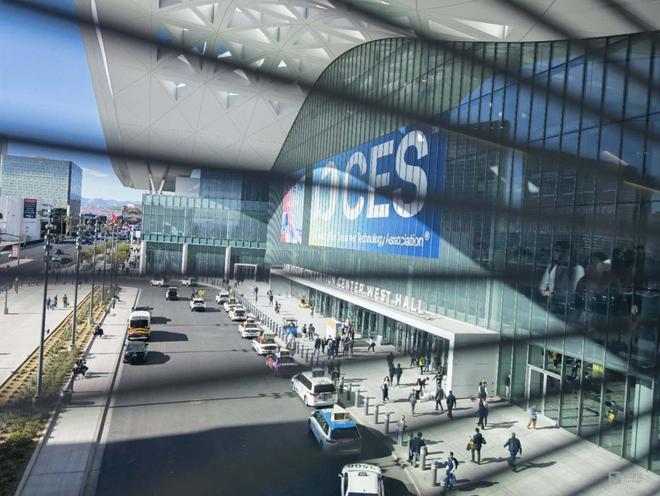
Core Viewpoint - The 2026 Consumer Electronics Show (CES) is anticipated to showcase significant advancements in technology, particularly in AI, robotics, and consumer electronics, with a focus on cost reduction and efficiency improvements [7][10]. Group 1: Chip Industry Strategies - NVIDIA is shifting its focus away from traditional consumer graphics cards, emphasizing "Physical AI" to extend AI computing capabilities into robotics and industrial applications, with potential delays in the RTX 50 Super series due to high GDDR7 memory prices [8][14]. - AMD is adopting a steady upgrade strategy, planning to launch the Ryzen 9000 series for desktops and Ryzen AI 400 series for mobile devices, targeting workstation users with advanced features [14]. - Intel is set to release the Core Ultra Series 3, which includes approximately 14 SKUs, with the flagship model featuring 16 cores and a maximum frequency of 5.1GHz, aiming to regain market confidence in its advanced manufacturing capabilities [14]. Group 2: Robotics and AI Developments - 2026 is seen as a pivotal year for humanoid robots, with a focus on practical applications and real-world testing [10]. - The competition among countries in robotics is intensifying, with China focusing on cost control and mass production, while the U.S. showcases technological benchmarks through companies like Boston Dynamics [15]. - South Korea is forming alliances to enhance its robotics capabilities, exemplified by the "K-Humanoid" alliance led by Rainbow Robotics, showcasing industrial-grade humanoid robots [15]. Group 3: XR and Consumer Electronics - The XR market is currently in a digestion phase following the release of Apple Vision Pro, with CES 2026 expected to mark the beginning of a counterattack from the Android camp [12]. - Samsung is debuting the Galaxy XR glasses, which integrate advanced AI features and aim to compete with Apple's ecosystem [16]. - Chinese companies are leading the trend of lightweight AI glasses, with products like the Quark AI Glasses S1 and Rokid Glasses focusing on practical applications such as real-time translation and AR navigation [16]. Group 4: Automotive Industry Innovations - The automotive sector is transitioning from "software-defined" to "AI-defined," with a competitive arms race in chip technology [13][21]. - Companies like Geely and Great Wall are showcasing innovations in vehicle architecture, while BMW is presenting its iX3 based on the Neue Klasse architecture, integrating advanced technologies [21]. Group 5: Display and Hardware Innovations - Lenovo is introducing innovative hardware solutions, including AI-driven automatic rotating screens and rollable laptops, addressing the balance between large displays and portability [22]. - Display technology advancements are highlighted by TCL and Hisense, focusing on Mini-LED technology and AI image processing capabilities to enhance picture quality [22].


第一次见能飞的扫地机器人
机器人大讲堂· 2026-01-04 10:34
Core Viewpoint - CES 2026 will showcase innovations in AI, robotics, automotive technology, smart homes, and digital health, with participation from around 2600 exhibitors, including both international and domestic companies [1]. Group 1: Product Innovations - MOVA will present prototype robots for "water, land, and air" scenarios, including a pool robot with a bionic mechanical arm, an all-terrain lawn mower, and a flying cleaning robot [1][3]. - The Rover Master pool robot is designed to capture floating debris, addressing a gap in current pool cleaning technology [3]. - The Pilot 70 module integrates a drone with a cleaning robot, aiming to expand cleaning capabilities beyond single-floor limitations [6][8]. Group 2: Market Trends and Opportunities - The demand for fully automated cleaning solutions is increasing, particularly in multi-level residences, as users seek seamless automation in their homes [6][8]. - The modular design of the Pilot 70 allows for flexibility and potential upgrades, which could enhance user value and operational efficiency [6][11]. - The cleaning robot industry is facing intense competition, necessitating disruptive innovations to create market differentiation and establish brand prestige [8][11]. Group 3: Future Prospects - If successful, MOVA's product could pave the way for other automated home solutions, such as mobile air purifiers and security robots, indicating a significant shift towards modular, multifunctional, and spatially comprehensive home automation [11].
黄仁勋到处赶场站台,中国军团角逐AI明日终端
Tai Mei Ti A P P· 2026-01-04 10:13
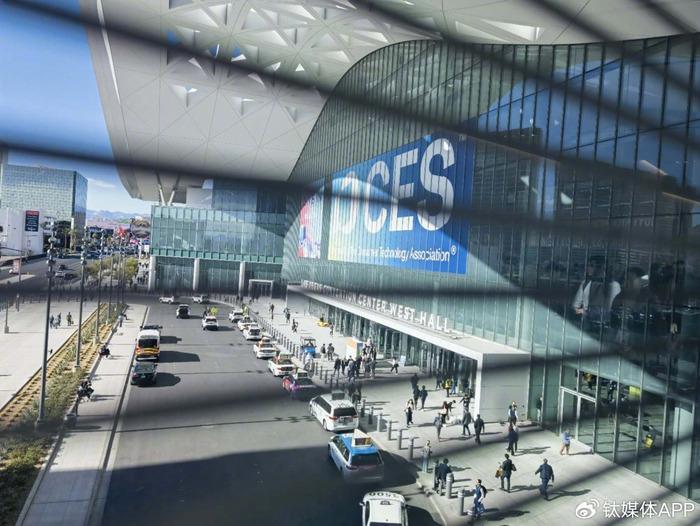
Group 1 - The CES 2026 will take place from January 6 to January 9, focusing on AI as it transitions into practical applications, marking the year as the beginning of AI technology integration and industrialization [2][9] - A total of 4,112 companies will participate in CES 2026, with major players like AMD, Lenovo, Hisense, and TCL showcasing innovations across various sectors, including chips, hardware, and vertical applications [2][3] - The event will highlight the integration of AI in various industries, including automotive and supply chains, demonstrating deep connections and applications across the entire industry chain [2][6] Group 2 - NVIDIA's CEO Jensen Huang will not deliver a keynote this year but will participate in discussions about AI's impact on consumer electronics and infrastructure [3][7] - AMD is expected to unveil its next-generation mobile processor, the Ryzen AI 400 series, featuring 12 Zen 5 cores and enhanced NPU capabilities [6][4] - Siemens' CEO will present advancements in industrial AI, showcasing how AI, digital twins, and automation are transforming manufacturing and infrastructure [6][9] Group 3 - The home appliance sector will see significant AI integration, with major companies like Hisense and TCL leading the charge in redefining the future of home electronics [10][11] - Hisense will introduce the world's first display technology upgraded to a "four-core architecture," along with a humanoid robot capable of multi-language interaction [10][11] - The cleaning appliance market, particularly robotic vacuums, is dominated by Chinese brands, while iRobot faces bankruptcy, highlighting a shift in market leadership [13][19] Group 4 - The CES 2026 will feature a strong presence of embodied intelligence products, with over 50% of exhibitors being Chinese companies, showcasing advancements in humanoid robots and smart assistants [20][22] - New AI-native devices, including AI glasses and AI headphones, will be introduced, indicating a shift towards AI as the next generation of consumer electronics [24][26] - The event will also host discussions on the future of technology, including topics like AI's role in industrial transformation and the commercialization of embodied intelligence [30][28]



CES 2026前瞻:英伟达或重塑物理AI,中美韩机器人齐“秀肌肉”
硬AI· 2026-01-04 07:29
Core Insights - The CES 2026 highlights a strategic divergence among chip giants, with NVIDIA shifting focus towards industrial AI and robotics, while AMD and Intel continue to enhance their traditional PC markets [2][4]. Group 1: Chip Giants' Strategies - NVIDIA is expected to delay the launch of the RTX 50 Super series due to high GDDR7 memory prices and supply shortages, with CEO Jensen Huang emphasizing "Physical AI" to extend AI computing power into robotics and industrial applications [4]. - AMD is adopting a steady upgrade strategy, planning to launch the Ryzen 9000 series for desktops, with the flagship Ryzen 9 9950X3D2 featuring dual-chip 3D V-Cache and 192MB L3 cache aimed at workstation users [4]. - Intel is set to release the Intel Core Ultra Series 3 (Panther Lake), which includes approximately 14 SKUs, with the flagship Core Ultra X9 388H featuring 16 cores and a maximum frequency of 5.1GHz, potentially alleviating market concerns about its advanced process execution [5]. Group 2: Robotics and AI Developments - 2026 is seen as a pivotal year for humanoid robots transitioning from demonstration to practical application, focusing on cost reduction and efficiency improvements [7]. - The competition among Chinese, American, and Korean manufacturers is intensifying, with companies like Yushu and Zhiyuan leading cost control efforts, while Boston Dynamics showcases its Atlas robot, and South Korea presents the "K-Humanoid" alliance [10][11]. Group 3: Automotive Industry Transformation - The automotive sector is undergoing a significant technological transformation, with a clearer competitive landscape for intelligent driving chips [13][14]. - NVIDIA leads the high-end L4 market with its Thor chip, while Qualcomm, despite lower AI computing power, successfully penetrates the supply chains of companies like Ideal and Mercedes with its Snapdragon Ride Elite platform [15]. - Chinese automakers like Geely and Great Wall are demonstrating advancements in architecture innovation, while BMW showcases its iX3 based on the Neue Klasse architecture [16]. Group 4: Hardware Innovations - Companies are exploring radical hardware innovations to overcome traditional limitations, with Lenovo presenting prototypes of AI-driven automatic rotating screens and rollable laptops [21]. - TCL and Hisense continue to focus on Mini-LED technology, emphasizing the role of AI image processors in enhancing display quality [21].

CES 2026前瞻:英伟达或重塑物理AI,中美韩机器人齐“秀肌肉”
Hua Er Jie Jian Wen· 2026-01-04 05:53
Group 1: CES 2026 Overview - The 2026 Consumer Electronics Show (CES) will take place from January 4 to 9 in Las Vegas, serving as a significant platform for tech companies to unveil new products, including those in concept stages [1] - The strategies of chip giants will show notable divergence at CES 2026, with NVIDIA shifting focus away from traditional consumer graphics cards [1] Group 2: Robotics and AI Developments - 2026 is seen as a pivotal year for humanoid robots transitioning from demonstration to practical applications, emphasizing cost reduction and real-world validation [2] - The XR market is undergoing a "digestive period" following the release of Apple Vision Pro, with CES 2026 marking the beginning of a counterattack from the Android camp [3] Group 3: Automotive Industry Innovations - The automotive sector is experiencing a deep transformation in its technological architecture, with a clearer competitive landscape for smart driving chips [4] - Key players like NVIDIA, Qualcomm, and Mobileye are competing in the chip arms race, with NVIDIA leading the high-end L4 market with its Thor chip [8] Group 4: Company-Specific Strategies - NVIDIA's anticipated RTX 50 Super series graphics cards may be delayed due to high GDDR7 memory prices and supply shortages, with CEO Jensen Huang focusing on "Physical AI" to extend AI computing power into robotics and industrial applications [5] - AMD is adopting a steady upgrade strategy, planning to launch the Ryzen 9000 series for desktops and Ryzen AI 400 series for mobile devices [5] - Intel is set to release the Intel Core Ultra Series 3, which includes approximately 14 SKUs, aiming to alleviate market concerns regarding its advanced process execution capabilities [5] Group 5: Chinese and Korean Market Dynamics - Chinese companies like Yushu and Zhiyuan are leading in cost control, with Yushu expected to showcase its G1 mass production version [5] - South Korea is presenting the "K-Humanoid" alliance, led by Rainbow Robotics, showcasing industrial-grade humanoid robots and demonstrating ambitions for full supply chain integration [5] Group 6: Consumer Electronics Trends - Smart home devices, particularly robotic vacuum cleaners, are entering a phase of "micro-innovation," focusing on enhancing autonomous service capabilities rather than just technical specifications [5] - Lenovo is exploring radical form factor innovations with products like the ThinkBook Plus Gen 7 Auto Twist and ThinkPad Rollable XD, addressing the balance between large screens and portability [6]

CES 2026前瞻:黄仁勋到处赶场站台,中国军团角逐AI明日终端
Tai Mei Ti A P P· 2026-01-04 02:13
Group 1: CES 2026 Overview - CES 2026 will take place from January 6 to January 9, 2026, in Las Vegas, showcasing the latest innovations in technology and serving as a window to predict future trends in the tech industry [2] - A total of 4,112 companies will participate, with China and the US being the main players, despite Apple's absence [2] - The central theme of CES 2026 will revolve around AI, transitioning into the stage of practical applications and integration across various industries, including consumer electronics and automotive sectors [2] Group 2: Key Company Highlights - Nvidia, AMD, and Intel are expected to showcase significant advancements in AI technology, with AMD's stock having risen over 75% in the past year [5] - AMD will unveil its next-generation mobile processor, the Ryzen AI 400 series, featuring 12 Zen 5 cores and enhanced NPU capabilities [5] - Intel will introduce the third-generation Core Ultra series processors, boasting a 50% performance improvement over the previous generation [5] Group 3: AI Integration in Consumer Electronics - AI is increasingly embedded in consumer electronics, with major home appliance companies demonstrating deep applications of AI to enhance product efficiency [9] - Hisense will launch the world's first upgraded display technology featuring a "four-core architecture" and AI image processing capabilities [9] - TCL will present a wide range of display products, including the world's first printed OLED screen for automotive displays [10] Group 4: Robotics and Smart Home Innovations - The robotics sector is seeing a surge in companies showcasing products capable of complex tasks, with a significant presence from Chinese firms at CES 2026 [19] - New products include flying vacuum cleaners and stair-climbing robots, indicating advancements in smart home technology [14][16] - Companies like Ecovacs and Roborock are expected to unveil new models in the cleaning appliance category, with Ecovacs CEO scheduled to give a keynote speech [12] Group 5: AI-Driven New Devices - CES 2026 will feature a variety of AI-native devices, including AI glasses and headphones, with numerous companies participating in this emerging market [23] - XREAL will showcase its latest AI glasses, while other firms will present innovative AR products [25] - Lightwear AI, a new wearable device, will be introduced, aiming to redefine human-computer interaction in the AI era [26] Group 6: Industry Discussions and Networking - TiMedia will host multiple roundtable discussions on topics such as AI's impact on industries and the commercialization of embodied intelligence [31] - A high-end networking event, "China Innovation Night," will take place, bringing together leaders from global tech brands and AI ecosystems [31] - The event will also feature the release of the "2026 CES Innovation List," recognizing outstanding achievements in technology and design [31]