
饿了么

Search documents
详解“十四五”市场监管改革:规范监管与促进发展并重
2 1 Shi Ji Jing Ji Bao Dao· 2025-08-22 11:19
Group 1: Market Regulation Achievements - The State Administration for Market Regulation (SAMR) highlighted significant achievements in high-quality market regulation during the 14th Five-Year Plan period, focusing on business environment, market operation, and safety supervision [2][5] - Key areas of focus include reforms in the registered capital system, prevention of excessive penalties for minor infractions, addressing platform economy issues, food safety, and innovation drug approval reforms [2][5] Group 2: Registered Capital Reform - The revised Company Law in 2023 stipulates that the maximum contribution period for limited liability company shareholders is five years, effective from July 1, 2024 [3][5] - The reform aims to curb market irregularities such as inflated registered capital and excessively long contribution periods, enhancing the credibility of registered capital [5][6] Group 3: Prevention of Excessive Penalties - The SAMR is implementing a "double random, one public" regulatory approach to minimize disruptions to normal business operations and enhance administrative enforcement standards [6][7] - A typical case highlighted the issue of disproportionate penalties, prompting the SAMR to withdraw an excessive fine against a local restaurant [6][7] Group 4: Platform Economy Regulation - The SAMR is addressing issues in the platform economy, including algorithm abuse and unfair competition, through ongoing regulatory actions [8][9] - Over the past five years, the SAMR has taken significant actions, including deleting 4.541 million pieces of illegal product information and investigating 105,000 internet-related cases [8][9] Group 5: Food Safety Oversight - Food safety remains a critical focus, with the SAMR enhancing compliance guidance for platform enterprises and increasing special inspections to address issues like "ghost deliveries" and false claims [12][13] - The SAMR has introduced new regulations to clarify food safety responsibilities among various stakeholders in the online food sales ecosystem [12][13] Group 6: Innovation Drug Approval - The pharmaceutical industry in China has seen rapid development, with 204 innovative drugs and 265 innovative medical devices approved since the beginning of the 14th Five-Year Plan [14][15] - The SAMR is streamlining the drug approval process, aiming to complete reviews of key innovative drugs within 30 working days and significantly reducing the time for supplementary application reviews [14][15]

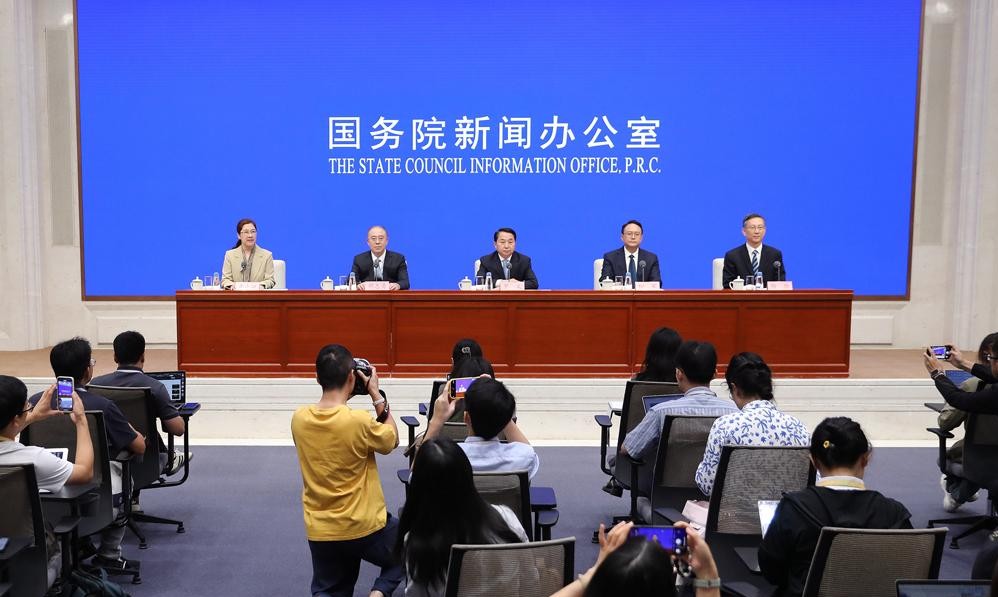
京东入局破除外卖寡头格局 “反内卷”仍需破解行业顽疾
Zhong Guo Jing Ying Bao· 2025-08-22 10:06
Core Viewpoint - The competition in the food delivery market is intensifying, particularly due to a subsidy war among platforms, raising questions about market expansion, protection of rights for riders, merchants, and consumers, and the future of the industry once subsidies decline [1][8]. Group 1: Market Structure and Issues - The food delivery market in China has been dominated by two platforms, Meituan and Ele.me, with Meituan holding a 70% market share, leading to various issues such as low profit margins for restaurants [2][3]. - Over 50% of food delivery businesses report profit margins below 5%, primarily due to high commission and marketing costs associated with the dominant market structure [3]. - The high costs force many merchants to cut expenses, leading to the emergence of "ghost kitchens," which operate without proper licenses and pose food safety risks [3][4]. Group 2: Impact of Competition - New entrants like JD's "Qixian Xiaochu" are emerging, which focus on quality and collaboration with established restaurants, potentially improving market dynamics and reducing the prevalence of "ghost kitchens" [5][6][7]. - JD's model allows partners to sell dishes without upfront investment, sharing profits while maintaining quality control, indicating a shift from cash subsidies to asset investment for long-term sustainability [6][7]. Group 3: Concerns Over Subsidy Wars - The ongoing subsidy wars may lead to unsustainable practices, with platforms potentially transferring costs to weaker entities in the supply chain, which could harm product quality and consumer welfare [9][10]. - The effectiveness of subsidies is diminishing, and the intense competition may negate the benefits of these subsidies for merchants, leading to further profit declines [10]. - There is a need for clearer rules regarding subsidy distribution and transparency in how platforms allocate resources to ensure fair competition and protect smaller merchants [10].


闪购大战2025:决战前的较量
Hu Xiu· 2025-08-22 06:18
Core Viewpoint - The article discusses the competitive landscape of the "flash purchase" sector in China, highlighting the strategic maneuvers of major players like Alibaba and Pinduoduo, as well as the implications of recent organizational changes and market dynamics. Group 1: Industry Dynamics - The "flash purchase" business has evolved into a highly sought-after e-commerce project in China, with significant competition among platforms [10] - Pinduoduo is preparing to launch its own flash purchase project, leveraging its existing supply chain and aiming to compete directly with established brands like Costco and Walmart [11][12] - Flash purchase consumption is projected to account for 15-20% of China's e-commerce retail market, equivalent to the impact of major live-streaming platforms [16] Group 2: Organizational Changes - Alibaba has significantly increased its budget for flash purchase subsidies from 10 billion to 50 billion yuan, indicating a strategic pivot towards this business model [25] - The restructuring within Alibaba has led to the integration of Ele.me into the Taobao ecosystem, effectively sidelining the brand in favor of the new flash purchase initiative [27] - The number of Alibaba partners has decreased from 38 to 17, indicating a consolidation of power and a shift in strategic decision-making [79][80] Group 3: Competitive Strategies - The article outlines the contrasting strategies of Alibaba and Meituan in the flash purchase and delivery sectors, with Alibaba focusing on building a robust front warehouse network [65][66] - There is a notable internal debate within Alibaba regarding the scale of subsidies for flash purchases, with some executives advocating for a more cautious approach [66][67] - The competitive landscape is further complicated by the ongoing external pressures from regulatory scrutiny and market share concerns [44][46] Group 4: Market Implications - The emergence of flash purchase models has led to a reevaluation of logistics and supply chain strategies among major players, with a focus on enhancing delivery efficiency [94] - The article suggests that the flash purchase sector is becoming a critical battleground for market share among e-commerce giants, with significant implications for consumer behavior and operational strategies [16][19] - The potential for high-value orders in the flash purchase model is highlighted, indicating a shift in consumer purchasing patterns towards more immediate and high-demand products [90][91]


网约车司机将每单必保每人必保
Bei Jing Wan Bao· 2025-08-22 06:11
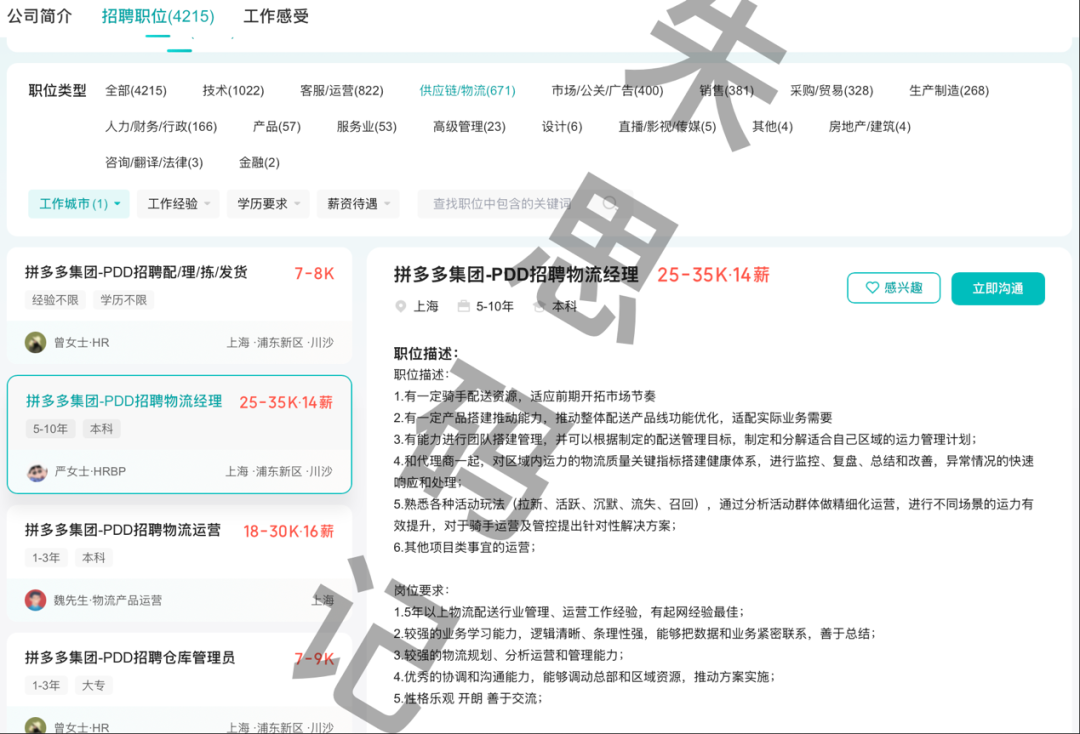
Group 1 - The municipal Human Resources and Social Security Bureau has announced the expansion of occupational injury protection pilot programs for new employment forms in the city [1] - Starting from July 1, the original food delivery and instant delivery industries will be merged into a new instant delivery industry, with additional platform companies included in the pilot program [1] - By 2026 and beyond, other platform companies meeting the criteria will be incorporated into the pilot program based on national arrangements [1] Group 2 - The occupational injury protection fee standards are determined based on the principle of balancing income and expenditure, with specific fees set for different industries [2] - The travel industry will have a fee of 0.01 yuan per order, while the instant delivery industry will have fees of 0.07 yuan and 0.25 yuan per order, and the same-city freight industry will have a fee of 0.18 yuan per order [2] Group 3 - The municipal Human Resources and Social Security Bureau can adjust the fee standards for related industries as needed, with annual adjustments starting from January 1 of each year [3] - The Social Security Center is responsible for determining the fee standards for platform companies based on national regulations and various factors such as the usage of occupational injury protection fees and injury occurrence rates [3] Group 4 - Platform companies are required to implement a "one-click reporting" feature in their applications for new employment form personnel and provide standardized training for reporting accidents [4] - Occupational injury protection benefits include medical treatment, disability benefits, and death benefits, with specific procedures for treatment and reporting of occupational injuries [4] Group 5 - Delivery companies are enhancing traffic safety measures for riders, including the establishment of a traffic behavior evaluation mechanism and safety incentive programs [5] - Meituan has implemented cash rewards for top-performing riders in terms of safety scores and has introduced measures to address traffic violations [5]
外卖净厨,“浙”里起“杭”
Hang Zhou Ri Bao· 2025-08-22 02:27
Core Viewpoint - Hangzhou is advancing the safety and quality standards of online food delivery services, particularly focusing on the establishment of no-dine-in delivery zones to enhance food safety and consumer trust [8][9][10]. Group 1: Development of No-Dine-In Delivery Zones - The no-dine-in delivery zone in Yuhang District, known as Daogu Meishi City, features 25 stalls and is designed to meet the growing demand for online food delivery among the young population [7]. - Since July 2022, Hangzhou has initiated a comprehensive reform of online food delivery services, resulting in the establishment of 32 standardized no-dine-in delivery zones across the city [8]. - The compliance rate for food service licenses among over 50,000 online food delivery businesses in Hangzhou has reached over 98%, with a seal usage rate of 97% [8]. Group 2: Mechanism Innovation and Management - The Hangzhou Market Supervision Administration has formed a leadership group to address the challenges of small and scattered online food delivery businesses, implementing a "group-style" management model [9]. - New local standards for food safety management in no-dine-in delivery zones have been introduced, including guidelines for entry and exit regulations [9][10]. - The city has seen a significant reduction in complaints related to online food delivery services, indicating improved management and oversight [8]. Group 3: Collaboration with Platforms - Strategic partnerships have been established with major food delivery platforms like Meituan and Ele.me to enhance information sharing and preemptively identify food safety risks [11]. - Incentives such as traffic support and operational guidance are provided to compliant merchants in no-dine-in delivery zones, promoting a positive compliance culture [11]. - A total of 137 food safety risks have been identified and addressed through the "shared government-enterprise communication" mechanism [11]. Group 4: Community Involvement and Self-Regulation - The establishment of the first national "Online Food Delivery Self-Regulation Alliance" in Hangzhou aims to promote self-management and healthy industry development [12]. - Initiatives have been launched to ensure that food quality and safety standards for delivery match those of dine-in services, with participation from well-known brands [12]. - Community supervision efforts have been enhanced, including the formation of "food safety rider" teams and the introduction of food safety responsibility insurance for no-dine-in delivery zones [12]. Group 5: Technological Empowerment - A real-time data exchange mechanism has been implemented to verify the licensing information of food delivery businesses, effectively preventing issues like "ghost kitchens" [13]. - The "Sunshine Kitchen" initiative has been upgraded to improve monitoring and compliance through AI technology, allowing for timely identification of non-compliance [13]. Group 6: Strengthening Offline Supervision - The "Clean Kitchen" initiative has been promoted to address hygiene issues in small restaurants and online food delivery services, with a focus on maintaining cleanliness and safety [14]. - Since 2025, nearly 29,000 inspections of food delivery businesses have been conducted, resulting in numerous corrective actions and legal proceedings [14]. - The city plans to continue enhancing the online food delivery reform and expand the "Clean Kitchen" initiative to ensure high-quality food safety standards [15].
外卖骑手“安全分”与“星级”挂钩
Bei Jing Ri Bao Ke Hu Duan· 2025-08-21 22:29
Group 1 - The traffic safety campaign launched by the municipal traffic management department aims to enhance the safety awareness of delivery riders from companies like Meituan and Ele.me through a new evaluation mechanism and incentive programs [1] - A "safety score" system will be implemented, linking riders' safety performance to their overall rating, thereby encouraging safer driving habits [1] - The traffic management department has been actively sharing data on traffic violations with companies to integrate safety into rider management assessments [1] Group 2 - Meituan has introduced cash rewards for the top 100 riders based on their safety scores, with rewards credited on the same day [2] - The company has initiated a "no running red lights" safety incentive program, offering up to 1,350 yuan in cash rewards for riders with zero violations during the campaign [2] - Meituan's approach includes a tiered system of reminders and penalties for traffic violations, promoting a shift in mindset from maximizing deliveries to prioritizing safety [2]
北京18家外卖企业强化骑手交通安全治理
Bei Jing Ri Bao Ke Hu Duan· 2025-08-21 13:03
Group 1 - The core initiative involves the establishment of a traffic safety evaluation mechanism for delivery riders in Beijing, including a "safety score" system and safety incentive activities [1][3] - The traffic management department has collaborated with major delivery companies like Meituan and Ele.me to enhance traffic safety governance among riders [1][3] - A recent safety incentive activity launched by Meituan rewards riders with cash for maintaining a "zero record" of running red lights, with potential rewards up to 1,350 yuan [4] Group 2 - The traffic management department has been actively communicating violations of delivery riders to companies, which then incorporate traffic safety into their management assessments [3] - Meituan has implemented measures to identify and manage traffic violations, covering over 10,000 traffic light intersections in the city [3] - The company has also initiated a pilot program to address distracted driving among riders, utilizing an intelligent management system for reminders and penalties [3]
顺丰一年内连投3轮,白犀牛获B+轮融资,B轮总额近5亿!
Sou Hu Cai Jing· 2025-08-21 10:51
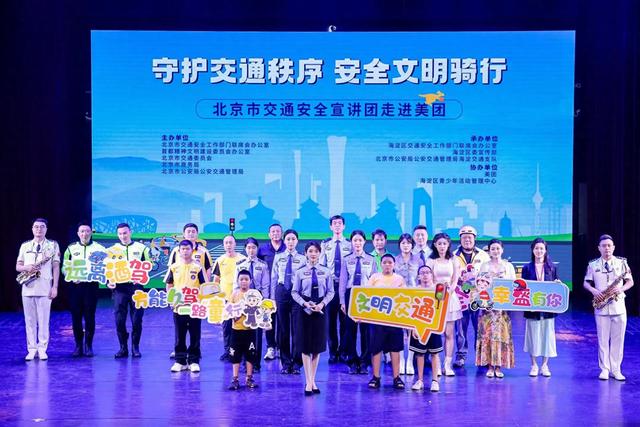
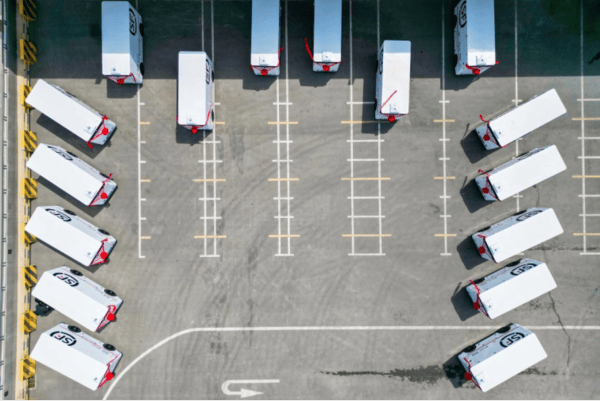
Group 1 - White Rhino Technology has completed a B+ round of financing, raising nearly 500 million RMB in total for its B round, with existing investors such as SF Express and Linear Capital participating alongside new investors like Jun Capital and 360 Fund [1] - The funds will primarily focus on the development of automotive-grade unmanned vehicle products, continuous iteration of AI technology, and expansion into commercial scenarios, accelerating the large-scale implementation of unmanned vehicles in the last-mile logistics sector [1][5] - The company was founded in 2019 by a team with deep technical expertise in autonomous driving, having previously collaborated with leading retail companies for supermarket deliveries and is now focusing on express logistics [3] Group 2 - White Rhino's active vehicle fleet has grown from nearly 100 units at the end of 2024 to approximately 1,000 units currently, covering over 100 cities in China and serving major logistics companies like SF Express and China Post [3] - The unmanned vehicles can reduce last-mile delivery costs by 30%-50%, with specific examples showing a decrease in delivery costs from 0.2 RMB to 0.1 RMB per package and a 20% increase in business volume for express couriers [3] - The company is developing automotive-grade products by adhering to automotive industry standards throughout the entire process, ensuring safety, reliability, and durability, which will also aid in regulatory compliance [5] Group 3 - White Rhino is expanding its delivery scenarios from last-mile logistics to broader urban delivery applications, including a campus delivery network in collaboration with Ele.me, expected to cover 100 universities next year [5] - The company is building strategic partnerships with key players in the industry to enhance its technological capabilities and accelerate the commercialization of its products [7] - By 2026, White Rhino aims to have 5,000 active vehicles and plans to establish a global market presence for its unmanned vehicle products [8]
骑士10余米高桥跳水救人,获淘宝闪购“橙意计划”首奖
Xin Jing Bao· 2025-08-21 07:01
Core Points - The "Orange Intent Program" by Taobao Flash Purchase awarded its first honor to delivery rider Lü Weiquan for his heroic act of saving a person from drowning [1][3] - Lü Weiquan, a 50-year-old delivery rider, jumped off a 10-meter-high bridge to rescue someone, demonstrating remarkable bravery and selflessness [1][2] - The program aims to enhance the welfare and recognition of delivery riders, providing them with better incentives and support [3] Summary by Sections Heroic Act - Lü Weiquan, while delivering food, noticed a person in distress and jumped into the water to save them, completing his delivery orders afterward without delay [1][2] - He did not initially seek recognition for his actions, and his family learned about the incident through social media [2] Recognition and Awards - The "Orange Intent Program" awarded Lü Weiquan with a custom honor uniform and a cash reward of 100,000 RMB for his bravery [3] - Lü has also received a "Brave Act" honor from the local government and is a candidate for the "Chinese Good People List" in 2025 [2] Program Overview - The "Orange Intent Program" was launched to provide better welfare and recognition for delivery riders, including a new uniform and various support measures [3] - The program emphasizes rewarding acts of kindness and heroism among riders, aiming to uplift the community perception of their contributions [3]
一家无人车独角兽融资近5亿,顺丰接连三次出手
Jing Ji Guan Cha Bao· 2025-08-21 04:27
Group 1 - The company, White Rhino Zhida (Beijing) Technology Co., Ltd., has completed a B+ round financing, raising nearly 500 million yuan, indicating strong market confidence in the commercialization of automotive-grade unmanned vehicles [1] - The company has shifted its focus from supermarket delivery to express logistics, specifically the "last mile" segment, and has expanded its operations to over 100 cities in China, with plans to increase its fleet from nearly 100 vehicles by the end of 2024 to over 1,000 [1] - The introduction of unmanned vehicles has significantly reduced delivery costs and increased operational efficiency, with one express franchisee reporting a decrease in delivery cost per package from 0.2 yuan to 0.1 yuan and a more than 20% increase in business volume due to time savings for delivery personnel [1] Group 2 - The company is developing unmanned vehicles according to automotive industry standards, focusing on reliability and lifespan, which will enhance vehicle utilization and longevity while providing a reference for policy-making and road rights [2] - White Rhino is expanding its service scenarios beyond express logistics to include supermarket delivery and industrial logistics, with plans to establish a campus delivery network covering 100 universities in collaboration with Ele.me [2] - The company aims to have 5,000 active vehicles by 2026, with financing primarily directed towards automotive-grade product development, AI technology iteration, and expansion of commercial scenarios, targeting global market penetration for unmanned vehicle products [2]