东风汽车

Search documents
想要60天内结款,车企供应商还得过6道关
阿尔法工场研究院· 2025-06-15 11:39
Core Viewpoint - The commitment of car manufacturers to a maximum payment term of 60 days for suppliers is a response to the revised "Regulations on Payment for Small and Medium Enterprises" effective June 1, 2025, but suppliers express skepticism about the effectiveness of this change due to existing operational hurdles and potential price reductions tied to these commitments [4][6][32]. Group 1: Commitment to Payment Terms - Multiple car manufacturers, including major players like GAC, BYD, and NIO, have publicly committed to a maximum payment term of 60 days for suppliers [2]. - In addition to the 60-day payment term, some manufacturers like SAIC and BAIC have pledged not to use commercial acceptance bills, which can increase financial pressure on suppliers [3][38]. - The new regulations stipulate that large enterprises must pay small and medium enterprises within 60 days of delivery, with no conditions tied to third-party payments [6]. Group 2: Supplier Concerns - Despite the commitment to better payment terms, suppliers are frustrated with the numerous hurdles they face in receiving payments, including complex approval processes and lengthy verification stages [7][20]. - Suppliers report that the bidding process has become increasingly competitive and challenging, with frequent re-bidding and price pressures that erode profit margins [16][19]. - The verification process for payments is often cumbersome, with suppliers facing difficulties in confirming project completion and receiving timely payments [25][30]. Group 3: Payment Mechanisms - Suppliers express strong dissatisfaction with the use of commercial acceptance bills, preferring bank acceptance bills due to their better liquidity and lower costs [34][35]. - The reliance on acceptance bills can create additional financial burdens for suppliers, as they may face challenges in discounting these bills [36]. - The commitment from manufacturers to avoid commercial acceptance bills is seen as a more genuine effort to support suppliers compared to merely extending payment terms [38]. Group 4: Industry Dynamics - The financial dynamics of car manufacturers often involve significant liabilities to suppliers, which contrasts with foreign manufacturers that tend to owe more to banks and financial institutions [41]. - The rapid development of the automotive industry in China has led to a focus on cost-cutting at the expense of supplier relationships, highlighting a need for manufacturers to adopt a more collaborative approach [42][43]. - The overall sentiment in the industry suggests a desire for a more equitable and transparent competitive environment, as the current practices lead to mutual dissatisfaction among both manufacturers and suppliers [46].




有了AI 软件能“开脑洞”还能“算大账”
Chang Jiang Ri Bao· 2025-06-15 03:48
Group 1 - The core theme of the conference is the transformative impact of AI on software development, with attendees describing AI as "disruptive" [1] - AI is being integrated into various industries, with examples such as a design team using AI to generate creative 3D designs for a café [1] - The use of large models has improved the performance of intelligent voice systems, leading to increased user engagement and satisfaction [1] Group 2 - Multidisciplinary collaboration is essential for complex engineering projects, with AI acting as a "universal coordinator" for optimization tasks [2] - AI technology, combined with supercomputing, can significantly reduce the time required for design and optimization cycles to just 66 seconds [2] - Companies like Dongfeng Motor are leveraging AI to create an "automotive super brain," enhancing the entire production and sales chain [2] Group 3 - Baidu's AI empowerment center has supported 229 local enterprises and developed 23 ecosystem products, showcasing the practical applications of AI in business [2] - The Ministry of Industry and Information Technology plans to promote the integration of AI in software design, development, testing, and operations [2]
广汽集团承诺:两个月内完成经销商返利兑现
新华网财经· 2025-06-15 03:12
Core Viewpoint - GAC Group has committed to ensuring the fulfillment of dealer rebates within two months, aiming to build a trustworthy and mutually beneficial cooperation ecosystem with dealers and enhance consumer service and experience, thereby promoting high-quality development in the automotive industry [1]. Group 1 - On June 14, GAC Group announced a commitment to complete dealer rebate payments within two months [1]. - GAC Group's brands, including GAC Haobo, GAC Trumpchi, GAC Aion, GAC Honda, and GAC Toyota, are involved in this commitment [1]. - This initiative is part of a broader effort to foster high-quality development in the automotive industry [1]. Group 2 - On June 10, GAC Group also announced a commitment to maintain supplier payment terms not exceeding 60 days to ensure efficient capital turnover in the supply chain [4]. - This aligns with the revised "Regulations on Payment for Small and Medium Enterprises" that took effect on June 1, prompting several domestic automakers, including China FAW, BYD, Dongfeng Motor, and others, to make similar commitments [8]. - According to a report from CITIC Securities, these actions are responses to policy changes and are expected to drive positive transformations in the automotive industry [9].
广汽集团承诺:两个月内完成经销商返利兑现
新华网财经· 2025-06-15 03:11
Core Viewpoint - GAC Group is committed to ensuring the timely payment of dealer rebates within two months, aiming to build a trustworthy and mutually beneficial cooperation ecosystem with dealers and enhance consumer service and experience, thereby promoting high-quality development in the automotive industry [1]. Group 1 - GAC Group announced on June 14 that it will ensure the completion of dealer rebate payments within two months, emphasizing integrity and action [1]. - On June 10, GAC Group also committed to maintaining a supplier payment term of no more than 60 days to ensure efficient capital turnover in the supply chain [4]. - Several domestic automakers, including China FAW, BYD, Dongfeng Motor, and others, have made public commitments to limit supplier payment terms to no more than 60 days in response to the revised "Regulations on Payment for Small and Medium-sized Enterprises" effective from June 1 [8].

全固态电池上车,就差临门一脚了?
电动车公社· 2025-06-14 15:41
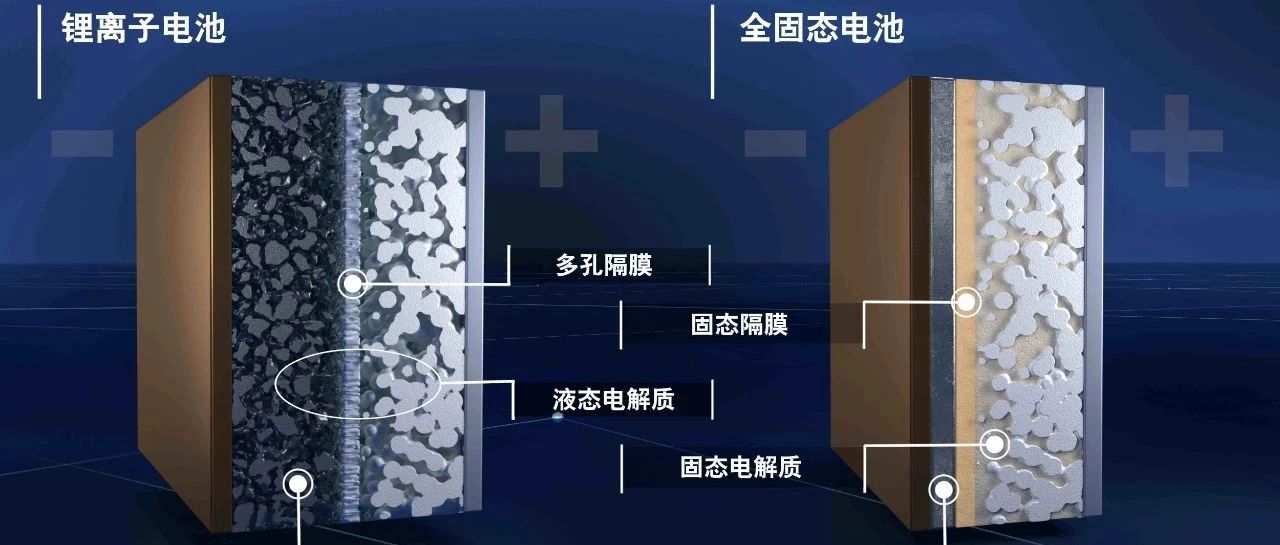
Core Viewpoint - The year 2026 is anticipated to be a breakthrough year for revolutionary technologies in the electric vehicle (EV) sector, particularly with the introduction of all-solid-state batteries by major automakers in China [1][2]. Group 1: All-Solid-State Battery Overview - Major Chinese automakers, including Changan, SAIC, GAC, Dongfeng, Geely, and Chery, have set 2026 as the target year for the deployment of all-solid-state batteries [2]. - All-solid-state batteries offer significantly higher energy density compared to traditional lithium batteries, with theoretical pure electric range reaching up to 2000 km [2][4]. - The non-flammable nature of the electrolyte in all-solid-state batteries eliminates the risk of thermal runaway and combustion [3][4]. Group 2: Industry Standards and Definitions - The China Society of Automotive Engineers has released the "All-Solid-State Battery Determination Method" (T/CSAE 434-2025), marking the first global standard defining what constitutes an all-solid-state battery [7][10]. - The standard aims to clarify the confusion between solid-state, semi-solid, and all-solid-state batteries, which has been a significant issue in the industry [11][10]. - The new standard specifies that the moisture content in the electrolyte of an all-solid-state battery must not exceed 1% [20]. Group 3: Technical Aspects and Testing - The testing method for determining all-solid-state batteries involves visual inspection for liquid leakage and a weight loss test under vacuum conditions [21][22][27]. - The method has been validated by over 50 companies, demonstrating a low error rate of less than 0.3% [27]. Group 4: Sulfide Electrolytes and Commercial Viability - Sulfide electrolytes are highlighted as the most commercially viable option for all-solid-state batteries, with several automakers announcing imminent production [35][38]. - Sulfide electrolytes exhibit high ionic conductivity, making them suitable for high charging rates and wide temperature ranges [38][41]. - The interface issue between the solid electrolyte and electrodes is a critical challenge that needs to be addressed for mass production [46]. Group 5: Challenges and Cost Considerations - Despite their advantages, sulfide solid-state batteries face challenges such as poor chemical stability and high production costs [52][67]. - The cost of materials, particularly germanium used in sulfide electrolytes, is significantly high, impacting overall battery production costs [68][70]. - Manufacturing processes for sulfide solid-state batteries require extremely dry conditions, leading to higher production costs compared to traditional batteries [74][76]. Group 6: Historical Context and Future Outlook - Japan initially led research in solid-state electrolytes but has fallen behind in commercializing these technologies due to a focus on hybrid and hydrogen fuel cell technologies [84][85]. - In contrast, Chinese battery manufacturers have made significant progress in the last decade, positioning themselves to lead in the all-solid-state battery market [87][88].

广汽集团,重磅官宣
Zheng Quan Shi Bao Wang· 2025-06-14 10:25
Core Viewpoint - GAC Group has committed to ensuring that dealer rebates are completed within two months, responding to the challenges faced by automotive dealers and promoting high-quality development in the automotive industry [1][6]. Group 1: Industry Challenges - Despite a surge in automotive sales, dealers are experiencing significant financial strain, with 84.4% reporting varying degrees of price inversion and 60.4% facing price inversions exceeding 15% [5]. - The high operating costs and declining quality of sales leads have exacerbated the financial difficulties for dealers, leading to multiple closures and threatening consumer rights and brand image [5][6]. - The automotive industry is facing a "sell more, lose more" phenomenon, driven by supply-demand imbalances and intensified competition, particularly in the context of the transition to new energy vehicles [5][6]. Group 2: Industry Responses - Major automotive companies, including GAC Group, have collectively committed to standardizing supplier payment terms to a maximum of 60 days, aiming to enhance cash flow and alleviate financial pressures within the supply chain [4][7]. - The Ministry of Industry and Information Technology has emphasized that the 60-day payment term is a response to national calls for sustainable development and is crucial for the health of the automotive supply chain [8]. - The China Automotive Industry Association has called for fair competition and adherence to legal regulations to prevent harmful price wars that threaten industry profitability and consumer rights [10].

广汽集团,重磅官宣!
证券时报· 2025-06-14 10:09
Core Viewpoint - The automotive industry is facing significant challenges, particularly for dealers, who are experiencing financial strain despite increased vehicle sales. The commitment from GAC Group to ensure timely rebate payments to dealers is seen as a positive step towards alleviating some of these pressures and promoting high-quality development in the industry [1][6][7]. Group 1: Dealer Challenges - A survey by the China Automobile Dealers Association revealed that 84.4% of dealers are experiencing price losses, with 60.4% facing losses exceeding 15% [6]. - The phenomenon of "selling more but losing more" has become common, driven by price wars and the rapid transition to new energy vehicles, leading to increased liquidity risks for dealers [7][11]. - The high operational costs and declining quality of sales leads have exacerbated the difficulties faced by dealers [6]. Group 2: Industry Response - In response to the challenges, several major automotive companies, including GAC Group, have committed to standardizing supplier payment terms to a maximum of 60 days, aiming to improve cash flow within the supply chain [4][9]. - The Ministry of Industry and Information Technology emphasized that the 60-day payment term is a crucial step towards building a collaborative and sustainable development ecosystem in the automotive industry [10]. - The China Automobile Industry Association has called for fair competition and adherence to legal standards to combat the negative effects of price wars on industry profitability and consumer rights [12][13]. Group 3: Future Outlook - The commitment from GAC Group to complete dealer rebate payments within two months is viewed as a significant positive move that could help mitigate financial pressures on dealers and support the overall health of the automotive industry [7][8]. - The industry is urged to shift production strategies to align with market demand, which could help stabilize dealer operations and improve profitability [7].
广汽集团,重磅官宣!
证券时报· 2025-06-14 10:08
继车企纷纷表态"将供应商支付账期统一至60天"之后,广汽集团又发大招了。 6月14日,广汽集团发文表示,作为汽车产业链重要一环,经销商的稳健发展是确保用户服务和体验的关键因素。广汽集团积极响应中国汽车流通协会关于促进汽 车行业健康发展的倡议,携旗下广汽昊铂、广汽传祺、广汽埃安、广汽本田、广汽丰田五大整车品牌承诺:即日起,将确保两个月内完成经销商返利兑现,推动汽 车产业高质量发展。 而在此前,为了进一步促进行业高质量发展,广汽集团以及中国一汽、东风汽车、赛力斯集团、吉利汽车集团、长安汽车、比亚迪汽车、奇瑞集团和小鹏汽车等官 方均发布了"将供应商支付账期统一至60天"的承诺。 经销商现"越卖越亏"怪象 作为汽车产业链的重要一环,经销商是连接车企与消费者的重要渠道,但近年来,虽然汽车销量暴增,但汽车经销商的日子却并不怎么好过。 中国汽车流通协会发布的2024年全国汽车经销商生存状况调查结果显示,2024年有84.4%的汽车经销商有不同程度的价格倒挂,60.4%的汽车经销商价格倒挂幅度在 15%以上。 严重的价格倒挂,吞噬了经销商的流动资金,流动性紧张成为汽车经销商面临的最大困难和风险。另外,经销商普遍反映经营成本高 ...
5月新能源重卡销超1.5万辆渗透率创新高!徐工/三一/解放争冠 谁暴涨15倍?| 头条
第一商用车网· 2025-06-14 08:33
2025年4月份,国内新能源重卡销量达到创纪录的1.58万辆;5月份,新能源重卡市场又有一 项重要纪录被刷新! 请看第一商用车网的分析报道。 5月实销1.51万辆,同比暴涨190%,渗透率创史上最高 根据第一商用车网掌握的最新数据,2025年5月份,国内新能源重卡市场共计销售1.51万辆 (注:本文数据来源为交强险实销口径,不含出口和军车,下同),环比今年4月份下降5%, 同比则继续增长,增幅达到190%。从数字上看,今年5月份新能源重卡市场1.51万辆的销量 不仅是史上最高的5月份,放到整个新能源重卡发展史上看,也是高水准表现(史上第3高, 如下图。截止到2025年5月份,新能源重卡销量超过1.5万辆的月份仅有2025年4月份、 2024年12月份、2025年5月份和2025年3月份)。 上图还可见,就前5个月的表现来看,2025年新能源重卡市场不仅延续了2024年的火热状 态,甚至还要更火一些。2025年5月份,国内重卡市场整体实销6.31万辆,环比下降8%,同 比增长18%。5月份新能源重卡190%的同比增速继续大幅跑赢重卡市场整体增速。根据第一 商用车网掌握的数据,截止到2025年5月份,新能源重卡已 ...





经观头条|追问车企60天账期承诺:万亿票据、弹性操作、供应链金融何解
Jing Ji Guan Cha Wang· 2025-06-14 05:17
Core Viewpoint - The automotive industry in China is experiencing a significant shift towards reducing payment terms to within 60 days, initiated by several major automakers in response to long-standing issues with extended payment periods that have strained the supply chain [2][3][5]. Group 1: Industry Response - On June 10, 2023, major automakers including China FAW, Dongfeng Motor, GAC Group, and others committed to limiting supplier payment terms to 60 days, with 17 companies making similar pledges by June 13 [2]. - The collective commitment to a 60-day payment term is seen as a positive development for the automotive supply chain, which has been burdened by long payment cycles and financial strain [2][3]. - The recent commitment follows the implementation of the revised "Regulations on Payment of Small and Medium-sized Enterprises" by the State Council, mandating large enterprises to pay small and medium-sized suppliers within 60 days [5]. Group 2: Financial Implications - The average accounts payable turnover days for domestic listed automakers is projected to reach 182 days in 2024, significantly higher than that of German (40.5 days) and American (60.5 days) automakers, highlighting a deep cash flow management issue [5]. - Companies like Seres and others have a high proportion of accounts payable in their liabilities, indicating a reliance on supplier financing [6]. - In Q1 2025, the A-share passenger car industry reported a net operating cash flow of -2.376 billion yuan, the lowest in five years, indicating severe cash flow challenges [6]. Group 3: Challenges in Implementation - Many automakers have not provided clear definitions or details regarding the implementation of the 60-day payment term, raising concerns about the feasibility of this commitment [4]. - Industry experts suggest that the extended payment terms were initially a result of insufficient cash flow, and enforcing a 60-day payment term could impose significant financial pressure on automakers [4][6]. - The use of commercial acceptance bills and bank acceptance bills for payments may still prolong the actual payment timeline, despite the 60-day commitment [10][11]. Group 4: Supply Chain Dynamics - The automotive supply chain is characterized by a complex payment structure, where suppliers often face delays due to the need for goods to be inspected and invoiced before payments can be processed [11]. - The reliance on supply chain finance platforms by automakers has led to extended payment periods, as suppliers may have to wait months to receive payments [9][10]. - The potential for automakers to manipulate payment timelines through acceptance and inspection processes remains a concern for suppliers [11]. Group 5: Future Outlook - The commitment to a 60-day payment term is viewed as a necessary step towards fostering a healthier relationship between automakers and suppliers, promoting high-quality industry development [3][5]. - Experts believe that reducing payment terms could enhance cash flow for suppliers, enabling them to invest in research and development, ultimately benefiting the entire automotive ecosystem [14]. - The long-term success of the 60-day payment term will depend on effective regulatory enforcement and collaboration within the industry [12][14].