古茗

Search documents
港股新消费板块震荡走强,蜜雪集团(02097.HK)涨超10%,老铺黄金(06181.HK)、锅圈(02517.HK)双双涨超5%,布鲁可(00325....



Jin Rong Jie· 2025-12-22 05:18
Group 1 - The new consumption sector in the Hong Kong stock market is experiencing a strong rebound, with notable gains in several companies [1] - Mixue Group (02097.HK) has seen its stock price increase by over 10% [1] - Both Laopu Gold (06181.HK) and Guoquan (02517.HK) have each risen by more than 5% [1] Group 2 - Other companies such as Blukoo (00325.HK), Guming (01364.HK), and Pop Mart (09992.HK) are also witnessing upward movement in their stock prices [1]
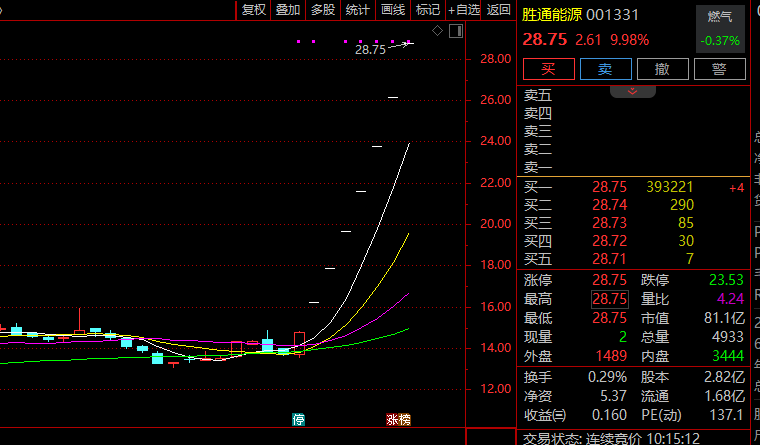
彻底火了,001331直接7连涨停
Zheng Quan Shi Bao· 2025-12-22 03:13
Group 1 - The A-share market saw all three major indices open higher, with the ChiNext Index rising over 2% and the Sci-Tech 50 Index increasing nearly 2% [1] - The Hainan Free Trade Zone concept remains strong, with Hainan Development achieving two consecutive trading days of gains and Haikou Group hitting the daily limit [8] - The commercial aerospace sector is experiencing a resurgence, with Shenjian Co. achieving three consecutive trading days of gains and Beidou Xingtong hitting the daily limit [9] Group 2 - Victory Energy (001331) has achieved a seven-day consecutive limit-up, with a cumulative increase of 77.22% since December 12, significantly deviating from market trends [4][6] - The company announced that its main business remains the procurement, transportation, and sales of liquefied natural gas, with no significant changes [6] - The stock transfer agreement signed by the controlling shareholder indicates a change in control to Qiteng Robotics, with no plans for asset restructuring in the next 12 months [6] Group 3 - The new consumption concept stocks in the Hong Kong market are performing well, with Mixue Group rising over 5% and Pop Mart increasing nearly 4% [12] - Institutional research reports suggest that the consumption sector will continue to see structural growth opportunities driven by technological advancements and policy support through 2026 [12] Group 4 - The Hainan Free Trade Port officially commenced operations on December 18, with Sanya reporting a duty-free sales figure of 1.18 billion yuan on the first day, reflecting a year-on-year increase of 85% [8] - The demand for space computing and the maturation of reusable rocket technology are expected to drive rapid growth in China's commercial aerospace sector [11] - The intelligent driving sector is also active, with Zhejiang Shibao achieving five consecutive trading days of gains following the announcement of the first L3-level autonomous driving license plate in Chongqing [11]

元旦假期海南机票预订量上涨明显,“情绪消费”正在重塑旅游产业链
Mei Ri Jing Ji Xin Wen· 2025-12-22 02:34
Core Insights - The Hong Kong stock market opened positively with all three major indices rising, indicating a favorable market sentiment [1] - The Hang Seng Index increased by 0.42% to 25,800 points, while the Hang Seng Tech Index outperformed with a rise of 1.05% to 5,535 points [1] - The consumer sector in Hong Kong showed slight gains, with the Hong Kong Consumer ETF (513230) experiencing a minor increase, led by stocks such as Zhenjiu Lidou, which rose nearly 6% [1] Tourism and Consumer Trends - Domestic flight bookings to Hainan exceeded 720,000, marking a year-on-year growth of approximately 10%, reflecting strong travel demand [1] - The average spending per customer during the New Year holiday increased by 10% year-on-year, with the number of items purchased per person rising by 9% [1] - Car rental demand during the New Year period surged by about 1.8 times year-on-year, with a 2.5% increase in the number of people opting for different pickup and drop-off locations [1] - The top three cities for self-driving trips were Haikou, Sanya, and Urumqi, indicating a shift in consumer preferences towards personalized travel experiences [1] Consumer Behavior Insights - The resilience of tourism consumption in Hainan and the increase in average spending suggest that the middle class continues to show strong purchasing power during holiday seasons [1] - The emergence of "pet economy" and "self-driving travel" during the New Year holiday reflects consumers' willingness to pay a premium for personalized and private experiences, indicating a shift towards "emotional consumption" reshaping the tourism industry [1] Related ETFs - Tourism ETF (562510) is positioned to benefit from holiday catalysts and the ice and snow economy [2] - Food and Beverage ETF (515170) is seen as undervalued and poised to boost domestic demand [2] - Hong Kong Consumer ETF (513230) is linked to e-commerce leaders and new consumption trends [2]
机构称2025年底前港股可逢低吸纳,为明年初春季行情做准备
Mei Ri Jing Ji Xin Wen· 2025-12-22 02:18
Group 1 - The Hang Seng Index opened up 0.41% and the Hang Seng Tech Index rose by 0.61%, indicating a positive start for the market [1] - Lithium mining stocks showed strength, while tech stocks exhibited mixed performance, with Meituan rising by 1.46% [1] - The Hong Kong consumer sector experienced slight fluctuations after an initial rise, with the Hong Kong Consumer ETF (513230) showing a small increase, led by stocks like Mixue Group, Blukoo, and Zhenjiu Lid, which all rose over 4% [1] Group 2 - According to China Merchants Securities, the recent weakness in the Hong Kong stock market is attributed to the return of southbound funds to A-shares due to new public fund benchmark regulations, concerns over IPO financing, and a peak in lock-up expirations [1] - Looking ahead, it is expected that the Hong Kong market may see a year-end rally as southbound fund flows stabilize and the pressures from IPO supply and lock-up expirations ease [1] - Jianyin International suggests that investors should consider buying on dips before the spring market in early 2024, focusing on high-yield stocks and sectors related to new productivity and structural reforms, particularly in technology, high-end manufacturing, hydrogen, nuclear energy, and domestic consumption [1] Group 3 - Related popular ETFs include the Tourism ETF (562510) benefiting from holiday catalysts and the ice and snow economy, the Food and Beverage ETF (515170) aimed at boosting domestic demand, and the Hong Kong Consumer ETF (513230) focusing on e-commerce leaders and new consumption trends [2]
港股新消费概念股集体走高,老铺黄金、布鲁可涨超4%
Mei Ri Jing Ji Xin Wen· 2025-12-22 02:14
每经AI快讯,12月22日,港股新消费概念股集体走高,蜜雪集团、老铺黄金、布鲁可涨超4%,泡泡玛 特涨近4%,古茗、卫龙美味涨近3%。 ...
扩大内需战略解读与推荐
2025-12-22 01:45
Summary of Key Points from Conference Call Records Industry Overview - The focus is on the **expansion of domestic demand** as a long-term structural reform strategy to address challenges such as declining demographic dividends and globalization pressures. The shift is from supply-driven to demand-driven, emphasizing the need to supplement both upstream R&D and downstream consumption [1][2][3]. Core Insights and Arguments - **Increase in Resident Income**: A critical factor for expanding domestic demand. Policies like trade-in subsidies may have a short-term effect but can lead to over-reliance on such measures. The emphasis should be on increasing wage and asset income through fiscal reforms to achieve broad-based benefits [1][6]. - **Consumer Trends**: By 2026, service consumption, high-end consumption, and emerging self-reward consumption are expected to perform well. Policies may favor sectors like tourism and dining, while a declining real estate market could enhance purchasing power for younger consumers [1][9]. - **Investment Focus**: Effective investments are anticipated in water conservancy, energy, municipal infrastructure, and core technology sectors such as AI, biomedicine, and quantum communication. The green transition is expected to unlock consumption potential in areas like eco-tourism and energy-efficient appliances [1][11]. Industry-Specific Insights Home Appliance Sector - The home appliance industry is projected to experience a downturn in the second half of 2025 due to trade-in policies, but a recovery is expected in early 2026 as subsidies are renewed, leading to a replenishment cycle [1][12][13]. - **Sales Data**: By November 2025, air conditioner sales grew by approximately 2%, while refrigerator sales declined by about 1%. The overall industry saw a decline in the latter half of the year, particularly in Q4, where air conditioner sales dropped over 20% [12][13]. Fiscal Policy and Consumer Behavior - The fiscal reform is expected to shift focus from incremental taxation to more comprehensive measures, such as property and capital gains taxes, which will gradually influence overall household income and consumption [7][8]. - The effectiveness of subsidies is questioned, as they may lead to a crowding-out effect on autonomous consumption. For instance, a 300 billion yuan subsidy led to a 2.7 trillion yuan increase in retail sales, but the non-subsidy portion contributed negatively [6]. Investment Recommendations - **Home Appliances**: Companies like Midea, Haier, TCL, and Hisense are recommended for their strong domestic and international performance. The expectation is that these companies will benefit from the renewed subsidy policies in 2026 [15]. - **New Consumption Trends**: Focus on emerging brands in personal care and health products, as well as established brands with significant market barriers, such as Mao Geping and Shanghai Jahwa [18]. - **Health and Wellness Sector**: Companies like Xianle Health and Ximai Foods are highlighted for their growth potential in the health and wellness market, driven by the aging population and increasing health awareness [19][21]. Additional Insights - **Transportation Sector**: The aviation industry is expected to benefit directly from increased demand, while the shipping industry will see indirect benefits from heightened domestic trade activities [28]. - **Agricultural Sector**: Recommendations include focusing on the pet industry and functional ingredients, with companies like Zhongchong and Bailong Chuangyuan showing strong growth potential [31]. Conclusion - The overall sentiment is optimistic regarding the expansion of domestic demand, with significant investment opportunities across various sectors, particularly in health, home appliances, and new consumption trends. The emphasis on increasing resident income and effective fiscal reforms will be crucial in driving this growth [26][27].
大消费景气展望:基数与大促后增速放缓,期待明年政策发力
2025-12-22 01:45
Summary of Conference Call Records Industry Overview - **Consumer Sector Outlook**: The consumer sector is expected to face challenges in the first half of 2026 due to the tapering of the trade-in policy, which may lead to a slowdown in durable goods consumption. However, service consumption is showing strong internal momentum, with growth expected in sectors like elderly care and home services, which may receive more policy support [1][4][5]. Key Points and Arguments - **Consumer Data Trends**: In November 2025, retail sales growth fell to 1.3%, the lowest of the year, primarily due to the early Double Eleven promotions, the impact of the trade-in policy, and weakened consumer confidence due to falling housing prices [2][3]. - **Trade-in Policy Impact**: The decline in the trade-in policy is anticipated to negatively affect consumer spending in early 2026, particularly in durable goods like home appliances and automobiles, which are expected to see continued low growth [3][21]. - **Service Consumption Growth**: Service retail growth has increased from 4.9% at the beginning of the year to 5.4%, with significant contributions from education and dining sectors [4]. - **Investment Recommendations**: Focus on the AI industry and emerging sectors like pet economy and trendy toys. Real estate is expected to recover by 2026-2027, benefiting related industries [1][6][7]. Important but Overlooked Content - **High-End Consumption and Travel Chain**: The service sector in 2026 will focus on high-end consumption and travel, with recommendations for companies in the duty-free, hotel, aviation, and dining sectors, such as China Duty Free Group and hotel chains like Jin Jiang and Huazhu [7]. - **Overseas Expansion Opportunities**: Companies like Anker Innovations and Huakai 100 are recommended for their potential in overseas markets, despite current low stock prices [9][10]. - **Alcohol and Beverage Sector**: The alcohol sector is currently in a low season, but some brands are seeing price recovery due to channel control measures. The soft drink market is also expected to show potential growth despite current sales being slow [11][12][13]. - **Food and Beverage Trends**: The snack sector is seeing positive demand ahead of the Spring Festival, with health-oriented products like konjac and oats showing significant growth. Companies like Wancheng and Yanjinpuzi are highlighted for investment [12]. - **Investment in New Consumption Areas**: The new consumption sector is showing upward trends, particularly in the vaping and AI glasses markets, with companies like Smoore and Kangnai Optical recommended for their growth potential [16]. Conclusion - The consumer sector is navigating a complex landscape with both challenges and opportunities. The focus on service consumption, emerging sectors, and strategic investments in high-potential companies will be crucial for navigating the anticipated economic conditions in 2026.
新消费行业周报(2025.12.15-2025.12.19):密集政策提振消费,海南自由贸易港封关运作正式启动-20251221
Hua Yuan Zheng Quan· 2025-12-21 11:21
Investment Rating - The industry investment rating is "Positive" (maintained) [1] Core Insights - The report emphasizes the importance of expanding domestic demand as a strategic initiative, with multiple policies aimed at boosting consumption being introduced. The central economic work conference highlighted the need for a strong domestic market and specific measures to stimulate consumption [4] - The official launch of the Hainan Free Trade Port marks a new phase in China's high-level opening-up, with significant increases in flight bookings to Hainan, indicating a positive trend in consumer behavior [4] - The report notes a robust growth in the beauty and skincare sector, with top brands maintaining their positions and new domestic brands showing significant growth, reflecting changing consumer preferences among younger generations [5][17] Summary by Sections Industry Performance - The new consumption sector saw a weekly increase of 6.66% in the retail index from December 15 to December 19, 2025 [8] - The beauty and personal care sector increased by 2.87% during the same period [8] Policy Developments - The central government has introduced various measures to enhance service consumption, including promotional activities and optimizing service availability to meet diverse consumer needs [4] - A joint notification from multiple government departments aims to strengthen collaboration between commerce and finance to boost consumption in key areas [4] Market Trends - In the beauty and skincare market, the top five brands include Proya, L'Oreal, Han Shu, Lancôme, and Estée Lauder, with domestic brands like Proya showing strong performance [5] - The report highlights a significant increase in sales for Hainan's duty-free shops, with a 90% year-on-year growth on the first day of the free trade port's operation [5] Investment Recommendations - The report suggests focusing on high-quality domestic brands in beauty and skincare, traditional gold jewelry brands favored by younger consumers, and strong tea beverage brands with extensive market coverage [17]



“超级食物”还没走,“白人中药”又来了
Xin Lang Cai Jing· 2025-12-21 03:08
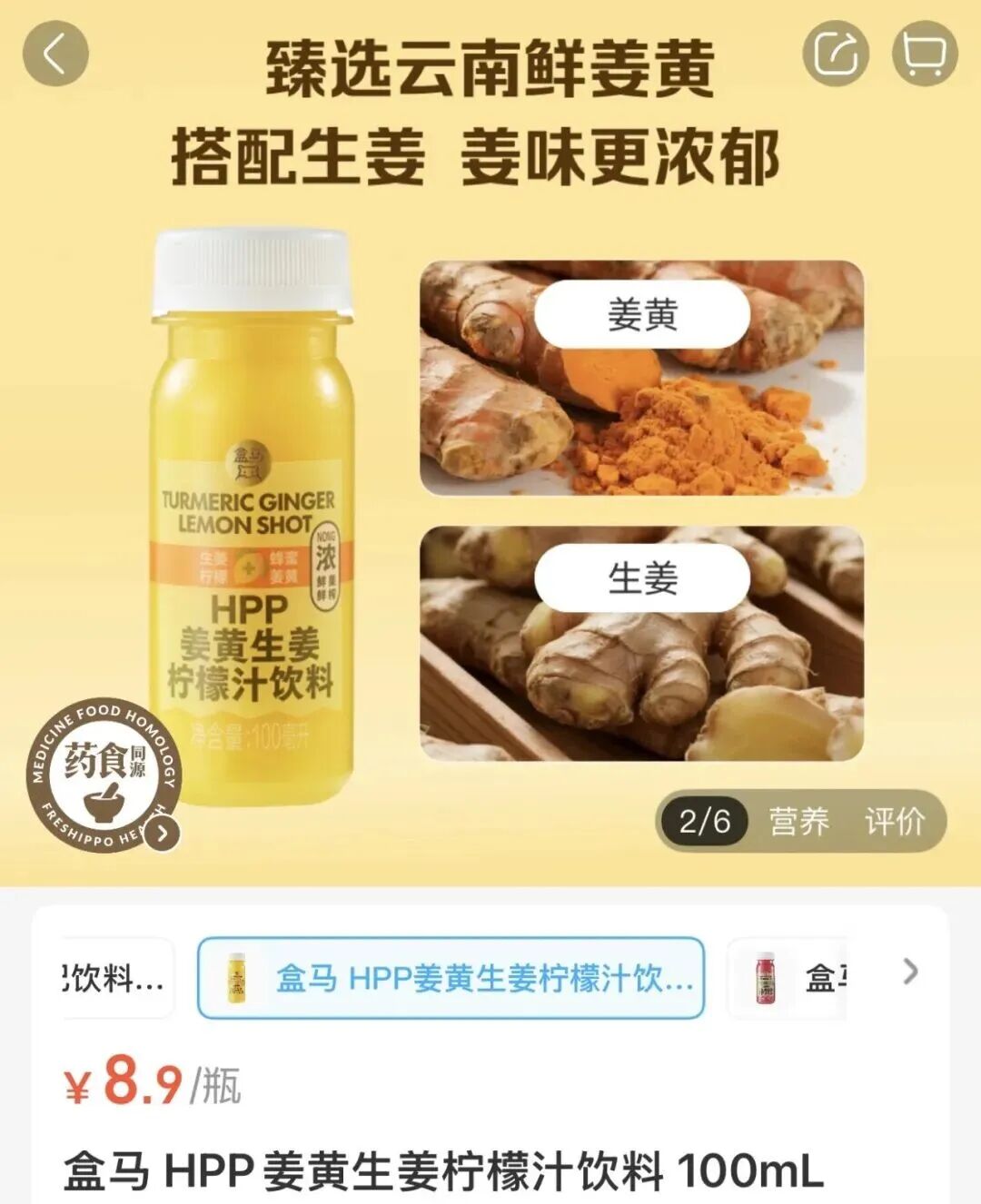
Core Viewpoint - The rise of turmeric drinks, referred to as "white people's medicine," is gaining popularity among health-conscious consumers, particularly the younger generation, despite mixed reviews on taste and effectiveness [1][2][3]. Group 1: Product Popularity and Market Trends - The "HPP Turmeric Ginger Lemon Juice" launched by Hema attracted over 3,000 purchases in its first month and became the top-selling refrigerated drink within a month, with over 20,000 orders [3][5]. - The global functional beverage market is projected to grow from $8.997 billion in 2024 to $31.919 billion by 2033, with a compound annual growth rate of 15.3% from 2025 to 2033, driven by increasing health awareness and demand for convenient products [14]. - The introduction of turmeric drinks by major retailers like Hema and Sam's Club has significantly contributed to the product's popularity, with sales figures indicating a strong market response [13][14]. Group 2: Consumer Behavior and Health Perception - Young consumers are willing to overlook the unpleasant taste of turmeric drinks for perceived health benefits, often driven by social media trends and health anxieties [2][24]. - The concept of "superfoods" is appealing to consumers, with over 60% of Generation Z focusing on health management, leading to a surge in demand for products like turmeric drinks [24][26]. - Despite the marketing of turmeric drinks as health-enhancing, nutritionists caution that the actual health benefits may be overstated, and the high sugar content could negate potential advantages [20][21][26]. Group 3: Nutritional Concerns and Product Composition - Many turmeric drinks contain high sugar levels, with Hema's drink having 445 kJ per 100 ml, which is significantly higher than regular soft drinks [19][20]. - The effective absorption of curcumin, the active ingredient in turmeric, is questioned, as many products do not provide sufficient amounts for health benefits, and the presence of sugar may further complicate this issue [20][21]. - The use of High Pressure Processing (HPP) technology in turmeric drinks helps retain nutrients but also contributes to higher production costs, making these drinks more expensive than regular juices [16][18].
茶饮品牌,开始集体卷“传家宝”了
东京烘焙职业人· 2025-12-20 08:33
Core Viewpoint - The tea beverage industry is experiencing a significant shift towards nostalgia, with brands returning to classic products as a strategic response to market saturation and consumer demand for familiar flavors [3][5][41]. Group 1: Industry Trends - In 2025, tea brands are moving away from novelty and focusing on classic flavors, as the rapid innovation cycle has become unsustainable [6][7]. - The trend of "classic product returns" is driven by a need for value creation and consumer familiarity, leading to a resurgence of familiar tastes [8][9]. - Major brands are reviving historical products that once defined consumer experiences, utilizing minor innovations to reintroduce them to the market [9][10]. Group 2: Successful Product Returns - In April 2025, Shuyi Shao Xian Cao reintroduced its popular product "Chengman Mountain Tea Flower," which had previously sold over 9 million cups in 2022, marking the start of the nostalgia trend [12][10]. - Nayuki's tea is preparing for the summer with the return of "Baqi Yangmei," which achieved sales of 3 million cups in just half a month [14][16]. - Tea Baidao reintroduced classic fruit teas and upgraded its "Double Ball Ice Cream Red Tea" to enhance consumer satisfaction during the summer season [18][20]. Group 3: Consumer Engagement and Brand Strategy - The return of classic products is not merely nostalgia marketing; it is a strategic adjustment to address growth pressures and competition in a saturated market [41][50]. - Brands are leveraging the emotional connection consumers have with classic products, which often serve as a form of social currency and personal memory [51][49]. - The focus on classic products allows brands to maintain operational efficiency and quality assurance, as these items have established recipes and consumer trust [48][46]. Group 4: Innovative Marketing Approaches - Brands are employing innovative strategies to revitalize classic products, such as deconstructing traditional combinations and integrating new elements to create unique offerings [61][62]. - The marketing approach has shifted from merely selling products to creating meaningful experiences and cultural symbols that resonate with consumers [66][68]. - Engaging consumers in the product creation process, such as through DIY options and feedback mechanisms, enhances brand loyalty and anticipation for product returns [70][73]. Group 5: Long-term Value Creation - Establishing annual return rituals for classic products helps brands cultivate consumer habits and expectations, transforming short-term hits into long-term assets [75][78]. - The essence of successful classic product revitalization lies in maintaining quality while innovating, ensuring that nostalgia does not compromise brand integrity [80][81].