
Stellantis N.V.

Search documents
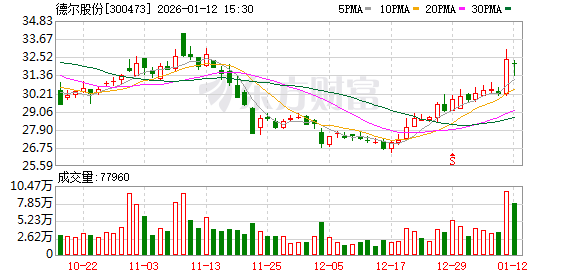
德尔股份:2024年和2025年上半年公司海外收入占比均在70%以上
Zheng Quan Ri Bao· 2026-01-12 09:09
Core Viewpoint - The company, Del Shares, anticipates that overseas revenue will account for over 70% in both 2024 and the first half of 2025, indicating a strong focus on international markets [2]. Group 1: International Revenue - The company has established an international R&D base through its subsidiary, Kaku Si, with locations in the US, Mexico, Germany, Spain, Belgium, Poland, Austria, and Slovakia [2]. - The company has developed partnerships with several well-known overseas clients, including Mercedes-Benz, BMW, Audi, Volkswagen, Ford, General Motors, Stellantis, and Porsche, by deepening its presence in the European and American markets [2].


全球电动车转型走到十字路口:中国、欧盟与美国路径分化
Counterpoint Research· 2026-01-12 02:45
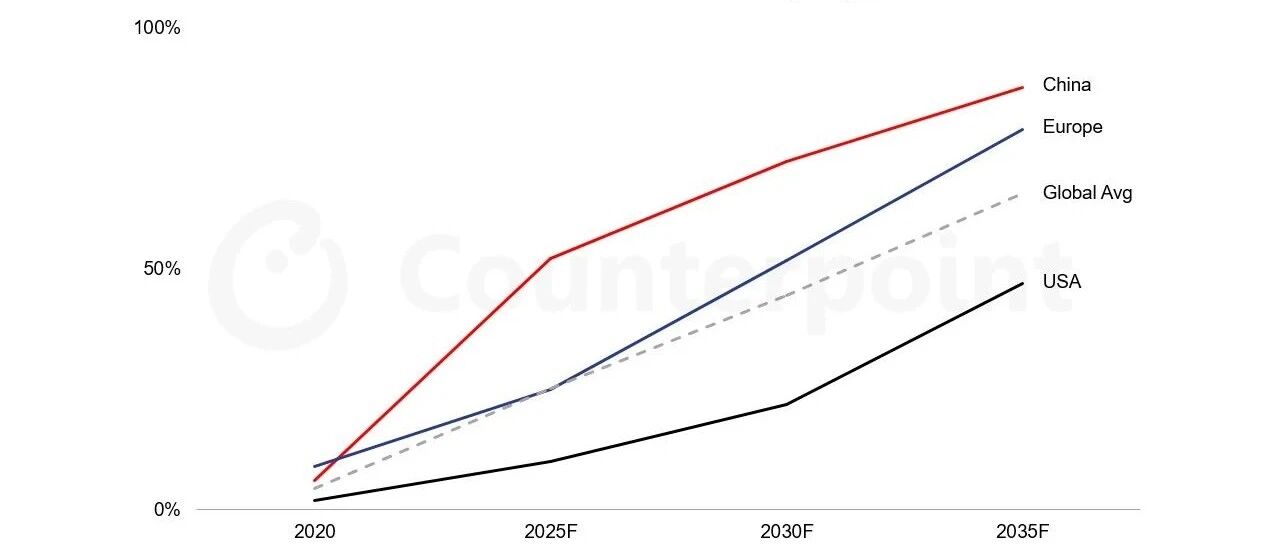
Core Viewpoint - The global electric vehicle (EV) market is entering a phase of significant differentiation, with China rapidly advancing while the EU and the US exhibit hesitance and policy adjustments that may slow their electric vehicle transitions [4][5][7]. Group 1: Electric Vehicle Market Dynamics - China's electric vehicle sales have surpassed 50% of total passenger car sales, indicating a shift from policy-driven to market-driven growth [4][7]. - The US electric vehicle market is experiencing a slowdown due to the potential rollback of federal EV purchase subsidies and weakened emissions regulations, leading manufacturers to refocus on hybrid and internal combustion engine (ICE) vehicles [5][11]. - The EU is recalibrating its electric vehicle strategy by relaxing the 2035 ban on ICE vehicles and introducing the M1E category for small electric cars, aiming to balance decarbonization goals with industry pressures [8][9][10]. Group 2: EU Policy Adjustments - The EU's new policy allows for a 90% reduction in CO2 emissions by 2035 instead of a complete ban, enabling the continued sale of hybrid and ICE vehicles under certain conditions [8][9]. - The introduction of the M1E category aims to promote affordable small electric vehicles, which could mirror the success seen in China's compact EV market [9][10]. - The EU's "super credit" system for M1E vehicles incentivizes local production and sales, potentially benefiting companies like BYD that are expanding in the EU market [10]. Group 3: Challenges for Global Automakers - The differentiation in regional policies forces automakers to adapt their strategies, impacting economies of scale and increasing overall costs [11]. - Companies like Ford and General Motors are facing significant financial challenges, with Ford reporting approximately $19.5 billion in EV-related losses and adjusting their strategies towards hybrids [11]. - The need for regional adaptability in strategy is becoming as crucial as global scale, influencing the competitive landscape of the electric vehicle market [11].
全球电池_美国数据中心拉动韩国电池需求,但纯电池企业估值偏高;买入 LG Chem_SDI-Global Batteries_ US data centers drive demand for Korean batteries, but pure play valuations are rich; Buy LG Chem_SDI
2026-01-12 02:27
Summary of Key Points from the Conference Call Industry Overview - The focus is on the **energy storage system (ESS)** battery demand driven by surging US data center and AI power needs, with Korean battery manufacturers positioned to benefit from rising tariffs and localization requirements in the US market [1][2][3] Core Insights 1. **US ESS Battery Demand Projections**: - Demand forecasts for US ESS batteries are variable, with projections ranging from 100 GWh to 180 GWh by 2030. The current estimates lean towards the lower end due to conservative assumptions about peak demand growth and coal plant retirements [46][47] - The expectation is that battery storage will not fully close the surplus created by weak EV demand through 2028, despite some absorption of excess capacity through EV to ESS line conversions [47][67] 2. **Battery Pricing Trends**: - Global battery prices are expected to fall to **US$87/kWh** by 2026, but US prices will likely remain at least **15% higher** than the global average due to labor and logistics costs [2][70][77] - The total cost of ownership (TCO) for US battery electric vehicles (BEVs) is projected to reach parity with internal combustion engine (ICE) vehicles by **2028**, delayed from previous estimates of 2026 [2][25][79] 3. **European Market Dynamics**: - European EV demand is recovering, but Chinese battery imports continue to exert downward pressure on costs, with Chinese exports being approximately **30% cheaper** than Korean production costs [3][85] - The increasing penetration of Chinese OEMs in Europe is contributing to the growth of BEV sales, with market share rising from **0.2%** in January 2024 to **4.2%** in October 2025 [85][89] 4. **Korean Battery Manufacturers' Strategies**: - LG Energy Solution (LGES) is expected to lead in plant utilization by diversifying its product offerings and rapidly recalibrating its assets to meet ESS demand. The company aims to ramp up its LFP battery capacity significantly by the end of 2026 [9][103] - Other Korean manufacturers like Samsung SDI are also expected to benefit from robust growth in ESS shipments, despite facing challenges in the EV battery segment [9][11] Additional Important Insights - **Tariffs and Subsidies**: The AMPC and ITC incentives are crucial for maintaining cost competitiveness for domestic producers as volumes ramp up, potentially allowing the US battery market to move closer to balance by 2027 [47][64] - **Market Surplus**: A surplus of **80 GWh** is anticipated by 2027, but this could be mitigated if high-end battery storage scenarios materialize [67][69] - **Investment Recommendations**: The report suggests a "Buy" rating for LG Chem and Samsung SDI, while maintaining a "Neutral" rating for LGES due to current valuations reflecting base case forecasts [9][11] This summary encapsulates the key points discussed in the conference call, highlighting the dynamics of the battery industry, pricing trends, and strategic moves by major players in the market.
贾可吴伯凡吴声张晓亮,4万字2025-2026跨年对谈全文(下)
汽车商业评论· 2026-01-11 23:06
Core Viewpoint - The article discusses the evolving landscape of the Chinese automotive industry, focusing on the impact of personal branding (IP) of industry leaders, the rise of Huawei in automotive technology, and the trends in global expansion and regulatory changes in autonomous driving [4][5][6]. Group 1: Personal Branding in Automotive Industry - The debate on whether automotive leaders like Lei Jun and Wei Jianjun should develop personal brands (IP) has intensified, with differing opinions on its effectiveness and potential backlash [5][25]. - Lei Jun's recent challenges with Xiaomi's automotive ventures highlight the risks of personal branding, while Wei Jianjun's successful IP development reflects a more grounded approach [26][30]. - The article emphasizes the need for automotive leaders to focus on product quality and strategic management rather than solely on personal branding [31][35]. Group 2: Huawei's Role in Automotive Technology - Huawei's positioning as a service provider rather than a car manufacturer allows it to play a unique role in the automotive industry, focusing on empowering car manufacturers with advanced technologies [7][10]. - The introduction of Huawei's "Jing" and "Jie" series vehicles indicates a strategic expansion into the automotive market, with a focus on high-end segments [9][10]. - Huawei's technology capabilities, including smart cockpit and driving technologies, are seen as critical to its success in the automotive sector, potentially reshaping the competitive landscape [12][15]. Group 3: Trends in Global Expansion - The article notes a significant trend of Chinese automotive companies pursuing IPOs in Hong Kong, reflecting a renewed interest in capital markets and the need for ongoing funding in a capital-intensive industry [38][39]. - The global expansion of Chinese automotive brands is characterized by a shift towards local production and partnerships, moving beyond simple export strategies to more integrated approaches [43][45]. - The necessity for Chinese companies to adapt to local markets and consumer behaviors is emphasized, indicating a more mature approach to globalization [47][49]. Group 4: Regulatory Changes in Autonomous Driving - The Chinese government has implemented stricter regulations on L2 autonomous driving systems, reflecting a growing emphasis on safety following recent incidents [58][60]. - The approval of L3 autonomous driving systems indicates a positive regulatory environment for advanced driving technologies, with companies like Deep Blue and BAIC leading the way [58][61]. - The article suggests that the development of Robotaxi services is gaining momentum, with a focus on subscription-based models as a viable business strategy [61][63].




1月10日隔夜要闻:美股收高 金价上涨 英特尔涨超10% 特朗普泄露就业数据 委称与美启动探索性外交
Xin Lang Cai Jing· 2026-01-09 22:32
Company - Nvidia is recruiting executives from Google Cloud to strengthen its position in the market [8] - Chevron could see an annual revenue increase of up to $700 million due to its operations in Venezuela [8] - Stellantis has canceled its sales plan for plug-in hybrid vehicles in the U.S. due to weak demand [8] - Glencore and Rio Tinto are in negotiations to potentially create the world's largest mining company [8] - xAI plans to invest $20 billion in building a data center in Mississippi [8] - Hyundai will fully deploy humanoid robots starting in 2028 [8] - Paramount reiterated its all-cash offer of $30 per share for WBD [8] - General Motors will account for $7.1 billion in expenses in the fourth quarter [8] - Johnson & Johnson is lowering drug prices in the U.S. in exchange for tariff reductions, but experts say savings for insured individuals will be limited [8] Industry - The U.S. added 584,000 jobs in 2025, marking the lowest growth rate in a non-recession period since 2003 [8] - U.S. household wealth has reached a record high, benefiting from the rise in the stock market [8] - The EU is expected to sign a historic trade agreement with South America despite opposition from France [8] - The WTI crude oil price has risen for the third consecutive week [9] - The U.S. debt market shows mixed results, with a flattening yield curve and mixed non-farm payroll data [9] - The dollar is rising alongside U.S. Treasury yields as traders reduce bets on Federal Reserve rate cuts [9]


斯特兰蒂斯因需求疲软取消美国插电式混合动力汽车销售计划
Jin Rong Jie· 2026-01-09 20:01
Core Viewpoint - Stellantis Group announced the cessation of sales for plug-in hybrid versions of Jeep Wrangler, Grand Cherokee, and Chrysler Pacifica minivan in the U.S. due to weak market demand and a shift in North American electrification strategy [1] Group 1: Strategic Changes - The company will gradually phase out plug-in hybrid models starting from the 2026 model year in North America [1] - Stellantis aims to focus on more competitive electrification solutions, including hybrid and range-extended electric vehicles [1] Group 2: Market Context - This decision comes amid a reevaluation of electric vehicle investments by Detroit automakers under the current administration's policy adjustments [1]
Is GM's $7.6B EV Impact in 2025 a Step Toward Better Profit Focus?
ZACKS· 2026-01-09 16:35
Core Insights - General Motors (GM) is experiencing significant financial impacts due to a slowdown in its electric vehicle (EV) initiatives, with an expected $6 billion in special charges in Q4 2025 related to its EV rollback [1][10] - The total EV-related charges for GM in 2025 are projected to reach $7.6 billion, which includes $1.8 billion in unused EV equipment and $4.2 billion in supplier settlements and contract cancellations [2][10] Group 1: Financial Impact - GM will incur approximately $6 billion in special charges in the fourth quarter of 2025 due to its reduced EV strategy, which will negatively affect reported net income but not adjusted earnings [1][10] - The total EV-related financial burden for GM in 2025 is estimated at $7.6 billion, which includes a prior $1.6 billion charge in Q3 2025 [2][10] - GM is also expected to record an additional $1.1 billion in charges primarily related to restructuring a Chinese joint venture [2] Group 2: Strategic Shift - The company is scaling back its EV plans in response to changing U.S. policies and declining consumer demand, moving away from aggressive EV targets set during the Biden administration [3][4] - GM is reallocating resources towards higher-margin vehicles, such as pickup trucks, and reducing its exposure to battery production by selling part of its stake in Ultium Cells [5][7] - The Orion plant, initially designated for EV production, will now manufacture profitable pickup trucks like the Cadillac Escalade and Chevrolet Silverado [5] Group 3: Market Context - GM's EV sales have dropped 43% year-over-year in Q4 2025, totaling just over 25,000 vehicles, following the expiration of federal EV tax credits [6] - Other automakers, including Ford and Stellantis, are also reassessing their EV strategies, indicating a broader industry trend towards more cautious and financially disciplined approaches to EV production [9][11][12] - The shift in strategy reflects a prioritization of profitability and flexibility over an aggressive push towards an EV-only future [12] Group 4: Valuation and Performance - GM's stock has increased by 67% over the past year, outperforming the industry average [13] - From a valuation standpoint, GM appears undervalued, trading at a forward price/sales ratio of 0.43 compared to the industry average of 3.27 [14]
Piper Sandler上调Stellantis目标价至15美元
Ge Long Hui· 2026-01-09 09:49
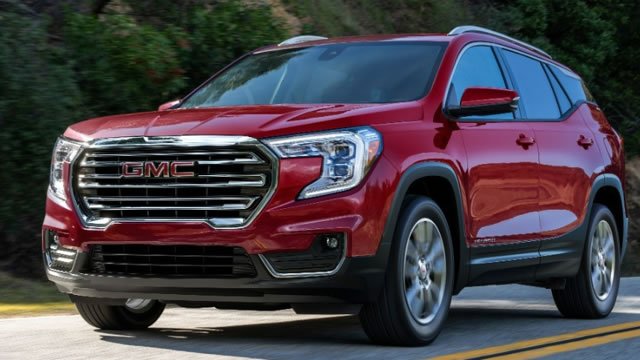
Group 1 - Piper Sandler raised Stellantis' target price from $9 to $15, indicating a significant increase of 66.67% [1] - The rating for Stellantis was upgraded from "Neutral" to "Overweight," suggesting a more favorable outlook for the company [1]
展望2026:车市到了需要大火收汁的时候
Xi Niu Cai Jing· 2026-01-09 06:35
Group 1 - BYD has surpassed Tesla to become the sales champion in the new energy vehicle market, marking a significant achievement for the brand since the rise of new car manufacturers began in 2015 [1] - The luxury car market is experiencing a contraction, making it difficult for established brands to return to previous high sales volumes and profit margins [1][2] - The automotive market is becoming increasingly complex, with a proliferation of brands and models leading to consumer confusion [3][4] Group 2 - The automotive industry is witnessing a trend of inventory clearance and brand consolidation as companies adapt to changing market dynamics [2] - Companies like Geely and GAC are restructuring their brand and product lines to focus on more market-accepted models, resulting in significant sales growth and improved financial performance [5][6] - The integration of resources and partnerships, such as Leap Motor's collaboration with FAW, is aimed at enhancing capabilities and achieving growth targets [7][8] Group 3 - A larger scale of consolidation in the automotive industry is anticipated, driven by the need for efficiency and resource optimization [9] - The market is expected to face a decline in domestic passenger car sales by approximately 7% in 2026, prompting brands to concentrate on developing high-quality products [9][10] - The current automotive landscape necessitates a strategic approach to brand and product management, as excessive brand proliferation has diluted consumer demand [10]

Piper Sandler上调底特律三大车企评级:监管放宽与中国竞争缓和成增长主逻辑
智通财经网· 2026-01-09 03:50
Group 1 - Piper Sandler analysts predict limited competition from Chinese automakers and a favorable regulatory environment will support U.S. automakers' performance, alleviating a projected 1.2% decline in North American auto sales [1] - The analysts upgraded Ford (F.US) and General Motors (GM.US) from "neutral" to "overweight," with Ford's EPS forecast for 2027 at $1.95, exceeding the market expectation of $1.77 [1] - Stellantis (STLA.US) was also upgraded to "overweight," but faces greater risks in the Chinese market and lower profit margins, leading to a more complicated situation [1] Group 2 - General Motors has consistently outperformed the S&P 500 in total returns, with a projected EBIT increase of $800 million by 2025 due to a shift from electric vehicles to other models [2] - Stellantis has experienced a significant stock price drop and management turnover, but is expected to benefit from new model releases and a joint venture with Leapmotor to mitigate competition from Chinese rivals in Europe [2] - The analysts raised Stellantis' price-to-earnings ratio from 3-4 times to 6 times, indicating that profitability has likely bottomed out [2] Group 3 - The team upgraded Aptiv (APTV.US) to "overweight" due to attractive valuations, while downgrading BorgWarner (BWA.US) to "neutral" based on risk/reward balance [3]
