新凤鸣

Search documents
新凤鸣(603225) - 北京市中伦(上海)律师事务所关于新凤鸣集团股份有限公司2025年第七次临时股东会的法律意见书
2025-12-04 09:00
北京市中伦(上海)律师事务所 关于新凤鸣集团股份有限公司 法律意见书 二〇二五年十二月 2025 年第七次临时股东会的 北京市中伦(上海)律师事务所 关于新凤鸣集团股份有限公司 2025 年第七次临时股东会的 法律意见书 致:新凤鸣集团股份有限公司(以下简称"公司") 北京市中伦(上海)律师事务所(以下简称"本所")接受公司的委托,指 派律师出席并见证公司2025年第七次临时股东会(以下简称"本次会议")。 本所律师根据《中华人民共和国公司法》(以下简称"《公司法》")、《中 华人民共和国证券法》(以下简称"《证券法》")、《上市公司股东会规则》 (以下简称"《股东会规则》")、《律师事务所从事证券法律业务管理办法》 (以下简称"《证券法律业务管理办法》")、《律师事务所证券法律业务执业 规则(试行)》(以下简称"《证券法律业务执业规则》")等相关法律、行政 法规、规章、规范性文件及《新凤鸣集团股份有限公司章程》(以下简称"《公 司章程》")的规定,就本次会议的召集与召开程序、召集人资格、出席会议人 员资格、会议表决程序及表决结果等事宜,出具本法律意见书。 对本法律意见书的出具,本所律师特作如下声明: 1.本 ...

新凤鸣(603225) - 2025年第七次临时股东会决议公告
2025-12-04 09:00
证券代码:603225 证券简称:新凤鸣 公告编号:2025-115 新凤鸣集团股份有限公司 2025年第七次临时股东会决议公告 本公司董事会及全体董事保证本公告内容不存在任何虚假记载、误导性陈述 或者重大遗漏,并对其内容的真实性、准确性和完整性承担法律责任。 重要内容提示: 本次会议是否有否决议案:无 一、 会议召开和出席情况 (一)股东会召开的时间:2025 年 12 月 4 日 (二)股东会召开的地点:浙江省桐乡市梧桐街道履祥路 501 号公司二十四楼会议 室 (三)出席会议的普通股股东和恢复表决权的优先股股东及其持有股份情况: | 1、出席会议的股东和代理人人数 | 272 | | --- | --- | | 2、出席会议的股东所持有表决权的股份总数(股) | 920,327,543 | | 3、出席会议的股东所持有表决权股份数占公司有表决权股 | | | 份总数的比例(%) | 61.5527 | (四)表决方式是否符合《公司法》及《公司章程》的规定,会议主持情况等。 本次股东会由董事会召集,由董事长庄耀中先生主持,采用现场投票与网络 投票相结合的方式召开。本次股东会的召开以及表决方式符合《中华人民 ...
新凤鸣:拟吸收合并全资子公司并通知债权人申报债权
Xin Lang Cai Jing· 2025-12-04 08:49
新凤鸣公告称,公司于2025年相关会议审议通过吸收合并全资子公司中盈化纤的议案,完成后中盈化纤 法人资格将注销,其全部资产等由公司承继,不涉及公司名称等变化。根据规定,债权人自接到通知起 若干日内、未接到通知者自公告披露日起若干日内,有权要求公司清偿债务或提供担保。债权申报时间 为2025年12月5日至2026年1月18日工作日9:00 - 17:00,可通过现场、邮寄或邮件方式申报。 ...
化工ETF(159870)日均成交8.66亿,储能持续催化板块行情
Xin Lang Cai Jing· 2025-12-04 07:37
Group 1: Energy Storage and Battery Demand - The demand for power and energy storage batteries is expected to grow at a rate of 30% by 2026, with energy storage batteries seeing a growth rate of 40%-50% [1] - The domestic commercial vehicle market has reached a price parity inflection point, with expectations for increased volume in trunk transportation, while the penetration rate for passenger vehicles still has room for growth [1] - The installed capacity for energy storage batteries is projected to reach over 170 GWh in 2025 and 220 GWh in 2026 [1] Group 2: Raw Materials and Supply Dynamics - The price of phosphate rock is expected to maintain a long-term bullish trend due to strong demand for lithium iron phosphate and lithium hexafluorophosphate, coupled with supply constraints [2] - The industrial-grade monoammonium phosphate market is in a balanced but tight supply state, with clear policy constraints on the supply side, leading to an upward shift in profitability [2] - The operating rates for lithium iron phosphate are rapidly increasing, driven by sustained demand in energy storage, indicating a potential price reversal for the industry [2] Group 3: Electrolyte Materials - The DMC (dimethyl carbonate) industry is expected to see continued improvement in supply and demand due to the growing demand for new energy electrolyte solvents [3] - The VC (vinylene carbonate) industry has shown significant improvement in supply-demand dynamics, with a monthly operating rate of 67.8% as of October 2025 [3] - The price of lithium hexafluorophosphate has surged due to unexpected demand in the energy storage and commercial vehicle sectors, with a tight supply situation expected to persist until 2027 [3] Group 4: Market Performance and Index Overview - The CSI Sub-Industry Chemical Theme Index (000813) has shown mixed performance among its constituent stocks, with Guangdong Hongda leading with an 8.98% increase [4] - The chemical ETF (159870) has a recent trading volume of 3.50 billion yuan, with a turnover rate of 2.18% [4] - The top ten weighted stocks in the CSI Sub-Industry Chemical Theme Index account for 45.41% of the index, indicating concentrated market performance [5]
反内卷促进化工板块价值重估,化工ETF嘉实(159129)有望持续受益
Xin Lang Cai Jing· 2025-12-04 03:19
Group 1 - The chemical sector is experiencing a downward trend, with the CSI sub-industry index declining by 0.51% as of December 4, 2025 [1] - Key stocks include Cangge Mining leading the gains, while Xin Fengming is among the biggest losers [1] - Guohai Securities suggests that a reversal of "involution" may lead to a revaluation of the Chinese chemical industry, with potential for increased dividend yields as capacity expansion slows [1] Group 2 - Analysts believe that supply constraints in the chemical industry will strengthen, potentially reversing the current overcapacity situation and leading to a recovery in market conditions [1] - The valuation of the chemical sector remains attractive, with the sub-industry index's price-to-book ratio at a relative low over the past decade [1] - The top ten weighted stocks in the CSI sub-industry index account for 45.41% of the total, with companies like Wanhua Chemical and Yilong Holdings among them [1] Group 3 - The chemical ETF managed by Harvest (159129) closely tracks the CSI sub-industry index, focusing on the new economic cycle under the "anti-involution" backdrop [1] - Investors can also consider the chemical ETF linked fund (013527) to explore investment opportunities in the chemical sector [2]
聚酯板块系列专题报告行情篇(PTA、MEG、聚酯):累库预期延后
Hong Ye Qi Huo· 2025-12-03 11:05
1. Report Industry Investment Rating No information provided in the content. 2. Core Viewpoints - PTA: In November, PTA was in a balanced state. With multiple device overhauls implemented and the cancellation of India's BIS certification, the supply pressure was relieved, and the spot processing fee was repaired. In December, the inventory accumulation expectation decreased, and the price was expected to fluctuate around a wide - balance, with an optimistic outlook on the absolute price [1][10]. - MEG: In late November, the futures price of MEG dropped to a near - three - year low due to the long - term oversupply situation. After some device shutdowns, the load declined, and it was expected to decline slightly in December. Although overseas supply was abundant, the recent improvement in the supply - demand situation limited the downside space of the futures price [2][10]. - Short - fiber & Bottle - chip: The short - fiber operating load was at a high level with good inventory, but the spot processing fee decreased compared to last month. The bottle - chip was still the segment with the greatest supply - demand pressure in the polyester industry, and its spot processing fee narrowed. The overall resilience of the polyester load delayed the inventory accumulation expectation of raw materials [2][11]. 3. Summary by Relevant Catalogs 3.1 Main Logic - PTA: Multiple device overhauls since November alleviated the pressure of new capacity. The cancellation of India's BIS certification was beneficial to exports. With reduced supply, the spot processing fee was repaired, and the December inventory accumulation expectation decreased [10]. - MEG: In late November, the futures price hit a near - three - year low due to long - term oversupply. After some device shutdowns, the load decreased, and it might decline slightly in December. Overseas supply was abundant, but the supply - demand situation improved recently, limiting the downside space of the futures price [10]. - Short - fiber & Bottle - chip: The cancellation of India's BIS certification increased the export of polyester filament. The short - fiber had a high operating load and good inventory, while the bottle - chip had great supply - demand pressure. The terminal market was mediocre in November and might improve slightly in December. The polyester load's resilience delayed raw material inventory accumulation [11]. 3.2 PTA Overhaul Increases, Supply - Demand Pressure Eases 3.2.1 PX Pattern is Good - In November, oil prices were weak. PX had a strong supply - demand structure. Its inventory was low, and new capacity was expected to be supplied in the second half of next year, with concentrated overhauls in the second quarter. The PX - N spread rose above $260/ton [15]. 3.2.2 PTA Supply Narrows, Processing Fee Improves Slightly - This year, three new PTA devices were put into operation, increasing the effective capacity by 10% compared to the end of last year. In November, multiple device overhauls postponed the new capacity pressure. With polyester operating at over 91%, the PTA supply - demand was in a wide - balance. The spot processing fee recovered from below 100 yuan/ton to 150 - 200 yuan/ton, but the industry was still in an overall loss [17][21]. 3.2.3 PTA Balance Forecast - The cancellation of India's BIS certification was beneficial to China's PTA exports in the short term. In 2025, from January to October, China's PTA exports to India were 20.1 million tons. In November, the PTA output was 6.26 billion tons with a 10 - million - ton inventory increase. In December, the first half - month had less supply pressure, and the overall market was not pessimistic [24][25]. 3.3 MEG Supply - Demand Improves, Short - term Downside Space is Limited 3.3.1 Supply Narrows - In late October, the MEG load reached a recent high, and the supply was abundant. In the long - term, new devices added to the supply pressure, causing the price to hit a near - three - year low. Since November, the load has dropped by about 2%, and it might decline slightly in December. Overseas, the overall supply was high [30]. 3.3.2 Overseas Supply is Not Low - Currently, the overall domestic and overseas supply is abundant. In December, Middle - East supplies will shrink moderately. Since September, the East China terminal inventory has nearly doubled, and the import volume in October increased to 654,000 tons, expected to continue rising in November and December [35][36]. 3.3.3 MEG Balance Forecast - In late November, the MEG factory inventory decreased, and the polyester factory's raw material inventory increased slightly. In December, with the polyester load at 90 - 91%, MEG was expected to fluctuate at a low level, and the downside space was not overly pessimistic [38]. 3.4 Downstream Demand is Resilient 3.4.1 Polyester Improves Month - on - Month - In November, the polyester load was maintained at around 91.3%. The cancellation of India's BIS certification increased the export of polyester filament. In November, two new filament devices were put into operation, and two more will be released in December, increasing the demand for raw materials. The short - fiber production increased significantly in November, with good inventory control. The export growth rate was high, and the market was expected to follow raw material fluctuations. The bottle - chip supply pressure was high, the processing fee was weak, and the demand was in a seasonal off - peak, with limited future driving forces [44][51][62]. 3.4.2 Terminal Demand is Average - In terms of domestic demand, from January to October, the cumulative year - on - year growth of retail sales of clothing, shoes, hats, needles, and textiles was 3.5%. In October, the domestic retail sales increased by 7%. In terms of exports, in October, textile and clothing exports decreased by 12.6%. From January to October, the cumulative export was $243.94 billion. The weaving order days decreased in November, and the Jiangsu - Zhejiang loom operating rate dropped to 72%. Domestic sales demand weakened, and exports might improve slightly [72].
开源晨会-20251202
KAIYUAN SECURITIES· 2025-12-02 14:43
Group 1: Macro Economic Outlook - The "14th Five-Year Plan" emphasizes three key points: continuity, technological strength, and expanding domestic demand [5][6] - The GDP growth target for 2026 is projected at around 5%, with an average annual growth rate of 4.17% needed over the next decade to meet the 2035 goals [5][6] - The macroeconomic policy is expected to be more proactive, with potential interest rate cuts and an expansion of the broad deficit [9][10] Group 2: Supply and Demand Dynamics - On the supply side, there is a focus on enhancing service supply to stimulate consumption, with a service trade restrictiveness index of 0.225, higher than the OECD average of 0.19 [6] - The demand side anticipates limited recovery in fixed asset investment, with manufacturing investment supported by equipment updates, while real estate investment is expected to narrow its decline [7][8] - CPI is projected to rise by approximately 0.7% in 2026, while PPI could range from -0.7% to 0.5% depending on various scenarios [8] Group 3: Manufacturing and PMI Insights - The manufacturing PMI for November 2025 is reported at 49.2%, indicating a slight recovery but still in the contraction zone [14][15] - The service sector PMI has dropped to 49.5%, reflecting a contraction influenced by seasonal factors and consumer behavior [16] - High-tech manufacturing continues to expand, with a PMI of 50.1%, while the overall manufacturing sector remains under pressure [17] Group 4: Financial Market Perspectives - The bond market is expected to see a slight upward trend in yields due to revised economic expectations [19] - The Hong Kong stock market faced pressure in November 2025, with the Hang Seng Index declining by 0.2% and the Hang Seng Tech Index dropping by 5.2% [21][22] - The CCASS selected 20 portfolio achieved a historical high in excess returns, with a 0.13% return in November compared to a -0.18% return for the Hang Seng Index [27][28]
炼化反内卷,行业加速头部化
21世纪经济报道· 2025-12-02 13:18
Core Viewpoint - The refining and chemical industry in China is expected to experience a significant turnaround by the second half of 2025, driven by policy changes and the consolidation of advanced capacities [1]. Group 1: Industry Policy and Capacity Allocation - In late November, China issued early crude oil import quotas for 2026, with major private refining companies like Hengli Petrochemical receiving substantial allocations, indicating a shift towards advanced capacities [1]. - The early allocation of quotas in 2026 was concentrated among a few leading companies, contrasting with the previous year's distribution among numerous smaller enterprises, highlighting a trend towards industry consolidation [5]. - The Ministry of Industry and Information Technology (MIIT) has initiated measures to prevent excessive competition in the PTA and bottle-grade polyester slice industries, signaling a favorable environment for leading firms while challenging smaller players [2]. Group 2: Industry Overcapacity and Structural Changes - The PTA industry has shifted from meeting domestic demand to facing overcapacity, prompting regulatory bodies to implement measures to address this issue, including energy consumption limits for refining and chemical processes [3]. - The implementation of energy consumption limits is expected to accelerate the exit of outdated and smaller production capacities from the market, thereby improving the overall industry structure [3]. - The recent policies aim to guide the planning and layout of major petrochemical projects, controlling new refining capacities and preventing overcapacity risks in related sectors [5]. Group 3: Market Dynamics and Economic Context - The global economic downturn since 2022 has impacted demand in the polyester industry, which is closely tied to macroeconomic conditions, leading to a phase of inventory competition [2]. - The refining industry is witnessing a clear pyramid structure, where the elimination of outdated capacities can be targeted effectively, contrasting with slower clearing processes in other sectors like solar and lithium [5]. - The geopolitical landscape has also influenced energy storage demands, reducing cost pressures on the refining industry and enhancing expectations for a market turnaround [6]. Group 4: Investment Trends and Future Outlook - As of mid-2025, the construction projects in the basic chemical sector have seen a decline in investment, indicating a potential end to the capital expenditure cycle and a gradual recovery in supply dynamics [7]. - The overall profit levels in the chemical industry remain low, prompting companies to seek improvements in competitive dynamics to achieve normal profitability levels amid the ongoing "anti-involution" trend [7].


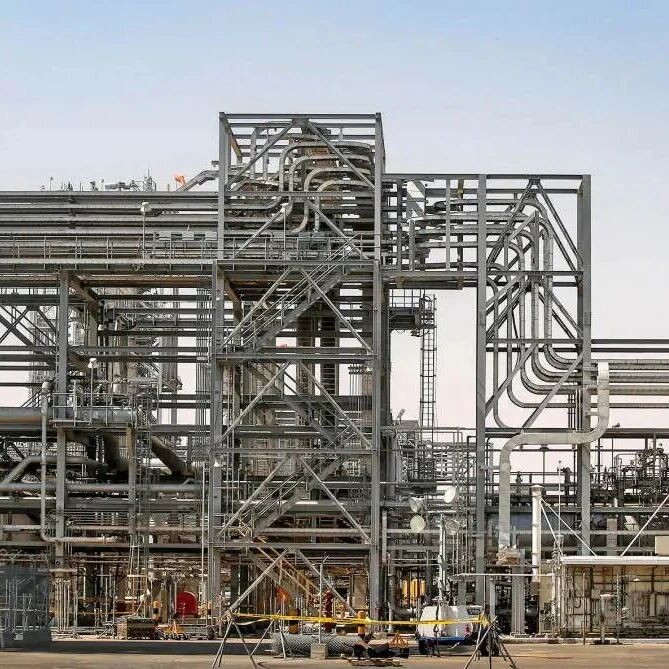
炼化反内卷 行业加速头部化
2 1 Shi Ji Jing Ji Bao Dao· 2025-12-02 13:05
Core Insights - The refining industry is expected to experience a turnaround by the second half of 2025, driven by policy changes and industry consolidation [1] - The early allocation of crude oil import quotas for 2026 has favored leading private refining companies, indicating a shift towards advanced capacity and industry consolidation [1][6] - Recent policies and self-regulatory measures from government and industry associations are accelerating the trend of "anti-involution" in the refining sector [1][2] Group 1: Policy Changes and Industry Dynamics - The Ministry of Industry and Information Technology held a meeting to address the over-competition in the PTA and bottle-grade polyester slice industries, signaling a focus on stabilizing the sector [2] - Major private enterprises were required to submit data on production capacity, output, and measures to prevent industry over-competition, indicating a push for accountability among leading firms [2] - The implementation of energy consumption limits for refining products aims to accelerate the exit of outdated and small-scale production capacities [3][4] Group 2: Market Conditions and Economic Factors - The global economic environment has been sluggish since 2022, impacting overall demand and leading to a phase of inventory competition in the industry [3] - China's push for domestic production of PX has resulted in an oversupply of PTA, necessitating measures to address the imbalance [3] - The geopolitical landscape has reduced cost pressures on the refining industry, contributing to a more optimistic outlook for recovery [8] Group 3: Industry Structure and Future Outlook - The distribution of crude oil import quotas has shifted from a fragmented model to a more concentrated one, favoring larger, integrated refining companies [6][7] - The government's commitment to eliminating outdated capacities and enhancing entry barriers for leading refining firms is evident in recent policy announcements [7] - The overall capital expenditure in the chemical sector is declining, indicating a potential end to the cycle of capacity expansion and a gradual recovery in supply dynamics [8]
炼化反内卷,行业加速头部化
2 1 Shi Ji Jing Ji Bao Dao· 2025-12-02 12:05
Core Viewpoint - The refining industry in China is expected to experience a significant turnaround by the second half of 2025, driven by policy changes and the concentration of production capacity among leading enterprises [1]. Group 1: Industry Developments - In late November, China issued early crude oil import quotas for 2026, with major private refining companies like Hengli Petrochemical, Rongsheng Petrochemical, and Dongfang Shenghong receiving substantial allocations [1]. - The early batch of quotas for 2026 was notably concentrated among a few leading companies, contrasting with the more fragmented distribution seen in 2025, indicating a shift towards advanced capacity and industry consolidation [1][6]. - The Ministry of Industry and Information Technology (MIIT) and industry associations have implemented policies to promote a trend of "anti-involution" in the refining sector, aiming to streamline operations and enhance efficiency [1][3]. Group 2: Policy Measures - A meeting organized by MIIT on October 29 focused on preventing excessive competition in the PTA and bottle-grade polyester slice industries, with major private enterprises required to submit data on production capacity and measures to avoid industry involution [3]. - Legal measures, including energy consumption limits for refining processes, have been introduced to address overcapacity and losses in the industry, with expectations that these will accelerate the exit of outdated and smaller-scale production facilities [4][5]. Group 3: Market Dynamics - The global economic downturn since 2022 has impacted demand in the polyester sector, which is closely tied to macroeconomic conditions, leading to a phase of inventory competition [3]. - The geopolitical landscape has influenced energy storage demands, reducing cost pressures on the refining industry and enhancing expectations for a market reversal [8]. - The overall investment in the chemical raw materials and products manufacturing sector has declined, indicating a nearing end to the capital expenditure cycle and a gradual recovery in supply dynamics [8].