中芯国际

Search documents
2025年,芯片行业都发生了啥?
芯世相· 2026-02-15 01:07
Core Insights - The chip industry in 2025 experienced significant volatility due to tariff conflicts, storage market fluctuations, and rising raw material prices, leading to structural opportunities amidst the chaos [4] - The year was marked by a series of layoffs and production adjustments among major companies, reflecting the industry's struggle to stabilize [5][7][9][10] - The emergence of AI technologies and products, such as AI glasses, created new market opportunities and heightened competition [5][11][12] January Highlights - Major news included Samsung and other Korean manufacturers reducing production of consumer-grade NAND Flash due to weak demand [5] - Renesas Electronics announced layoffs of hundreds of employees, indicating industry challenges [5] - The sentiment for 2025 was mixed, with many industry players expressing uncertainty about recovery [5] February Highlights - STMicroelectronics considered laying off over 3,000 employees, while NXP's Q4 2024 revenue fell short of expectations [7] - The NAND flash market faced oversupply, prompting major manufacturers to plan production cuts [7] - The rise of humanoid robots sparked renewed interest in market potential and chip opportunities [7] March Highlights - Microchip announced layoffs and plans to sell a wafer fab, while Analog Devices (ADI) reported a recovery from previous lows [9] - The storage market saw significant price increases, with Samsung's production cuts igniting market optimism [9] - The competitive landscape among chip distributors shifted, with notable changes in the rankings of top distributors [9] April Highlights - STMicroelectronics faced management turmoil and announced layoffs of 2,800 employees [10] - The market reacted to tariff conflicts, with the U.S. imposing tariffs that affected chip distribution and pricing [10][11] - The demand for chips began to show signs of recovery, with increased orders reported [10] May Highlights - The first quarter of 2025 saw over 60% of semiconductor companies reporting year-on-year profit growth [12] - Major NAND manufacturers reduced production by 10-15%, leading to better-than-expected price rebounds [12] - Xiaomi unveiled its 3nm chip, highlighting advancements in technology [12] June Highlights - Significant layoffs were announced by STMicroelectronics and Micron, while the market for storage chips surged [13] - The demand for DDR4 memory skyrocketed, with prices reaching historical highs [13] - The MCU market faced intense competition, with price wars affecting profitability [13] July Highlights - The storage chip market continued to experience price increases, with DDR4 prices stabilizing after a surge [14] - The industry saw ongoing mergers and acquisitions among distributors, indicating a trend towards consolidation [14] August Highlights - The market for storage chips remained strong, with continued price increases and demand outpacing supply [16] - TI and ADI reported improving financial performance, signaling a recovery in the analog chip sector [16] September Highlights - The U.S. initiated anti-dumping investigations into imported analog chips, affecting market dynamics [18] - Major companies announced acquisitions and strategic shifts, reflecting ongoing consolidation in the industry [18] October Highlights - The Anshi Semiconductor incident caused significant market disruptions, with prices for certain chips skyrocketing [20] - The automotive chip market faced challenges, with ongoing price discrepancies affecting supply chains [20] November Highlights - The semiconductor market saw widespread price increases, with many companies reporting strong financial results [21] - The ongoing Anshi situation continued to impact the market, leading to supply shortages and production adjustments [21] December Highlights - A broad price surge affected the semiconductor supply chain, with many companies announcing price hikes [22] - The market for storage chips experienced explosive growth, benefiting several distributors [22] - The annual gathering of industry professionals highlighted trends and strategies for navigating the evolving market landscape [22]


Glorysoft (Shanghai) Co., Ltd.(H0420) - Application Proof (1st submission)
2026-02-14 16:00
The Stock Exchange of Hong Kong Limited and the Securities and Futures Commission take no responsibility for the contents of this Application Proof, make no representation as to its accuracy or completeness and expressly disclaim any liability whatsoever for any loss howsoever arising from or in reliance upon the whole or any part of the contents of this Application Proof. Disclaimer: This Application Proof was filed as confidential filing on 29 August 2025. Application Proof of Glorysoft (Shanghai) Co., Lt ...
跟着大资金选股!公募调仓科创板,猛攻电子、医药
市值风云· 2026-02-14 10:09
Core Viewpoint - The article discusses the current funding logic in the market, highlighting the significant movements of public funds in the technology sector, particularly in the semiconductor and biopharmaceutical industries, as they adjust their portfolios based on performance and valuation metrics [3][8]. Group 1: Public Fund Movements - Public funds have shown a notable shift in their holdings, particularly in the STAR Market, with the STAR 50 Index rising by 12.1% this year [3][4]. - The total market capitalization of STAR Market companies reached 10.4 trillion yuan, with the technology sector dominating, accounting for 62.1% of the total market cap [5][6]. - The semiconductor industry remains the core focus for fund allocation, with 12 companies in the sector having a market capitalization exceeding 10 billion yuan [9][11]. Group 2: Semiconductor Sector Insights - The market's pricing anchor for the semiconductor sector has shifted from "valuation expansion" to "performance realization," emphasizing the importance of actual earnings [13][14]. - Key drivers for future growth in the semiconductor sector include strong order backlogs, profit growth through acquisitions and expansions, and sustained price increases in advanced processes [13][14]. - Public funds have significantly increased their holdings in semiconductor materials, chip design, and equipment, with companies like ShenGong Co. seeing an 11% increase in fund holdings [15][21]. Group 3: Biopharmaceutical Sector Insights - The biopharmaceutical sector is a critical area for public funds, with major holdings in companies like BeiGene and United Imaging Healthcare, although the sector has faced a reduction in holdings for several key companies [24][26]. - The article notes that innovative drug companies are currently under pressure, with significant reductions in holdings observed in companies like BaiLi TianHeng and RongChang Biopharma [26][28]. - Despite the challenges, companies with strong earnings potential and innovative drug pipelines are still attracting interest from public funds, indicating a selective investment approach [35][40].





中芯国际CEO警告:世界并没有想清楚3万亿美元建设数据中心的用处
Sou Hu Cai Jing· 2026-02-14 09:23
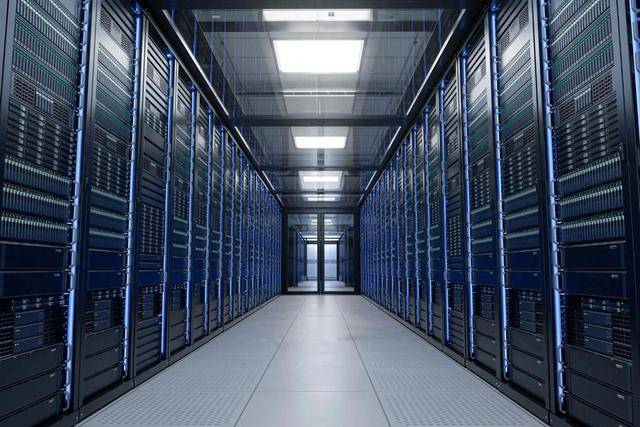
Core Viewpoint - The global rush to invest $3 trillion in AI infrastructure raises questions about the necessity and effectiveness of such investments, as highlighted by Zhao Haijun, co-CEO of SMIC, during the company's 2025 annual financial report [1][3]. Investment Trends - Global AI infrastructure investment is projected to exceed $650 billion this year, with cumulative investments potentially surpassing $3 trillion by 2028, which is larger than Germany's GDP in 2025 [3]. - The urgency to invest stems from a fear of falling behind in the AI "second industrial revolution" [3]. Industry Concerns - Major tech companies like Alphabet, Meta, Microsoft, and Amazon are preparing for future competition using resources accumulated over the past decade, indicating a trend of blind expansion driven by collective panic [5]. - The rapid obsolescence of high-performance GPUs, which can cost tens of thousands of dollars, poses a significant economic challenge, as their effective lifespan is much shorter than anticipated [5][7]. Economic Misalignment - The economic lifespan of chips is often only half of their physical lifespan, leading to faster depreciation and longer payback periods for investments in data centers [10]. - This phenomenon of "rapid obsolescence" is becoming a norm in the industry, raising concerns about the sustainability of such investments [8][10]. Planning and Utilization Issues - There is a lack of strategic planning regarding the deployment of data centers, including site selection, chip deployment, energy consumption, and maintenance [12]. - The current investment climate is driven more by hot money, political performance, and industry trends rather than sound planning and rational decision-making [12]. Financial Risks - The largest tech companies have easier access to financing, which allows them to absorb risks that smaller investors cannot, potentially leading to a misalignment of financial burdens [13]. - Questions remain about who will ultimately bear the $3 trillion cost of these investments and whether they will yield the expected revenue growth [13][15]. Call for Rational Investment - Zhao Haijun emphasizes the need for rationality in technology investments, warning against the potential for future investments to become a financial joke if not approached thoughtfully [15][17]. - The industry must consider how much to invest and whether current projects will remain relevant in the future, as the current enthusiasm may lead to a bubble if not managed properly [15][17].
电子周观点:阿里字节模型密集发布,AI算力需求扩容
GOLDEN SUN SECURITIES· 2026-02-14 08:24
Investment Rating - The report maintains a rating of "Buy" for the electronic industry, with a focus on specific stocks such as 香农芯创, 东山精密, 兆易创新, 北方华创, 中微公司, and 胜宏科技 [6][8]. Core Insights - The report highlights the significant advancements in AI models from Alibaba and ByteDance, which are expected to drive a substantial increase in computing power demand, particularly in video generation applications [2][12]. - The NAND market is projected to grow significantly, driven by AI-related data center demands, with a forecasted bit shipment growth rate of approximately 17%-19% for 2026 [3][61]. Summary by Sections Section 1: AI Model Releases and Computing Demand - Alibaba's Qwen-Image-2.0 model integrates image generation and editing, supporting 1K token inputs and 2K resolution, enhancing performance significantly [13][15]. - ByteDance's Seedance 2.0 model, released on February 12, 2026, demonstrates a 3-5 times increase in computing power consumption compared to standard video generation models, indicating a shift towards more computationally intensive applications [19][20]. Section 2: Kioxia's Financial Performance - Kioxia reported a record revenue of 543.6 billion JPY (approximately 3.5 billion USD) for FY25Q3, marking a 21.3% quarter-over-quarter increase, driven by higher average selling prices (ASP) and bit shipments [46][47]. - The company anticipates full-year revenue for FY25 to be between 2.18 trillion JPY and 2.27 trillion JPY, with a focus on increasing the proportion of data center and enterprise SSD shipments [58][61]. Section 3: Semiconductor Industry Trends - The report notes that domestic AI applications are transitioning from "technology development" to "scaled deployment," which is expected to inject strong momentum into the domestic AI computing industry [2][12]. - SMIC's Q4 2025 revenue reached 2.489 billion USD, a 12.8% year-over-year increase, with a focus on expanding production capacity and optimizing business structure [25][31]. Section 4: Related Investment Opportunities - The report identifies several key stocks and sectors for investment, including computing chips, interconnect chips, storage modules, semiconductor equipment, and materials, highlighting companies like 寒武纪, 中微公司, and 香农芯创 [62][63].

周观点:阿里字节模型密集发布,AI算力需求扩容-20260214
GOLDEN SUN SECURITIES· 2026-02-14 08:15
Investment Rating - The report maintains a rating of "Buy" for the electronic industry, with a focus on specific stocks such as 香农芯创, 东山精密, 兆易创新, 北方华创, 中微公司, and 胜宏科技 [6][62]. Core Insights - The release of AI models by Alibaba and ByteDance is expected to significantly increase the demand for computing power, particularly in video generation applications, which are more resource-intensive than text generation [2][12]. - The report highlights that the domestic AI applications are transitioning from "technology development" to "scaled deployment," indicating a robust demand for AI computing resources [2][12]. - Kioxia reported record revenue of 543.6 billion yen (approximately 3.547 billion USD) for FY25Q3, driven by increased average selling prices (ASP) and bit shipments, with expectations for continued growth in the NAND market due to AI-driven demand [3][46][61]. Summary by Sections Section 1: AI Model Releases and Computing Power Demand - Alibaba's Qwen-Image-2.0 model integrates image generation and editing, supporting 1K token input and 2K resolution, enhancing performance significantly [1][13]. - ByteDance's Seedance 2.0 model, released on February 12, 2026, demonstrates a 3-5 times increase in computing power consumption compared to standard video generation models, addressing complex motion and interaction scenarios [2][19][20]. Section 2: Kioxia's Financial Performance - Kioxia's FY25Q3 revenue reached a historical high of 543.6 billion yen, with a quarter-over-quarter growth of 21.3%, attributed to increased ASP and bit shipments [3][46]. - The company anticipates FY25 revenue between 2.18 trillion yen and 2.27 trillion yen, with a focus on data center and enterprise SSD shipments driving profitability [3][61]. Section 3: Related Stocks and Market Opportunities - The report identifies several key stocks in the semiconductor and AI sectors, including companies involved in computing power chips, storage modules, and semiconductor equipment, indicating a broad range of investment opportunities [62][63].
【数智周报】豆包大模型2.0发布;智谱GLM-5已深度适配华为昇腾等国产芯片;Anthropic宣布300亿美元融资,估值达3800亿美元; 欧盟批准谷...
Tai Mei Ti A P P· 2026-02-14 07:49
Group 1 - Elon Musk claims that traditional coding will be obsolete by the end of 2026, as AI will generate binary programs directly, surpassing compiler efficiency [2] - Doubao 2.0 has been released, optimized for large-scale production environments, featuring three models: Pro, Lite, and Mini, with capabilities that compete with GPT 5.2 and Gemini 3 Pro [2] - Zhipu AI's GLM-5 has launched overseas with significant price increases for subscriptions and API calls, marking a notable price adjustment in the domestic large model market [3] Group 2 - DeepSeek is conducting gray testing for a context length of up to 1 million tokens, with its knowledge base updated to May 2025 [4] - MinerU has completed compatibility adaptations for over ten domestic AI chip manufacturers, achieving a 99% accuracy rate in document parsing [5] - Doubao's video generation model Seedance 2.0 has been officially launched, supporting synchronized audio-visual generation and multi-modal controllable outputs [6] Group 3 - Alibaba's Qwen-Image-2.0 has been released, capable of processing long text inputs and high-resolution images, achieving a score of 1029 in AI Arena evaluations [7] - Ant Group has open-sourced its multimodal model Ming-flash-omni 2.0, excelling in various benchmarks and being the first to generate unified audio across different formats [8] - Wall Street is showing strong interest in Chinese AI stocks, with Zhipu and MiniMax experiencing significant stock price increases following positive ratings from JPMorgan [13] Group 4 - ByteDance is reportedly developing its own AI chips and negotiating with Samsung for manufacturing, aiming to produce at least 100,000 chips for AI inference tasks by the end of March [14] - The Shenzhen government has proposed an action plan to strengthen the semiconductor industry by leveraging AI technology in key areas [18] - Meta is investing over $10 billion to build a data center in Indiana, expected to create 300 long-term jobs and support local infrastructure improvements [37] Group 5 - Cisco reported a 10% revenue increase to $15.3 billion, with a notable 21% growth in core networking business revenue, but stock fell 7% due to a lackluster outlook [44] - Alphabet's century bond issuance received nearly ten times the subscription, part of a broader financing strategy totaling around $32 billion [45] - Runway has completed a $315 million Series E funding round, nearly doubling its valuation to approximately $5.3 billion [46]

港股大模型第一股5日狂飙138%,A股IPO有新进展
Xin Lang Cai Jing· 2026-02-14 05:57
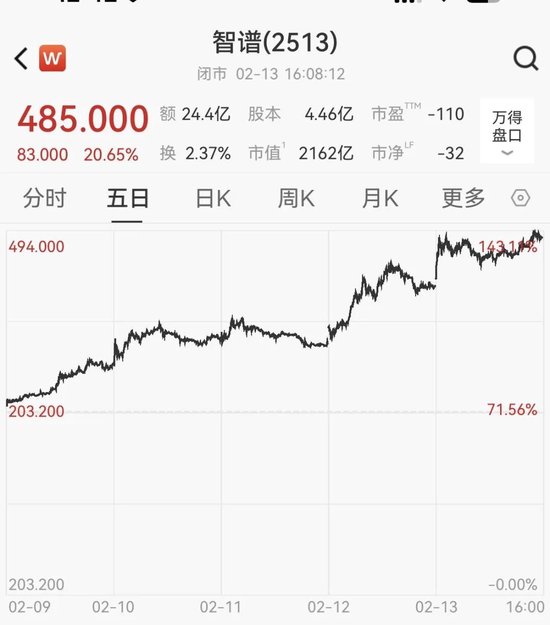
炒股就看金麒麟分析师研报,权威,专业,及时,全面,助您挖掘潜力主题机会! 2月13日,港股"大模型第一股"智谱盘中股价冲击新高,截至当日收盘,5个交易日内股价涨幅超 138.68%。 与此同时,其A股IPO也迎来新进展。证监会官网显示,近日,北京智谱华章科技股份有限公司更新了 《首次公开发行股票并上市辅导备案报告》,新增国泰海通证券为辅导券商。 至此,智谱A股IPO的辅导券商由原来的中金公司变更为国泰海通证券和中金公司两家,上市辅导阵容 再升级。 值得注意的是,随着"大模型双雄""GPU四小龙"等AI科技公司接连走向资本舞台,在AI赛道的IPO服务 上,头部券商的竞争也更加激烈。 受访的业内人士指出,"既要抓住时间窗口'快'上,又要确保申报质量'稳'上",是这类公司的共同需 求。而这也对券商的综合能力提出更高的要求。 国泰海通"加盟"智谱A股IPO辅导 证监会最新披露的信息显示,智谱撤回了其于2025年4月提交的辅导备案,并办理了新的辅导备案登 记。 该备案登记显示,智谱拟首次公开发行股票并在上海证券交易所科创板上市,IPO辅导机构新增国泰海 通证券,由原来的中金公司变更为国泰海通证券和中金公司两家。 值得注 ...
恒生指数下跌1.72% 恒生科技指数下跌0.90%
Xin Hua Cai Jing· 2026-02-14 05:50
Market Overview - The Hong Kong stock market experienced a decline, with the Hang Seng Index falling by 1.72% to 26,567.12 points, the Hang Seng Tech Index down by 0.90% to 5,360.42 points, and the National Enterprises Index decreasing by 1.55% to 9,032.71 points [1] - The Hang Seng Index opened lower at 26,640.16 points, dropped by 392.38 points, and ultimately closed down by 465.42 points, with a total trading volume exceeding 257.5 billion HKD [1] - The southbound trading (Hong Kong Stock Connect) saw a net inflow of over 20.2 billion HKD [1] Sector Performance - Overall, sectors such as chips and department stores saw gains, while new consumption, new energy vehicles, and telecommunications had mixed results. Conversely, sectors like gold, non-ferrous metals, biomedicine, port transportation, technology, oil and gas, brokerage, and banking mostly experienced declines [1] Individual Stock Movements - Notable stock movements included Xiaomi Group increasing by 0.88%, AIA Group decreasing by 4.18%, Zijin Mining falling by 7.64%, Hong Kong Exchanges and Clearing down by 2.13%, and Semiconductor Manufacturing International Corporation rising by 0.79% [1] - Ctrip Group-S dropped by 2.10%, Pop Mart fell by 1.90%, while Tian Shu Zhi Xin surged by 14.59% and Zhi Pu increased by 20.65% [1] - China Construction Bank decreased by 1.49%, China Resources Land fell by 2.52%, and Lao Pu Gold dropped by 3.97%, while Guotai Junan International rose by 4.61% and China Petroleum & Chemical Corporation fell by 4.33% [1] Top Traded Stocks - The top three traded stocks included Tencent Holdings, which fell by 0.65% with a trading volume exceeding 14.2 billion HKD; Alibaba, down by 2.02% with over 10.8 billion HKD in transactions; and Meituan, which decreased by 3.18% with a trading volume of over 8.1 billion HKD [2]


中芯国际、华润微、闻泰科技热度领跑 | 上市企业热度观测日志
Xin Lang Cai Jing· 2026-02-14 05:45
Core Viewpoint - The article highlights the current ranking of listed companies based on market sentiment, with a focus on supply-demand dynamics, pricing strategies, technological advancements, and legal disputes affecting investor sentiment. Group 1: Company Rankings - The top 20 companies in the "Listed Company Heat Ranking" include: SMIC, Huazhu Microelectronics, Wingtech Technology, BOE Technology, Zhaoxin Microelectronics, Aerospace Science and Technology, Huatian Technology, Cambricon, Changdian Technology, Southeast Electronics, Ruilian Technology, Naiko Equipment, Silan Microelectronics, ST Lifan, Northern Huachuang, Jinhong Gas, Zhongwei Semiconductor, Tongfu Microelectronics, Jinchengzi, and Hangyu Microelectronics [1][3][24]. Group 2: Supply-Demand and Pricing Dynamics - SMIC provided detailed responses regarding pricing strategies amid tightening capacity, emphasizing that price adjustments are driven by supply-demand relationships, with increases in prices for memory and BCD products [14][34]. - Huazhu Microelectronics announced a price increase effective February 1 due to rising costs of raw materials and manufacturing, indicating a broader trend of cost transmission in the semiconductor industry [14][34]. Group 3: Technological Advancements and Collaborations - Hangyu Microelectronics developed the Yulong 810 AI chip with a computing power of 12 TOPS, which is now used in the "Zhuhai No. 1" satellite for real-time image recognition [15][35]. - Huazhu Microelectronics received authorization for a patent on "smart power modules," which is expected to benefit applications in electric vehicles and industrial control [16][36]. - Silan Microelectronics secured a utility model patent for power modules, reinforcing its technological capabilities in the power semiconductor sector [17][37]. - BOE Technology applied for a patent related to display panels, further solidifying its technological barriers in the display sector [18][38]. Group 4: Legal Disputes and Governance - Wingtech Technology expressed strong dissatisfaction with a recent court ruling regarding the Nexperia case, which has significant implications for the company's control over core assets [20][40]. Group 5: Stock Price Movements and Market Attention - Naiko Equipment's stock rose by 5.59%, indicating active trading and market speculation regarding its advancements in semiconductor packaging equipment [21][41]. - BOE Technology's stock has declined for six consecutive days, with a cumulative drop of 5.22%, raising concerns about short-term demand in the industry [21][41].