小鹏

Search documents
美利信收盘下跌19.21%,最新市净率1.24,总市值39.42亿元
Jin Rong Jie· 2025-04-07 11:07
Company Overview - Meilixin Technology Co., Ltd. focuses on the research, production, and sales of aluminum alloy precision die-casting parts in the communication and automotive sectors [1] - The company's products in the communication sector include structural components for 4G and 5G communication base stations, while in the automotive sector, it covers traditional and new energy vehicles' engine systems, transmission systems, steering systems, and body systems [1] Financial Performance - For the third quarter of 2024, the company reported a revenue of 2.589 billion yuan, representing a year-on-year increase of 9.63% [1] - The net profit for the same period was -47,934,908.91 yuan, showing a year-on-year decline of 134.16% [1] - The gross profit margin was recorded at 10.87% [1] Market Position - As of April 7, the company's stock closed at 18.72 yuan, down 19.21%, with a latest price-to-book ratio of 1.24 and a total market capitalization of 3.942 billion yuan [1] - The company experienced a net outflow of 3.2788 million yuan in principal funds on April 7, but had a total inflow of 8.0481 million yuan over the past five days [1] Industry Collaboration - The company has established forward-looking collaborations with several new energy vehicle clients, including leading global manufacturers and domestic new energy vehicle startups such as NIO, Xpeng, and Zhiqi [1] - Additionally, it has partnerships with well-known first-tier component suppliers like ZF, Eaton, Aisin, and Schaeffler, and is set to enter the supply chain of new clients such as JAC, Seres, and Eagle Peak Electronics in the first half of 2024 [1] Valuation Metrics - The company's price-to-earnings (P/E) ratio (TTM) is -75.27, while the industry average is 57.89, indicating a significant disparity in valuation [2] - The price-to-earnings (static) ratio stands at 29.02, with a price-to-book ratio of 1.24, compared to the industry median of 53.57 and 2.99 respectively [2]
电力设备行业跟踪周报:多管齐下应对美国对等关税,龙头公司保持优势地位-2025-04-06
Soochow Securities· 2025-04-06 11:05
Investment Rating - The report maintains an "Overweight" investment rating for the power equipment industry [1]. Core Views - The leading companies in the power equipment sector are expected to maintain their competitive advantages despite the challenges posed by U.S. tariffs [1]. - The report highlights significant growth opportunities in the robotics, energy storage, electric vehicle, industrial control, photovoltaic, wind power, and grid sectors, driven by technological advancements and market demand [4][10]. Industry Trends - The power equipment sector has shown varied performance, with electric equipment down 3.51%, lithium batteries down 2.37%, and photovoltaic down 5.75% [4]. - The report notes a strong recovery in electric vehicle sales, with major manufacturers reporting significant year-on-year growth [29]. - The energy storage market is experiencing rapid growth, particularly in the U.S., with a projected CAGR of 40-50% from 2023 to 2025 [9][11]. Company Highlights - Companies such as CATL, BYD, and Sungrow are highlighted as key players with strong growth potential in their respective segments [6][7]. - The report emphasizes the importance of technological innovation and market positioning for companies like Tesla and their impact on the robotics sector [10]. - Specific companies are recommended for investment based on their market leadership and growth prospects, including CATL, BYD, and others in the energy storage and electric vehicle sectors [6][7]. Investment Strategy - The report suggests a bullish outlook on the robotics sector, anticipating a significant increase in production and market penetration [10]. - In the energy storage sector, the report expects continued strong demand in the U.S. and emerging markets, with a focus on leading companies in storage inverters and battery technology [9]. - The electric vehicle market is projected to grow by 25% in 2025, driven by new models and consumer incentives [29].




信测标准(300938):汽车检测经营稳健 关注机器人业务增长点
Xin Lang Cai Jing· 2025-04-01 00:37
Core Viewpoint - The company reported a revenue of 725 million yuan for 2024, reflecting a year-on-year increase of 6.7%, and a net profit attributable to shareholders of 176 million yuan, up 7.7% year-on-year [1] Group 1: Financial Performance - The company's revenue for Q4 2024 was 174 million yuan, showing a year-on-year growth of 3.0%, while the net profit for the same period was 33 million yuan, an increase of 8.7% year-on-year [1] - The non-recurring net profit attributable to shareholders for 2024 was 165 million yuan, representing a year-on-year increase of 10.8% [1] - The gross profit margin for 2024 was 58.0%, a decrease of 1.11 percentage points year-on-year, with specific margins for automotive testing, electronic products testing, and testing equipment at 67.71%, 60.98%, and 39.10% respectively [3] Group 2: Business Segments - Automotive testing revenue reached 306 million yuan, growing 12.4% year-on-year, although the growth rate has slowed compared to previous years [2] - Revenue from electronic and electrical product testing was 171 million yuan, reflecting a steady growth of 9.1% year-on-year [2] - Revenue from testing equipment declined by 5.9% year-on-year to 154 million yuan, attributed to price competition in the manufacturing sector [2] - Daily consumer goods testing revenue increased by 22.2% year-on-year to 50 million yuan, while health and environmental testing revenue grew by 7.0% year-on-year to 45 million yuan [2] Group 3: Future Outlook - The company established a joint venture for robotics technology, aiming to create new growth avenues, with a focus on the development and sales of various types of robots [4] - Revenue projections for 2025-2027 are estimated at 849 million yuan, 971 million yuan, and 1.103 billion yuan, with corresponding year-on-year growth rates of 17.1%, 14.4%, and 13.6% [4] - The forecasted net profit attributable to shareholders for the same period is 208 million yuan, 248 million yuan, and 287 million yuan, with growth rates of 17.9%, 19.4%, and 15.9% respectively [4]
比亚迪21%毛利率背后的变革
雷峰网· 2025-03-28 08:24
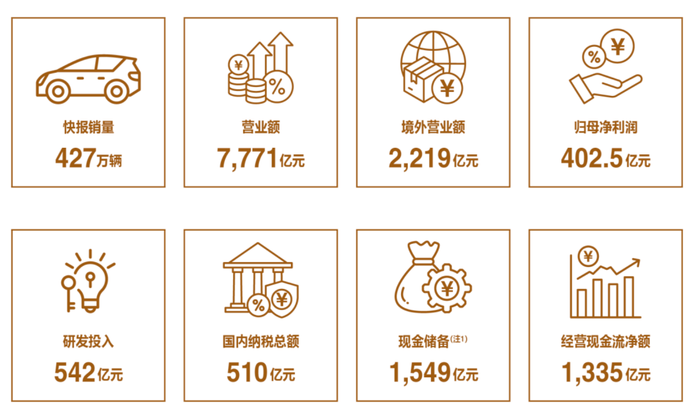
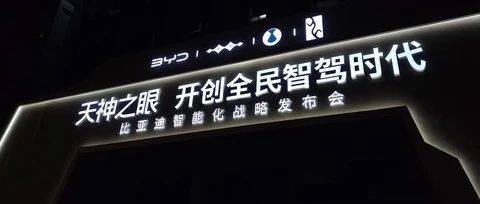
Core Viewpoint - BYD's supply chain cost reduction capabilities have significantly improved, leading to impressive financial results and a competitive edge in the automotive industry [2][4]. Financial Performance - In 2024, BYD reported a revenue of 777.1 billion yuan, a year-on-year increase of 29.02%, and a net profit of 40.25 billion yuan, up 34.00% [2]. - BYD's automotive segment contributed 79.45% of total revenue, with a growth of 27.70% compared to 2023 [2]. - The company achieved a record sales volume of 4.27 million vehicles in 2024, a 41.26% increase year-on-year, and reached the milestone of producing its 10 millionth electric vehicle [2][3]. Supply Chain Transformation - In 2024, BYD undertook a major supply chain overhaul, eliminating intermediaries and allowing direct procurement from suppliers, resulting in lower costs and increased profit margins for suppliers [6][7]. - The new procurement process requires strict approvals, enhancing transparency and reducing corruption risks [8][9]. - BYD's focus on larger suppliers has improved efficiency, while smaller suppliers face challenges in meeting stringent quality demands [7][10]. Management and Workforce Changes - BYD has implemented a younger management structure, with a significant portion of its R&D staff under 30 years old, promoting innovation and efficiency [10]. - The company has promoted engineers to procurement roles, integrating technical expertise into supply chain management [10]. R&D and Technological Advancements - BYD's R&D investment reached approximately 54.2 billion yuan in 2024, a 35.68% increase, surpassing competitors like Tesla and NIO [13]. - The company launched the "Tian Shen Zhi Yan" smart driving project, reflecting its commitment to technological advancement and market competitiveness [15][17]. Market Strategy and Future Outlook - BYD aims to increase its presence in the high-end market while maintaining strong sales in its mainstream brands, with a target of 5.5 million total vehicle sales in 2025 [20][21]. - The company plans to expand its overseas market presence, with a goal of exporting 800,000 vehicles in 2025, a 91.8% increase from 2024 [20][21]. - BYD's strategy includes enhancing its technological capabilities to build a competitive edge in the evolving automotive landscape [17][19].

小米SU7上市一周年!雷军发文感谢,透露YU7中文读音
证券时报· 2025-03-28 08:17
Core Insights - Xiaomi Auto has become a significant new force in China's electric vehicle industry within just one year of its launch [1][4] - The company achieved a remarkable order volume of 88,898 units for the Xiaomi SU7 within 24 hours of its release [1] - Xiaomi's CEO Lei Jun announced a new delivery target of 350,000 units for 2025, reflecting strong growth expectations [6] Group 1 - Xiaomi Auto's cumulative delivery has surpassed 200,000 units, with 136,900 units delivered in 2024, significantly exceeding the first-year delivery volumes of competitors like NIO, Li Auto, and Xpeng [5][6] - The Xiaomi SU7 Ultra has set multiple speed records, including becoming the fastest four-door production car at the Zhejiang International Circuit with a time of 1:32.616 [8][10] - The company reported a total revenue of 365.9 billion yuan for 2024, a 35% year-on-year increase, with adjusted net profit rising by 41.3% to 27.2 billion yuan [6] Group 2 - Xiaomi's innovative business segment, including smart electric vehicles, generated 32.8 billion yuan in revenue for 2024, although it faced an adjusted net loss of 6.2 billion yuan due to investments in self-built factories and core technology development [6] - Analysts predict that Xiaomi Auto's sales will reach 300,000 units in 2025, representing a 122% year-on-year growth, driven by strong marketing and product capabilities [6]


中创新航20250328
2025-03-28 03:14
Summary of Zhongxin Innovation's Conference Call Company Overview - Zhongxin Innovation's current market capitalization is approximately 30 billion RMB, which is lower compared to its peers such as Yiwei Lithium Energy (40 billion RMB) and Funeng Technology (close to 20 billion RMB) [3] - The expected shipment volume for Zhongxin Innovation in 2025 is 110 GWh, surpassing competitors like Guoxuan High-Tech and Funeng Technology, indicating that its market cap may be undervalued [3] Strategic Development and Product Diversification - The company's recent development strategy focuses on strategic transformation and product diversification, initially concentrating on ternary battery technology and later enhancing research on lithium iron phosphate batteries [4] - Zhongxin Innovation has expanded its product offerings to include power batteries for passenger vehicles, commercial vehicles, electric tricycles, and energy storage, aiming to become one of the top three players in the domestic market [4] - The company is also exploring emerging markets such as low-altitude economy and electrified transportation [4] Fast Charging Technology and Customer Structure - Zhongxin Innovation has launched a 5C lithium iron phosphate fast-charging product, currently applied in Xiaopeng models, and has secured orders from major clients including GAC, Leapmotor, Geely, and Volvo [6] - The customer structure has evolved from early reliance on GAC to a more balanced portfolio, indicating significant improvements in product capabilities and breakthroughs in vehicle manufacturing [6] Developments in Large Cylindrical Batteries - In 2024, Zhongxin Innovation introduced large cylindrical batteries and received project orders, such as the Xiaopeng Huitian Vmoto project, with plans to apply this technology to hybrid models to enhance fast-charging performance [7] - The company is also developing next-generation solid-state batteries with energy densities expected to reach 300-400 Wh/kg, which will attract high-margin customers and increase market share [7] Profitability Outlook from 2023 to 2025 - In 2023, the profit per watt was less than one cent, expected to rise to one cent in 2024 with profits around 700 million RMB [8] - For 2025, the production capacity utilization rate is projected to exceed 80%, which will further enhance net profit margins, supported by an increase in the share of energy storage modules and expansion into overseas high-margin customers [8] Long-term Growth Potential - Zhongxin Innovation's long-term growth potential includes improved capacity utilization, optimized product structure with a higher proportion of premium products, and significant room for unit profit improvement [9] - If unit profit reaches two cents, total profits could exceed 2 billion RMB in 2025, with a current valuation of around 15 times earnings, indicating potential for valuation recovery and a chance to catch up with industry leaders [9]
Z Auto|卖一辆亏10万,蔚来还有明天?
Z Finance· 2025-03-27 21:31
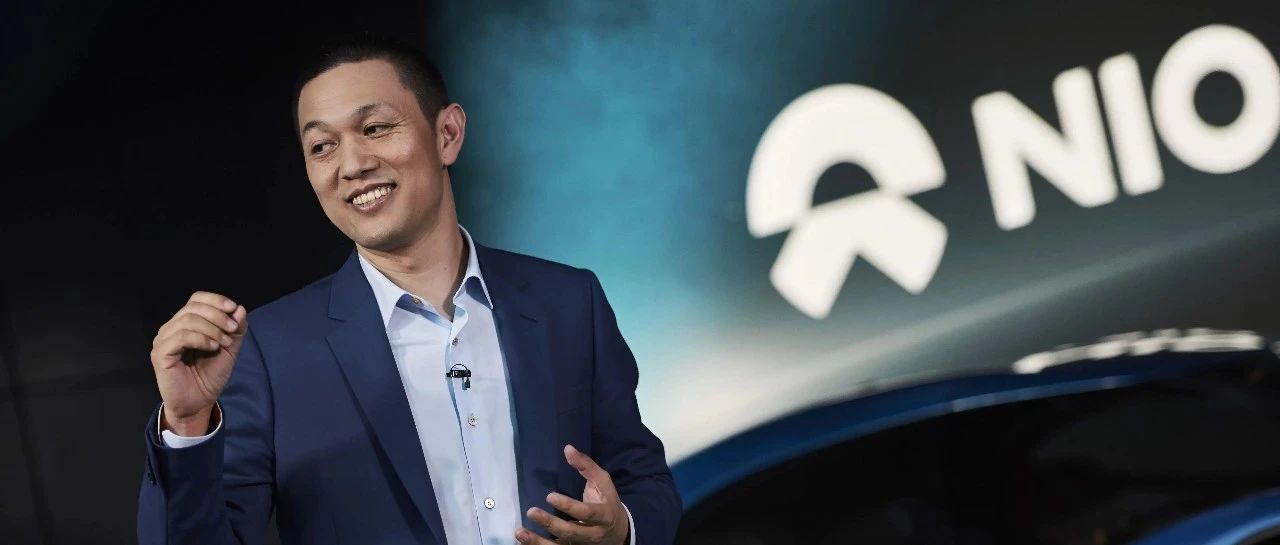
Core Viewpoint - NIO is facing severe financial difficulties despite high sales figures, with a record net loss of 22.4 billion RMB in 2024, leading to a loss of 100,911 RMB per vehicle sold [1][2][3]. Financial Performance - In 2024, NIO's total revenue reached 65.7 billion RMB, an 18% year-on-year increase, with automotive sales contributing 58.2 billion RMB [2]. - The net loss for the fourth quarter of 2024 was 7.1 billion RMB, contributing to an annual net loss of 22.4 billion RMB, resulting in a net loss margin of -34% [2][3]. - Cumulative net losses since NIO's IPO in 2018 have exceeded 100 billion RMB, highlighting the scale of financial challenges compared to industry leader BYD, which reported a net profit of 25.2 billion RMB in the first three quarters of 2024 [2][3]. Vehicle Delivery and Pricing - NIO delivered 220,000 vehicles in 2024, with an average selling price of approximately 262,301 RMB, while the average manufacturing cost per vehicle was 230,000 RMB, leading to a gross profit of 30,000 RMB per vehicle [3][4]. - The average selling price dropped to 240,000 RMB in the fourth quarter, influenced by the introduction of the lower-priced model L60 [3][4]. Cost Structure - R&D expenses per vehicle for NIO were 58,726 RMB, significantly higher than competitors like XPeng and Li Auto, which spent 33,985 RMB and 22,121 RMB respectively [5][6]. - Sales and administrative expenses per vehicle were 70,910 RMB, also exceeding those of competitors, indicating a high cost structure that is not yielding proportional returns [5][6]. Debt and Cash Flow - As of December 31, 2024, NIO had cash reserves of 41.9 billion RMB but faced short-term liabilities totaling 623 billion RMB, indicating a liquidity crisis [7][8]. - The company needs to repay short-term loans of 5.7 billion RMB and trade payables of 34.4 billion RMB within a year, raising concerns about its ability to meet obligations without external financing [7][8]. Strategic Challenges - The launch of the L60 model under the new brand "Lao Dao" has not met sales expectations, with deliveries significantly below targets, raising questions about market demand and brand strategy [10][11]. - NIO's multi-brand strategy has not effectively reduced fixed costs, and the lack of shared resources between brands has led to increased operational expenses [15][16]. - The company is under pressure to reassess its development strategy and improve cost efficiency to avoid further financial deterioration [16].

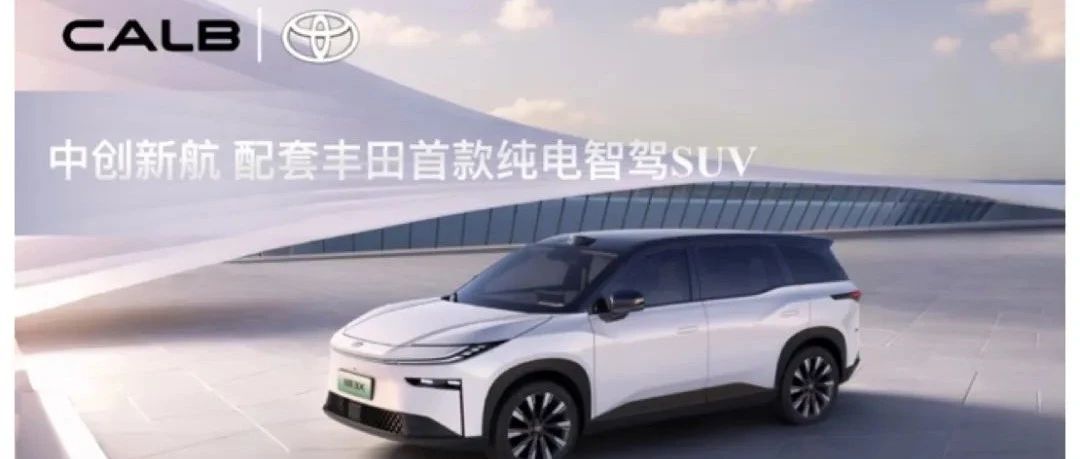
装机铂智3X 中创新航赋能广汽丰田全球电动化转型
高工锂电· 2025-03-27 12:23
Core Viewpoint - Toyota is adapting to the electrification pace in China, launching the GAC Toyota Platinum 3X, its first fully electric SUV, with a high localization rate in its supply chain [2][4]. Group 1: Product Launch and Market Response - The GAC Toyota Platinum 3X received over 10,000 orders within the first hour of its launch, indicating strong market demand [3]. - The vehicle features a supply chain composed of top global and domestic companies, including Qualcomm, NVIDIA, and leading Chinese firms in autonomous driving and lidar technology [3][4]. Group 2: Battery Technology and Partnerships - The Platinum 3X utilizes battery technology from CATL, which is recognized for its scale and cost-effectiveness, crucial for meeting the demands of the Chinese market [4][5]. - CATL has previously collaborated with other Japanese automakers, showcasing its established reputation in battery technology [6]. Group 3: Global Expansion and Market Strategy - CATL's battery shipments are projected to reach 20 GWh in Q1 2025, with a year-on-year increase of nearly 150%, indicating significant growth in both domestic and international markets [7]. - The partnership with GAC Toyota allows CATL to enhance its international brand image and penetrate other global markets, moving beyond merely selling products to deeper brand collaborations [9]. Group 4: Supply Chain Integration and Competitive Advantage - The collaboration between GAC Toyota and CATL is expected to provide both companies with technological and cost advantages, facilitating Toyota's electrification transition [8]. - The integration of global supply chains is becoming increasingly important for companies to enhance their competitive edge in the market [9].
某种意义上,杭州已经是一线城市了
虎嗅APP· 2025-03-27 10:21
Core Viewpoint - The article discusses the rapid rise of Hangzhou as a competitive city, particularly in real estate and economic strength, suggesting it is approaching the status of a first-tier city in China, potentially surpassing Guangzhou in the future [3][5][67]. Real Estate Market - Hangzhou's recent land auction saw the highest floor price in the country at 77,409 yuan/m², with a premium rate of 69.86%, surpassing Guangzhou's previous record [3][4][5]. - The land price in Hangzhou is now 2,000 yuan/m² higher than Guangzhou and only 1,500 yuan/m² lower than Shenzhen, indicating a significant increase in land value [5][6]. - In 2025, Hangzhou had the highest number of land parcels auctioned compared to other major cities, with a total of 16 parcels and the highest average floor price [6][7]. Population Growth - Hangzhou experienced a population increase of approximately 100,000, leading other first-tier cities in net population inflow, particularly attracting talent from Shanghai and Beijing [9][10][12]. - The city is becoming a hub for young talent, with a significant portion of its new residents coming from major cities, indicating a shift in demographic trends [13][17]. Economic Strength - Hangzhou's private economy contributes over 60% of its GDP, with a strong presence of successful enterprises, including a notable number of billionaires [26][43]. - The city has a higher number of national high-tech enterprises compared to Guangzhou, showcasing its strength in innovation and technology [38][41]. - Hangzhou's actual foreign investment reached $6.542 billion in 2024, ranking third nationally, indicating its growing international appeal [39][41]. Comparison with Other Cities - Despite its rapid growth, Hangzhou still lags behind in GDP compared to Guangzhou, with a significant gap of approximately 9 billion yuan, suggesting a long road ahead to surpass Guangzhou [58][65]. - The city faces challenges in soft power metrics such as education and healthcare, with fewer universities and hospitals compared to traditional first-tier cities [63][64]. Future Outlook - Hangzhou is positioned to become a leading city in China, with its economic and demographic trends suggesting it is on the verge of becoming a fourth major city alongside Beijing, Shanghai, and Shenzhen [66][67].
比亚迪如何赚钱? | 电厂
Jie Mian Xin Wen· 2025-03-26 10:21
Core Viewpoint - BYD's profitability is driven by a combination of increased sales volume, cost reduction through scale effects and supply chain integration, and strategic pricing in the competitive automotive market [1][3][10]. Financial Performance - In 2024, BYD achieved a revenue of 777.1 billion yuan, a year-on-year increase of 29%, and a net profit of 40.25 billion yuan, up 34% from the previous year [1][9]. - The automotive business maintained a gross margin of 21.02%, which is higher than competitors like Li Auto (19.8%) and Xpeng (14.3%) [5][6]. Pricing Strategy - The average selling price of BYD vehicles decreased to 144,500 yuan in 2024, down approximately 15,000 yuan from 2023 [3]. - BYD has engaged in aggressive pricing strategies, including launching models at significantly lower prices, which has influenced the entire industry [3][8]. Cost Management - BYD's scale effect allowed it to reduce costs significantly, achieving a global sales volume of 4.27 million vehicles, a 41% increase year-on-year [6][10]. - The company emphasizes vertical integration in its supply chain, producing a majority of critical components in-house, which enhances its bargaining power and reduces costs [7][10]. R&D Investment - BYD's R&D expenditure reached 54.16 billion yuan in 2024, a 36% increase, significantly exceeding its net profit [10][11]. - The company has consistently invested more in R&D than its net profits over the years, with a cumulative investment exceeding 180 billion yuan [10][12]. Product Development and Market Position - BYD has launched several advanced technologies, including the fifth-generation DM and high-level intelligent driving systems, contributing to its competitive edge in electric and smart vehicle markets [12]. - The company aims to enhance its product matrix with new models and improve its pricing power in the high-end segment [8][12]. Future Outlook - BYD's sales target for 2023 is set at 5.5 million vehicles, with a significant focus on expanding its overseas market [13]. - The company anticipates that government policies promoting vehicle upgrades and the integration of artificial intelligence in automotive technology will further boost demand for its products [13].