蜜雪冰城

Search documents
存量博弈 消费破局新十年
Mei Ri Jing Ji Xin Wen· 2025-12-14 12:57
Core Insights - The report emphasizes that the future of economic development will focus on quality improvement and resource optimization rather than mere expansion, highlighting the importance of innovation and long-term vision in navigating the current economic landscape [1] Group 1: Market Trends - The consumption industry is experiencing a clear trend of differentiation under the backdrop of stock competition, with the coffee and tea sectors becoming focal points for capital investment [3] - The domestic tourism industry is thriving, with nearly 5 billion domestic trips recorded in the first three quarters of the year, marking an 18% year-on-year increase [3] Group 2: Capital Dynamics - Foreign brands in the coffee and tea market are shifting from a global expansion model to a localized strategy, with significant investments from local partners, exemplified by Starbucks' collaboration with local capital [4] - The upcoming IPO wave in the new tea beverage sector is expected to enhance the supply chain and digital capabilities of various brands, leading to a pronounced "Matthew Effect" in the industry [5][6] Group 3: Global Expansion - New tea brands are poised for international expansion, leveraging their strong domestic market presence and operational capabilities, with a focus on regional management and product health [7] Group 4: Competitive Landscape - Major platforms like JD and Taobao are engaging in a fierce subsidy battle in the instant retail market, with total subsidies reaching approximately 65 billion to 90 billion yuan in the first half of 2025 [8] - The intense competition in the tea and coffee sectors has led to a paradox where increased orders do not necessarily translate to higher profits, as many brands struggle with low-margin orders [9] Group 5: Industry Evolution - The restaurant chain penetration rate in China has reached 25%, with a significant increase in new stores in lower-tier markets, indicating a shift in consumer demand towards branded and standardized dining experiences [10] - The rise of "small town tourism" reflects a changing consumer preference, with travelers seeking value and emotional resonance rather than just popular destinations [18][20] Group 6: Policy and Consumer Behavior - The cross-border tourism market in China is experiencing a dual prosperity driven by favorable policies and enhanced supply capabilities, with inbound tourism showing a 14.9% year-on-year increase [11][12] - The growth of tax refund stores and payment channels is stimulating outbound shopping, with tax refund sales increasing by 97.5% year-on-year [16] Group 7: New Service Models - The emergence of new service roles like "accompanying tours" reflects a shift in tourism services from functional to emotional, catering to consumers' desire for deeper experiences [24] Group 8: Cultural Integration - The integration of sports events with tourism is creating new consumption scenarios, as seen in the Jiangsu Super League, which has successfully linked sports with local tourism [21][22][23] Conclusion - The Chinese consumption market is navigating a path of quality enhancement and diversified breakthroughs, with the tea and coffee sectors undergoing significant transformations and the tourism industry capitalizing on policy advantages and changing consumer preferences [26]


消费者服务行业周报(20251208-20251212):关注中央经济工作会议“扩内需”相关政策,看好服务消费空间-20251214
Huachuang Securities· 2025-12-14 09:43
Investment Rating - The report maintains a "Recommend" rating for the consumer services industry, highlighting optimism about service consumption potential [1]. Core Viewpoints - The Central Economic Work Conference emphasized the importance of domestic demand and plans to implement measures to boost consumption, including a focus on enhancing the supply of quality goods and services [4]. - The report suggests that service consumption is expected to be a key driver for domestic demand in 2026, with potential growth in holiday policy optimization and consumption voucher issuance [4]. - Key investment targets include hotels, human resources services, duty-free sectors, gaming companies, internet platforms, integrated tea dining, innovative tourism sites, and the sports sector [4]. Industry Basic Data - The consumer services industry comprises 55 listed companies with a total market capitalization of 498.804 billion yuan and a circulating market capitalization of 457.081 billion yuan [1]. Relative Index Performance - The consumer services sector experienced a decline of 0.76% this week, while the overall A-share market rose by 0.27% and the CSI 300 index fell by 0.08% [7]. - The sector's performance over the past month shows a relative underperformance compared to the CSI 300 index [2][7]. Weekly Industry Insights - The report notes that the social services sector's stock performance was mixed, with notable gains in companies like China High-Tech and China Oriental Education, while others like Haidilao and Wanda Hotel Development faced declines [4][19]. - The report also highlights significant announcements from various companies, including share buybacks and management changes [34]. Upcoming Shareholder Meetings - Several companies in the consumer services sector have scheduled shareholder meetings in the coming month, including Long White Mountain and Chongqing Department Store [35].
罗永浩炮轰华与华,「超级符号变成超级笑料」?
Di Yi Cai Jing· 2025-12-14 06:17
无论是"蜜雪冰城甜蜜蜜"还是"怕上火,喝王老吉"——这些大众耳熟能详的广告语、品牌形象背后, 不仅是经营这些品牌的企业,还有许多咨询公司的身影。 这套创意流水线模式为华与华带来了大量订单。头豹研究院的《2024年中国品牌营销咨询行业研 究》显示,近年来,华与华的年业绩增长率保持在10%左右,服务客户续签率为30%~50%,平均 服务单价为500万~600万元。 值得注意的是,华与华的服务客户之一的读客文化公司(301025.SZ)的法定代表人为华楠,公司 主营业务是图书策划与发行,于2021年在深圳创业板上市。企查查显示,华楠持有读客文化约 41.02%的股份,华杉则持股29.58%,二人均为公司实际控制人。 华杉、华楠二人将华与华"超级符号"的策略复刻至读客文化上,致力于打造图书出版"流水线"。通过 统一的封面设计、夸张的腰封文案等方式极大地提升图书识别度,打造出《藏地密码》《半小时漫 画》等现象级畅销书。但随着大众文学图书市场的萎缩,这套流水线式的工业化生产体系正逐渐显露 出它的局限。2023年,公司净利润由盈转亏,今年前三季度,该公司实现营业总收入2.57亿元,同 比减少12.19%;归属于上市公司股东 ...
罗永浩炮轰华与华,“超级符号变成超级笑料”?
第一财经· 2025-12-14 05:41
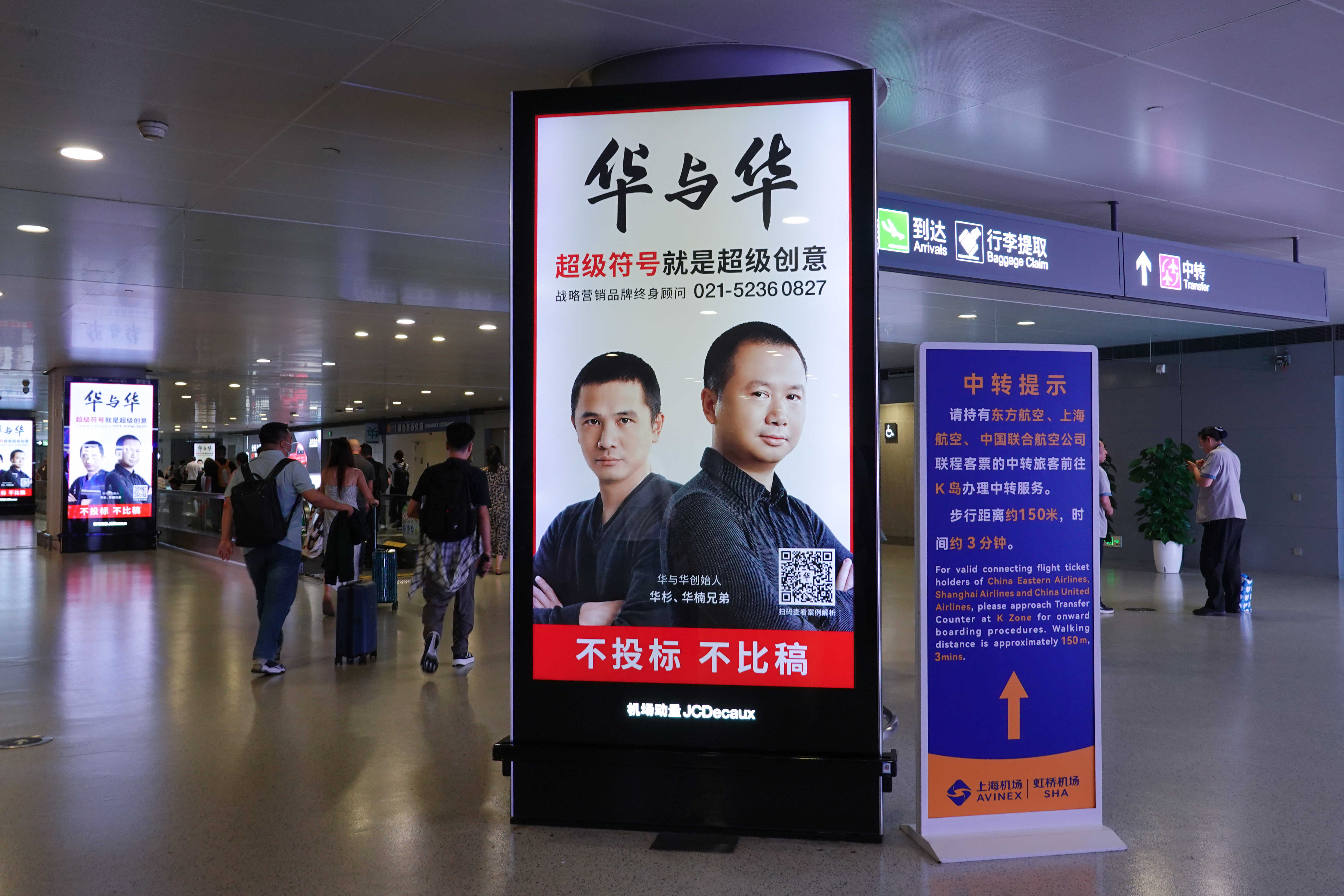
2025.12. 14 本文字数:3091,阅读时长大约5分钟 作者 | 第一财经 揭书宜 张甜甜 钱童心 冯小芯 无论是"蜜雪冰城甜蜜蜜"还是"怕上火,喝王老吉"——这些大众耳熟能详的广告语、品牌形象背后, 不仅是经营这些品牌的企业,还有许多咨询公司的身影。 近日,微博大V罗永浩和华与华创始人华杉引发争论,罗永浩日前在微博称:"回头谈笑间,随手让 超级符号变成超级笑料",这无疑把"中国营销咨询行业最贵服务商"与客户之间的关系暴露在公众视 野中,华与华服务西贝10年收费6000万元等话题让人们产生疑问——华与华的咨询服务真的如此有 用吗?所谓"超级符号"法则是否适用于所有企业? 华与华的"超级符号"法则 华与华官网上展示的营销案例覆盖了食品、餐饮、医药、文旅等众多领域。除了西贝,华与华的客户 还包括海底捞、蜜雪冰城、华莱士、东鹏饮料、绝味鸭脖等众多知名品牌。这家由华杉、华楠兄弟于 2002年创立的营销咨询公司,凭借独特的"超级符号"方法论在市场占有一席之地。 在华与华官网展示的合作客户名单中,餐饮食品企业占据了重要位置。这些连锁加盟型企业需要精细 的标准化管理和具有冲击力的品牌传播。譬如西贝莜面村的"I❤莜" ...
商业秘密|罗永浩VS华与华争论背后 “超级符号”真的有用吗?
Di Yi Cai Jing· 2025-12-14 04:12
无论是"蜜雪冰城甜蜜蜜"还是"怕上火,喝王老吉"——这些大众耳熟能详的广告语、品牌形象背后,不 仅是经营这些品牌的企业,还有许多咨询公司的身影。 近日,微博大V罗永浩和华与华创始人华杉引发争论,罗永浩日前在微博称:"回头谈笑间,随手让超 级符号变成超级笑料",这无疑把"中国营销咨询行业最贵服务商"与客户之间的关系暴露在公众视野 中,华与华服务西贝10年收费6000万元等话题让人们产生疑问——华与华的咨询服务真的如此有用吗? 所谓"超级符号"法则是否适用于所有企业? 华与华的"超级符号"法则 华与华官网上展示的营销案例覆盖了食品、餐饮、医药、文旅等众多领域。除了西贝,华与华的客户还 包括海底捞、蜜雪冰城、华莱士、东鹏饮料、绝味鸭脖等众多知名品牌。这家由华杉、华楠兄弟于2002 年创立的营销咨询公司,凭借独特的"超级符号"方法论在市场占有一席之地。 在华与华官网展示的合作客户名单中,餐饮食品企业占据了重要位置。这些连锁加盟型企业需要精细的 标准化管理和具有冲击力的品牌传播。譬如西贝莜面村的"I莜"形象;蜜雪冰城的雪王形象+"甜蜜蜜"歌 曲;"累了困了喝东鹏特饮"的广告语。 这套创意流水线模式为华与华带来了大量订单 ...
商业秘密|罗永浩VS华与华争论背后,“超级符号”真的有用吗?
Di Yi Cai Jing· 2025-12-14 04:02
Core Insights - The "Super Symbol" marketing strategy by Hua & Hua has shown significant success in the fast-moving consumer goods (FMCG) sector, but it has also faced criticism for its rustic style and homogenized designs [1][5][8] Group 1: Marketing Strategy - Hua & Hua's "Super Symbol" methodology is characterized by its focus on impactful branding and memorable slogans, which have been effectively utilized by clients such as Xibei and Mixue Ice City [5][6] - The company has maintained an annual growth rate of around 10%, with a client renewal rate between 30% and 50%, and an average service fee of 5 to 6 million yuan [6][10] - The marketing approach is particularly suited for chain enterprises that require standardized management and strong brand communication [5][10] Group 2: Client Portfolio and Performance - Hua & Hua has worked with numerous well-known brands across various sectors, including food, beverage, and publishing, with clients like Haidilao and Juewei Duck Neck [5][6] - The company has also applied its strategies to its own publishing venture, Reader Culture, which has seen a decline in profits due to market saturation [6][8] Group 3: Criticism and Limitations - Critics argue that Hua & Hua's marketing style lacks sophistication and is overly simplistic, which may not be suitable for high-end brands [7][8][11] - The "Super Symbol" approach may lead to brand homogenization, as similar visual symbols are used across different brands, potentially diluting brand identity [8][11] - The methodology is deemed more effective for brands targeting price-sensitive consumers or those needing rapid market penetration, rather than for brands requiring complex emotional connections [10][11]
2025年第49周:美妆行业周度市场观察
艾瑞咨询· 2025-12-14 00:04
Group 1 - The beauty industry is focusing on deepening basic research and utilizing Eastern ingredients to define "Eastern beauty," with tea polyphenols being highlighted as a new whitening ingredient [3][4] - The beauty market is witnessing a shift towards cost-saving strategies among young consumers, emphasizing value for money and emotional satisfaction [5] - The apparel industry is adapting to high return rates and expensive online traffic by integrating online and offline channels, with brands like Uniqlo and KEIGAN opening high-end physical stores [6] Group 2 - The beauty sector is preparing for a potential IPO boom in 2025, with a supportive policy environment and a significant number of companies lining up for listings, although only a few have successfully gone public [8][9] - High-end beauty products are experiencing a resurgence, particularly in the Asia-Pacific market, with brands like SK-II and La Mer showing strong performance [10]

2025年第49周:食品饮料行业周度市场观察
艾瑞咨询· 2025-12-13 00:07
Group 1 - The pre-prepared food market is experiencing a paradox of consumer trust issues and capital enthusiasm, driven by urbanization and the demand for convenient dining [3][4]. - The "zero additives" concept is being phased out in favor of "clean label" standards, emphasizing ingredient transparency and natural prioritization [5][6]. - The energy drink industry is undergoing rapid transformation with ingredient innovation and scene segmentation, focusing on health trends and diverse flavors [7][8]. Group 2 - The nut import market in China is projected to reach $2.386 billion in 2024, with a significant increase in demand for high-end varieties like pistachios [10]. - The beverage market is facing a downturn, with sales declining due to the rise of on-demand drink services and aggressive pricing strategies [14][15]. - The convenience food industry in China is shifting towards value creation, with a market size expected to grow from 673.6 billion yuan in 2023 to 960.3 billion yuan by 2026 [18]. Group 3 - The dairy industry is seeing a shift from ambient milk to fresh milk, with companies like Bright Dairy exploring new growth areas in the pet food market [20]. - Wangwang is facing challenges in the milk market, prompting the company to diversify into AD calcium milk to regain market share [21]. - The plant-based food sector is experiencing a downturn, with companies focusing on technological innovation and localization to meet market demands [17]. Group 4 - JD.com is enhancing its pre-prepared food strategy, aiming to strengthen its supply chain and align with the growing demand for ready-to-eat meals [31]. - China Resources Beverage is entering the ready-to-drink coffee market, competing against established brands like Nestlé and Starbucks [32]. - Wanglaoji is diversifying into the functional beverage market by acquiring distribution rights for Red Bull in southern China, aiming for significant sales growth [33].






鸣鸣很忙上市备案已获通过;挪瓦咖啡全球门店破万
Sou Hu Cai Jing· 2025-12-12 12:20
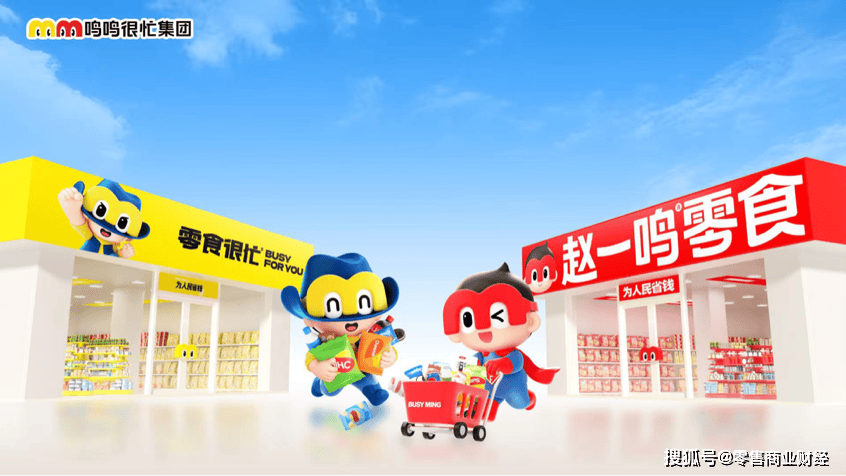
Group 1: Company Developments - Mingming Hen Mang has received approval for its overseas listing, planning to issue up to 76.67 million shares on the Hong Kong Stock Exchange, with 25 shareholders converting approximately 198 million shares for circulation [1] - Costco reported a revenue of $67.31 billion for Q1 of fiscal year 2026, a year-on-year increase of 6.4%, exceeding market expectations [3] - Haidilao is testing its new "Dapaidang" hotpot concept in Guangzhou, with plans to expand to other cities like Qingdao and Shanghai [4] - Zhou Hei Ya has opened its first overseas store in Malaysia, marking a significant step in its global strategy [8] - Mixue Ice Cream has launched its first flagship store in Guangzhou, integrating local cultural elements [10] - Nova Coffee has surpassed 10,000 global stores, expanding rapidly in domestic and overseas markets [10] - Xicha plans to reduce its store count by 680 by 2025, shifting its strategy to exit the competitive "scale involution" in the new tea beverage market [10] - JD.com and Guangdong Province have established the first "Modern Rider Academy" to enhance the skills of delivery personnel [11] - JD.com will invest 22 billion yuan over the next five years to provide 150,000 "Rider Homes" for delivery staff [14] - JD Logistics has launched an "Extreme Cold Protection" service in Heilongjiang to ensure the quality of perishable goods [16] - Yantian Puzhi has announced its "Big Demon Strategy" focusing on health-oriented snack products [18] - Sam's Club is set to open its first store in Jinan by the end of 2026, with construction progressing [19] - Kidswant has submitted its application to the Hong Kong Stock Exchange for listing [20] Group 2: Industry Trends - The Ministry of Commerce is planning to enhance innovation and transformation in the retail sector during the 14th Five-Year Plan, focusing on improving product and service quality [7] - A report indicates that young consumers prefer personalized dining experiences, with a shift towards single-serving meals reflecting individual tastes [18]


港交所最新发声,餐饮上市潮要凉了?
Sou Hu Cai Jing· 2025-12-12 10:54
Core Viewpoint - The Hong Kong Securities and Futures Commission and the Hong Kong Stock Exchange have issued a joint letter addressing the decline in the quality of recent IPO applications and non-compliance issues, highlighting the need for improved standards in the IPO process [1][3]. Group 1: Regulatory Concerns - The letter identifies three main issues: poor quality of listing documents, inadequate responses to regulatory inquiries, and disorganized execution of the IPO process, leading to delays [1]. - The Hong Kong Stock Exchange aims to ensure timely and rigorous review of new listing applications while maintaining high standards and quality [3]. Group 2: IPO Market Trends - The Hong Kong IPO market has seen significant growth, with 100 companies listed from January 1 to December 11, representing a 58.74% year-on-year increase, and total IPO fundraising exceeding 270 billion HKD, a 223.75% increase [3]. - The restaurant sector has been particularly active in this IPO wave, with several brands successfully listing, including Mi Xue Bing Cheng and Gu Ming [4][5]. Group 3: Factors Driving Restaurant IPOs - The urgent need for capital exit has driven many restaurant brands to pursue IPOs, as investors seek to realize returns from previous funding rounds [4]. - Increased competition in the industry has led top brands to seek new growth avenues through IPO financing [5]. - Stricter listing requirements in the A-share market have shifted many restaurant companies' focus towards Hong Kong for their IPOs [5]. Group 4: Implications for Future Listings - The recent regulatory reminders may signal a tightening of IPO standards, potentially impacting the prospects of companies still in the queue for listing [6]. - The current environment suggests that the restaurant IPO wave may be slowing down, as most top-quality companies have already gone public [7]. Group 5: Recommendations for Companies - Companies should focus on building differentiated competitive advantages through product innovation, supply chain efficiency, and brand culture [9]. - There is a need to enhance compliance awareness and improve the quality of information disclosure, ensuring financial data accuracy and sustainable business models [9]. - Companies should optimize their capital structure to reduce reliance on IPO financing, exploring diverse funding channels to maintain operational stability [9].