52TOYS

Search documents
年终盘点|不只是LABUBU!中国潮玩走向全球
Sou Hu Cai Jing· 2025-12-31 19:46
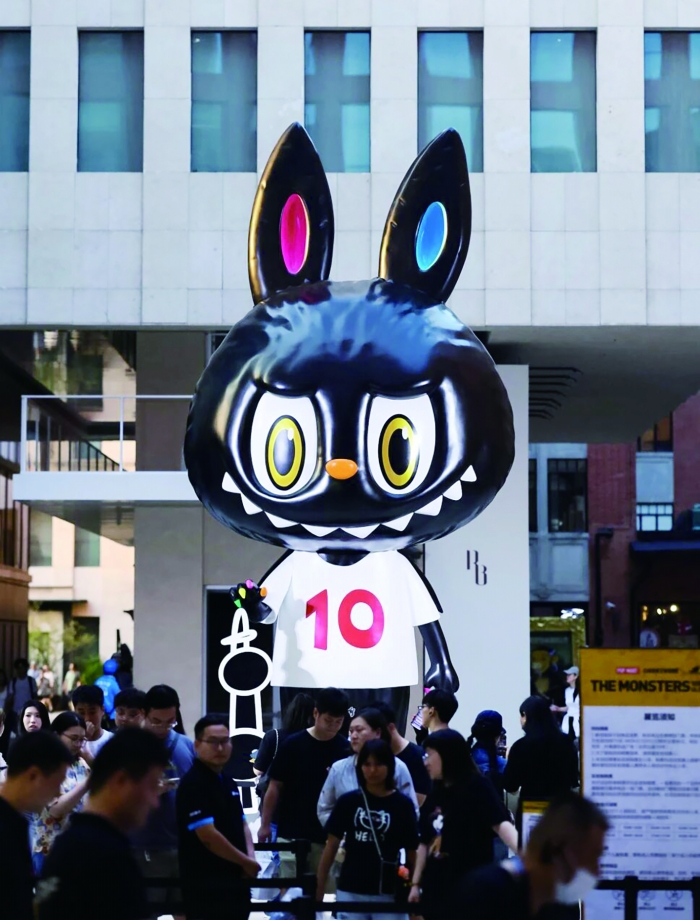
Core Viewpoint - The潮玩 (trendy toy) market is experiencing significant growth, driven by "emotional consumption," with LABUBU's global success marking a pivotal moment in 2025 [2][3]. Group 1: Market Growth and Trends - The潮玩 market in China is projected to grow from 229 billion in 2020 to 763 billion by 2024, with expectations to surpass 1 trillion by 2026 [5]. - In 2025, emotional consumption has become a key trend, leading to a surge in潮玩 popularity, particularly following LABUBU's breakout success [2][3]. - The潮玩 industry has seen a rapid increase in new registrations, with 9,787潮玩-related companies established in 2025, bringing the total to 25,000 [5]. Group 2: Company Performance - Bubble Mart reported a revenue of 138.8 billion in the first half of 2025, a 204.4% increase year-on-year, with an adjusted net profit of 47.1 billion, up 362.8% [3]. - LABUBU's segment, THE MONSTERS, generated 48.1 billion in revenue, achieving a staggering 668% year-on-year growth [3]. - Bubble Mart's international revenue showed remarkable growth, with the Americas experiencing a 1,142.3% increase and Europe seeing a 729.2% rise [8]. Group 3: International Expansion - Bubble Mart participated in the Macy's Thanksgiving Day Parade in New York, becoming the first Chinese brand to feature an original潮玩 IP in the event [6]. - The company has seen long queues at its overseas stores, indicating strong demand for LABUBU products [6]. - Other潮玩 brands like 52TOYS and TOP TOY are also expanding internationally, with TOP TOY planning to open over 1,000 stores in 100 countries within five years [9]. Group 4: Development of Proprietary IP - The success of LABUBU has prompted潮玩 brands to focus on developing proprietary IP, which offers greater brand autonomy compared to licensed IP [10]. - TOP TOY's revenue from proprietary IP remains low, with only 610,000 generated in the first half of 2025, compared to 6.15 billion from licensed IP [10]. - Both 52TOYS and TOP TOY are increasing their investment in proprietary IP, with 52TOYS launching multiple original潮玩 IPs in 2025 [12]. Group 5: Marketing Strategies - The rise of明星营销 (celebrity marketing) has become a significant strategy for潮玩 brands, with various brands collaborating with popular figures to boost visibility and sales [16]. - Brands are recognizing that while celebrity endorsements can drive initial interest, sustained success requires effective brand management and product quality [16].

情绪经济引爆潮玩新赛道 国产IP用“共鸣”打开全球市场
Shang Hai Zheng Quan Bao· 2025-12-29 19:06
Core Insights - The article discusses the rise of the emotional economy in China, with a market size projected to reach 2.3 trillion yuan in 2024 and expected to exceed 4.5 trillion yuan by 2029 [2] - The trend of emotional consumption is reflected in the popularity of trendy toys, particularly those associated with emotional expression, such as Crybaby and LABUBU [3][4] - The toy industry is on the verge of surpassing 100 billion yuan, with companies like Pop Mart experiencing significant revenue growth [4][6] Company Performance - Pop Mart reported a revenue of 13.88 billion yuan for the first half of 2025, a year-on-year increase of 204.4%, and an adjusted net profit of 4.71 billion yuan, up 362.8% [4] - The company aims to achieve a revenue target of 30 billion yuan for the year [4] - Other companies in the sector, such as TOP TOY, are also experiencing rapid growth, with a compound annual growth rate of 67.7% from 2022 to 2024 [6] Market Trends - The global trendy toy market is projected to grow from $20.3 billion in 2020 to $52 billion in 2025, with a compound annual growth rate of 19.8% [6] - The number of registered trendy toy companies in China has surged, with 9,787 new registrations in 2025 alone, surpassing the total for 2024 [6] - The emotional economy is becoming a shared consumer preference among young people globally, influencing the design and marketing of products [8] International Expansion - Pop Mart is actively expanding its presence in international markets, as evidenced by its participation in the Macy's Thanksgiving Day Parade in New York, marking a significant milestone for the brand [10] - The company is focusing on establishing stores in iconic global shopping centers and enhancing product quality and store design to accelerate growth [10] - The emotional connection consumers seek through trendy toys is driving the company's strategy to create a diverse range of consumption scenarios [10]
下一个泡泡玛特始终难产 | 巨潮
Xin Lang Cai Jing· 2025-12-23 04:58
Core Insights - The core of the article emphasizes the unique business model of Pop Mart, which leverages strong IP and a light asset structure to create a highly profitable commercial empire with a gross margin of 70.3% in the first half of the year and a loyal customer base of 59 million contributing over 90% of sales [1][17]. Group 1: Pop Mart's Business Model - Pop Mart's success is attributed to its strong IP and high repurchase rates, with customers making an average of 6.8 purchases per year and a repurchase rate exceeding 50%, significantly higher than luxury brands like LV [1][17]. - The emotional economy plays a crucial role in Pop Mart's rise, paralleling historical trends in Japan and the U.S. where similar consumer behaviors emerged during economic downturns [2][18]. Group 2: Competitors and Market Dynamics - Card Game (卡游) is the largest competitor to Pop Mart, reporting revenue of 10.057 billion and a net profit of 4.466 billion, with a gross margin of 68.2% [3][19]. - Despite its success, Card Game faces challenges due to its heavy reliance on IP licensing, with 73% of its revenue coming from Ultraman-related products, raising concerns about sustainability if licensing fees increase [19][20]. - 52TOYS, another competitor, has a gross margin of 68.2% and is noted for its potential to go public, but it missed critical opportunities in IP development compared to Pop Mart [5][20][22]. Group 3: Market Trends and Emotional Economy - The emotional economy is expanding beyond toys, with significant growth in pet-related products and services, reflecting changing consumer needs as birth rates decline [27][30]. - Companies like pidan and PETKIT are capitalizing on the emotional needs of pet owners, with pidan achieving sales of 830 million and a gross margin of 58% in 2024 [29][30]. - The rise of emotional value as a core competitive advantage is evident across various sectors, indicating a shift in consumer behavior towards products that fulfill emotional needs [26][32].

传拉夫劳伦高管或担任lululemon CEO;山姆在华门店达63家;呷哺呷哺将推出牛排品牌|品牌周报
3 6 Ke· 2025-12-21 12:52
Group 1: Leadership Changes and Strategic Moves - lululemon's current CEO Calvin McDonald will step down at the end of January 2026, prompting the board to initiate a succession process [1] - Elliott Investment Management has acquired over $1 billion in lululemon shares and is actively involved in company governance, suggesting potential strategic changes [1] - Elliott is recommending Jane Nielsen, a seasoned executive from Ralph Lauren, as a potential successor for lululemon's CEO position [1] Group 2: Financial Performance - lululemon reported a 7% year-over-year increase in global net revenue for Q3 2025, reaching $2.6 billion, with a 2% decline in the Americas and a 33% increase in international revenue [1] - In the same earnings call, McDonald highlighted strong performance in mainland China, expecting annual net revenue growth to meet or exceed the upper range of 20% to 25% [2] - lululemon plans to open approximately 46 new stores this year, with 15 in the Americas and a significant number in international markets, primarily in China [2] Group 3: Competitor Insights - Nike reported Q2 2026 revenue of $12.4 billion, with a 3% decrease in inventory compared to the previous year, and $1.423 billion in revenue from the Greater China region [2] - Nike's CEO Elliott Hill emphasized the company's focus on long-term growth and profitability through restructuring and strategic initiatives [3] Group 4: Market Expansion and New Initiatives - Musinsa, a South Korean fashion platform, opened its first store in China, marking a significant step in its global expansion strategy [6] - Sam's Club in China opened its 63rd store, with plans to continue expanding its presence in the market [3][4] - Three major brands, including DESCENTE, are actively engaging in marketing and brand positioning efforts to enhance their market presence [10]
“情绪经济”崛起,上市公司加码布局新消费赛道
证券时报· 2025-12-20 02:51
Core Viewpoint - The article highlights the rapid growth of the "emotional economy" in China, particularly through new consumption trends such as pet services, experiential consumption, and emotional value-driven purchases, indicating a shift in consumer behavior towards valuing emotional experiences over mere material possession [3][4][10][20]. Group 1: Pet Economy - The pet economy is experiencing significant growth, with the market expected to exceed 811.4 billion yuan by 2025 and potentially surpass 1 trillion yuan shortly thereafter, driven by evolving consumer attitudes and diversified demand [7]. - The popularity of pet parks, such as the newly opened Hongshi Pet Park in Beijing, reflects the increasing demand for pet-related services, with daily visits reaching up to 100 pets and 200 visitors on weekends [6]. - The future growth of the pet economy is anticipated to focus on emotional services and high-end comprehensive services that cater to pets' psychological well-being and social needs [7][8]. Group 2: Emotional Consumption - Emotional consumption is on the rise, with various sectors like trendy toys, experiential consumption, and ticket economy gaining traction, indicating a broader trend towards valuing emotional experiences [10][11]. - The market for emotional economy is projected to reach 2.3 trillion yuan by 2024 and exceed 4.5 trillion yuan by 2029, showcasing its potential as a new engine for economic growth [18]. - Companies are increasingly adapting to this trend, with strategies focusing on enhancing consumer experiences and emotional value, as seen in the plans of companies like Juran Zhijia and Chenguang Co. [17][19]. Group 3: Policy and Market Trends - Recent consumer policies emphasize the importance of new consumption models, particularly those that cater to emotional and experiential needs, with a goal to develop multiple trillion-yuan consumption sectors by 2027 [19][20]. - Analysts note that the current policy environment is designed to stimulate new consumption by enhancing supply and creating new consumption scenarios, which aligns with the growing trend of emotional consumption [19].

“情绪经济”崛起 消费新势力驱动产业新格局
Zheng Quan Shi Bao· 2025-12-19 17:31
Core Insights - The pet consumption market is rapidly growing, driven by emotional economy trends and new consumer experiences [1][2][3] - Companies are increasingly focusing on emotional consumption, with many planning to enhance their offerings in this area [8][9] Group 1: Pet Industry Growth - The pet market in China is projected to exceed 811.4 billion yuan by 2025 and is expected to surpass 1 trillion yuan shortly thereafter [3] - The popularity of pet parks, such as the Hongshi Pet Park in Beijing, reflects the expanding pet economy, with daily visits reaching up to 100 pets and 200 visitors on weekends [2] - The demand for pet services is evolving, with a focus on emotional and social needs, indicating a shift in consumer priorities [2][3] Group 2: Emotional Consumption Trends - Emotional consumption is emerging as a significant trend, with various sectors like trendy toys and experiential consumption gaining traction [5][6] - The emotional economy in China is expected to reach 2.3 trillion yuan by 2024 and could exceed 4.5 trillion yuan by 2029 [8] - Companies are adapting to this shift by creating immersive experiences that cater to emotional and psychological needs, moving beyond basic product offerings [8][9] Group 3: Corporate Strategies - Companies like居然智家 are implementing "scene-based" strategies to enhance consumer experiences, focusing on areas such as home office and pet cohabitation [8] - Morning Glory has recognized the shift in consumer preferences towards emotional value and is actively exploring related markets [9] - The recent government policies are aimed at promoting new consumption trends, particularly in areas like pet products and emotional experiences [9]
狂掀涨停潮!A股新概念来了!
天天基金网· 2025-12-18 05:26
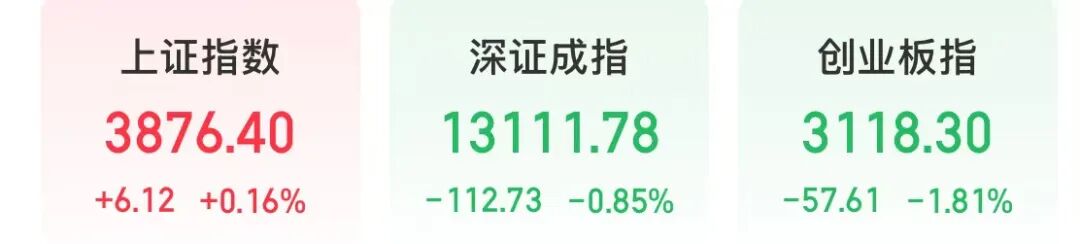
Core Viewpoint - The article introduces the concept of "Reward Economy," which refers to consumers purchasing non-essential goods or experiential services within their financial means to achieve immediate pleasure, self-affirmation, and psychological healing in response to work and life pressures [2] Group 1: Reward Economy - The concept of "Reward Economy" has led to a surge in stock prices for companies like Guangbo Co., Aojiahua, Ruibeika, and Deyi Culture, with several stocks hitting the daily limit [2] - The Shanghai Composite Index rose by 0.16%, while the Shenzhen Component Index and the ChiNext Index fell by 0.85% and 1.81%, respectively, indicating mixed market reactions [2] Group 2: Consumer Sector Performance - The consumer sector saw significant gains, particularly in film and television, IP economy, and beer industries, with these sectors leading in percentage increases [4] - Specific stocks such as Deyi Culture and Guangbo Co. experienced notable price increases of 20.05% and 10.04%, respectively, reflecting strong investor interest [5] Group 3: Film Industry Impact - The release of "Zootopia 2" has generated considerable market attention, with its box office surpassing 3.6 billion yuan, while "Avatar 3" is set to release soon, with pre-sales already exceeding 65 million yuan [6] - Collaborations between various brands and "Zootopia 2" span multiple sectors, including toys, dining, apparel, and jewelry, indicating a broad impact on consumer spending [6] Group 4: Pharmaceutical Sector Activity - The pharmaceutical sector showed active performance, with significant gains in medical commerce, family doctor services, and dental care, highlighted by stocks like Huaren Health and Shuyupingmin [8] - Huaren Health's stock surged by 20% to 21.84 yuan, while Shuyupingmin increased by 11.18% to 16.71 yuan, showcasing strong investor confidence in the sector [9] Group 5: Innovations in Healthcare - Ant Group announced an upgrade to its AI health application, now named "Ant Aifu," focusing on comprehensive health management services [10] - Baidu's "Wenxin Health Steward" was also upgraded, positioning itself as a 24-hour family doctor service, indicating a trend towards AI-driven healthcare solutions [10] Group 6: Trends in Pharmaceutical Industry - The Chinese pharmaceutical industry is experiencing strong innovation and international collaboration, with significant partnerships like the one between Yaoyou Pharmaceutical and Pfizer, valued at over 2 billion USD [11] - Recommendations for investment focus on companies involved in major business development transactions and those with robust R&D pipelines, indicating a shift towards high-quality growth in the sector [11]

多股涨停!A股新概念来了
Zhong Guo Zheng Quan Bao· 2025-12-18 04:36
Group 1: Reward Economy - The concept of "Reward Economy" refers to consumers purchasing non-essential goods or experiential services within their financial means to gain immediate pleasure, self-affirmation, and psychological healing in response to work and life pressures [1] - Stocks related to the Reward Economy, such as Guangbo Co., Aojiahua, Ruibeka, and Deyi Culture, saw significant price increases, with some reaching the daily limit [1] Group 2: Consumer Sector Performance - The consumer sector showed strong performance, particularly in areas like film exhibition, IP economy, and beer, with notable gains [2] - The film "Zootopia 2" has surpassed 3.6 billion yuan in box office revenue, while "Avatar 3" has already generated over 65 million yuan in pre-sales and screenings [3] Group 3: Collaboration and Market Trends - The success of "Zootopia 2" has led to collaborations across various sectors, including toys, dining, apparel, jewelry, and daily necessities, involving brands like Pop Mart and Luckin Coffee [4] - The new consumption investment sentiment is expected to shift from short-term narratives to sustainable business models and profitability, with a focus on health, new practicality, and emotional consumption [4] Group 4: Pharmaceutical Sector Activity - The pharmaceutical sector is experiencing active performance, with significant gains in medical commerce, family doctor services, and dental care [5] - Notable stocks include Shangyu Pimin and Yingte Group, both achieving substantial price increases [6] Group 5: Innovations in Healthcare - Ant Group has upgraded its AI health application to "Ant Aifu," focusing on comprehensive health management for users [7] - Baidu has launched the "Wenxin Health Steward," an AI-driven family health service, enhancing its healthcare offerings [7] Group 6: International Collaboration in Pharmaceuticals - The Chinese pharmaceutical industry is witnessing strong innovation and international collaboration, highlighted by a strategic partnership between Yaoyou Pharmaceutical and Pfizer worth over 2 billion USD [8] - The industry is moving towards internationalization and technological upgrades, with a focus on major business development transactions and companies with robust R&D pipelines [8]
从“可选项”变为“必答题”,多方共探中国企业出海新路径新机遇
Bei Ke Cai Jing· 2025-12-17 04:01
Core Insights - Chinese enterprises are transitioning from traditional product exports to a new phase of globalization that includes technology, branding, and ecological collaboration, making overseas expansion a necessity rather than an option [1] Group 1: New Strategies and Directions - The concept of "super globalization" is emerging as a new direction for Chinese enterprises, with ASEAN identified as an essential market for collaboration [2] - Green globalization is becoming a significant focus, with Chinese companies encouraged to participate in international rule-making and lead in value creation [2] - Upgrading current industries is seen as an unstoppable trend for Chinese enterprises looking to expand into ASEAN and global markets [2] Group 2: Practical Experiences and Challenges - The number of Chinese enterprises going overseas is continuously increasing, making international expansion a critical choice [3] - Companies like Huolala emphasize the importance of technology and compliance as key drivers for long-term stable development, alongside localized operations and building a trustworthy global service network [3] - Traditional industries such as energy, automotive, and agricultural cold chain must prioritize safety and risk control during brand localization efforts [4] Group 3: Sector-Specific Insights - Ctrip has been conducting local user research in various markets for over a decade, aiming to become a global enterprise [5] - The core competitiveness of Chinese mobile game companies lies in product strength, but they have yet to elevate to a brand level, often operating in a fragmented manner without a systematic industry advantage [5] - The IP toy industry is recognized as an emerging sector, facing challenges in exploring new market demands [6]
上市路演中的52TOYS,能否成为潮玩市场的第二极?
3 6 Ke· 2025-12-16 06:12
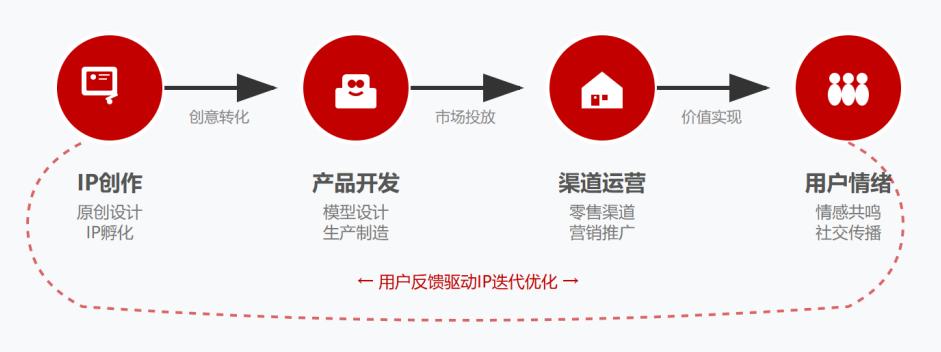
在Labubu引发的全球哄抢潮背后,中国潮玩市场的竞争维度正在发生深刻变化。作为曾经几乎以一己之力打开潮玩市场认知的泡泡玛特,如今正面对新 阶段的挑战。而在它的强光之外,52TOYS这样少有的"非泡泡玛特系"选手,正在用一套截然不同的打法试图在夹缝中突围:它强调IP孵化的原创性、重 仓自有模型体系、构建深度垂直的兴趣社群,与泡泡玛特所擅长的大众化盲盒路径形成鲜明对比。 从我们的研究结论来看,这种"非典型"的潮玩逻辑,并非只是一个小而美公司的另类路径,而可能是潮玩行业在穿越红利期、迈入新阶段中的关键变量。 在潮玩的"内容资产化"逐渐浮现、盲盒经济遭遇信任门槛的当下,52TOYS代表着一种更接近"内容消费基础设施"的尝试,其成败关乎的不只是一个品牌 的突围,更是行业底层逻辑的一次自我更新。 但我们也需承认,潮玩不是一个轻巧的赛道。无论是IP生命周期的不确定性、线下零售模型的高成本,还是"内容+产品"的商业逻辑实现资本价值, 52TOYS所面对的挑战并不亚于泡泡玛特曾经走过的那条路。甚至可以说,它的路径更为艰难,因为它无法复制泡泡玛特那种"盲盒红利+快渠道投放"的 组合拳,只能靠内容深耕和产品耐性,一步步打磨信任。 ...