呷哺呷哺

Search documents
“连锁火锅第一股”呷哺呷哺宣布推行“凤还巢”合伙人计划
Mei Ri Jing Ji Xin Wen· 2025-07-16 06:40
Group 1: Company Initiatives - The company launched the "Feng Huan Chao" partner program aimed at retaining and attracting top talent in the restaurant industry by sharing profits with employees [1] - The program primarily targets frontline staff who contribute significantly to store growth, allowing them to hold shares and bind store profits with the company [1] - The first batch of partners consists of outstanding internal employees from key positions such as operation managers and store managers across the country [1] Group 2: Industry Overview - The hot pot market in China is projected to reach a scale of 650 billion yuan by 2025, with a year-on-year growth of 5.6% expected in 2024 [2] - The number of hot pot stores is anticipated to peak at over 520,000 by November 2024, while the number of related enterprises is expected to decline slightly [2] - Competitors like Haidilao are also adapting by establishing a franchise division, with 13 franchise stores reported by the end of 2024 [2]
年赚23亿,80%由下沉市场买单,火锅界“爱马仕”冲击IPO
3 6 Ke· 2025-07-15 00:07
Core Viewpoint - The company Banu has initiated its IPO process amidst a competitive hot pot market, characterized by high consumer expectations and a focus on premium offerings, despite the trend of cost-conscious consumption among consumers [1][2]. Company Overview - Banu's average customer spending is significantly higher than its competitors, with a projected average of 148 RMB per person by March 2025, which is 45% more than Haidilao [1]. - The company has positioned itself as a high-end brand, often referred to as the "Hermès of hot pot," focusing on product quality rather than competitive pricing [1][2]. Financial Performance - Banu's revenue has shown growth from 14.33 billion RMB in 2022 to a projected 23.07 billion RMB in 2024, but it remains significantly lower than Haidilao's revenue of 427.55 billion RMB in 2024 [4][5]. - The adjusted net profit margins for Banu are 2.9%, 6.8%, and 8.5% from 2022 to 2024, while Haidilao maintains a net profit margin above 10% since 2023 [4]. Market Positioning - Banu has expanded its store count from 83 in 2022 to 145 by March 2025, with a focus on lower-tier cities, where 78.6% of its stores are located [5][12]. - The company has a compound annual growth rate (CAGR) of 26.9% over three years, driven largely by store openings [5]. Customer Experience and Membership - Banu's membership system categorizes customers into different tiers, with "肚神" (Dushen) members receiving special privileges, although there have been complaints about reduced benefits and increased prices [7][9]. - The company has faced challenges with customer satisfaction due to perceived inequities in service for members versus regular customers, leading to negative experiences [9]. Challenges and Strategic Focus - Banu has not yet ventured into the delivery business, relying heavily on in-store dining for 97% of its revenue, contrasting with competitors like Haidilao, which has successfully integrated delivery services [12]. - The company plans to open 40, 50, and 60 new stores in the next three years, indicating a strong focus on physical expansion despite the challenges of maintaining profitability in high-rent areas [12][13]. Supply Chain and Operational Efficiency - Banu operates five central kitchens across various regions, but the utilization rates are below 75%, indicating a need for further expansion to optimize supply chain costs [14]. - The company is under pressure from investors to achieve significant growth and complete its IPO by December 2029, highlighting the urgency of its expansion strategy [13][14].

从高价到平价,海底捞的“焦虑”藏在菜单里
Sou Hu Cai Jing· 2025-07-09 03:43
Core Viewpoint - Haidilao is diversifying its offerings and exploring new business models to adapt to a competitive market, including launching self-service meals and various themed restaurants, while facing growth challenges in a saturated industry [1][2][14]. Group 1: Business Innovations - Haidilao has introduced a 22 yuan self-service lunch in select locations, including a variety of dishes and drinks, as part of its strategy to attract customers during weekdays [1][3]. - The company has experimented with various formats, such as 12 yuan boxed meals, 5 yuan breakfast options, and street food stalls selling items like "boiled chicken" and "German wheat beer" [3][6]. - In 2024, Haidilao launched themed restaurants, including private rooms, family-friendly venues, and late-night dining spots, aiming to enhance customer experience and engagement [6][7]. Group 2: Strategic Plans - The "Pomegranate Plan" aims to create new sub-brands and diversify Haidilao's offerings, with over ten new brands in development, including barbecue and hot pot concepts [7][8]. - The company is focusing on improving operational efficiency by decentralizing decision-making to individual stores, allowing them to adapt to local market conditions [7][8]. - Haidilao's management emphasizes the importance of both major innovations in business models and minor improvements in daily operations and service [8]. Group 3: Market Performance - In 2024, Haidilao served 4.14 billion customers, a significant increase from 2.43 billion in 2019, but revenue growth has slowed to 3.1%, with net profit growth narrowing to 4.6% [11][14]. - The average customer spending has decreased to 97.5 yuan, continuing a downward trend since 2023 when it first fell below 100 yuan [11][14]. - Compared to competitors like Xiaobai and Taier, Haidilao's performance remains relatively strong, although the overall restaurant industry is under pressure, with significant profit declines reported [13][14]. Group 4: Future Outlook - Haidilao plans to continue focusing on stabilizing its main brand while exploring new market opportunities, particularly in lower-tier cities, despite the associated risks [11][14]. - The company is expected to maintain a cautious approach to expansion, having opened 59 new self-operated stores while closing 70 underperforming ones in 2024 [14].


中国餐饮“出海”迈入新阶段
Zheng Quan Ri Bao· 2025-07-08 15:46
Core Insights - Chinese dining brands are rapidly expanding globally, transitioning from individual store trials to systematic and large-scale international operations, driven by domestic market competition and policy support [1][3][4] - The "going global" trend is not merely about store expansion but involves deep localization of supply chains and cultural integration [1][4] Industry Overview - The overseas Chinese community has historically contributed to the spread of Chinese cuisine, with brands like Quanjude and Donglaishun leading the way post-reform [2] - The hot pot segment is a pioneer in this expansion, with Haidilao operating over 120 international locations, while other brands focus on Southeast Asia with differentiated offerings [2] - The new tea beverage sector is emerging as a significant player, with Mixue Ice Cream and Tea opening over 5,000 stores across 12 countries since 2018 [2] Market Dynamics - The domestic restaurant market is experiencing intense competition, with 1.347 million new registrations and 1.056 million closures in the first half of 2024, indicating a saturated environment [3] - Policy support, including the "Belt and Road" initiative, is facilitating the internationalization of Chinese dining brands [3] Global Demand - The overseas market for Chinese cuisine is expanding, driven by a growing Chinese diaspora and a global trend towards culinary experience [4] - The demand for Chinese dining is supported by local supply chain innovations, such as the "central kitchen + local procurement" model [4] Challenges - Cultural differences, supply chain construction, and regulatory barriers remain significant challenges for Chinese dining brands venturing abroad [4][5] - Localizing flavors while maintaining core brand identity is crucial for success in foreign markets [5][6] Supply Chain Issues - The complexity of international supply chains poses challenges, with many brands relying on domestic sourcing for core ingredients while facing local procurement difficulties [6][7] - Regulatory compliance varies by country, complicating the entry process for Chinese dining brands [7] Strategic Recommendations - Building a robust supply chain and understanding local regulations are essential for successful international expansion [8][9] - Collaboration across the entire industry chain is necessary to achieve economies of scale and ensure consistent quality [9][10] Innovation and Adaptation - New tea brands are exploring innovative supply chain solutions, such as local partnerships and self-developed products, to address supply challenges [10] - Digital platforms are enhancing the international presence of Chinese dining brands, with initiatives like Meituan's global restaurant guide [10][11] Cultural Integration - Successful internationalization requires a deep understanding of local cultures and consumer preferences, transforming dining experiences into cultural exchanges [11][12] - The evolution from "water and soil incompatibility" to "local coexistence" reflects the ongoing adaptation of Chinese dining brands in global markets [12]


【IPO前哨】巴奴赴港上市,能否超越海底捞与呷哺呷哺?
Sou Hu Cai Jing· 2025-07-08 11:52
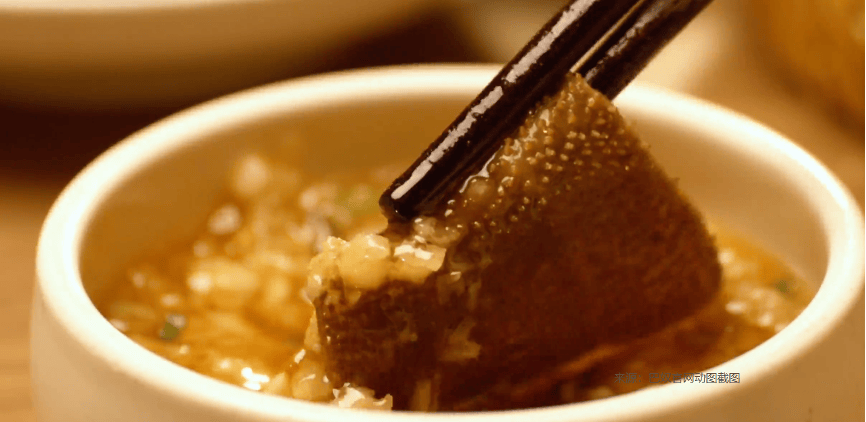
Core Viewpoint - Banu, a hotpot chain originating from Henan, has submitted an application for listing on the Hong Kong Stock Exchange to raise funds for expanding its restaurant network, enhancing digital operations, brand building, and optimizing its supply chain [2] Group 1: Company Overview - Banu was founded in 2001 in Anyang, Henan, and has expanded to 145 self-operated restaurants across 39 cities in China, with a focus on quality hotpot featuring "beef tripe + mushroom soup" as its signature dish [2] - The average consumer spending at Banu is over 120 RMB, positioning it as a premium hotpot brand compared to competitors [2] Group 2: Competitor Analysis - Haidilao, a leading hotpot chain, targets a broader audience with an average spending of 90-100 RMB and emphasizes service quality, operating 1,355 restaurants in Greater China by the end of 2024 [3][4] - Xiaobuxiang focuses on high cost-performance with an average spending of around 50 RMB, operating 757 restaurants in mainland China and 3 overseas by the end of 2024 [3][4] Group 3: Financial Performance - In 2024, Banu reported an annual revenue of 2.307 billion RMB, a year-on-year increase of 9.27%, with a pre-tax profit of 166 million RMB, reflecting an 18.18% growth [5] - Haidilao's revenue reached 42.755 billion RMB in 2024, 18.5 times that of Banu, with a pre-tax profit margin of 15.49% [6] - Xiaobuxiang faced operational challenges, with a net loss of 401 million RMB in 2024, worsening from a loss of 199 million RMB the previous year [6] Group 4: Cost Structure and Profitability - Banu's cost of materials and consumables accounted for 32.11% of its revenue in 2024, lower than Haidilao's 37.92% [8] - Banu's advertising and promotion expenses represented 4.37% of its revenue, while Haidilao relies more on brand recognition and word-of-mouth, resulting in lower advertising costs [8] Group 5: Market Positioning and Future Outlook - Banu's strategy focuses on quality and brand recognition, while Haidilao leverages scale and service excellence [9] - The success of Banu's upcoming IPO will depend on its ability to balance brand investment with scale expansion and cost optimization, as well as market confidence in its sustainable "productism" approach [9]
字节海外员工食物中毒 云海肴CEO当庭认罪丨消费参考
2 1 Shi Ji Jing Ji Bao Dao· 2025-07-03 23:41
Group 1: Company Overview - ByteDance's overseas employee food poisoning incident has seen new developments, with the CEO of Yunhaiyao admitting legal responsibility for the 2024 incident involving contaminated food served to employees in Singapore [1] - The CEO acknowledged two charges related to public health and food sales laws, with evidence showing a significant contamination level of Staphylococcus aureus in the food served [1] Group 2: Industry Impact - The food poisoning incident may directly impact Yunhaiyao's brand reputation amidst increasing competition in the restaurant industry [2] - The restaurant sector is experiencing intensified competition, with most categories showing a decline in store efficiency compared to 2023, leading to a rise in store closures to 4.09 million, with a closure rate of 61.2% [3] - Major restaurant brands are facing price wars, resulting in declining average spending per customer, which has further exacerbated losses for companies like Xiaobuxiang [4] - The case of Yunhaiyao illustrates the risks of expanding into overseas markets without adequate preparation, as it can severely damage a company's fundamentals [6]
40万家火锅店厮杀!6.9%店卖30元,8.6%飙150元,隐藏着啥变局?
Sou Hu Cai Jing· 2025-07-03 01:32
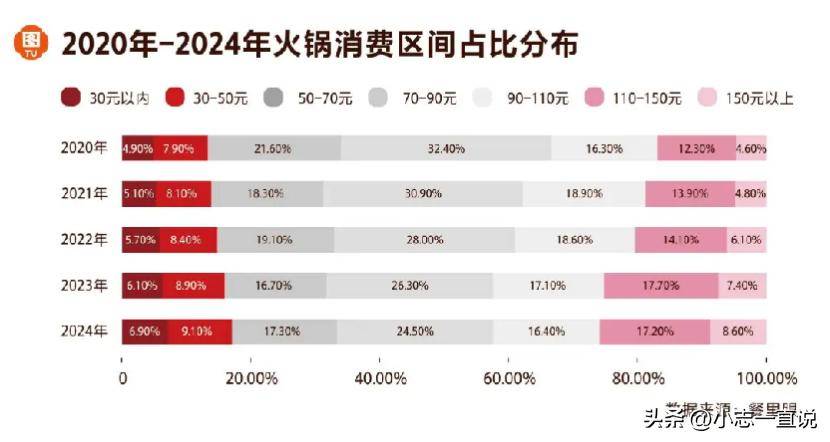
Core Insights - The Chinese hot pot industry has transformed significantly over the past 30 years, evolving from a street food to a "trillion-yuan track," with the market size exceeding 610 billion yuan in 2024, accounting for 18.3% of the total catering industry [1] - The high-end hot pot market faces a trust crisis, highlighted by controversies surrounding ingredient quality and pricing strategies, as seen with brands like Ba Nu [3] - A new high-end model is emerging, exemplified by "Shan Huan Huan," which focuses on immersive dining experiences and rare ingredients, achieving an average customer spend of 150 yuan [5] High-End Market Dynamics - The high-end hot pot sector is experiencing a trust crisis, with public skepticism regarding ingredient quality and pricing strategies [3] - The average customer spend in high-end hot pot establishments has been impacted by controversies, leading to a need for brands to rebuild consumer trust [3][5] Emerging Trends - The proportion of hot pot restaurants with an average customer spend exceeding 150 yuan has reached 8.6% in 2024, a 5.3 percentage point increase since 2019, with 90s consumers contributing 62% of the transaction volume [5] - The competition in the hot pot industry has expanded beyond traditional dining, with a 40% year-on-year growth in home hot pot delivery and a 17% penetration rate of cross-industry formats like "hot pot KTV" and "hot pot escape rooms" in first-tier cities [5] Market Structure Changes - The total number of hot pot restaurants in China is approximately 400,000 in 2024, a 12% decrease from 2020, while the market concentration of the top 50 brands has increased from 18% to 29% [5] - The shift in focus from taste to service and now to supply chain efficiency indicates a significant evolution in the industry [5] Price Competition in Lower-Tier Markets - The lower-tier market is experiencing intense price competition, with small hot pot categories growing at 33.6% in 2024, significantly outpacing the overall hot pot industry's growth of 3.7% [9] - Brands like "Wei La Xiao Huo Guo" have expanded rapidly in lower-tier cities, achieving an average customer spend of 24 yuan and growing to 800 locations in three years [9] Challenges in the Industry - The intense price competition has led to a significant increase in the number of hot pot tables being recycled, with a 140% year-on-year rise in 2024, indicating a high failure rate among new establishments [9] - The average customer spend for 6.9% of hot pot restaurants has fallen below 30 yuan, reflecting the pressures of low-price competition [9] Brand Case Studies - "Xiao Long Kan" experienced explosive growth from 12 to 1,100 locations between 2016 and 2018, but faced severe backlash due to food safety issues, leading to a significant decline in brand reputation [13][15] - "Hai Di Lao" has expanded to over 1,400 locations globally by 2024, but its average daily customer traffic has decreased by 18% from peak levels, raising concerns about sustainability [19][21] - "Xia Bo Xia Bo" faced a dramatic decline in stock price from 27.8 HKD in 2018 to 0.86 HKD in 2024, illustrating the pitfalls of blind expansion and failed diversification strategies [23][24]
“月薪5000元以下不要吃”的火锅,也去上市了
阿尔法工场研究院· 2025-07-01 11:34
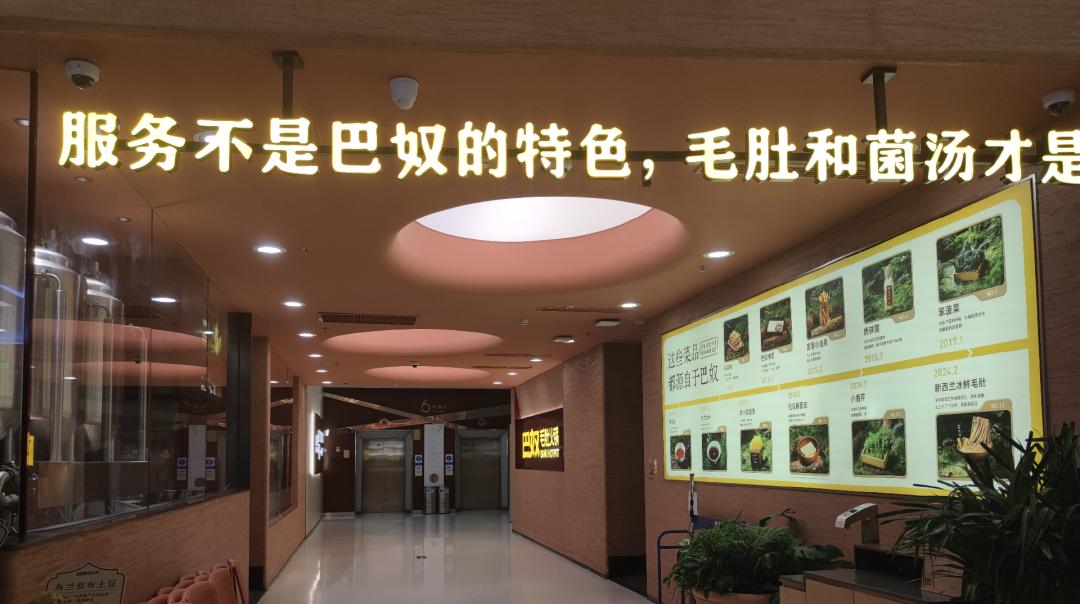
Core Viewpoint - Banu International Holdings Limited, known for its high-quality hotpot, is preparing for an IPO to raise funds for store expansion, brand building, and supply chain optimization, despite facing controversies and operational challenges [2][10]. Group 1: Company Overview - Banu was founded in 2001 in Anyang, Henan, and positions itself as a premium hotpot brand with a focus on "productism" rather than "serviceism" [2][10]. - The average customer spending at Banu is projected to be 142 yuan in 2024, which is 45% higher than Haidilao's 97.5 yuan [10][11]. - Banu's revenue is approximately 2 billion yuan, significantly lower than Haidilao's over 40 billion yuan, with net profit being only 1/40th of Haidilao's [10][11]. Group 2: IPO and Fund Utilization - Banu plans to use part of the IPO proceeds for store expansion and the construction of new central kitchens, including a 10,000 square meter kitchen in Jiangsu and a 7,000 square meter kitchen in Dongguan [3][5]. - The company aims to build satellite warehouses in several provinces, with each warehouse requiring an investment of approximately 4 to 5 million yuan [5][10]. Group 3: Operational Challenges - Banu's central kitchen capacity utilization varies significantly, with the utilization rates in 2024 being 59.9% for Central China, 22% for North China, and 28.2% for South China, compared to Haidilao's over 80% [8][7]. - The company has faced issues with store expansion, opening only 3 new stores in Q1 2025, falling short of its target of 40 new stores for that year [7][10]. Group 4: Controversies and Brand Image - Banu has been involved in several controversies, including the "18 yuan for 5 slices of potato" incident and allegations of food safety issues, which have negatively impacted its brand image [11][12]. - The founder, Du Zhongbing, has made controversial statements regarding the target customer base, which have drawn criticism and may affect consumer perception [10][12]. Group 5: Capital Structure and Investor Relations - The company has undergone five rounds of financing before the IPO, with a concentrated voting power structure controlled by Du Zhongbing and his wife [14]. - There are concerns regarding capital pressure, as investors have the right to demand a buyback of shares if Banu does not complete its IPO by December 1, 2029 [14].
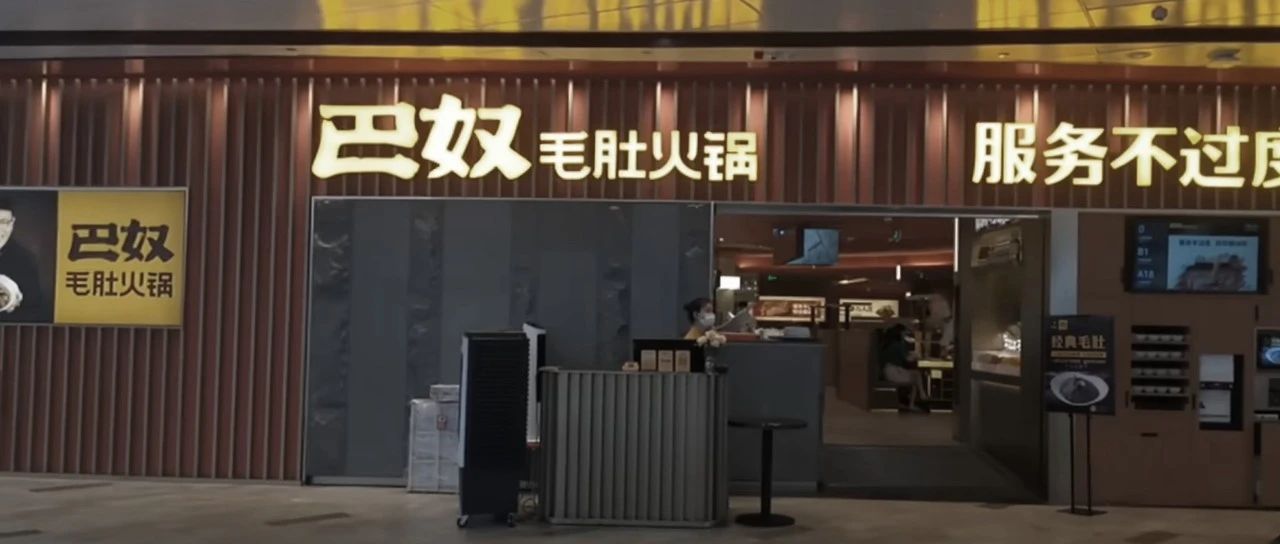
巴奴赴港IPO 品质火锅模式能否持续复制?
Zhong Guo Jing Ying Bao· 2025-06-30 14:27
Core Viewpoint - Banu International Holdings Limited is preparing for an IPO in Hong Kong, emphasizing its quality hot pot offerings and aiming to address funding needs for expansion and enhance brand reputation [1][2]. Financial Performance - Banu reported revenues of 2.307 billion yuan and a net profit of 123 million yuan for the year ending 2024, with a total of 145 stores currently in operation [1]. - Revenue figures from 2022 to 2024 were 1.433 billion yuan, 2.112 billion yuan, and 2.307 billion yuan respectively, with net profits of -5.19 million yuan, 102 million yuan, and 123 million yuan [1]. - In Q1 2025, Banu achieved a revenue of 709 million yuan and a net profit of 55 million yuan [1]. Expansion Plans - Banu plans to open approximately 40, 50, and 60 new stores in 2025, 2026, and 2027 respectively, aiming to double its current store count [2]. - The company has seen a 74.7% increase in store count since the end of 2021 [2]. Competitive Positioning - Banu differentiates itself from competitors like Haidilao by focusing on product quality rather than service, establishing a regional brand advantage after deepening its presence in Henan [3]. - The average customer spending at Banu from 2022 to Q1 2025 was 1,470 yuan, 1,500 yuan, 1,420 yuan, and 1,380 yuan respectively, indicating a higher price point compared to competitors [3][4]. Market Challenges - Banu faces challenges in expanding into lower-tier cities where competition is fierce and local brands are strong [4]. - The company has encountered negative publicity, including controversial statements from its founder and pricing issues related to its products [4]. Future Strategies - Banu aims to replicate its successful business model, enhance product innovation, improve supply chain efficiency, and strengthen brand influence [4]. - Industry analysts suggest that Banu should consider developing sub-brands to enter more price-sensitive markets, such as community hot pots, to capture a larger customer base [4].
中国“吃货”,又捧出一个明星IPO
投中网· 2025-06-28 03:40
Core Viewpoint - The article discusses the upcoming IPO of Banu International Holdings Limited, the parent company of Banu Hotpot, highlighting its unique positioning in the competitive hotpot industry and its high-end market strategy. Company Overview - Banu Hotpot originated from a small shop in Anyang, Henan, and has expanded nationally after 11 years of establishment, emphasizing high-quality offerings with an average spending of 142 yuan per customer, positioning itself as the "Hermès of hotpot" [3][14]. - The company has maintained a low level of external investment, with only Tomato Capital holding a 7.95% stake prior to the IPO [4][17]. Financial Performance - Banu's revenue for 2022 to 2024 is projected to be 14.33 billion yuan, 21.12 billion yuan, and 23.07 billion yuan respectively, with net profits turning positive in 2023 [14]. - The average customer spending in first-tier cities was significantly higher than competitors, with figures of 183 yuan, 179 yuan, and 165 yuan over the same period [14]. - The company has seen a substantial increase in customer volume, from 9.847 million in 2022 to 16.827 million in 2024 [14]. Market Position - Banu has achieved a 3.1% market share, making it the largest quality hotpot brand in China, and the third-largest overall behind Haidilao and Xiaobuxiang [15]. - The hotpot industry is highly competitive, with the top five brands holding only 8.1% of the market share, leading to increased pressure on brands to maintain pricing and quality [23]. Expansion Plans - Banu plans to use 65% of the funds raised from the IPO (approximately 2.5 billion HKD) for store expansion, with plans to open 52, 61, and 64 new restaurants from 2026 to 2028 [26][28]. - The company has a clear strategy to balance high-end pricing with scalability, as the average hotpot spending in China has decreased to 77.4 yuan, down 8.1% year-on-year [24][25]. Recent Developments - Banu's founder made headlines earlier this year with controversial remarks about high salaries and dining choices, which have impacted the brand's image [7]. - Prior to the IPO, Banu distributed dividends of 70 million yuan to shareholders, indicating a strong financial position [29].