百威亚太

Search documents
“沸腾”!刚刚,涨停潮来了!
中国基金报· 2025-07-17 03:08
Core Viewpoint - The pharmaceutical sector is experiencing a significant surge, with multiple stocks hitting the daily limit up, indicating strong market interest and potential investment opportunities [8][9][11]. Market Performance - On July 17, the A-share market opened slightly lower but then rallied, with all three major indices showing positive performance. The Shanghai Composite Index rose by 0.07%, the Shenzhen Component Index increased by 0.81%, and the ChiNext Index gained 0.99% [2][3][4]. Sector Highlights - The pharmaceutical sector, particularly CRO (Contract Research Organization) stocks, saw substantial gains, with companies like Weikang Pharmaceutical and Chengdu Xian Dao hitting the daily limit up of 20% [9][10]. - Other notable stocks in the pharmaceutical sector included Fudan Zhangjiang and Kangfang Biotech, which also showed significant price increases in the Hong Kong market [11][12]. Policy Impact - The National Healthcare Security Administration recently announced the initiation of the 11th batch of centralized drug procurement, focusing on mature "old drugs" while excluding innovative drugs from this round of procurement. This policy is expected to impact the market dynamics for pharmaceutical companies [13]. Robotics Sector Activity - The humanoid robotics sector is also active, with companies like Nanjing Julong and Dongshan Precision hitting the daily limit up, reflecting strong investor interest in this emerging technology [14][15][17]. - A notable mention is the stock of Aowei New Materials, which achieved a seven-day consecutive limit up, driven by news related to the acquisition by Zhiyuan Robotics [17].


上架好丽友沪溪河等引争议,山姆变成普通超市?沃尔玛回应
Nan Fang Du Shi Bao· 2025-07-15 10:34
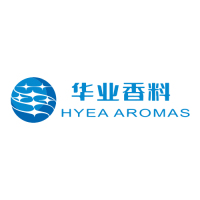
Core Viewpoint - Sam's Club has faced backlash from members for introducing products from brands like Holley, Panpan, and Xu Fu Ji, which are perceived as available in regular supermarkets, raising questions about the value of membership [1][15][19] Product Selection and Member Feedback - Recent product introductions at Sam's Club include Holley, Panpan, and Xu Fu Ji, which have led to member complaints about the lack of unique offerings [1][5][19] - Members have expressed dissatisfaction with the removal of high-repurchase-rate products in favor of items that can be found in regular supermarkets [1][19] - Walmart has acknowledged the discussions on social media regarding product selection and is considering member feedback in future strategies [14][15] Brand and Product Specifics - Products from Holley and Panpan are being sold at Sam's Club without prominent branding on packaging, leading to confusion among consumers [5][9][19] - A specific example includes Panpan's "French-style small puff" which is marketed with French text but is actually a Panpan product [2] - Sam's Club's pricing strategy includes items like a box of nuts from Hu Xi He priced at 48.9 yuan and a low-sugar Holley cake at 49.9 yuan, both marketed as "Sam's exclusive" [5][7] Market Positioning and Strategy - Experts suggest that Sam's Club must maintain a unique value proposition that cannot be easily replicated by regular supermarkets to justify its membership model [18][19] - The introduction of customized products for Sam's Club by brands like Holley and Xu Fu Ji indicates a shift towards more tailored offerings, although consumer perception remains critical [15][19] - Analysts emphasize the need for Sam's Club to differentiate its product offerings to meet the evolving demands of its target demographic, particularly middle-class consumers [18][19]


拓荒者侯孝海
21世纪经济报道· 2025-07-15 04:43
Core Viewpoint - The Chinese beer industry has undergone significant changes and competition, with local companies increasingly challenging international giants, particularly through innovative branding and marketing strategies [2][5][46]. Group 1: Industry Overview - The beer industry in China is one of the most market-oriented sectors since the country's entry into the WTO, characterized by intense competition and aggressive marketing strategies [1][2]. - The industry has seen a shift towards high-end products, with local brands like China Resources Snow Beer (CR Snow) and Yanjing Beer rapidly closing the gap with international competitors [6][34]. Group 2: Leadership and Management - Hou Xiaohai, the former chairman of CR Snow, is recognized as a pioneering figure in the Chinese beer industry, known for his hands-on approach and extensive market engagement [3][5][12]. - Under Hou's leadership, CR Snow has maintained its position as the top-selling beer brand in China for 19 consecutive years, with the Snow brand achieving the highest global sales for 17 years [8][19]. Group 3: Financial Performance - In 2023, CR Snow reported a revenue of 238.7 billion yuan, a 13.6% increase, and a net profit of 46.5 billion yuan, reflecting a 22.3% growth [47]. - By 2024, CR Snow's revenue is projected to approach 400 billion yuan, with a significant increase in profitability compared to 2015 [47]. Group 4: Market Dynamics - The Chinese beer market has experienced a decline in overall production volume since 2013, with a notable drop of 30% compared to that year [34]. - The competition has intensified, with local brands focusing on high-margin products to counteract the dominance of foreign brands like Budweiser and Carlsberg [34][54]. Group 5: Branding and Innovation - The "Yuan Chuang Tian Ya" (Brave to Explore) campaign has been pivotal in establishing a strong brand identity for CR Snow, appealing to a younger demographic [15][18]. - The introduction of high-end products like "Li" represents a strategic move towards premiumization in the Chinese beer market, aiming to elevate the brand's status [44][46]. Group 6: Strategic Acquisitions - CR Snow has engaged in significant acquisitions, including the purchase of Heineken's operations in China, which has sparked debate regarding brand ownership and market strategy [52][53]. - The company's strategy includes leveraging international partnerships to enhance its market presence and brand recognition globally [53][54].


21特写|拓荒者侯孝海
2 1 Shi Ji Jing Ji Bao Dao· 2025-07-15 00:17
Core Viewpoint - The Chinese beer industry has reached a high level of marketization and is characterized by intense competition, with local companies increasingly challenging international giants [1][3][6]. Group 1: Industry Overview - The beer industry in China is one of the most market-oriented sectors since the country's entry into the WTO, marked by fierce competition and aggressive marketing strategies [1][2]. - The industry has seen significant foreign investment and competition, with local companies striving to close the gap with global leaders [3][6]. - The market dynamics have shifted, with local brands like China Resources Snow Beer and Yanjing Beer gaining ground against international players like Budweiser and Carlsberg [7][18]. Group 2: Leadership and Strategy - Hou Xiaohai, the former chairman of China Resources Beer, is recognized as a pioneering figure in the industry, having played a crucial role in the growth and branding of Snow Beer [6][7][18]. - Under Hou's leadership, China Resources Beer adopted a strategy of aggressive market expansion and brand development, leading to significant increases in revenue and market share [42][44]. - The company has focused on high-quality products and brand positioning, with a notable shift towards premium and high-end beer offerings [39][48]. Group 3: Financial Performance - In 2024, China Resources Beer reported revenues of nearly 40 billion yuan, a significant increase from previous years, with net profits reaching over 4.7 billion yuan [42][44]. - The company's market share has consistently grown, with Snow Beer becoming the top-selling beer brand in China and achieving global sales leadership [18][44]. - The financial performance of China Resources Beer has outpaced that of its competitors, with a notable increase in profitability and market presence [49][50]. Group 4: Market Challenges and Innovations - The Chinese beer market has faced challenges such as declining overall sales and increased competition from both domestic and international brands [28][30]. - China Resources Beer has responded by optimizing production capacity and focusing on high-end product development, including the launch of premium brands like "Li" [39][40][41]. - The company has also engaged in strategic acquisitions to enhance its market position and brand portfolio, including partnerships with international brands [45][48].
餐饮、潮玩及家电行业周报-20250713
Haitong Securities International· 2025-07-13 14:44
Investment Rating - The report assigns an "Outperform" rating to multiple companies including Pop Mart, Anta Sports, and Haidilao, while Budweiser APAC is rated "Neutral" [1]. Core Insights - The report highlights significant product launches and collaborations in the food and beverage sector, such as Luckin Coffee's "Mung Bean Latte" and Guming's Pomelo series, indicating a trend towards innovative offerings [6]. - The performance of key companies in the restaurant sector shows strong growth, with Xiabuxiabu leading at +13.5% for the week, suggesting a positive market sentiment [7]. - The designer toys sector is also noted for its performance, with Bloks showing an increase of +8.6%, while Miniso experienced a decline of -1.6% [7]. Summary by Category Food & Beverage - Key companies like Xiabuxiabu, Chabaidao, and Guming have shown significant weekly gains, indicating robust consumer interest and market performance [2][4]. - New product launches, such as those from Luckin Coffee and Guming, are expected to drive further sales and customer engagement [6]. Designer Toys - The sector has seen varied performance, with Bloks performing well while Miniso faced challenges, reflecting competitive dynamics within the market [7]. Home Appliances - TCL Electronics has shown a strong performance with a +7.1% increase, while other companies like JS Global Life and Roborock have underperformed, indicating a mixed outlook for the sector [2][4].





珠江啤酒(002461):97纯生放量,看好原浆发展机遇
Xinda Securities· 2025-07-09 08:22
Investment Rating - The report assigns a "Buy" rating for Zhujiang Beer [7] Core Viewpoints - The report highlights the growth potential of Zhujiang Beer, particularly with the rapid expansion of its 97 Pure Draft product since its launch in 2019, which has seen a compound annual growth rate (CAGR) of 99% from 2.79 million tons in 2019 to 22.07 million tons in 2022 [7][17] - Despite concerns about the slowdown in the premium beer segment, regional beers, particularly in the 8-10 yuan price range, continue to show strong growth, with Zhujiang Beer positioned favorably in the Guangdong market [15][17] - The report anticipates that Zhujiang Beer will achieve earnings per share (EPS) of 0.45, 0.56, and 0.67 yuan for the years 2025, 2026, and 2027 respectively, with a projected EPS compound annual growth rate (CAGR) of 22% from 2025 to 2027 [7][8] Company Overview - Zhujiang Beer, established in 1985, is a major state-owned enterprise in the beer brewing and cultural industry, with a brand value of 18.8 billion yuan [19][22] - The company has a strong market presence in Guangdong, which is the second-largest beer-producing province in China, with a beer production of 4.54 million tons in 2023 [16][19] Industry Review - The report notes that regional beers have outperformed leading brands since 2021, with Zhujiang Beer, Yanjing Beer, and Chongqing Beer showing CAGRs of 4.8%, 4.3%, and 3.7% respectively, while leading brands like China Resources Beer and Tsingtao Brewery have seen CAGRs of only 0.4% and 0.5% [15][41] - The overall beer industry faced challenges in 2024, with a reported decline in production of 8.42% from March to December [41][47] Investment Highlights - Zhujiang Beer is expected to benefit from its strong positioning in the Guangdong market, where the economic environment and consumer demographics favor beer consumption [16][75] - The company is actively expanding its product line with the introduction of the 980ml Zhujiang Original Draft, which emphasizes cultural branding and competitive pricing [18][75]

「一城一酒」8元价格带搅动江湖,燕京啤酒半年净利破10亿元,巨头博弈开始走出盛夏
Hua Xia Shi Bao· 2025-07-09 07:53
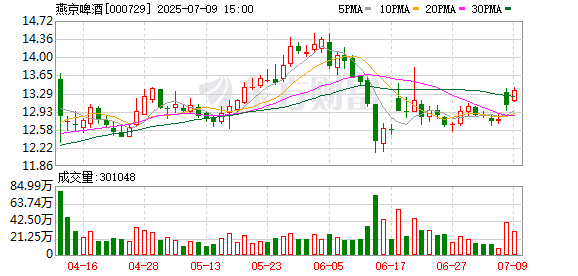
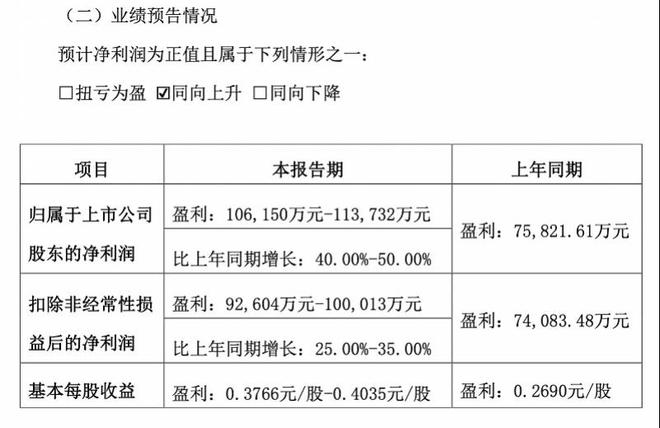
Core Viewpoint - Yanjing Beer has reported impressive half-year performance, with net profit expected to reach between 1.062 billion to 1.137 billion yuan, marking a year-on-year increase of 40%-50% [2][3] Financial Performance - In 2024, Yanjing Beer achieved revenue of 14.667 billion yuan, a year-on-year growth of 3.20%, and net profit of 1.056 billion yuan, up 63.74% [3] - The company has maintained a net profit growth rate exceeding 40% for three consecutive years, with previous years showing net profit increases of 54.51% in 2022 and 83.02% in 2023 [3] Strategic Transformation - Under the leadership of Chairman Geng Chao, Yanjing Beer initiated significant reforms to overcome stagnation, including management restructuring and focusing on core products [3][4] - The introduction of the Yanjing U8 product line has been pivotal, with sales reaching 696,000 kiloliters in 2024, a 31.40% increase year-on-year, contributing to 67% of beer business revenue [4][6] Market Positioning - Yanjing U8 is strategically priced between 8-10 yuan, effectively targeting the dining channel, which accounts for half of the beer market share [7] - The product's pricing strategy allows restaurants to achieve a profit margin of 4-5 yuan per bottle, aligning with consumer expectations for group dining [7] Industry Trends - The high-end beer market has faced challenges, with companies like Budweiser Asia experiencing significant declines in sales and revenue [6] - As the high-end growth stalls, the 8-10 yuan price range has emerged as a key growth area, with Yanjing Beer benefiting from structural market adjustments [6][8] Diversification Efforts - Yanjing Beer is exploring non-beer categories, including bottled water and beverages, to reduce reliance on a single product line [9][10] - The company launched the Best Soda in March, aiming to leverage synergies between beer and beverage production and distribution [9][10] Future Considerations - Analysts suggest that while diversification is beneficial, Yanjing Beer should maintain a focus on beer innovation to ensure sustainable growth [11]

燕京啤酒发业绩预告,第二季度净利润增速放慢,跨界押注汽水
Nan Fang Du Shi Bao· 2025-07-08 10:40
Core Viewpoint - Yanjing Beer has reported a significant increase in its net profit for the first half of the year, driven by the benefits of the "8 yuan price band" strategy, although the growth rate of its non-recurring net profit has notably slowed down [1][4]. Financial Performance - The company's net profit attributable to shareholders is expected to be between 1.061 billion yuan and 1.137 billion yuan, representing a year-on-year increase of 40% to 50% [1][3]. - The non-recurring net profit is projected to grow by 25% to 35%, a significant slowdown compared to the previous year's growth of 69.72% [1][3]. - For the second quarter, the estimated net profit is approximately 897 million yuan to 972 million yuan, reflecting a year-on-year growth of 36.74% to 48.17% [4]. - The estimated non-recurring net profit for the second quarter is between 773 million yuan and 847 million yuan, with a year-on-year growth of 21.16% to 32.76% [4]. Market Strategy - Yanjing Beer is benefiting from the shift in consumer preference towards the 8 yuan price band, with its flagship product U8 gaining strong market traction [4][5]. - The company is responding to competitive pressures by focusing on its core products and expanding its product line, including the introduction of new products like Yanjing V10 and Lion King Craft Beer [5][6]. - Yanjing Beer is implementing a "beer + beverage" marketing strategy targeting younger consumers, particularly in dining venues such as hot pot and barbecue restaurants [6]. Industry Trends - The 8 yuan price band is increasingly replacing traditional price bands of 3 to 5 yuan, prompting other major players like Budweiser APAC and China Resources Beer to adjust their strategies accordingly [5]. - The industry is witnessing a trend towards diversification, with Yanjing Beer launching new products like Best Soda and exploring new sales channels [6].
又有两家UWB厂商完成融资!
Sou Hu Cai Jing· 2025-07-03 07:45
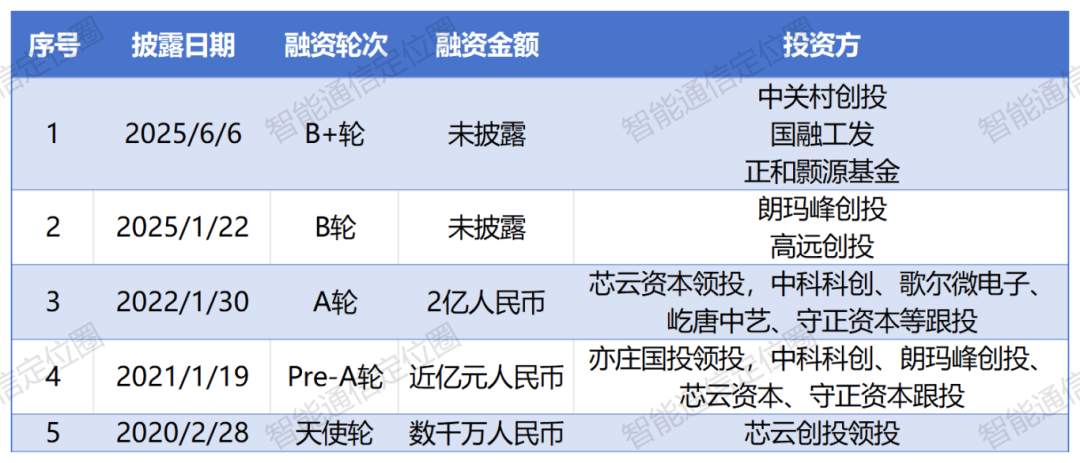
Group 1: Company Overview - Shenzhen Nuri Chip Technology Co., Ltd. (Nuri Chip) has successfully completed a B+ round of financing, with the amount undisclosed, backed by investors including Zhenghe Haoyuan, Zhongguancun Venture Capital, and Beigong Investment [1][3] - Beijing Quanji Technology Co., Ltd. (Quanji Technology) has completed a C round financing of several million yuan, with Wuhu Construction Investment as the investor and Wanchuang Investment Bank serving as the financial advisor [2][11] Group 2: Nuri Chip's Achievements - Nuri Chip specializes in the design and development of wireless communication system chips, offering a full range of high-performance products, including the self-developed Ursa Major series UWB positioning communication system chips [3][5] - Since its establishment in 2016, Nuri Chip has achieved multiple "firsts," including being one of the earliest manufacturers to launch UWB chips in China, with eight UWB chips mass-produced across three major series [5][10] - In the smartphone sector, Nuri Chip's UWB chips are set to be mass-produced in flagship models of leading domestic manufacturers by the second half of 2024, with significant adoption in the automotive market, achieving over 80% coverage [7][8] Group 3: Quanji Technology's Innovations - Quanji Technology is recognized as a pioneer in high-precision positioning perception using UWB technology, having created a new category of UWB-AOA single base station positioning, significantly reducing costs [11][12] - The company has established a broad application of its products across various industries, including automotive, energy, and aviation, with notable clients such as JD.com, Bosch, and Huawei [11][12] - In May, Quanji Technology launched a child detection product in collaboration with Junlian Zhixing, utilizing advanced UWB CPD algorithms for comprehensive monitoring and intervention [11][12]
挥别华润,这位老将又要“勇闯天涯”?
阿尔法工场研究院· 2025-07-02 11:03
Core Viewpoint - The resignation of Chairman Hou Xiaohai coincides with the first revenue decline for China Resources Beer in five years, raising concerns about the continuity of the company's strategic direction as it approaches a critical year in its "3+3+3" strategy for 2025 [1][3]. Group 1: Leadership Change - Hou Xiaohai announced his resignation effective immediately, having served 24 years in the beer industry, where he played a pivotal role in transforming China Resources Beer into a major player [3][5]. - His departure follows significant stock sell-offs, interpreted by the market as a farewell signal, and he has expressed intentions to focus on personal endeavors post-resignation [3][4]. - The transition occurs at a crucial time, as the company faces its first revenue drop in five years, leading to doubts about the future of its strategic initiatives [3][21]. Group 2: Strategic Developments - Hou Xiaohai's tenure saw the implementation of the "3+3+3" strategic plan aimed at capturing the high-end beer market by 2025, which included closing inefficient breweries and focusing on premiumization [7][21]. - The company successfully increased its gross margin from 33.71% in 2016 to 42.36% in 2024, while net profit rose from 629 million to 4.739 billion yuan during the same period [7][13]. - However, the ambitious expansion into the white liquor sector has not yielded the expected results, with significant losses reported from acquisitions, leading to a decline in overall revenue [10][12]. Group 3: Financial Performance - In 2024, China Resources Beer reported a revenue decline of 0.76% to 38.64 billion yuan, with operating profit down 6.34% to 6.634 billion yuan, and net profit decreasing by 8.03% to 4.739 billion yuan [13][14]. - The beer segment remains the core of the business, contributing 94.43% of total revenue, but also experienced a 1.03% decline in sales volume [14][20]. - The white liquor business has not significantly contributed to the company's revenue, accounting for less than 6% of total sales, and has faced ongoing financial challenges [10][12]. Group 4: Future Challenges - The new leadership under Zhao Chunwu will need to address the dual challenges of intensifying competition in the high-end beer market and the underperformance of the white liquor segment [19][20]. - Analysts express skepticism about the company's ability to maintain its strategic focus on high-end beer and the synergy between beer and white liquor operations [20][21]. - The market is awaiting clarity on whether the new leadership will continue to pursue the ambitious "啤白双赋能" strategy and how they will navigate the current challenges [21].