
中宠股份

Search documents
二育进场不改生猪去化大势,肉牛补栏谨慎景气延续性或更强
KAIYUAN SECURITIES· 2025-10-26 06:18
Investment Rating - The investment rating for the agriculture, forestry, animal husbandry, and fishery industry is "Positive" (maintained) [1] Core Views - The report indicates that the pig price has bottomed out and is rebounding, but the overall trend of breeding stock reduction remains unchanged. The short-term increase in breeding stock does not alter the long-term reduction trend [3][12] - The beef price continues to rise, but there is cautious replenishment in the industry due to differing expectations. The cattle inventory decreased in Q3 2025 [4][28] - The report highlights the acceleration of pig farming losses and the strengthening logic of domestic pet products, recommending several companies in the pig farming and feed sectors [5][31][34] Summary by Sections Weekly Observation - The proportion of breeding stock in actual sales increased to 2.09%, with a significant rise in breeding barn utilization rate to 44.8% [17][12] - As of October 24, 2025, the average price of pigs in China was 11.81 CNY/kg, with a week-on-week increase of 0.63 CNY/kg, but a year-on-year decrease of 5.74% [12][3] Weekly Perspective - The report notes that pig and piglet prices are in a loss situation, leading to an accelerated reduction in breeding stock. The report recommends companies such as Muyuan Foods, Wens Foodstuff, and others [5][31] - The feed sector is benefiting from the post-cycle of poultry and livestock, with strong overseas demand supporting prices. Recommended companies include Haida Group and New Hope [31] Market Performance (October 20-24) - The agriculture sector underperformed the market by 4.24 percentage points, with the Shanghai Composite Index rising by 2.88% while the agriculture index fell by 1.36% [35][37] - The report highlights that the fishery sector led the gains among sub-sectors [35] Price Tracking (October 20-24) - The average price of pigs was 11.82 CNY/kg, with a week-on-week increase of 0.65 CNY/kg. The average price of piglets was 17.66 CNY/kg, down by 0.33 CNY/kg [43][44] - The average wholesale price of beef was 66.21 CNY/kg, with a slight increase of 0.21 CNY/kg [48]




新消费引领新供给,科技消费创造新需求
Yin He Zheng Quan· 2025-10-24 13:49
Investment Rating - The report suggests a positive outlook for the new consumption sector, emphasizing the importance of technology-driven consumer products and new consumption trends [2]. Core Insights - The report highlights the guidance from the 20th Central Committee's Fourth Plenary Session regarding the future development of the consumption industry, focusing on enhancing domestic demand and creating new supply through new demand [2]. - It emphasizes the rapid advancement of technology consumption in China, with certain products gaining competitive advantages in international markets, such as drones and smart home devices [2]. - The integration of AI with the consumer industry is identified as a key trend, leading to the emergence of innovative products and services [2]. - New consumption trends are driven by changing demographics and consumer preferences, with emotional consumption becoming a significant focus [2]. - Traditional consumption faces temporary pressures due to factors like housing prices and employment, but many sectors maintain strong international competitiveness [2]. Summary by Sections New Supply and Demand - The report discusses how new supply can create new demand, particularly through technological advancements in consumer products [2]. - It mentions the low penetration rates of certain tech products, indicating significant growth potential [2]. New Consumption Development - New consumption is rapidly evolving, driven by changes in population structure and consumer attitudes [2]. - Emotional consumption is highlighted as a key area, with trends in collectibles, outdoor activities, and pet-related products gaining traction [2]. Traditional Consumption Challenges - The report notes that traditional consumption is under pressure but retains strong international competitiveness [2]. - It anticipates a rebound in traditional consumption due to government subsidies in late 2024 and 2025, despite facing challenges from high export bases and tariff barriers [2]. Investment Recommendations - The report recommends specific companies across various sectors, including consumer services, food and beverage, agriculture, textiles, and technology consumption [2]. - Notable mentions include companies like Dongpeng Beverage, Anta Sports, and Roborock Technology, among others [2].
还在吃预制菜的人,让宠物吃上了鲜食
3 6 Ke· 2025-10-24 10:20
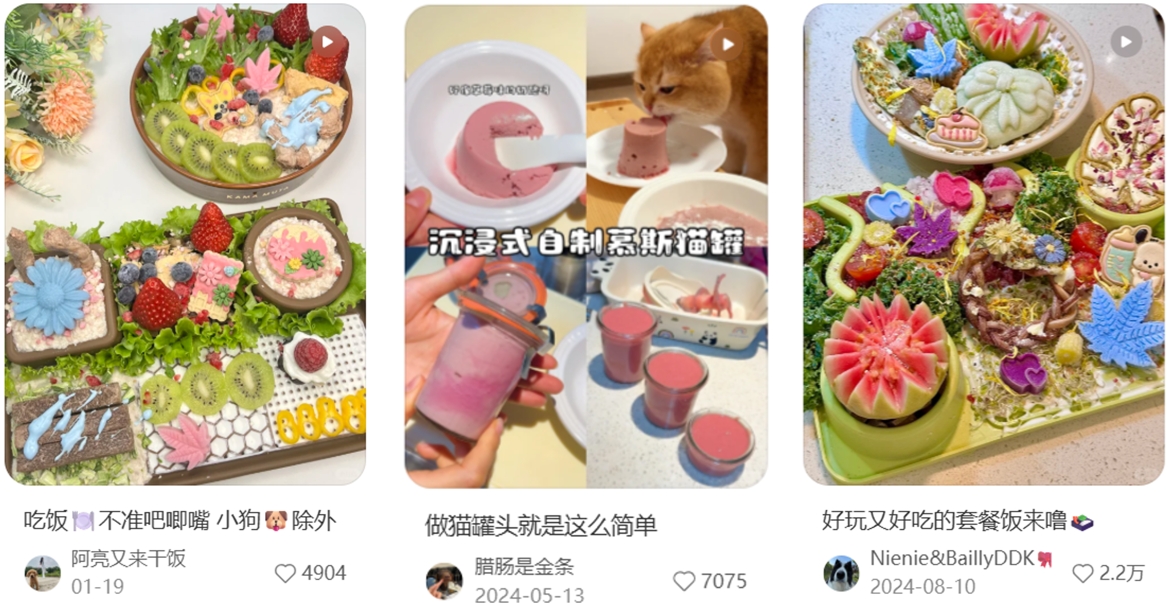
Core Insights - The rise of fresh pet food reflects the emotional needs of modern young pet owners who prioritize high-quality ingredients and nutritional balance for their pets [4][21] - The fresh pet food market is experiencing significant growth, with a notable increase in the adoption of fresh food among pet owners, particularly among the younger demographic [6][9] - The global fresh pet food market is projected to exceed $4.5 billion by 2025, with a compound annual growth rate (CAGR) of 21.3% [9] Market Trends - Over 50 million posts related to homemade pet food have been shared on social media platforms, indicating a strong consumer interest [3] - A survey revealed that 41.2% of pet owners born in the 1990s have incorporated fresh food into their feeding routines, a 27 percentage point increase from 2023 [6] - E-commerce platforms are seeing a surge in sales of fresh pet food products, with brands focusing on fresh food concepts ranking high in sales during major shopping events [6][9] Competitive Landscape - The fresh pet food market is dominated by a few key players, with the top five companies holding approximately 80% of the market share globally [9] - Major brands are actively entering the fresh pet food space through acquisitions and new product launches, indicating a competitive and rapidly evolving market [10][9] Consumer Preferences - Pet owners are increasingly aware of the health benefits of fresh food, associating it with improved pet health outcomes such as better coat quality and hydration [21][18] - Fresh pet food products can command a price premium of 30% to 40% over traditional dry food, reflecting consumer willingness to pay for perceived quality [21][23] Challenges and Opportunities - The lack of standardized definitions and regulations in the fresh pet food sector poses challenges for market stability and consumer safety [11][16] - Despite potential health risks, the demand for fresh pet food continues to grow, driven by a shift towards more scientific and personalized pet care [18][39] - Companies are exploring innovative production methods and supply chain strategies to enhance product freshness and reduce costs, which could lead to higher profit margins [23][28] Global Expansion Strategies - Chinese pet food brands are adopting flexible strategies to enter international markets, focusing on local partnerships and supply chain integration to overcome barriers [28][33] - The establishment of local production facilities is crucial for fresh pet food brands to ensure product quality and reduce logistics costs [35][39]

饲料板块10月24日跌0.16%,天马科技领跌,主力资金净流出1.54亿元
Zheng Xing Xing Ye Ri Bao· 2025-10-24 08:21
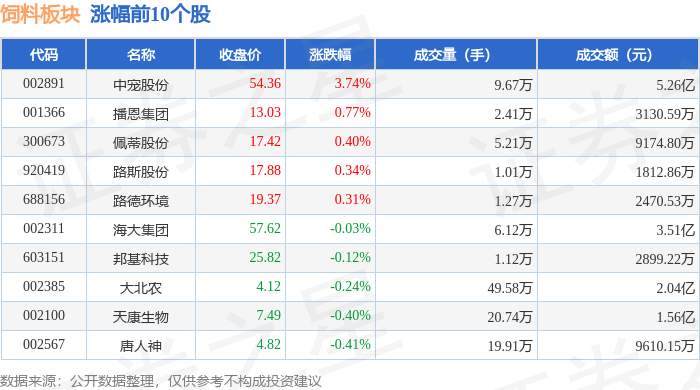
Core Insights - The feed sector experienced a slight decline of 0.17% on October 24, with Tianma Technology leading the losses [1] - The Shanghai Composite Index closed at 3950.31, up 0.71%, while the Shenzhen Component Index closed at 13289.18, up 2.02% [1] Feed Sector Performance - Zhongchong Co., Ltd. (002891) saw a closing price of 54.36, with an increase of 3.74% and a trading volume of 96,700 shares, amounting to a transaction value of 526 million yuan [1] - Other notable performers included Boen Group (001366) with a closing price of 13.03, up 0.77%, and Petty Co., Ltd. (300673) at 17.42, up 0.40% [1] - Tianma Technology (603668) led the declines with a closing price of 13.50, down 4.66%, and a trading volume of 222,500 shares, resulting in a transaction value of 309 million yuan [2] Capital Flow Analysis - The feed sector experienced a net outflow of 154 million yuan from institutional investors, while retail investors saw a net inflow of 97.74 million yuan [2] - The capital flow for individual stocks showed that Zhongchong Co., Ltd. had a net inflow of 12.28 million yuan from institutional investors, while it faced a net outflow of 36.39 million yuan from retail investors [3] - Other stocks like He Feng Co., Ltd. (60360a) and Boen Group (001366) also showed mixed capital flows, with varying degrees of net inflows and outflows from different investor categories [3]


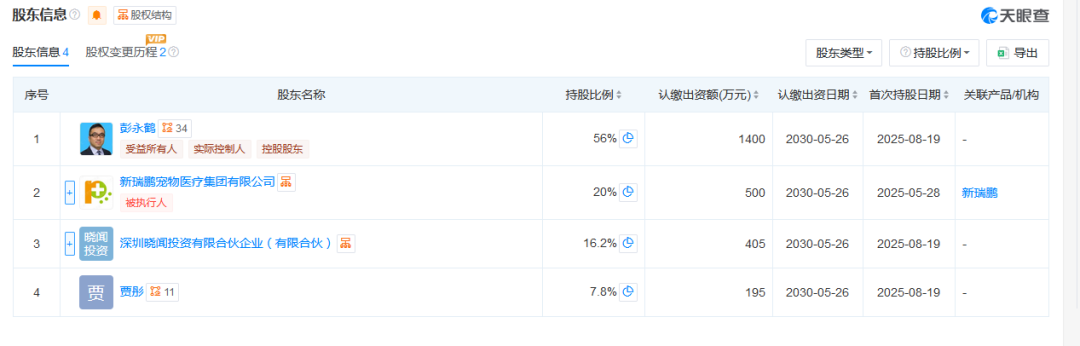
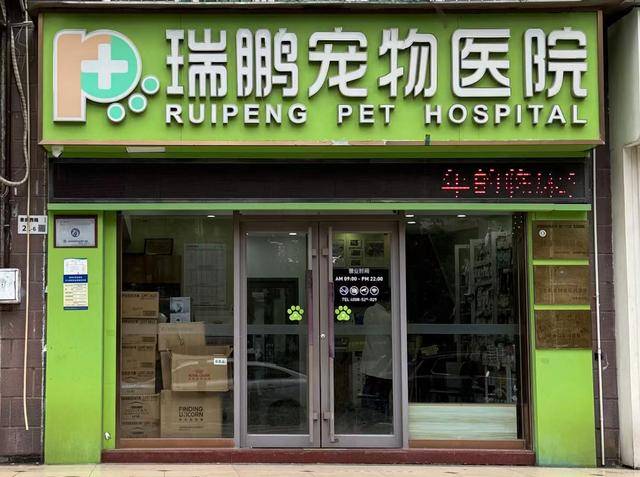
新瑞鹏创始人彭永鹤悄然“出走”:宠物医疗告别“连锁红利期”?
Shen Zhen Shang Bao· 2025-10-23 12:32
Core Insights - The core message of the articles revolves around the challenges faced by New Ruipeng Pet Hospital Group, particularly in light of leadership changes and the broader issues within the pet medical industry in China. Company Overview - New Ruipeng Pet Hospital Group's co-chairman, Li Liang, emphasized the need to abandon low-quality expansion models during the mid-year meeting in August 2025, while founder Peng Yonghe's absence raised concerns [1] - In mid-October, a change in the legal representative of New Ruipeng was noted, with Wei Shanwei replacing Peng Yonghe, who remains the chairman and general manager [1] - The operational control of New Ruipeng has shifted to representatives from Hillhouse Capital, while Peng Yonghe has moved on to establish Shenzhen Xiaowen Smart Medical Technology Co., focusing on AI in pet healthcare [1] Financial Performance - New Ruipeng's revenue grew from 4.784 billion yuan in 2021 to 5.74 billion yuan in 2022, but net losses increased from 1.311 billion yuan to 1.417 billion yuan during the same period [3] - The company's labor costs surged from 22% of total revenue in 2015 to 52% in 2022, significantly impacting profit margins [5] Industry Challenges - The pet medical industry is experiencing a saturation of stores, leading to a shift from rapid expansion to refined operations [6] - Consumers are increasingly voicing concerns over high costs of pet healthcare, while companies struggle with profitability due to rising operational expenses [6] - The competitive landscape has intensified, with marketing expenses rising significantly, outpacing revenue growth for companies like Guibao Pet and Zhongchong Co. [7] Strategic Shifts - New Ruipeng has initiated a strategic contraction, withdrawing its IPO application and reducing its number of stores from approximately 1,900 to around 1,600 [5] - The company is focusing on specialization and digital transformation, establishing 15 specialized departments to enhance service quality [8] - New Ruipeng is also exploring a network layout of "1+P+C" (one central hospital + specialized hospitals + community clinics) to optimize resource allocation [8]
押注单一赛道,同泰基金产品“冰火两重天”:一只“起死回生”,另一只沦为迷你基
Hua Xia Shi Bao· 2025-10-23 09:31
Core Insights - The performance of two funds under Tongtai Fund, focusing on single sectors, has diverged significantly, with the Tongtai Industrial Upgrade Mixed Fund achieving a 146.13% return over the past year, while the Tongtai Huize Mixed Fund, focused on the pet economy, struggles with a net asset value below 50 million yuan for 60 consecutive working days [2][6]. Group 1: Fund Performance - The Tongtai Industrial Upgrade Mixed Fund experienced a dramatic turnaround after a significant redemption in Q1 2025, where it dropped to a rare "ten-thousand yuan fund" status but rebounded with a 103.69% net value increase in the same quarter [3][5]. - In Q3 2025, the fund's net value rose by 30.65%, and its scale increased to 178 million yuan, marking a recovery from near liquidation [5]. - The fund's top ten holdings are highly concentrated, accounting for 55.41% of its net asset value, primarily in the smart technology sector, with significant investments in companies like Dongjie Intelligent and Horizon Robotics [5]. Group 2: Investment Strategy and Risks - The Tongtai Fund emphasizes a focused investment strategy, believing that concentrating on specific sectors allows for deeper research and potentially higher returns, despite the associated risks of volatility and performance dependency on industry conditions [8]. - The Tongtai Huize Mixed Fund, on the other hand, has faced challenges due to its heavy investment in the pet economy, with a cumulative decline of 30.74% since inception and a net asset value of only 10 million yuan as of September 30, 2025 [6][7]. - The fund manager acknowledges the concentrated investment strategy but highlights the long-term growth potential of the pet economy, which is projected to reach 1.15 trillion yuan by 2028 [7].

新瑞鹏创始人彭永鹤悄然出走:宠物医疗巨头狂奔下的裂缝与变局
Sou Hu Cai Jing· 2025-10-23 09:20
Core Insights - New Ruipeng Pet Hospital Group is shifting its strategy away from low-quality expansion, as emphasized by co-chairman Li Liang during the mid-year meeting in August 2025, following the departure of founder Peng Yonghe, which has sparked widespread discussion in the industry [1][3] - The operational control of New Ruipeng has been transferred to a representative of Hillhouse Capital, while Peng Yonghe has moved on to focus on AI medical technology and supply chain in a new venture [1][3] Company Overview - Founded in 1998 by veterinarian Peng Yonghe, Ruipeng Pet Hospital became the first listed pet medical company in China in 2016 [3] - In 2018, Ruipeng delisted from the New Third Board and formed New Ruipeng Group with significant investment from Hillhouse Capital, each holding approximately 40% of the company [3] - Despite becoming the largest pet medical platform in China, rapid expansion has led to significant financial losses, with revenues increasing from 4.784 billion to 5.74 billion yuan from 2021 to 2022, while net losses rose to 1.311 billion and 1.417 billion yuan respectively [3][4] Operational Challenges - The rapid expansion has resulted in management and service quality issues, leading to a talent gap in medical staff and dissatisfaction among employees due to high workloads and low compensation [3][4] - Consumer experience has been negatively impacted, with a reported 1,480 complaints on the Black Cat Complaint platform, focusing on issues like opaque pricing and over-treatment [4][8] Financial Performance - New Ruipeng's operational costs have surged, with labor costs rising from 22% of total revenue in 2015 to 52% in 2022, further squeezing profit margins [7] - The company has retracted its IPO application in the U.S. and is undergoing strategic contraction, reducing its number of stores from around 1,900 to approximately 1,600 [7][8] Industry Context - The challenges faced by New Ruipeng reflect broader issues within the Chinese pet medical industry, which has seen a saturation of stores and increasing operational costs, leading to a disconnect between consumer perceptions of high costs and companies' struggles with profitability [8][9] - Recent performance reports from other listed pet companies indicate similar trends, with revenue growth accompanied by declining net profits due to rising marketing expenses [9] Strategic Initiatives - New Ruipeng is focusing on specialization and digital transformation, establishing 15 specialized pet medical departments to enhance service quality [10] - The company is also exploring a network layout of "1+P+C" (one central hospital, specialized hospitals, and community clinics) to optimize resource allocation [10] - Peng Yonghe has invested 14 million yuan in Xiaowen Medical, which focuses on AI applications in the pet medical field, indicating a potential new growth area for the industry [10]
宠物食品行业专题报告十六:迎接产业整合新时代
Changjiang Securities· 2025-10-23 05:16
Investment Rating - The investment rating for the pet food industry is "Positive" and maintained [13]. Core Viewpoints - The pet food industry is entering a new era of industry consolidation, with significant mergers and acquisitions indicating an acceleration in this trend. The past two years have seen strong performance from leading companies, with continued profitability exceeding expectations. Key companies such as Tianyuan Pet, Petty, and Yiyi have made strategic acquisitions, suggesting a robust consolidation phase ahead. The report continues to recommend the pet food sector, particularly highlighting companies like Guibao Pet and Zhongchong Co., while suggesting attention to Petty and Yuanfei Pet [2][19]. Summary by Sections Industry Overview - The report emphasizes that the pet food industry is experiencing a new era of consolidation, driven by strong market demand and the successful profitability of leading companies. The consolidation is seen as a crucial pathway for sustained growth [2][19]. M&A Activity - Recent mergers and acquisitions, such as Tianyuan Pet's acquisition of Taotong Technology and Yiyi's acquisition of Gaoyejia, indicate a trend towards accelerated consolidation in the pet food industry. This trend is expected to continue as companies seek to enhance their market positions and capabilities [2][10]. Competitive Landscape - The competitive landscape is characterized by increasing concentration among leading companies, with the CR10 (the market share of the top 10 companies) in China's pet food industry rising from 28.3% in 2019 to 32.7% in 2024. Leading companies like Guibao Pet and Zhongchong Co. are rapidly gaining market share, while mid-tier brands face intense competition and many are struggling financially [9][36]. Strategic Insights - The report highlights that multi-brand acquisitions have been key to the success of industry giants like Mars and Nestlé, allowing them to quickly adapt to consumer demands and market changes. This strategy has enabled them to build comprehensive brand matrices that cater to various market segments [8][20]. Future Outlook - The report suggests that as the industry consolidates, competition will shift from price and channel competition to brand, supply chain, and technology competition. This evolution will favor companies with well-established brand matrices and the ability to innovate [10][46].
中宠股份收监管措施 实控人方减持中A股4募资共20亿
Zhong Guo Jing Ji Wang· 2025-10-23 03:35
Core Viewpoint - Zhongchong Co., Ltd. (002891.SZ) has received an administrative regulatory measure from the Shandong Securities Regulatory Bureau due to a failure to disclose a change in shareholding percentage following a convertible bond conversion, which resulted in a decrease from 26.08% to 25.94% [1] Group 1: Regulatory Actions - The Shandong Securities Regulatory Bureau issued a decision requiring Zhongchong to correct its actions and engage in regulatory discussions due to non-compliance with the disclosure requirements of the Securities and Futures Law [1] - Zhongchong is advised to enhance its understanding of securities laws and improve its operational standards and information disclosure quality to prevent future violations [1] Group 2: Shareholding Changes - On April 29, 2025, the shareholding of Zhongchong's controlling shareholder, Yantai Zhongxing Biotechnology Co., Ltd., and its concerted action party, Shanghai Tongyi Investment Management Co., Ltd., decreased due to the conversion of convertible bonds [1] - The reduction in shareholding percentage triggered a requirement for disclosure, which Zhongchong failed to meet, leading to regulatory scrutiny [1] Group 3: Share Reduction Plans - On July 16, 2025, Zhongchong announced a pre-disclosure regarding the share reduction plan by its concerted action party, which intends to reduce its holdings by up to 4.56 million shares (1.50% of total share capital) within a specified period [2] - The controlling shareholder of Zhongchong is Yantai Zhongxing, with actual controllers being Hao Zhongli and Xiao Ailing [2] Group 4: Fundraising Activities - Zhongchong has conducted multiple fundraising activities, including issuing convertible bonds and non-public offerings, with total funds raised amounting to approximately 2 billion yuan [6] - The company has consistently engaged in fundraising through various financial instruments, demonstrating its active capital management strategy [6]
中宠股份收监管措施 实控人方减持中A股4募资共20亿
Zhong Guo Jing Ji Wang· 2025-10-23 03:32
Core Viewpoint - Zhongchong Co., Ltd. (002891.SZ) has received an administrative regulatory measure from the Shandong Securities Regulatory Bureau due to a failure to disclose a significant change in shareholding following a convertible bond conversion, which resulted in a decrease in the holding percentage of its controlling shareholder from 26.08% to 25.94% [1] Group 1: Regulatory Actions - The Shandong Securities Regulatory Bureau issued a decision requiring Zhongchong to correct its actions and engage in regulatory discussions due to non-compliance with disclosure regulations [1] - Zhongchong is advised to enhance its understanding of securities laws and improve its operational standards and information disclosure quality to prevent future violations [1] Group 2: Shareholding Changes - On April 29, 2025, the controlling shareholder's stake decreased due to the conversion of convertible bonds, which triggered a requirement for disclosure that was not fulfilled by Zhongchong [1] - The controlling shareholder, Yantai Zhongxing Biotechnology Co., Ltd., and its action in concert, Shanghai Tongyi Investment Management Co., Ltd., did not announce the change in shareholding as required [1] Group 3: Share Reduction Plans - On July 16, 2025, Zhongchong announced a share reduction plan by its controlling shareholder's action in concert, which involves a maximum reduction of 4.56 million shares (1.50% of total shares) within a specified period [2] - The share reduction is planned to occur through block trades and/or centralized bidding from August 7 to November 6, 2025 [2] Group 4: Fundraising Activities - Zhongchong has conducted multiple fundraising activities, including the issuance of convertible bonds and non-public offerings, with total fundraising amounting to 2 billion yuan across four instances [6] - The company has consistently engaged in fundraising through various financial instruments, demonstrating its active capital management strategy [3][4][5]