
嘉士伯

Search documents
Carlsberg readies UK launch for PepsiCo’s Poppi
Yahoo Finance· 2025-10-08 13:27
Core Insights - Poppi, a US prebiotic soda brand, is set to launch in the UK early next year through an exclusive deal with an undisclosed retailer [1][2] - The brand has garnered interest from several on-trade businesses, indicating strong market demand [2] - PepsiCo acquired Poppi for $1.95 billion in March, aiming to leverage its growth potential [2][4] Company Overview - Poppi, established in 2015 and rebranded in 2020, has become a notable player in the 'better-for-you' soda market in the US [3] - The brand offers low-calorie, low-sugar sodas in 15 flavors, generating over $500 million in annual sales in 2024 [4] Market Context - The UK market is seeing a rise in 'gut-friendly' soda brands, with local brands like Hip Pop and Living Things gaining traction [5] - Carlsberg Britvic's head of new business highlighted opportunities in Mexican-style beer and functional soft drinks as potential growth areas in the UK [5][6]

三大质疑,拆穿嘉士伯“以重庆为家”的真相!
商业洞察· 2025-10-05 09:24
Core Viewpoint - Carlsberg's commitment to Chongqing is being questioned as the company shifts its strategic focus to Foshan, undermining its promises made to the local market [5][10][22]. Group 1: Strategic Commitment - Carlsberg's executive vice president stated that Chongqing is the company's home in China, yet the president of Carlsberg China emphasized Foshan as a key base, indicating a conflicting strategy [5][10]. - Carlsberg made five commitments to Chongqing when acquiring Chongqing Brewery, including establishing a management headquarters and an Asian R&D center in the city, which have not been fulfilled [10][11]. - The company has invested significantly in Foshan, including a new brewery with an annual capacity of 500,000 kiloliters, surpassing Chongqing's production capacity [11][13]. Group 2: Brand Management - The once-popular "Mountain City Beer" brand, which had a market share of 95% and a brand value exceeding 6 billion, is now marginalized under Carlsberg's management [16][17]. - After Carlsberg's acquisition, the focus shifted to promoting international brands, leading to a drastic decline in Mountain City Beer’s sales, which fell to less than 100,000 kiloliters, representing less than 3% of the market [18][20]. - Marketing efforts for Mountain City Beer have ceased, with the brand missing major local events and facing restrictions in sales channels [19][21]. Group 3: Future Commitments - Carlsberg's recent promises to leverage AI for the development of Chongqing's agricultural sector are met with skepticism due to the company's history of unfulfilled commitments [22][24]. - The changing market dynamics and rising national brands challenge Carlsberg to respect local brands and their emotional connections with consumers [25][27]. - The company is urged to fulfill its original commitments to Chongqing and revive the Mountain City Beer brand to regain consumer trust [28].



【环球财经】欧洲28家大型企业呼吁欧盟出台改革措施
Xin Hua She· 2025-10-02 02:26
Core Viewpoint - A coalition of 28 major multinational companies in Europe has called for the EU to implement reforms to enhance competitiveness, emphasizing the need for regulatory simplification and improved investment conditions [1] Group 1: Company Initiatives - The companies involved include Novo Nordisk, Siemens, Airbus, Saab, Danfoss, Thyssenkrupp, Carlsberg, and Maersk, highlighting a significant representation of various industries [1] - The coalition has made a commitment to increase investments in Europe by an average of 50% by 2030, contingent upon improvements in the regulatory and financial environment [1] Group 2: Regulatory Recommendations - The joint statement, titled "Copenhagen Commitment," calls for reforms in existing regulatory measures, including simplification of management rules and reporting requirements [1] - Recommendations also include reforms in innovation and investment frameworks, infrastructure improvements, equitable green transitions, and enhanced safety management [1] Group 3: Political Context - The statement was presented by the Danish Industry Confederation during an informal meeting of EU leaders, which took place in Copenhagen on October 1 and 2 [1] - Denmark is currently holding the rotating presidency of the EU, indicating the strategic timing of the announcement [1]
欧洲28家大型企业呼吁欧盟出台改革措施
Xin Hua She· 2025-10-01 14:51
Core Points - A coalition of 28 major multinational companies in Europe issued a joint statement in Copenhagen, urging the EU to implement reforms to enhance competitiveness [1] - The companies involved include Novo Nordisk, Siemens, Airbus, Saab, Danfoss, Thyssenkrupp, Carlsberg, and Maersk [1] - The statement, titled "Copenhagen Commitment," calls for reforms in regulatory measures, including simplification of management rules and reporting requirements, innovation and investment framework reforms, infrastructure improvements, equitable green transition, and enhanced safety management [1] - The companies pledged to increase their investments in Europe by an average of 50% by 2030 if the regulatory and financial environment improves [1] - The statement was submitted by the Danish Industry Confederation during an informal meeting of EU leaders, which took place on October 1 and 2 in Copenhagen [1]


4天带动周边消费1500万
Sou Hu Cai Jing· 2025-09-30 16:57
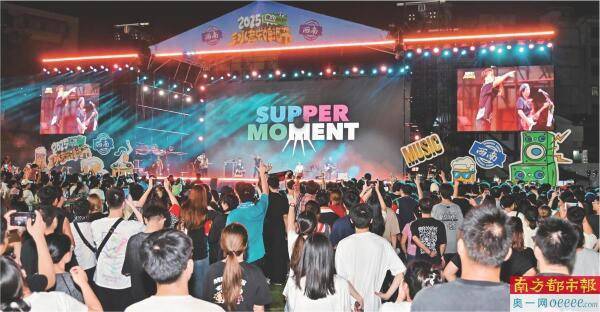
Core Insights - The 2025 Foshan Sanshui Music Beer Festival attracted nearly 80,000 visitors over four days, generating sales exceeding 800,000 yuan and stimulating approximately 15 million yuan in surrounding consumption [4][5][8] - The event was held at Yunxiu Mountain Stadium, which previously hosted grassroots football matches, demonstrating a successful integration of sports and cultural events to enhance local economic activity [4][7] Event Structure and Features - The festival featured a layout divided into three main areas: performance, dining, and interactive experiences, covering a total area of 23,000 square meters with nearly 100 unique stalls [5][7] - Notable performances included popular bands and artists from the Greater Bay Area, attracting a young audience from cities like Guangzhou, Shenzhen, Dongguan, and Zhongshan, with peak daily attendance reaching 30,000 [5][8] Economic Impact and Business Model - The event utilized a collaborative business model between the local state-owned company and a professional commercial operator, employing a mixed revenue approach of entry fees and sales commissions to attract trendy and international brands [7][8] - Major beverage companies participated, with significant sales of beer and high repurchase rates for craft brands, indicating a strong consumer interest in the local beverage industry [7][8] Future Development Plans - The local government plans to continue promoting the integration of culture and industry, focusing on the renovation of the Yunxiu area and enhancing facilities to support ongoing events [8][9] - There is an emphasis on developing high-value products in the beverage sector and creating an "industrial tourism" model that connects production processes with consumer experiences [8][9]
广东吸引外资三重跃迁背后的开放进阶
2 1 Shi Ji Jing Ji Bao Dao· 2025-09-29 23:22
Core Insights - Guangdong is experiencing significant growth in foreign direct investment (FDI) despite a global decline, with new foreign enterprises increasing by 34% and actual FDI amounting to 70.87 billion yuan, a 9.4% increase year-on-year [1][2] - The province's ability to attract foreign investment is attributed to its strategic role in China's new development pattern and its strong industrial foundation [1][4] Summary by Sections Foreign Investment Growth - Guangdong established 21,000 new foreign enterprises from January to August this year, significantly outperforming the national average [1] - The actual FDI in Guangdong reached 70.87 billion yuan, contrasting with a national FDI decline of 13.4% in the same period [1][2] Historical Phases of Foreign Investment - The first phase (early reform to mid-1990s) saw Guangdong attract capital primarily from Hong Kong and Taiwan, focusing on labor-intensive industries [2] - The second phase (mid-1990s to around 2010) marked diversification of foreign investment sources, with a rise in technology-intensive sectors, establishing Guangdong as a global manufacturing hub [2][3] Current Trends in Foreign Investment - The third phase reflects a shift towards high-quality foreign investment, focusing on innovation and integration into local supply chains, with Guangdong becoming a center for advanced manufacturing [3][5] - The province is now a leader in strategic emerging industries like semiconductors, robotics, and biomedicine, with foreign investments increasingly directed towards R&D and innovation [5][6] Regional Development and Market Dynamics - The Guangdong-Hong Kong-Macau Greater Bay Area is transitioning from a "world factory" to a "global innovation hub," attracting foreign investment through high-level openness and industrial transformation [4][6] - Guangdong's large consumer market and geographical advantages are prompting foreign companies to shift their focus from international manufacturing to meeting local demand [7][8] Investment Environment and Policy Support - Guangdong has implemented a series of policies to enhance its investment environment, including measures to protect foreign investment rights and attract multinational corporations [9][10] - The province's proactive approach has resulted in over 100 investment promotion events this year, reinforcing its appeal to foreign investors [9] Future Outlook - The region is positioned as a key player in the global supply chain, with ongoing projects enhancing its manufacturing capabilities and market responsiveness [8][9] - Guangdong's commitment to innovation and collaboration is expected to further solidify its status as a preferred destination for foreign investment [12]
“购在中国·乐购春城”2025昆明双节促消费活动启幕
Sou Hu Cai Jing· 2025-09-29 16:08
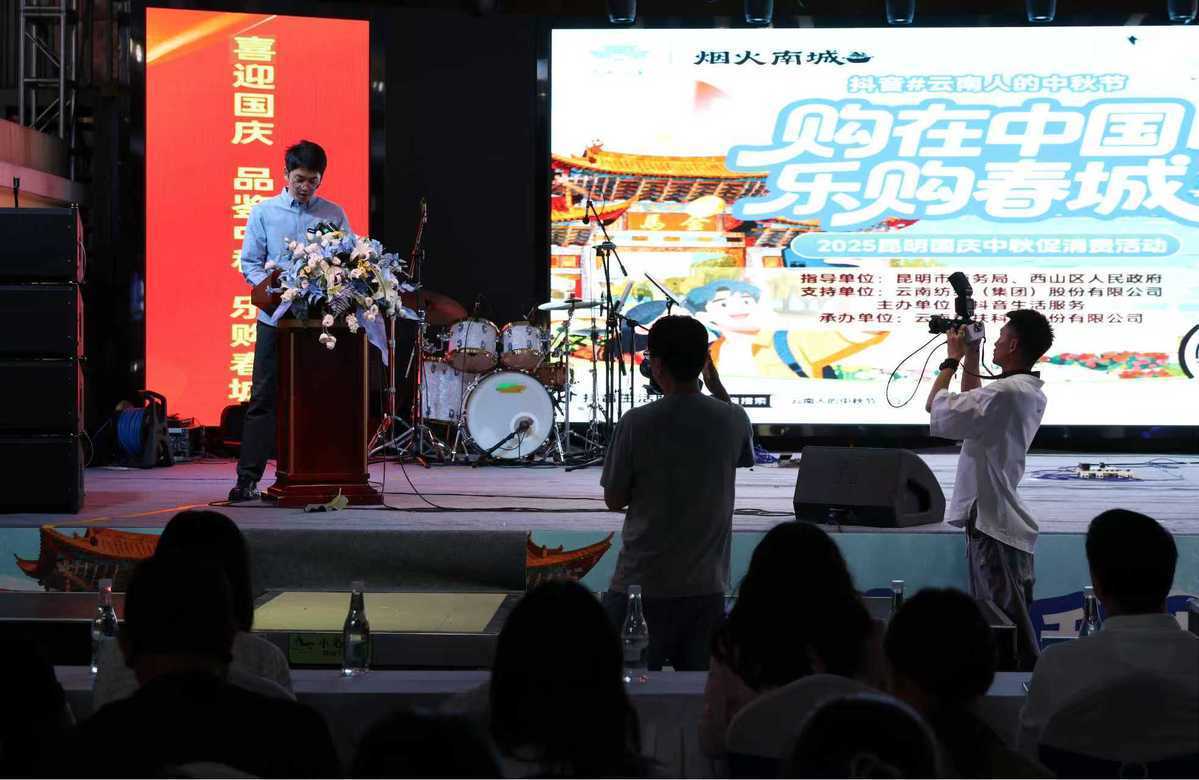
Core Insights - The "Shopping in China: Enjoy Spring City" event in Kunming aims to stimulate consumption during the National Day and Mid-Autumn Festival by creating new consumption formats and experiences [1] Group 1: Event Overview - The event focuses on a comprehensive consumption experience covering food, accommodation, transportation, tourism, shopping, and entertainment [1] - The initiative employs a "fiscal subsidy + platform financing" model to distribute various special consumption vouchers through platforms like Taobao, Douyin, Alipay, and Cloud Flash Payment [2] Group 2: Consumption Vouchers - Taobao's "Kunming Health Consumption Voucher" is available at 16 major chain pharmacies for OTC drugs and health products [2] - Douyin's special vouchers benefit over 1,000 retail, dining, and accommodation businesses, enhancing consumer confidence through a government-platform-enterprise collaboration [2] - Alipay's "Spring City Double Festival Food Exclusive Voucher" collaborates with over 1,000 dining merchants, promoting local cuisine [2] - Cloud Flash Payment's third phase "Colorful Cloud Consumption Voucher" covers 6,000 merchants across various sectors, including special vouchers for events like the Shilin Marathon [2] Group 3: Unique Experiences - The event features a Mid-Autumn themed experience with activities like a Yunnan-style mooncake tasting event and a night market, integrating nighttime consumption into the tourism experience [4] - The EasyFly Low-altitude Park offers activities such as hot air balloon moon viewing and a cloud music festival, enhancing the festive atmosphere [4] Group 4: Cultural Integration - As a key destination for inbound consumption from South Asia and Southeast Asia, Kunming is creating immersive foreign consumption experiences, including ethnic cultural festivals and markets [5] - The event promotes a blend of commerce and tourism, with various cultural activities and competitions to attract visitors [5] Group 5: Lifestyle Promotion - The "Coffee + Tea" themed consumption scene is introduced, featuring a city coffee lifestyle season with various cultural and entertainment activities aimed at younger demographics [6] - Kunming's tea markets showcase renowned brands, inviting visitors to explore the local tea culture [6] - The event is set to continue until the end of the National Day and Mid-Autumn Festival holidays, aiming to unleash Kunming's consumption potential [6]

每箱最高涨20元:朝日啤酒在华部分产品发调价通知,称是“艰难决定”,有啤酒经销商预计同行不会贸然跟涨
3 6 Ke· 2025-09-28 02:38
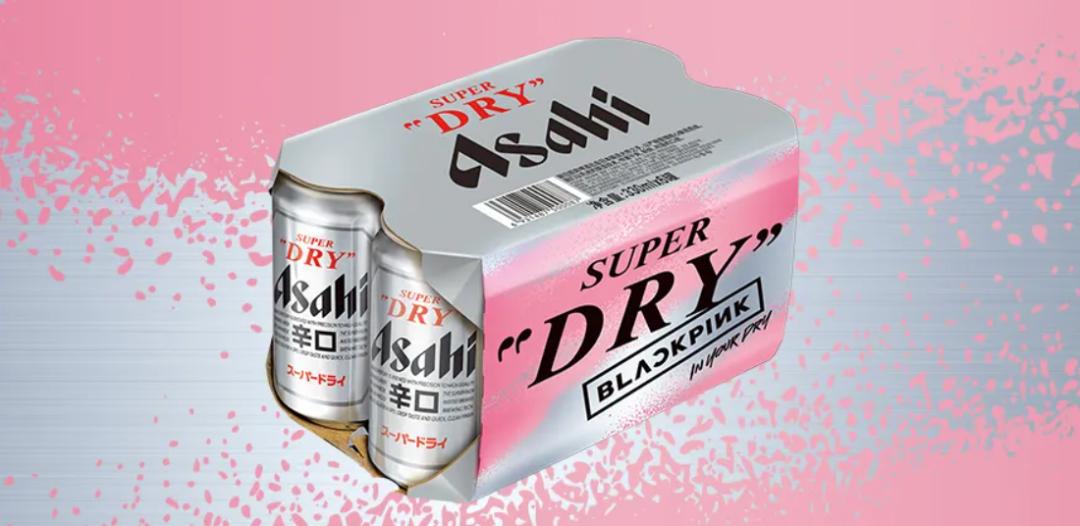
Core Viewpoint - Asahi Beer has announced a price increase for two imported beer products in China due to rising operational costs, effective from September 25, 2023, with specific increases of 5 yuan and 20 yuan per box for different product sizes [1][3][5]. Price Adjustment Details - The price adjustment affects two products: Asahi Super Dry Beer 135ml*24 cans, with a price increase of 5 yuan per box, and Asahi Super Dry Beer 2L*6 cans, with a price increase of 20 yuan per box [3][5]. - Orders placed and paid for before September 24, 2023, will be honored at the original prices to mitigate the impact on distributors [3][5]. Reasons for Price Increase - The company cites a complex global market environment and continuous cost increases as the primary reasons for the price adjustment, emphasizing the need to maintain high-quality product offerings and service levels [3][5][8]. - Asahi Beer has previously implemented multiple price increases in the Japanese market, with a notable increase planned for April 2024 affecting 68 products, with price hikes ranging from 6% to 62% due to rising costs of raw materials and transportation [5][7]. Market Impact and Competitor Response - The price increase may not immediately affect the end consumer, as online flagship store prices remained unchanged at the time of inquiry [5]. - Other Japanese beer brands, such as Kirin and Suntory, are also facing similar cost pressures, leading to speculation that they may adopt a cautious approach to price adjustments to avoid losing core customers [8][10]. - Non-Japanese imported brands may benefit from this price increase by capturing market share, as their prices are generally lower than Asahi's [8][10]. Asahi Beer’s Market Position - Asahi Beer has a significant presence in Japan and has expanded to over 50 countries, becoming a representative brand in the international beer market [11][13]. - The company entered the Chinese market in 1994 and has made strategic decisions to withdraw and re-enter based on market conditions, with a renewed focus on high-end products in China due to growing demand [13][15]. - Despite having a loyal consumer base, Asahi Beer currently holds a market share that does not place it among the top ten in China, where major competitors dominate [16].
广东外资三重跃迁背后的开放进阶
21世纪经济报道· 2025-09-27 09:21
Core Viewpoint - Guangdong is successfully attracting foreign investment despite a global trend of caution, showcasing a strong "magnetic effect" that contributes to high-level openness and economic growth [1][3]. Summary by Sections Foreign Investment Performance - In the first eight months of this year, Guangdong established 21,000 new foreign-funded enterprises, a year-on-year increase of 34%, with actual foreign direct investment (FDI) amounting to 70.87 billion yuan, up 9.4% year-on-year, both significantly outperforming national averages [1][3]. Stages of Foreign Investment Utilization - The evolution of foreign investment in Guangdong can be divided into three significant stages, each reflecting changes in national development and global industrial patterns [4][5]. - The initial stage (early reform to mid-1990s) focused on labor-intensive industries, leveraging proximity to Hong Kong and Macau for capital and market access [5][6]. - The second stage (mid-1990s to around 2010) saw diversification of foreign investment sources, with a rise in technology-intensive sectors, establishing Guangdong as a global manufacturing hub [6][8]. - The current stage emphasizes high-quality development, with foreign investment shifting towards innovation-driven sectors, aligning with China's new development paradigm [8][9]. Transformation of Foreign Investment Structure - Guangdong is transitioning from a manufacturing base to a hub for advanced manufacturing and emerging industries, with a focus on sectors like semiconductors, robotics, and biomedicine [11][12]. - The region has become the largest producer of intelligent robots in China, accounting for 44% of the national output, and is attracting significant foreign investment in R&D and manufacturing [11][12]. Regional Market Dynamics - With a population of 128 million and a leading retail market, Guangdong is shifting foreign investment strategies from international manufacturing to catering to domestic demand [14][16]. - Major foreign companies are establishing production and R&D facilities in Guangdong to enhance local supply chain responsiveness [14][16]. Investment Environment Optimization - Guangdong has implemented a series of policies to attract foreign investment, including measures for investment promotion, rights protection, and enhancing the operational environment for foreign enterprises [18][19]. - The region has organized over 100 investment promotion activities this year, reinforcing its appeal to foreign investors [18][19]. Economic Transformation and Innovation - Guangdong's economic success is attributed to the synergy between reform and economic transformation, fostering a competitive environment for innovation and attracting global resources [20][21]. - The Guangdong-Hong Kong-Macau Greater Bay Area is positioned as a strategic region for innovation, with a strong emphasis on technology and manufacturing integration [21][22].
外资加码广东
2 1 Shi Ji Jing Ji Bao Dao· 2025-09-26 14:00
Core Viewpoint - Guangdong is becoming a preferred investment destination for multinational companies, showcasing significant growth in foreign direct investment (FDI) and new foreign enterprises, driven by its evolving economic landscape and strategic advantages [1][2]. Foreign Investment Growth - In the first eight months of this year, Guangdong established 21,000 new foreign enterprises, a year-on-year increase of 34%, with actual foreign investment amounting to 70.87 billion yuan, up 9.4% year-on-year [1]. - These growth rates significantly outpace the national averages of 14.8% and -12.7% for new foreign enterprises and FDI, respectively [1]. Investment in New Technologies - ExxonMobil's recent $10 billion investment in the Huizhou ethylene project represents a major shift towards high-end chemical production in Guangdong, featuring advanced technology and significant production capacity [3][4]. - The project will produce 1.6 million tons of ethylene annually and includes the world's largest single-unit low-density polyethylene facility, enhancing Guangdong's position in the global chemical supply chain [3][4]. Industry Transformation - The global petrochemical industry is undergoing a transformation towards reducing oil production and increasing chemical output, with Guangdong's robust industrial base supporting this shift [5]. - The region's extensive coastline and port infrastructure provide significant cost advantages for importing raw materials and exporting products, making it an attractive location for foreign investment [5]. Automotive Industry Development - The automotive sector is a key area for multinational investment, with companies like ZF Friedrichshafen establishing R&D centers in Guangdong to leverage the region's automotive ecosystem [7][8]. - The collaboration between ZF and local automotive manufacturers is fostering innovation in smart and electric vehicles, positioning Guangdong as a hub for automotive technology [9]. Consumer Market Dynamics - Guangdong's large and youthful population is driving demand for high-quality products, including beer, with foreign companies like Carlsberg investing in local production facilities to meet this demand [11][12]. - The region's beer market is experiencing growth, with Carlsberg's new brewery in Foshan expected to significantly enhance supply chain efficiency and profitability [11][12]. Strategic Investment Initiatives - Guangdong is enhancing its investment environment through targeted policies and initiatives aimed at attracting foreign capital, particularly in high-tech and emerging industries [14][15]. - The province's focus on "new quality investment" and the establishment of R&D headquarters for multinational companies reflect its commitment to fostering innovation and economic development [14][15]. Conclusion - The combination of Guangdong's market potential, strategic location, and supportive government policies is making it a focal point for foreign investment, particularly in high-tech and innovative sectors [17].
