
华润置地

Search documents
华润置地(01109) - 截至2025年12月31日止一个月未经审核营运数据
2026-01-12 13:14
香港交易及結算所有限公司及香港聯合交易所有限公司對本公告的內容概不負責,對其準確性或完整性亦不發 表任何聲明,並明確表示,概不對因本公告全部或任何部分內容而產生或因倚賴該等內容而引致的任何損失承 擔任何責任。 截至2025年12月31日止一個月未經審核營運數據 華潤置地有限公司(「本公司」)董事會(「董事會」)謹此公佈,截至2025年12月31日止一個月,本 公司及其附屬公司(「本集團」)實現總合同銷售金額約人民幣410.0億元,總合同銷售建築面積約 167.9萬平方米,分別按年增長28.1%及29.1%。2025年累計合同銷售金額約人民幣2,336.0億元, 總合同銷售建築面積約922.4萬平方米,分別按年減少10.5%及18.6%。 2025年12月,本集團經常性收入約人民幣52.9億元,按年增長0.8%,其中,經營性不動產業務租 金收入約人民幣30.1億元,按年增長9.4%。2025年累計經常性收入約人民幣511.5億元,按年增長 6.5%,其中,經營性不動產業務租金收入約人民幣329.4億元,按年增長12.8%。 上述已披露初步數據取自本集團內部管理記錄,或會變更並可能與本集團按年度或半年度刊發的 經 ...

交银国际:料内地房市今年平稳发展可期 看好华润置地(01109)等
智通财经网· 2026-01-12 09:03
Group 1 - The core viewpoint of the article indicates that the sales performance of major property developers in mainland China showed significant improvement in December, with a total sales amount of 340.9 billion RMB, a 39.5% increase from November's 244.4 billion RMB [1] - The report highlights that the sales of 20 major listed developers tracked by the company increased by 48.2% month-on-month in December, primarily driven by strong performances from leading state-owned enterprises [1] - Among the top 10 developers by sales in December, 9 were state-owned enterprises, with Poly Developments (600048.SH) ranking first [1] Group 2 - The company expects that demand in the secondary housing market will continue to improve and outperform the primary market, while the new housing market is anticipated to remain stable [1] - The report suggests that buyers will continue to prefer projects from state-owned enterprises, indicating a positive outlook for companies like China Resources Land (01109) and Yuexiu Property (00123), which have demonstrated strong sales performance and execution capabilities in recent years [1] - Both China Resources Land and Yuexiu Property are given a "buy" rating due to their favorable sales track record [1]


跨界重构城市空间,以文化艺术为笔绘就城市滨江新图景
Xin Lang Cai Jing· 2026-01-12 08:59
Core Insights - The forum "World Riverside × Leading the Future - 2025 Shanghai Cultural Arts and Urban Space Cross-Border Summit" aimed to gather interdisciplinary wisdom to address new global urban development challenges [1] - The event emphasized the integration of culture and art into urban development to create sustainable urban environments, particularly in large cities [1][9] Group 1: Forum Objectives and Themes - The forum was initiated by Shanghai Ge Wu Cultural Development Research Institute, Shanghai Urban Renewal Research Institute, and China Resources Land, focusing on collaborative models between government, research, and practice [1] - A central theme was how to infuse sustainable soul into mega cities through deep cultural and artistic integration, shaping globally significant waterfront lifestyles and landscapes [1][9] Group 2: Perspectives on Urban Development - The director of Shanghai Urban Renewal Research Institute highlighted that urban competition has entered a new phase where culture is a core driver of high-quality development, moving from "incremental expansion" to "quality enhancement" [3] - The transformation of the concept of "development" was discussed, emphasizing the need to create a vibrant operational system that integrates historical context, contemporary art, public life, and natural ecology [3] Group 3: Historical and Philosophical Insights - Former director of the Palace Museum, Shan Jixiang, used the example of Beijing's central axis to illustrate the concept of "living heritage," emphasizing that great urban spaces embody a five-dimensional life system [4] - Professor Wu Jiang analyzed cities as a combination of material, social, and cultural attributes, arguing that cities are the greatest "spiritual vessels" and "crystallizations of civilization" [5] Group 4: Practical Applications and Innovations - The forum included discussions on how to translate grand visions into tangible daily experiences, focusing on the creation of spaces that foster emotional connections and identity [6][8] - The "Lunqi Riverside" project was awarded the title of "Urban Renewal + Cultural Integration Practice Base," marking a significant step in transforming individual projects into methodologies for academic research and industry reference [8] Group 5: Future Vision and Cultural Significance - The forum concluded with a consensus that building a world-class waterfront area is not merely about physical development but a systematic cultural creation aimed at enhancing people's happiness [9][11] - The event underscored the potential for Shanghai to demonstrate a balance between an impressive skyline and a warm cultural horizon, driving economic vitality while nurturing individual aspirations [11]


商业不动产REITs系列二:国际镜鉴:中国商业不动产REITs前景
HTSC· 2026-01-12 08:03
Investment Rating - The report maintains a rating of "Buy" for several commercial real estate companies, including Longfor Group, China Overseas Development, Link REIT, and others [10][5]. Core Insights - The C-REIT market is entering a comprehensive development era, with significant potential for commercial real estate REITs, driven by abundant stock, high adaptability for securitization, and strong market recognition [1][12]. - The report emphasizes that commercial real estate REITs can enhance asset liquidity and facilitate value reassessment for related enterprises, particularly benefiting those deeply engaged in commercial real estate and management services [1][12]. - The potential market size for domestic commercial real estate REITs could reach trillions, with a current market value of only 40.8 billion, indicating substantial growth opportunities [3][12]. Summary by Sections International Comparison - In the U.S. and Japan, commercial real estate constitutes a significant portion of REITs, with respective shares of 43% and 55% as of November 2025 [2][16]. - The report highlights that income volatility affects risk premiums and valuation differences, with hotel REITs showing the highest dividend yields and office REITs the lowest due to their sensitivity to economic fluctuations [2][16]. Domestic Outlook - The report forecasts a substantial expansion potential for C-REITs, particularly in the retail sector, as domestic demand mirrors that of the U.S. market [3][56]. - Factors driving the growth of commercial real estate REITs include the emergence of projects with management premiums and location advantages, as well as a significant stock of quality assets [3][12]. Market Style - The report suggests that the C-REIT market may adopt a fixed-income plus investment mindset, similar to Japan's market style, with stable assets likely to present valuation premiums [14][56]. - It notes that the domestic REITs market is expected to benefit from the recent regulatory changes that broaden the asset base to include office buildings and hotels [3][56]. Investment Recommendations - The report recommends investing in established commercial real estate operators and property management companies with management premiums and strategic advantages, including Longfor Group, China Resources Land, and others [5][15].



规模收缩,价值聚焦
Haitong Securities International· 2026-01-12 06:18
Investment Rating - The report indicates a positive outlook for the real estate sector, suggesting that the industry is entering a phase of stable structure and profitability, with a focus on quality over quantity in land acquisition [61]. Core Insights - The 2025 land market is characterized by a "quality over quantity" approach, with a significant decrease in land supply and transaction volumes, while average transaction prices have increased [25][61]. - Central state-owned enterprises (SOEs) and leading real estate companies are becoming more active in land acquisition, with a notable increase in land acquisition intensity among major firms [48][61]. - The average premium rate for land transactions in national sample cities has risen, indicating strong competition for prime land in first and second-tier cities [31][61]. Summary by Sections Land Market Overview - In 2025, the total land supply in national sample cities decreased by 16.9% year-on-year to 1,172.42 million square meters, with first, second, and third-fourth tier cities experiencing declines of 27.6%, 6.4%, and 19.2% respectively [25][28]. - Land transaction volumes also fell by 12.5% to 986.63 million square meters, with transaction values dropping by 11.4% to RMB 28,488 billion, while the average transaction floor price increased by 3.4% to RMB 2,887 per square meter [25][28]. Premium Rates and City Focus - The average premium rate for land transactions in 2025 was 5.3%, up 1.1 percentage points year-on-year, with first-tier cities averaging 10.7% and second-tier cities at 6.2% [31][61]. - Major cities like Shanghai, Shenzhen, Hangzhou, and Chengdu saw premium rates exceeding 10%, indicating a strong demand for quality land [31][61]. Investment Strategies of Key Players - In 2025, 12 real estate companies exceeded RMB 10 billion in land acquisition, with 11 being central SOEs, highlighting the dominance of state-owned enterprises in the market [48][61]. - The land acquisition intensity for the top 100 real estate companies was 0.29, reflecting a 70.6% increase year-on-year, with Hangzhou Binjiang Real Estate Group leading at 81.9% [48][61]. Investment Recommendations - The report suggests focusing on key players in the real estate sector, including Poly Developments, China Merchants Shekou, and China Resources Land, among others, as they are well-positioned to benefit from the current market dynamics [61][65].


资金覆盖率逐步提升,专项债成关键驱动力
Haitong Securities International· 2026-01-12 05:07
Investment Rating - Investment advice emphasizes high-quality development in the real estate sector, with low-valuation real estate showing potential for gains. The sector is expected to experience valuation recovery in 2026 due to improved regulations and policies [20]. Core Insights - The Fifteenth Five-Year Plan focuses on high-quality development in real estate, with market enthusiasm on the rise. The current total market cap of the AH real estate sector is misaligned with its economic position, indicating potential investment opportunities [20]. - The report highlights a decrease in planned land reserve acquisitions, with a total planned reserve exceeding RMB 700 billion. By 4Q25, 5,364 idle land plots are planned for acquisition, covering 290 million square meters, totaling RMB 706 billion [20][3]. - Special bond issuance remains high, with over RMB 300 billion in land reserve special bonds issued by 4Q25, covering 43% of planned reserves, an increase of 11 percentage points from the previous quarter [20][3]. Summary by Sections Land Reserve Planning - In 4Q25, the new planned land reserve amount is RMB 79.8 billion, down 44.4% quarter-on-quarter. The top three regions by reserve scale are Zhejiang (RMB 90.7 billion), Guangdong (RMB 88.4 billion), and Chongqing (RMB 67 billion) [20][3]. - The average discount rate for land acquisition is 0.8, with 77.6% of the new plots acquired being from the 2020-2024 period [20][3]. Special Bonds - By 4Q25, the issuance of special bonds for land reserve has reached over RMB 3,000 billion, with a coverage rate of 43% for planned reserves. The new issuance in 4Q25 is RMB 109.5 billion, maintaining a high pace [20][3]. - Local governments plan to issue RMB 4.58 trillion in new special bonds in 2025, with 6.6% allocated for acquiring idle land [20][3]. Key Companies to Watch - Key targets for investment include development companies such as Poly Developments, China Merchants Shekou, and Gemdale, as well as property management firms like China Resources Mixc and Poly Property Services [20][3].

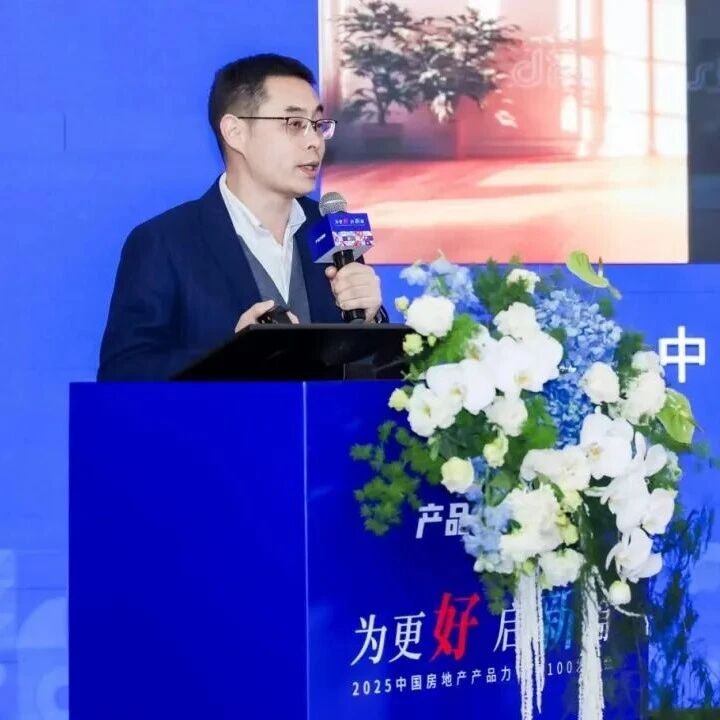
华为鸿蒙智家闵登峰:“好房子”时代空间智能提升住宅产品力构建消费者持续关怀|产品力100峰会后记
克而瑞地产研究· 2026-01-12 05:06
Core Viewpoint - The "2025 China Real Estate Product Power TOP 100 Release Conference" highlighted the importance of product innovation and the future development trends in the real estate industry, emphasizing the need for companies to adapt and enhance their product capabilities to remain competitive [1][11]. Group 1: Industry Trends - The trend of smart housing in new real estate developments is accelerating, with the penetration rate of smart features in decorated homes expected to rise from 5% in 2020 to around 40% by 2025 [5]. - Huawei's C-end smart home solutions have seen a dramatic increase in adoption, with the signing rate growing from 0.1% in 2021 to 33% by 2025, indicating a significant shift towards smart home integration [5]. Group 2: Space Intelligence Transformation - The evolution of space intelligence is moving from being merely a "control tool" to becoming an "active service manager," addressing the limitations of traditional smart home systems [6]. - Key characteristics of effective space intelligence include simplicity, predictable user experience, intelligent perception, and the ability to evolve, requiring a comprehensive approach that encompasses various living environments [6]. Group 3: Interaction and Ecosystem - Interaction in smart homes should be multi-faceted, incorporating automatic, voice, and touch experiences, with voice interaction becoming a prevalent choice among users [7]. - The focus on ecosystem integration emphasizes the importance of deep collaboration across brands and categories, allowing for a more cohesive and efficient smart home experience [7]. Group 4: Practical Implementation - Huawei has collaborated with over 10 top real estate companies to create benchmark solutions that embed space intelligence into residential products, enhancing the overall user experience [8]. - The future direction of space intelligence aims to provide reliable and evolving service capabilities, making smart technology as essential as utilities like water and electricity in homes [8].
高盛闭门会-脉动中国-中国2026房地产展望
Goldman Sachs· 2026-01-12 01:41
Investment Rating - The report indicates a pessimistic outlook for the real estate market, with expectations of a 10%-15% decline in second-hand housing prices over the next two years [1][3][12] Core Insights - The overall real estate sales are projected to decline moderately, with new housing sales decreasing but a slight rebound in the absorption rate anticipated [1][5] - Land sales are expected to slow down after a brief recovery in the first half of 2025, with new construction area potentially dropping below 500 million square meters by the end of 2027 [1][6] - Developers are facing significant financing challenges, with interest burdens rising, particularly for private developers, leading to increased repayment pressures [1][8] - The liquidity situation for 28 developers under pressure has worsened, with a significant reduction in sales contribution and a high proportion of short-term debt [1][9] Summary by Sections Real Estate Market Outlook - The forecast for the real estate market in 2026 and 2027 has been updated, with a delay in the stabilization of housing prices due to unclear policy support [2][12] - Second-hand housing prices are expected to decline by 10%-15%, with transaction volumes stabilizing around 600 million square meters [3][12] New Housing Market - New housing sales are anticipated to decline, but a slight rebound in the absorption rate is expected due to a decrease in available inventory [5][6] Land Sales and New Construction - Land sales are projected to concentrate in first and second-tier cities, with new construction area potentially decreasing significantly by 2027 [6][7] Developer Challenges - Developers are facing increased interest expenses, with the interest coverage ratio for many private companies dropping significantly, raising concerns about their ability to manage debt [8][9] - The report categorizes developers into three groups based on their financial health, highlighting the challenges faced by private developers [13][15] Property Management Sector - The property management sector is viewed as relatively defensive, with expectations of stable fundamentals and potential marginal recovery [14][16]

房地产:中国房企发展与转型——迈向资产管理
2026-01-12 01:40
Summary of Conference Call on Real Estate Industry and Company Transformation Industry Overview - The report focuses on the transformation of the real estate industry in China towards asset management, driven by ongoing policy changes emphasizing high-quality housing development and operational real estate business [2][4] - The industry is at a dual turning point of urbanization and financial market development, with a consensus on the need for real estate companies to explore asset management as a necessary direction [4][5] Key Insights - **Historical Context**: The transformation of real estate companies into asset management firms has been primarily driven by financial deepening over the past 40 years, particularly in Western economies, while Asian markets are still in the early stages of this transition [3][10] - **China's Position**: China is expected to see a significant shift in real estate focus from traditional development to asset management, especially during the 14th Five-Year Plan period, which is anticipated to be crucial for institutional development [4][49] - **Challenges**: The pace of transformation in China's real estate sector is slower than expected, with companies facing challenges in their ability to adapt [5][49] Financial Dynamics - The report highlights that the real estate sector's contribution to GDP has been declining, with a shift towards financial mechanisms and asset management becoming more prominent [10][11] - The debt accumulation in the real estate sector has been manageable, but fluctuations in debt levels and asset prices have historically led to economic volatility [11][12] Structural Changes - The report discusses the need for a comprehensive process of transformation, including organizational restructuring and capability enhancement, as companies move from traditional development to asset management [4][19] - The emergence of new asset types in the REITs market, such as logistics and data centers, reflects the evolving landscape of real estate investment [14][28] Comparative Analysis - **International Examples**: The report draws comparisons between the evolution of real estate companies in the U.S., Japan, and Singapore, noting that U.S. firms have successfully transitioned to asset management platforms, while Japanese firms remain more conservative and focused on domestic markets [25][39] - **East vs. West**: There are significant differences in the development stages of real estate companies between East Asian and Western markets, with East Asian firms often maintaining a mixed business model while Western firms tend to specialize [20][23] Future Outlook - The report anticipates that the future of the real estate market in China will focus on managing existing assets and enhancing the quality of new developments, with urban renewal becoming a key area of opportunity [50][51] - The balance between rental and purchase markets is expected to shift, leading to a more stable housing market and potentially higher asset prices [51][52] Risks and Considerations - The report warns of potential risks associated with the slow pace of transformation and the challenges posed by existing market structures and regulatory environments [5][49] - It emphasizes the importance of developing a robust asset management framework to navigate the complexities of the evolving real estate landscape in China [49][50]
房地产:2025全年二手房库销水平维持稳定
2026-01-12 01:40
证券研究报告 2026.01.11 2025 全年二手房库销水平维持稳定 李昊 分析员 张宇 分析员 徐曼迪 联系人 SAC 执证编号:S0080522070007 SFC CE Ref:BSI853 hao5.li@cicc.com.cn SAC 执证编号:S0080512070004 SFC CE Ref:AZB713 eric.zhang@cicc.com.cn SAC 执证编号:S0080124070018 mandi.xu@cicc.com.cn 纵轴:相对值(%) 91 100 109 118 127 136 2025-01 2025-04 2025-07 2025-10 2026-01 沪深300 中金房地产 | 股票 | 股票 | 目标 | P/E (x) | | | --- | --- | --- | --- | --- | | 名称 | 评级 | 价格 | | 2026E 2027E | | 滨江集团-A | 跑赢行业 | 14.25 | 10.2 | 9.4 | | 招商蛇口-A | 跑赢行业 | 12.20 | 17.9 | 16.4 | | 华润万象生活-H | 跑赢行业 | 48. ...