大疆

Search documents
【e公司观察】产业链 “二选一” 引发反垄断新难题
Zheng Quan Shi Bao Wang· 2025-12-18 01:04
Group 1 - The core conflict between YingShi Innovation and DJI highlights the issue of "exclusive selection" behavior in the technology industry, raising concerns about antitrust regulations in technology-intensive sectors [1][2] - YingShi Innovation's founder revealed that 33 key suppliers faced "exclusive" pressure, affecting various components such as optical lens modules, structural parts, screens, batteries, and electronic chips, with some suppliers halting cooperation despite having completed sample deliveries or chip designs [1] - The sales conflict is also intense, with reports of a shopping mall forcibly removing an "Insta360" sign and prohibiting YingShi from opening a brand store during DJI's leasing period [1] Group 2 - DJI, as a leader in the global consumer drone market, has established a "super vertical integration" supply chain management model, controlling core components through self-research or deep cooperation, which may create competitive advantages [2] - The practice of "exclusive selection" in the supply chain is unprecedented in China, although similar behaviors in sales channels have led to penalties for companies like Alibaba and Meituan [2] - The antitrust law prohibits the abuse of market dominance by imposing unreasonable trading conditions, but identifying "exclusive selection" in technology-intensive industries poses challenges for regulators [2] Group 3 - A potential solution to balance innovation protection and fair competition is "technical isolation," where suppliers establish independent technical teams and production lines for different clients to avoid core technology overlap [3] - The outcome of this dispute will determine the future of both companies and may set a new benchmark for competition boundaries in the technology industry [3] - Policymakers need to find a path that encourages innovation while ensuring fair competition, allowing commercial competition to focus on products and technology rather than resource blocking [3]
大疆核心产品线Inspire悟系列负责人创业,完成近亿元天使轮融资|早起看早期
36氪· 2025-12-18 00:09
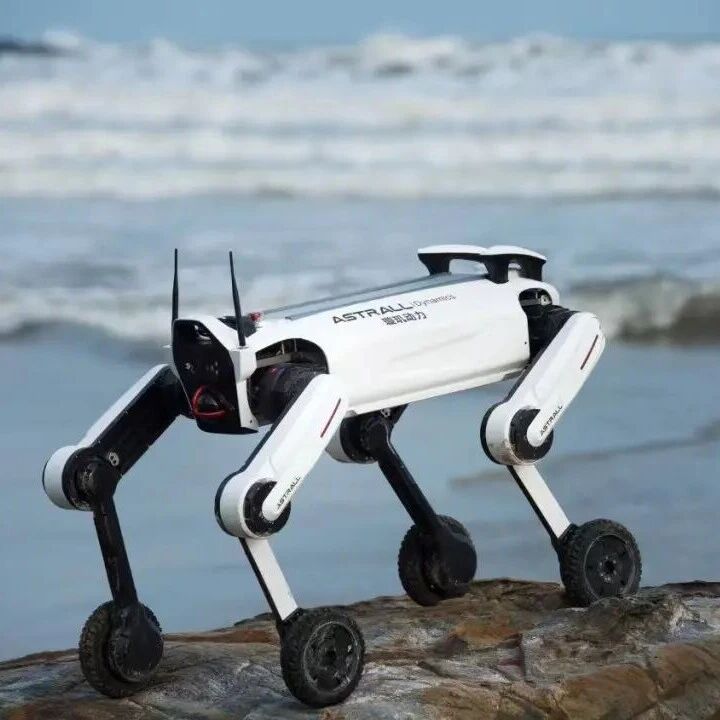
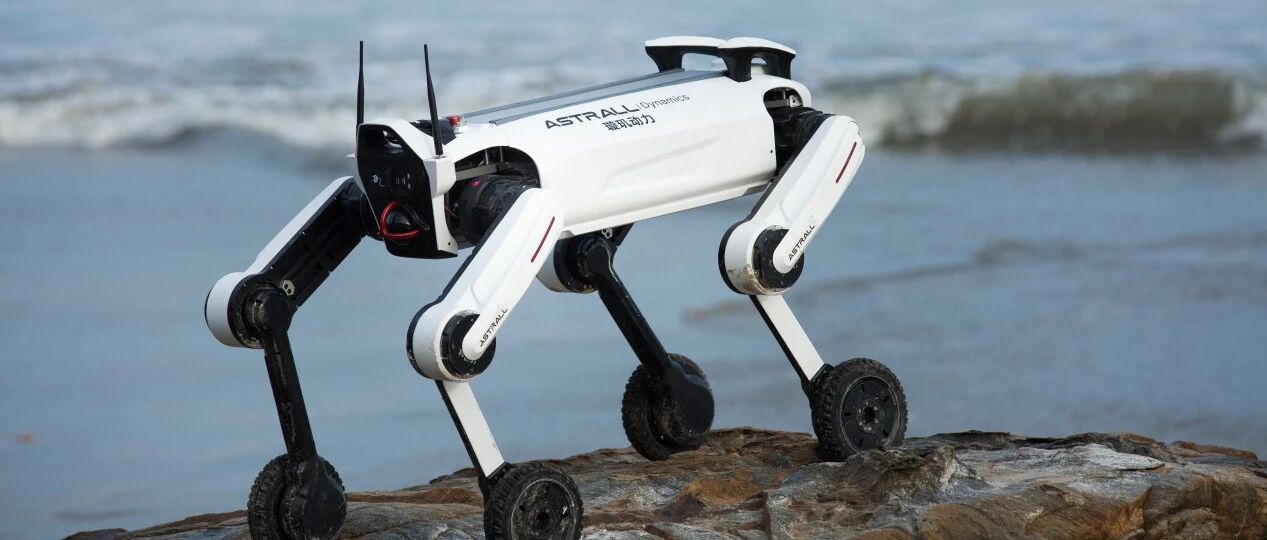
Core Viewpoint - The article highlights the successful completion of nearly 100 million RMB in angel round financing for "Xuanji Power," a company focused on the independent research and development of robotic platforms and core components, particularly featuring axial-flux motors [5][6]. Financing Information - Financing Round: Angel Round - Financing Amount: Nearly 100 million RMB - Investors: Yuhai Capital, Lanpu Venture Capital, Buchang Family Office - Fund Usage: To mass-produce heavy-duty and light-duty robots already released, and to develop a consumer-grade robot aimed for launch next year [6][7]. Company Overview - Established: June 2024 - Location: Bao'an District, Shenzhen - Technical Highlights: Full-stack self-developed high-performance robotic body and core components, including axial-flux motors, integrated joint modules, and remote control systems. The axial-flux structure allows for a flatter motor design, resulting in higher torque output per unit volume/weight. The peak torque of the self-developed axial-flux motor reaches 596 N.m, with a torque density of 240 N.m/kg [7][8][21]. Market Potential - The commercialization of quadruped robots is accelerating, with the overall market size exceeding 1 billion RMB in 2024. These robots are becoming preferred solutions in inspection, security, special operations, emergency rescue, and load transportation. The global market potential for quadruped robots is expected to reach a trillion-level scale, indicating vast growth opportunities. Despite this potential, current market penetration remains low, with a lack of high-performance products to meet demand [9][8]. Company Performance - Collaborations with leading clients in industries such as power grid, emergency response, and petrochemicals, including a partnership with Southern Power Grid to develop the "Barking Cloud·Titan" electric inspection quadruped robot. This product addresses traditional inspection pain points and has set records for continuous operational load and endurance. It is expected to enter mass production with deliveries starting in December [13][12]. Team Background - The founder, Oudi, previously led the Inspire series at DJI, overseeing the entire product development process. The Inspire line is known for its advanced technology and complexity, maintaining a leading position globally for over a decade. Oudi's extensive experience in large-scale product line development at DJI is a significant asset for the company [15][14]. Competitive Advantages - The core technology of "Xuanji Power" lies in the axial-flux motor and integrated joint module, providing competitive advantages in load capacity, stability, and endurance. The company emphasizes a full-stack self-development approach, ensuring rapid iteration and high-quality product performance [17][18][19]. Future Development Goals - The company aims to continuously iterate existing products to optimize performance, cost, and stability while expanding market coverage to empower more industries and users. Additionally, a consumer product line will be launched, leveraging the company's comprehensive R&D capabilities and large-scale production experience [24][22].

蔚蓝锂芯(002245):首次覆盖:携手Molicel拓展海外高端市场,全球份额持续提升
Shanghai Aijian Securities· 2025-12-17 11:29
Investment Rating - The report initiates coverage with a "Buy" rating for the company [6] Core Views - The company is expected to benefit from the high demand in AIDC and energy storage sectors, with a projected improvement in performance [6] - The company focuses on three main businesses: lithium batteries, metal logistics, and LED, with a strategic emphasis on cylindrical lithium batteries and new applications like BBU and robotics [6][21] - The company has a strong competitive position in the global power tool battery market, with an expected market share exceeding 12% in 2024 [6][12] Financial Data and Profit Forecast - Total revenue projections for the company are as follows: - 2023: 5,222 million - 2024: 6,756 million (29.4% YoY growth) - 2025: 8,239 million (21.9% YoY growth) - 2026: 9,853 million (19.6% YoY growth) - 2027: 11,708 million (18.8% YoY growth) [5][25] - Projected net profit for 2025-2027 is as follows: - 2025: 757 million - 2026: 982 million - 2027: 1,247 million [6][25] - The company’s gross margin is expected to improve from 12.8% in 2023 to 22.2% by 2027 [26] Business Segments - The lithium battery segment is projected to generate the highest revenue and gross profit, accounting for 42.8% of total revenue in 2025H1 [7] - The company is actively entering new application scenarios, including BBU cells and robotics, with confirmed collaborations with Molicel and other companies [6][21] Market Trends - The global power tool shipment is expected to grow nearly 25% to 570 million units in 2024, indicating a robust market for lithium batteries [12] - The overall lithium battery penetration rate in power tools is projected to reach 66% by 2025 [12]

扫地机鼻祖陨落,全球市场进入“中国时刻”
Hua Er Jie Jian Wen· 2025-12-17 10:26
Core Viewpoint - iRobot, once a leader in the robotic vacuum industry, has announced its bankruptcy restructuring, with Chinese company Shenzhen Shanjun Robotics set to acquire 100% of its shares, marking a significant shift in the global smart hardware market and the robotic vacuum industry [2][3]. Group 1: iRobot's Decline - iRobot was founded in 1990 and became synonymous with robotic vacuums after launching Roomba in 2002, dominating over 60% of the market for years [4][5]. - The company faced increasing competition from Chinese brands, which began to emerge in 2009 and gained significant market share after 2016 due to advancements in technology [5][6]. - By 2024, iRobot's global market share had dropped to 13.7%, with a 6.7% decline in shipment volume, as it fell out of the top five global brands for the first time [7][8]. Group 2: Market Dynamics - Chinese brands, including Roborock, Ecovacs, and Xiaomi, now dominate the global market, collectively holding 65.7% of the market share [7][8]. - The competition among the top five Chinese brands is characterized by rapid technological innovation and efficient supply chain management [3][11]. - The global robotic vacuum market is still in its early stages, with a penetration rate of less than 10%, indicating significant growth potential, especially in emerging markets [14]. Group 3: Future Prospects - The acquisition of iRobot by Shenzhen Shanjun presents an opportunity for the latter to enter the high-end markets in Europe and North America, but it faces challenges in keeping pace with rapid innovation [10][12]. - The restructuring of iRobot signifies the end of its independent operation and opens up new market opportunities for Chinese brands, which are expected to capture the market share left by iRobot [12][13]. - The competitive landscape is shifting, with a focus on technological advancements and operational efficiency as key factors for success in the overseas markets [17].




大疆系创企璇玑动力获近亿元天使轮融资,全栈自研技术布局机器人赛道
机器人大讲堂· 2025-12-17 05:08
Core Viewpoint - Xuanji Power, a robotics platform company founded by former DJI executive Odi, has completed nearly 100 million RMB in angel financing, which will support the mass production of heavy and light quadrupedal robots and the development of a consumer-grade robot set to launch next year [1][2]. Group 1: Company Overview - Xuanji Power was established in June 2024 and focuses on the research, manufacturing, and sales of intelligent robots, aiming to provide high-performance and reliable robotic solutions for both industry clients and consumers [1]. - The company is located in Bao'an District, Shenzhen, and emphasizes self-research in core components and the entire robot body [1]. Group 2: Team and Expertise - The core team of Xuanji Power consists of members from DJI, with founder Odi having extensive experience in high-end manufacturing and robotics, particularly in leading the development of DJI's Inspire series [2][3]. - Odi's background includes roles in product definition, core research, and large-scale production, providing the team with significant advantages in complex product system collaboration and supply chain management [3]. Group 3: Technological Innovations - Xuanji Power's core competitive advantage lies in its full-stack self-research approach, achieving breakthroughs in key technologies such as axial-flux motors and integrated joint modules [4][5]. - The self-developed axial-flux motor features a flat structure that delivers higher torque output compared to traditional radial motors, achieving a peak torque of 596 N·m and a torque density of 240 N·m/kg, setting industry-leading performance standards [4]. Group 4: Market Position and Opportunities - The quadrupedal and wheeled robot market is entering a phase of accelerated commercialization, with the global quadrupedal robot market projected to reach approximately 1.3 billion RMB in 2024, indicating significant growth potential [6]. - Xuanji Power has secured deep collaborations with leading industry clients, such as Southern Power Grid, to launch the "Feiyun Titan" quadrupedal robot for power inspection, addressing key pain points in traditional inspection methods [6]. - The company is also accelerating its entry into the consumer robot market, planning to launch new products next year to create a comprehensive product ecosystem [6]. Group 5: Production and Competitive Advantage - Xuanji Power has integrated mass production thinking into its product design from the outset, establishing an engineering system centered on modular architecture and system collaboration [9]. - This systematic engineering capability allows Xuanji Power to maintain a sustainable cost advantage and respond quickly to market demand changes, forming a core moat for the company's scalable development [9].
素食者汪滔,困在千亿大疆王国里
3 6 Ke· 2025-12-17 04:17
Group 1: Company Performance and Valuation - DJI's revenue is projected to exceed 50 billion yuan in 2024, with a net profit margin approaching 40%, nearly double that of Apple [2] - Based on an average P/E ratio of 30 in the consumer electronics sector, DJI's valuation should be around 180 billion yuan, although its unique product and profit levels suggest it could be higher [2] - Despite holding over 70% of the global consumer drone market, DJI is experiencing a slowdown in revenue growth, indicating a shift from an incremental market to a saturated market phase [14][15] Group 2: Leadership and Company Culture - Founder Wang Tao is known for his strong personality and perfectionism, which has led to both the creation of DJI as a drone giant and controversies within the company [3] - DJI's early culture was characterized by a geek-driven, technology-focused environment, attracting many creative young talents, but management issues have emerged as the company has grown [9][10] - The company has faced challenges in retaining talent, with many former employees successfully starting their own ventures, indicating potential misjudgments in new market opportunities by Wang Tao [5][12] Group 3: Competitive Landscape - DJI has recently entered new markets, including 3D printing and robotic vacuum cleaners, in response to increasing competition from companies like影石 (Yingshi) and former employees' startups [15][19] - The competitive dynamics have intensified, with影石 actively recruiting DJI's core team members, leading to significant personnel shifts and strategic conflicts between the two companies [7][8][17] - DJI's recent pricing strategies, such as the significant price drop of the Pocket 3 camera, reflect its defensive measures against market share erosion and competition from new entrants [15] Group 4: Innovation and R&D Challenges - DJI's patent applications have significantly declined, from 3,318 in 2019 to only 76 in 2024, attributed to reduced incentives for innovation within the company [11] - The company is perceived to be focusing more on immediate competitive responses rather than long-term technological innovation, raising concerns about its future growth trajectory [16][19] - Despite its strong hardware capabilities, DJI faces challenges in breaking into new markets like robotic vacuums, where competition has become increasingly fierce [19]
刚刚,深圳超级国资诞生
投资界· 2025-12-17 03:08
Core Insights - The article discusses the establishment of the "Guochuang Yinkechuang Fund" in Shenzhen, which has a registered capital of 18.9 billion RMB, highlighting the significant involvement of state-owned enterprises and government-backed funds in the investment landscape [5][6][7]. Fund Overview - The Guochuang Yinkechuang Fund was officially registered on December 15, 2025, with a total capital of 18.9 billion RMB, located in the Qianhai Shenzhen-Hong Kong Cooperation Zone [6]. - The fund is managed by Shenzhen Guochuang Investment Co., Ltd., which is wholly owned by the Shenzhen Guiding Fund Investment Co., Ltd. [6]. - Major contributors include Shenzhen Guiding Fund (12.8 billion RMB, 67.72%), Huitong Financial Holdings (3 billion RMB, 15.87%), and Qianhai Financial Holdings (2 billion RMB, 10.58%) [6][7]. Investment Landscape - Since 2015, Shenzhen has established government investment funds exceeding 150 billion RMB, creating 13 guiding funds that have mobilized nearly 500 billion RMB in capital [7]. - The total scale of state-owned funds in Shenzhen exceeds 7 trillion RMB, with over 500 funds targeting strategic emerging industries and future industries, accounting for over 90% of the investment [7]. Future Goals - Shenzhen aims to form a "dual ten-thousand" structure by the end of 2026, targeting a trillion-level "20+8" industrial fund group and over 10,000 registered equity investment and venture capital funds [8]. Economic Development Initiatives - Shenzhen's government has outlined nine key areas for economic work in 2026, focusing on nurturing new growth drivers, enhancing the integration of technology and industry, and optimizing traditional industries [9]. - The Shenzhen Municipal Financial Office has proposed measures to support the reform of the Growth Enterprise Market and promote venture capital activities [9]. Talent Attraction Strategies - Shenzhen has introduced various measures to attract young talent, including free accommodation for recent graduates, transitional housing at 60% of market rates, and entrepreneurial subsidies up to 30,000 RMB [9][10]. - Financial incentives for talent settlement include up to 100,000 RMB for PhDs, 50,000 RMB for master's degree holders, and 30,000 RMB for bachelor's degree holders [10]. Startup Ecosystem - The article highlights the vibrant startup ecosystem in Shenzhen, with notable companies like Ying Shi Innovation and Tuo Zhu Technology emerging from the region [10][11]. - The presence of a robust supply chain has attracted numerous investors to Shenzhen, particularly in the AI hardware sector [11].

科技消费崛起,大疆、影石争锋相对
2025-12-17 02:27
Summary of Key Points from Conference Call Records Industry Overview - The global consumer drone market is projected to reach approximately $4.27 billion in 2024, with an expected growth to $5.23 billion by 2030, reflecting a compound annual growth rate (CAGR) of about 3% [7][1] - The smart imaging device market, particularly the panoramic camera segment, is estimated to be around ¥6 billion, with a future CAGR of approximately 10% [11][1] Company Insights: DJI - DJI holds a dominant position in the global consumer drone market with a market share of 76%, covering over 170 countries. In the U.S., DJI's market share ranges from 70% to 90%, with an 80% share in agricultural drones [5][1] - DJI's competitive edge is attributed to its vertical integration of key technologies, including flight control systems, gimbal technology, and transmission systems, which create high technical barriers [1][9] - The company has continuously upgraded its transmission technology, evolving from public WiFi protocols to LightBridge and now to OcuSync 4.0, significantly enhancing transmission distance, anti-interference capabilities, and latency [1][10] - DJI's product lineup includes the Mini, Air, and Mavic series, targeting different market segments from entry-level to professional users [8][1] Competitive Landscape - DJI faces competition from Insta360 in the smart imaging market, with DJI capturing a 43% market share in panoramic cameras by Q3 2025, while Insta360's share has decreased to 49% [13][1] - In the action camera segment, DJI's Action 4 has significantly increased its market share to 66% by Q3 2025, challenging GoPro, which has historically led the market [13][1] - The sweeping robot market is highly concentrated, with leading brands like Roborock and Ecovacs. DJI's Romo series has underperformed due to high costs and lack of significant differentiation in obstacle avoidance technology [14][1] Emerging Trends - The rise of technology consumption in China is driven by technological innovation and the engineer dividend, contrasting with new consumption trends influenced by demographic changes and youth preferences [2][1] - The competition in the smart imaging market is expected to intensify, reminiscent of the 1980s when Japanese companies fiercely competed in handheld imaging devices [4][1] Additional Insights - DJI's entry into the sweeping robot market has been met with challenges, including high pricing and limited consumer acceptance of its design innovations [14][1] - The overall consumer drone market is expected to see increased penetration as technology matures and costs decrease, leading to sustained growth [7][1]
逾万家粤企“抢飞”低空市场万亿风口
Nan Fang Du Shi Bao· 2025-12-16 23:07
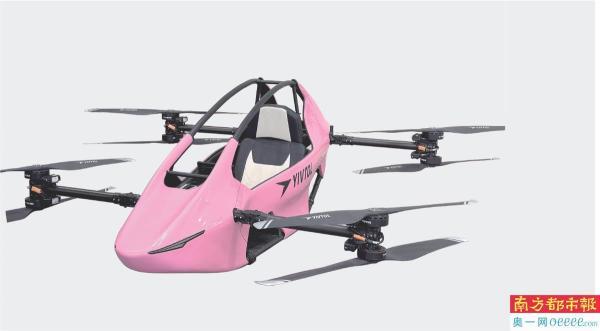
Core Viewpoint - The low-altitude economy is poised to reshape the three-dimensional transportation landscape, becoming the next trillion-dollar industry following electric vehicles, as highlighted by Professor Xie Shengli from Guangdong University of Technology [5]. Industry Overview - The 2025 International Low Altitude Economy Trade Expo in Guangzhou attracted over 350 enterprises, showcasing the entire low-altitude industry chain from upstream materials to core components and application scenarios [5][6]. - The event reflects the robust vitality of Guangdong's low-altitude economy, which is supported by national strategies that have integrated low-altitude economic development into government planning since 2021 [6]. Market Potential - By 2035, China's low-altitude economy market is expected to reach 3.5 trillion yuan, with key regions including the Guangdong-Hong Kong-Macao Greater Bay Area and the Yangtze River Delta [7]. - As of the end of 2024, the number of registered traditional general aviation aircraft in China is projected to be 3,232, while the number of registered drones is expected to reach 2.177 million, with drone flight hours surpassing 26.67 million, significantly outpacing traditional aviation [7]. Regional Advantages - Guangdong is home to over 15,000 low-altitude economy enterprises, accounting for more than 30% of the national total, and is expected to surpass 180 billion yuan in low-altitude economic output in 2024 [8]. - The region leads globally in the drone sector, with consumer drones making up 70% of global production and industrial drones 50% [8]. Challenges and Responses - The low-altitude economy faces challenges such as underdeveloped high-value application scenarios and stringent airspace management, which hinder the realization of its full potential [10]. - Energy supply is a critical challenge, particularly regarding battery technology that meets the high power output requirements for vertical takeoff and landing [11]. - Guangdong is proactively addressing these challenges by optimizing airspace management and focusing on key technological advancements through collaborative efforts among government, academia, and industry [11][12].

史上最大IPO要来了!估值10万亿
Sou Hu Cai Jing· 2025-12-16 14:54
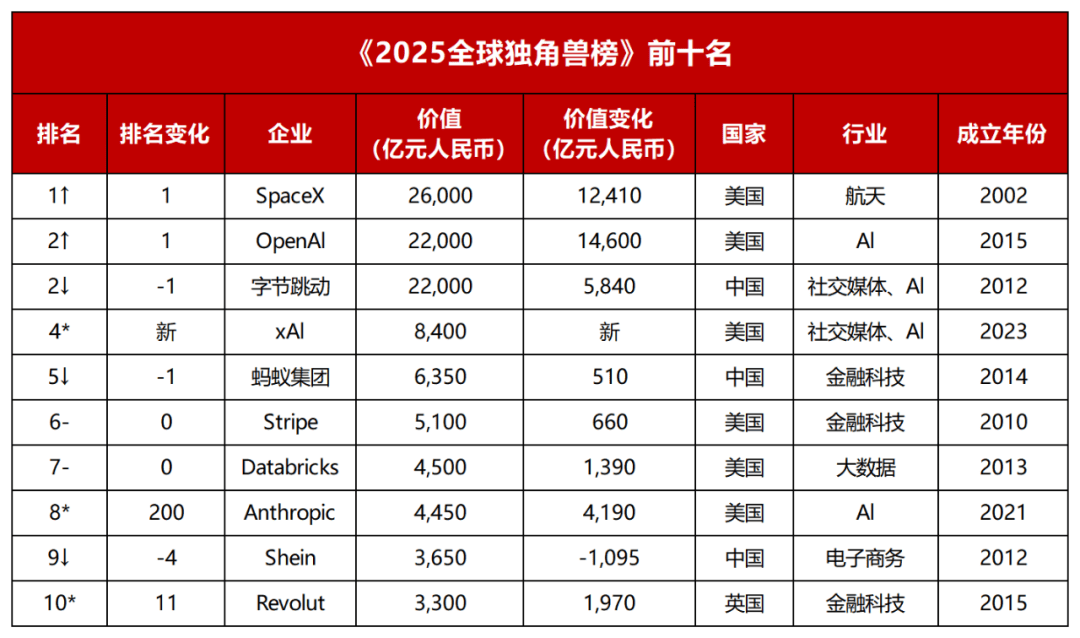
Core Insights - SpaceX plans to conduct an IPO with an estimated valuation of approximately $1.5 trillion, aiming to raise over $30 billion, which could become the largest IPO in history [1][3] - The company has recently topped the 2025 Global Unicorn List, with a valuation increase of 1.2 trillion yuan over the past year, reaching 2.6 trillion yuan [1][4] - Part of the funds raised from the IPO will be allocated to developing space data centers and acquiring necessary chips [1][3] Company Overview - Founded by Elon Musk in 2002, SpaceX is a leader in the commercial space sector, focusing on reusable rocket technology and reducing space travel costs [2] - The company’s Starlink project is the largest low Earth orbit satellite internet constellation, and its Starship rocket is currently the most powerful heavy-lift launch vehicle [2] IPO Details - SpaceX is working towards completing its IPO by mid to late 2026, although this timeline may be adjusted based on market conditions and regulatory approvals [2] - If SpaceX sells about 5% of its shares at the $1.5 trillion valuation, it could raise up to $40 billion, surpassing the previous record set by Saudi Aramco [3] Market Position - SpaceX's valuation has nearly doubled in the past year, significantly outpacing competitors like Blue Origin and DJI [5] - The company has established a strong market presence with its reusable rocket technology and the commercial success of its Starlink satellite network [5] Growth Drivers - The upcoming IPO is seen as an opportunity to leverage technological barriers and the growing space economy [6] - SpaceX plans to conduct 170 orbital launches in 2025, which would account for nearly 90% of global launch capacity, creating significant scale effects [6] Challenges Ahead - The company faces regulatory and governance challenges, particularly regarding information disclosure related to its military applications and rocket technology [7] - Competition from Blue Origin and Amazon's Kuiper project poses risks to SpaceX's market share in satellite internet [7] - Balancing shareholder interests with long-term exploration goals remains a critical challenge for SpaceX as it prepares for its IPO [7]