
比亚迪股份

Search documents
GGII:国内储能锂电池市场六大变化、四大趋势
高工锂电· 2026-02-17 11:08
Core Viewpoint - The Chinese energy storage lithium battery market is expected to experience explosive growth in 2025, followed by a phase of high-quality development in 2026, driven by demand exceeding expectations, price recovery, technological iteration, and innovative business models [3][4]. Group 1: Market Performance and Trends - In 2025, the Chinese energy storage lithium battery market will see a shipment volume of 630 GWh, representing an 85% year-on-year increase, significantly surpassing industry expectations [6]. - Despite the cancellation of mandatory energy storage policies, the independent energy storage market will achieve unexpected growth, marking a new phase of market-driven development [6]. - The demand for energy storage batteries will be primarily driven by power storage, which will account for 84% of the market, with independent energy storage entering the power market and diversifying revenue sources [9]. Group 2: Competitive Landscape - The competitive landscape of the energy storage lithium battery market in 2025 will show a slight decrease in market concentration, with the top ten companies' market share dropping from 95% in 2024 to 90%, indicating increased market vitality [14]. - Mid-tier companies will see significant growth, particularly in large-capacity cells and cost control, with notable performances from companies like Hubei Chuangneng and Penghui Energy, which will double their shipment volumes compared to 2024 [14]. Group 3: Technological Advancements - The industrialization of large-capacity batteries will accelerate, with the second-generation 314 Ah cells becoming mainstream in 2025, and third-generation 500 Ah+ cells being released in small batches [17]. - By 2026, the market share of 500+ Ah large cells is expected to reach 20%, as both leading and emerging companies increase their R&D investments in this area [19]. Group 4: Supply and Demand Dynamics - The demand surge will create a persistent capacity gap, with some companies extending order schedules into the first half of 2026, leading to high capacity utilization rates and premium pricing for certain products [19]. - The industry will see a significant increase in outsourcing as leading battery manufacturers seek to alleviate capacity pressures by collaborating with contract manufacturers [19]. Group 5: Pricing Trends - The energy storage lithium battery supply chain will enter a price recovery phase in 2025, driven by significant increases in raw material prices, such as battery-grade lithium carbonate, which will rise from 58,400 CNY/ton in June to approximately 120,000 CNY/ton by year-end [20]. - The shortage of battery cells will lead to a "high price wins" scenario, with downstream companies accepting price increases to secure capacity, resulting in an average price increase of around 15% for products [20]. Group 6: Strategic Shifts - In 2025, many energy storage lithium battery companies will extend their operations downstream, increasing investments in energy stations and related services to enhance customer loyalty and profitability [21]. - The industry will focus on a comprehensive model of "battery supply + station investment + operation services," laying the groundwork for future value creation [21]. Group 7: Outlook for 2026 - The core themes for 2026 will include ensuring delivery, expanding capacity, differentiating large and small capacity cells, and innovating business models [22][23][24][25]. - The industry will shift from a focus on scale competition to value competition, with technological innovation, operational service capabilities, and global expansion becoming new competitive barriers [26].



Malaysia vehicle sales surge 27% in January
Yahoo Finance· 2026-02-17 10:06
Market Overview - Malaysia's new vehicle market rebounded by 27% to 64,298 units in January 2026, compared to 50,449 units in January 2025, driven by additional working days due to the Lunar New Year timing [1] - The vehicle market was supported by high registrations of vehicles purchased before the end of 2025, new locally produced models, and aggressive year-end promotions by dealers [2] Economic Context - Consumer sentiment has improved, contributing to economic growth of 6.3% year-on-year in Q4 2025, up from 5.4% in Q3, driven by stronger domestic consumption, investment, and exports [2] - The overall economy expanded by 5.2% in 2025, slightly up from 5.1% in 2024 [2] Vehicle Sales Breakdown - Light passenger vehicle sales increased by 28% year-on-year to 60,369 units, while commercial vehicle sales rose by 15% to 3,929 units [3] - Battery electric vehicle (BEV) sales surged to 6,239 units from 1,691 units a year earlier, with the Proton eMas 5 leading at 3,068 units sold [3] Production and Future Outlook - Vehicle production in Malaysia rose by 6% to 60,866 units in January 2026, compared to 57,450 units in January 2025 [4] - The vehicle market is expected to weaken in February 2026 due to the Lunar New Year holidays, with GlobalData forecasting a 3.2% decline in light vehicle sales to 801,000 units for the entire year [4] Company Performance - Perodua's sales increased by 12% to 26,130 units in January 2026, supported by the launch of the new Traz compact SUV and its first BEV model [5] - Proton reported a 35% increase in global vehicle sales to 19,833 units, with the Saga being the best-selling model [5] - UMW Toyota experienced a nearly 23% rise in wholesale deliveries to 6,598 units, with the Vios and Hilux as top sellers [6]
中国生产和制造了几乎所有的东西,为何美国经济仍比中国强大?
Sou Hu Cai Jing· 2026-02-17 09:38
Core Insights - China's manufacturing output is projected to account for nearly 30% of global production by 2025, while the U.S. will be around 13%, highlighting China's dominance in manufacturing despite a lower GDP compared to the U.S. [1][3] - By 2025, China's GDP is expected to exceed $20 trillion, while the U.S. GDP will be approximately $30 trillion, resulting in a significant gap of $9 trillion [3][5] - The disparity in GDP figures is influenced by currency exchange rates, with the nominal GDP calculation favoring the U.S. due to the stronger dollar [5][7] Group 1: Manufacturing and Economic Output - China's manufacturing sector is not just a national industry but a global manufacturing hub, producing a wide range of goods from solar panels to toys [1][3] - The purchasing power parity (PPP) method shows that China's GDP could reach approximately 40.7 trillion international dollars by 2024, surpassing the U.S. [7] - The U.S. maintains a significant advantage in controlling the value chain, with major global companies headquartered there, which impacts GDP calculations [11][19] Group 2: Currency and Financial Dynamics - The U.S. dollar serves as the primary global trade and reserve currency, allowing the U.S. to leverage its currency for economic advantages [13][15] - The U.S. has a substantial overseas direct investment of $9.7 trillion, which is three times that of China, enhancing its global economic influence [15] - The ability of the U.S. to print dollars and influence global markets creates a unique economic position that China is still working to overcome [13][15] Group 3: Innovation and Future Prospects - China is transitioning from being a manufacturing powerhouse to focusing on innovation and technology, with significant investments in R&D, particularly in sectors like electric vehicles and telecommunications [17][19] - The competitive landscape suggests that while the U.S. currently leads in nominal GDP, China's advancements in manufacturing capabilities and innovation may shift the balance in the coming years [21] - The future economic competition will hinge on technological control and the ability to influence global markets, rather than just GDP figures [21]
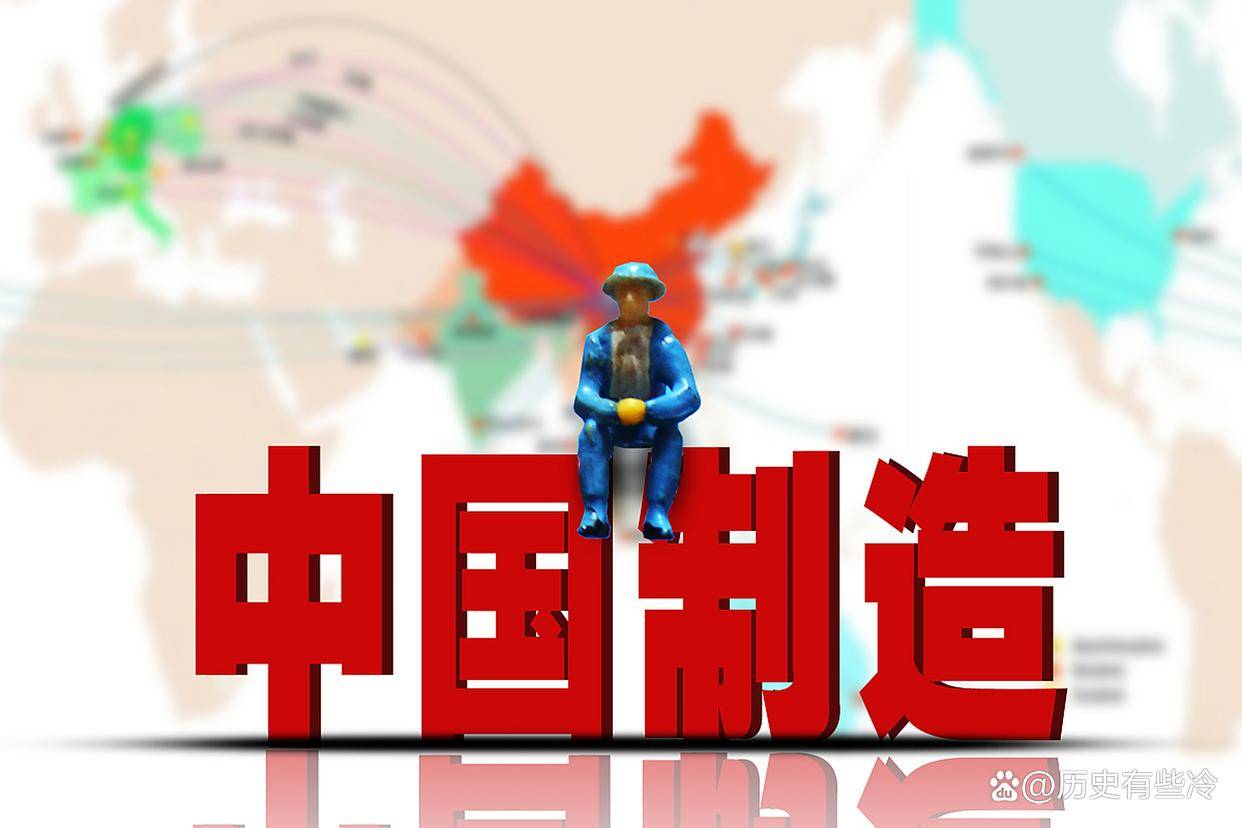
美媒:中国欠特朗普一声谢谢,没有美国制裁,中国搞不到那么多钱
Sou Hu Cai Jing· 2026-02-17 08:22
特朗普的第二任期刚开始,他便以一场贸易政策风暴轰动了世界。2025年1月20日他宣誓就职后不久,便签署了行政命令,对进口商品加征高额关税。原本 中国商品的税率就高达34%,这次直接猛增至125%,而他并未对其他盟友手下留情——连加拿大、墨西哥和欧洲国家的商品,也同样被卷入了这一波关税 浪潮。加拿大的能源产品遭遇了10%的关税,墨西哥的农产品价格也被迫上调。特朗普一再宣称这些措施是为了缩小美国的贸易赤字、保护国内的就业市 场。然而,实际情况却远比他想象的复杂得多,这一系列政策忽视了全球供应链紧密相连的现实。美国的贸易伙伴们纷纷表达不满,出口成本暴涨,供应链 也因此出现了严重的混乱。 面对突如其来的压力,加拿大的总理毫不犹豫地作出回应,开始对美国的商品加征关税,墨西哥则迅速展开谈判。与此同时,欧洲国家,尤其是德国,遭遇 了来自特朗普关税的沉重打击,15%的关税让其汽车出口受到了致命一击,生产链的正常运行也被迫中断。特朗普的关税政策几乎像是一场无差别的轰炸, 让许多国家感到愤怒与困惑。到了5月,加拿大以对美国威士忌和摩托车加征25%关税作为反击;墨西哥在6月对玉米和猪肉加征关税,直接影响了美国中西 部的农场;欧洲联 ...
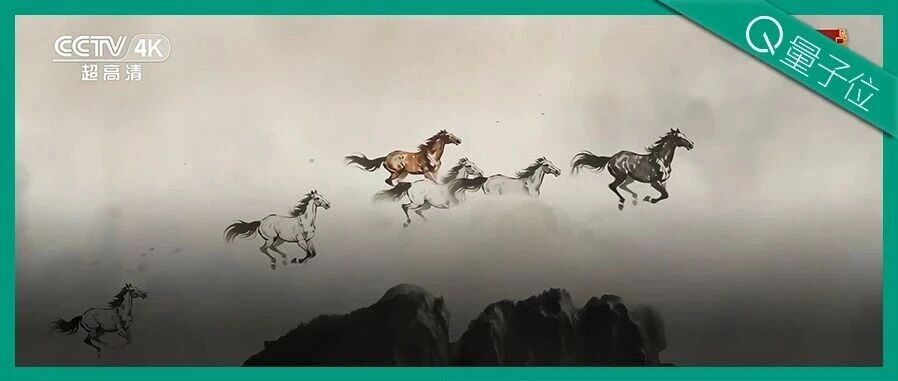
春晚张杰《驭风歌》背后的马,是Seedance 2.0做的!
量子位· 2026-02-17 03:58
Core Viewpoint - The article highlights the significant advancements in AI technology showcased during the Spring Festival Gala, particularly focusing on the capabilities of the Seedance 2.0 model and its integration with various AI applications in performance and interaction [2][42]. Group 1: AI Technology in Performance - The performance of "Yufeng Song" by Zhang Jie featured a background video created using the Seedance 2.0 model, which successfully interpreted and animated traditional Chinese ink painting styles, a task that many foreign models struggled with [4][5]. - Seedance 2.0 was utilized in multiple performances, including the creative dance show "He Huashen," where it demonstrated micro-control capabilities to create detailed visual effects [7][10]. - The model's ability to follow physical and biomechanical principles allowed for realistic animations of galloping horses, showcasing its advanced command-following and multi-modal material reference capabilities [8][10]. Group 2: Video Quality Enhancement - The collaboration with the Volcano Engine video cloud team enabled the enhancement of video quality to meet the Spring Festival Gala's high standards, utilizing super-resolution algorithms to upscale 720P to 8K and frame interpolation to increase frame rates from 24 to 50 FPS [15][17]. - The integration of 4D Gaussian splashing technology allowed for the creation of immersive visual experiences, where virtual dancers interacted seamlessly with real stage lighting [20][22]. Group 3: AI Interaction and User Engagement - The Spring Festival Gala introduced AI-driven interactive features through the Doubao app, allowing users to generate personalized avatars and greetings, marking a shift from traditional transactional interactions to more complex, computationally intensive engagements [28][30]. - The Ark platform played a crucial role in managing the high traffic during the event, utilizing a federated system to optimize resource allocation and ensure rapid response times for user requests [31][29]. Group 4: Broader Implications and Industry Impact - The article emphasizes the widespread adoption of Doubao's AI models across various industries, including automotive, mobile, and robotics, highlighting its robust partnerships with major companies [40][41]. - The successful implementation of AI technologies during the Spring Festival Gala serves as a demonstration of their practical value and potential for real-world applications, reinforcing the notion that effective AI solutions can deliver tangible benefits [43][44].
定位中型SUV,比亚迪宋Ultra EV预计售价在18万元左右;超过二十项功能新增与优化,方程豹钛7开启新一轮OTA升级丨汽车交通日报
创业邦· 2026-02-17 03:42
Group 1 - NIO achieved a record high of 146,649 battery swaps on February 15, 2023, and has built over 8,600 charging and swapping stations nationwide, with more than 3,700 dedicated battery swap stations [2] - BYD's new mid-size SUV, the Song Ultra EV, is expected to be priced around 180,000 yuan and has completed the Ministry of Industry and Information Technology's approval process [2] - The Fangcheng Leopard Ti7 has launched a new OTA upgrade featuring over twenty new and optimized functions, powered by an advanced AI model, with a price range of 179,800 to 219,800 yuan [2]



马年,盛产首富和科技狂人
吴晓波频道· 2026-02-17 00:29
Core Viewpoint - The article discusses the complex narratives of three prominent Chinese entrepreneurs born in the Year of the Horse, highlighting their distinct paths and contributions to China's industrial upgrade amidst economic transformations. Group 1: Wang Jianlin - Wang Jianlin, once a three-time richest man in China, has faced significant challenges, including asset sales and debt issues, reflecting the broader real estate cycle in China [3][6][7] - He has sold over 85 Wanda Plaza locations and exited various sectors, including sports and film, to manage debt and maintain cash flow [7] - Despite his struggles, Wang demonstrates resilience and strategic asset management to preserve Wanda's credit standing [6][7] Group 2: Zhong Shanshan - Zhong Shanshan, founder of Nongfu Spring, became the richest man in China for the fourth time, with a net worth of 530 billion yuan, setting a new record [8][9] - He faced public scrutiny but actively addressed it through media engagement and product innovation, launching "green bottle" water to capture market share [9][10] - Zhong's wealth is primarily derived from the bottled water business, which benefits from a stable cash flow and high profit margins, contrasting with the volatility of tech sectors [10] Group 3: Wang Chuanfu - Wang Chuanfu, founder of BYD, represents the rise of Chinese electric vehicle manufacturers, with BYD's sales projected to reach approximately 2.26 million units in 2025, a 27.86% increase year-on-year [14] - The shift in perception of BYD from being underestimated to recognized as a strong competitor by global leaders like Elon Musk illustrates the changing dynamics in the EV market [13][14] - Wang's leadership reflects China's ambition to reshape global supply chains and technology leadership in the automotive sector [16] Group 4: Demographic Insights - The article notes that 47.5% of the Horse zodiac billionaires are aged 57, representing a significant portion of the wealth accumulation in sectors like new energy and technology [17] - The younger generation of entrepreneurs, born in 1978, is characterized by their digital-savvy approaches, leveraging the internet and technology for business growth [24] - The article highlights the generational divide, with older entrepreneurs having built wealth in traditional industries, while younger ones thrive in digital and tech-driven markets [24][25]


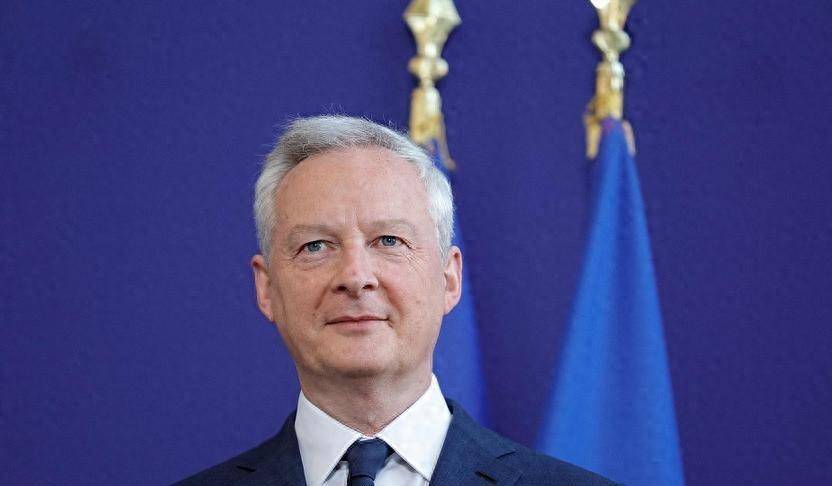
法国不再掩饰!向全球发出通告,27国可能对中国商品加征30%关税,但法财长强调不能搞一刀切
Sou Hu Cai Jing· 2026-02-16 23:33
最近全球经贸圈最炸裂的一幕,不是美国又在太平洋搞军演,也不是日本新首相高市早苗放什么狠话,而是法国突然掀了桌子——直接摊牌。 回过头看,之前闹得满城风雨的电动汽车关税风波,就是它先点的火。 现在它不满足于小打小闹,想拉整个欧盟下水,搞一场全面围堵。 理由?简单粗暴——看着中欧贸易逆差数字涨到眼红。 2024年,欧盟对华逆差3045亿欧元;2025年,这个窟窿又扩大到3200亿欧元左右。 法国人坐不住了,觉得中国货"抢"了他们的市场,必须动手。 但法国人开的方子,实在歪得离谱。 第一招,就是"一刀切"加税。 不管你是卖螺丝钉、纺织品,还是光伏板、家电,统统加30%。 这种懒政式操作,等于把复杂问题简化成蛮力对抗。 第二招更阴,居然想照搬1985年美国对付日本的"广场协议"。 当年美国联合几个盟友,硬生生把日元逼升值,结果日本出口成本飙升,制造业一蹶不振,经济陷入"失去的三十年"。 现在法国人想如法炮制,鼓动欧盟联手施压,让欧元对人民币一次性贬值20%到30%,说白了,就是逼人民币被动升值,削弱中国制造的价格优势。 这算盘打得噼里啪啦响,可刚落地,自家后院就起火了。 2月9号那天,法国政府直属的智库"高等战略与规 ...
汽车行业政策落地与新品周期成热点,板块表现分化
Jing Ji Guan Cha Wang· 2026-02-16 21:35
Core Viewpoint - The automotive industry is currently focused on policy implementation and new product cycles, with significant developments expected in 2026, including the listing of Lantu Automotive and the introduction of new models [1] Group 1: Policy Developments - The 2026 vehicle trade-in subsidy details have been released, with an average subsidy reduction of 30% compared to 2025, but the policy rollout is earlier than in previous years [1] - Cities like Shanghai and Jiangxi are offering up to 20,000 yuan in subsidies for individual consumers to stimulate consumption during the Spring Festival [1] Group 2: New Product Launches - Lantu Automotive plans to launch four new models within the year, including the L3-level SUV Lantu Taishan Ultra [1] - New models from AITO and Li Auto are being prepped for the mid-to-high-end market, while BYD's new sub-brand "Linghui" focuses on B-end mobility solutions [1] Group 3: Market Performance - The automotive sector index reported a decline of 0.48% on February 13, with a 5-day cumulative increase of 1.56% [2] - The main funds in the automotive sector saw a net inflow of 181 million yuan on February 11, although individual stock performances varied significantly [2] Group 4: Institutional Insights - Analysts suggest that the automotive industry's driving force is shifting towards product innovation, with expectations of a rapid sales rebound post-Spring Festival [3] - The focus on smart technology and globalization presents structural opportunities, particularly for leading manufacturers benefiting from premium pricing [3] Group 5: Financial Analysis - January production and sales data reveal a significant decline of 25.7% and 28.3% month-on-month, with domestic sales of new energy passenger vehicles down 22.9% year-on-year, while exports increased by 100% [4] - Mercedes-Benz reported a revenue forecast of 132.2 billion euros for 2025, indicating resilience in the high-end market [4]
Great Wall Motor plans Europe relaunch with hybrids and local plant
Yahoo Finance· 2026-02-16 17:01
Group 1 - Great Wall Motor (GWM) is planning a European relaunch focused on hybrid and combustion vehicles, with a goal to establish a local factory by 2030 that will have an annual capacity of 300,000 vehicles [1][2] - The company aims to double its overseas sales to one million units by 2030, with Europe being a critical market for achieving this target [1][4] - GWM's initial attempt to enter the European market was unsuccessful, with sales dropping 25.4% in 2024 and nearly 30% in 2025, leading to the closure of its Munich office and a shift to the Netherlands [2][4] Group 2 - The first new launch in Europe will be the Ora 5 city car available in electric and hybrid variants, followed by two petrol-powered SUVs under the Haval brand [3] - GWM has introduced a new global vehicle platform designed to support over 50 upcoming electric, hybrid, and internal-combustion models [3] - The competitive landscape in Europe has changed since GWM's previous entry, necessitating a broader dealer network and diversified powertrain offerings beyond electric vehicles [2][3] Group 3 - BYD's European sales have significantly increased, tripling to 187,657 vehicles in 2025 from 50,912 in 2024, highlighting the competitive environment GWM is entering [4] - Globally, GWM delivered 1.32 million vehicles, marking a 7.3% year-on-year increase, with overseas sales rising 11.7% to 506,066 units, driven by markets in Australia, Latin America, South Africa, and Southeast Asia [4] - Limited access to markets like the US, India, and Japan means GWM must strengthen its European presence to meet its 2030 overseas sales target [4]
