万科

Search documents
万科这场马拉松,郁亮不跑了
3 6 Ke· 2026-01-09 11:29
Core Viewpoint - The retirement of Yu Liang from Vanke marks the end of an era for the company, which has faced significant challenges and leadership changes in recent years [1][3][14]. Group 1: Retirement Announcement - Vanke announced Yu Liang's retirement due to "age-related reasons," emphasizing that it would not affect the board's operations and that there were no disagreements within the board [3][14]. - The announcement lacked the customary expressions of gratitude typically extended to departing executives, raising questions about the nature of his exit [3][14]. Group 2: Leadership Changes - Yu Liang's retirement follows a series of high-profile departures, including the resignation of former President Zhu Jiusheng due to legal issues and the abrupt exit of Chairman Xin Jie [3][14][18]. - The company is transitioning to a leadership style influenced by local government, moving away from the previous market-driven management approach [17][18]. Group 3: Company Performance and Challenges - As of Q3 2025, Vanke's interest-bearing debt reached 362.93 billion yuan, with 151.39 billion yuan due within a year, while available cash was only 65.68 billion yuan, indicating a cash shortfall [18]. - The company's revenue for the first three quarters of 2025 was 161.39 billion yuan, a nearly 27% decline year-on-year, with a net loss of 28.02 billion yuan, worsening from the previous year [18]. Group 4: Yu Liang's Legacy - Yu Liang is recognized as a key figure in Vanke's history, having led the company from a small firm with sales of less than 2.5 billion yuan to the largest residential developer in China [10][11]. - He introduced the "5986" high turnover model, which became an industry standard and helped Vanke expand during the 2008 financial crisis [11][14]. Group 5: Future Outlook - The next leadership is expected to come from the Shenzhen Metro Group, indicating a shift towards a more government-influenced management style [17]. - The company faces significant challenges in addressing its debt and operational issues, with ongoing efforts to sell assets and negotiate with creditors [18].



两重两新提前批下达,费率新规正式稿落地:政策双周报(1222-0109)-20260109
Huachuang Securities· 2026-01-09 11:14
1. Report Industry Investment Rating No information about the industry investment rating is provided in the report. 2. Core Viewpoints of the Report - In 2026, "Two Major" projects and "Two New" funds are being gradually allocated, with the scale of the first batch of "Two New" funds narrowing compared to 2025, and the government is promoting economic development through various policies [1][12]. - Fiscal policy maintains an active stance in 2026, ensuring necessary expenditure intensity and increasing the issuance scale of key - term treasury bonds [2]. - Monetary policy aims to achieve an "integrated effect" of incremental and existing policies, with the central bank net - buying treasury bonds and focusing on expanding domestic demand and technological innovation in 2026 [3]. - Financial regulatory authorities have issued formal regulations on fees, relaxed bank EVE indicators, and are exploring innovative financial products [4]. - Real estate policies aim to stabilize the market, with measures such as reducing VAT on second - hand housing transactions and optimizing purchase restrictions in Beijing [5]. 3. Summary by Directory 3.1 Macro - economic Tone - The dates for the 2026 National Two Sessions have been announced. The Fourth Session of the 14th National People's Congress will be held on March 5, 2026, and the Fourth Session of the 14th National Committee of the Chinese People's Political Consultative Conference will be held on March 4, 2026 [11]. - The first batch of 62.5 billion yuan in ultra - long - term special treasury bonds to support consumer goods replacement has been pre - allocated to local areas in 2026, with a smaller scale than in 2025. The policy focuses on optimizing fund allocation and advancing ahead of schedule [12]. - The National Development and Reform Commission has allocated a 295 - billion - yuan pre - approved project list for 2026, including about 220 billion yuan for "Two Major" construction projects and over 75 billion yuan for central budgetary investment [13]. 3.2 Fiscal Policy - In 2026, fiscal policy remains actively oriented, aiming to expand fiscal expenditure, optimize the combination of government bond tools, enhance transfer payment efficiency, and strengthen fiscal - financial coordination [17]. - Seven provinces have repaid 3.342 billion yuan of illegally added government implicit debts, nine regions' state - owned enterprises have returned 1.848 billion yuan of misappropriated agricultural loans, and two provinces and two regions have substantially resolved 170 million yuan of government debts [18]. - In January 2026, the issuance scale of key - term treasury bonds increased compared to the same period last year, with front - loaded policy implementation [19]. 3.3 Monetary Policy - The fourth - quarter monetary policy meeting proposed to achieve an "integrated effect" of incremental and existing policies, and the central bank will continue to deepen interest rate liberalization reform [22]. - The National Foreign Exchange Administration will deepen foreign exchange facilitation reforms and support financial institutions in developing simple and useful exchange - rate hedging products [23]. - In December 2025, the central bank net - bought 50 billion yuan of treasury bonds. Since October 2025, the central bank has restarted bond - buying operations, with purchase amounts of 20 billion yuan, 50 billion yuan, and 50 billion yuan in October, November, and December respectively [3]. - In 2026, monetary policy will focus on expanding domestic demand, technological innovation, and other fields, and its growth rate is expected to exceed that of the total social financing scale [25]. 3.4 Financial Supervision - The formal regulations on fund fees have been issued, and regulators are researching and exploring innovative products such as REITs ETFs [28]. - Regulatory authorities have revised the interest - rate shock amplitude parameters for banks [29]. - Regulators have consulted wealth - management companies on obstacles to A - share investment and policy expectations, and many banks have reduced wealth - management management fees to 0% [29]. - The regulatory authority has issued a notice on bond transaction record - keeping to strengthen supervision [30]. 3.5 Real Estate Policy - The government aims to stabilize the real estate market, control increments, reduce inventories, optimize supply, improve housing quality, and reduce VAT on second - hand housing transactions [33]. - Beijing has further optimized purchase - restriction policies, including relaxing requirements for non - Beijing households and supporting multi - child families [34]. - Vanke's proposal to extend the grace period for a 3.7 - billion - yuan bond was passed, but other extension proposals were not approved [34]. - An article in Qiushi magazine holds a positive view on future real estate policy space [35].
万科再无郁亮:率先喊出“活下去”的人,先行离场
虎嗅APP· 2026-01-09 10:16
Core Viewpoint - The resignation of Yu Liang marks the end of an era for Vanke, transitioning from a high-growth phase to a more cautious and defensive strategy in the real estate industry [4][5][26]. Group 1: Leadership Transition - Yu Liang, who took over from Wang Shi in 2017, has been a pivotal figure in Vanke's evolution, emphasizing risk management and financial prudence [4][7]. - His departure signifies a shift in Vanke's leadership style, moving away from the previous model established by Wang Shi [5][26]. - The company no longer requires a successor in the mold of Yu Liang, indicating a new phase in its corporate governance [5]. Group 2: Strategic Shifts - Yu Liang warned of a transition from a "golden era" to a "silver era" for the real estate market as early as 2014, advocating for a strategic pivot away from traditional residential development [10][11]. - Under his leadership, Vanke initiated a "de-real estate" strategy, diversifying into urban services and logistics, which included the launch of the "Octopus Plan" in 2015 [11][12]. - The company adopted a defensive strategy during the "black iron era," focusing on cash flow and cutting non-core businesses to ensure survival [15][16]. Group 3: Financial Performance and Market Response - Vanke's stock price faced significant declines, with shares dropping to levels not seen since 2015, reflecting market concerns over its financial health [19]. - The company experienced a substantial increase in bond yields, with some reaching nearly 60%, indicating investor anxiety [19]. - In response to market volatility, Vanke held a rare earnings call to reassure stakeholders of its financial stability and support from local government entities [20]. Group 4: Cost-Cutting Measures - Yu Liang implemented rigorous cost-cutting measures, including a reduction in employee benefits and a focus on minimizing unnecessary expenditures [18][24]. - The company underwent significant asset disposals, including the sale of various projects to streamline operations and improve liquidity [21][22]. - Vanke's internal culture shifted to a more austere environment, emphasizing frugality and efficiency in operations [18][24]. Group 5: Industry Context - The transition from high-leverage growth to a focus on stability and low-profit margins reflects broader trends in the real estate industry, as many firms face similar challenges [26]. - Vanke's evolution under Yu Liang mirrors the industry's shift from rapid expansion to a more cautious approach, emphasizing the need for sustainable practices [26].

36年万科路,敲钟人郁亮谢幕
Hua Xia Shi Bao· 2026-01-09 09:40
Core Viewpoint - The retirement of Yu Liang marks the end of an era for Vanke, reflecting his significant contributions to the company's growth and the evolution of the Chinese real estate industry [2][11][13]. Group 1: Career Development and Contributions - Yu Liang joined Vanke at the age of 25 and spent 36 years with the company, transitioning from a financial officer to a key leader in a billion-dollar enterprise [2][3]. - His early contributions included leading the successful issuance of B shares in 1993, raising 4.5 billion HKD, which alleviated Vanke's funding challenges and laid the groundwork for national expansion [3][4]. - Under his leadership, Vanke's revenue grew significantly, with a 28% year-on-year increase following the resolution of a major corporate governance conflict in 1994 [4]. Group 2: Strategic Initiatives and Growth - In 2004, Yu Liang introduced the ambitious "Ten-Year 100 Billion Plan," which was initially met with skepticism but ultimately led to Vanke achieving over 1,000 billion in sales by 2010, making it the first Chinese real estate company to reach this milestone [5][6]. - The implementation of the "5986 model" facilitated rapid growth, resulting in sales increasing from 91.6 billion in 2004 to over 1,000 billion by 2010, showcasing Vanke's effective management strategies [5][6]. - By 2020, Vanke achieved a record contract sales amount of 704.15 billion, with a net profit of 41.516 billion, demonstrating the success of its diversified business model [8][9]. Group 3: Industry Position and Future Outlook - Yu Liang's foresight in predicting the end of the "golden era" of real estate in 2014 led to a strategic shift towards becoming a "city service provider," diversifying into logistics, commercial, and long-term rental markets [7][8]. - Despite facing challenges in the post-2020 market downturn, Vanke's diversified strategy and risk management measures helped stabilize its operations [9]. - Yu Liang's departure signifies a transition for Vanke, but his strategic vision and operational principles will continue to influence the company's future direction [10][12][13].
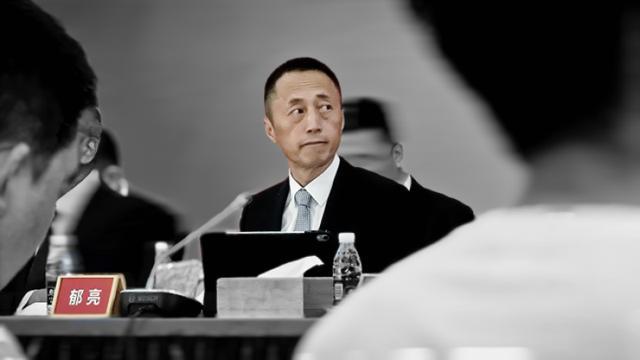
顶流财经大V认怂!
Xin Lang Cai Jing· 2026-01-09 09:00
Core Viewpoint - The popular financial influencer "Teng Teng Ba" has had his secondary account temporarily suspended due to regulatory actions against illegal stock recommendations, highlighting the increasing scrutiny on unlicensed financial advisors in China [2][5][12] Group 1: Account Suspension and Regulatory Context - Teng Teng Ba announced on January 7 that his account, operational for six years, was suspended for at least one month, expressing regret over the situation [2][14] - The suspension is attributed to his lack of a license and certification while publicly recommending stocks and sharing investment operations, which is against the regulations [5][17] - The regulatory environment has become stricter, with other prominent influencers also facing penalties for similar violations, indicating a trend towards tighter control over financial advice [5][12] Group 2: Background and Influence - Teng Teng Ba built his reputation through various platforms, including Baidu Tieba, Weibo, and WeChat, and authored books that positioned him as a "value investment mentor" [6][18] - His dual identity as a public servant and a financial influencer is unique, as he has advanced in his government career while promoting investment strategies [7][19] - Despite his influence, his investment performance has been criticized, particularly for past recommendations that led to significant losses for his followers [9][21] Group 3: Investment Performance and Criticism - Followers of Teng Teng Ba experienced substantial losses, with stock prices of recommended companies like Vanke and China Ping An dropping significantly, leading to a decline of nearly 85% for Vanke [9][21] - Teng Teng Ba's own investment in Vanke was minimal, with his holdings dropping below the threshold for public disclosure, raising concerns about the disparity between his advice and personal investment strategy [10][22] - His reported investment returns over various periods show a mix of high and low performance, with a notable 39.49% return over the last three years, but this contrasts sharply with the losses experienced by his followers [10][22][23] Group 4: Industry Implications - The case of Teng Teng Ba reflects a broader issue in the financial influencer industry, where many lack the necessary qualifications and exploit their followers for personal gain [12][24] - The increasing regulatory scrutiny is seen as a positive development for protecting investors from unlicensed financial advice, emphasizing the need for caution among retail investors [12][24]

预警「活下去」的郁亮谢幕,万科仍困「深渊」
36氪· 2026-01-09 08:57
Core Viewpoint - The retirement of Yu Liang marks the end of an era for the Chinese real estate industry, symbolizing the transition from a period of rapid growth to one filled with uncertainty and challenges [8][27]. Group 1: Yu Liang's Career and Impact - Yu Liang, who has been a pivotal figure in the real estate sector, officially retired at the age of 61 after a 36-year career at Vanke [4][8]. - He is recognized for his significant contributions to Vanke, leading the company to achieve over 100 billion yuan in sales in 2010, making it the first real estate firm in China to reach this milestone [13]. - Yu's cautious approach, influenced by his financial background, led him to predict industry downturns, coining terms like "Silver Age" and "Black Iron Age" to describe the evolving market conditions [13][11]. Group 2: Vanke's Current Challenges - As of Q3 2025, Vanke faced severe financial difficulties, with total interest-bearing liabilities reaching 362.93 billion yuan and a cash short-term debt ratio of only 0.43, indicating a precarious liquidity position [23]. - The company reported a revenue decline of 26.61% year-on-year, with a net loss of 28.02 billion yuan, exacerbating concerns over its financial health [23]. - Vanke's major shareholder, Shenzhen Metro Group, has provided nearly 30 billion yuan in financial support, highlighting the urgent need for capital to navigate the crisis [23][19]. Group 3: Management Changes and Future Direction - The recent management shake-up at Vanke, including Yu Liang's resignation and the appointment of new executives from Shenzhen Metro Group, signifies a shift towards a dual management model of state-owned and professional managers [19][14]. - The upcoming shareholder meeting will address a framework agreement for a loan of up to 22 billion yuan from Shenzhen Metro Group, aimed at repaying debts and stabilizing the company's finances [20]. - Despite the challenges, Vanke aims to deliver 117,000 housing units in 2025, having completed about 70% of the required deliveries, indicating a focus on maintaining operational commitments [24].
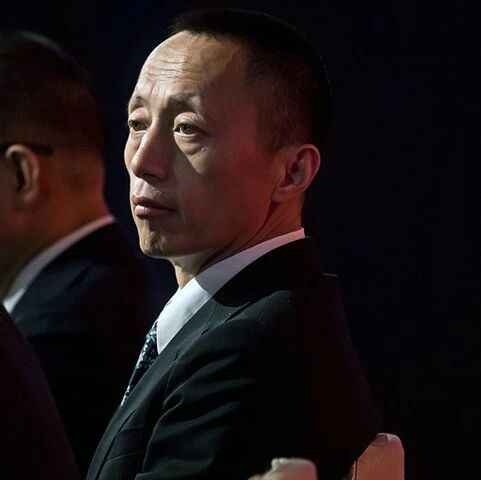
每周回顾 沪指16连阳突破4100点;2025年公募基金自购5600亿元
Sou Hu Cai Jing· 2026-01-09 08:40
Economic Indicators - In December, the Consumer Price Index (CPI) increased by 0.2% month-on-month and 0.8% year-on-year, with the core CPI (excluding food and energy) rising by 1.2% year-on-year [1] - The Producer Price Index (PPI) rose by 0.2% month-on-month but decreased by 1.9% year-on-year [1] Stock Market Performance - The Shanghai Composite Index (SSE) experienced a 16-day consecutive rise, closing at 4120.43 points, marking a ten-year high, with total trading volume exceeding 3 trillion yuan [1] - Several brokerage firms expressed optimistic expectations for the stock market in 2026, with CITIC Securities predicting a 5%-10% increase in the full-year performance of the market [1] Commodity Market Regulation - The Shanghai Futures Exchange implemented a series of regulatory measures to cool down the overheating silver futures market, including risk warnings, trading limit adjustments, and margin changes [1] Semiconductor Market Trends - The price of memory chips has surged, with some DDR5 server memory modules priced at over 40,000 yuan each, leading to comparisons with real estate prices in Shanghai [2] - The global demand for AI computing power has created a severe supply-demand imbalance in the memory semiconductor market, prompting significant price increases [2] Corporate Developments - Vanke A announced the retirement of its executive vice president, Yu Liang, who will no longer hold any position within the company [3] - Alibaba plans to increase investment in Taobao Flash Sale in 2026, aiming to become the market leader [4] Fund Industry Insights - Public funds in China engaged in a large-scale self-investment action in 2025, with total self-purchase transactions reaching 562.66 billion yuan, a 51.8% increase from 2024 [5] - Non-monetary public fund self-purchases amounted to 9.34 billion yuan, a 130% increase from the previous year, with bond funds being the primary focus [5][6] IPO Activity - Unigroup Guoxin has entered the counseling phase for its IPO, reflecting a new wave of interest in storage chips driven by AI [6] - MiniMax, an AI model company, successfully listed on the Hong Kong Stock Exchange, achieving a market capitalization exceeding 80 billion HKD [7] - The snack brand "Mingming Hen Mang" is planning to raise 400-500 million USD through an IPO, with significant growth in transaction volume and profit reported [8]
郁亮退休,寒冬之下万科何去何从?
Xin Lang Cai Jing· 2026-01-09 08:14
Core Viewpoint - Vanke announced the resignation of Yu Liang, the company's executive vice president and board member, effective immediately due to retirement [1][3][15] Group 1: Yu Liang's Career and Contributions - Yu Liang joined Vanke in 1990 and served for 36 years, playing a crucial role in the company's transformation from diversification to real estate specialization [3][6] - He became a key figure in capital operations, leading the successful issuance of Vanke's B shares in 1993, raising 4.5 billion HKD for early expansion [7][19] - Under his leadership, Vanke launched the ambitious "Ten-Year 100 Billion Plan" in 2004, which aimed for sales of 100 billion CNY by 2014, a target achieved four years early in 2010 with sales of 108.16 billion CNY [9][22] Group 2: Challenges and Strategic Decisions - Vanke faced significant challenges during the "Baowan Battle" from 2015 to 2017, where Yu Liang and Wang Shi successfully stabilized control through strategic partnerships [8][20] - In 2018, Yu Liang warned of the need to "survive" amidst aggressive market conditions, a foresight that proved accurate as the industry faced downturns [9][22] - By 2024, Vanke reported a record net loss of 49.478 billion CNY, prompting Yu Liang to implement a "streamlining" plan to reduce debt by 100 billion CNY over two years [10][23] Group 3: Current Financial Status and Future Outlook - As of the first nine months of 2025, Vanke reported revenues of 161.39 billion CNY and a net loss of 28.02 billion CNY, with a tax-adjusted gross margin of only 2.0% [12][24] - The company has significant short-term debt pressures, with 84.61% of its 16.098 billion CNY debt due within one year, leading to a debt extension process initiated in November 2025 [12][25] - Despite Yu Liang's retirement, the company faces an uncertain future as it navigates through ongoing industry challenges and investor concerns regarding its debt repayment capabilities [25]
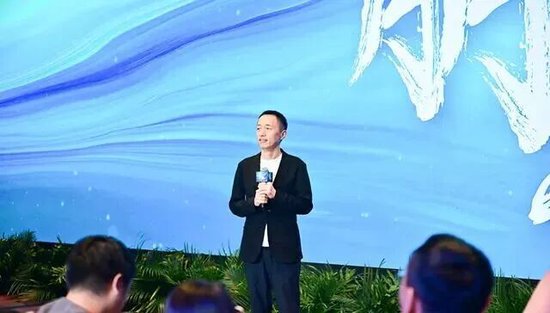
万科美元债创新低,每1美元面值跌2美分至15美分
Mei Ri Jing Ji Xin Wen· 2026-01-09 07:56
(文章来源:每日经济新闻) 每经AI快讯,1月9日,万科美元债创新低,每1美元面值跌2美分至15美分。 ...
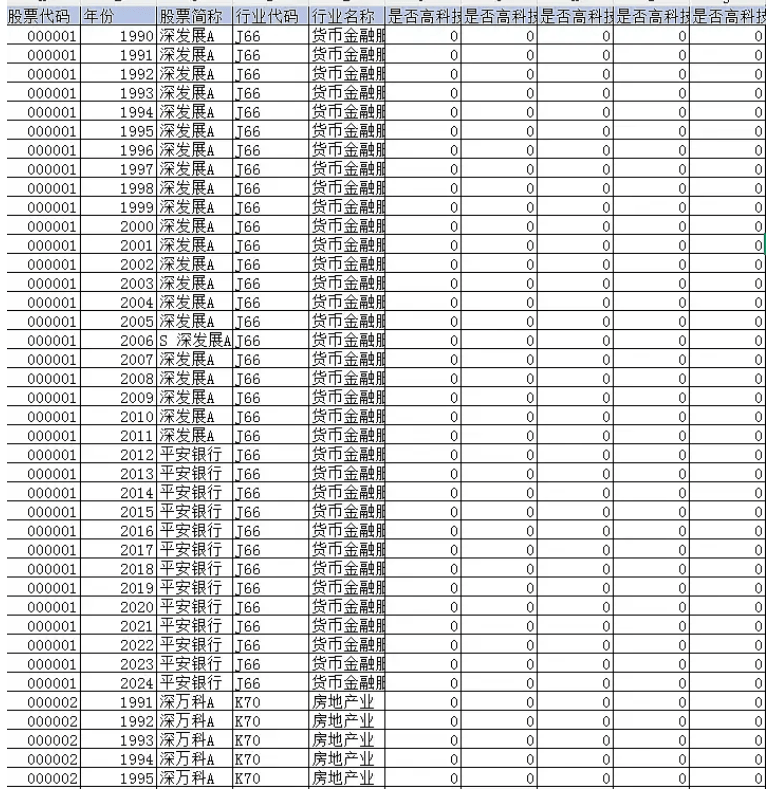
上市公司是否为高科技行业1990-2024年
Sou Hu Cai Jing· 2026-01-09 07:19
Group 1 - The high-tech industry is defined as sectors that operate at the forefront of scientific technology, utilizing advanced scientific knowledge and innovative technologies for research, production, and services [1] - The assessment of high-tech industries is based on four dimensions: technological field classification, innovation capability indicators, economic characteristics and policy orientation, and comparison of international and domestic standards [1] Group 2 - The data covers publicly listed companies from 1990 to 2024, indicating whether they belong to the high-tech industry across five different classification methods [2] - The dataset includes stock codes, years, stock names, industry codes, industry names, and multiple indicators to determine high-tech status [2][3]