九毛九

Search documents
轻食正在发生几个关键变化
3 6 Ke· 2025-07-17 03:09
Core Insights - The health-conscious trend in the food and beverage industry is a significant and growing movement, influencing various aspects from ingredients to preparation methods [1][2] - The demand for healthier dining options can be categorized into three levels: basic food safety, advanced dietary structure, and precise nutritional needs for fitness enthusiasts [2][10] - The light meal market in China is projected to exceed 320 billion yuan by 2024, with a growth rate of 41.7%, indicating a strong consumer shift towards healthier eating [2][3] Industry Trends - The emergence of a more mainstream light meal segment, driven by diverse health food demands, is creating new opportunities for brands like "Super Bowl Foodbowl," which focuses on affordable, Chinese-style light meals [3][6] - Super Bowl has successfully expanded its offerings and customer base, achieving over 100 stores in five cities within ten years, with a focus on fresh, flavorful, and healthy options [3][6] - The increasing consumer focus on food safety is reshaping the restaurant industry, with brands needing to adapt to higher standards of hygiene and transparency [7][9] Consumer Behavior - The health food market is expanding beyond fitness enthusiasts to include a broader demographic, particularly the elderly and children, who are increasingly seeking nutritious meal options [11][12] - The demand for healthy meals often spikes during specific periods, such as post-holiday or pre-summer, indicating a "pulse" in consumer behavior towards health-conscious eating [11] - Super Bowl's model of offering customizable, healthy meals has resonated well with consumers, leading to a high repurchase rate of over 60% [3][9] Competitive Landscape - The competition in the healthy dining sector is intensifying, with traditional fast-food chains like KFC and Subway entering the light meal market, indicating a shift in consumer preferences [6][21] - Super Bowl's strategic focus on local flavors and affordable pricing has positioned it well against competitors, while also addressing the historical challenges of high prices and low repeat purchases in the light meal sector [20][21] - The overall restaurant industry remains fragmented, with a low chain penetration rate, allowing for significant opportunities for growth and innovation in the healthy dining segment [7][8]


计划每年新增超50家合伙门店,呷哺呷哺启动合伙人计划
Xin Jing Bao· 2025-07-17 01:30
Core Insights - Major hot pot brands are actively expanding their business models, with Haidilao continuing to incubate sub-brands and Banu submitting an IPO application to become the "third hot pot stock" [1] - Xiaobuxiang, the "first hot pot stock," has launched the "Feng Huan Chao" partner program aimed at outstanding internal employees and industry talents, with plans to open 50 to 100 new partner stores annually [1][2] Company Initiatives - The "Feng Huan Chao" partner program incentivizes frontline employees who contribute significantly to store growth, allowing them to share in store profits through a partnership model [1][2] - The first batch of 21 partners has signed contracts, with 5 partner stores already operational [1] - Xiaobuxiang will provide comprehensive support to partners, including brand authorization, supply chain assurance, and management standards, ensuring consistency in brand image and service quality [2] Industry Trends - The trend of opening franchise and partnership models is growing among leading restaurant brands, with Haidilao and Jiumaojiu also adopting similar strategies [3] - The increasing chain rate in China's restaurant industry, along with improved brand management and supply chain standardization, is driving the shift from direct operation to franchise models [3] - The internal partnership model is becoming popular, transforming employees from traditional roles into partners who share risks and profits, enhancing their engagement and performance [3]
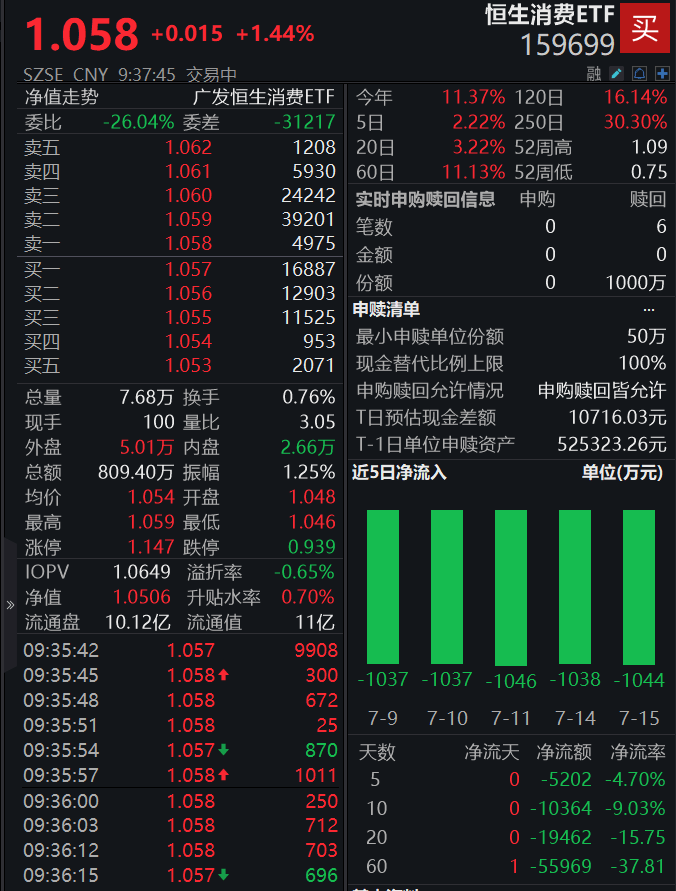
恒生消费ETF(159699)开盘涨超1%,冲击5连阳!成份股泡泡玛特上半年溢利预增超350%
Sou Hu Cai Jing· 2025-07-16 02:01
Group 1 - The core viewpoint of the article highlights that Pop Mart's revenue is expected to grow by no less than 200% year-on-year for the first half of 2025, with profit growth projected at no less than 350% [1] - In the first half of 2024, Pop Mart achieved revenue of 4.558 billion yuan, indicating that the revenue for the first half of 2025 could exceed 13.5 billion yuan, surpassing its total revenue for 2024 [1] - The company attributes its performance fluctuations to three main factors: increased global brand recognition, a rising proportion of overseas revenue, and continuous optimization of product costs and expense management [1] Group 2 - The article notes that the Hang Seng Consumption ETF (159699) opened higher by over 1% on July 16, with a two-week increase ranking first among comparable funds [1] - The liquidity of the Hang Seng Consumption ETF is highlighted, with an average daily transaction volume of 111 million yuan over the past year, also ranking first among comparable funds [1] Group 3 - The article discusses the diversification of Pop Mart's business model, including innovations in commercial monetization through jewelry, theme parks, and animation, which enhances its profitability channels [3] - The emotional and experiential consumption sectors are accelerating, with IP toys representing a significant market segment driven by evolving consumer psychological needs [4] - The Hang Seng Consumption ETF is positioned to benefit from new consumption stimulus policies and supports T+0 trading, focusing on four major sectors: food and beverages, textiles and apparel, home appliances, and leisure facilities [5][6]

人民币柜台纳入港股通细则近期有望公布
Zheng Quan Ri Bao· 2025-07-10 16:16
Core Viewpoint - The Hong Kong Securities and Futures Commission (SFC) is actively collaborating with mainland regulatory bodies to incorporate a Renminbi (RMB) stock trading counter into the Stock Connect program, aiming to enhance cross-border investment opportunities and facilitate RMB internationalization [1][4]. Group 1: RMB Trading Counter Implementation - The SFC plans to announce implementation details for the RMB stock trading counter soon, which is expected to encourage more companies to consider issuing RMB-denominated stocks [1]. - The Hong Kong Stock Exchange (HKEX) launched the "HKD-RMB Dual Counter" model on June 19, 2023, allowing investors to purchase Hong Kong stocks directly in RMB, with 24 blue-chip stocks, including Tencent and Alibaba, participating [1]. - From June 19, 2023, to July 10, 2025, the cumulative trading volume for the RMB counters of the first 24 dual-counter securities reached approximately 50.116 billion RMB [1]. Group 2: Benefits for Mainland Investors - The inclusion of the RMB counter in the Stock Connect allows mainland investors to trade Hong Kong stocks directly in RMB, eliminating the need for currency conversion and associated costs [2]. - As of July 10, 2023, there are 550 stocks eligible for Stock Connect, with a total market capitalization of 66.36 trillion HKD [2]. - The RMB counter is expected to reduce exchange rate risks and improve actual investment returns for mainland investors by avoiding currency conversion losses [2][3]. Group 3: Impact on RMB Internationalization - The incorporation of the RMB trading counter is anticipated to accelerate the internationalization of the RMB, expanding its role in cross-border investments and enhancing pricing consistency for RMB assets globally [4]. - The HKEX is seen as a testing ground for various cross-border financial mechanisms, reinforcing its position as a hub for international capital accessing the Chinese market [4]. - Future developments may include the introduction of RMB-denominated bond futures and other tools to help investors manage interest rate risks [3][4].
从高价到平价,海底捞的“焦虑”藏在菜单里
Sou Hu Cai Jing· 2025-07-09 03:43
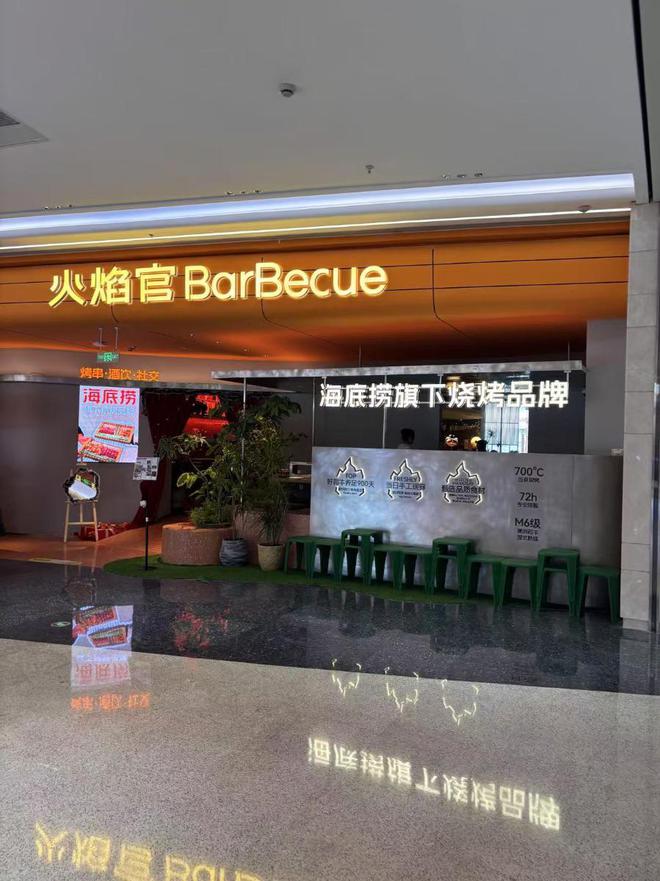
Core Viewpoint - Haidilao is diversifying its offerings and exploring new business models to adapt to a competitive market, including launching self-service meals and various themed restaurants, while facing growth challenges in a saturated industry [1][2][14]. Group 1: Business Innovations - Haidilao has introduced a 22 yuan self-service lunch in select locations, including a variety of dishes and drinks, as part of its strategy to attract customers during weekdays [1][3]. - The company has experimented with various formats, such as 12 yuan boxed meals, 5 yuan breakfast options, and street food stalls selling items like "boiled chicken" and "German wheat beer" [3][6]. - In 2024, Haidilao launched themed restaurants, including private rooms, family-friendly venues, and late-night dining spots, aiming to enhance customer experience and engagement [6][7]. Group 2: Strategic Plans - The "Pomegranate Plan" aims to create new sub-brands and diversify Haidilao's offerings, with over ten new brands in development, including barbecue and hot pot concepts [7][8]. - The company is focusing on improving operational efficiency by decentralizing decision-making to individual stores, allowing them to adapt to local market conditions [7][8]. - Haidilao's management emphasizes the importance of both major innovations in business models and minor improvements in daily operations and service [8]. Group 3: Market Performance - In 2024, Haidilao served 4.14 billion customers, a significant increase from 2.43 billion in 2019, but revenue growth has slowed to 3.1%, with net profit growth narrowing to 4.6% [11][14]. - The average customer spending has decreased to 97.5 yuan, continuing a downward trend since 2023 when it first fell below 100 yuan [11][14]. - Compared to competitors like Xiaobai and Taier, Haidilao's performance remains relatively strong, although the overall restaurant industry is under pressure, with significant profit declines reported [13][14]. Group 4: Future Outlook - Haidilao plans to continue focusing on stabilizing its main brand while exploring new market opportunities, particularly in lower-tier cities, despite the associated risks [11][14]. - The company is expected to maintain a cautious approach to expansion, having opened 59 new self-operated stores while closing 70 underperforming ones in 2024 [14].


2025年新消费投融资半年报:从半年破百亿到不足30亿,谁还在投“新”消费?
3 6 Ke· 2025-07-07 08:22
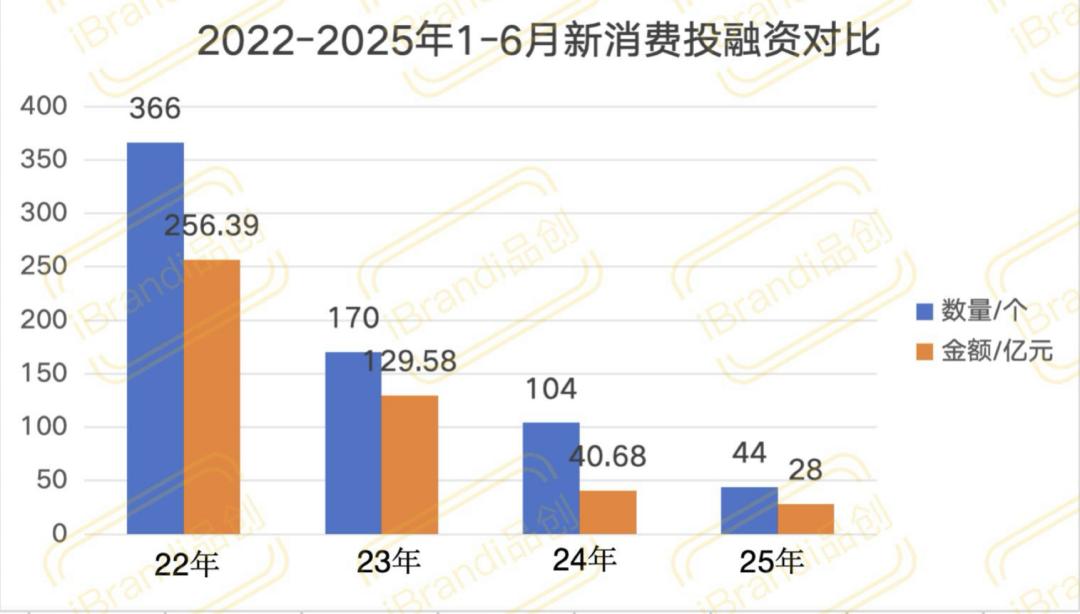
Core Insights - The investment logic in the consumer sector has fundamentally shifted from focusing on functional needs to addressing higher-level needs such as safety and self-actualization, with emotional value playing a crucial role [1][2][3] - The new consumption trend has seen a decline in the number of projects and disclosed financing amounts, indicating a cooling off in the market [2][4] - In 2025, the total disclosed financing for new consumption projects was approximately 2.8 billion RMB, a significant drop from previous years [4][6] Investment Trends - The focus has shifted towards long-term value, emphasizing brand repurchase rates, supply chain efficiency, and sustainable business models, moving away from "pseudo-innovation" reliant on capital infusion [1][2] - Projects that are likely to attract capital in 2024 and beyond will need to demonstrate technological innovation, sustainability, supply chain resilience, and adaptability to policies [1][2] Financing Overview - In the first half of 2025, 44 new consumption-related projects disclosed financing, totaling nearly 2.8 billion RMB, with a notable decrease in both project numbers and financing amounts compared to previous years [2][4] - The highest disclosed financing in this period was a 6.65 billion RMB acquisition by Qingdao Beer [6] Sector Analysis - The food and beverage sector remains dominant, with 16 projects disclosing financing of approximately 6.83 billion RMB, half of which are related to supply chain or innovative food [7] - The beverage sector saw limited financing activity, with only five projects disclosing funding, indicating a shift in investor interest [8] Emerging Trends - The pet economy is evolving, with a focus on enhancing the quality of life for pets rather than just meeting basic needs, as evidenced by significant investments in pet health and AI-enabled products [12][14] - The new tea beverage market is experiencing a wave of IPOs, indicating a transition from rapid expansion to a focus on supply chain efficiency and brand differentiation [16][17] Key Characteristics of Successful Brands - Successful new consumption brands in 2025 are characterized by technological innovation, sustainability, resilient supply chains, and a focus on emotional value [18][19] - The investment landscape emphasizes certainty in growth rather than short-term explosive potential, reflecting a deeper evolution in consumer demand [21][22]

港股通2025年9月调整名单预测:寻找下一个明星
Shenwan Hongyuan Securities· 2025-07-07 07:42
Core Insights - The report predicts that the Hang Seng Index will announce its second-quarter component stock review on August 22, 2025, with changes effective from September 8, 2025, impacting the Hong Kong Stock Connect [3] - It is anticipated that 20 stocks will gain eligibility for the Hong Kong Stock Connect, while 13 stocks may lose their eligibility [3] - The report highlights that companies listed in both A and H shares can enter the Hong Kong Stock Connect quickly, with Hai Tian Wei Ye (3288.HK) and Sanhua Intelligent Control (2050.HK) expected to be included in July [3] Selection Criteria - The selection criteria for the Hang Seng Composite Index include market capitalization and trading volume, with a focus on the top 95% of stocks based on average market capitalization over the past 12 months [3] - Stocks listed for less than 12 months will be ranked based on their average market capitalization since listing, while new entrants must meet slightly higher standards [3] - The trading volume requirement mandates that stocks must meet a minimum liquidity threshold for at least 10 months in the past year [3] Potential Inclusions and Exclusions - A list of potential stocks for inclusion in the Hong Kong Stock Connect includes: - Ying En Biological-B (9606.HK) with a market cap of 24.42 billion HKD - Nanshan Aluminum International (2610.HK) with a market cap of 23.81 billion HKD - Blue Moon Group (6993.HK) with a market cap of 23.80 billion HKD - Others include Cao Cao Chuxing (2643.HK), Kangnai Optical (2276.HK), and more [4] - Stocks that may be excluded from the Hong Kong Stock Connect include: - China Oriental Group (0581.HK) with a market cap of 5.66 billion HKD - Jin Di Commercial Property (0535.HK) with a market cap of 5.32 billion HKD - Others include Zhou Hei Ya (1458.HK), and more [4]
字节海外员工食物中毒 云海肴CEO当庭认罪丨消费参考
2 1 Shi Ji Jing Ji Bao Dao· 2025-07-03 23:41
Group 1: Company Overview - ByteDance's overseas employee food poisoning incident has seen new developments, with the CEO of Yunhaiyao admitting legal responsibility for the 2024 incident involving contaminated food served to employees in Singapore [1] - The CEO acknowledged two charges related to public health and food sales laws, with evidence showing a significant contamination level of Staphylococcus aureus in the food served [1] Group 2: Industry Impact - The food poisoning incident may directly impact Yunhaiyao's brand reputation amidst increasing competition in the restaurant industry [2] - The restaurant sector is experiencing intensified competition, with most categories showing a decline in store efficiency compared to 2023, leading to a rise in store closures to 4.09 million, with a closure rate of 61.2% [3] - Major restaurant brands are facing price wars, resulting in declining average spending per customer, which has further exacerbated losses for companies like Xiaobuxiang [4] - The case of Yunhaiyao illustrates the risks of expanding into overseas markets without adequate preparation, as it can severely damage a company's fundamentals [6]
鲍威尔之后,美股下一个新高靠什么?
海豚投研· 2025-06-30 12:39
Core Viewpoint - The article discusses the current state of the U.S. economy and the Federal Reserve's interest rate policy, highlighting the uncertainty surrounding potential interest rate cuts and their implications for market performance [1][3][10]. Group 1: Interest Rate Policy - The key issue in the market is whether the Federal Reserve will cut interest rates, as the end of government leverage raises concerns about who will drive economic growth [3][6]. - The Trump administration's economic policies have shifted, ending government leverage and relying on private sector actions, which are sensitive to market interest rates [6][9]. - Current high mortgage rates are limiting consumer borrowing, making it difficult for households to increase leverage [7][10]. Group 2: Consumer Spending - Recent consumer spending data shows a significant decline, with a 0.28% decrease in May, marking the worst performance in over a year [10][11]. - The decline in durable goods consumption and a shift to negative growth in service consumption indicate a broader weakening in consumer spending [11][13]. - The impact of tariffs on consumer prices remains uncertain, with only limited effects observed in specific product categories [13][16]. Group 3: Tariff Negotiations - Upcoming tariff negotiations are critical, with deadlines approaching for agreements with multiple countries, including the U.S. and Europe, which could significantly impact market conditions [20][21]. - The market has already priced in expectations for a September interest rate cut, leaving little room for error as negotiations unfold [20][21]. Group 4: Portfolio Performance - The Alpha Dolphin virtual portfolio underperformed compared to major indices, primarily due to a pullback in gold positions and insufficient equity exposure [21][25]. - The portfolio has shown a total return of 91.1% since inception, significantly outperforming MSCI China [23][27]. Group 5: Stock Contributions - Notable stock performances included TSMC, which saw a 9.1% increase due to strong market position and revenue growth expectations [26]. - Conversely, companies like Costco and Guizhou Moutai faced challenges, with Costco's sales declining amid weak retail data [26].

降价的高端火锅:海底捞拓圈,巴奴慢慢来丨餐饮变局
2 1 Shi Ji Jing Ji Bao Dao· 2025-06-27 13:01
Core Insights - The restaurant market is entering a new phase characterized by price wars, with a notable decline in average dining prices despite an increase in order volume [1][4][6] - Major players like Haidilao and Banu are adapting their strategies in response to market changes, with Haidilao focusing on new brand development while Banu aims to maintain its position in the high-end hot pot segment [8][12][16] Market Trends - In 2024, the average dining price dropped by 10.2% while the per capita dining order volume increased by 15.4% [1] - 47.8% of ongoing restaurant operators reduced their average price, with over 80% of restaurants priced above 100 yuan experiencing a decline in customer spending [1][4] Company Performance - Haidilao reported a revenue increase of 3.1% to 42.75 billion yuan in 2024, while its net profit grew by 4.7% to 4.708 billion yuan [8] - In contrast, other listed companies like Xiaobuxiang and Quanjude faced significant revenue declines, with Xiaobuxiang's revenue down 19.7% to 4.755 billion yuan [7][8] Competitive Landscape - The competitive environment is intensifying, leading to a higher closure rate of restaurants, with 61.2% of new openings in 2024 exiting the market [5][6] - Haidilao's new brand initiatives, such as the "Red Pomegranate Plan," have led to the establishment of 11 new brands and 74 outlets, generating 483 million yuan in revenue, a 39.6% increase [8][9] Strategic Approaches - Banu is focusing on a cautious expansion strategy, prioritizing brand recognition in key cities and maintaining higher profit margins in lower-tier cities [12][14] - Banu's profit margin in first-tier cities is 20.7%, while it reaches 24.5% in second-tier and below cities, with the highest margin of 26.2% in Henan province [14][15] Future Outlook - Banu plans to leverage its established brand to explore multi-brand ecosystems in the future, indicating potential growth opportunities despite current market challenges [19][20]