瑞幸咖啡

Search documents
“投资古茗账面盈利50亿元,最终可能赚到100亿元”
Zhong Guo Ji Jin Bao· 2025-12-03 11:14
Core Insights - The founder partner of Meituan Longzhu, Zhu Yonghua, predicts that the ready-to-drink beverage industry will see six new listed companies in the next five years, including Heytea and Chayan Yuese [2][4] - The Chinese coffee and tea market is expected to reach a trillion yuan scale in the next 5 to 10 years [4] Industry Overview - The beverage industry is undergoing a transformation into an "M-shaped" ecological structure, where leading brands expand significantly while new brands emerge rapidly [5][7] - The tea market's overall revenue grew by 16.5% year-on-year in Q3, with transaction volume increasing by 39.2%, but the average transaction value decreased by 16.3% [5] - The coffee market's overall revenue increased by 27.3% year-on-year in Q3, with transaction volume rising by 42.6%, while the average transaction value fell by 10.7% [5] Market Dynamics - The number of tea beverage stores decreased by 4% year-on-year to 408,000, while coffee store numbers increased by 12.8% to 193,000 [5] - The coffee market is projected to reach a scale of 600 billion yuan, with expectations for price normalization in the near future [8] Regional Brand Strategies - Local brands are leveraging unique regional flavors and emotional connections to secure their market space amidst fierce competition [9][11] - The example of Mo Mo Nan Lu, a local brand with only 200 stores, illustrates the importance of focusing on local market cultivation and product differentiation through local ingredients [11]


“投资古茗账面盈利50亿元,最终可能赚到100亿元”
中国基金报· 2025-12-03 11:10
Core Viewpoint - The founder partner of Meituan Longzhu, Zhu Yonghua, predicts that the ready-to-drink beverage industry will see six new listed companies in the next five years, with significant growth potential in the tea and coffee markets [2][5]. Industry Overview - The Chinese coffee and tea market is expected to reach a trillion yuan scale in the next 5 to 10 years, with new entrants like Heytea and Chayan Yuese anticipated to go public [5]. - The third quarter of this year saw the tea market's overall revenue grow by 16.5% year-on-year, while the coffee market's revenue increased by 27.3% year-on-year [7]. Market Dynamics - The number of tea beverage stores decreased by 4% to 408,000, while coffee store numbers increased by 12.8% to 193,000 by the end of the third quarter [8]. - An "M-shaped" ecological structure is forming in the beverage industry, where leading brands expand significantly while new brands emerge rapidly, and mid-sized brands face challenges [11]. Competitive Landscape - The tea industry is shifting towards value competition, focusing on differentiation, brand premium, and operational efficiency, while the coffee sector is leaning towards scale competition [12]. - The coffee market has produced three brands with over 10,000 stores: Luckin Coffee, Kudi Coffee, and Lucky Coffee, with the latter experiencing rapid growth under the support of the Mixue Group [12]. Regional Brand Strategy - Despite the rise of large chain brands, many local brands maintain market space by leveraging unique regional flavors and emotional connections with consumers [14]. - Local brands like Momo Nanlu focus on regional characteristics and consumer preferences to create differentiated products, establishing a strong local presence [16].

投资古茗账面盈利50亿元,最终可能赚到100亿元
Zhong Guo Ji Jin Bao· 2025-12-03 11:09
Core Insights - The founder partner of Meituan Longzhu, Zhu Yonghua, predicts that the ready-to-drink beverage industry will see six new listed companies in the next five years, including Heytea and Chayan Yuese [1] - The Chinese coffee and tea market is expected to reach a trillion yuan scale in the next 5 to 10 years [1] Group 1: Market Trends - In Q3, the tea beverage market saw a revenue increase of 16.5% year-on-year, with transaction volume up by 39.2%, but the average transaction value decreased by 16.3% [2] - The coffee market experienced a revenue growth of 27.3% year-on-year, with transaction volume increasing by 42.6%, while the average transaction value fell by 10.7% [2] - The total number of tea beverage stores decreased by 4% to 408,000, while coffee store numbers increased by 12.8% to 193,000 by the end of Q3 [2] Group 2: Competitive Landscape - An "M-shaped" ecosystem is forming in the beverage industry, with leading brands expanding significantly while new brands emerge rapidly [2] - Traditional mid-sized brands are facing challenges, with many having 1,000 to 3,000 stores at risk of decline [2] - The tea beverage industry is entering a phase of value competition, focusing on differentiation and brand premium, while the coffee industry will focus on scale competition [2] Group 3: Regional Brands - Despite the rise of large chain brands, many local brands maintain market space through unique regional flavors and emotional connections [4] - Local brands like Momo Nanlu leverage local fruit and culture to create differentiated products, gaining consumer trust and recognition [5] - The vast and diverse Chinese market provides a "thousand faces" opportunity for new tea brands, emphasizing the importance of local insights for differentiation [5] Group 4: Future Projections - Zhu Yonghua anticipates that the coffee market could reach a scale of 600 billion yuan, with potential price normalization expected in the next quarter or by next year [3]
幸运咖如何冲进平价咖啡的“万店俱乐部”?
3 6 Ke· 2025-12-03 10:56
Core Insights - Luckin Coffee, a brand under Mixue Group, has rapidly expanded its store count, surpassing 10,000 locations in just over 10 months, marking a significant milestone in its growth strategy [1][2] - The brand's aggressive expansion strategy has positioned it as a leading player in the affordable coffee segment, with a competitive pricing strategy that has attracted a large customer base [2][10] - The coffee market in China is experiencing a transformation, with increasing consumer demand and a shift towards affordable options, driven by price wars initiated by competitors [15][18] Expansion and Growth - Luckin Coffee was established in 2017 and began franchising in 2020, accumulating approximately 4,600 stores by 2024 before launching its "10,000 store plan" [1][5] - The brand's store count grew by over 164% year-on-year in the second quarter of 2025, with a significant increase in franchise inquiries, particularly from first-tier cities [7][10] - The company has implemented various support measures for franchisees, including fee waivers and incentives to encourage expansion in less saturated markets [6][7] Competitive Landscape - Luckin Coffee competes with other major brands like Luckin and Kudi, which have also achieved significant store counts, creating a highly competitive environment [2][3] - The brand's pricing strategy positions it as the most competitively priced option among its peers, with an average transaction value of 8.13 yuan [2][10] - The rapid expansion has raised concerns about market saturation and the sustainability of profitability amid intense competition [3][21] Supply Chain and Operational Efficiency - Luckin Coffee benefits from Mixue Group's established supply chain, which includes direct sourcing of coffee beans and a robust logistics network, enhancing its cost control capabilities [10][12] - The company has invested in production capacity, including a new roasting line with an annual capacity of over 20,000 tons, to support its expansion and maintain cost efficiency [12][19] - The operational model leverages standardized processes and experienced management from Mixue Group, which aids in maintaining quality and efficiency across its stores [13][10] Market Trends and Consumer Behavior - The Chinese coffee market is projected to exceed 1 trillion yuan by 2025, with a significant increase in per capita coffee consumption [15][18] - The price wars initiated by competitors have lowered consumer barriers to entry, leading to increased coffee consumption among previously non-coffee drinkers [15][18] - The rise of affordable coffee brands has contributed to a rapid increase in the number of coffee shops, surpassing the growth seen in the tea beverage sector [18][20] Challenges and Strategic Adjustments - Despite rapid growth, franchisees have reported mixed experiences, with increased competition leading to pressure on profitability in densely populated areas [8][21] - The company is tightening its franchisee selection criteria to ensure higher-quality locations and reduce the risk of underperforming stores [21] - Luckin Coffee is also exploring international expansion, having opened its first overseas store in Malaysia, which presents additional operational challenges [13][14]

幸运咖全球门店突破一万家,追赶瑞幸库迪有多少希望?
Zheng Quan Shi Bao· 2025-12-03 09:46
Core Insights - The coffee market in China is experiencing intense competition, with Luckin Coffee being a notable player backed by the tea giant Mixue Ice City, which has recently surpassed 10,000 stores globally [1][3]. Group 1: Store Expansion - Luckin Coffee has announced that its global store count has exceeded 10,000, with significant growth driven by a low-price strategy and franchise opportunities [1]. - In 2022, Luckin Coffee opened over 2,800 new stores, bringing the total to around 3,000 [1]. - The brand has also begun international expansion, opening its first overseas store in Malaysia in August [2]. Group 2: Competitive Landscape - Luckin Coffee is competing against major players like Luckin Coffee and Kudi Coffee, which have approximately 30,000 and 15,000 stores respectively [2]. - The competitive environment is described as a "red sea" with various brands like Kenyue Coffee and Manner Coffee also vying for market share, each with unique strategies [4]. Group 3: Strategic Advantages and Challenges - Luckin Coffee benefits from the supply chain and market penetration capabilities of its parent company, Mixue Ice City, allowing for rapid expansion and cost-effective operations [3]. - Despite its rapid growth, Luckin Coffee faces challenges in brand recognition, customer loyalty, and product innovation, which are critical in a market where consumers consider factors beyond just price [4][5]. - The brand must evolve from a low-cost model to one that emphasizes product quality, customer experience, and brand identity to avoid potential pitfalls associated with rapid expansion [5][6]. Group 4: Future Considerations - The milestone of 10,000 stores presents both an opportunity and a challenge for Luckin Coffee, as it must now focus on operational efficiency and customer retention strategies [5]. - To succeed in the long term, Luckin Coffee needs to innovate its product offerings and enhance customer engagement while leveraging its existing market presence [6].

追狐兔、逛乐园!《疯狂动物城2》霸屏消费文旅,资本市场却现短期“温差”?
Cai Jing Wang· 2025-12-03 09:40
Group 1 - The release of "Zootopia 2" has significantly boosted box office performance, surpassing 2.28 billion yuan on its opening day and accumulating over 20 billion yuan in total, setting multiple records for imported animated films in China [2][3] - The film's success has led to increased activity in the A-share film and entertainment sector, with companies like China Film and Huayi Brothers experiencing notable stock price increases following the film's release [1][3] - The film has also stimulated consumer demand, with a wide range of merchandise and collaborative products selling well, including plush toys and themed items from various brands [3][4] Group 2 - Shanghai Disneyland, the only theme park with a "Zootopia" themed area, has seen a surge in visitor numbers, with projections of 14.7 million visitors in 2024 and surpassing 100 million total visitors since its opening [5] - The park has introduced innovative attractions and experiences related to the film, enhancing visitor engagement and emotional connection to the IP [5][6] - Despite the film's box office success, there has been a short-term divergence between box office performance and stock market reactions, with several companies in the film sector experiencing declines in stock prices shortly after the film's release [6]

用户造流量,品牌接流量
3 6 Ke· 2025-12-03 08:52
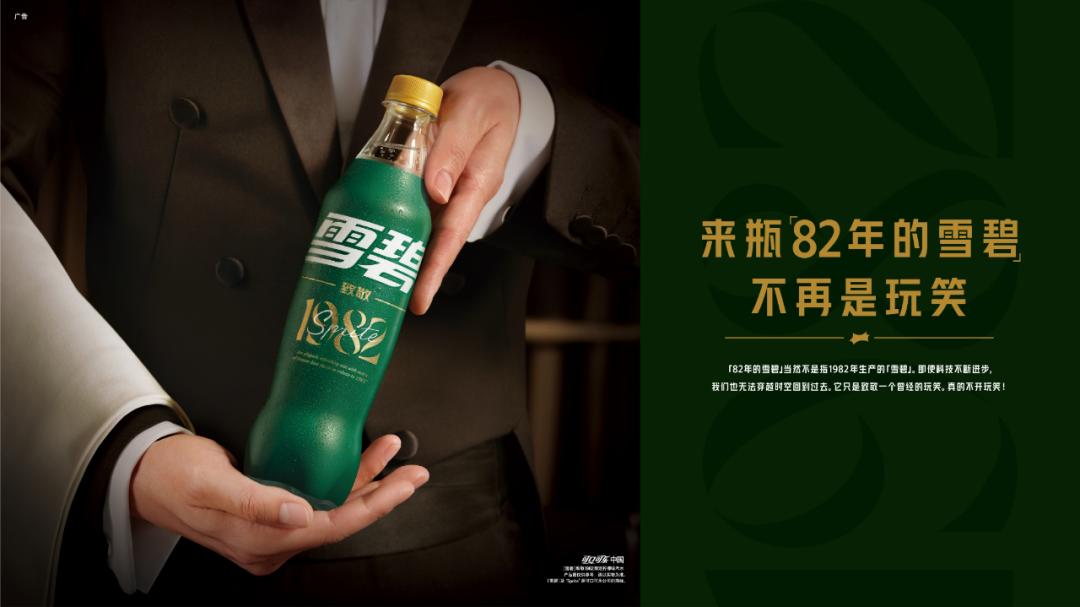
Core Insights - The article discusses the evolution of product development and marketing strategies, highlighting a shift from traditional brand-driven approaches to user-driven innovation and co-creation [3][25] - It emphasizes the importance of brands adapting to user-generated content (UGC) and social media trends to capture market opportunities effectively [14][25] Group 1: Shift in Product Development Logic - The traditional model of product development involved brands creating demand through extensive research and marketing, often ignoring user input [4][5] - The rise of social media has allowed users to express their needs and preferences, leading to a new model where brands respond to validated user demands [7][25] - Successful examples include Coca-Cola's "Sprite Lymonade Legacy," which was developed based on a viral user-generated idea [2][3] Group 2: Case Studies of Successful User Engagement - The launch of cilantro-flavored instant noodles by White Elephant Foods capitalized on a trending topic, resulting in sales exceeding 28 million yuan within a year [8] - Sprite's limited edition "82-year Sprite" was a response to a popular meme, demonstrating how brands can leverage cultural references to engage with younger audiences [9][25] - Amazon's Kindle embraced user humor by acknowledging its reputation as a "noodle tool," enhancing brand relatability and engagement [11] Group 3: Recommendations for Brands - Brands should establish social insight departments to monitor and respond to trends on platforms like TikTok and Xiaohongshu, focusing on deeper behavioral patterns rather than surface-level metrics [15][17] - Rapid prototyping and small-scale testing should replace lengthy traditional product development cycles, allowing brands to quickly respond to validated market demands [17][18] - Brands must maintain consistency in their image while engaging with trends, ensuring that new initiatives align with their core values and brand identity [21][22] Group 4: Long-term Strategy and Cultural Integration - Brands need to balance short-term trends with long-term value, determining whether products are limited editions or intended for sustained market presence [22][23] - The ultimate goal for brands is to evolve from mere product manufacturers to cultural platforms that facilitate user creativity and community engagement [25][26]
瑞幸爆款方法论:解构、组合、拼乐高
东京烘焙职业人· 2025-12-03 08:33
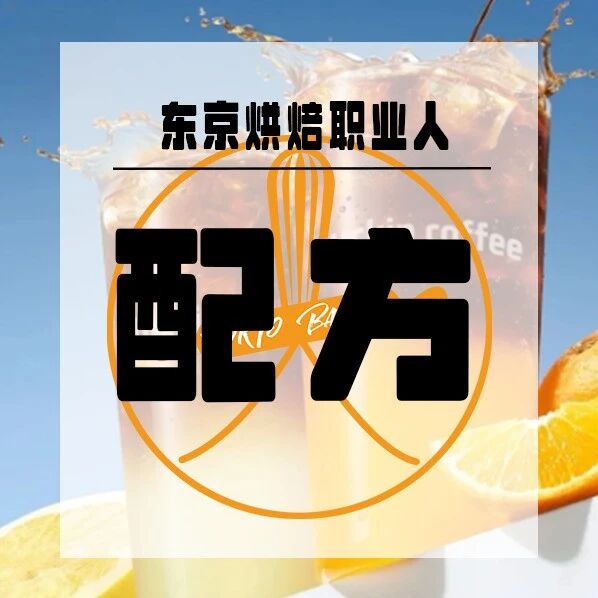
Core Viewpoint - Luckin Coffee has established a systematic capability for generating hit products, achieving over 50% year-on-year revenue growth and a monthly active user base exceeding 110 million, with nearly 30,000 stores [5][6][12]. Product Structure - In 2023, Luckin Coffee launched 102 new products, with 8 of them achieving sales exceeding 100 million cups. The company plans to introduce 114 new products in 2024 and 119-140 in 2025, indicating a consistent high frequency of new product launches [6][12]. - The product development process is based on a modular system, allowing for efficient combination and testing of various components, which increases the likelihood of creating successful products [11][17]. Supply Chain - Luckin's supply chain is highly standardized, allowing for low-cost experimentation with new products. This structure enables the company to absorb failures without significant financial impact, contrasting with traditional brands that face high costs for product failures [15][18]. - The centralized production of key flavors and liquid structures reduces the complexity at the store level, streamlining the product launch process [15][18]. Organizational Structure - The organizational structure of Luckin Coffee is flat and project-based, facilitating parallel collaboration across departments. This contrasts with traditional beverage brands that have hierarchical structures, which slow down the product development process [12][13]. - Decision-making is driven by data rather than individual judgment, allowing for rapid adjustments based on real-time sales feedback [13][21]. Data System - Luckin Coffee employs a data-driven approach to identify consumer preferences and trends, using metrics such as repurchase rates and customer feedback to guide product development [10][21]. - The company views new products as experiments rather than expressions of brand identity, focusing on market validation rather than brand storytelling [19][22]. Trend Identification - Trends are defined by quantifiable variables that can be monitored in real-time, allowing Luckin to adapt quickly to changing consumer preferences [21][22]. - The company’s approach to product development is iterative, relying on continuous testing and feedback to refine offerings and align with consumer demand [22][24].
幸运咖破万店 5.9元咖啡的逆袭与隐忧
Xin Lang Cai Jing· 2025-12-03 07:21
Core Insights - Luckin Coffee has achieved a significant milestone by surpassing 10,000 stores globally, becoming the third domestic coffee chain to join the "10,000-store club" after Luckin and Kudi [1][8] - The rapid expansion from approximately 4,600 stores at the beginning of the year to over 10,000 in just 10 months indicates an average of more than 16 new stores opening daily, showcasing an impressive growth rate [1][8] Expansion Strategy - The journey to 10,000 stores is attributed to a well-calculated business strategy and market opportunities, with a pivotal shift occurring in 2020 when the brand clarified its "high-quality and affordable" positioning, targeting the lower-tier market and student demographics [2][9] - Leveraging the supply chain of its parent company, Mixue Ice Cream, Luckin Coffee benefits from significantly lower core raw material costs, with coffee beans sold to franchisees at no more than 70 yuan per kilogram, compared to the industry average of over 120 yuan per kilogram, representing a nearly 40% discount [2][9] - In May 2025, Mixue Group signed a 4 billion yuan procurement agreement for agricultural products, primarily coffee beans, further enhancing cost control and risk management capabilities [2][9] Franchise Model - The lightweight franchise model is a key driver of Luckin Coffee's rapid expansion, with a "no revenue sharing" policy for single-store franchises, significantly reducing management costs for franchisees [3][10] - The initial investment for a single store is approximately 127,000 yuan, which is lower than Kudi's 220,000 yuan and higher thresholds set by Luckin [3][10] - In 2025, Luckin Coffee introduced support policies in major cities, allowing for total reductions of up to 34,000 yuan per store, further lowering the entry barrier for franchisees [3][11] Product Strategy - Luckin Coffee has effectively captured the tastes of young consumers, with the "Coconut Latte" launched in March 2022 becoming a core bestseller, generating over 1 billion yuan in sales and exceeding 100 million cups sold by October 2025 [3][11] - The company launched 47 new products in 2025, continuously enriching its product line to meet diverse consumer demands [3][11] Challenges and Concerns - Despite the rapid expansion, Luckin Coffee faces unprecedented profitability pressures and operational challenges, particularly in first-tier cities where high rental costs are eroding franchisee profit margins [4][12] - The average daily sales required for breakeven in first-tier city stores is around 300 cups, significantly higher than the industry average, with many franchisees reporting unsatisfactory operating conditions [4][12] - Product quality and brand perception are identified as weaknesses, with younger consumers expressing dissatisfaction with the taste of Luckin's coffee compared to competitors like Luckin and Kudi [4][12] Supply Chain and Market Dynamics - Fluctuations in supply chain costs pose a threat to Luckin Coffee's low-price model, with Arabica coffee futures prices rising by 118.57% over the past year [5][13] - The reduction of delivery subsidies since July 2025 has intensified profitability pressures, particularly for brands reliant on online traffic [5][13] - Franchisees have raised concerns about inadequate regional protection policies, leading to internal competition and customer base dilution [5][13] Market Outlook - The coffee market's competitive landscape will not favor a single model but will require a dynamic balance between price, quality, scale, profitability, expansion, and sustainability [6][14]
今年冬天第一个黑红顶流,出现了
首席商业评论· 2025-12-03 04:25
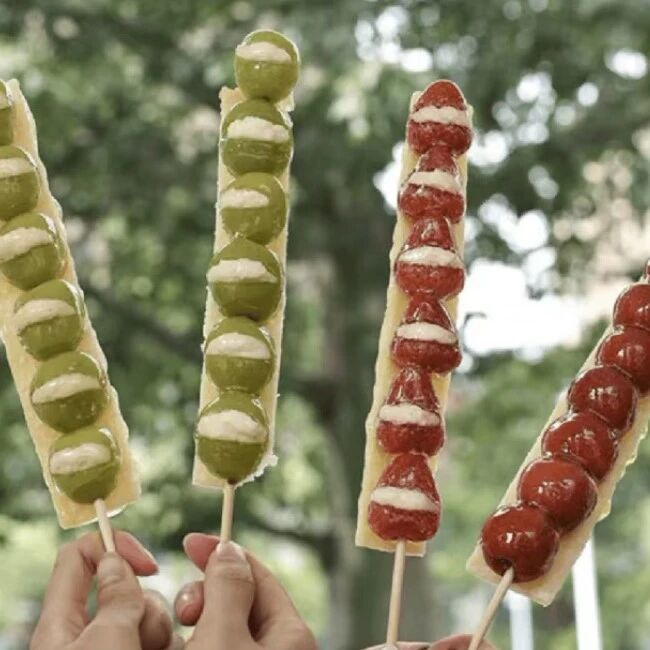
Core Viewpoint - The article discusses the explosive popularity of "Nai Pi Zi Tang Hu Lu" (milk skin candied hawthorn) and its impact on the market, highlighting its rapid rise in social media presence and sales, as well as the broader trend of incorporating the "nai pi zi" element into various food and beverage products [4][5][9]. Group 1: Market Trends - The order volume for candied hawthorn has increased over three times month-on-month in October, with "Nai Pi Zi Tang Hu Lu" orders growing by 109% [4]. - Social media mentions of "Nai Pi Zi Tang Hu Lu" surged, with voice volume increasing by 1127% and 3923% in October and November respectively [8]. - The "nai pi zi" element has been integrated into various products, including drinks and desserts, leading to a trend where "everything can be paired with nai pi zi" [9][12]. Group 2: Historical Context - "Nai Pi Zi Tang Hu Lu" first gained attention in late 2024 in Baotou, Inner Mongolia, before spreading to other regions [6]. - The traditional "nai pi zi" is a dairy product with a long history among nomadic peoples in northern and northwestern China, dating back over 2000 years [8]. Group 3: Product Development - Various brands have launched products featuring "nai pi zi," including yogurt and desserts, with notable sales performance [12][13]. - The popularity of "nai pi zi" has led to the creation of new products like "nai pi zi mousse cake" and "nai pi zi latte," indicating a trend towards innovation in the food industry [13]. Group 4: Consumer Reception - Consumer feedback on "nai pi zi" products is mixed, with some praising the taste of "nai pi zi yogurt" while others criticize the flavor of "nai pi zi latte" [21]. - The pricing of "Nai Pi Zi Tang Hu Lu" has raised concerns, with some consumers labeling it as a "price assassin" due to high costs compared to traditional options [19]. Group 5: Future Outlook - The article raises questions about the sustainability of "nai pi zi" as a long-term trend, comparing it to the "egg tart effect," where initial popularity may not translate into lasting market presence [22].