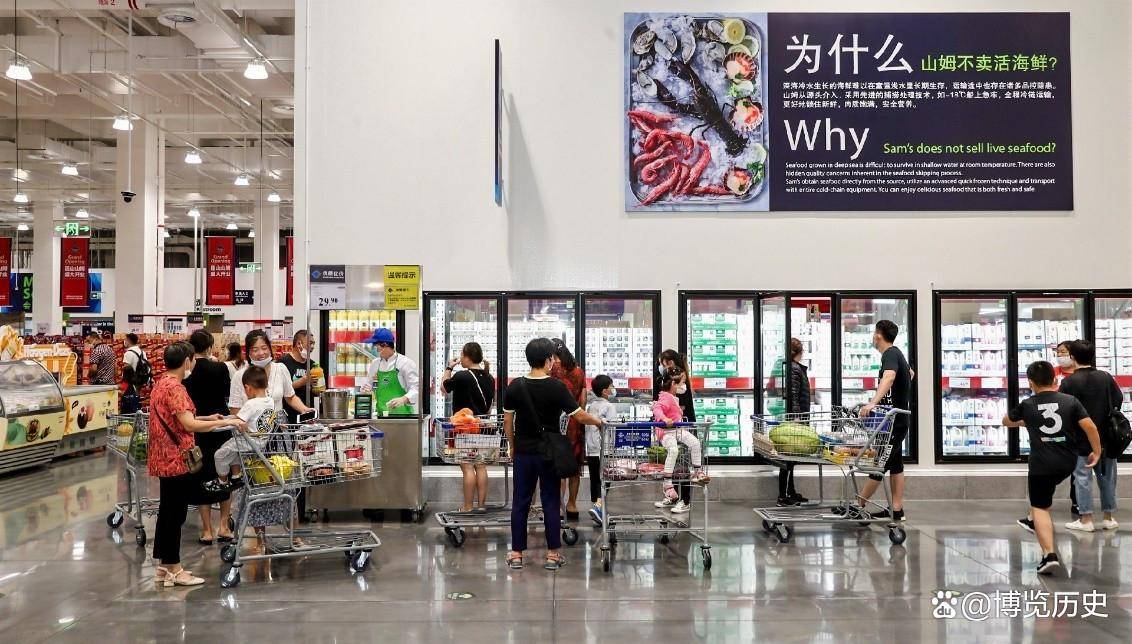
山姆会员店

Search documents
山姆狂飙1200亿,中产边骂边买
3 6 Ke· 2025-12-01 08:56
Core Insights - Sam's Club in China is experiencing significant growth, with sales reaching 120 billion yuan this year, marking a 20% increase compared to the previous year [3][4][14] - The opening of the largest Sam's Club in Beijing has attracted considerable attention, contributing to a double-digit growth in transaction volume for Walmart China [2][3] - The new CEO, Liu Peng, has initiated changes that have sparked mixed reactions among consumers, particularly regarding product quality and shopping experience [6][10][20] Expansion and Performance - Sam's Club opened its ninth new store in 2025, bringing the total number of stores in China to 61 [2] - Walmart China's net sales increased by 21.8% in the third quarter, with e-commerce contributing over 50% of sales, largely driven by the performance of Sam's Club [3][4] - The rapid expansion into second and third-tier cities has created a fresh consumer base, enhancing brand appeal [4] Consumer Experience and Feedback - Consumers have reported a decline in product quality and shopping experience, with some items now available in local markets, leading to dissatisfaction among core members [10][11] - Changes in the Sam's Club app and product presentation have been perceived as complicating the shopping experience, moving away from the previous straightforward approach [6][9][10] - The core membership, which has reached 9 million, is crucial for maintaining stable cash flow, but there are concerns about retention due to quality issues [4][10] Leadership and Strategy - Liu Peng's leadership is characterized by a focus on efficiency and market expansion, but this has raised concerns about the potential sacrifice of product quality and member trust [13][19] - The previous CEO, Wende An, implemented strategies that significantly improved member experience and loyalty, which are now being challenged by the current expansion-focused approach [14][15] - The dual leadership of Zhu Xiaojing and Liu Peng aims to balance rapid growth with maintaining product quality and member satisfaction [17][18] Challenges Ahead - The shift towards a more efficiency-driven model may lead to conflicts with the expectations of core members who prioritize quality and uniqueness [13][19] - The reliance on e-commerce and rapid expansion has increased operational costs, which could impact overall profitability [13][19] - The future success of Sam's Club will depend on how well the leadership can navigate the balance between growth and maintaining the trust of its core membership [20]


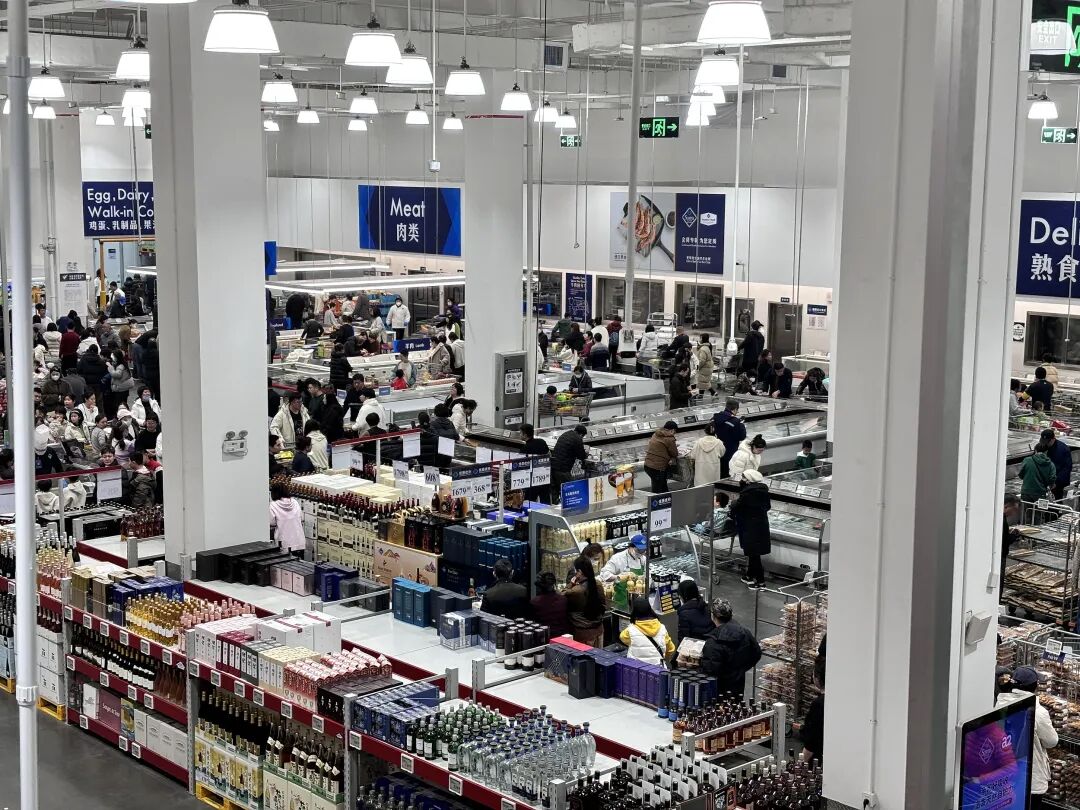
生意越做越穷?问题不在用户,聪明人押“供给侧”,不砸广告躺赚
Sou Hu Cai Jing· 2025-11-28 13:14
Core Insights - The current business environment has shifted from a growth phase to a contraction phase, making it increasingly difficult for companies to sustain growth [2][4] - Traditional methods of customer acquisition and retention are no longer effective, as evidenced by declining revenues and increasing closure rates in various sectors, including the restaurant industry [4][6] - Successful businesses are rethinking their entire value chain rather than just focusing on customer conversion rates [6][10] Industry Trends - The restaurant industry is experiencing a significant decline, with the number of restaurants in China projected to drop from 9 million to 7.7 million by 2024, and a 5.1% revenue decrease in Beijing [4] - E-commerce is facing rising costs for customer acquisition, indicating a need for businesses to adapt their strategies to maintain long-term growth [4][19] Business Models - Companies like Sam's Club and Costco have successfully implemented a membership model that filters out price-sensitive customers, allowing them to focus on high-value consumers and streamline their product offerings [8][10] - The domestic brand Zhihui has redefined the value of everyday products, such as tissue paper, by emphasizing quality and aesthetics, leading to significant sales growth [12] - Luckin Coffee has established a highly digitalized supply chain that allows it to maintain a competitive edge despite market challenges [14] Strategic Focus - Businesses are increasingly prioritizing customer loyalty and long-term value over short-term sales, as seen in the restaurant industry where operators focus on deepening relationships with existing customers [15][19] - Retailers like Pang Donglai are restructuring their supply chains to connect directly with manufacturers, enhancing transparency and customer decision-making [17] - The shift in e-commerce from focusing on gross merchandise volume (GMV) to customer lifetime value (LTV) reflects a broader trend towards sustainable business practices [19][21]

传统商超一年消失3037家,谁是最大受害者?
3 6 Ke· 2025-11-24 02:46
近日,据中国连锁协会最新公布的超市销售规模TOP100中,多达62家在2024年缩减了门店数量,按照 比例计算,缩减门店数量共计3037家。 传统商超被迫撤退 更为关键的是,新兴零售形态不仅改变了大家的购买路径,也在重塑商品流通的底层逻辑。 谁该为此负责? 商超门店锐减3037家,这一数字的源头,是沃尔玛、家乐福、永辉、人人乐、大润发等一众曾家喻户晓 的零售巨头持续收缩战线,部分企业甚至以"每年关闭上百店"的速度进行战略调整。曾经人声鼎沸排起 长队的商超门前,正逐渐被关闭的铁门和"本店已停业"的告示所取代。 《2025年中国购物报告》显示,超市与小超市在整个零售渠道中的份额从34%下降至32%,而曾经占据 主导地位的大卖场品类份额更是由19%锐减至13%。与此同时,电商渠道则实现了跨越式增长,市场份 额从22%攀升至32%,几乎与传统超市持平。 这一变化的背后,是消费场景的根本性更迭。 随着移动互联网的普及与即时配送网络的完善,消费者的购物行为日趋碎片化、高频化与个性化。他们 更加倾向于通过手机下单,享受一小时内送达的服务。新零售平台依托前置仓模式实现"最后一公里"的 高效履约,极大提升了便利性。社区团购也在 ...

山寨山姆与县城中产:一场关于“平替”的消费社会学样本
Sou Hu Cai Jing· 2025-11-23 22:19
Core Insights - The emergence of "knockoff" stores in China's county markets reflects a unique consumer behavior where shoppers seek quality products at lower costs, bypassing traditional membership fees associated with major retail brands like Sam's Club [2][6] Group 1: "Alternative Economy" in County Markets - These knockoff stores effectively capture the middle-class consumer's desire for quality living at reduced costs, allowing access to similar product assortments without the annual fee of 260 yuan [2] - The selection strategy of these stores includes popular items from various retail giants, indicating a consumer preference for quality over brand loyalty [2] Group 2: Supply Chain Innovation - The sourcing methods of these stores demonstrate the resilience of China's supply chain, creating a new product combination model that transcends traditional retail boundaries [4] - The ability to integrate popular products from different retail systems showcases the advanced state of China's manufacturing and logistics networks [5] Group 3: Reflection of Consumer Stratification - The "knockoff Sam's" phenomenon highlights the deep stratification within China's consumer market, where urban consumers prioritize brand recognition while county consumers focus on practicality and cost-effectiveness [6] - County middle-class consumers use their purchasing behavior to affirm their social identity, seeking products that align with urban standards to feel contemporary [6] Group 4: Innovation vs. Regulation - The rise of these stores raises important discussions about the balance between innovation and regulation, as they fulfill unmet market needs while also posing challenges related to intellectual property and business norms [7] - The existence of these stores serves as a supplement to traditional retail systems, promoting equality in consumption [7] Group 5: Future of County Consumption - The growth of "knockoff Sam's" indicates significant potential in the county consumption market, which is expected to evolve towards more standardized and quality-focused retail environments [8] - Future county retail may feature a mix of national brand stores and localized innovative models, emphasizing the need to cater to the unique demands of this large market [8] - The phenomenon serves as a microcosm of the complexities and diversities within China's consumer market, highlighting both opportunities and challenges for the retail industry [8]
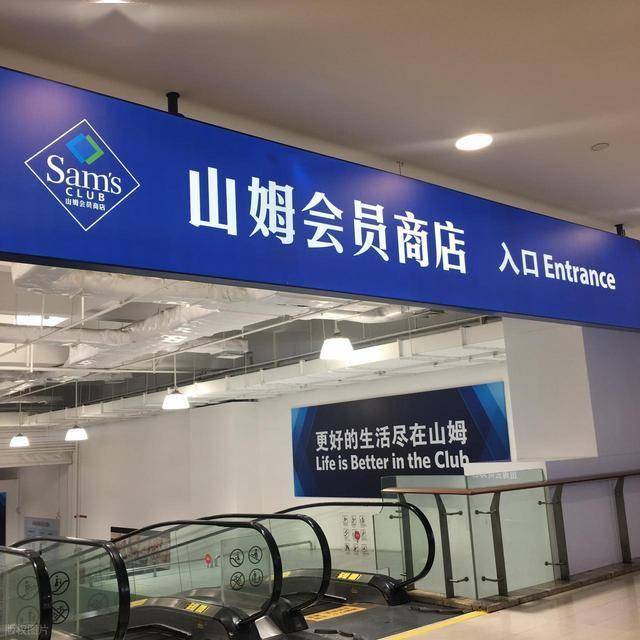
会员制商店激战“线上到家”
Bei Jing Shang Bao· 2025-11-23 11:14
Group 1 - The core viewpoint of the article highlights the competitive landscape of membership-based supermarkets in China, emphasizing the importance of supply chain capabilities and rapid fulfillment as key factors for market expansion [1][3]. - Fudi, a local membership supermarket brand, has announced a strategic partnership with JD Instant Delivery to enhance its online business and enter the instant retail sector, aiming to create a representative "Chinese model" for membership supermarkets [3][4]. - Walmart's recent financial report indicates strong growth in the Chinese market, with net sales reaching $6.1 billion in Q3, a year-on-year increase of 21.8%, driven by the performance of Sam's Club and a more than 30% growth in e-commerce [4]. Group 2 - The competition among membership supermarkets is intensifying, with Sam's Club opening its fifth store in Beijing and maintaining a steady expansion of 6-7 new stores annually, now operating over 60 stores across more than 30 cities in China [8]. - Competitors like Metro and Costco are also active in the market, with Metro undergoing significant store upgrades and Costco planning to open nine new stores, although its expansion in China remains slow [9]. - The competition has shifted from merely attracting foot traffic to a comprehensive evaluation of product quality and customer experience, with a focus on integrating online and offline services to enhance shopping convenience [13].
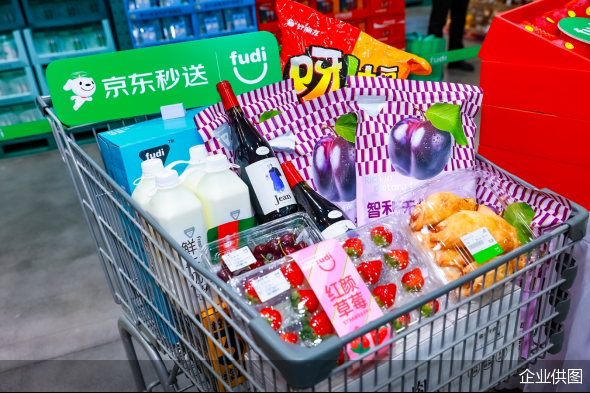
数字赋能“菜篮子”全链条守护“舌尖安全”
Zhong Guo Jin Rong Xin Xi Wang· 2025-11-22 07:03
Core Insights - Shandong Lanling, a major vegetable-producing county with an annual output exceeding 5 million tons, is undergoing a significant industrial transformation in response to rural revitalization strategies [1] - The Lanling Agricultural Development Group has developed a digital platform for agricultural product quality supervision, addressing traditional agricultural challenges and enhancing product quality and safety [2][3] Group 1: Digital Transformation - The digital platform, led by the Lanling Agricultural Development Group, utilizes a "Farm Safety Code" system for comprehensive monitoring of over 1,034 agricultural entities and more than 2,900 planting entities [2] - This system allows consumers to trace the entire lifecycle of vegetables through a simple scan, transforming quality control from an abstract concept to a tangible, verifiable process [2] Group 2: Market Integration - The establishment of the "Vegetable Basket Rural Revitalization Club" has attracted 58 well-known enterprises, including Hema Fresh and Sam's Club, enhancing market trust and integration [2] - The club operates on a "customized order" basis, allowing enterprises to dictate production based on market demand, thus creating a collaborative model that benefits both companies and farmers [3] Group 3: Economic Impact - The "minimum price + premium sharing" mechanism implemented by the Lanling Agricultural Development Group has led to an average annual income increase of 30,000 yuan for over 1,000 farmers [3] - Investments in six major centers, including cold chain logistics and processing, have increased the added value of agricultural products by over 30% [3] Group 4: Market Expansion - Lanling vegetables are now sold in over 40 domestic cities and exported to 15 countries and regions, including Japan and Europe, with an annual export volume nearing 10,000 tons [3] - The transformation from a focus on quantity to quality is providing a replicable model for rural revitalization efforts [3]
8点1氪:网传霸王茶姬创始人与天合光能联席董事长结婚;俞敏洪将请10个基层优秀员工去南极;何同学称公司今年亏损百万
36氪· 2025-11-21 00:02
Group 1 - The founder of Bawang Tea Ji, Zhang Junjie, is set to marry Gao Haichun, daughter of the founder of Trina Solar, Gao Jifan [5] - Gao Haichun has held various significant positions at Trina Solar, including Vice General Manager of the Strategic Investment Department and Co-Chairman [5] - The wedding invitation has been confirmed by insiders, indicating a notable event in the business community [5] Group 2 - New Oriental's chairman, Yu Minhong, addressed the controversy surrounding a company-wide letter sent from Antarctica, emphasizing the importance of employee feedback [6] - Yu plans to take ten outstanding employees to Antarctica next winter as a reward for their performance [6] - The company is facing scrutiny over its communication practices, with Yu acknowledging the need for improvement [6] Group 3 - Xiaomi announced the production of its 500,000th vehicle, achieving this milestone in just 602 days, setting a record for the fastest production rate among global new energy vehicle manufacturers [8] - The rapid production timeline highlights Xiaomi's aggressive strategy in the automotive sector [8] Group 4 - Meta has been fined €479 million (approximately $552 million) by a Spanish court for unfair competition and violations of EU data protection regulations [12] - The fine is to be paid to 87 digital news publishers and agencies due to Meta's use of personal data for targeted advertising [12] Group 5 - Lenovo reported a revenue of $20.5 billion for the second quarter, marking a 15% year-over-year increase, although net profit declined by 5% [20] - Vipshop's third-quarter net revenue reached 21.4 billion yuan, a 3.4% increase year-over-year, with a Non-GAAP net profit of 1.5 billion yuan, up 14.6% [21] - NetEase's third-quarter revenue was 28.4 billion yuan, with a net profit of 9.5 billion yuan and a significant investment in R&D amounting to 4.5 billion yuan [22]

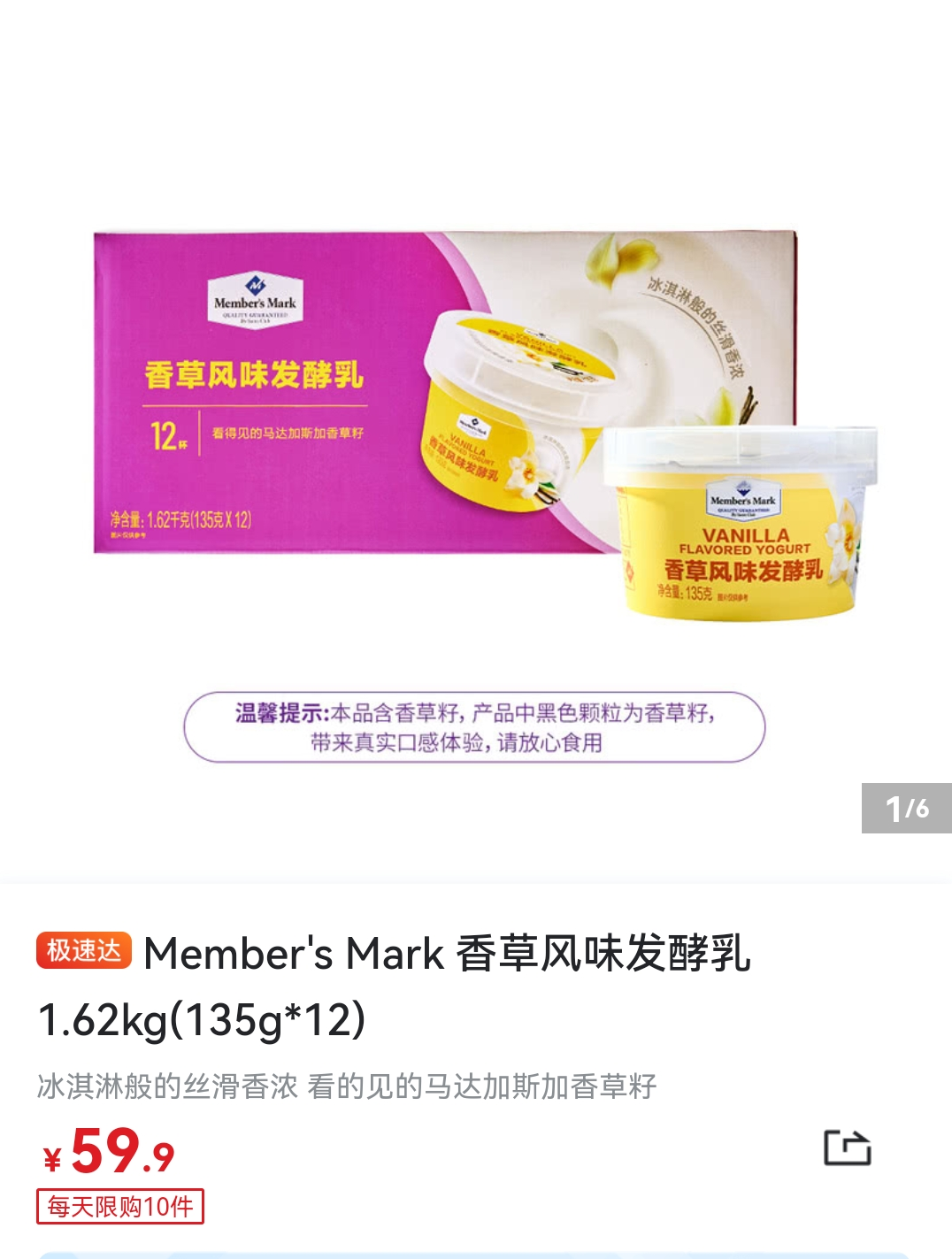
山姆盒马售卖酸奶单价不一,但由同家代工厂生产?代工厂家回应:不同品牌生产标准不一
Xin Lang Cai Jing· 2025-11-20 16:06
Group 1 - The controversy arose from a consumer post highlighting that both "Vanilla Flavored Fermented Milk" sold at Sam's Club and "Little Milk Skin Yogurt" sold at Hema were produced by Qingdao New Hope Qinpai Dairy Co., Ltd, raising concerns about the consistency of quality between private label products [1][8] - On November 20, Qingdao New Hope Qinpai Dairy Co., Ltd confirmed that both products are indeed produced by them, but emphasized that the production standards vary by brand [1][9] - The pricing of the two yogurt products differs despite being produced by the same manufacturer, indicating potential disparities in branding and marketing strategies [1][8] Group 2 - The company stated that it undertakes multiple brand OEM orders, tailoring formulas and production standards according to brand requirements, while also maintaining its own quality inspection system to ensure compliance [1][9] - Customer service representatives from both Sam's Club and Hema were consulted regarding the quality concerns; Sam's Club noted that they would escalate the issue for further investigation, while Hema indicated that the products should be of similar quality due to being from the same manufacturer [1][9]
溢价100%的山寨山姆,挤满了想花钱的县城中产
3 6 Ke· 2025-11-20 03:36
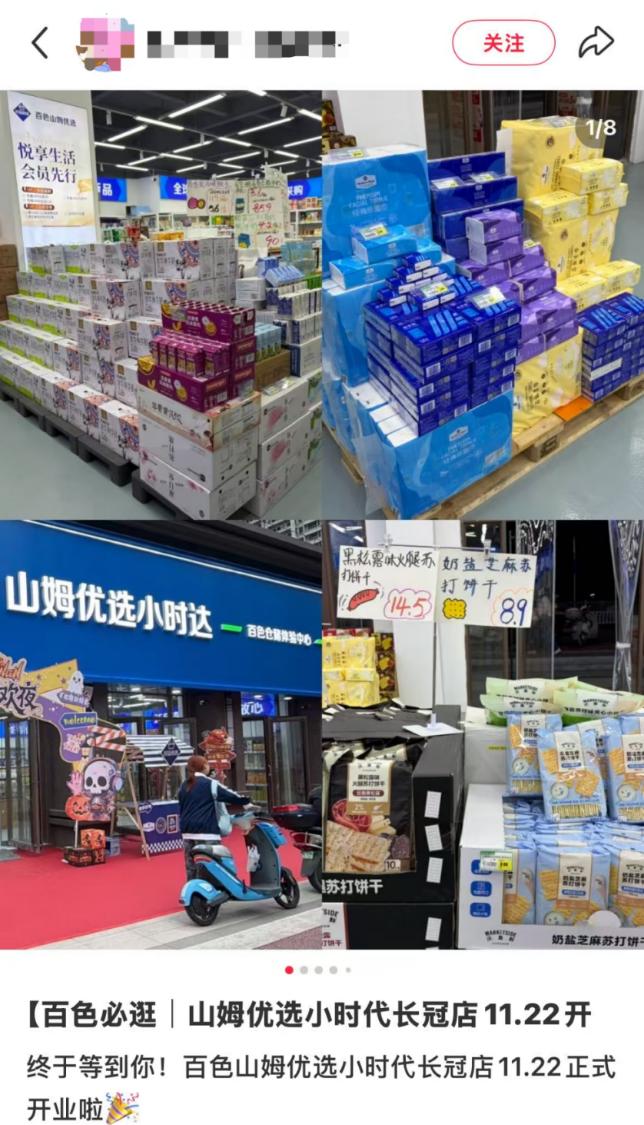
Core Insights - The article discusses the expansion of Sam's Club into smaller cities through the establishment of "Sam's Preferred Supermarkets" and "Sam's Selected Hourly Delivery" services, which cater to local consumers without requiring a membership fee [1][2][5]. Group 1: Business Model and Strategy - Sam's Club is adapting its business model by creating smaller, community-based stores that mimic the experience of its larger membership warehouses, allowing consumers to access products without the membership fee [1][4][5]. - The new stores maintain a simplified and bright design, offering a "warehouse experience" while being smaller than traditional Sam's Club locations [4][5]. - The article highlights the rise of individual resellers who purchase products from Sam's Club and sell them in smaller quantities to local consumers, indicating a growing market for Sam's products in smaller cities [15][16][20]. Group 2: Consumer Behavior and Market Dynamics - Consumers in smaller cities are increasingly interested in premium products, leading to a demand for Sam's Club items, which are often sold at a significant markup by resellers [22][27]. - The article notes that the perception of Sam's Club as a symbol of a better lifestyle is prevalent among middle-class consumers in smaller cities, who are willing to pay higher prices for the brand's products [28][30]. - There is a growing trend of community-based group buying, where individuals pool resources to purchase Sam's products, reflecting a shift in consumer behavior towards collaborative purchasing [12][14][16]. Group 3: Challenges and Concerns - The article raises concerns about the quality control of products sold through resellers, as there have been reports of spoiled goods and potential counterfeit products [14][32]. - Sam's Club's parent company, Walmart China, has stated that it does not endorse these reseller practices, yet the reality on the ground shows a blurred line between official and unofficial sales channels [23][25]. - The potential for brand dilution and reputational risk is highlighted, as the proliferation of unregulated resellers could impact consumer trust in the Sam's Club brand [30][32].
一个美国超市,打败中国一大批超市:山姆为何能年赚1000亿
Sou Hu Cai Jing· 2025-11-15 20:43
Core Insights - Sam's Club in China has achieved sales exceeding 100 billion, accounting for nearly two-thirds of Walmart China's total net sales [1] - In contrast, local supermarket companies are facing significant declines, with a 13.2% drop in total revenue and a 48.12% plunge in net profit in the first half of 2025 [3] Group 1: Sam's Club Performance - Sam's Club has set a record for the fastest store openings in its 29 years in China, with six new stores opened in the first half of 2025 and a total of 11 planned for the year, bringing the total to nearly 60 stores [5] - The membership fee model, with annual fees of 260 yuan for regular and 680 yuan for premium, initially seemed counterintuitive in a market where entry is typically free [7][9] - The changing economic landscape, with per capita GDP surpassing 8,000 USD and especially 10,000 USD, has shifted consumer behavior away from solely seeking low prices [7] Group 2: Consumer Psychology and Trust - The membership fee acts as a filter, attracting consumers who value quality, efficiency, and trust over mere affordability [9][11] - The concept of "sunk cost" enhances customer retention, as consumers feel compelled to purchase more once they have paid for the membership [11] - Sam's Club offers a unique value proposition by providing certainty in product quality, alleviating consumer concerns about counterfeit goods and ingredient transparency [14][16] Group 3: Product Selection and Experience - Sam's Club simplifies the shopping experience by offering around 4,000 carefully selected products, significantly fewer than traditional supermarkets [19][21] - A professional buying team leverages global supply chains and consumer data to curate high-quality options, reducing decision fatigue for consumers [21][23] - The self-owned brand, Member's Mark, contributes nearly 40% of sales and embodies the commitment to quality and traceability [25] Group 4: Competitive Strategy and Market Position - Sam's Club has established a "trust moat" through stringent quality control, differentiating itself from local competitors who engage in price wars [27] - The company has adapted to online sales, with over 50% of sales now occurring online, supported by a network of over 500 fulfillment centers [29][30] - The appointment of former Alibaba executive Liu Peng as president of Sam's China indicates a strategic focus on digital operations and online growth [31] Group 5: Industry Implications - Sam's Club's success highlights the failures of local retailers who have not built consumer trust and have been caught in a cycle of internal competition [37] - The contrasting success of Sam's Club and local retailers underscores the importance of genuine consumer engagement and quality control in retail [35]