
巨子生物

Search documents
可选消费W42周度趋势解析:各板块持续轮动,股价回调提供买入机会-20251020
Haitong Securities International· 2025-10-20 14:05
Investment Rating - The report assigns an "Outperform" rating to multiple companies including Nike, Midea Group, JD Group, Haier Smart Home, Gree Electric Appliances, Anta Sports, and others, while Lulu Lemon is rated as "Neutral" [1]. Core Insights - The report highlights that various sectors within the discretionary industry are experiencing continuous rotation, with price pullbacks presenting buying opportunities [4][11]. - The performance of different sectors is analyzed, with jewelry, overseas cosmetics, luxury goods, and snacks showing positive growth, while domestic cosmetics and gaming sectors are underperforming [6][13]. Sector Performance Overview - Weekly performance shows jewelry leading with a 9.9% increase, followed by overseas cosmetics at 6.8%, and luxury goods at 5.5%. Domestic cosmetics experienced a slight decline of 0.3% [11][12]. - Year-to-date performance indicates jewelry has risen by 179.1%, domestic cosmetics by 50.4%, and overseas cosmetics by 42.3%, while overseas sportswear has declined by 17.7% [11][12]. Valuation Analysis - Most sectors are currently valued below their average over the past five years, with the expected PE for overseas sportswear at 31.9 times, domestic sportswear at 13.4 times, and jewelry at 27.2 times, indicating potential for growth [9][14]. - The report notes that the expected PE for various sectors in 2025 is lower than their historical averages, suggesting that there may be undervalued opportunities in the market [14].
锦波PK巨子:李佳琦直播间“换角”,胶原蛋白龙头暗战C端美妆
2 1 Shi Ji Jing Ji Bao Dao· 2025-10-20 13:52
Core Insights - A competitive landscape is emerging in the functional skincare market, particularly around the "recombinant collagen" segment, involving two prominent female entrepreneurs, Fan Daidi and Yang Xia, who lead their respective companies, Juzhi Biotechnology and Jinbo Biotechnology [1][12] Company Developments - Jinbo Biotechnology has successfully transitioned from a B2B medical device focus to a B2C functional skincare market, as evidenced by its support for the new brand "Tongping" [2][3] - Tongping, launched in September 2024, has quickly gained traction in the market, achieving significant sales during the Double 11 shopping festival, with a GMV exceeding 20 million yuan in its first appearance on Li Jiaqi's livestream [6][11] - Juzhi Biotechnology's stock has faced challenges, hitting a year-low of 40.40 HKD per share, with a total market capitalization dropping to 43.3 billion HKD [2][3] Market Trends - The functional skincare market is witnessing intensified competition, with new brands like Tongping rapidly gaining market share through strategic partnerships with key influencers [4][6] - The sales performance of Tongping's products, particularly those promoted by Li Jiaqi, indicates a strong consumer response, with several SKUs achieving sales exceeding 100,000 units [6][7] - Jinbo Biotechnology's collaboration with Tongping highlights the blurring lines between pharmaceutical and beauty sectors, reflecting a shift in the industry towards comprehensive competitive strategies [12] Financial Movements - Jinbo Biotechnology is in the process of raising capital through a stock issuance, with plans to issue up to 7.18 million shares at a price of 278.72 yuan per share, aiming to raise up to 2 billion yuan [12]
国货美妆迎来“中场战事”,逻辑正在悄然改变
Guan Cha Zhe Wang· 2025-10-20 10:29
Core Insights - The beauty market in China is experiencing a competitive landscape with a notable shift towards domestic brands, as evidenced by the growth in sales during the "Double Eleven" shopping festival, particularly in live-streaming sales [1][3][5] - Domestic brands are increasingly gaining market share, with many top domestic beauty companies reporting revenue and profit growth, indicating a robust performance against a backdrop of overall market stagnation [5][6][7] Market Trends - The retail sales growth of cosmetics in China is slowing, with a reported year-on-year increase of only 2.9% in the first half of 2025, which is below the overall retail sales growth of 5.0% [3] - The domestic beauty market is seeing a shift from a focus on marketing to an emphasis on product quality and service, as brands like 毛戈平 (Mao Geping) and 薇诺娜 (Winona) adapt their strategies to enhance consumer engagement [5][6][7] Brand Performance - During the "Double Eleven" pre-sale, domestic brand 珀莱雅 (Proya) topped the beauty sales chart, marking its second consecutive year in this position, with an increasing number of domestic brands appearing in the rankings [5][6] - Among the top ten domestic beauty companies, eight reported revenue and profit growth, with notable increases from 上美股份 (Shangmei), 巨子生物 (Juzi), and 毛戈平, which saw revenue growth rates of 17.3%, 22.5%, and 31.3% respectively [5][6] Channel Strategy - The trend of integrating online and offline sales channels is becoming prominent, with brands like 薇诺娜 expanding their offline presence to enhance customer engagement and product visibility [6][7] - 毛戈平 has established a significant offline presence with a large team of professional beauty consultants, which supports its high-end brand positioning and customer service [6][7] International Expansion - The recent cultural export initiative "巴黎合伙人" (Paris Partner) showcased domestic brands in Paris, highlighting the potential for Chinese beauty brands to expand internationally while promoting Chinese aesthetics [8][9] - Despite challenges in penetrating Western markets, there is a growing recognition of the need for Chinese brands to adapt their products and marketing strategies to meet local consumer preferences [10][12][15] Future Outlook - The success of domestic brands in international markets will depend on their ability to leverage local insights and adapt their offerings, as demonstrated by the positive reception of products backed by scientific research [14][15] - The collaboration between Chinese brands and international platforms like TikTok may pave the way for replicating the success of live-streaming e-commerce in overseas markets [16]

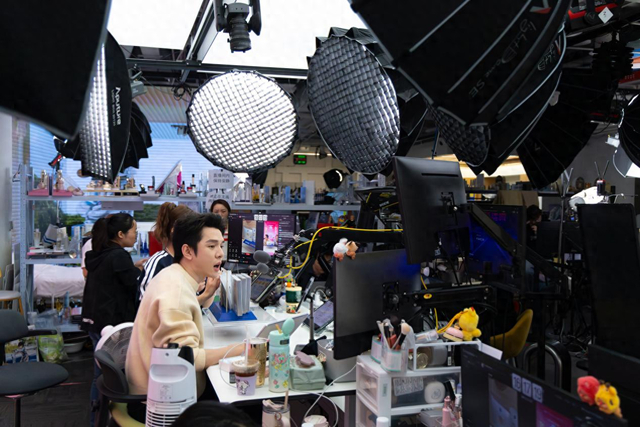
两位女首富之战:锦波下场美妆C端,巨子生物正面迎击
2 1 Shi Ji Jing Ji Bao Dao· 2025-10-20 08:35
Core Viewpoint - The competition in the collagen industry is intensifying, with two regional female tycoons leading their respective companies into the spotlight, highlighting a shift from B2B to B2C markets in the beauty sector [2] Group 1: Company Strategies - Juzhi Biotechnology, led by Fan Daidi, was once a benchmark in the industry but is now facing competition from Jinbo Biotechnology, which is entering the consumer skincare market with its new brand "Tongping" [2] - Jinbo's founder, Yang Xia, has made a rare public appearance to support the "Tongping" brand, signaling a strategic shift from medical devices to beauty products [2] Group 2: Market Dynamics - The competition began in e-commerce live streaming, where "Tongping" quickly gained traction, ranking second in GMV growth during Li Jiaqi's first live stream of this year's Double Eleven shopping festival [2] - The entry of Jinbo into the collagen market poses a direct challenge to Juzhi, as both companies utilize similar traffic-driven sales strategies and product types [2] - The ability of Jinbo to leverage its pharmaceutical background to outperform Juzhi will significantly influence the future landscape of the collagen market [2]
坦博尔递交港股上市申请;美丽田园收购思妍丽+股份回购
SINOLINK SECURITIES· 2025-10-19 11:30
Investment Rating - The report does not explicitly state an investment rating for the industry or companies discussed. Core Insights - Tambor submitted its listing application on October 8, aiming for an IPO on the Hong Kong Stock Exchange. It is a leading outdoor apparel brand in China, established in 2004, combining high performance with fashion. The company has shown rapid revenue growth, with a net profit of 3.594 million yuan in the first half of 2025, representing a year-on-year increase of 305.6% [1][11][12]. - Beautiful Garden announced a strategic acquisition of 100% of Siyanli for 1.25 billion yuan on October 15, 2025. This acquisition, along with a previous acquisition of Narier, positions Beautiful Garden as a leader in the beauty service industry, significantly enhancing its market presence and operational scale [2][19][21]. - The apparel retail sector showed signs of recovery in August, with a year-on-year growth of 3.1%, driven by seasonal promotions and increased consumer demand. The cosmetics retail sector also saw a year-on-year increase of 5.1% [3][28][35]. Summary by Sections 1. Outdoor Brand Tambor - Tambor's revenue has been steadily increasing, with figures of 732 million yuan in 2022, 1.021 billion yuan in 2023, and 1.302 billion yuan in 2024, alongside a 6.58 billion yuan revenue in the first half of 2025, marking an 85% year-on-year growth [12][14]. - The company has a strategic product matrix focusing on three main series: top outdoor series, sports outdoor series, and urban light series, with the urban light series accounting for 68.2% of revenue in the first half of 2025 [1][15][18]. - Tambor's online sales have surged, with online revenue accounting for 52.7% in the first half of 2025, up from 30.9% in 2022 [17][18]. 2. Beautiful Garden - The acquisition of Siyanli is expected to significantly increase Beautiful Garden's market share in the high-end beauty service sector, with a combined total of 191 stores across major cities, representing 42% of the market in high-end commercial areas [19][21][22]. - The company reported a 44% increase in active members following the acquisition, enhancing its customer base and market reach [21][22]. - Beautiful Garden's revenue for the first half of 2025 was 1.459 billion yuan, with a net profit of 156 million yuan, and the acquisition of Siyanli is projected to further boost these figures [26]. 3. Industry Data Tracking - The apparel retail sector's recovery is attributed to seasonal changes and increased consumer activity, while the cosmetics sector continues to show growth, indicating a positive trend in consumer spending [3][28][35]. - Raw material prices remained stable, with cotton prices showing slight fluctuations, which could impact production costs in the apparel sector [30][31].
巨子生物销量股价双杀,陕西“女首富”要坐不住了
Xin Lang Cai Jing· 2025-10-17 13:06
Core Viewpoint - The article highlights the declining performance of Juzhibio (巨子生物) and its main brand, Kefu Mei (可复美), during the "Double Eleven" pre-sale period, leading to a significant drop in stock price and market value [3][5]. Company Performance - Juzhibio's stock price fell to a new low of HKD 40.40 per share, with a total market value of HKD 43.3 billion, marking a 53.46% decline from its peak of HKD 86.8 per share in May [3][5]. - Kefu Mei's sales during the "Double Eleven" pre-sale were underwhelming, with a reported GMV of HKD 0.5-0.75 billion on Douyin, down from over HKD 1 billion in the same period last year [3][4]. Market Competition - The market for recombinant collagen products is growing rapidly, with a projected CAGR of 44.93%, expected to reach RMB 2,193.8 billion by 2030 [6]. - Juzhibio's revenue is forecasted to increase from RMB 2.364 billion in 2022 to RMB 5.539 billion in 2024, while its net profit is expected to rise from RMB 696 million to RMB 2.062 billion in the same period [6]. Brand Strategy and Challenges - Kefu Mei has faced challenges due to a previous controversy regarding its collagen stick product, which has negatively impacted its sales performance [3][4]. - Juzhibio's marketing expenses reached HKD 10.58 billion in the first half of the year, accounting for 34.01% of total revenue, as the company seeks to maintain growth amid increasing competition [7].
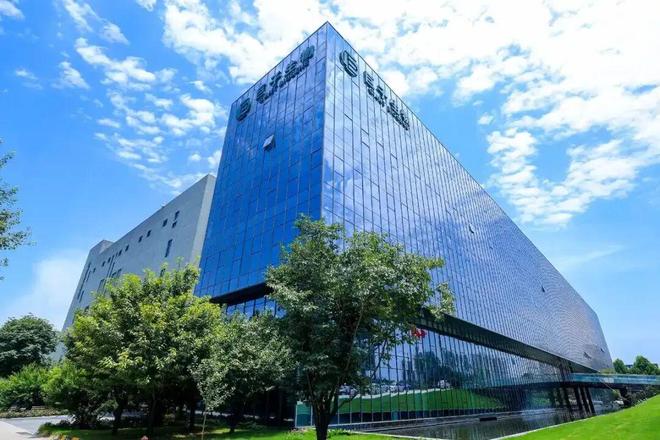
港股巨子生物跌近3%
Mei Ri Jing Ji Xin Wen· 2025-10-17 06:12
Group 1 - The stock of Hong Kong-listed company Giant Bio (02367.HK) opened high but experienced a decline, with a drop of nearly 3% in the afternoon session [2] - As of the report, the stock price decreased by 2.92%, trading at 40.6 HKD, with a transaction volume of 678 million HKD [2]
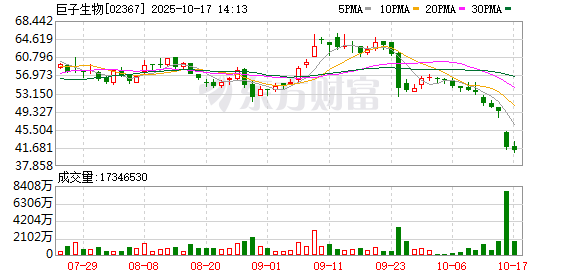
港股异动 | 巨子生物(02367)续跌近3% 昨日重挫逾15% 花旗指其双11开局疲软
智通财经网· 2025-10-17 06:04
Group 1 - The core viewpoint of the news is that the market's reaction to the pre-sale performance of Giant Bio during the live broadcast by influencer Li Jiaqi is considered excessive, as the company's promotional strategy has made its products less price-attractive compared to competitors [1][2] - Giant Bio's stock price has seen significant volatility, with a drop of over 15% recently and reaching a new low of 40.6 HKD, reflecting investor concerns about its sales performance [1] - Citigroup's report indicates that the company's revenue growth is expected to be 16% year-on-year in the second half of the year, despite a projected decline of 10% on Tmall [2] Group 2 - Citigroup predicts that Giant Bio's sales will recover in the fiscal year 2026, with a high growth rate of 19% due to a low base and no negative customer feedback [2] - The target price for Giant Bio's stock has been adjusted from 69.4 HKD to 55.4 HKD based on a 20 times price-to-earnings ratio for the fiscal year 2026, while maintaining a "buy" rating [2] - The performance of KOL live broadcasts is noted to be declining, impacting the company's sales, with expectations of a 25% increase on Douyin and a 100% increase on JD, while offline sales are expected to grow by 10% [2]
巨子生物续跌近3% 昨日重挫逾15% 花旗指其双11开局疲软
Zhi Tong Cai Jing· 2025-10-17 06:02
Core Viewpoint - The stock of Giant Bio (02367) has experienced significant volatility, with a recent drop of nearly 3% after a previous decline of over 15%, reaching a new low of 40.6 HKD, attributed to market reactions to its pre-sale performance during a major live-streaming event [1] Group 1: Stock Performance - Giant Bio's stock opened high but fell sharply, with a midday drop of nearly 3%, and a previous day decline exceeding 15% [1] - The stock price hit a new low of 40.6 HKD, marking the lowest point in over a year [1] - As of the latest update, the stock was down 2.92%, with a trading volume of 678 million HKD [1] Group 2: Market Analysis - Citigroup's report indicates that the market's reaction to Giant Bio's pre-sale performance during the live-streaming event with influencer Li Jiaqi was excessive [1] - The report highlights that Giant Bio's main products were less price-competitive due to stricter promotional strategies compared to other brands [1] - Citigroup predicts a relatively weak performance for Giant Bio in Q3 and the first two weeks of October, primarily due to fewer KOL live-streaming events [1] Group 3: Revenue Forecast - Citigroup forecasts a 16% year-on-year revenue growth for Giant Bio in the second half of the year, with specific expectations of a 10% decline on Tmall, a 25% increase on Douyin, a 100% growth on JD, and a 10% increase in offline sales [1] - For the fiscal year 2026, Citigroup anticipates a continuation of high growth at 19% due to a low base and no negative customer feedback [1] - The target price for Giant Bio has been adjusted from 69.4 HKD to 55.4 HKD based on a 20x price-to-earnings ratio for the fiscal year 2026, while maintaining a "buy" rating despite lowering profit forecasts [1]
国证国际港股晨报-20251017
Guosen International· 2025-10-17 06:00
Group 1: Market Overview - The Hong Kong stock market showed mixed results with the Hang Seng Index down 0.09%, the Hang Seng China Enterprises Index up 0.09%, and the Hang Seng Tech Index down 1.18% [2] - The total trading volume in the market was HKD 275.43 billion, with short selling accounting for 19.14% of the total trading volume [2] - Northbound capital saw a net inflow of HKD 15.82 billion, with the most bought stocks being Zijin Mining International, Xiaomi Group, and Alibaba, while the most sold were SMIC, GigaDevice, and Tencent [2][3] Group 2: Sector Performance - The education sector experienced significant gains, with stocks like Thinking Education up 26.48% and New Oriental up 8.86%, likely due to positive policy signals [3] - Coal stocks rose sharply, with China Qinfa up 8.03% and China Coal Energy up 7.26%, driven by weather conditions and increased demand for coal as winter approaches [4] Group 3: Company Analysis - Jingneng Clean Energy - Jingneng Clean Energy (579.HK) is a leading gas-fired power generation company in Beijing, holding 8 gas-fired power plants with a total capacity of 4,702 MW [9] - The company is expected to see significant growth in its wind and solar segments, with projected operating profit CAGRs of 27.9% and 9.4% from 2020 to 2024 [8] - The company has a robust project pipeline with over 12 GW of installed and reserved capacity, focusing on strategic emerging projects in renewable energy [8][10] Group 4: Industry Trends - The renewable energy sector is becoming a primary power source in China, with wind and solar accounting for approximately 20% of total electricity generation [10] - The National Development and Reform Commission has initiated policies to promote the marketization of renewable energy projects, ensuring stable returns for existing projects while introducing competition for new ones [10] - Jingneng Clean Energy is well-positioned in the capital's electricity market, benefiting from its ample project resources and competitive advantages [10] Group 5: Financial Projections - The report initiates coverage on Jingneng Clean Energy with a "Buy" rating and a target price of HKD 3.20, projecting net profits of RMB 3.46 billion, 3.78 billion, and 4.14 billion for 2025, 2026, and 2027 respectively [11] - The company is expected to maintain a high dividend payout ratio, with dividends projected at 42%, 44%, and 46% for the years 2025, 2026, and 2027 [11]