巨子生物

Search documents
港股消费ETF(159735)盘中飘红,实时成交额居同标的第一,老铺黄金涨超3%
2 1 Shi Ji Jing Ji Bao Dao· 2025-10-17 02:14
Group 1 - The Hong Kong stock market indices opened lower and continued to decline, with the Hong Kong Consumption ETF (159735) showing slight resilience during trading [1] - The Hong Kong Consumption ETF tracks the CSI Hong Kong Stock Connect Consumption Theme Index, which includes 50 liquid and large-cap stocks related to consumption within the Hong Kong Stock Connect framework [1] - The People's Bank of China plans to enhance financial support for consumption, encouraging financial institutions to innovate products and services to meet diverse consumer funding needs [1] Group 2 - The report from Huaxi Securities indicates stable growth in consumption during the recent holidays, with strong demand for service consumption [2] - There is an increasing willingness among consumers to pay for emotional value, suggesting that the new retail sector may continue to outperform expectations [2] - The outlook for domestic consumption going abroad is promising, with increasing policy support for domestic brands expanding internationally, highlighting opportunities for service providers and strong consumer products [2]


招银国际每日投资策略-20251017
Zhao Yin Guo Ji· 2025-10-17 02:11
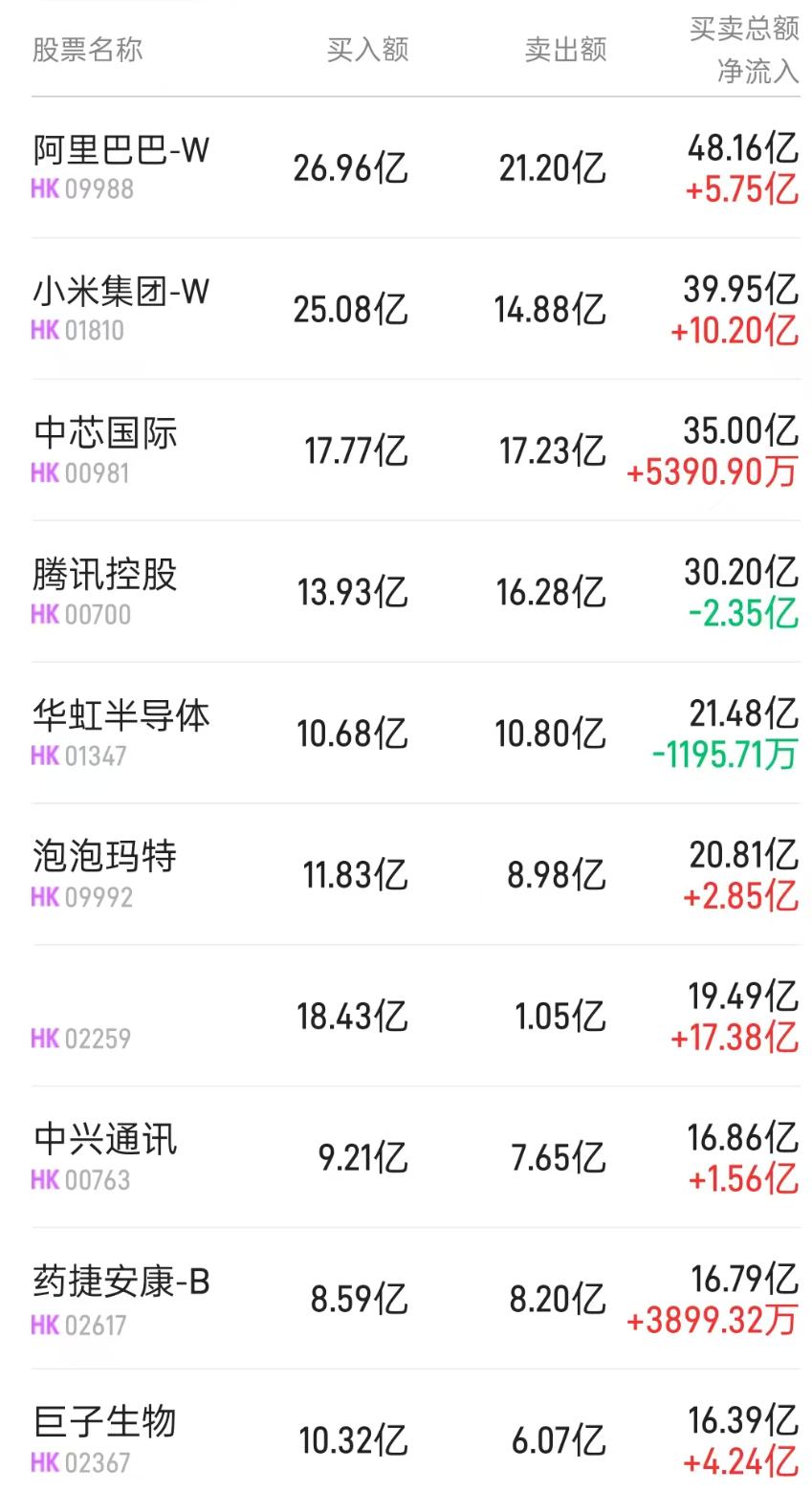
Company Analysis - iQIYI (IQ US; Buy; Target Price: $2.70) is expected to have total revenue in Q3 2025 remain flat quarter-on-quarter, with a year-on-year decline of 8% to 6.64 billion yuan, supported by a strong content reserve leading to a 3% quarter-on-quarter growth in membership business [2] - The non-GAAP operating loss for iQIYI in Q3 2025 is projected to be 23 million yuan, compared to operating profits of 369 million yuan and 59 million yuan in Q3 2024 and Q2 2025 respectively, primarily due to adjustments in non-core businesses and increased content investment during the summer peak season [2] - The revenue forecast for FY25-27 remains largely unchanged, but the non-GAAP operating profit forecast has been adjusted down by 0.4-2% to account for increased content investment [2] Market Performance - The Hang Seng Index closed at 25,889, down 0.09% for the day but up 29.06% year-to-date, while the Hang Seng Tech Index fell 1.18% for the day but is up 34.36% year-to-date [2] - The A-share market saw gains, with coal, banking, and industrial trade sectors leading the rise, while steel, building materials, and non-ferrous metals lagged [4] - Southbound capital recorded a net inflow of 15.82 billion HKD, with Zijin Mining, Xiaomi, and Alibaba seeing the largest net purchases, while SMIC, Giant Biogene, and Laopu Gold experienced significant net sales [4]

金十数据全球财经早餐 | 2025年10月17日
Jin Shi Shu Ju· 2025-10-16 23:09
Group 1: Federal Reserve and Economic Indicators - Multiple Federal Reserve officials are laying the groundwork for further interest rate cuts, with discussions around a potential 25 to 50 basis point reduction [11] - The U.S. credit market is experiencing significant stress, leading to increased risk aversion and heightened expectations for rate cuts [3][11] - The U.S. dollar index continued its decline, closing down 0.31% at 98.361, while U.S. Treasury yields fell across the board [3][8] Group 2: Commodity Markets - Spot gold prices surged to a record high, increasing by 2.8% to $4326.12 per ounce, driven by rising risk aversion and expectations of rate cuts [3][8] - WTI crude oil prices fell by 2.39% to $56.87 per barrel, influenced by concerns over oversupply and global economic outlook [4][8] - Silver prices also rose, closing at $54.15 per ounce, up 2.19% [8] Group 3: Stock Market Performance - U.S. stock indices collectively declined, with the Dow Jones down 0.65%, S&P 500 down 0.63%, and Nasdaq down 0.47% [4][8] - European stock indices showed positive performance, with France's CAC40 up 1.38% and Germany's DAX30 up 0.38% [5][8] - In Hong Kong, the Hang Seng Index fell slightly by 0.09%, while the Hang Seng Tech Index dropped by 1.18% [5][8] Group 4: Corporate Developments - Zions Bancorp reported a $50 million impairment charge related to a loan issue, highlighting ongoing challenges in the banking sector [11] - Tesla and Apple stocks both experienced declines of around 1%, while Oracle and Western Digital saw gains of over 3% and 4%, respectively [4][8] - In the A-share market, the coal mining sector showed strong performance, with several stocks hitting the daily limit up [6]

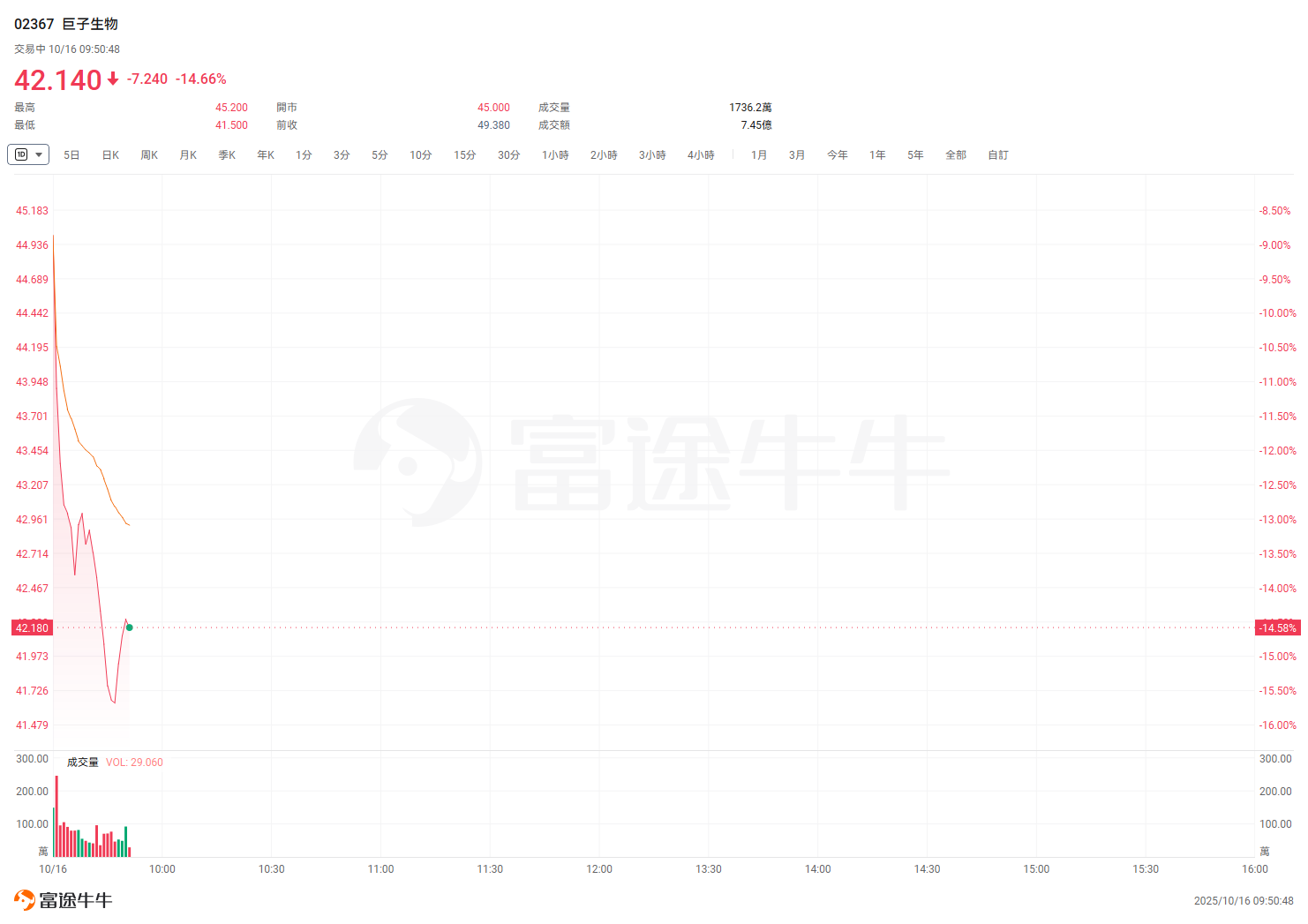
巨子生物持续走弱,股价创年内新低,市场关注双十一可复美销情
Zhi Tong Cai Jing· 2025-10-16 19:10
Group 1 - The "Double Eleven" shopping festival for 2025 has quietly begun, with a focus on the cosmetics sector experiencing a weaker Q3 due to seasonal trends [1] - According to data from Chian Mama, some key brands have shown a decline in growth rates on Douyin in Q3, with Juzhi Biological's GMV increasing by 15% year-on-year, while Kefu Mei and Keli Jin saw increases of 5% and 78% respectively [1] - Juzhi Biological is expected to focus on boosting sales during the upcoming Double Eleven event in the second half of the year [1] Group 2 - Huaxi Biological has reported issues regarding the collagen products, stating that multiple third-party testing results indicated that the added amount of recombinant collagen in related products did not meet standards [2] - Huaxi Biological has submitted dozens of test reports to the National Medical Products Administration [2]
从公务员、到美容院老板、再到国货美妆大佬 61岁东北大叔攒起百亿身家 公司正冲刺上市
Mei Ri Jing Ji Xin Wen· 2025-10-16 14:23
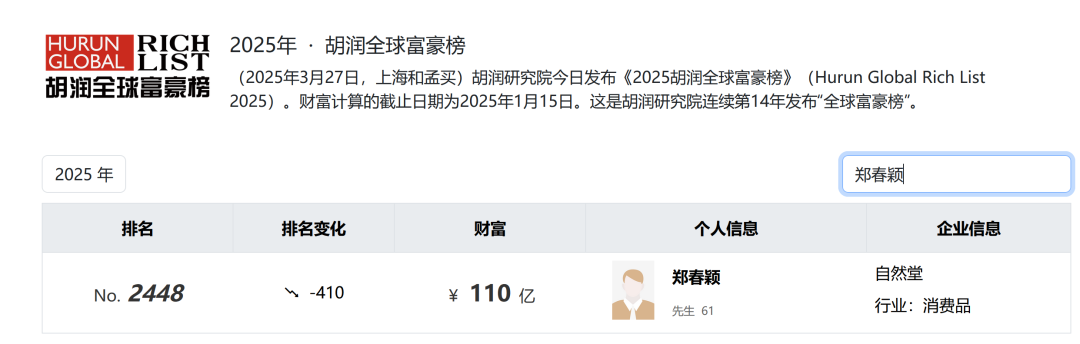
Core Viewpoint - The natural堂 Group, known for its iconic slogan "You are beautiful," has submitted its IPO application to the Hong Kong Stock Exchange, marking a cautious entry into the capital market after 24 years of operation [1] Group Overview - Founded in 2001 by Zheng Chunying, the natural堂 Group has evolved from a beauty salon to a prominent Chinese cosmetics brand, launching multiple product lines including "美素" and "春夏" [2][3] - The company has strategically navigated through various market channels, becoming a leading brand in cosmetics retail, particularly in second and third-tier cities [3] Financial Performance - The natural堂 brand accounts for approximately 95% of the group's total revenue, indicating a heavy reliance on a single brand [8][9] - Revenue figures for the group show a steady but slow growth, with total revenues of 42.92 billion, 44.42 billion, and 46.01 billion from 2022 to 2024, reflecting a compound annual growth rate of only 3.5% [9] - The net profit figures from 2022 to 2024 show volatility, with profits of 1.39 billion, 3.02 billion, and 1.90 billion, leading to a net profit margin of 7.8% in the first half of 2025, which is lower than competitors [9][10] Investment and Strategic Partnerships - The group has recently attracted strategic investments from L'Oréal and 加华资本, raising a total of 7.42 billion, which is expected to enhance its technological capabilities and market confidence [1] - The company plans to utilize the funds raised from the IPO to strengthen its direct-to-consumer (DTC) capabilities, expand its brand portfolio, and increase product development investments [11] Challenges and Future Directions - The group faces challenges such as weak R&D investment, which has decreased from 2.8% in 2022 to 1.7% in 2025, while marketing costs remain high [10] - The attempt to enter the high-end market with the 金钻微雕系列 has not performed well, raising concerns about its competitive positioning [11] - The recent rebranding from 伽蓝集团 to natural堂 Group signifies a shift in strategy, aiming to leverage capital market opportunities for transformation into a technology-driven beauty enterprise [11]
从公务员,到美容院老板,再到国货美妆大佬,61岁东北大叔攒起百亿身家,公司正冲刺上市
Mei Ri Jing Ji Xin Wen· 2025-10-16 14:12
Core Insights - Natural堂 Group has submitted its IPO application to the Hong Kong Stock Exchange, marking a cautious entry into the capital market after 24 years of establishment [1] - The company has recently secured investments from L'Oréal and Gahua Capital, which provide both financial backing and technological support, but faces significant challenges such as reliance on a single brand and weak R&D investment [1] Company Overview - Founded by Zheng Chunying in 2001, Natural堂 has evolved from a beauty salon to a prominent Chinese cosmetics brand, launching multiple sub-brands over the years [4][5] - The company has successfully navigated various market changes, becoming the leading brand in cosmetics specialty stores within two years of its inception [5] Financial Performance - Natural堂's revenue heavily relies on its flagship brand, accounting for approximately 94.6% to 95.9% of total revenue from 2022 to 2025 [9] - The company's revenue growth has been modest, with figures of 42.92 billion, 44.42 billion, and 46.01 billion from 2022 to 2024, reflecting a compound annual growth rate of only 3.5% [9] - Net profit has shown volatility, with figures of 1.39 billion, 3.02 billion, and 1.90 billion from 2022 to 2024, resulting in a net profit margin of 7.8% in the first half of 2025, which is lower than competitors [10] Strategic Challenges - The company has faced criticism for its declining R&D investment, which fell from 2.8% in 2022 to 1.7% in the first half of 2025, while sales and marketing costs remain above 54% [10] - Natural堂's attempts to enter the high-end market with its Gold Diamond Micro-sculpting series have not performed well compared to competitors, raising concerns about its market positioning [10] Future Plans - The IPO proceeds are intended to enhance DTC capabilities, diversify the brand portfolio, increase product development investment, and expand overseas [11] - The company is opening flagship stores to improve customer experience and strengthen brand image, with the first store launched in Shenzhen [11]

当医美企业决定出海:国内医美爱好者多了 钱却不好赚了 海外容易闯吗?
Mei Ri Jing Ji Xin Wen· 2025-10-16 14:10
Core Insights - The domestic medical beauty market in China is becoming increasingly competitive, with significant price reductions and patent disputes among leading companies [1][3][6] - Major players are expanding overseas as domestic profit margins shrink, indicating a strategic shift towards international markets [1][11] Market Competition - New Oxygen launched a low-priced "Miracle Youth Needle" at 2999 yuan, significantly undercutting competitors and causing dissatisfaction among upstream material suppliers [3][6] - Huaxi Biological and Juzi Biological are engaged in a fierce dispute over collagen product patents, highlighting the intense competition in the market [3][4] - The competition is characterized by a shift from regulatory competition to market-driven competition, with a growing number of brands entering the space [6][7] Financial Performance - Major companies like Aimeike and Huaxi Biological reported significant declines in revenue and net profit, with Aimeike's revenue and net profit down 21.59% and 29.57% respectively in the first half of the year [7][10] - Huaxi Biological's revenue and net profit also fell by 19.57% and 35.38% respectively, marking a continuous decline over two years [7][10] International Expansion - Chinese medical beauty companies are increasingly looking to international markets, with firms like Aimeike and Huaxi Biological investing in overseas partnerships [1][11] - The strategy involves acquiring or investing in foreign companies to introduce Chinese products to international markets, rather than relying on traditional business development methods [11][12] Emerging Markets - There is a growing opportunity in emerging markets such as Southeast Asia and Latin America, where demand for cost-effective and multifunctional products is rising [12][13] - Companies are focusing on building technological barriers and moving away from the "low-price" label by investing in advanced materials and techniques [13]



当医美企业决定出海:国内医美爱好者多了,钱却不好赚了,海外容易闯吗?
Mei Ri Jing Ji Xin Wen· 2025-10-16 13:54
Core Insights - The Chinese medical aesthetics market is becoming increasingly competitive, with significant price reductions and patent disputes among leading companies [1][2][3] - Major players are expanding internationally as domestic competition intensifies, with companies like Four Rings Pharmaceutical investing in overseas markets [1][9] - The industry is transitioning from a focus on product registration to market-driven competition, leading to a "price war" and a shift towards a more comprehensive competition model involving product, service, and technology [6][10] Market Dynamics - The medical aesthetics industry in China has evolved from a niche market to a significant sector, but the penetration rate of medical aesthetics products remains low compared to mature markets like Europe and the U.S. [1][6] - New Oxygen's introduction of the "Miracle Youth Needle 3.0" at a price point below 3000 yuan marks a significant price drop in the domestic market [1][2] - The competition among major products such as water light needles, youth needles, and recombinant collagen is intensifying, with numerous new products entering the market [4][6] Financial Performance - Leading companies are experiencing significant revenue declines, with Aimeike reporting a 21.59% drop in revenue and a 29.57% decrease in net profit in the first half of the year [7][8] - Huaxi Biological has also seen a continuous decline in annual performance, with a 19.57% drop in revenue and a 35.38% decrease in net profit in the first half of the year [7][8] International Expansion - Chinese medical aesthetics companies are increasingly looking to international markets for growth, with several firms, including Aimeike and Huaxi Biological, investing in overseas companies [9][10] - The global medical aesthetics market is still in a growth phase, but companies face challenges such as regulatory differences, cultural adaptation, and established local competition [10][12] - Emerging markets in Southeast Asia, the Middle East, and Latin America present opportunities for Chinese companies to expand, as these regions show rapid growth in medical aesthetics consumption [12][13]
港股通(深)净买入71.50亿港元
Zheng Quan Shi Bao· 2025-10-16 12:48
Market Overview - On October 16, the Hang Seng Index fell by 0.09%, closing at 25,888.51 points, while southbound funds through the Stock Connect recorded a net purchase of HKD 15.822 billion [1] Trading Activity - The total trading volume for the Stock Connect on October 16 was HKD 136.327 billion, with a net purchase of HKD 15.822 billion. Specifically, the Shanghai Stock Connect had a trading volume of HKD 84.381 billion and a net purchase of HKD 8.672 billion, while the Shenzhen Stock Connect had a trading volume of HKD 51.947 billion and a net purchase of HKD 7.150 billion [1] Active Stocks - In the Shanghai Stock Connect, Alibaba-W had the highest trading volume at HKD 4.816 billion, followed by Xiaomi Group-W at HKD 3.995 billion and SMIC at HKD 3.500 billion. In terms of net buying, Zijin Mining International led with a net purchase of HKD 1.738 billion, closing up by 3.80%. Tencent Holdings had the highest net selling at HKD 235 million, closing down by 1.12% [1] Shenzhen Stock Connect Highlights - In the Shenzhen Stock Connect, Xiaomi Group-W topped the trading volume with HKD 2.727 billion, followed by Alibaba-W at HKD 2.495 billion and SMIC at HKD 2.464 billion. The stock with the highest net purchase was CanSino Biologics, with a net purchase of HKD 603 million, closing up by 4.75%. The stock with the highest net selling was Giant Biogene, with a net selling of HKD 662 million, closing down by 15.31% [2]




北水成交净买入158.22亿 紫金黄金国际正式入通 北水全天抢筹超17亿港元
Zhi Tong Cai Jing· 2025-10-16 11:41
Core Viewpoint - The Hong Kong stock market experienced significant net inflows from northbound trading, with a total net buy of 15.822 billion HKD on October 16, 2023, indicating strong investor interest in specific stocks [1]. Group 1: Northbound Trading Activity - Northbound trading saw a net buy of 8.672 billion HKD through the Shanghai Stock Connect and 7.15 billion HKD through the Shenzhen Stock Connect [1]. - The stocks with the highest net inflows included Zijin Mining International (02259), Xiaomi Group-W (01810), and Alibaba-W (09988) [1]. - The stocks with the highest net outflows were Semiconductor Manufacturing International Corporation (00981), GigaDevice Semiconductor (02367), and Tencent (00700) [1]. Group 2: Individual Stock Performance - Alibaba-W (09988) had a net buy of 2.696 billion HKD, with total buy and sell amounts of 4.816 billion HKD, reflecting a net inflow of 575 million HKD [2]. - Xiaomi Group-W (01810) recorded a net buy of 2.508 billion HKD, with total buy and sell amounts of 3.995 billion HKD, resulting in a net inflow of 1.02 billion HKD [2]. - Zijin Mining International (02259) received a net buy of 1.843 billion HKD, with total buy and sell amounts of 1.949 billion HKD [5]. - GigaDevice Semiconductor (02367) faced a net sell of 3.80 billion HKD, with total buy and sell amounts of 1.422 billion HKD [4]. - Tencent (00700) experienced a net sell of 2.35 billion HKD, with total buy and sell amounts of 3.020 billion HKD [2]. Group 3: Market Insights and Future Projections - Zijin Mining International is expected to achieve a compound annual growth rate (CAGR) of approximately 20% in production from 2025 to 2027, increasing total output from 45 tons to 65 tons, which could lead to a 30% CAGR in profits [5]. - Xiaomi's stock price volatility is influenced by various news events, with expectations of a decline in gross profit margin (GPM) in the second half of the year [5]. - Alibaba's future capital expenditure forecast has been raised to 460 billion HKD, with projected year-on-year growth rates for cloud revenue of 31%, 38%, and 37% over the next three quarters [5]. - Kangfang Biologics (09926) received a net buy of 602 million HKD following the acceptance of its clinical research results for a new drug in a top medical journal [6]. - Pop Mart (09992) saw a net buy of 470 million HKD, with expectations of strong sales growth from new IPs [7].