奔驰

Search documents
27国要对华加税30%?法国打响第一枪,美财长一句话定义中美关系
Sou Hu Cai Jing· 2026-02-15 03:42
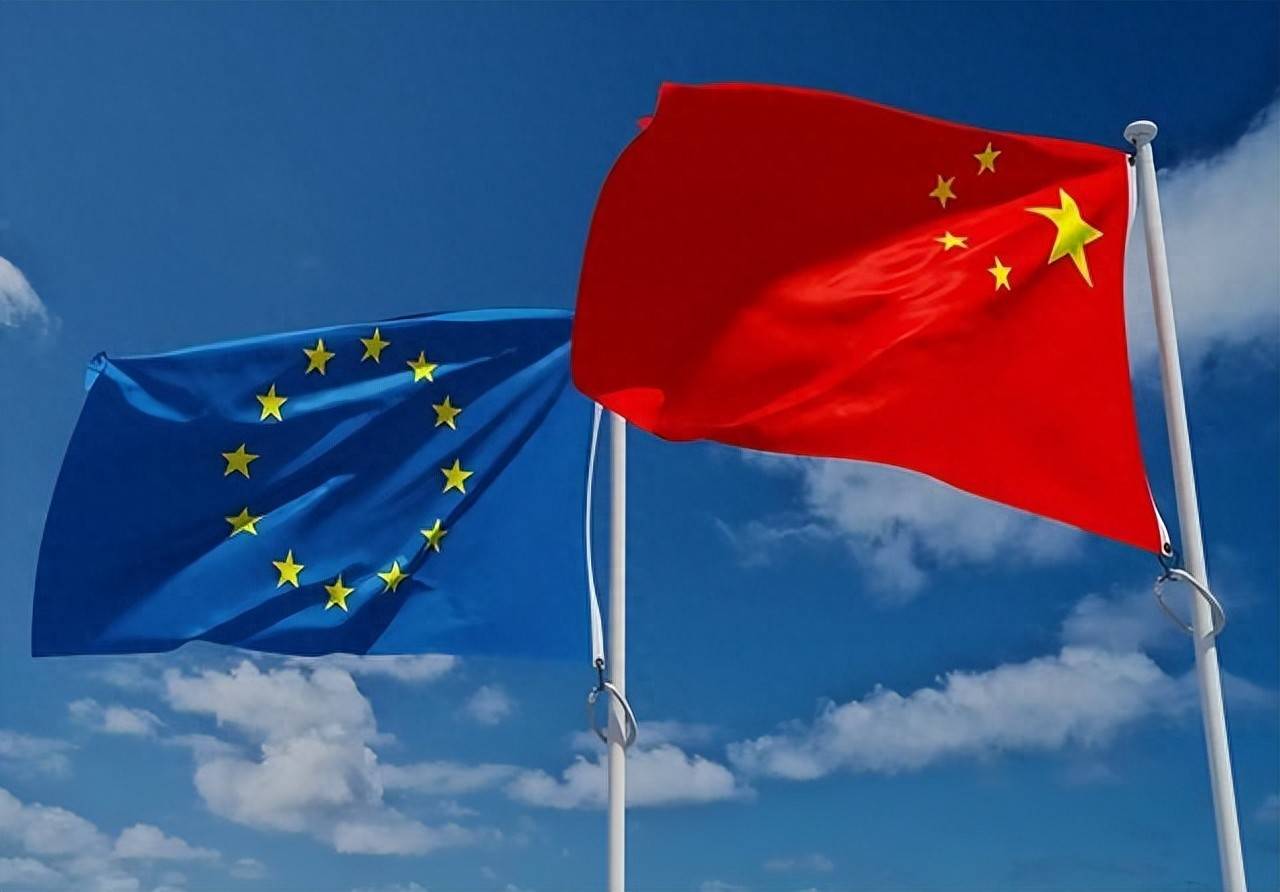
2026年2月9日,作为欧盟的双引擎之一,法国突然发布了一份重磅政府报告,令整个国际市场震动。这份报告的语气可以说是强硬无比,内容也让人难以置 信:为了扭转与中国之间巨大的贸易逆差,法国建议欧盟27个成员国对中国商品加征30%的关税。这还不是全部,法国人甚至提出了一个震撼金融界的提 议:要么加税,要么就让欧元对人民币贬值20%到30%。换句话说,法国试图通过人为制造一场汇率风暴,迫使人民币升值,从而削弱中国制造的竞争力。 这一招是不是听着有些耳熟?没错,稍微懂点历史的朋友一定会发现,这不正是广场协议的翻版吗?美国当年通过这一手将日本压得喘不过气,今天法国把 这套旧剧本从废纸堆里捡了出来,只不过这次主角换成了中国。然而,当法国高喊加税,甚至在BFM电视台上惊呼令人震惊的时候,地球另一端的巴西圣 保罗,美国财政部长贝森特却轻描淡写地说了一句让全球都无法理解的话。 当被问及中美关系时,贝森特这位曾为特朗普政府提供财政支持的财神爷,笑着说:我们正处在一个非常舒适的位置。一边是法国歇斯底里地要求掀桌子, 一边是美国悠闲地称舒适。这两大西方强国为何突然间唱起了对台戏?背后到底藏着怎样的博弈和逻辑? 现在,让我们来看看淡定 ...

启境入局:中国汽车智能化下半场的价值回归与高端突围
经济观察报· 2026-02-15 02:11
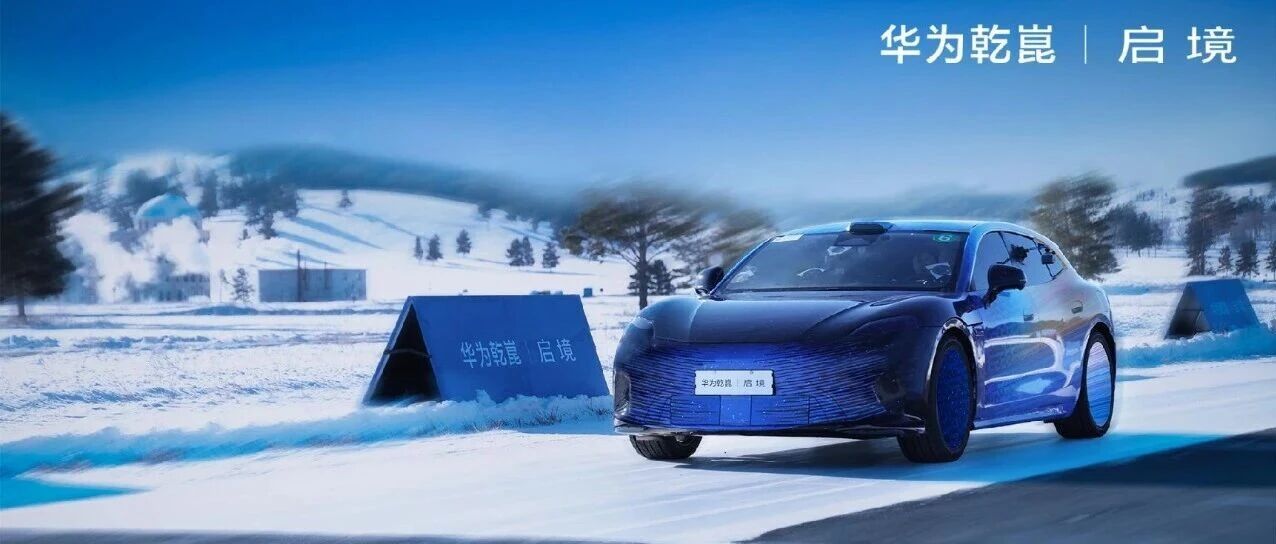
Core Viewpoint - The emergence of Qijing Automotive represents a significant exploration in the intelligent and high-end development path of the Chinese automotive industry during a critical period of transformation [1][26]. Group 1: Strategic Shift from Electrification to Intelligentization - By the end of 2025, the penetration rate of new energy vehicles in China is expected to approach 60%, indicating that the electrification phase is nearing completion, while the intelligentization phase is just beginning [2][6]. - The automotive industry is undergoing a structural transformation, with a shift in competition from mere electrification to intelligentization, as evidenced by the increasing demand for smart, personalized vehicles [6][8]. - Over 80% of automotive companies have initiated AI pilot projects, but only 15% have achieved large-scale application, highlighting the transition from "whether to do" to "how to do it right" in intelligentization [2][8]. Group 2: Challenges in Intelligent Transformation - The transition to intelligentization presents significant challenges, including the need for comprehensive capabilities in data collection, processing, and system integration [16][17]. - Companies must prepare for the responsibilities associated with Level 3 automation, requiring robust safety and quality management systems throughout the product lifecycle [16][20]. - The collaboration model in the intelligent era necessitates deep integration of hardware, software, algorithms, and data, moving beyond traditional supply chain relationships [17][20]. Group 3: Qijing's Unique Position and Strategy - Qijing is positioned as a strategic player in the intelligentization arena, focusing on redefining what constitutes a high-quality vehicle in the smart era [14][26]. - The collaboration between Qijing and Huawei is characterized by "embedded collaboration," allowing for joint product logic definition and system performance validation [16][20]. - Qijing aims to leverage its partnerships to create a new value benchmark in the high-end market, combining technology, luxury, and reliability [26][31]. Group 4: Value Transition of Chinese Brands - Chinese automotive brands are experiencing a value transition, with Qijing positioned to capitalize on this shift by enhancing product quality, user experience, and redefining value in the high-end market [24][26]. - The traditional dominance of luxury brands is declining, with Chinese brands making significant inroads into the high-end market through advancements in electric and intelligent technologies [24][26]. - Qijing's strategy emphasizes a comprehensive user experience and a differentiated dealer network, reflecting growing confidence in Chinese high-end intelligent automotive brands [26][31].

启境入局:中国汽车智能化下半场的价值回归与高端突围
Jing Ji Guan Cha Wang· 2026-02-15 02:07
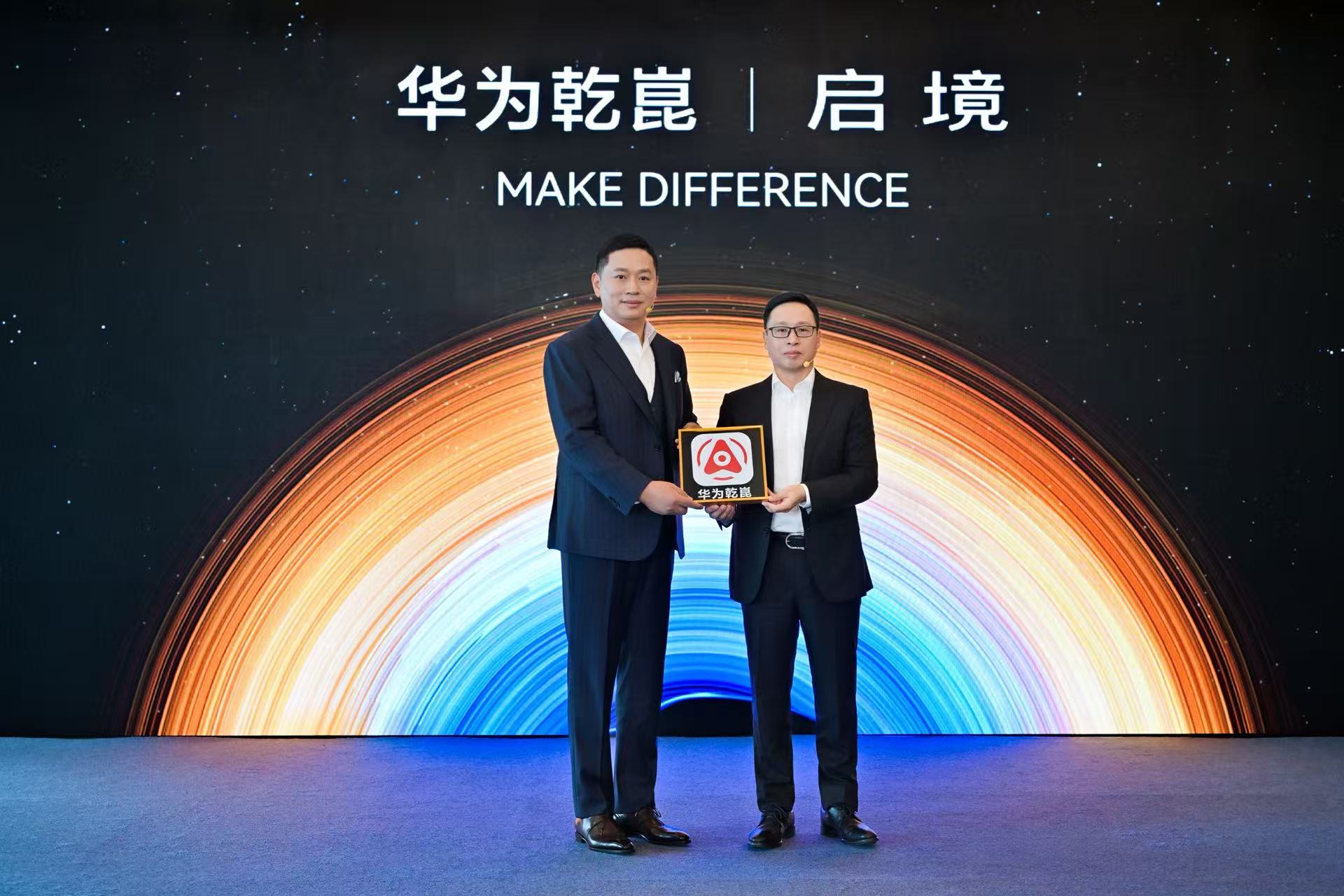
Core Insights - The electric vehicle (EV) penetration rate in China is expected to approach 60% by the end of 2025, indicating that the initial phase of electrification is nearing completion, while the next phase of intelligent transformation is just beginning [1][4] - Market data suggests a slowdown in EV wholesale growth, with a forecasted decline from 28% in 2025 to 15% in 2026, signaling a shift from growth to competition among existing players [1][4] - The launch of the high-end intelligent EV brand "Qijing," co-created by Huawei and GAC Group, represents a significant step in addressing the industry's transition from electrification to intelligentization [1][3] Industry Transition - The Chinese automotive market is undergoing a structural transformation, with a predicted slowdown in growth rates for new energy vehicles as penetration exceeds 50% [4] - Deloitte's report highlights that over 80% of automotive companies have initiated AI pilot projects, but only 15% have achieved large-scale application, indicating a shift in focus from "whether to do" to "how to do it right" [1][4] - The automotive industry is recognized as being at a critical juncture, facing pressures on the supply side while experiencing explosive growth in demand for intelligent and personalized vehicles [4][6] Intelligent Transformation - Intelligentization is identified as the core of the automotive industry's transformation, integrating various advanced technologies such as perception, data processing, connectivity, execution control, and user experience [6] - The shift from traditional vehicles to intelligent terminals is reshaping the travel ecosystem, with AI expected to play a pivotal role in this evolution [6][12] - The competitive landscape is evolving, with a focus on the ability to continuously innovate and adapt intelligent capabilities rather than merely distinguishing between fuel and electric vehicles [12][14] Challenges and Opportunities - The transition to intelligent vehicles presents significant challenges, including the need for comprehensive technical capabilities, responsibility frameworks for Level 3 automation, and upgraded collaborative models within the industry [15][16] - Qijing's collaboration with Huawei is characterized as "embedded collaboration," allowing for a more integrated approach to product development and system performance validation [16][18] - The brand's supply chain and quality management systems are designed to meet the high standards of luxury vehicles, positioning Qijing to take on the challenges of intelligent vehicle production [18][20] Market Positioning - Qijing aims to redefine the high-end market by focusing on a combination of aesthetics, driving control, and intelligence, while also establishing a differentiated dealer network strategy [23][24] - The brand's strategy reflects a broader trend of Chinese automotive brands moving into the high-end market, with significant improvements in product quality and user experience [21][23] - The emergence of Qijing is seen as a critical exploration of the intelligent and high-end development path for the Chinese automotive industry, aligning with national policies promoting digital transformation [27][29]
耐世特(1316.HK):綫控转向量产将至
Ge Long Hui· 2026-02-14 13:25
Core Viewpoint - 2026 is projected to be the year of mass production for steer-by-wire (SBW) technology, aligning with the trend of autonomous driving, leading to an industry upgrade. The target price is set at HKD 10.2 based on an 18x PE valuation for 2026, with a buy rating [1]. Group 1: Industry Trends - The steering system in automobiles is transitioning from electric power steering (EPS) to steer-by-wire (SBW), with average selling prices (ASP) increasing from C-EPS at 1,000 yuan to R-EPS at 2,000 yuan, and further to SBW at 4,000 yuan [1]. - Currently, EPS remains the mainstream technology in the industry, with a domestic penetration rate reaching 99% [1]. Group 2: Company Developments - The company has seen a growing number of clients and orders for its steer-by-wire technology, being the exclusive supplier for Tesla's robotaxi and the supplier for the Li Auto L9 Livis, both set for mass production in the first half of the year [1]. - Tesla's Cybercab is a key vehicle for achieving Level 4 autonomous driving, aiming to eliminate human intervention through a combination of pure vision FSD solutions and steer-by-wire chassis [1]. Group 3: Regulatory Environment - The legal status of steer-by-wire technology has been clarified with the release of the national certification standard "Basic Requirements for Automotive Steering Systems," effective from July 1, 2026. This standard emphasizes safety requirements and introduces functional safety terminology and verification methods [3]. - The new regulations remove the mandatory mechanical connection between the steering wheel and the steering system, establishing the legal status of SBW and setting strict safety redundancy and failure response standards [3].
报告 | 美国商会发布报告,显示近六成受访美资企业计划增加在华投资
Sou Hu Cai Jing· 2026-02-14 11:30
根据近期发布的这份报告,超半数受访在华美资企业预计2025年实现盈利或大幅盈利,超七成受访企业暂未考虑将生产或采购环节转移至中国境外。 中国贸促会新闻发言人王文帅表示,这从一个侧面反映出,中国毫无疑问将长期成为外资企业投资兴业的沃土。 中国贸促会近日公布了由中国美国商会发布的《2026年中国商务环境调查报告》。报告显示,近六成受访美资企业计划增加在华投资。 外资对中国市场投下信任票的同时,中国企业"走出去"的需求也在不断加大。2025年中国对外直接投资同比增长7.1%,对外投资存量已连续9年保持世界 前三。 目前,贸促系统共有覆盖全国的近1300家地方贸促机构,海外有30个驻外代表处,在150多个国家和地区建立了395个多双边工商合作机制。 王文帅表示,下一步,中国贸促会将统筹全国贸促系统力量,不断完善专项工作机制,以更精准的服务、更完善的保障,让企业行稳致远。 来源:经济参考报 过去一年,中国贸促会全年接待会见外国政商界和国际组织负责人462次,率中国企业家代表团拜访苹果、惠普、马士基、奔驰等外资企业总部16次,第 三届链博会的境外参展商比例提升至35%。截至目前,将于今年6月举行的第四届链博会已有包括众多 ...

奔驰销售公司换帅
Di Yi Cai Jing Zi Xun· 2026-02-14 08:49
2026.02.14 另外,4月1日起,奔驰与吉利合资公司smart全球首席营销官张明霞将出任奔驰销售公司销售执行副总 裁,奔驰汽车金融现任销售与市场营销负责人康毅将出任smart全球首席营销官,负责销售、市场及客 户运营业务。 微信编辑 | 格蕾丝 第一财经持续追踪财经热点。若您掌握公司动态、行业趋势、金融事件等有价值的线索,欢迎提供。专 用邮箱:bianjibu@yicai.com (注:我们会对线索进行核实。您的隐私将严格保密。) 本文字数:330,阅读时长大约4分钟 作者 | 第一财经 武子晔 2月14日,奔驰中国宣布重磅人事调整。段建军因个人原因离任奔驰销售公司总裁兼CEO,自2026年3月 1日起,奔驰销售公司销售执行副总裁李德思将接替这一职位。段建军将担任战略顾问,确保平稳有序 的工作交接,直至4月30日任期届满。 ...
27国要对我们加税30%?法国打响第一枪,美财长一句话定义中美关系
Sou Hu Cai Jing· 2026-02-14 04:41
Group 1 - France has proposed a significant government report suggesting that EU member states impose a 30% tariff on Chinese goods to address the trade deficit with China [2][10] - The report indicates that 55% of manufacturing output in the EU faces direct competition from China, with Germany at 70% and France at 36% [10][12] - The proposed tariffs are seen as a desperate measure to level the playing field, as Chinese products have a cost advantage of approximately 30% [12][14] Group 2 - The report reflects France's panic over its industrial decline, as it attempts to unify EU member states against China, despite differing interests among countries like Germany [15][18] - The U.S. Treasury Secretary's comments about being in a "comfortable position" regarding U.S.-China relations suggest a shift in strategy, moving from aggressive confrontation to a more pragmatic approach [20][22] - The U.S. has recognized that a hardline approach against China has not yielded the desired results, leading to a focus on "de-risking" rather than complete decoupling [24][26] Group 3 - France's proposal to manipulate the euro's value against the yuan is reminiscent of the 1985 Plaza Accord, which aimed to address trade imbalances through currency intervention [30][31] - The differences between China and Japan during the Plaza Accord era highlight China's current economic independence and robust domestic market, making such proposals less feasible [33][35] - The report indicates that France's protectionist measures may not effectively address the underlying issues of industrial competitiveness and could lead to further economic challenges [35][37]
美国没点头之前,中国的钱先缓缓
Sou Hu Cai Jing· 2026-02-13 15:47
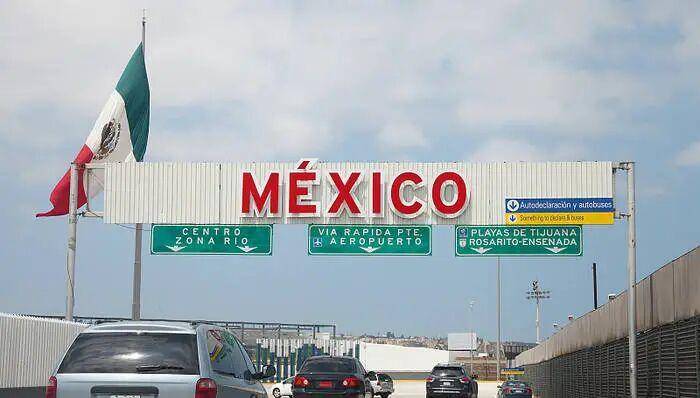
Group 1 - Mexico is China's second-largest trading partner, with significant bilateral trade, but recent tariff increases on Chinese goods have raised concerns [2] - Mexico imposed tariffs of up to 35% on Chinese exports such as automobiles and textiles, ostensibly to support local industries and balance trade deficits, but this move is seen as a gesture towards the United States [2][5] - Chinese automotive companies, including BYD and Geely, are in the running to acquire a Nissan-Benz factory in Mexico, which has a production capacity of 230,000 vehicles per year, highlighting the strategic importance of this investment for both parties [2][6] Group 2 - Chinese car manufacturers have rapidly increased their market share in Mexico, going from 0% in 2020 to nearly 10% last year, with BYD's sales increasing tenfold and Geely's doubling [6][7] - The competition for the Nissan-Benz factory is not just a business deal; it reflects Mexico's broader strategic choices in the automotive industry amid increasing pressure from the U.S. [8][11] - The U.S. tariffs on Mexican exports are significantly impacting the local automotive industry, with some companies struggling to survive, indicating a critical juncture for Mexico's industrial strategy [10][12] Group 3 - The situation presents a pivotal opportunity for Mexico to clarify its industrial direction and create a stable investment environment to attract foreign capital effectively [15] - If Mexico hesitates in making decisions, it risks losing not only the factory and jobs but also its position in the global automotive supply chain for the next decade [17]
电车速成赌局:越卷越快,越快越险
36氪· 2026-02-13 13:34
以下文章来源于36氪汽车 ,作者徐蔡钰 樊舒琪 36氪汽车 . 看懂汽车产业新百年。36氪旗下智能电动车产业报道公号。 趋势不可逆,底线不能退。 文 | 徐蔡钰 樊舒琪 编辑 | 李勤 杨轩 来源| 36氪汽车(ID:EV36kr) 封面来源 | 视觉中国 "速成车"踩刹车 2026年一开年,监管部门再一次收紧了对汽车开发的要求。这让不少"老汽车人"松了一口气。 一名头部车企的软件总工告诉36氪,在他十余年的从业生涯里,从未经历过去几年的激进时刻: 原本需要适配两年才能上车的新架构,现在10个月就得上车;之前机械验证要做的两次冬测试、两次夏测,被压缩成了一次冬测、一次夏测。 原本要验证4个月的整车控制软件,现在2个星期就可以上车。 他这种内行人才知道的隐忧还有:看似测试环节都在,但压缩时长伴随着高强度加班,实际操作中,需要测200次的项目最后可能只测了30次;测完10 次,员工便可能说已经测过100次了。 "有些问题就会测不出来,其中可能包含高安全相关问题。比如经常车卖出去,门把手出不来等等B类问题还有一堆。" 因为智能电动车普遍的特点是可以空中升级,不少车交车时,一些软件还未开发完成,公司就寄希望于后续推出 ...

火山买下的,是AI时代的免检证明
Sou Hu Cai Jing· 2026-02-13 09:55
Core Insights - The article discusses the strategic move by Huoshan Engine to sponsor the Spring Festival Gala, positioning itself as a credible player in the AI cloud market, particularly for small and medium enterprises [5][16] - Huoshan Engine aims to leverage the visibility and trust associated with the Spring Festival Gala to demonstrate the reliability and maturity of its AI technologies to potential B2B clients [6][17] Group 1: Sponsorship and Market Positioning - Huoshan Engine secured the title of "Exclusive AI Cloud Partner" for the 2026 Spring Festival Gala, showcasing its technology through various high-profile products like robots and cars [2][10] - The sponsorship is not merely for brand recognition but serves as a trust signal for decision-makers in local enterprises, indicating that if the technology is used in a national event, it is reliable [6][16] - The event acts as a "national credit collateral," enhancing Huoshan Engine's credibility in the market and facilitating its penetration into the AI transformation of numerous enterprises [7][16] Group 2: Technological Advancements - Huoshan Engine's AI-native cloud architecture is designed to handle AI workloads more efficiently than traditional cloud systems, which are CPU-centric [13][14] - The company has achieved significant market share in AI model invocation, capturing 46.4% of the Chinese public cloud market for model calls in 2024 [12][14] - Huoshan Engine's technology is validated through high-stakes scenarios like the Spring Festival Gala, demonstrating its capability to manage extreme loads and real-time interactions [10][11] Group 3: Competitive Strategy - The company employs a dual strategy of high-profile endorsements and aggressive pricing to lower barriers for small and medium enterprises considering AI adoption [14][16] - Huoshan Engine's partnerships with luxury brands like Mercedes-Benz and Audi serve as a form of credibility transfer, reassuring potential clients of its reliability [11][14] - The recent policy initiatives from the Ministry of Industry and Information Technology further support Huoshan Engine's market entry, as they aim to facilitate the digital transformation of over 50,000 enterprises by 2028 [5][16]