恒大

Search documents
“催买房”无效后,国家将动真格?明年开始房地产将呈现3大变化
Sou Hu Cai Jing· 2025-06-16 10:06
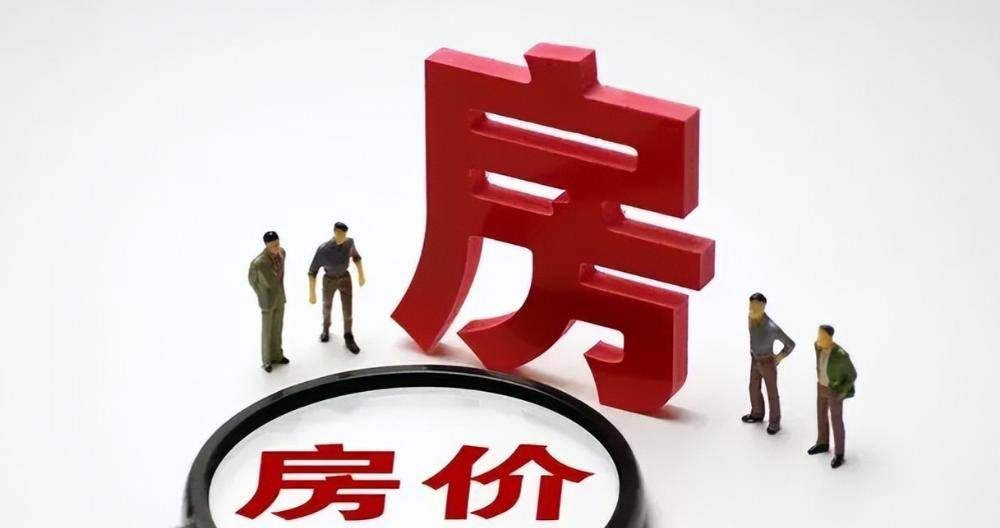
近年来,房地产市场一直受到"催买房"政策的刺激,但效果逐渐减弱。眼下,国家终于决定采取更加"实在"的措施来应对这一困境。 从明年开始,房地产市场将迎来前所未有的三大变化,这些变化可能会让很多人措手不及。无论是购房者还是房地产行业的从业者,都可能因此受到不同程 度的影响。此次变化不再是单纯的政策补救,而是真正意义上的行业变革。那么,究竟是什么原因促使国家下定决心采取这一系列措施呢? 曾经的房市火爆 2008年至2019年,房地产市场一度火爆,提到买房,每个人都充满期待。价格像火箭一样蹭蹭上涨,投资者们比谁都更积极抢购,似乎只要买房就能稳赚不 赔。房产投资回报率高,一套房子转手就能赚几十万,远远超过了大多数人的收入。 装修行业也迎来了黄金时期,瓷砖、地板、家具厂商忙得不可开交。甚至连小区门口的早餐摊也生意兴隆,因为工地上的工人们每天都能买几百份早餐。而 中介公司更是如雨后春笋般开遍了大街小巷,房源一挂牌就会迎来大量询问,哪怕房东开价高,也没人怕。 全国各地工地如火如荼,吊塔林立,大卡车排着队进城。那个时代,拥有几套房的人走在街头仿佛都带着光环,房地产商的身影几乎占据了富豪榜的一半, 资产动辄上千亿。 银行也对房地 ...

我在华南某省工作的感受
叫小宋 别叫总· 2025-06-15 05:01
Core Viewpoint - The article discusses the challenges and dynamics of the semiconductor industry in China, particularly focusing on the Guangdong province and its competition with the Yangtze River Delta region [1][3][10]. Group 1: Semiconductor Industry Dynamics - The semiconductor industry is heavily influenced by national policies rather than market forces, making it difficult for local governments to drive growth independently [3][10]. - Major semiconductor companies like SMIC and Changxin have made substantial fixed asset investments, often exceeding hundreds of billions, with low investment returns [4]. - The Yangtze River Delta region, particularly Shanghai and its surrounding areas, has a more developed semiconductor supply chain compared to the Pearl River Delta [5]. Group 2: Regional Development and Challenges - Guangdong has made significant investments in semiconductor manufacturing, with companies like Yuexin and Nansha focusing on wafer fabrication, but their process improvements and profit margins have been disappointing [7][9]. - The geographical features of Guangdong, such as hilly terrain, hinder large-scale industrialization compared to the flat plains of the Yangtze River Delta [14]. - The local governance structure and urban planning challenges in cities like Guangzhou and Shenzhen complicate industrial development [15]. Group 3: Economic and Trade Considerations - The economic decoupling between China and the U.S. poses challenges for Guangdong's export-oriented businesses, necessitating adjustments in product lines and trade partnerships [21]. - The tax revenue structure in Guangdong, where Shenzhen's taxes primarily benefit Beijing, creates financial strain on the province [22][23]. - The automotive industry in Guangzhou is experiencing a significant downturn, impacting overall economic performance [24]. Group 4: Historical and Cultural Context - Guangdong's historical role as a trade hub has shaped its economic resilience, but current geopolitical tensions may affect its future [20][27]. - The province has contributed significantly to national economic growth and demographic balance, especially in the context of an aging population [27][28].
做价值投资者不难,难的是选出投资价值
雪球· 2025-06-14 05:00
Core Viewpoint - The fundamental aspects of listed companies are dynamic and require continuous tracking for investment decisions [2] Group 1: Investment Timing and Company Performance - Investment opinions should always consider the time context, as companies that were once seen positively may not maintain that status over time [3][7] - The author has previously highlighted the risks of valuation bubbles in sectors like liquor and pharmaceuticals, and the overcapacity risks in semiconductors and new energy sectors [3][4] - The Chinese economy is still experiencing rapid growth, suggesting significant upward potential [4] Group 2: Market Conditions and Investment Strategy - At the market level of 2700 points, there was a strong rationale for full investment, which proved to be a successful strategy by year-end [5][6] - The concept of "good companies" is time-sensitive, and past high-performing stocks may not guarantee future success [7][9] - The cyclical nature of industries, such as non-ferrous metals and shipping, necessitates close monitoring of trend changes [10] Group 3: Value Investment and Market Dynamics - Value investing is not inherently difficult, but identifying true investment value is challenging [11] - The ability to discover value in advance is equated with the ability to generate profits [12][13]

催买房没有效果?国家这次要动真格了,下半年房地产将呈现3大变
Sou Hu Cai Jing· 2025-05-30 02:35
Core Viewpoint - The real estate market is currently experiencing a significant downturn, exacerbated by economic challenges post-pandemic, despite government efforts to implement supportive policies [1][3]. Group 1: Policy Changes - The government has introduced substantial policy changes aimed at reducing the barriers to home buying, with the down payment for first-time homebuyers lowered to 15% and for second homes to 25% [5][6]. - Loan interest rates for first-time homebuyers have dropped significantly, with many cities now offering rates as low as 3.2% to 3.5%, compared to over 5% two years ago [6][9]. - Various local governments are providing direct financial incentives, such as cash subsidies for families with multiple children, with some offering up to 120,000 yuan [8][12]. Group 2: Market Dynamics - The real estate market has seen a drastic price decline, with some properties being sold at discounts of 40% or more, particularly in previously high-demand areas [17][21]. - However, there are signs of stabilization, with certain cities like Chengdu showing early signs of price recovery, indicating that the market may have reached its bottom [19][25]. - The trend of rising prices is not merely speculative; actual sales data and transaction prices reflect a shift towards a more balanced market, with increased seller confidence [21][23]. Group 3: Future Outlook - The year 2024 is anticipated to be a market low point, while 2025 may mark the beginning of a recovery, particularly in first-tier cities that are receiving targeted policy support [25][27]. - The recovery in first-tier cities is expected to have a cascading effect on second and third-tier cities, potentially leading to a nationwide market reversal [27][29]. - Despite the supportive policies, there are concerns about the overall demand for housing due to rising debt levels and declining marriage rates, which may limit the buying enthusiasm seen in previous years [33][35].

神秘的贝莱德,是如何逆袭为全球第一大金融巨头的?
美股研究社· 2025-05-13 10:58
Core Viewpoint - The article discusses the significant acquisition of port assets by BlackRock, led by Li Ka-shing, highlighting the company's immense influence and strategic positioning in global finance and investment markets [3][4][5]. Group 1: BlackRock's Acquisition and Influence - Li Ka-shing plans to sell his port business to a consortium led by BlackRock for $22.765 billion, including key ports at both ends of the Panama Canal [3]. - BlackRock, the world's largest asset management company, manages $11.6 trillion in assets, with a presence in over 3,000 listed companies globally [8][10]. - If ranked as a sovereign state, BlackRock would be the third-largest in terms of total assets managed, surpassing the combined GDP of Germany, Japan, and France [9]. Group 2: Historical Development of BlackRock - BlackRock was founded in 1988 with just eight employees and initial funding of $5 million from Blackstone Group [11][13]. - The company separated from Blackstone in 1995 and was sold to PNC Financial Services Group, which helped solidify its business foundation [18][19]. - BlackRock went public in 1999, raising $126 million, which significantly enhanced its operational capacity [21]. Group 3: Technological Advancements - In 2000, BlackRock launched the Aladdin system, a powerful risk management tool that monitors over 2,000 risk factors and conducts extensive investment portfolio stress tests [24]. - The Aladdin system has become integral to global financial markets, processing data equivalent to ten years of the SEC's data daily [47]. Group 4: Strategic Acquisitions and Market Position - BlackRock expanded its product offerings by acquiring State Street Research and merging with Merrill Lynch Investment Management, enhancing its global footprint [28][30]. - The acquisition of Barclays' iShares in 2009 for $13.5 billion positioned BlackRock as a leader in the ETF market, significantly increasing its asset management scale [39][41]. Group 5: Political and Economic Influence - BlackRock's deep connections in political circles have raised concerns about its influence over public policy and financial regulations [48][50]. - The company has been involved in managing substantial government funds, such as the $450 billion rescue fund during the pandemic, without competitive bidding [50]. Group 6: BlackRock's Engagement in China - BlackRock's investment strategy in China includes significant stakes in major companies like Tencent and Alibaba, reflecting its deep penetration into key sectors [61][62]. - The firm has capitalized on opportunities in the Chinese real estate market, achieving high returns through strategic debt acquisitions [64]. Group 7: Global Capital Dynamics - BlackRock's investment philosophy views crises as opportunities for wealth redistribution, leveraging government funds to acquire strategic assets [66]. - The company has been active in emerging sectors like cryptocurrency and space assets, operating in regulatory gray areas [68]. Group 8: Broader Implications - The article emphasizes the need for scrutiny of BlackRock's operations, as its actions impact global economic stability and financial order [71][72]. - The rise of BlackRock serves as a reflection of the dual nature of finance, capable of both creating wealth and posing significant risks to societal structures [73][74].


并非胡说!一旦房地产“救”不起来,明年楼市或有“5大”难题?
Sou Hu Cai Jing· 2025-05-08 21:20
Core Viewpoint - The real estate market's fluctuations significantly impact the economy and the financial stability of households, with a potential crisis leading to widespread economic repercussions [1] Group 1: Developer Financial Health - The funding chain for developers is under severe strain, with 23 listed real estate companies delisting in 2023, including those with over 100 billion in sales [3] - The bad loan rate for real estate loans at a bank in Chongqing surged by 3470% over seven years, indicating a critical risk for developers unable to sell properties [3] - The debt default balance for real estate companies in 2024 is projected at 855.5 billion, accounting for 79% of the total industry defaults [3] Group 2: Housing Market Dynamics - In first-tier cities, second-hand housing prices stabilized in late 2022, while third-tier cities continue to see price declines, creating a challenging environment for banks' risk management [4] - A 10% drop in housing prices could lead to a wealth evaporation of tens of trillions for households, as 60% of urban residents' assets are tied up in real estate [4] - The inventory cycle for residential properties has extended to four years, with a significant funding gap of 5.3 trillion for purchasing existing homes [4] Group 3: Economic Impact - The construction, home appliance, and renovation industries have shown signs of fatigue, with new home sales directly affecting cement production, which fell by 18% [5] - Consumer spending is likely to decline as household assets shrink, contributing to a slowdown in retail sales growth [5] - The government is implementing various policies to stabilize the market, including lowering mortgage rates to a historical low of 3.09% and increasing the proportion of existing home sales to 26.5% [6][5] Group 4: Policy Responses - Recent policy measures include the cancellation of sales restrictions in Chongqing and the introduction of housing vouchers in Shandong, indicating a proactive approach to mitigate market risks [6] - The central bank has injected 2.6 trillion into the economy through white list loans, reflecting an urgent need to stabilize the housing market [6]
2025下半年楼市迎来4个利好,没买房的有福了,已有房的要出手吗
Sou Hu Cai Jing· 2025-03-25 12:44
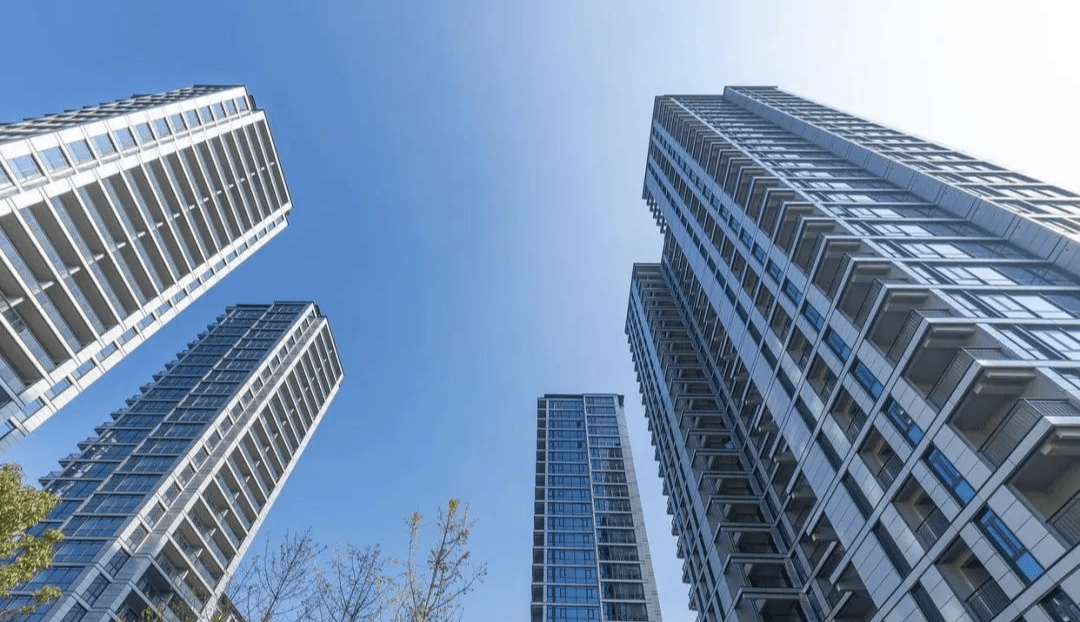
2025下半年楼市迎来4个利好,没买房的有福了,已有房的要出手吗 2025下半年楼市迎来4个利好,没买房的有福了,已有房的要出手吗! 这次咱们要聊的,是2025年的楼市风云,房价跌得让人心惊胆战,政策却又好得让人心动不已。买还是不买?这可是个让人头疼的问题。 先说说房价吧,哎呀,这房价跌得,简直就像断了线的风筝,一路往下飘。从2023年下半年开始,一二线城市的房价就开始溜滑梯,到了2025年,这趋势 还愈演愈烈。北京、上海这些地方的房价跌幅,都已经在15%-20%之间了,这可不是闹着玩的。三四线城市就更别提了,房价直接"腰斩"的都有。 房价跌了,开发商们可就惨了。像恒大、碧桂园这些曾经的地产巨头,现在日子过得那叫一个艰难。裁员、项目停滞、债务压顶,新房市场也是一片狼 藉。买房的人们呢,更是观望情绪浓厚,谁都不想当那个"接盘侠"。 再看看二手房市场,也是一片混乱。挂牌数量大增,卖家们急得像热锅上的蚂蚁。北上广深这些地方的房东们,为了卖房,不得不大幅降价。以前砍价空 间可能就5%,现在直接扩大到10%-12%了。这简直就是"末日大甩卖"的节奏啊! 不过,别急,小编要告诉大家,房价跌了,买房的门槛可也降了!先说利率 ...
那些年房企留在大虹桥的楼,最后都怎样了
虎嗅APP· 2025-03-02 09:08
Core Viewpoint - The real estate industry is undergoing significant changes, with many private enterprises withdrawing and a shift towards state-owned enterprises, indicating a transformation in the sector [3][4]. Group 1: Current State of Real Estate Companies - Numerous real estate companies have exited the market, leaving behind vacant buildings and a sense of uncertainty about their future [11][12]. - Some companies, like Vanke, have adapted to the new environment, while others, such as Evergrande, have left behind empty shells of their former operations [14][15]. - The area previously bustling with real estate activity is now marked by abandoned projects and a lack of operational businesses, leading to a stark contrast with the past [18][19][20]. Group 2: Impact on the Business Environment - The departure of real estate firms has led to a significant reduction in occupancy rates, with many buildings having only a few tenants, and a noticeable decline in commercial activity [23][28]. - Rental prices have dropped dramatically, with some spaces available for as low as one yuan per square meter per day, indicating a fierce price war among landlords [27]. - The overall commercial ecosystem, including small businesses and service providers, has been adversely affected, with many establishments struggling to maintain operations [30][32][34]. Group 3: Future Prospects for the Area - Despite the challenges, there are signs of adaptation and transformation in the area, with new industries being attracted, such as renewable energy, artificial intelligence, and biomedicine [45][49]. - The tax revenue for the Hongqiao International Business District has shown a compound annual growth rate of over 20% in the past three years, suggesting resilience and potential for recovery [50]. - Ongoing projects and new developments indicate that the area is not stagnant, with significant investments in infrastructure and new business ventures [46][48]. Group 4: Conclusion on the Evolution of the Sector - The evolution of the real estate market reflects broader economic shifts, with the Hongqiao area transitioning from a real estate-centric model to one that leverages its transportation hub status [40][41]. - The past decade saw rapid growth driven by real estate, but the current landscape necessitates a reevaluation and adaptation to new economic realities [51][53]. - The expectation remains that as the overall economic environment stabilizes, there may be opportunities for former real estate companies to re-enter the market [62].
【财闻联播】许家印前妻被全球追债!微软宣布将关闭Skype
券商中国· 2025-03-01 12:27
据自然资源部消息,截至目前,全国累计已有2200市县实施"交地、交房即交证"改革,惠及1800万群众;近 2100个市县开通"带押过户"业务,累计办理"带押过户"40多万件,累积涉及卖方抵押金额(过桥资金)6000多 亿元;累计773个重点区域实现自然资源登簿"上户口",涉及25个省份,覆盖国家公园等自然保护地、国家重 点林区、水流、湿地、森林、无居民海岛、探明储量的矿产资源等自然生态空间和自然资源。 交通运输部:要持续强化废旧动力电池运输监管,配合做好新能源汽车动力电池回收等工作 2月28日,交通运输部召开党组会和部务会。会议强调,要认真落实国务院常务会议精神,做好交通运输服务 贸易和服务消费有关工作,扩大运输服务对外开放,完善面向国际的服务网络,推广应用电子运单,巩固提升 互联互通合作成果。要持续强化废旧动力电池运输监管,配合做好新能源汽车动力电池回收等工作。要继续高 质量做好今年建议提案办理工作,加强与代表委员沟通,把建议提案办理得更好更实更有成效。 ★ 宏观动态 ★ 自然资源部:全国累计已有2200市县实施"交地、交房即交证"改革 深圳发布支持前海金融高质量发展行动方案 2月28日,《深圳市地方金融管 ...

“中国首富”十年浮沉录:杠杆枭雄退场,科技新王登基
阿尔法工场研究院· 2025-02-27 10:31
Core Viewpoint - The evolution of China's wealth over the past decade reflects a significant shift from real estate and consumer goods to hard technology and global markets, marking a transition from "land hegemony" to "hard technology hegemony" [1][4]. Group 1: Wealth Transition and Key Figures - In 2025, Lei Jun became the richest person in China with a net worth of 360 billion yuan, driven by Xiaomi's automotive production and high-end smartphone market share [3][4]. - Lei Jun's rise signifies a shift in the wealth hierarchy from consumer goods and real estate to hard technology and globalization [4]. - Huang Zheng, in 2024, reached a net worth of 350 billion yuan, indicating a transition in business logic from "consumption upgrade" to "supply chain revolution" [12][13]. Group 2: Business Strategies and Innovations - Xiaomi's "human-vehicle-home ecosystem" strategy has disrupted industry barriers, achieving a 70% self-research rate in key components through investments in 490 supply chain companies [9]. - The automotive business saw over 30 billion yuan invested over three years, with a successful cost reduction of 18% through supply chain equity swaps [10][11]. - Pinduoduo, under Huang Zheng, targeted lower-tier cities with a "low-price white label + social fission" model, achieving 788 million active buyers in 2020 [14]. Group 3: Globalization and Market Challenges - Zhang Yiming, also a 2024 billionaire, led ByteDance to a valuation of 200 billion dollars, leveraging TikTok's global user base and AI tools [19][20]. - TikTok's recommendation algorithm has transformed advertising strategies, with brands reallocating 80% of their budgets to short videos [20]. - Despite success, TikTok faces regulatory challenges in the U.S. and Europe, highlighting the need for compliance in global markets [21][52]. Group 4: Industry Evolution and Future Outlook - The wealth transitions of figures like Lei Jun, Huang Zheng, and Zhang Yiming illustrate the shift from leverage-driven growth to innovation-driven growth in China's economy [51]. - The emergence of hard technology as a new competitive advantage is evident in Xiaomi's automotive and ByteDance's AI developments [53]. - The future of wealth creation in China will likely focus on those who can address both social and technological challenges, as indicated by the evolving landscape of industries like solar energy and quantum computing [54].