腾讯

Search documents
智谱成功IPO,中国AI推出“全球大模型第一股”
Sou Hu Cai Jing· 2026-01-09 09:53
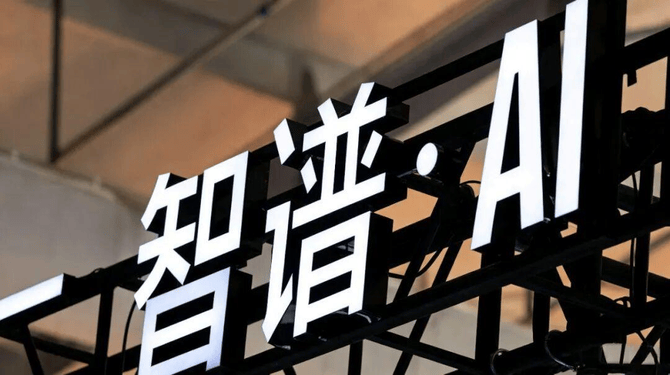
Core Viewpoint - The successful IPO of "Zhipu," one of the "Six Little Tigers" in China's AI sector, marks a significant milestone for the industry, raising approximately 4.348 billion HKD (around 38.985 billion RMB) and shifting global attention towards Hong Kong from Silicon Valley and London [1][3]. Company Overview - Zhipu, founded in 2019 from Tsinghua University's technology transfer, is a technology-driven unicorn and the world's first publicly listed company focused on self-developed general artificial intelligence (AGI) base models [3][4]. - The company ranks first among independent general model developers in China and second globally, with a market share of 6.6% and projected annual revenue of 312.4 million RMB in 2024 [4]. Financial Performance - Zhipu has invested approximately 4.4 billion RMB in R&D, with a projected R&D expenditure of 1.59 billion RMB in the first half of 2025, and 74% of its workforce dedicated to R&D [5]. - The company aims to allocate 70% of the IPO proceeds to the development of the next generation of general models [5]. Market Position and Challenges - The IPO signifies a transition from a technology idealism phase to a capitalized operational model, amidst increasing competition and pressure for profitability in the AI sector [6][7]. - Zhipu faces significant challenges, including the need to demonstrate a healthy and scalable economic model, manage high training and inference costs, and maintain technological leadership against global competitors [7][8]. Industry Impact - Zhipu's listing is a pivotal moment for China's AI industry, showcasing the capability of Chinese tech teams to reach world-class levels in core model development and engage in global capital and business dialogues [9]. - The company is expanding its international presence, establishing foundational infrastructure in countries like Malaysia, Singapore, UAE, and Saudi Arabia, and aims to increase its API business revenue share [9]. Competitive Landscape - Zhipu is not the only player in the market; its competitor MiniMax is also pursuing an IPO, highlighting the competitive dynamics within the Chinese AI sector [10][11]. - The emergence of Zhipu and MiniMax represents a shift towards a more transparent and competitive environment in the AI industry, where both companies are seen as leaders in the global AI landscape [11].

从B站、小红书、抖音探讨内容平台的用户泛化与变现潜力-国信证券
Sou Hu Cai Jing· 2026-01-09 09:12
Core Insights - The report analyzes the user generalization and monetization potential of content platforms like Bilibili, Xiaohongshu, and Douyin, highlighting the differences in their content distribution methods and business models [1][2][6]. User Generalization Paths - Content platforms exhibit two paths for user generalization: horizontal generalization into information distribution platforms and vertical integration into cultural brands. Douyin has evolved from a trendy short video community to a nationwide platform, while Bilibili focuses on niche ACG content to build a differentiated ecosystem [1][6][35]. Monetization Models - Information distribution platforms primarily rely on advertising for monetization, with Douyin's annual revenue per daily active user (DAU) significantly higher than its competitors. Xiaohongshu is shifting towards advertising, with projected annual revenue reaching 200 billion by 2030. Bilibili's revenue is expected to grow at a CAGR of 19% over the next three years, driven by ACG-related services [2][7][38]. AI Technology Impact - AI tools are significantly impacting content platforms by reducing production costs and enhancing efficiency, leading to increased content supply. AI also improves traffic distribution and advertising precision, particularly benefiting platforms like Bilibili and Xiaohongshu [2][8]. User Demographics - There are notable differences in user demographics across platforms: Douyin achieves widespread coverage, Xiaohongshu targets urban young women, Bilibili focuses on Generation Z, and Kuaishou has a high proportion of users from lower-tier markets. These differences influence content positioning and commercialization strategies [2][12][16]. Industry Competition - Bilibili and Xiaohongshu are competing in niche markets against Douyin, with projected DAUs reaching 200 million and 300 million, respectively, by 2025. The competition is characterized by differentiated strategies and user engagement approaches [1][35].


Minimax登陆港股首日暴涨109%,阿里、米哈游们赚翻了!
Hua Er Jie Jian Wen· 2026-01-09 09:07
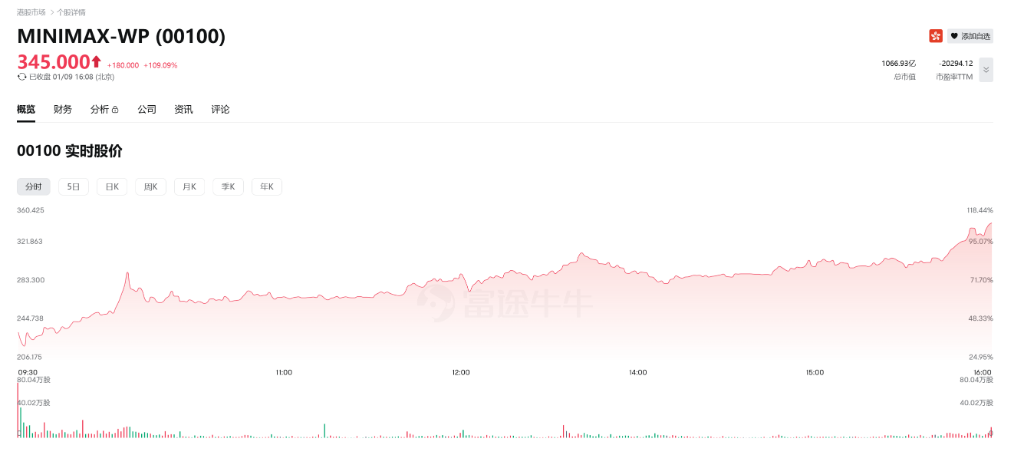
1月9日,中国AI大模型独角兽MiniMax正式在香港联合交易所挂牌上市,创下全球AI公司从成立到上市的最快纪录。 首日交易中,MiniMax股价 表现强劲,收盘较发行价暴涨109%,市值一举突破1000亿港元大关,显示出资本市场对中国头部生成式人工智能资产的狂热追捧。 由于国内科技巨头及顶级创投机构在早期便深度布局,MiniMax的暴涨为投资方带来了巨额账面回报。以盘中价格计算,阿里、米哈游、腾讯及 IDG等早期持股方的资产价值较此前一轮融资已实现翻倍,其中阿里的持股市值一度突破100亿港元。 此次上市标志着中国AI企业正式开启大规模二级市场募资潮。在OpenAI及其他美国同行仍主要依赖私募资金时,中国AI初创公司因更为紧迫的资 金需求,已率先奔向公开市场。Gavekal Dragonomics分析师Tilly Zhang指出,在缺乏美国巨型云服务商同等规模的资金支持下,IPO已成为中国AI 企业获取研发与基础设施投入资金的现实途径。 刷新全球上市速度 获国际长线资金增持 MiniMax此次IPO定价为每股165港元,属于招股区间的上限。然而,这一高定价并未阻挡市场的热情。1月9日开盘后,股价迅速冲高,盘中 ...
港股收评:止跌回暖!恒指涨0.32%,有色金属股活跃
Ge Long Hui· 2026-01-09 08:49
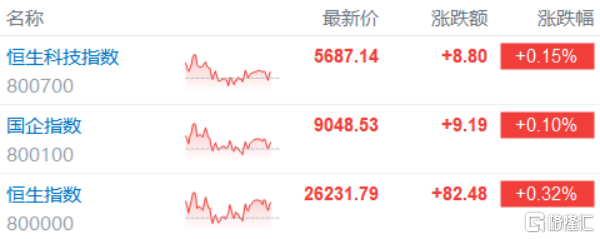
Market Overview - The Hong Kong stock market experienced slight gains on January 9, with the Hang Seng Index rising by 0.32%, while the Hang Seng China Enterprises Index and the Hang Seng Tech Index increased by 0.1% and 0.15% respectively, ending a two-day decline [1] - Southbound funds recorded a net inflow of HKD 6.815 billion, with HKD 1.66 billion from the Shanghai-Hong Kong Stock Connect and HKD 5.155 billion from the Shenzhen-Hong Kong Stock Connect [22] Sector Performance - Large technology stocks showed mixed performance, with Kuaishou, Tencent Music, and Bilibili rising over 3%, while Alibaba and JD.com increased by over 2%. Conversely, Baidu and Meituan fell by more than 2% [3][5] - Gold and precious metals stocks were active, with Shandong Gold rising over 6% and Zhaojin Mining hitting a historical high. Other gold stocks also saw gains [6][8] - The oil sector and internet healthcare stocks experienced upward movement, while gaming stocks and the gambling sector rebounded after previous declines [3] Specific Stock Movements - MINIMAX-WP debuted with a surge of 109%, while Zhiyuan's stock rose over 20%, reaching a market capitalization of HKD 72 billion [10] - TSMC reported a revenue increase of approximately 20% in Q4, reaching NT$1.05 trillion (approximately USD 33.1 billion), exceeding market expectations [9] - Innovative drug stocks were active, with stocks like Crystal Technology and Boan Biotechnology seeing significant gains [12][11] Industry Insights - The gold market is supported by supply-demand imbalances and anticipated interest rate cuts from the Federal Reserve, as noted by Barclays Bank [7] - The photovoltaic sector faced declines due to regulatory scrutiny regarding monopoly risks, impacting major companies in the industry [13][14] - The battery sector is under pressure following a meeting by regulatory authorities addressing irrational competition and rapid industry growth [15][16] Future Outlook - Analysts from Industrial Securities predict that the Hong Kong stock market will continue its bullish trend into 2026, driven by earnings and liquidity [24]
大摩:中国在AI竞赛中拥有独特优势,阿里是“最佳赋能者”,腾讯具“最高2C变现潜力”
Hua Er Jie Jian Wen· 2026-01-09 08:41
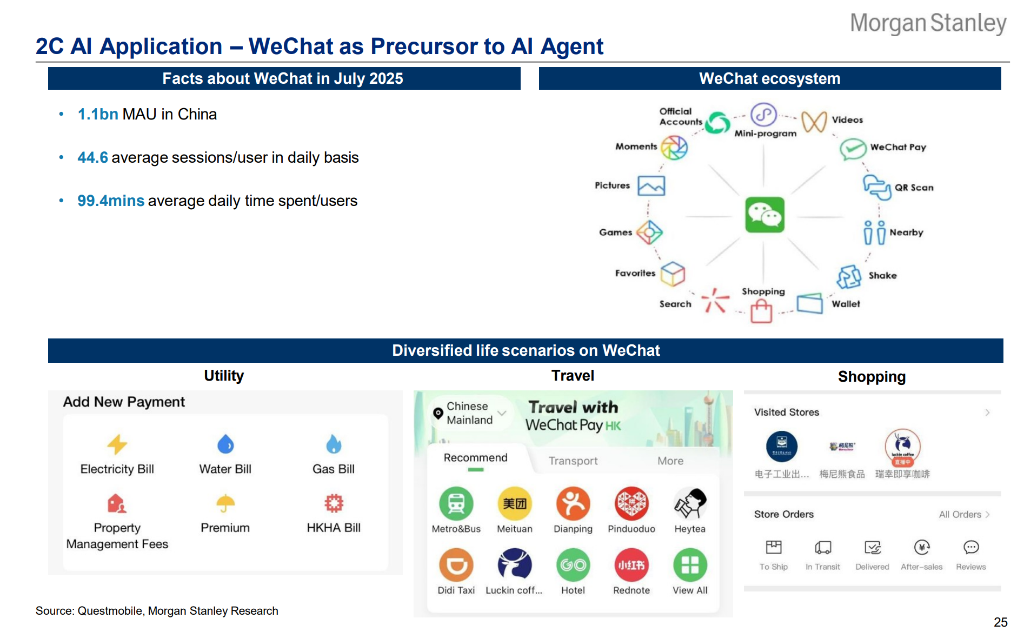
Core Insights - Morgan Stanley believes that the market is undergoing a structural transformation, with China adopting a unique "open" model strategy to counter the world's "closed" systems in the global AI race [1] - The report indicates that China has captured a significant share of the top SOTA models, with expectations that the total addressable market (TAM) for cloud AI in China will reach $50 billion by 2027 [1] - Investors should focus on the monetization capabilities and ecological barriers at the application layer rather than just the infrastructure arms race [1] Market Dynamics - China holds a comparative advantage in data volume, power supply, and engineering talent, which supports the growth of AI applications [1] - The dual-track evolution of "super apps" and "AI-native applications" is evident in the Chinese market, with WeChat emerging as a leading AI agent with 1.1 billion monthly active users and high user engagement [2][5] Application Landscape - AI-native applications from companies like ByteDance, Baidu, and Alibaba are rapidly evolving from simple chatbots to more complex emotional interactions and content creation tools [5] - The penetration of AI in enterprise sectors is reshaping industry dynamics, with strong deployment intentions for generative AI across various verticals such as advertising, healthcare, and finance [11] Competitive Positioning - Alibaba is positioned as the "best AI enabler" in China, leveraging its cloud infrastructure and integration with e-commerce and other business scenarios [14] - Tencent is recognized for its high consumer monetization potential through its WeChat ecosystem, which provides a natural barrier in content ecology [14] - ByteDance is defined as a "full-stack AI leader," with a comprehensive layout from underlying engines to various AI-native applications [14] Investment Focus - Investors are encouraged to monitor the speed at which these tech giants implement AI in their respective domains, particularly those that can translate AI technology into actual revenue and profits [15]

他投了MiniMax天使轮
3 6 Ke· 2026-01-09 08:24
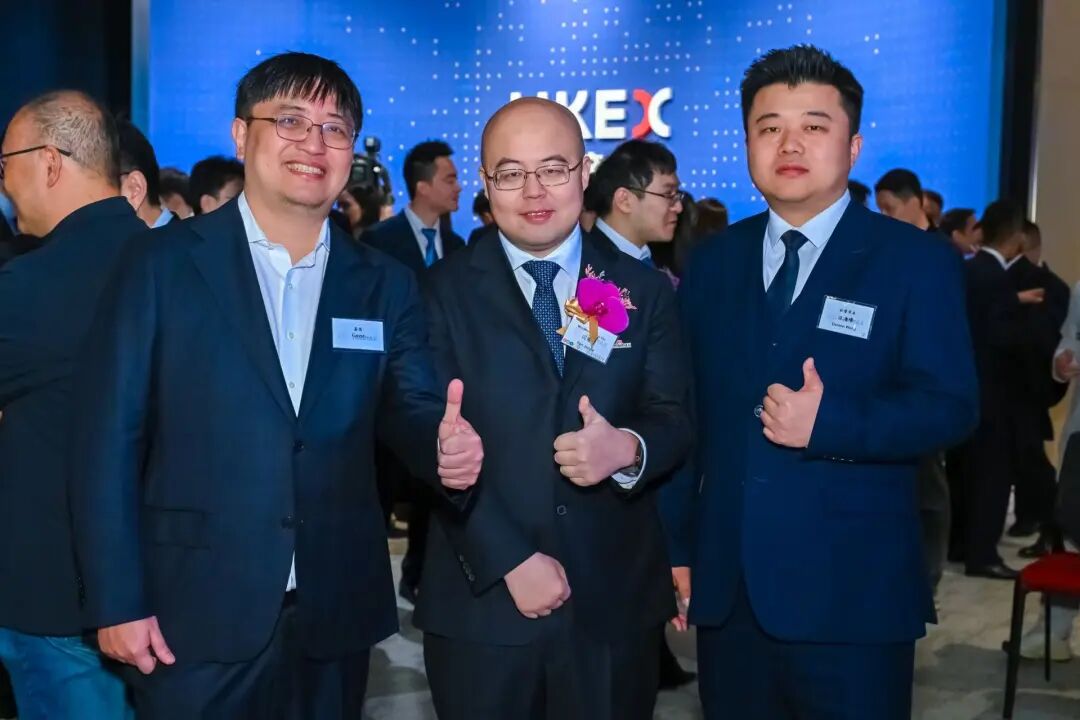
Group 1 - MiniMax, a large model company, successfully went public on the Hong Kong Stock Exchange with an IPO price of HKD 165 per share, experiencing a surge of over 70% on its opening day, reaching a market capitalization of over HKD 90 billion [1] - The IPO was highly successful, with over 1800 times oversubscription in the public offering, indicating strong investor interest [1] - MiniMax was founded by Yan Junjie in 2022, quickly rising to prominence as a representative of domestic large model companies, achieving IPO status in just four years [1] Group 2 - The angel investment round for MiniMax in early 2022 included notable investors such as Mihayou, Hillhouse Capital, IDG Capital, and Yunqi Capital, with Yunqi being the only early-stage investor, participating in six consecutive funding rounds [5] - The company has a global strategy, with over 200 million individual users across more than 200 countries and regions, and over 70% of its revenue coming from overseas markets, reflecting a significant growth of over 170% year-on-year [6] Group 3 - Yunqi Capital's partner Chen Yu played a crucial role in MiniMax's early investment, recognizing the potential of large models before the AI boom initiated by ChatGPT [2][5] - Chen Yu has a track record of identifying and investing in successful technology ventures, demonstrating a keen sensitivity to market trends and technological advancements [7] - Yunqi Capital has been actively supporting young AI entrepreneurs through initiatives like the Y Transformers program, aimed at providing resources and funding to the next generation of AI innovators [15][16]
信达证券:AI时代的流量分发重构与内容产能爆发 游戏板块估值仍具向上空间
Zhi Tong Cai Jing· 2026-01-09 08:09
Group 1 - The core viewpoint of the report is that the investment system in the media and internet sector will shift towards high-quality assets in both the traffic distribution and content supply ends due to the uncertainties and opportunities brought by AI [1] - The emergence of AI Agents is expected to redefine the flow distribution logic, transitioning from a "time consumption" model to an "efficiency-first" model, where companies with operating system bases or super Agent platforms will gain new distribution rights and bargaining power [3] - The content supply side will experience a significant increase in production capacity due to AIGC technology, leading to a revaluation of scarce data and IP, while the value of mediocre content will decline [4] Group 2 - The AI era is marked by a shift from traditional app-based interactions to intention-based interactions, with AI Agents becoming the new super entry points for traffic distribution [2] - The gaming industry is expected to evolve with AI becoming a core engine rather than just an auxiliary tool, enhancing user experience and interaction [5][6] - The film and television sector is anticipated to see a differentiated box office performance, with potential catalysts including blockbuster films, AI video model releases, and favorable policies [7] Group 3 - In the advertising and marketing sector, programmatic advertising companies are expected to see growth as advertisers focus more on ROI conversion effects, with programmatic platforms outpacing overall market growth [8]

MiniMax上市大涨 市场更青睐靠用户挣钱的大模型公司
Jing Ji Guan Cha Wang· 2026-01-09 06:39
Core Insights - The first major AI model companies, Zhiyu (02513.HK) and MiniMax (00100.HK), went public on the Hong Kong Stock Exchange on January 8 and 9, 2026, following the ChatGPT-driven AI market boom [2] - On their debut, Zhiyu's stock rose by 3% initially, closing with a 13% increase, while MiniMax saw a peak increase of over 90%, with a market capitalization of nearly HKD 950 billion [2] Company Overview - Zhiyu, established in 2019, is recognized as a "national team" in AI, with investments from state-backed funds and major Chinese corporations [2] - MiniMax, founded in 2022, has backing from internet giants and venture capital firms, including Alibaba and Tencent [2] Financial Performance - Zhiyu reported cumulative revenue of CNY 685 million (approximately USD 100 million) over 3.5 years, while MiniMax's revenue was USD 86 million (approximately CNY 600 million) during the same period [3] - Both companies are currently operating at significant losses, with Zhiyu's net loss reaching CNY 2.358 billion (approximately USD 330 million) in the first half of 2025, and MiniMax's net loss at USD 512 million (approximately CNY 361 million) for the first nine months of 2025 [3] Business Models - Zhiyu primarily focuses on B2B services, generating 84% of its revenue from large state-owned enterprises, while MiniMax targets the C2C market, with 73% of its revenue coming from international markets [3] - MiniMax's C2C products include various AI applications, with significant user engagement, boasting over 200 million users across 200 countries [3] Revenue Sources - MiniMax's revenue is largely driven by user subscriptions for its products, such as the AI video application, which has competitive advantages in generating dynamic video content [4] - In the first three quarters of 2025, MiniMax's Talkie/Starry and Hai Luo AI products generated USD 18.75 million and USD 17.46 million in revenue, respectively [5] Cash Flow and Financial Stability - As of June 2025, Zhiyu had cash and cash equivalents of CNY 2.552 billion, with a monthly cash burn of nearly CNY 300 million, while MiniMax had approximately USD 1.05 billion (around CNY 736 million) in cash, providing a buffer for continued investment and expansion [5] Market Outlook - Industry experts predict increasing oligopolization in the domestic super-large model sector, with only a few companies likely to dominate, leaving less room for startups [5]

《2025中国互联网广告营销趋势报告》发布
Zhong Guo Jing Ji Wang· 2026-01-09 06:11
Group 1 - The core viewpoint of the report indicates that AI technology penetration, short video cross-industry integration, and online-offline collaboration are the three main driving forces reshaping brand marketing logic [1] - The projected size of China's internet advertising market in 2025 is approximately 725.7 billion RMB, reflecting an 11.50% growth compared to 2024 [1] - The expected size of China's internet marketing market, which includes e-commerce promotion and social marketing, is estimated to be 881.8 billion RMB in 2025, with a year-on-year growth rate of about 13.56% [1] - The total scale of the advertising and marketing market is approximately 1,607.5 billion RMB, showing a year-on-year increase of 12.62% [1] Group 2 - E-commerce category advertising continues to hold nearly 30% of the market share, maintaining its strong position with a year-on-year growth rate of 15.58% [1] - Display and information flow advertising also account for nearly 30% of the market share, while video information flow advertising is experiencing rapid growth, with a year-on-year increase of 18.85% projected for 2025, making it the fastest-growing category [1] - The concentration of the internet advertising market in 2025 remains stable compared to 2024, with the top ten companies holding a market share of 96.6%, and the top three companies (Douyin, Alibaba, Tencent) accounting for 66.2% [2] - Tencent, JD.com, and Xiaohongshu are identified as the fastest-growing companies among the top ten in the industry [2] - The report anticipates that the internet advertising marketing industry will enter a critical transformation period in 2026, characterized by "intelligent deepening, scene integration, compliance upgrades, and value reconstruction" [2] - The core driving forces of the market will shift from traffic dividends to AI technology penetration, multi-scenario cross-terminal collaboration, data compliance, and value closure [2] - Industry competition is expected to evolve from "traffic competition" to a comprehensive comparison of "full-link intelligent marketing capabilities" [2]
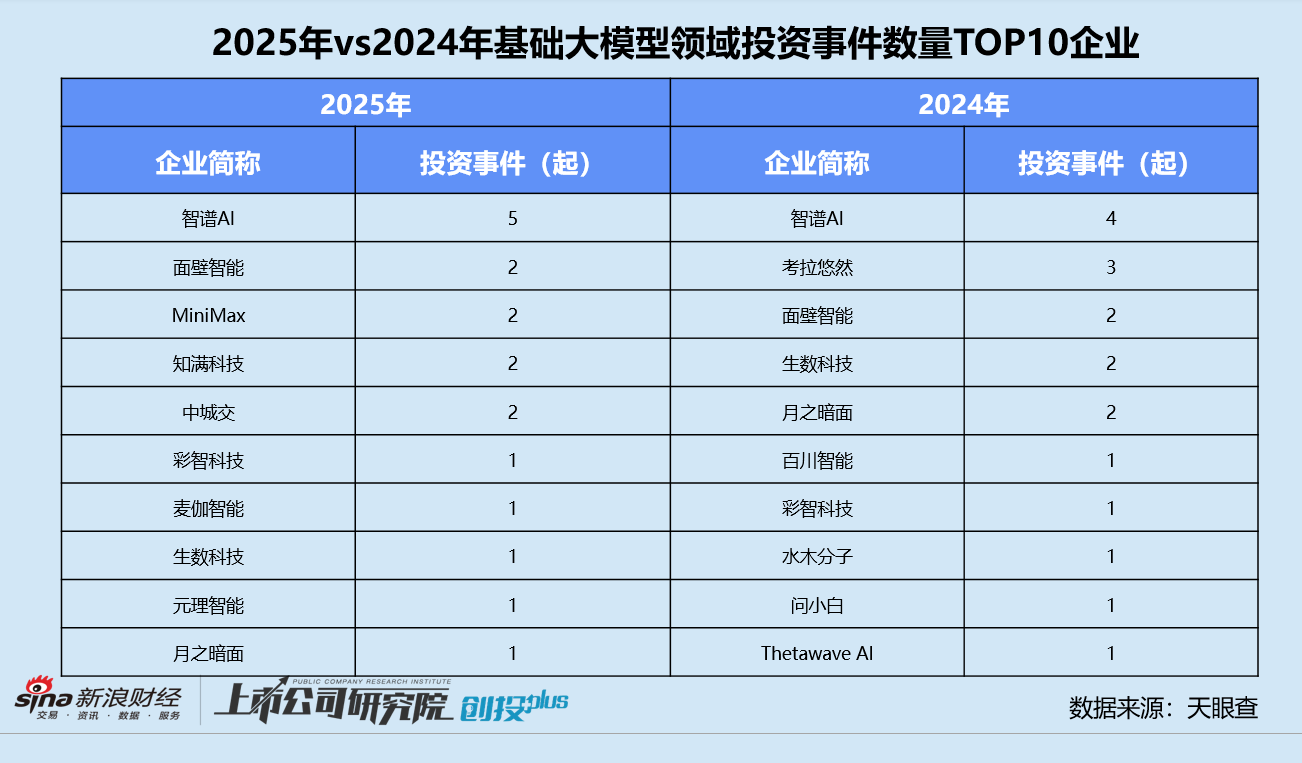
2025一级市场回顾 | 基础大模型进入“冷静期” 智谱、MiniMax争上市 月之暗面再融5亿美元
Xin Lang Cai Jing· 2026-01-09 05:57
Core Insights - The primary focus of the article is the significant changes in the primary market driven by artificial intelligence (AI) technologies, with a notable concentration of capital towards leading projects and companies like OpenAI, xAI, and Anthropic, which collectively raised substantial investments in 2025 [1][15]. Investment Trends - In 2025, the domestic primary market saw 5,599 companies complete 6,343 investment events, marking year-on-year growth of 2.6% and 7.5% respectively, while total disclosed investment reached approximately 440.1 billion yuan, a decline of 20.5% compared to 2024 [1][15]. - AI remained the dominant theme in investments, with 788 companies receiving 1,015 investments totaling 65.6 billion yuan, compared to 478 companies and 39.2 billion yuan in 2024 [1][15]. - The "Matthew Effect" in the foundational model sector became evident, with a noticeable cooling in the market; AI model companies completed 22 investments totaling 9.4 billion yuan, down 8.3% and 52.9% from 2024 [1][16]. Major Players and Funding - In 2025, five major model companies secured multiple rounds of financing, accounting for 3.3% of the total number of AI companies with multiple rounds; "Zhiyu AI" led with five rounds and a total funding of 3 billion yuan [2][16]. - The number of companies receiving single-round financing exceeding 1 billion yuan decreased, with only three companies achieving this in 2025, compared to more in 2024 [3][17]. Investment Stages and Amounts - The highest disclosed investment amount in the C round reached 5.8 billion yuan, primarily driven by "Moon Shadow" and "MiniMax," which together accounted for 98.3% of the C round total [5][19]. - B round investments saw the most significant declines, with a 60% drop in the number of events and a 96.7% drop in amounts compared to 2024 [5][19]. Regional Investment Insights - Beijing emerged as the leading region for investments in major model companies, with 9 companies completing 14 investments totaling approximately 7.15 billion yuan in 2025, although this was a decrease from 19.1 billion yuan in 2024 [8][22]. - Shanghai experienced the fastest growth in investment events and amounts, with increases of 200% and 195% respectively [8][22]. Exit Strategies - Several major model companies approached the capital markets, with "Yunzhisheng" successfully listing on the Hong Kong Stock Exchange, and both "Zhiyu AI" and "MiniMax" passing hearings for their listings [14][28]. - The acquisition of the general AI agent "ManusAI" by Meta for several billion dollars indicates a potential new competitive landscape in AI for 2026 [15][28].