
英诺赛科

Search documents
智通港股解盘 | 北约掺乎美国的二级制裁 暑期经济在升温
Zhi Tong Cai Jing· 2025-07-16 13:27
Market Overview - The current market is characterized by volatility, with the Nasdaq reaching a historical high primarily driven by Nvidia, while other sectors remain lackluster, indicating a sentiment-driven market rather than a solid fundamental basis [1] - The Hong Kong stock market experienced a slight decline of 0.29% today, reflecting the overall cooling of market conditions [1] Trade and Tariff Developments - President Trump announced upcoming tariffs on smaller countries, expected to be "slightly above 10%" [1] - NATO Secretary General warned that Brazil, China, and India could face secondary sanctions from the U.S. if Russia does not reach a peace agreement with Ukraine [1] - The Chinese Foreign Ministry stated that there are no winners in a trade war, emphasizing that coercion will not resolve issues [1] Semiconductor and AI Developments - Nvidia's CEO Huang Renxun highlighted the demand for H20 orders, noting its superior ecosystem efficiency compared to domestic alternatives [2] - InnoScience, a leader in GaN power devices, plans to increase its monthly production capacity from 13,000 to 20,000 wafers by the end of 2025, with a long-term goal of 70,000 wafers [2] - Huang acknowledged China's AI models as "world-class," suggesting that U.S. restrictions on high-end chips could accelerate China's AI development [2] Pharmaceutical Sector Insights - The pharmaceutical market is currently benefiting from innovative drugs that are not subject to centralized procurement, thus protecting profit margins [3] - Lijun Pharmaceutical's innovative drug H001 has completed its Phase II clinical trials, showing promise in preventing venous thromboembolism after orthopedic surgeries [3] - The latest centralized procurement list includes several Hong Kong-listed pharmaceutical companies, indicating potential market share growth for those that secure bids [4] Entertainment and Media Sector - The summer box office has reached 3.3 billion yuan, with notable films leading the ticket sales [5] - Companies like Huayi Brothers and Maoyan Entertainment are positioned to benefit from the summer film season, with significant contributions expected to their revenues [5] - The short video industry is experiencing explosive growth, with global in-app purchases nearing $700 million in Q1 2025, a nearly fourfold increase year-on-year [6] Precious Metals Investment - Major financial institutions are advising investors to seek refuge in precious metals due to potential tariffs, with gold, silver, and copper identified as favorable investments [7] - Morgan Stanley and Goldman Sachs have raised their gold price targets, predicting prices could reach $3,800 and $3,700 per ounce, respectively, by year-end [7] Travel and Tourism Sector - Tongcheng Travel reported a 13.2% year-on-year revenue growth in Q1 2025, driven by a strong performance in its core OTA business [8] - The company is expanding its international business, with significant growth in international ticket sales and hotel bookings [9] - Tongcheng's acquisition of Wanda Hotels is expected to enhance its high-end hotel management capabilities, contributing to future revenue growth [9]
英诺赛科(02577.HK)7月16日收盘上涨9.55%,成交2.98亿港元
Jin Rong Jie· 2025-07-16 08:48
Company Overview - InnoScience (英诺赛科) is a high-tech enterprise focused on the research and manufacturing of GaN-on-Si (Gallium Nitride on Silicon) devices, utilizing an Integrated Device Manufacture (IDM) model [2] - The company has established the world's largest 8-inch GaN-on-Si wafer production line, aiming to provide high-quality and reliable GaN devices at lower prices [2] Financial Performance - As of December 31, 2024, InnoScience reported total revenue of 828 million yuan, representing a year-on-year growth of 39.77% [1] - The net profit attributable to shareholders was -1.046 billion yuan, with a year-on-year increase of 5.11% [1] - The gross profit margin stood at -19.48%, and the debt-to-asset ratio was 46.44% [1] Stock Performance - As of July 16, the stock price of InnoScience was 41.85 HKD per share, with a daily increase of 9.55% and a trading volume of 7.3499 million shares, amounting to a turnover of 298 million HKD [1] - Over the past month, the stock has seen a cumulative increase of 3.24%, while year-to-date, it has risen by 22.24%, underperforming the Hang Seng Index, which has increased by 22.58% [1] Industry Valuation - The average price-to-earnings (P/E) ratio for the semiconductor industry (TTM) is 26.15 times, with a median of 7.36 times [1] - InnoScience's P/E ratio is -29.8 times, ranking 15th in the industry [1] - Comparatively, other companies in the sector have the following P/E ratios: China Electric Power Technology (4.77), AV CONCEPT HOLD (6.77), Yuanxu Technology (7.36), Chipwise Holdings (8.33), and Jingyang Group (11.53) [1]
港股午评|恒生指数早盘涨0.28% 恒生生物科技指数继续走高
智通财经网· 2025-07-16 04:09
Group 1 - The Hang Seng Index rose by 0.28%, gaining 68 points to close at 24,658 points, while the Hang Seng Tech Index increased by 0.61% [1] - The Hong Kong stock market saw a trading volume of HKD 157.9 billion in the morning session [1] - The National Healthcare Security Administration of China added innovative commercial insurance drugs to the list for 2025, supporting new drugs with high clinical value but payment bottlenecks, leading to a rise in the Hang Seng Biotechnology Index [1] Group 2 - Livzon Pharmaceutical (01513) surged by 12.69% as the Phase II clinical trial for its cardiovascular innovative drug H001 capsule completed patient enrollment [2] - InnoCare Pharma (02577) increased by 6.41%, planning to significantly enhance its 8-inch gallium nitride wafer production capacity over the next five years [2] - China Heartland Fertilizer (01866) rose by 3.83% following reports of a meeting held by relevant authorities to ensure the supply and stabilize prices of potash fertilizer [2] Group 3 - Chongqing Machinery and Electric (02722) saw a significant increase of over 17% due to catalysts in the domestic AIDC market, with Chongqing Cummins being a supplier for engines [2] Group 4 - Jifang Zhitu Holdings (09636) rose by 10.18% after announcing a proposed share placement to raise approximately HKD 746 million for developing on-chain financial resources [3] Group 5 - Smoore International (06969) fell by 3.55%, expecting a year-on-year decline of approximately 21% to 35% in half-year profits [4] - Kanglong Chemical (03759) issued a profit warning, dropping by 5.24%, with an expected year-on-year decline of 36% to 39% in net profit attributable to shareholders for the first half [5]
英伟达市值一夜增千亿美元;京东入局医美行业丨新鲜早科技
2 1 Shi Ji Jing Ji Bao Dao· 2025-07-16 02:23
Group 1: Nvidia and Market Impact - Nvidia announced the resumption of H20 sales in China and the launch of a new fully compatible GPU for the Chinese market, leading to a 4.04% increase in its stock price, adding approximately $161.8 billion to its market capitalization, which now stands at about $4.17 trillion [2] Group 2: Apple and Supply Chain Changes - Apple has decided to abandon its self-developed foldable iPhone in favor of a solution from Samsung Display, indicating a deeper collaboration with Samsung's supply chain [3] Group 3: Meta and Regulatory Challenges - Meta faces new antitrust challenges from the EU, having been fined €200 million for unresolved issues related to its "pay or consent" advertising model [4] Group 4: Autonomous Driving Partnerships - Baidu's "萝卜快跑" announced a strategic partnership with Uber to integrate thousands of autonomous vehicles into Uber's global network, with initial deployments planned for Asia and the Middle East [6] - BMW partnered with Momenta to develop a new generation of intelligent driving assistance solutions tailored for the Chinese market, leveraging AI models [8] Group 5: Robotics Industry Growth - The robotics industry is experiencing rapid growth, with significant increases in shipments noted by Yu Shu Technology's CEO, who anticipates accelerated application in the next 3-5 years [7] Group 6: Electric Vehicle Incentives - Various provinces are offering cash subsidies for purchasing specific models of 鸿蒙智行 vehicles, with subsidies ranging from 3,000 yuan per vehicle to 20,000 yuan for certain models [9] Group 7: JD Health's Entry into Medical Aesthetics - JD Health opened its first self-operated offline medical aesthetics clinic in Beijing, marking its entry into the medical aesthetics sector [10] Group 8: Geely's Acquisition of Zeekr - Geely announced the privatization of Zeekr, signing an agreement to acquire all outstanding shares, with a premium over the previously announced acquisition price [11] Group 9: Charging Standards Update - New national standards for power banks are being developed to enhance safety and performance, including stricter testing requirements and monitoring functions [13] Group 10: Corporate Leadership Changes - Wentech Technology announced the resignation of its chairman and several board members as the company shifts its focus to the semiconductor business [14] Group 11: Innoscience's Capacity Expansion - Innoscience plans to significantly increase its wafer production capacity over the next five years, aiming to expand from 13,000 to 20,000 wafers per month by the end of 2025 [15] Group 12: Xiaopeng's Funding for Flying Cars - Xiaopeng Huaitian completed a $250 million Series B funding round to support the development and commercialization of flying cars, with plans for a production facility to be completed by Q4 this year [16] Group 13: Investment in Robotics - Zhiyuan Robotics received strategic investment from Charoen Pokphand Group to explore business opportunities in various verticals, enhancing its market position [17] Group 14: Bertley’s Investment Plans - Bertley announced plans to invest 198 million yuan in a partnership to target high-growth sectors, including humanoid robots and automotive intelligence [17]

事关氮化镓,三大灵魂拷问
半导体芯闻· 2025-07-15 10:04
Core Viewpoint - The article highlights the rising prominence of Gallium Nitride (GaN) technology in various sectors, particularly in data centers and automotive applications, while Silicon Carbide (SiC) faces challenges. The power GaN market is projected to grow significantly, with a forecasted compound annual growth rate (CAGR) of 41% from 2023 to 2029, reaching over $2 billion [1]. Group 1: GaN Market Dynamics - NVIDIA is leading the transition to 800 V HVDC data center power infrastructure, which will significantly utilize GaN technology [1]. - Yole Group predicts that the power GaN market will grow tenfold from 2023 to 2029, driven by its higher switching frequency and power density, as well as reduced energy loss [1]. Group 2: TSMC's Shift in GaN Production - TSMC announced it will cease GaN foundry production by July 2027, citing low profit margins and a shift in focus towards advanced logic processes [6]. - This decision has forced existing customers to seek new partnerships, indicating a significant shift in the GaN foundry landscape [6]. Group 3: GaN Production Challenges and Opportunities - InnoScience, a leading domestic GaN manufacturer, emphasizes the importance of 8-inch wafer production for cost-effectiveness and scalability, arguing that 6-inch production is not viable for large-scale applications [7]. - The transition to 12-inch GaN production is seen as feasible but requires significant preparation and experience from 8-inch production [10][12]. Group 4: GaN Applications Beyond Consumer Electronics - GaN technology is not limited to consumer electronics; it has potential applications in electric vehicles (EVs) and data centers, with partnerships like that with CATL showcasing its capabilities [15][17]. - The article discusses the potential for GaN in smart and electric vehicles, highlighting its role in energy management and as part of distributed energy systems [16]. Group 5: Strategic Collaborations - InnoScience's collaboration with STMicroelectronics aims to enhance GaN power solutions across various sectors, leveraging each company's strengths to improve supply chain resilience [18]. - The partnership is expected to expand GaN product offerings and market capabilities, indicating a strategic move to solidify positions in the growing GaN market [18].


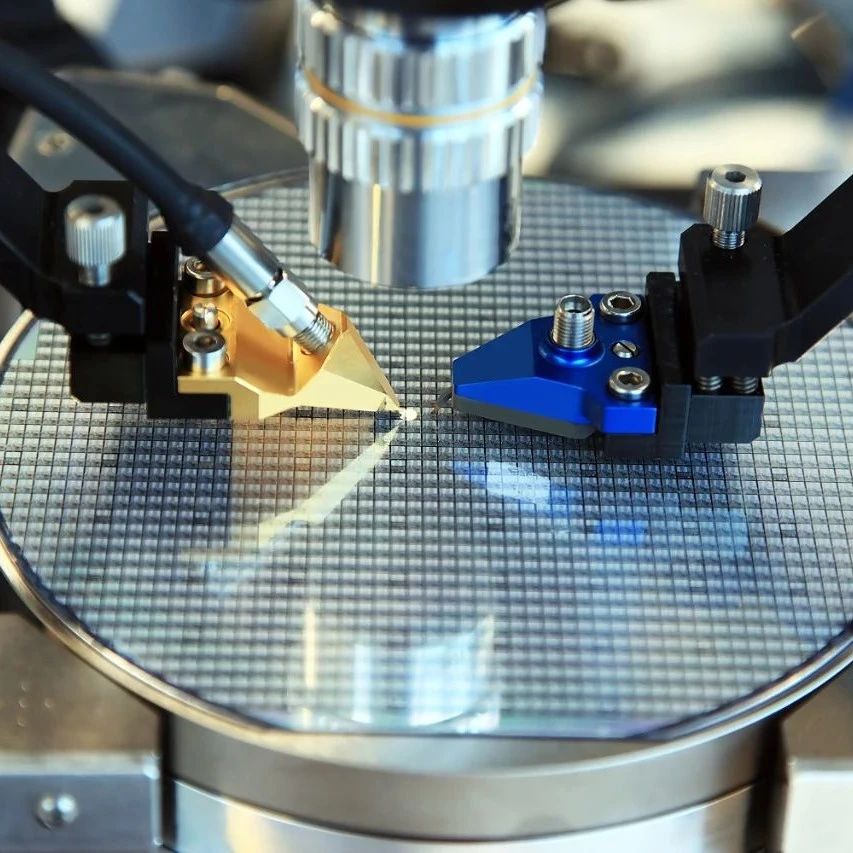
体积更小,功率更大!氮化镓,破解机器人多个难题的“金钥匙”
Zheng Quan Shi Bao Wang· 2025-07-15 07:24
Group 1: Industry Overview - The year 2025 is anticipated to be the milestone for mass production of humanoid robots, with Gallium Nitride (GaN) semiconductors playing a crucial role in bridging the gap between laboratory experiments and commercial applications [1] - GaN semiconductors are recognized as "performance revolutionaries," offering advantages such as high frequency, high energy efficiency, and high voltage tolerance, which are essential for addressing challenges in robotic joint drive precision, power density, and heat dissipation [1][7] Group 2: Technological Advancements - GaN chips exhibit a 70% reduction in conduction loss compared to traditional silicon-based devices, making them pivotal for the driving core of robotic wrist joints in future mass-produced models [5] - The integration of GaN technology allows for smaller device sizes, reduced switching losses, and improved dynamic control, which are critical for humanoid robots that require high precision and efficiency [7][10] Group 3: Market Dynamics - The demand for humanoid robots is expected to grow significantly, with projections indicating that the market could be 100 times larger than that of electric vehicles within the next five years [13] - Companies like InnoSilicon and Yiyou Technology are actively developing GaN products for humanoid robots, with InnoSilicon's 100V GaN products already enhancing power by 30% and conversion efficiency by 5% in robotic joints [8][11] Group 4: Competitive Landscape - Major semiconductor companies, including Texas Instruments, are closely monitoring the application of GaN in humanoid robots, highlighting its potential to achieve higher precision motor control at low losses [8] - Yiyou Technology has made significant advancements in joint module technology, leveraging GaN semiconductors to enhance the performance and efficiency of robotic systems [10][11] Group 5: Future Outlook - The humanoid robot industry is on the brink of explosive growth, with expectations that robots will increasingly replace repetitive and hazardous tasks in factories, potentially creating a market worth hundreds of billions to trillions in the next decade [14] - The integration of GaN technology is seen as essential for the next generation of robots, with projections indicating that a single humanoid robot may require up to 1,000 GaN devices as performance and power density continue to improve [13]

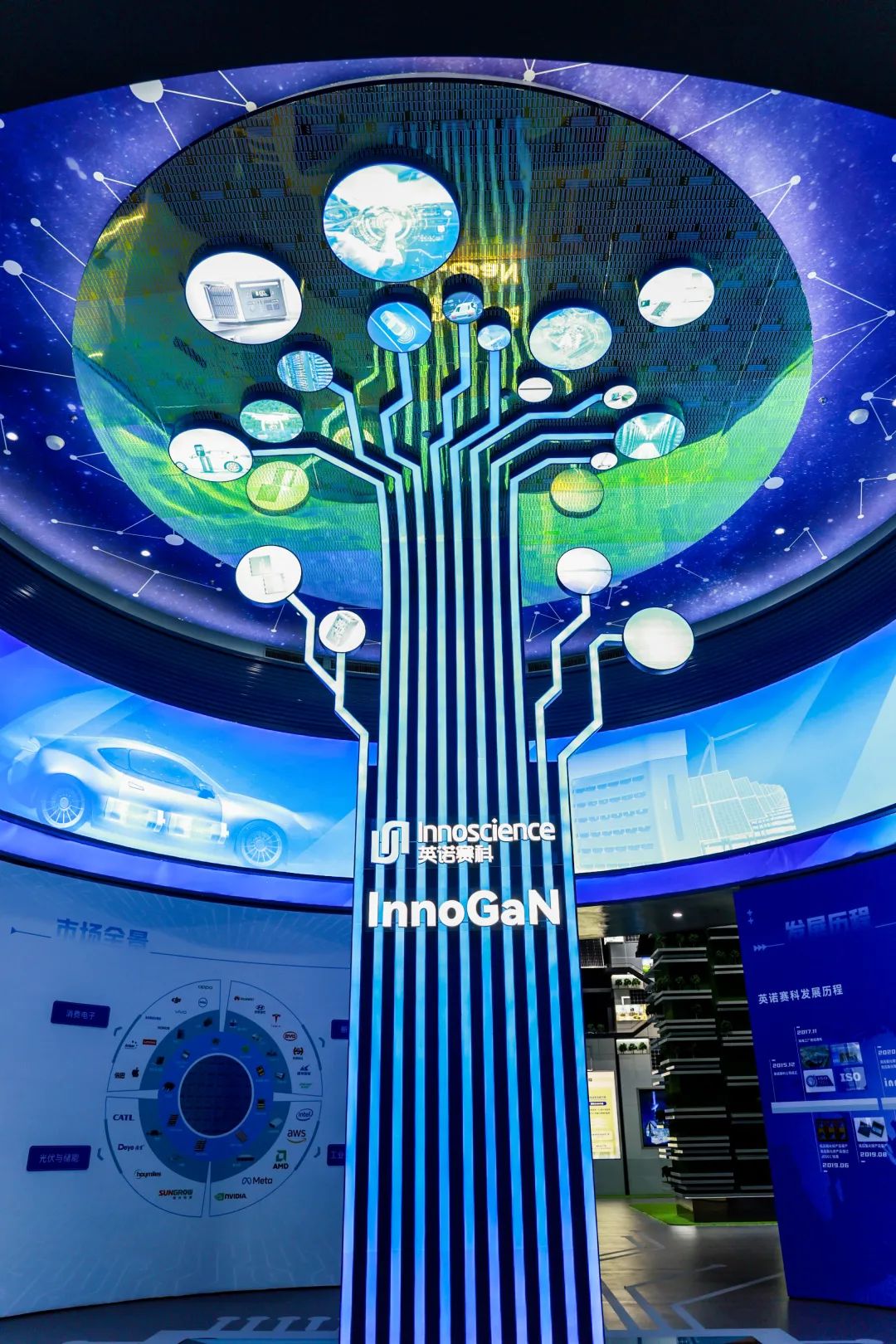
体积更小功率更大 新材料为机器人产业做“镓”衣
Zheng Quan Shi Bao· 2025-07-11 17:24
Core Insights - The year 2025 is projected to be the milestone for mass production of humanoid robots, with Gallium Nitride (GaN) semiconductors playing a crucial role in bridging the gap between laboratory prototypes and commercial applications [1][2] - GaN semiconductors outperform traditional silicon-based chips in terms of high frequency, energy efficiency, and high voltage tolerance, addressing key challenges in robotic joint drive precision, power density, and heat dissipation [1][2] Group 1: GaN Semiconductor Advantages - GaN chips exhibit significantly lower conduction losses (70% reduction compared to silicon devices) and higher switching speeds, making them ideal for robotic wrist joint drives [2][4] - The introduction of GaN technology allows for smaller device sizes, improved motor power, and enhanced dynamic control for humanoid robots, meeting the increasing market demand for higher load-bearing capabilities [3][4] - GaN's high power density enables robots to achieve practical applications, such as lifting heavy objects, which exceeds the capabilities of silicon chips [3][4] Group 2: Industry Developments and Applications - Major companies like Texas Instruments are focusing on GaN applications in humanoid robots, highlighting its potential for high-precision motor control at elevated PWM frequencies [4] - InnoSilicon has successfully integrated GaN products into various core components of humanoid robots, achieving a 30% power increase and a 5% improvement in conversion efficiency [4][8] - The introduction of GaN technology is expected to significantly reduce the size of power supplies by 30%, optimizing the limited space available in robots [8] Group 3: Market Potential and Future Outlook - The humanoid robot industry is on the brink of explosive growth, with projections indicating that the market could be 100 times larger than that of electric vehicles in the next five years [10][11] - Each humanoid robot may require approximately 300 GaN devices, with the potential for this number to exceed 1000 as performance and power density improve [11] - The market for humanoid robots is anticipated to evolve into a multi-billion dollar industry within five years, with long-term projections suggesting a trillion-dollar market for household smart devices [11]
台积电“退出”,谁来接棒?
3 6 Ke· 2025-07-11 10:42
Core Viewpoint - Navitas Semiconductor's recent collaboration document has caused significant disruption in the global GaN semiconductor industry, revealing TSMC's plan to exit GaN wafer production by July 2027, while Navitas partners with PSMC to advance 8-inch silicon-based GaN technology mass production [1] Group 1: TSMC's GaN Journey - TSMC has been a key player in the commercialization of GaN technology since 2011, leveraging its CMOS manufacturing experience to develop GaN-on-Si technology [2] - By 2015, TSMC achieved mass production of GaN-on-Si, establishing a comprehensive technology platform across various voltage levels, including 650V, 100V, and 40V [2][3] - TSMC captured 40% of the global GaN wafer foundry market by 2023, establishing a competitive landscape with X-Fab and Episil [3] Group 2: TSMC's Withdrawal - TSMC announced its decision to gradually exit the GaN business over the next two years, citing a reassessment of business priorities and a shift towards higher-margin sectors like AI chips [4][5] - The company’s GaN production capacity was relatively small, with a monthly output of only 3,000-4,000 6-inch wafers, leading to minimal revenue contribution [4] - Increased competition and price wars, particularly from Chinese IDM manufacturers like Innoscience, have pressured TSMC's profit margins in the GaN market [6] Group 3: Supply Chain Risks - Recent export controls on gallium and germanium by the Chinese government have introduced uncertainties in the supply chain, impacting costs for GaN production [7][8] Group 4: Industry Transition - Following TSMC's exit, Navitas Semiconductor plans to transition its production to PSMC, utilizing 8-inch lines to produce GaN-on-Si devices, targeting the 100V to 650V voltage range [12] - Infineon is advancing its 300mm GaN wafer IDM production strategy, aiming to capitalize on the growing demand for GaN semiconductors [13][14] - The shift in the industry landscape may accelerate the transition from "technological breakthroughs" to "scale implementation" in the GaN sector [15]
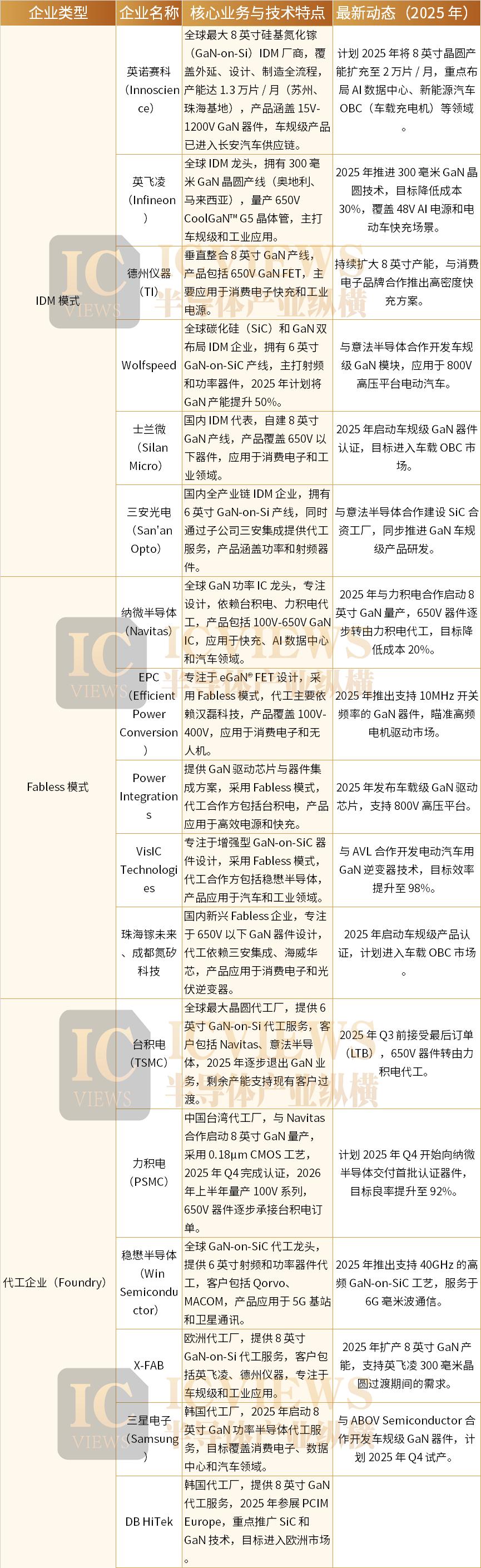
GaN,内卷加剧
半导体芯闻· 2025-07-11 10:29
Core Viewpoint - The GaN market is experiencing significant changes, with TSMC announcing its exit from GaN foundry services within two years, while other companies like Powerchip and Infineon are ramping up their GaN production capabilities. This shift indicates a competitive landscape where GaN is poised for growth, particularly in high-efficiency applications like electric vehicles and fast charging [1][4][15]. Group 1: TSMC's Exit and Market Dynamics - TSMC will gradually phase out its GaN semiconductor foundry business due to profit margin pressures from Chinese competitors, halting the development of 200mm wafer production [1][2]. - Navitas Semiconductor plans to transition its production from TSMC to Powerchip, with expectations to produce GaN products rated from 100V to 650V by mid-2026 [2]. - The exit of TSMC opens opportunities for other players like Powerchip and Infineon to fill the production gap and capture market share [1][4]. Group 2: Competitor Strategies - Infineon is advancing its 12-inch GaN production, with plans to release customer samples by Q4 2025, leveraging its IDM model for scalable production [4]. - Renesas Electronics has shifted focus from SiC to GaN, suspending its SiC projects due to market saturation and is preparing to enhance its GaN capabilities following its acquisition of Transphorm [5][6]. - ROHM is committed to deepening its collaboration with TSMC to address market demands and explore future production frameworks [3]. Group 3: Market Growth and Challenges - The GaN semiconductor market is projected to grow significantly, with a compound annual growth rate (CAGR) of 98.5% from 2024 to 2028, potentially exceeding $6.8 billion by 2028 [15]. - The main drivers for GaN market growth include consumer electronics and electric vehicles, with expectations for GaN applications in fast chargers and adapters to grow at a CAGR of 71.1% [15]. - Transitioning GaN from peripheral applications to core power systems in electric vehicles presents challenges, including reliability and ecosystem maturity [16][17]. Group 4: Strategic Partnerships and Investments - STMicroelectronics has extended its lock-up period for its investment in Innoscience, signaling confidence in the latter's future and the broader GaN market [9][11]. - The partnership between ST and Innoscience aims to leverage each other's manufacturing capabilities to enhance GaN product development and production [12]. - Innoscience has emerged as a key player in the GaN market, achieving significant revenue growth and expanding its wafer production capacity [14].

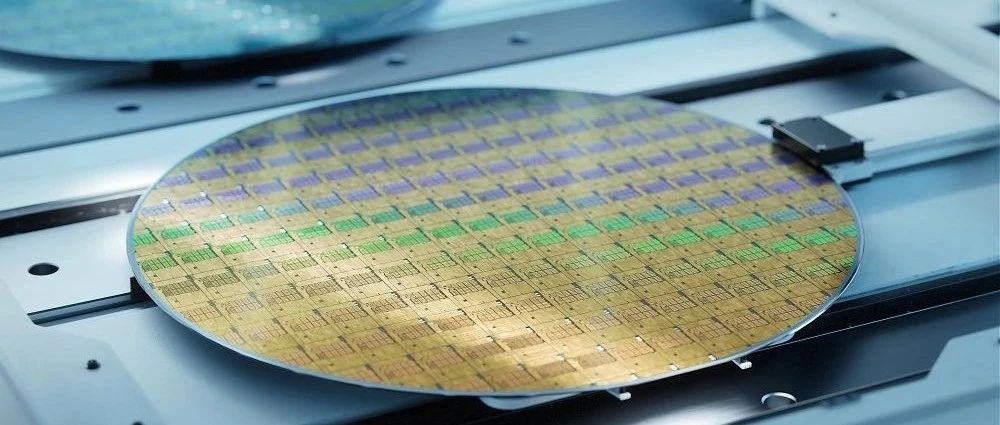
边缘智能加速度:意法半导体透露深耕中国市场新动向
2 1 Shi Ji Jing Ji Bao Dao· 2025-07-11 09:51
Core Viewpoint - STMicroelectronics (ST) is significantly increasing its investment in the Chinese market, focusing on localizing the production of semiconductor components, particularly silicon carbide and microcontrollers, to enhance supply chain resilience and meet local demand [1][3]. Group 1: Partnerships and Collaborations - In June 2023, ST established a joint venture with Sanan Optoelectronics in Chongqing to localize silicon carbide production, marking it as the first global company to produce silicon carbide locally in China [1]. - ST has partnered with Huahong Group to develop a fully localized STM32 supply chain, ensuring consistent quality across products manufactured in China and abroad [1][2]. - The collaboration with Huahong began two years ago, involving over 100 factory experts from ST to train Huahong's team on production parameters for ST's MCU products [2]. Group 2: Product Development and Innovations - ST has launched new products in the STM32 series, including the entry-level STM32C0 series aimed at replacing mid-to-high-end 8-bit platforms, and the STM32U3 series designed for IoT devices with ultra-low power consumption [4]. - The STM32MP23 is targeted at machine learning applications, featuring dual Gigabit Ethernet and a 0.6 TOPS NPU, catering to industrial control and smart city applications [4]. - The STM32WBA6 product is designed for smart wireless devices, addressing the growing demand in the medical device sector, particularly for continuous glucose monitoring [5]. Group 3: AI Integration and Market Trends - The integration of AI technologies into ST's product lines is a priority, with plans to incorporate AI edge computing capabilities into future products to reduce power consumption [4][6]. - The market is seeing a rising interest in lightweight wearable products and consumer robots, with ST providing comprehensive development support to clients for AI model selection and STM32 platform integration [6]. - ST emphasizes its unique position in offering nearly turnkey solutions for AI applications, differentiating itself from competitors [6].
