
舜宇光学科技

Search documents
Meta全新款AI智能眼镜将登场 产业链受益“后智能时代”(附概念股)
Zhi Tong Cai Jing· 2025-09-18 00:53
Group 1: Meta's Smart Glasses Launch - Meta is set to launch its first consumer-grade smart glasses with a built-in display, potentially named "Celeste," priced at $800, which may deter some buyers [1] - The glasses will feature a small digital display on the right lens for notifications and will include functionalities like AI assistants, cameras, and live streaming to social media platforms [1] - The second generation of Ray-Ban smart glasses starts at $379, indicating a range of pricing for consumers [1] Group 2: Industry Growth and Market Potential - The AI glasses industry is expected to thrive, with strong growth reported for Ray-Ban Meta glasses, which saw over 200% growth in the first half of the year [2] - Xiaomi aims for a shipment target of 500,000 units for its AI glasses, supported by a rich product pipeline and expanding ecosystem [2] - Analysts predict that global shipments of smart glasses will reach 13-15 million units by 2026, driven by advancements in technology and increased consumer interest [1][2] Group 3: Related Companies and Developments - 康耐特光学 is positioned to benefit from the AI glasses industry upgrade, focusing on high-performance integrated solutions [3] - 蓝思科技 is set to exclusively supply three core components for the next generation of Ray-Ban AI glasses, which will include AR display features [3] - 舜宇光学科技 has developed a comprehensive XR visual solution for AI glasses, addressing industry demands for advanced functionalities [4] - 小米 recently launched its AI glasses, which serve as a personal smart device with features like first-person perspective recording and video calls [4] - 百度 introduced the "小度AI眼镜," claiming it to be the world's first native AI glasses equipped with a Chinese large model [4] - 阿里巴巴 announced its self-developed "夸克AI眼镜," designed as an all-weather assistant integrated with its ecosystem [5]

港股概念追踪|Meta全新款AI智能眼镜将登场 产业链受益“后智能时代”(附概念股)
智通财经网· 2025-09-18 00:26
Group 1: Meta's Smart Glasses Launch - Meta is set to launch its first consumer smart glasses with a built-in display, potentially named "Celeste," priced at $800, which may deter some buyers [1] - The glasses will feature a small digital display on the right lens for notifications and will include functionalities like AI assistants, cameras, and live streaming to social media platforms [1] - The second-generation Ray-Ban smart glasses start at $379, indicating a range of pricing for consumers [1] Group 2: Industry Growth and Market Potential - Analysts predict a robust growth trajectory for the AI glasses industry, with Ray-Ban Meta glasses experiencing over 200% growth in the first half of the year [2] - Xiaomi aims for a shipment target of 500,000 units for its AI glasses, reflecting the competitive landscape and product pipeline in the market [2] - The global shipment of smart glasses is expected to reach 13-15 million units by 2026, driven by advancements in technology and increased consumer interest [1] Group 3: Related Companies and Developments - 康耐特光学 is positioned to benefit from the AI glasses industry upgrade, focusing on high-performance integrated solutions and strategic partnerships [3] - 蓝思科技 is set to supply key components for the next-generation Ray-Ban AI glasses, which will include AR display features [3] - TCL Electronics is launching its AI shooting glasses, priced at 1,799 yuan, indicating a diversification of product offerings in the smart glasses market [3] Group 4: Other Major Players - Xiaomi has introduced its AI glasses as part of a broader ecosystem, emphasizing personal AI capabilities and first-person perspective features [4] - 百度 has launched the "Baidu AI Glasses," claiming it to be the world's first native AI glasses equipped with a Chinese large model [4] - 阿里巴巴 has unveiled its self-developed "Quark AI Glasses," designed as an all-weather personal assistant, integrating deeply with its ecosystem [4]
港股收盘 | 科技指数涨超4%领跑主要指数 锂电和芯片股延续强势
Xin Lang Cai Jing· 2025-09-17 08:44
智通财经9月17日讯(编辑 胡家荣)港股三大指数集体走强。截至收盘,恒生指数涨1.78%,报26908.39点;科技指数涨4.22%,报6334.24点;国企指数涨 2.24%,报9596.77点。 注:恒生指数的表现 | . I | | --- | | 0001 F 122 173183 27111. 0213.22 B23.24 | | 6322. 65 | | 6261. 40 | | 1 6200. 16 | | 6138.91 | | 6077.66 | | 6018. 77 | | 5957.52 | | 5896. 27 | | 5835.02 | | -4-00 | 注:科技指数的表现 对于今日市场表现,美联储降息预期成为市场核心驱动力量。据CME FedWatch工具,市场对美联储9月重启降息的预期概率超过90%。降息预期促进了全球 资金流动性释放,推动了中国资产相对收益。 恒生科技指数成为市场领头羊,涨幅超4%,其点位创近四年新高。截至收盘,该指数成份股中,百度集团-SW(09888.HK)、阿里巴巴-W(09988.HK)、京东 集团-SW(09618.HK)分别上涨15.72%、5.2 ...


国信证券:维持舜宇光学科技“优于大市”评级 产品结构改善推动盈利能力提升
Zhi Tong Cai Jing· 2025-09-17 06:05
Core Viewpoint - Guosen Securities maintains an "outperform" rating for Sunny Optical Technology (02382), optimistic about the profit improvement from smartphone product upgrades and the rapid development in automotive optics and emerging optical fields, projecting net profits of 3.73 billion, 4.33 billion, and 5.07 billion yuan for 2025-2027 [1] Group 1: Financial Performance - In the first half of the year, the company's revenue grew by 4.2% year-on-year, with net profit attributable to shareholders increasing by 52.6% [1] - The company reported a revenue of 19.65 billion yuan (YoY +4.20%) and a net profit of 1.65 billion yuan (YoY +52.56%) for the first half of the year [1] - The overall gross margin for the first half was 19.82%, an increase of 2.61 percentage points year-on-year, driven by improved product mix in smartphone lenses and camera modules, as well as faster growth in higher-margin automotive business [1] Group 2: Smartphone Product Development - Revenue from smartphone-related products reached 13.25 billion yuan (YoY +1.68%), accounting for 67.4% of total revenue [2] - The company shipped 807 million smartphone lenses and 313 million camera modules from January to August 2025, with increasing participation in flagship models of major terminal customers [2] - The company has achieved mass production of various types of periscope products through a multi-group system solution [2] Group 3: Automotive Product Growth - Revenue from automotive-related products was 3.40 billion yuan (YoY +18.19%), representing 17.3% of total revenue [3] - The company shipped 86 million automotive lenses from January to August 2025, with a year-on-year growth of 22.3%, maintaining the global market leader position in both automotive lens and 8-megapixel module market share [3] - The company has developed a new generation of defogging technology, applied in multiple automotive projects, and is advancing high-pixel glass-plastic hybrid automotive lens innovations [3] Group 4: XR and IoT Market Expansion - Revenue from AR/VR-related products reached 1.20 billion yuan (YoY +21.07%), accounting for 6.1% of total revenue [4] - The company is extending core process technologies accumulated in the MR field to AR product lines, achieving mass production of polarization beam splitter lens groups and successful trials of virtual imaging lenses [4] - The company has achieved full coverage of imaging lenses for mainstream smart glasses customers and maintains a leading market position in the smart glasses imaging module industry [4]

江浙没有一线城市,人均GDP却超希腊波兰,中国二线城市有啥魅力
Sou Hu Cai Jing· 2025-09-17 04:29
Core Insights - The article discusses the economic dynamics of different city tiers in China, highlighting the challenges faced by first-tier cities and the potential of second-tier cities and lower-tier markets [3][5][10] Group 1: Economic Challenges in First-Tier Cities - First-tier cities offer high salaries but also impose significant financial pressures, leading to a suppressed consumer willingness due to long-term mortgage burdens [3] - The intense competition in first-tier cities, exemplified by the restaurant industry in Shanghai, results in high failure rates for new businesses [3] Group 2: Opportunities in Second-Tier Cities - Second-tier cities provide a balanced environment with lower living pressures and robust industrial support, making them attractive for entrepreneurs [5] - Cities like Chengdu, Hangzhou, and Suzhou are recognized as "new first-tier cities," contributing significantly to China's consumer market [5] Group 3: Notable Examples of Economic Success - Nanjing's Deji Plaza is the highest-grossing shopping mall in China, showcasing the city's strong consumer culture and tourism appeal [6][7] - Ningbo, with its strong industrial base and low-profile marketing, demonstrates a high-quality commercial ecosystem supported by affluent residents [9][10] Group 4: Consumer Behavior Trends - The recent decline in housing prices has shifted consumer spending towards immediate enjoyment, such as travel and shopping, rather than real estate investment [7] - Ningbo's commercial environment is characterized by long-standing businesses that maintain customer loyalty, indicating a stable consumer base [10]

AI大模型厂商加速导入硬件入口,端侧AI产业链投资机遇可期 | 投研报告
Zhong Guo Neng Yuan Wang· 2025-09-17 03:18
Core Insights - The report highlights the rapid iteration of AI models, emphasizing the importance of edge computing and lightweight models as core directions for development [2][3] - The performance of the MiniCPM model with 2 billion parameters is now comparable to the 2020 GPT-3 model with 175 billion parameters, indicating significant advancements in AI capabilities [2][3] - The collaboration between cloud and edge devices is essential for scaling AI models, leading to optimizations in cost, energy consumption, and performance [2][3] Industry Trends - Major AI model vendors are accelerating the integration of hardware to facilitate the deployment of AI applications across various scenarios [3][4] - Companies like Google, Alibaba, and Apple are making strategic partnerships and launching new AI functionalities to enhance user interaction and application performance [3][4] - The mobile AI market in China is projected to capture around 30% market share by 2025, indicating rapid growth in the edge AI model market [3][4] Technological Developments - AI terminals are evolving with advancements in computing power, energy efficiency, and interaction capabilities [5] - Hardware improvements include the integration of NPU in SoCs, high-bandwidth storage, and enhanced cooling technologies [5] - The form factor of AI terminals is diversifying, with products like AI glasses and AI headphones emerging to cater to specific user interactions [5] Investment Opportunities - Beneficial stocks include brands like Transsion Holdings, Xiaomi, and Luxshare Precision, as well as component manufacturers such as Lens Technology and AAC Technologies [6] - The chip and storage sectors are also highlighted, with companies like Rockchip and Hanguang Technology being potential investment targets [6]
兴业证券:Q2港股盈利能力改善 恒生科技增速领先
智通财经网· 2025-09-16 23:11
Group 1: Overall Market Performance - In Q2 2025, the Hang Seng Technology Index showed the highest revenue and net profit growth rates among major Hong Kong indices, with revenue growth at 14.43% and net profit growth at 16.18% [1][2] - Excluding Alibaba, JD Group, and Meituan, the net profit growth rates for the Hang Seng Index, Hang Seng Composite Index, and Hang Seng Technology Index were -1.04%, 3.88%, and 25.34% respectively [2] Group 2: Industry Insights - The materials, healthcare, and information technology sectors led in net profit growth rates, with the information technology sector showing a Q2 net profit growth of 29.67% [3][4] - The ROE (TTM) for the information technology sector increased by 2.44 percentage points to 13.18% compared to the same period last year [3] Group 3: Consumer Sector Performance - Non-essential consumer sector net profit growth significantly declined to 3.10% in Q2 2025 from 44.64% in Q1, with AI-driven companies performing well [4][5] - The media and entertainment sector saw a net profit growth of 32.27%, driven by AI business, with advertising and publishing sectors showing substantial increases [5] Group 4: Financial Sector Performance - The financial sector's net profit growth was 5.02% in Q2 2025, recovering from a -2.56% decline in Q1, with securities and brokerage net profit growth at 73.80% [7] - The banking sector's net profit growth was -0.11%, indicating continued pressure on traditional banking profitability [7] Group 5: Healthcare Sector Performance - The healthcare sector's net profit growth reached 42.50% in Q2 2025, up from 26.47% in Q1, with significant improvements in ROE [6] Group 6: Energy and Materials Sector Performance - The energy sector experienced a net profit decline of 19.36% in Q2 2025, worsening from -12.63% in Q1 [8] - The materials sector showed strong performance with a net profit growth of 50.78%, supported by high ROE levels [8]

开源证券晨会纪要-20250916
KAIYUAN SECURITIES· 2025-09-16 14:42
Core Insights - The macroeconomic environment shows strong supply but weak demand, indicating a cautious outlook for various sectors [4][11][15] - The report emphasizes the potential for recovery in the ChiNext index, driven by policy support and advancements in battery storage technology [17][24][28] Macroeconomic Overview - Construction activity is showing signs of improvement, with a slight increase in operational rates for key materials like asphalt and cement, although still below historical averages [6] - Industrial production remains robust, with high operational rates in the chemical sector, but automotive sales have seen a decline [6][13] - Demand in the construction sector is weak, with negative year-on-year growth in building materials [6][12] Commodity Prices - International commodity prices are fluctuating, with significant increases in gold prices, while domestic industrial prices are stable [7] Real Estate Market - New housing transactions have turned positive, with a notable increase in sales in first-tier cities due to relaxed policies [8] - The second-hand housing market is showing marginal improvement, with transaction volumes increasing in major cities [8] Export Trends - Exports are projected to grow by approximately 4% year-on-year in early September, supported by favorable tariff conditions [9] Consumer Market - Retail sales growth has slowed, with a year-on-year decline in August, but the "trade-in" policy is expected to boost sales in the coming months [12][32] Investment Trends - Fixed asset investment has weakened, particularly in real estate, with a significant year-on-year decline in property development investment [14][34] Automotive Industry - Heavy truck sales have surged, with a year-on-year increase of about 40% in August, indicating a strong recovery in the domestic market [52] - The penetration rate of new energy heavy trucks has reached a record high, driven by supportive policies and market demand [53] Battery and Storage Sector - The new energy storage policy aims to significantly increase installed capacity by 2027, indicating strong future growth potential for the battery sector [25][27] - The battery industry is experiencing improved market conditions, with solid-state batteries and lithium batteries gaining traction [27] Machinery Sector - The development of Tesla's robotic technology, particularly the "dexterous hand," is crucial for achieving mass production, highlighting the importance of advanced robotics in manufacturing [58][59]

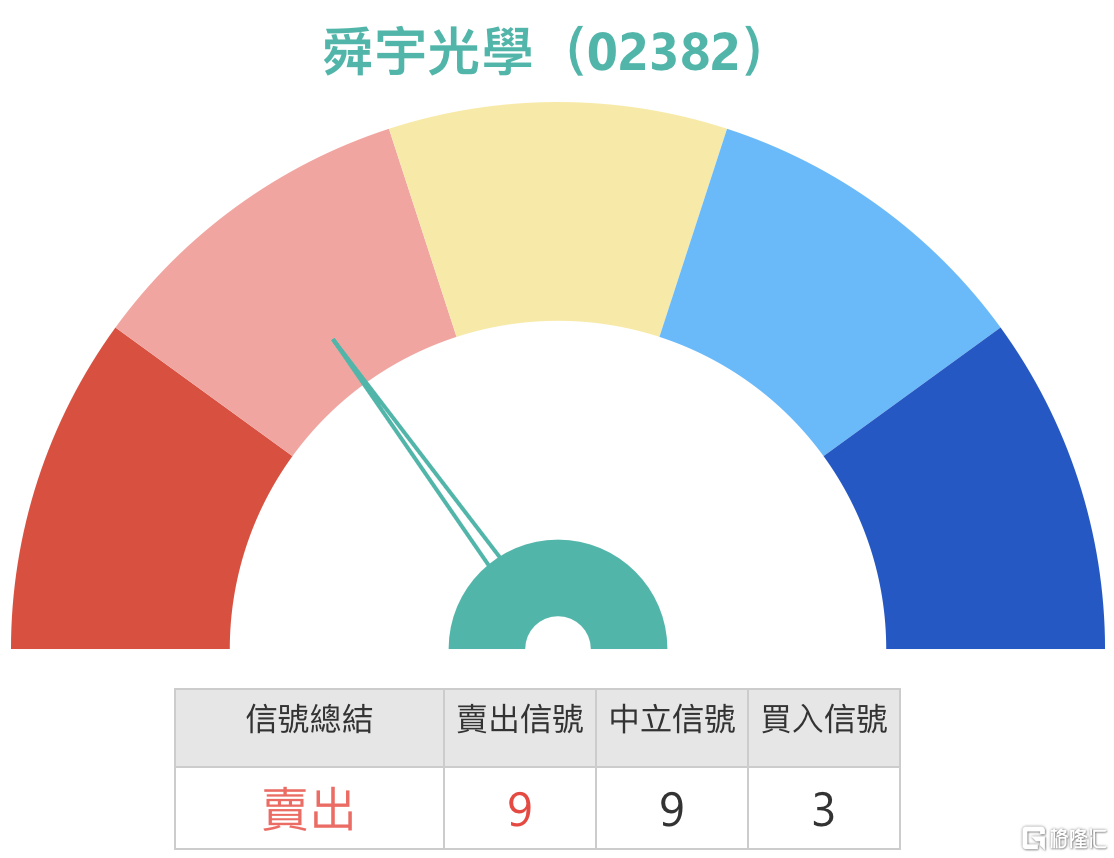
舜宇光學挑戰85.3元阻力 蘋果新品拉動光學需求
Ge Long Hui· 2025-09-16 03:38
Market Overview - The Hang Seng Index has reached a new high of 26,500 points, with an increase of nearly 31% year-to-date [1] - The Hang Seng Tech Index has also risen for four consecutive trading days, up over 30% this year [1] Company Performance - Sunny Optical (02382) showed a stable performance on Monday morning, with its stock price fluctuating around a key technical level at 81.25 HKD [1] - The stock's recent support levels are at 78.2 HKD and 74.6 HKD, while resistance is at 85.3 HKD, with a potential target of 88.2 HKD if the resistance is broken [3] Product Launch Impact - Apple announced the launch of the iPhone 17 series, AirPods Pro 3, and Apple Watch Series 11, with key features including blood pressure monitoring and AI real-time translation [1] - Citic Securities views Apple's pricing strategy for the new iPhone models as relatively stable, maintaining the same starting price as previous models despite upgrades [1] Technical Analysis - Sunny Optical's RSI reading is at 60, indicating a healthy bullish zone, with moving averages showing a bullish arrangement [1] - The stock's 5-day volatility is at 5.7%, suggesting relative stability [3] Derivative Products Performance - On September 9, when Sunny Optical's stock rose by 3.99%, related derivative products performed well, with notable gains of 33% and 35% for Morgan Stanley and UBS bull certificates, respectively [3] - Investors are encouraged to consider high-leverage derivative products, such as the UBS call option with a strike price of 89.5 HKD, offering a leverage of 5.3 times [6] Investment Strategy - For bullish investors, the recommended products include the UBS call option (strike price 89.5 HKD) and the Barclays call option (strike price 89.55 HKD), both offering high leverage and low implied volatility [6] - For bearish investors, options like the UBS put option (strike price 73.88 HKD) and the Citic put option (strike price 73.82 HKD) are suggested, providing lower premiums and implied volatility [6] Conclusion - The overall market sentiment appears positive, with Sunny Optical reflecting demand expectations in the consumer electronics and automotive optical sectors [3]
行业点评报告:AI大模型厂商加速导入硬件入口,端侧AI产业链投资机遇可期
KAIYUAN SECURITIES· 2025-09-16 02:34
Investment Rating - The industry investment rating is "Positive" (maintained) [1] Core Insights - The AI model continues to iterate, with edge-side AI becoming a core direction, emphasizing lightweight and efficient models [5][6] - Major global AI models are rapidly iterating through algorithm optimization and data accumulation, enhancing capabilities and optimizing inference effects [5][6] - The collaboration between cloud and edge computing is expected to optimize costs, energy consumption, and performance, shifting the focus of AI processing from the cloud to devices like smartphones and PCs [5][6] Summary by Sections Industry Trends - The importance of terminal hardware entry is highlighted, with major AI model manufacturers accelerating the integration of hardware to facilitate the rapid deployment of various AI functions and applications [6] - Companies like Google, Alibaba, and Apple are actively developing AI hardware and applications, indicating a strong push towards integrating AI technology into consumer devices [6] Technological Developments - AI terminals are evolving with advancements in hardware, energy efficiency, and interaction forms, focusing on enhancing local computing power and user experience [7] - The integration of NPU in SoC is improving local computing capabilities, while storage technology is advancing towards high bandwidth and low latency [7] Investment Opportunities - Beneficial targets for investment include brands like Transsion Holdings, Xiaomi Group, and various component manufacturers such as Lens Technology and Sunyu Optical Technology [8] - The edge-side AI model market is expected to grow rapidly, with projections indicating that by 2025, the AI smartphone market share in China will reach approximately 30% [6][8]